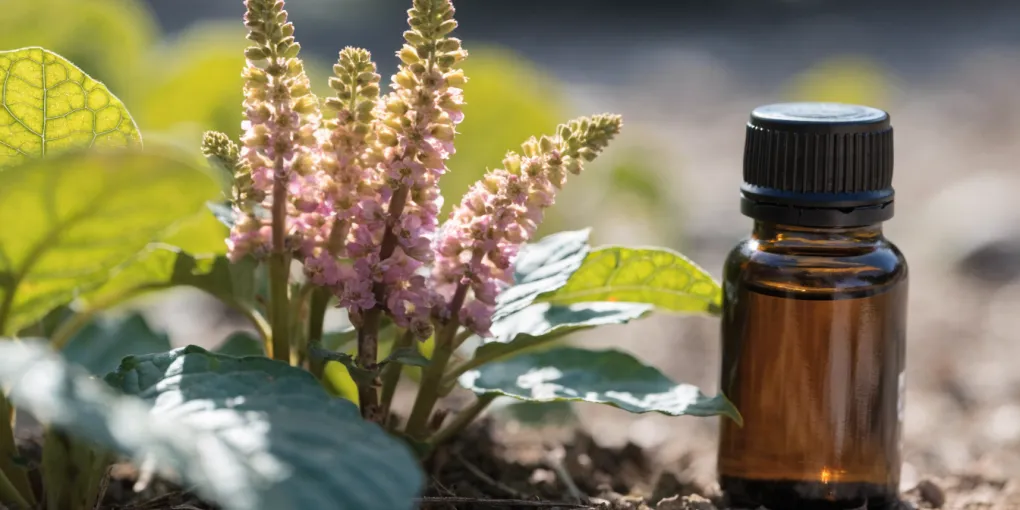
Patchouli oil, derived from the Pogostemon cablin plant, is an essential oil with a complex, earthy, musky, and slightly sweet aroma. Valued for centuries, it is used in perfumery, aromatherapy for grounding emotions and promoting sleep, and in skincare for its soothing, anti-aging, and moisturizing properties. It also functions as a natural insect repellent and home deodorizer.
Table of Contents
- Unearthing Patchouli Oil
- Distilling the Plant
- The Iconic Aroma Profile
- Soothing Troubled Skin
- Age Defying Glow
- Deep Moisture Boost
- Scalp Health Specialist
- Grounding Your Emotions
- Natural Sleep Companion
- Insect Repelling Power
- Natural Home Deodorizer
- Custom Blending Guide
- Diffuser Recipes Unlocked
- DIY Body Care Crafts
- Aromatherapy Practices
Unearthing Patchouli Oil
Patchouli oil comes from the Pogostemon cablin plant, which thrives in Southeast Asia. For centuries, people in India, Malaysia, and Indonesia used its leaves for their healing properties, to make traditional perfumes, and to keep their textiles safe from damage. These early practices spread through old trade routes, setting the stage for the plant’s global fame.
When merchants carried silks and spices from the East to the West, they packed dried patchouli leaves alongside them. This had two essential functions: it gave the fabrics a unique, earthy and musky scent, and it acted as a natural bug repellent, keeping moths and other pests away during the long sea voyages. Because of this, the distinctive aroma became closely tied to luxurious goods from the Orient, like cashmere shawls, which made them seem exotic and mysterious when they arrived in Europe.
Patchouli truly became famous again in the mid-20th century, especially during the 1960s counterculture movement. Its strong, earthy fragrance fit perfectly with the era’s love for natural, free-spirited lifestyles and its rejection of traditional rules. The oil was cheap and easy to buy, so it became a popular choice for personal fragrance, incense, and creating an aromatic mood in shared spaces. This moment in history changed patchouli oil forever, turning it from an ancient plant product into a powerful symbol of a whole generation.
Distilling the Plant
Patchouli essential oil starts with mature patchouli leaves, which are harvested and dried. Drying is a key step because it triggers natural chemical changes in the leaves, forming the precursor compounds that eventually create patchouli’s signature scent.
The dried leaves are then placed in a still and exposed to superheated steam. The steam breaks open the plant cells, releasing the volatile aromatic oils. The steam and oil vapor are cooled in a condenser, turning back into liquid. Because oil floats on water, the pure patchouli essential oil is easily separated and collected.
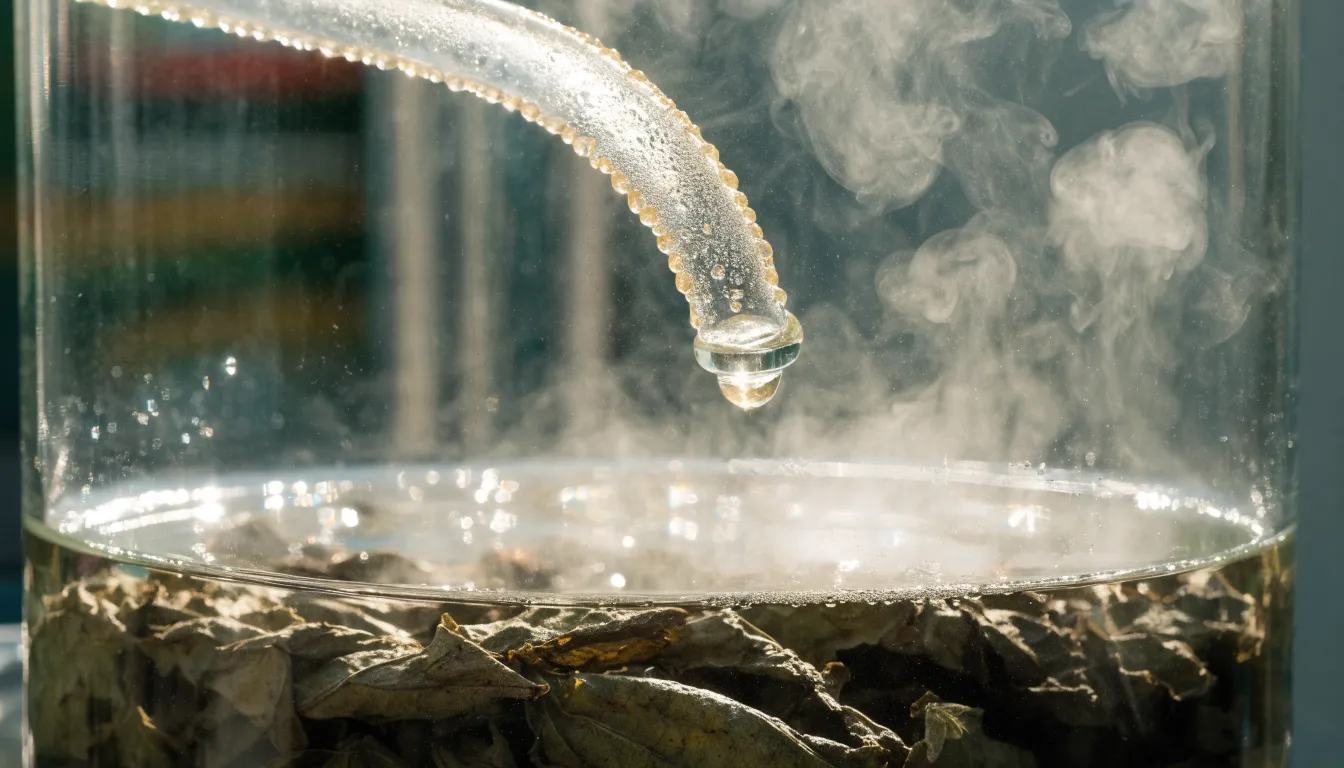
Freshly distilled patchouli oil often smells raw and herbaceous, so it must be aged. During aging, slow chemical reactions, especially oxidation, soften the sharp green notes and bring out a richer, deeper, earthy and woodsy fragrance. This aging can take months or even years, and it is what gives patchouli oil its most prized, smooth and complex aroma.
The Iconic Aroma Profile
Patchouli oil has a deeply recognizable, complex scent that stands out in perfumery and aromatherapy. Its core is a rich, musky base that feels soft and velvety rather than sharp or animal-like. This is paired with a strong earthy note, like damp soil after rain or decaying leaves on a forest floor, giving it a grounding, natural quality that connects the wearer to the plant’s botanical origins.
Beyond that depth, patchouli also holds a subtle sweetness—not sugary, but a gentle balsamic warmth that softens the earthy edges. Some people notice hints of aged wine, dried fruit, or even cocoa in this layer. Together, these elements form a multifaceted aroma that evolves over time, revealing new character as it sits on the skin or blends with other oils.
One of patchouli’s most valued traits is that it improves with age, much like a fine wine. Over months or years, exposure to air and light causes slow oxidation and chemical changes in the oil. Sharper, camphor-like notes mellow out, while heavier resinous compounds become more pronounced and integrated. The result is a smoother, richer, and more harmonious fragrance with greater depth, longevity, and warmth—which is why The result is a smoother, richer, and more harmonious fragrance with greater depth, longevity, and warmth—which is why well-aged patchouli is so prized by connoisseurs.
Soothing Troubled Skin
Patchouli oil is a gentle, natural option for soothing troubled skin. It works mainly through its anti-inflammatory compounds, which calm the skin and ease discomfort. By interacting with the skin’s natural processes, it helps create a more settled, comfortable surface.
For sensitive skin, patchouli oil is especially useful. It helps tone down overreactive irritation and unease, bringing balance to delicate complexions. This makes it a helpful addition to routines focused on nurturing easily aggravated skin.
It also supports minor breakouts by calming the irritation behind blemishes, without harsh drying. In addition, it reduces localized redness and helps even out skin tone by restoring the skin’s natural equilibrium. Overall, patchouli oil offers a soothing, natural path to healthier-looking skin.
Age Defying Glow
Patchouli oil works well in natural skincare to fight signs of aging. Its main function is to help the skin regenerate cells. By encouraging the skin to shed old, damaged cells and create new, healthy ones, it directly boosts firmness and gives the complexion a more youthful look.
As we age, we lose collagen and elastin, which leads to sagging. Patchouli helps counter this by stimulating the skin from within, making it feel more supple and resilient. These regenerative qualities also smooth out fine lines and wrinkles by creating a stronger, healthier skin surface that reduces the depth of age lines.
With continuous new cell growth, patchouli oil plumps the skin, making lines less visible and providing a smoother, more even texture that reflects light well. Added to a moisturizer, serum, or carrier oil for a facial massage, regular use helps maintain firmness and a healthy, radiant, age-defying glow.
Deep Moisture Boost
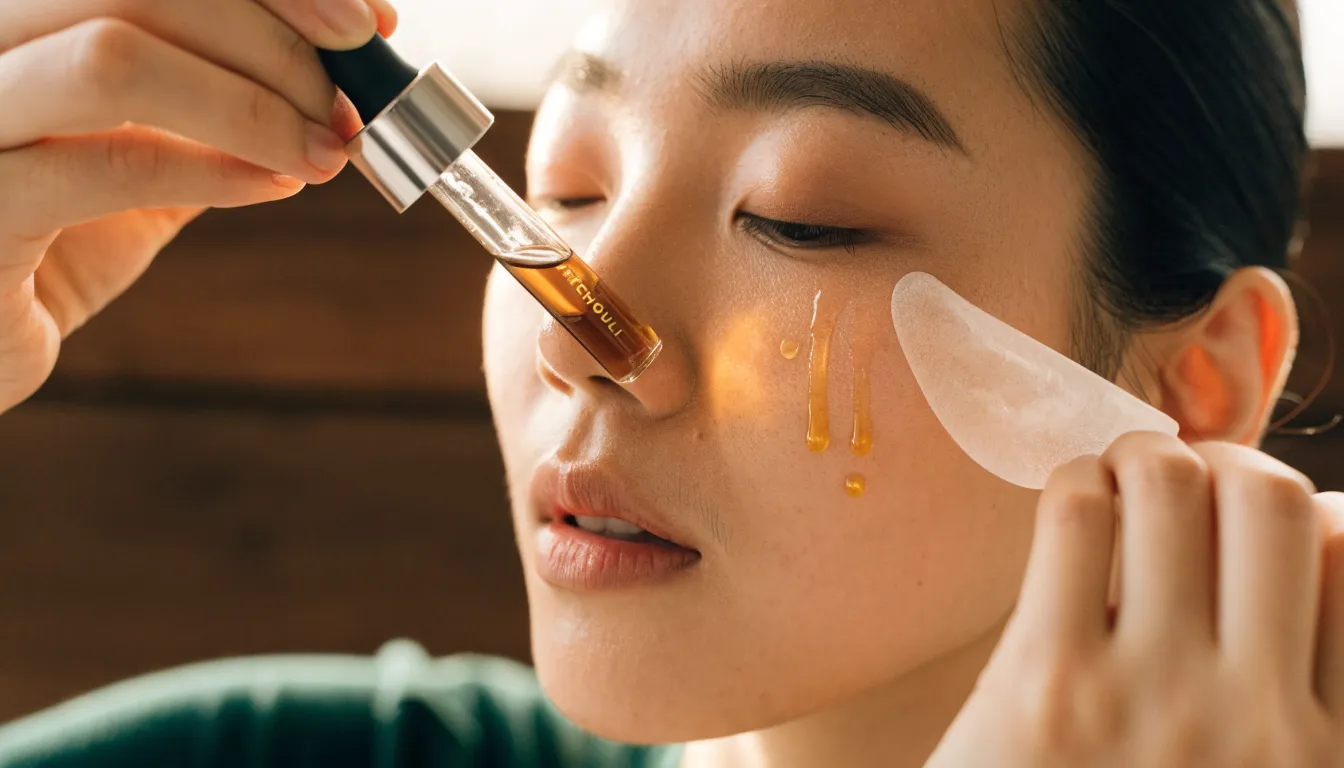
Patchouli oil provides a deep moisture boost, making it a helpful natural remedy for dry and damaged skin. Its nourishing qualities restore hydration and flexibility, especially on stubborn areas like elbows and knees. The oil acts as a rich emollient that locks in moisture, soothes discomfort, and helps smooth rough patches. It also supports the skin’s natural barrier, preventing water loss and defending against environmental triggers that cause dryness.
For cracked heels, regular use of patchouli oil can make a real difference. It softens thickened skin, helps heal fissures, and has a calming effect while encouraging repair. Because the oil can penetrate deeply, its beneficial compounds reach the affected tissue, reducing roughness and supporting skin regeneration.
In cold weather, patchouli oil is an effective shield against winter chapping. It forms a protective layer against harsh winds and low humidity while supplying essential hydration to keep skin soft and resilient. With this complete approach to moisture, patchouli oil helps maintain healthy, comfortable skin naturally all year round.
Scalp Health Specialist
Patchouli oil works as a natural scalp specialist by helping keep oil production balanced. If the scalp gets too oily or too dry, hair can suffer. This oil helps normalize sebum, so it prevents excess oil from clogging follicles and weighing hair down, while still keeping the scalp moisturized enough. That balance creates a healthier environment for hair growth.
It is also useful for fighting dandruff. Patchouli oil has antiseptic and anti-inflammatory properties that target common causes of dandruff, like fungus or irritated skin. Regular use can soothe itching, reduce redness, and help clear away visible flakes, while supporting the scalp’s natural balance.
When the scalp is both well-balanced and flake-free, hair looks healthier and more radiant. It stays nourished without becoming greasy, and it gets the right conditions to thrive. As a result, hair has more natural shine, feels softer and easier to manage, and looks clean and full of vitality.
Grounding Your Emotions
Inhaling patchouli essential oil can quickly bring emotional calm, especially on stressful days. Its scent molecules travel from the nasal passages to the olfactory bulbs, which connect directly to the limbic system—the brain’s emotional control center. By affecting this area, patchouli helps regulate mood and stress responses, encouraging a deep sense of peace and well-being, often sought after with essential oils for stress relief.
This interaction is especially helpful for nervous tension. When daily pressures make the mind overactive, patchouli softly quiets the mental noise and promotes a more settled state. It also eases physical signs of anxiety like a racing heart, shallow breathing, and tight muscles by supporting slower, deeper breaths and overall relaxation. As anxious feelings fade, it becomes easier to face stressful situations with composure and clarity.
Patchouli also supports emotional stability by grounding your feelings so they aren’t easily overwhelmed by outside stress or rapid change. This helps smooth out mood swings and makes reactions more balanced and thoughtful. Used regularly, patchouli oil can build lasting inner peace, strengthen resilience, and help you maintain a steady emotional core throughout the day.
Natural Sleep Companion
Patchouli oil can naturally support better sleep by calming the mind and body. Its earthy, musky scent has sedative qualities that help slow racing thoughts and ease the transition into relaxation. For people whose minds tend to speed up at bedtime, this makes patchouli a helpful tool for quieting mental activity and creating a peaceful state.
It can be used in simple evening routines. Diffusing a few drops in the bedroom about 30 minutes before sleep sends a signal that it is time to unwind. Another option is adding five to ten drops of patchouli to a warm bath, mixed first with a carrier oil like jojoba or almond for safe skin contact. The steam carries the calming scent while the skin absorbs the oil’s effects.
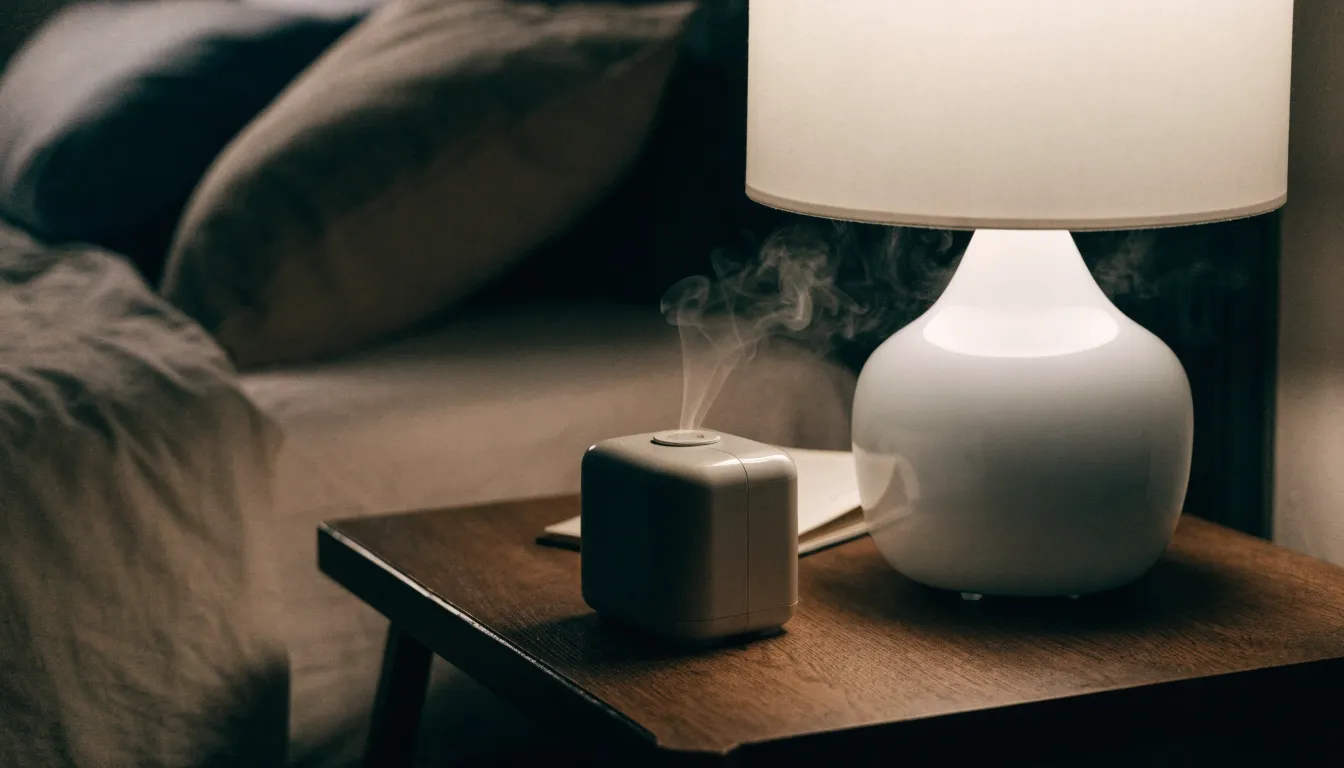
For deeper sleep, dilute one or two drops of patchouli in a teaspoon of neutral carrier oil and massage it onto pulse points like the wrists, temples, or soles of the feet. This gentle massage can become a mindful bedtime ritual that supports the shift from wakefulness to rest. With regular use, patchouli helps promote more peaceful, restorative sleep and a refreshed feeling in the morning.
Insect Repelling Power
Patchouli oil uses its natural plant properties to keep insects away. Its strong smell is pleasant to many people but unpleasant and confusing for pests. Certain compounds in the oil act as natural deterrents, making it a good alternative to chemical insect sprays. It has also been used for pest control in traditional cultures for a long time.
One of its main uses is as a natural mosquito repellent. When diffused or applied to the skin in diluted form, its scent creates a barrier that keeps mosquitoes from staying nearby and reduces bites. Patchouli also works on other household pests. Ants are sensitive to strong smells, so patchouli can disrupt their scent trails and keep them out of treated areas.
The oil also helps with fleas, which are a common issue for pet owners. Adding patchouli to diluted sprays for pet bedding or collars can help create a flea-free environment. Overall, patchouli oil offers a gentle but effective way to manage pests and makes indoor spaces more comfortable without using harsh chemicals.
Natural Home Deodorizer
Patchouli oil is a great natural way to purify indoor air and make your home smell rich and earthy. Its strong scent works by neutralizing lingering odors rather than just covering them up, so it’s especially useful for kitchens, pet areas, or any room with stale air.
Using it is simple. You can put a few drops in an essential oil diffuser, which spreads a fine mist through the room and continuously replaces bad smells with patchouli’s grounding fragrance. For targeted freshness, mix a few drops with distilled water in a spray bottle, adding a little witch hazel or dispersant to help it blend. Mist this into the air or onto fabrics, curtains, and upholstery to leave a subtle, clean, earthy scent.
Beyond clearing odors, patchouli’s deep, woody, slightly sweet aroma helps create a calm and inviting atmosphere. It turns everyday spaces into a more relaxing, natural-feeling environment.
Custom Blending Guide
Patchouli oil works as a strong base note, providing a rich, earthy, and musky foundation that anchors lighter top and middle notes. This grounding effect helps the overall scent last longer and adds complexity. The key skill is balancing its deep strength with other oils—using brighter or sweeter elements to either lift it or soften its dominant character, a technique explored further in a beginner’s guide to blending essential oils.
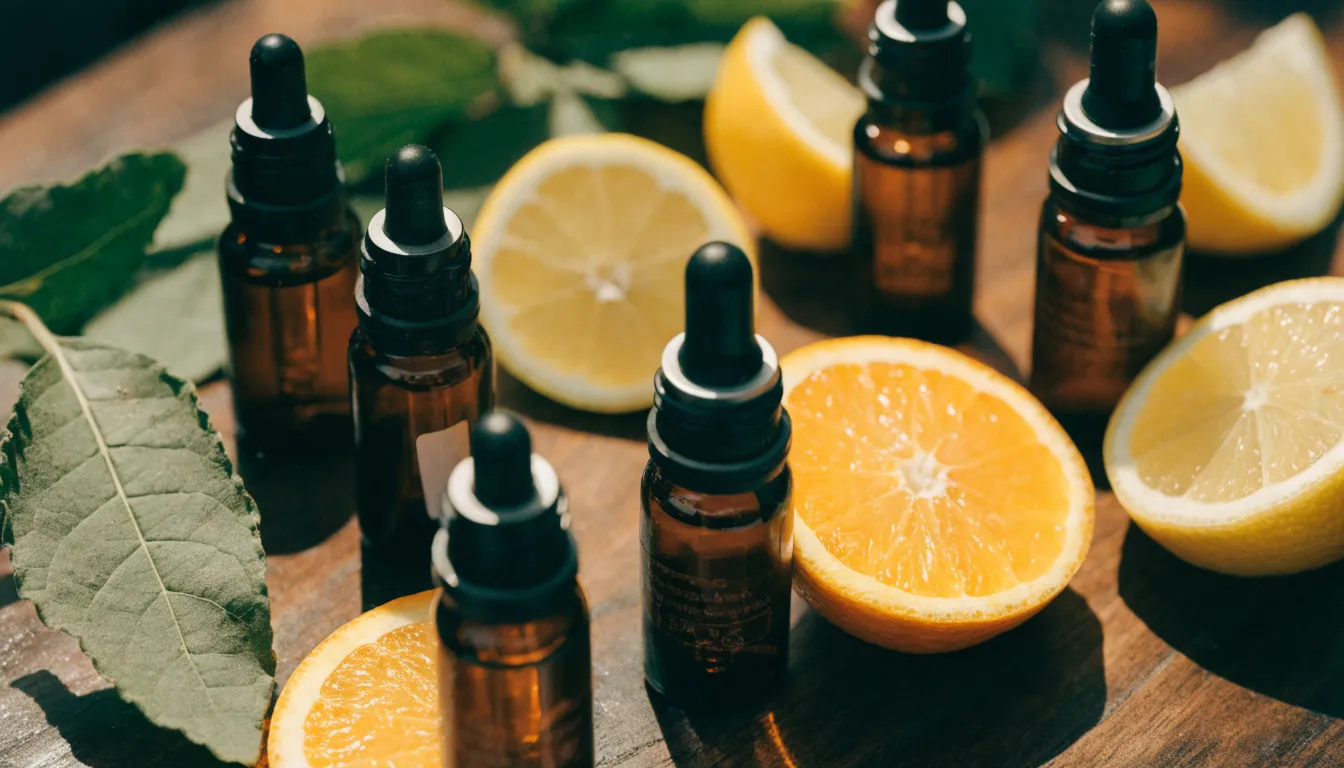
When blending with citrus oils like bergamot, sweet orange, or lemon, you add a bright, zesty top note that cuts through patchouli’s heaviness. A good starting ratio is one part patchouli to two or three parts citrus. This creates a fresh yet grounded aroma, such as bergamot adding a sophisticated tea-like twist. After blending, let the mixture sit, as the lighter citrus notes will fade faster, revealing the evolving heart of the scent.
Pairing patchouli with floral oils like rose, jasmine, or ylang-ylang brings a softer, more elegant sweetness. Rose adds classic richness, while ylang-ylang offers a creamy, exotic touch, and geranium bridges the earthy and floral sides. Use about one part patchouli to one or two parts floral oil, adjusting for the floral’s strength. The goal is a cohesive blend where each note is clear but works together, showing patchouli’s versatility as a foundational element.
Diffuser Recipes Unlocked
Essential oil diffuser blends can easily make your home feel cozy and welcoming. Simple combinations are all you need to create warmth, relaxation, and peace in any room.
For your living room, try cedarwood and sweet orange. Cedarwood brings a grounding, calming presence, while sweet orange adds a cheerful lift. Together, they help you unwind after a long day and make the space feel inviting for gatherings.
For the bedroom, lavender and frankincense support deep rest. Lavender’s gentle floral notes calm the mind, while frankincense’s earthy scent encourages relaxation and peaceful sleep. In a home office, peppermint and lemon work well to sharpen focus and clarity without feeling overwhelming. These simple blends let you customize each room’s mood and turn your whole home into a warm sanctuary.
DIY Body Care Crafts
Patchouli essential oil can easily be added to homemade body care products, letting you control both ingredients and scent. For custom soap, use a melt-and-pour base: cube it, melt gently, let it cool slightly, then stir in 10–15 drops of patchouli oil per pound of soap. Pour into molds and let harden overnight for ready-to-use bars.
For a light, refreshing body water, mix distilled water with a natural solubilizer so the oil disperses properly. Add 5–10 drops of patchouli oil per four ounces of water and shake well. Use it as a quick skin refresher or room spray, shaking before each use.
For a moisturizing lotion, simply add 5–10 drops of patchouli oil per ounce of unscented lotion base and stir until fully blended. Transfer to a clean jar or pump bottle. Always do a patch test first, and store any homemade products in a cool, dark place.
Aromatherapy Practices
Patchouli oil is a helpful tool in aromatherapy, especially for meditation and yoga. Its earthy, musky scent supports mindfulness and helps people relax more deeply. The calming aroma also supports better breathing and inner peace, turning a practice space into a quiet place for focus and reflection. To use it, simply diffuse a few drops in the room before starting. The scent encourages slower, more deliberate breathing, and a diluted drop on the wrists or temples can help keep breathing patterns steady throughout the session.
During meditation or yoga, patchouli acts as an olfactory anchor. If the mind starts to wander, its familiar scent gently brings attention back to the present. This steady aroma helps reduce distractions and keeps practitioners centered, which is especially helpful in challenging poses or long seated meditations. The consistent scent creates an atmosphere of sustained concentration, making the whole experience more immersive.
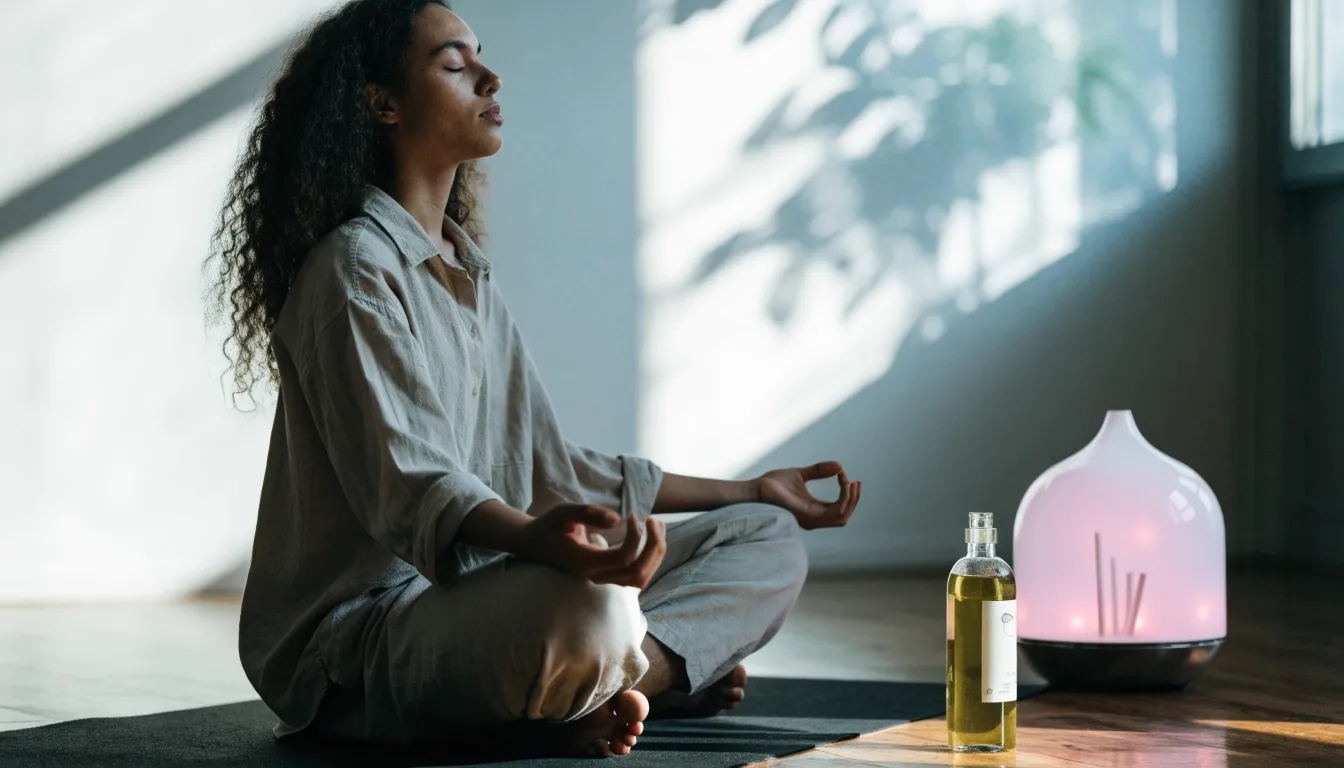
Patchouli is also valued for spiritual grounding. Its deep, root-like smell connects people to the earth and promotes feelings of stability and security. This is important for anyone hoping to deepen their spiritual practice, as it helps them feel fully present and connected to both their inner self and the world around them. Whether diffused, applied to the soles of the feet, or inhaled directly from the bottle, patchouli supports a richer, more mindful practice.
Frequently Asked Questions
What are the traditional uses of patchouli oil?
For centuries, people in India, Malaysia, and Indonesia used patchouli leaves for their healing properties, to make traditional perfumes, and to keep their textiles safe from damage. Merchants also packed dried patchouli leaves alongside silks and spices, giving fabrics a unique scent and acting as a natural bug repellent during voyages.
How is patchouli essential oil produced?
Patchouli essential oil starts with mature leaves that are harvested and dried, triggering chemical changes for the signature scent. The dried leaves are then placed in a still and exposed to superheated steam, which releases the volatile aromatic oils. The steam and oil vapor are cooled and condensed, and the pure essential oil is then separated and collected.
What does patchouli oil smell like, and does its scent change over time?
Patchouli oil has a deeply recognizable, complex scent that is rich, musky, and earthy, with subtle balsamic sweetness and hints of aged wine or cocoa. Freshly distilled oil can smell raw and herbaceous, but it improves with age as slow chemical reactions like oxidation soften sharp notes and bring out a richer, deeper, woodsy aroma.
Can patchouli oil help soothe troubled skin?
Yes, patchouli oil is a gentle, natural option for soothing troubled skin, working mainly through its anti-inflammatory compounds to calm discomfort and irritation. It is especially useful for sensitive skin, helping to tone down overreactive irritation, support minor breakouts, and reduce localized redness.
How can patchouli oil be used to support better sleep?
Patchouli oil can naturally support better sleep by calming the mind and body with its earthy, musky scent and sedative qualities. It can be diffused in the bedroom, added to a warm bath (mixed with a carrier oil), or diluted with a carrier oil and massaged onto pulse points like wrists or temples before bedtime.
Are there any safety precautions to consider when using patchouli oil on the skin?
Yes, when applying patchouli oil to the skin, it is important to dilute it with a neutral carrier oil like jojoba or almond for safe skin contact. Additionally, always do a patch test first to ensure there is no irritation before widespread use.