
Essential oils like peppermint, eucalyptus, and lavender offer natural relief for sore muscles by reducing inflammation, increasing circulation, and relaxing tension. When Essential oils like peppermint, eucalyptus, and lavender offer natural relief for sore muscles by reducing inflammation, increasing circulation, and relaxing tension. When diluted with a carrier oil such as jojoba or almond, their active compounds penetrate the skin to soothe microscopic muscle tears and calm pain receptors, aiding the body’s natural recovery process effectively.
Table of Contents
- Understanding Muscle Soreness
- Plant Power Basics
- Peppermint Oil Cooling
- Eucalyptus Oil Strength
- Lavender Oil Calm
- Rosemary Oil Support
- Sweet Marjoram Soother
- Frankincense Oil Magic
- Ginger Oil Warmth
- Roman Chamomile Comfort
- Carrier Oil Basics
- Homemade Massage Blends
- Soaking Bath Rituals
- Target Massage Techniques
- Complete Muscle Care
Understanding Muscle Soreness
Muscle soreness after a tough workout is common and actually shows your muscles were effectively challenged. Known scientifically as Delayed Onset Muscle Soreness (DOMS), it usually appears 12 to 72 hours after exercise and varies in intensity per person. In most cases, this isn’t a sign of injury but a normal physical reaction to new or intense activity.
The cause of DOMS lies in microscopic damage to muscle fibers, especially during eccentric movements where muscles lengthen under tension, like lowering a weight. These tiny, cellular-level tears aren’t serious injuries. Instead, they are a crucial step in muscle adaptation, helping your muscles grow stronger and more resilient over time. This is why soothing topicals like essential oils are often applied—to help ease the discomfort that comes with this beneficial breakdown.
After these tears, the body starts a localized, natural inflammatory response to repair itself. Immune cells rush in to clear debris and rebuild tissue, and the fluids and chemicals released during this process trigger pain receptors, leading to that familiar aching and stiffness. Recognizing this process as a sign of progress rather than damage helps demystify post-workout pain, which is exactly why essential oils are used to calm inflammation and provide relief during this healing phase.
Plant Power Basics
Essential oils come from plants and can help ease muscle tension. When rubbed on the skin, their tiny molecules pass through the outer skin layers and reach deeper tissues and even the bloodstream. Mixing them with carrier oils like jojoba or almond oil helps spread them evenly and makes absorption easier. This lets the oils enter the body directly, without going through the digestive system.
Once absorbed, active plant chemicals in the oils start working. Ingredients like menthol in peppermint oil and eugenol in clove oil interact with the body’s pain pathways. They can quiet pain signals, making discomfort feel less intense.
Many essential oils also fight inflammation. If sore muscles are swollen or inflamed, these natural compounds help calm that response, reducing both pain and tension. By blocking pain signals and easing inflammation, essential oils offer a simple, plant-based way to soothe tired muscles.
Peppermint Oil Cooling
Peppermint essential oil is especially effective for sore muscles because it contains a high amount of menthol. When applied to the skin, menthol activates cold-sensing receptors in the body, creating a quick, noticeable cooling feeling that spreads into the muscle tissue. This sensation works as a mild anesthetic, helping to numb sharp soreness and discomfort from intense activity or minor strain.
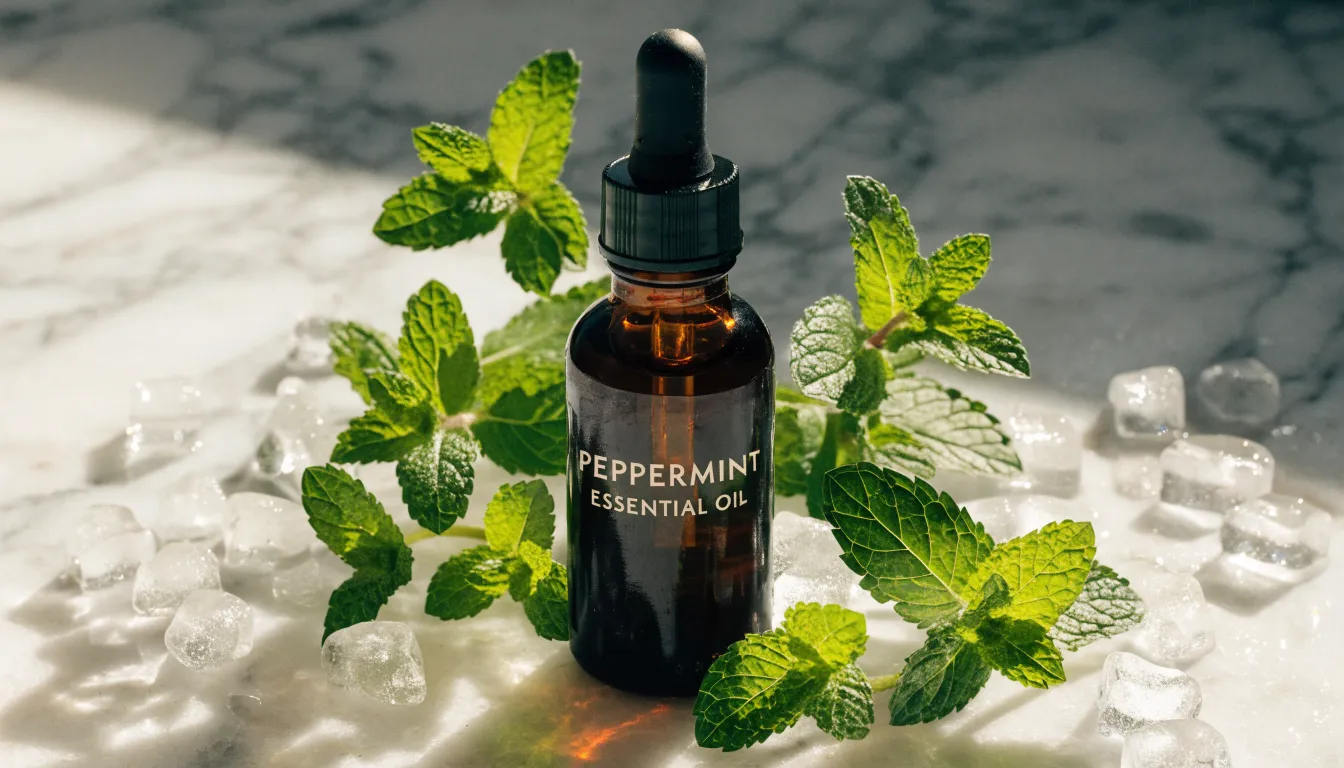
Beyond numbing, peppermint oil helps improve blood flow in the treated area. The cooling effect and other natural compounds encourage blood vessels to widen, a process called vasodilation. This brings more oxygen and nutrients to the muscles, which supports healing and recovery.
Better circulation also helps flush out waste products like lactic acid that build up in tired muscles and cause stiffness. With its combination of fast cooling relief and support for recovery, peppermint oil is a practical choice for quickly easing muscle discomfort.
Eucalyptus Oil Strength
Eucalyptus oil is especially effective for rapidly easing deep muscle tightness. Its power comes largely from a key compound called 1,8-cineole, which is known for strong anti-inflammatory effects. This makes eucalyptus oil particularly helpful when muscles feel painfully constricted or severely sore.
When applied to the skin, eucalyptus oil delivers these active compounds directly to the affected area. The 1,8-cineole works to reduce inflammation inside the muscle tissue, which is often the root cause of stiffness and discomfort. By calming this underlying irritation, it helps soothe soreness rather than just masking the pain.
The oil’s unique molecular structure also allows it to penetrate deeply into the tissue, reaching the core of muscle tightness and spasms. This deep action helps address knotted or rigid muscles by reducing inflammatory processes within the muscle fibers themselves. Because it works quickly and reaches deep layers, eucalyptus oil offers a comprehensive way to relieve severe muscular discomfort and help restore flexibility and comfort fast.
Lavender Oil Calm
Lavender oil is known for its calming effects on both body and mind. Its main active part, linalool, works as a natural muscle relaxant. When muscles are overused, they tighten and feel sore. Applying lavender oil to the skin, usually mixed with a carrier oil, lets linalool sink into the muscles and gently release that tightness.
Breathing in lavender oil also calms the nervous system. Linalool helps lower stress hormones like cortisol, which can make pain feel worse. By reducing these hormones, lavender oil helps the body become less sensitive to discomfort. This means it works in two ways: relaxing tense muscles and easing the mental stress that often makes soreness feel stronger.
This combined effect makes lavender oil helpful for full muscle recovery. Its gentle scent quiets the mind, and when the mind is calm, the body can heal more quickly and comfortably. Whether you diffuse the oil in the air or massage it into tired muscles, lavender oil offers a simple, soothing path to relief and relaxation.
Rosemary Oil Support
Rosemary oil helps tired, overworked muscles by improving blood flow in the specific area where it is applied. Its active plant compounds, especially camphor, create a gentle warming feeling on the skin. This warmth signals that circulation has increased, which is exactly what sore muscles need after physical exertion.
Better local circulation means tiny blood vessels widen so nutrient-rich blood can reach the muscle tissues more easily. This fresh blood supplies oxygen and key nutrients that support muscle repair and recovery. At the same time, the increased flow helps move out metabolic waste products, such as lactic acid, that build up during intense activity and cause soreness and stiffness.
By speeding up this waste removal, rosemary oil helps flush the byproducts away from the muscles and into the lymphatic system for elimination. This faster cleanup reduces both the length and intensity of muscle soreness, helping the body return to comfort and normal function more quickly. Overall, rosemary oil offers a natural, effective way to support recovery and ease the feeling of tired limbs.
Sweet Marjoram Soother
Sweet Marjoram oil is a gentle but powerful remedy for stubborn muscle knots and involuntary tightness. Its main strength comes from natural antispasmodic properties, which target the root of many muscle problems: prolonged, unwanted contractions.
Overused or stressed muscles can form tender trigger points—hard, painful lumps that may radiate discomfort and limit movement. Sweet Marjoram helps by encouraging tense muscle fibers to let go. Its compounds calm spasms, unwind deep tightness, and ease pressure on nerves. As muscles relax, blood flow improves, helping clear waste products that build up in sore areas.
The goal is to restore comfortable, natural movement. Reaching, bending, and everyday motion become easier as constriction fades. When diluted and applied through massage, Sweet Marjoram penetrates the affected area, offering soothing relief and a deep sense of muscular freedom.
Frankincense Oil Magic
Frankincense oil has been valued for centuries in traditional wellness, and it is especially helpful for easing general body stiffness. Distilled from ancient resin, it contains natural therapeutic compounds called terpenes. These work throughout the body to address the deep discomfort behind ongoing muscle and joint tightness.
These terpenes help calm areas of tension, relaxing contracted muscles and reducing the rigid feeling that comes from daily stress, long periods of inactivity, or everyday wear and tear. Instead of working on just one spot, frankincense promotes an overall sense of physical ease, helping movement feel smoother and less restricted. It also helps relieve that “stuck” feeling that can get in the way of daily tasks or an active lifestyle.
Using frankincense oil regularly can support long-term mobility by targeting the root causes of systemic stiffness. It helps keep muscles and connective tissue supple and flexible, so the body stays better prepared for activity and recovers more easily from exertion. With consistent use, tissues become more resilient and less prone to recurring soreness, which leaves the body feeling more adaptable, agile, and comfortable in motion day after day.
Ginger Oil Warmth
Ginger oil creates a distinctive warming sensation that’s especially helpful for stiff joints and sore muscles. This warmth comes from compounds like gingerol, which act as natural rubefacients. When applied to the skin, gingerol gently raises local body heat—not just on the surface, but deeper into the tissues, reaching cold, aching muscle fibers and joints.
This warming effect helps the body recover by improving circulation. As the area heats up, blood vessels widen, allowing more blood to flow through. That extra blood brings oxygen and nutrients directly to tired or stiff muscles and joints, while also helping flush out metabolic waste like lactic acid, which can build up during activity and add to soreness.
By boosting circulation and delivering what the tissues need, ginger oil helps relax tight muscles, ease discomfort, and improve flexibility. It supports the body’s natural repair process, making it a valuable option for soothing sore muscles and promoting recovery.
Roman Chamomile Comfort
Roman Chamomile essential oil is a gentle option for sore muscles, especially when the area feels tender or sensitive. It calms overly reactive muscles and provides comfort without being harsh.
Its main soothing power comes from a compound called chamazulene. This helps reduce the extra sensitivity and discomfort linked to muscle soreness, making it ideal for people with delicate skin or those who find stronger oils too stimulating.
It also helps ease mild swelling and puffiness, supporting the body’s natural recovery. Roman Chamomile offers mild, effective relief that respects the skin while calming sore, tense muscles.
Carrier Oil Basics
Essential oils are very strong plant extracts, so you should never put them directly on your skin. A carrier oil solves this problem by safely thinning out the essential oil, letting your skin absorb it comfortably.
Carrier oils like jojoba, sweet almond, fractionated coconut oil, or grapeseed oil also have their own benefits. They help moisturize your skin and make sure the essential oil spreads evenly over sore muscles, so the blend works well while also protecting your skin.
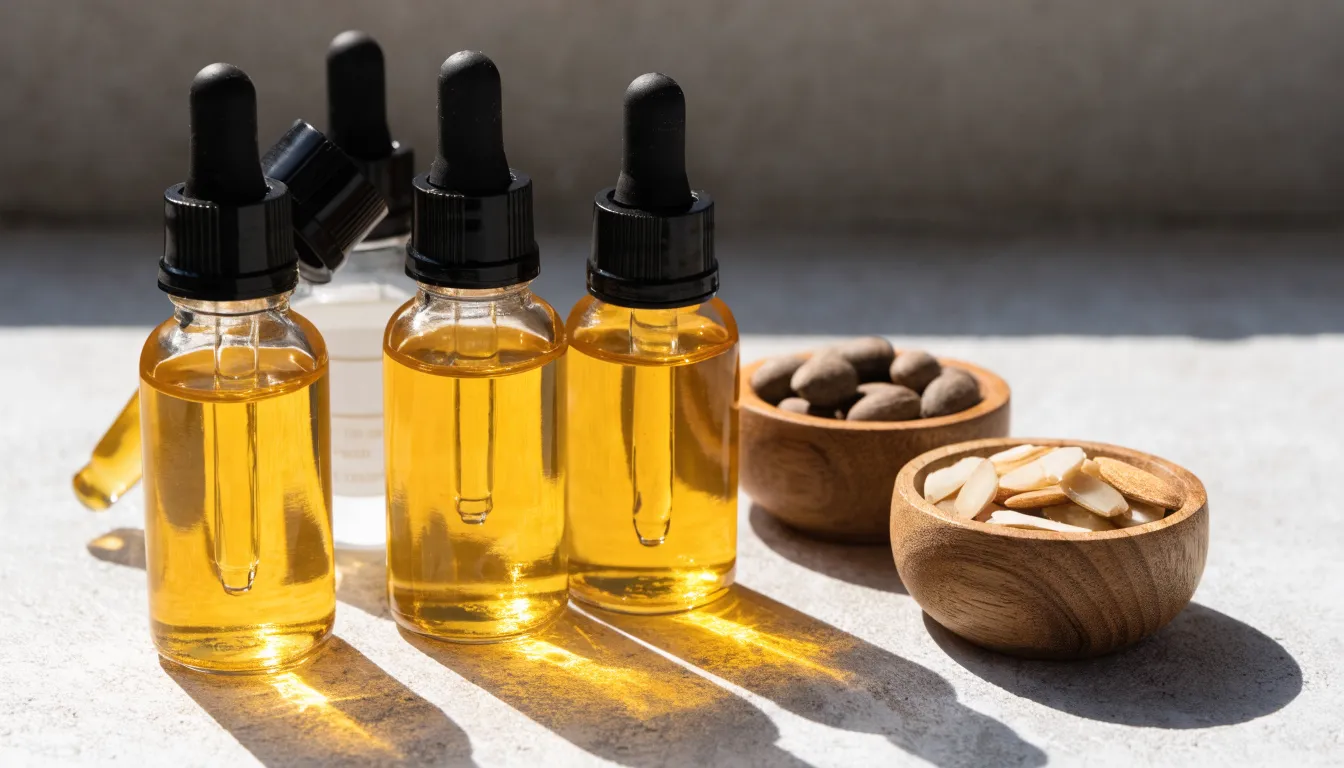
For a safe mix at home, use about 6 to 18 drops of essential oil for every ounce (30 ml) of carrier oil, which equals a 1–3% dilution. If your skin is very sensitive, start with an even weaker mix, around 0.5–1%. Put the drops into a clean, dark glass bottle, add the carrier oil, and gently roll the bottle between your hands to combine. This simple step helps you get the full muscle-soothing benefits of essential oils without causing discomfort.
Homemade Massage Blends
Homemade massage blends let you personalize post-workout recovery with essential oils chosen for muscle relief and relaxation. Start with a carrier oil like fractionated coconut, jojoba, or sweet almond oil to safely dilute the oils and help them spread over sore areas.
For a general calming blend, combine lavender, peppermint, and marjoram in a dark glass bottle with 30 ml of carrier oil—using about 6 drops of lavender and 4 drops each of peppermint and marjoram. Massage this into tired muscles after exercise to ease tension. For stiff muscles that need warmth and better circulation, try 5 drops of ginger, 3 drops of black pepper, and 5 drops of rosemary in the same carrier amount. This blend delivers comforting heat. Always patch-test on a small skin area first.
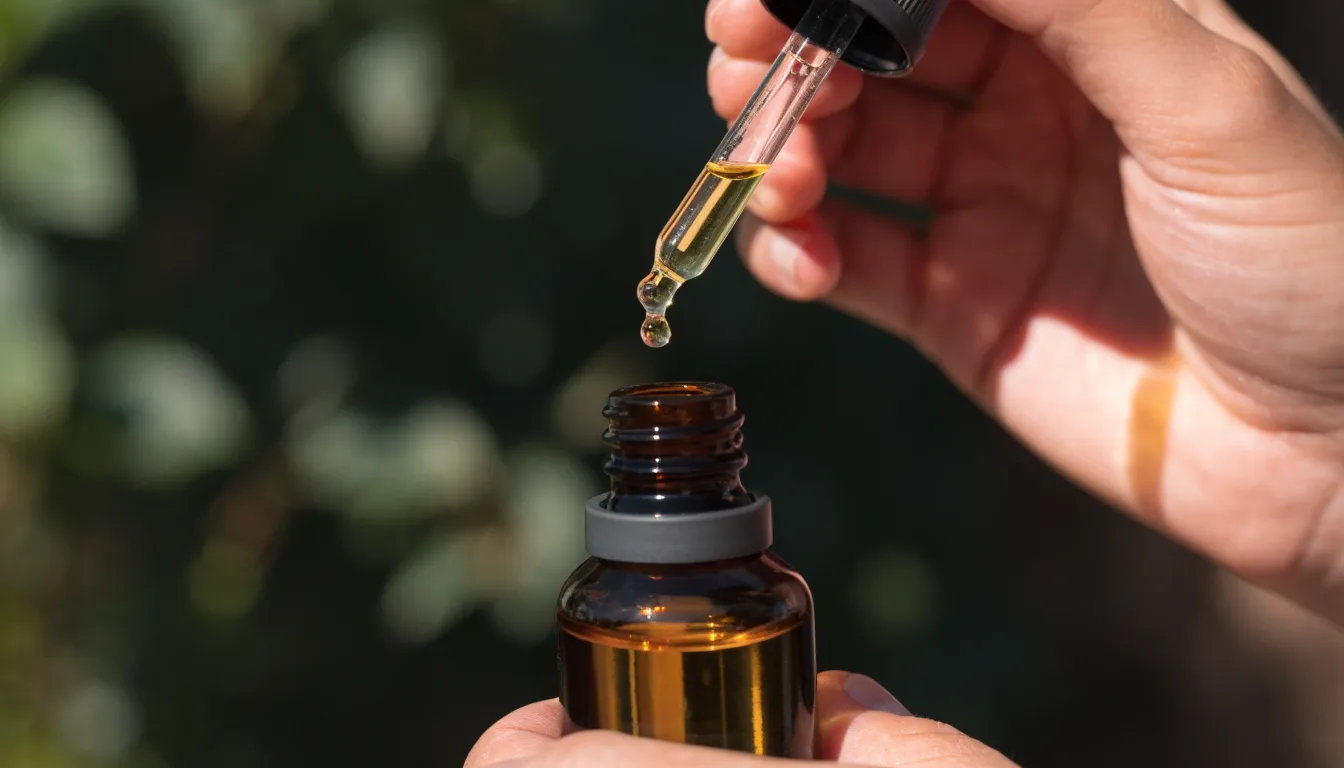
Store your blends in dark glass bottles in a cool, dry place, away from sunlight and temperature swings. Label each bottle with the ingredients and date. Use within six months to a year so the oils stay fresh and effective for muscle recovery.
Soaking Bath Rituals
A simple warm bath can do a lot for sore muscles by improving circulation and relaxing tense tissue. Adding essential oils makes the bath even more therapeutic, but they must be used correctly. Since essential oils do not naturally mix with water, dropping them in directly can leave them floating on top and cause skin irritation. Using a carrier to disperse them evenly is key.
One good way is to mix the oils with Epsom salts. Epsom salts themselves help muscle recovery because they are rich in magnesium. Measure half a cup to one cup of Epsom salts, add five to ten drops of your chosen essential oil, and stir well. The salts absorb and spread the oil, so once you pour the mixture into the bath, the oil is distributed evenly through the water.
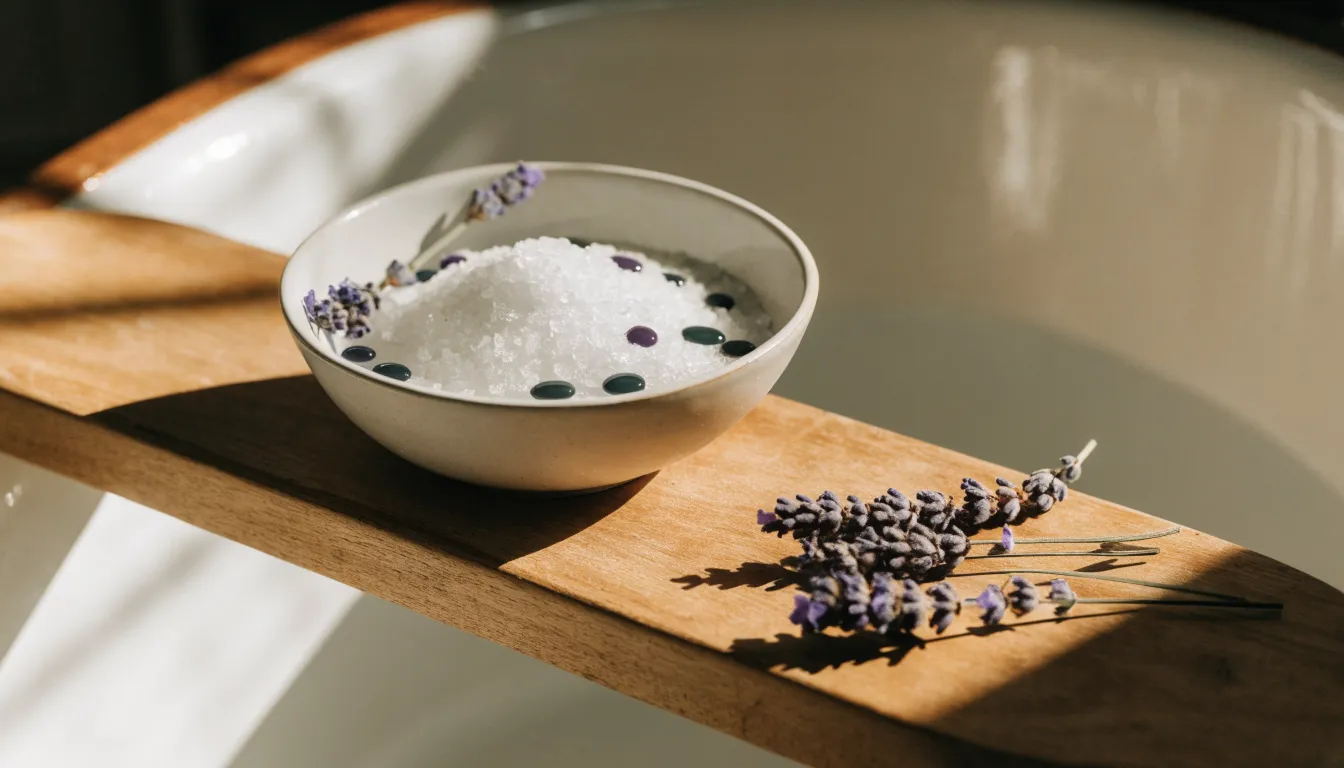
Another option is using a liquid carrier, such as unscented liquid soap or a carrier oil like jojoba, sweet almond, or fractionated coconut oil. Combine five to ten drops of essential oil with one to two tablespoons of the carrier, and mix thoroughly. This helps the oils blend into the bath instead of gathering on the surface. Add either mixture to your warm bath as it fills or just before getting in, and enjoy a soothing, evenly infused soak that relaxes overworked muscles from head to toe.
Target Massage Techniques
To get the most benefit from essential oils for sore muscles, pair them with simple self-massage techniques. Rubbing the oil in strategically helps it absorb better and work more effectively. The two best methods are effleurage and targeted cross-friction.
Effleurage uses long, smooth, gliding strokes with light to medium pressure. Warm a little diluted oil in your palms, then spread it over the sore muscle with continuous, flowing movements. This helps distribute the oil evenly, warm the tissue, boost circulation, and relax the area. It also lets the oil’s aromatic compounds sink into the skin and begin releasing tension.

After effleurage, use targeted cross-friction on tight spots or knots. Press firmly with your fingertips or thumbs in small circular motions or across the muscle fibers. This increases blood flow to constricted areas, helps break up adhesions, and drives the oil deeper into the muscle. That way, the oil’s anti-inflammatory and pain-relieving properties can provide stronger, faster relief. Together, these techniques make the oil work much better.
Complete Muscle Care
Essential oils support muscle recovery best as part of a complete, whole-body approach. When chosen carefully and applied to the skin, they can soothe discomfort and bring a sense of relaxation to overworked muscles. This localized relief works alongside the body’s natural healing processes, making essential oils a helpful complement to a broader recovery routine.
Hydration and protein are also key pieces of the puzzle. Water helps carry nutrients to muscles, flush out waste, and keep electrolytes balanced, while dehydration slows recovery and increases fatigue. Protein supplies the amino acids needed to repair tiny tears in muscle fibers, helping rebuild and strengthen tissue for future activity.
Restorative sleep is the final essential element. During deep sleep, the body releases growth hormone, which supports tissue repair and lowers inflammation. Without enough quality sleep, recovery suffers and the benefits of essential oils, hydration, and nutrition are undermined. Combining all these elements creates an integrated path to complete muscle recovery and overall well-being.
Frequently Asked Questions
What causes muscle soreness after a workout?
Muscle soreness, known as Delayed Onset Muscle Soreness (DOMS), is caused by microscopic damage to muscle fibers, especially during eccentric movements. The body then initiates a localized, natural inflammatory response to repair itself, which triggers pain receptors and leads to that familiar aching and stiffness.
How do essential oils help relieve muscle pain?
Essential oils help by interacting with the body’s pain pathways to quiet pain signals, making discomfort feel less intense. Many essential oils also fight inflammation, helping to calm that response and reduce both pain and tension in sore muscles.
Do I need to dilute essential oils before applying them to my skin?
Yes, essential oils are very strong plant extracts, so you should never put them directly on your skin without dilution. Applying them neat can cause stinging, redness, or irritation, especially if your skin is sensitive. A carrier oil safely thins out the essential oil, allowing comfortable absorption.
Which essential oil is good for deep muscle tightness?
Eucalyptus oil is especially effective for rapidly easing deep muscle tightness due to its key compound, 1,8-cineole. This compound works to reduce inflammation inside the muscle tissue and penetrates deeply to address knotted or rigid muscles.
How can I add essential oils to a warm bath for muscle relief?
To add essential oils to a bath, mix five to ten drops with half a cup to one cup of Epsom salts, or with one to two tablespoons of a liquid carrier like unscented soap or a carrier oil. This helps the oils disperse evenly through the water, preventing them from floating on top and causing skin irritation.
What else is important for complete muscle recovery?
For complete muscle recovery, hydration and protein intake are crucial, as water carries nutrients and flushes waste, while protein repairs muscle tears. Restorative sleep is also essential, as the body releases growth hormone and lowers inflammation during deep sleep, supporting tissue repair.