
Evening primrose oil (EPO) comes from Oenothera biennis seeds and is valued for its gamma-linolenic acid (GLA). This omega-6 fatty acid helps reduce inflammation and supports cellular repair. EPO is used to alleviate eczema, PMS, menopause symptoms, and joint discomfort, while also promoting heart wellness and a radiant complexion.
Table of Contents
Botanical Basics
Evening primrose oil comes from the seeds of Oenothera biennis, a biennial herb native to North America. The plant is known for its bright yellow flowers that open toward evening, and it grows easily in fields and along woodland edges. While the flowers are striking, it is the small, nutrient-rich seeds that produce the valued oil.

Long before modern science, Native American healing traditions used different parts of the plant—roots for soothing skin irritations and wounds, and leaves or stems for digestive relief. This traditional use points to the plant’s therapeutic reputation, but today the focus is mainly on the oil pressed from its seeds, which is prized for its beneficial fatty acids.
The oil is extracted by cold-pressing, meaning the seeds are mechanically squeezed without heat. This gentle method is essential because high temperatures can damage delicate compounds, especially gamma-linolenic acid (GLA), a valuable omega-6 fatty acid. Cold-pressing keeps the oil pure and nutrient-rich, preserving the components that give evening primrose oil its healthful qualities.
Essential Fatty Acids
Evening Primrose Oil gets its power from essential fatty acids, especially gamma-linolenic acid (GLA) and linoleic acid. The body cannot make these on its own, so we need them from food or supplements. In EPO, these fatty acids drive the oil’s main benefits: reducing inflammation and supporting the body’s ability to repair cells.
GLA, an omega-6 fatty acid, is converted in the body into prostaglandin E1, a substance known for its strong anti-inflammatory effects. It helps calm overactive immune responses and lowers systemic inflammation. This makes it easier for the body to heal and eases discomfort linked to inflammatory conditions.
Linoleic acid, another omega-6 fatty acid found in high amounts in EPO, is both a building block for GLA and an essential part of cell membranes. It keeps cell walls strong and flexible, supports the skin’s barrier, and helps cells communicate and transport nutrients. Together, GLA reduces damage from inflammation while linoleic acid provides the structural materials cells need for repair. This teamwork is why EPO is valued as a botanical aid for internal health and cellular resilience.
Eczema Relief
Evening Primrose Oil is rich in gamma-linolenic acid (GLA), which is key for repairing the damaged skin barrier seen in eczema. This essential fatty acid helps the body build ceramides and other protective fats that form the skin’s outer layer. By strengthening this barrier, GLA prevents moisture loss and shields the skin from environmental irritants and allergens.
GLA also acts as a natural anti-inflammatory. Once ingested, it is converted into prostaglandins that help regulate the body’s inflammatory response. This directly targets the underlying swelling and redness of eczema flare-ups, reducing visible irritation while also calming the persistent urge to scratch by addressing the root cause of the itch.
Together, these two actions—barrier restoration and reduced inflammation—greatly improve overall skin comfort. Dry patches become less severe as the skin holds onto hydration better, and the skin appears calmer and healthier. This combined effect soothes irritation and builds a more resilient surface, making Evening Primrose Oil a helpful supportive option for managing chronic eczema symptoms.

Evening Primrose Oil and PMS
Evening primrose oil is one of the most popular supplements for PMS, thanks to its gamma-linolenic acid (GLA). Unfortunately, reviews of the research haven’t found that it reliably improves PMS symptoms, and there’s no good evidence that it balances hormones. Some people also use it for cyclical breast pain, where results have been mixed.
If you want to try it, talk to your doctor first, especially if you take blood thinners, have a seizure disorder, or are pregnant. If PMS is affecting your daily life, effective treatments exist.
Menopause Support
Evening Primrose Oil (EPO) is used to help women manage menopause symptoms like hot flashes and night sweats. These issues happen because changing hormone levels disrupt the body’s temperature control.
EPO works mainly because it is rich in Gamma-Linolenic Acid (GLA), a fatty acid the body uses to make prostaglandins. These hormone-like substances help regulate inflammation, blood flow, and blood vessel widening, which all affect body temperature. By supporting balanced prostaglandin production, EPO may help the body respond more calmly to hormonal shifts.
This can reduce how often and how strongly hot flashes occur. Since night sweats are hot flashes during sleep, easing them can improve sleep and comfort. Overall, EPO offers a gentle way to support a smoother, more comfortable transition through menopause.
Joint Comfort
Evening Primrose Oil helps support joint comfort mainly because it works throughout the body to reduce inflammation. Its key ingredient, gamma-linolenic acid (GLA), is an omega-6 fatty acid that the body converts into substances like prostaglandin E1, which has strong anti-inflammatory effects. This systemic action targets the tissues around the joints, lowering swelling and stiffness so joints can move more freely and comfortably.
This makes EPO especially helpful for morning stiffness. Overnight, inflammation can build up in the joints, leaving them feeling rigid and uncomfortable after waking. Taking EPO regularly can lessen that nighttime inflammation, making it easier to get moving and start the day with less pain and stiffness.
EPO also helps ease everyday joint aches caused by inflammation, whether from daily activity or ongoing conditions. By addressing the root cause of inflammation, it soothes persistent discomfort and supports better mobility and joint function throughout the day, offering a gentle, complementary way to maintain joint health and fluid movement.
Heart Wellness
Essential fatty acids support heart health by helping to regulate blood pressure and circulation. They improve blood flow throughout the body, making sure oxygen and nutrients reach all cells and tissues. These fatty acids also keep blood vessel walls flexible, so vessels can expand and contract easily. This helps maintain healthy blood pressure and reduces strain on the heart.
These fatty acids also help balance cholesterol levels. They support higher levels of HDL, the “good” cholesterol, and help manage LDL, the “bad” cholesterol. This balance is important because it prevents plaque from building up in the arteries, which protects long-term cardiovascular health.
Together, these actions provide broad support for the entire cardiovascular system. By improving circulation, supporting flexible blood vessels, and helping maintain healthy cholesterol, essential fatty acids create conditions that allow the heart to work efficiently and stay healthy.
Radiant Complexion
Evening primrose oil supports a radiant complexion, whether taken as a supplement or applied to the skin. It helps boost elasticity and moisture retention, thanks to its rich supply of gamma-linolenic acid, an omega-6 fatty acid. This acid strengthens the skin’s natural barrier, so the skin holds onto hydration better and prevents water loss, leaving it softer and plumper.
With better hydration and a stronger barrier, fine lines and minor wrinkles appear less noticeable. Well-moisturized skin is more supple and bounces back without forming deep creases, which helps soften existing lines and slow new ones from forming. Evening primrose oil also improves the skin’s structural firmness and resilience, making it better able to handle daily stressors and the effects of aging.
Together, these effects improve overall skin texture and tone, creating a vibrant, youthful glow. The result is healthy-looking skin that reflects strong moisture balance and barrier function from within.

Hair Vitality
Essential fatty acids are vital for healthy hair. Many people do not get enough of these nutrients in their diets. They work by nourishing the hair follicles directly, helping to restore moisture and prevent dryness. When follicles are properly hydrated, they are stronger and able to produce healthier, more resilient hair from the root.
These fatty acids also help calm the scalp. Dryness, itching, and irritation can disrupt normal hair growth, but these nutrients reduce inflammation and soothe discomfort. A calm, balanced scalp supports the natural hair growth cycle, allowing hair to grow steadily and without interruption.
Together, these actions lead to thicker, stronger hair. By keeping follicles nourished and the scalp comfortable, the hair shaft becomes more elastic and less likely to break. This makes hair look fuller and healthier while also protecting it from daily damage and styling stress.
Smart Supplementation
Softgels have a longer shelf life because the capsule protects the oil from light and air, which helps prevent it from going bad. Liquid evening primrose oil is more delicate once opened, so it needs to be kept in a cool, dark place—often the fridge—and used up more quickly.
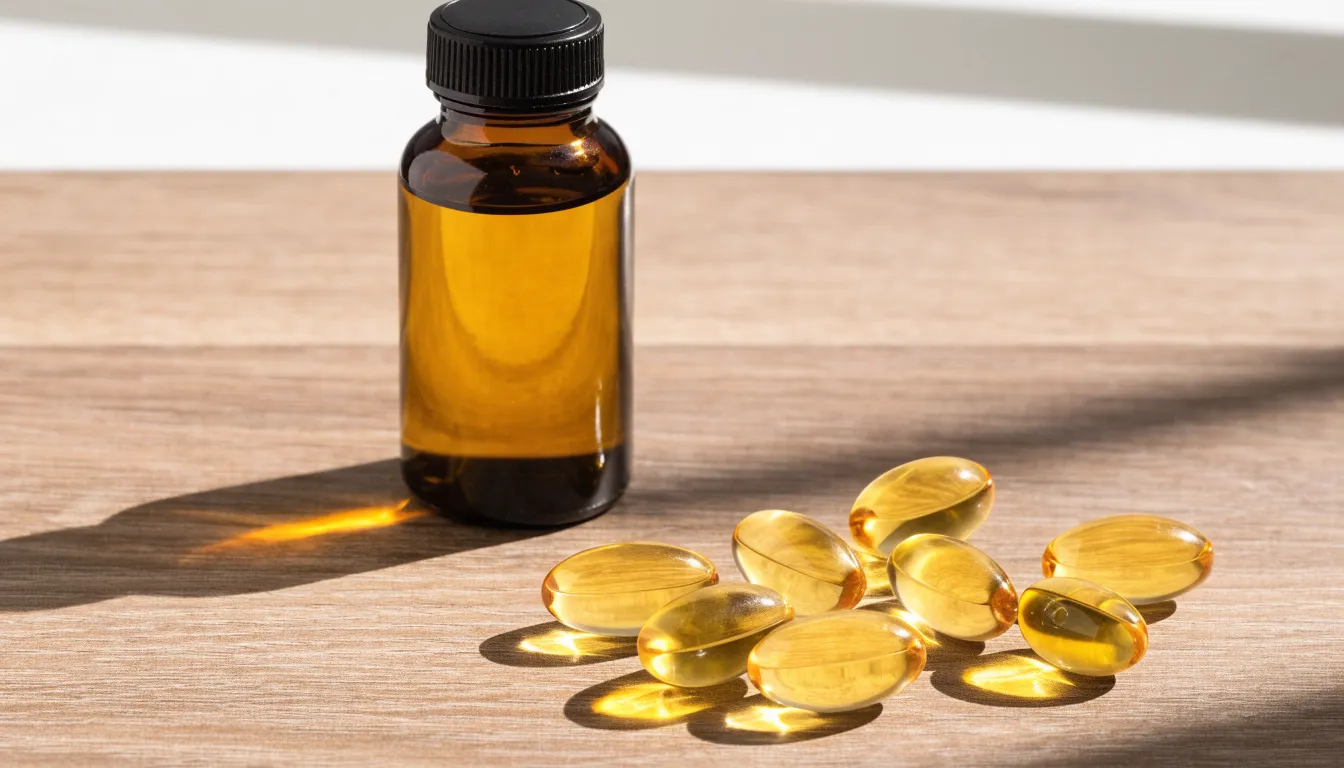
Both forms are absorbed well by the body. Softgels dissolve in the digestive tract, allowing a steady release of the oil. Liquid oil may be absorbed a little faster since there is no capsule to break down first, especially when taken with food. Either way, the body can use the beneficial compounds effectively.
Softgels are the easier choice for daily use: they are pre-measured, tasteless, and portable. Liquid oil offers more flexibility, as you can adjust your dose, mix it into food or drinks, or apply it directly to the skin. The best option simply depends on your priorities for storage, convenience, and dosing.
Proper Dosage
Evening primrose oil dosage depends on your health needs, so there is no one-size-fits-all amount. For general wellness, a common starting point is 500–1000 mg per day, taken with meals to improve absorption and reduce stomach upset. This basic amount can help support overall health and the body’s natural inflammatory response.
For specific conditions, higher doses are often used. For PMS symptoms or breast pain, 1500–3000 mg daily is typical, usually split into two or three doses. For skin issues like eczema or psoriasis, daily amounts often range from 2000–4000 mg. The main active ingredient, gamma-linolenic acid (GLA), drives most of the benefits, so it’s important to check how much GLA each capsule contains when figuring your total intake.
It’s best to start with a lower dose and slowly increase it while monitoring how your body responds. This helps you find the right amount and spot any side effects. Before starting evening primrose oil, talk with a healthcare professional—they can give personalized advice based on your medical history, medications, and health goals to ensure safe and effective use.
Topical Application
Applying evening primrose oil directly to your skin is an easy way to use its benefits. For your face, start by cleansing and drying your skin. Put a few drops on your fingertips—it’s a light oil, so a little goes a long way. Warm it between your fingers, then press and gently massage it into your face, focusing on dry or irritated areas. It hydrates deeply without clogging pores, so it can work well even for acne-prone skin.
For dry spots on the body, like elbows, knees, or flaky patches, use a bit more oil and massage it in until mostly absorbed. If you have inflamed or red areas, apply it lightly and let its soothing properties calm the skin. Using it regularly in your daily routine, once or twice a day, gives the best results over time.
Before using it all over, do a small patch test on a hidden area of skin to make sure you don’t have a bad reaction.
Custom Blends
Evening Primrose Oil works well as a base for custom essential oil blends. It is rich in fatty acids, especially GLA, which helps support the skin barrier and keeps the complexion healthy. Because it is nourishing on its own, it also helps deliver the benefits of stronger essential oils, making it useful for personalized remedies like hydration or blemish care.
When making a blend, always dilute properly. A safe general guide is 2–3 drops of essential oil per teaspoon of EPO for most skin uses. For the face or sensitive skin, use less. Test the blend on a small patch of skin first to check for reactions.
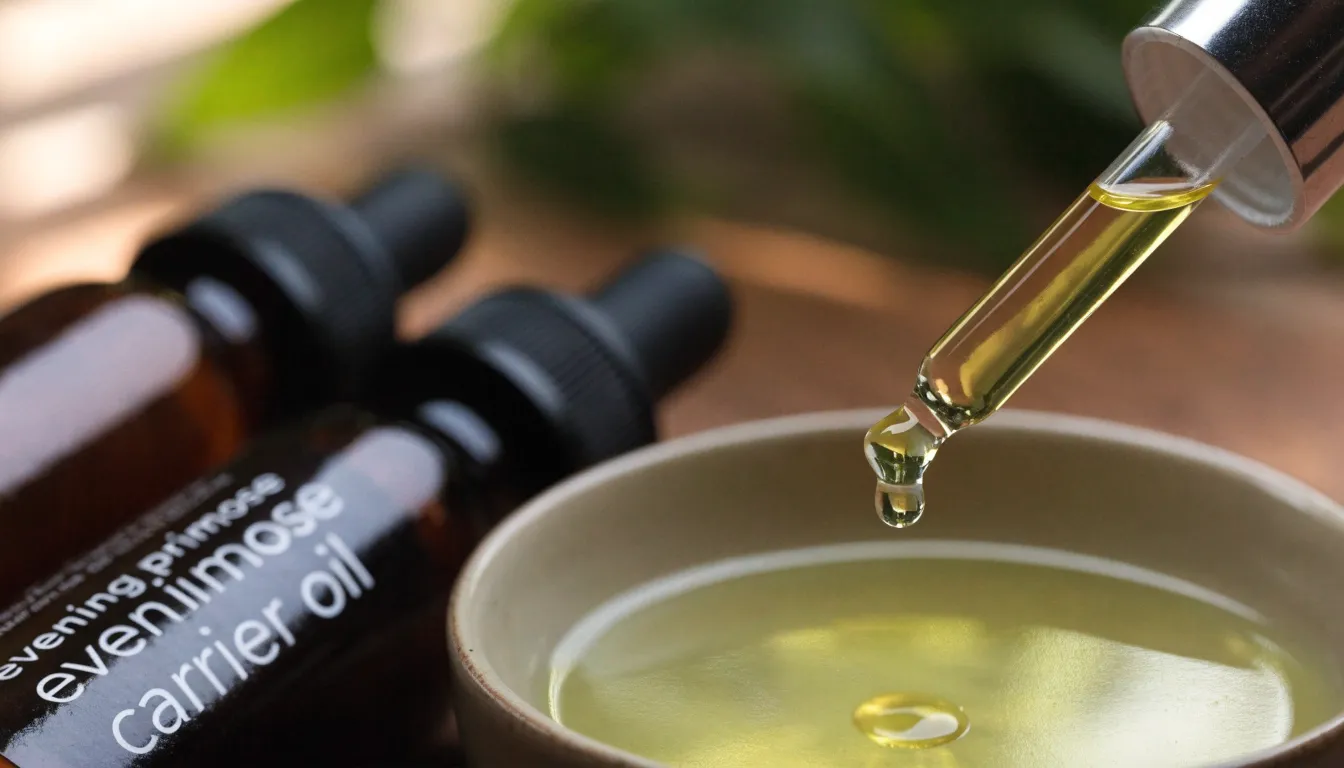
Some helpful combinations include: lavender with EPO for calming and soothing dry or irritated skin;. Store blends in dark glass bottles away from heat and sunlight to keep them effective.
Potential Side Effects
Before taking evening primrose oil, it’s important to know about possible side effects. For most people, it’s safe, but some may notice mild stomach upset, nausea, diarrhea, or headaches. These effects are often temporary and may go away as your body gets used to the supplement. If they don’t go away or become bothersome, stop using it and talk to a doctor.
Evening primrose oil may affect blood clotting, so it can be risky for people taking blood thinners like warfarin, or antiplatelet drugs such as aspirin or clopidogrel. Taking them together could raise the chance of bleeding or bruising. There is also some concern that evening primrose oil may lower the seizure threshold and interfere with seizure medications. Anyone with epilepsy or a history of seizures should talk to their doctor before using it.
Pregnant women should also be cautious. There isn’t enough research or clear safety data on using evening primrose oil during pregnancy, so healthcare providers usually recommend avoiding it at that time. Always check with a doctor or qualified healthcare provider before starting any new supplement if you are pregnant or planning to become pregnant, to protect both mother and baby.
Frequently Asked Questions
What is Evening Primrose Oil and where does it come from?
Evening primrose oil is extracted from the seeds of Oenothera biennis, a biennial herb native to North America. The oil is typically obtained through cold-pressing, a gentle method used to preserve delicate compounds like gamma-linolenic acid (GLA).
How can Evening Primrose Oil help with eczema?
Evening Primrose Oil (EPO) helps with eczema by providing gamma-linolenic acid (GLA), which is key for repairing the damaged skin barrier and building protective fats. GLA also acts as a natural anti-inflammatory, reducing swelling, redness, and the persistent urge to scratch associated with eczema flare-ups.
Does evening primrose oil help with PMS?
Reviews haven’t found that evening primrose oil reliably improves PMS symptoms. If you want to try it, check with your doctor first, especially if you take blood thinners or are pregnant.
Are there any important side effects or warnings for Evening Primrose Oil?
While generally safe, some people may experience mild stomach upset, nausea, diarrhea, or headaches. Evening primrose oil may affect blood clotting, so it is risky for those on blood thinners, and there’s concern it could interfere with seizure medications. Pregnant women should also avoid it due to insufficient safety data.
How should I determine the correct dosage for Evening Primrose Oil?
Evening primrose oil dosage varies based on health needs; for general wellness, 500–1000 mg per day with meals is a common starting point. For specific conditions like PMS or skin issues, higher daily amounts are often used, ranging from 1500–4000 mg. It is best to start with a lower dose and consult a healthcare professional for personalized advice.
How does Evening Primrose Oil benefit skin health?
Evening primrose oil supports a radiant complexion by boosting skin elasticity and moisture retention due to its gamma-linolenic acid content. It strengthens the skin’s natural barrier to prevent water loss, reduces the appearance of fine lines, and improves overall skin texture and tone. It can also be applied topically to hydrate and soothe dry or irritated areas.