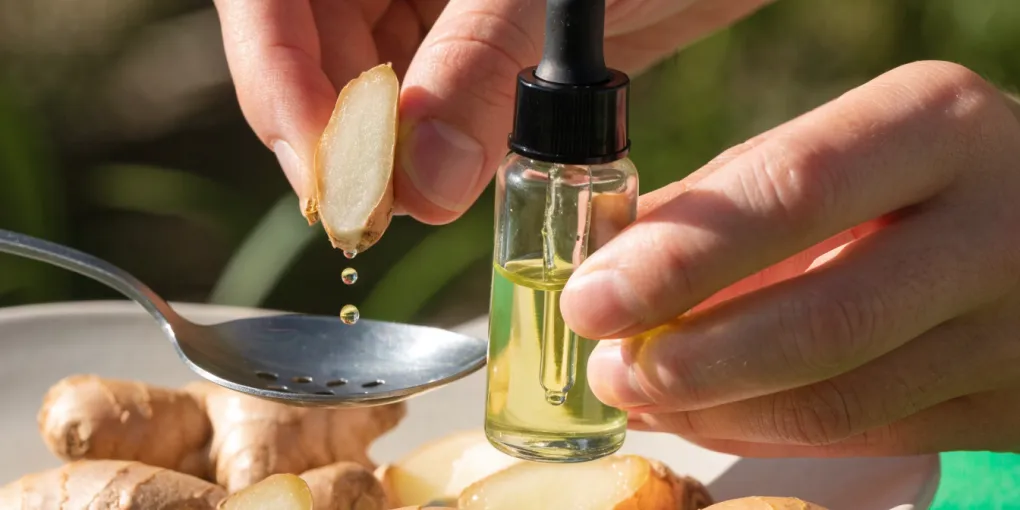
Ginger essential oil is extracted from the rhizome of Zingiber officinale via steam distillation, capturing key compounds like gingerols and zingiberene. It offers diverse benefits, including soothing digestive issues, easing joint pain, promoting radiant skin and strong hair, and relieving stress and muscle tension through aromatherapy and topical application. Always dilute ginger oil before skin use and consult a doctor if pregnant or nursing.
Table of Contents
- Rooted in Nature
- Spicy and Warming
- Tummy Troubles Tamed
- Soothing Sore Joints
- Radiant Skin Boost
- Stronger Hair Roots
- Ginger Oil and Cold Season
- Stress Relieving Aromatherapy
- Muscle Tension Release
- Diffuser Blend Recipes
- Safe Topical Application
- DIY Massage Oils
- Natural Energy Lift
- Menstrual Cramp Comfort
- Circulation Care Routine
- Buying Guide Basics
- Storage and Shelf Life
- Safety Guidelines First
- Patch Testing Protocols
- Everyday Wellness Integration
Rooted in Nature
Ginger essential oil starts with the ginger rhizome, a underground stem full of aromatic compounds. To release these valuable essences, steam distillation is used. This process keeps the oil’s chemical strength intact. First, fresh or dried ginger is chopped or ground, which increases its surface area and helps the volatile compounds escape more easily.
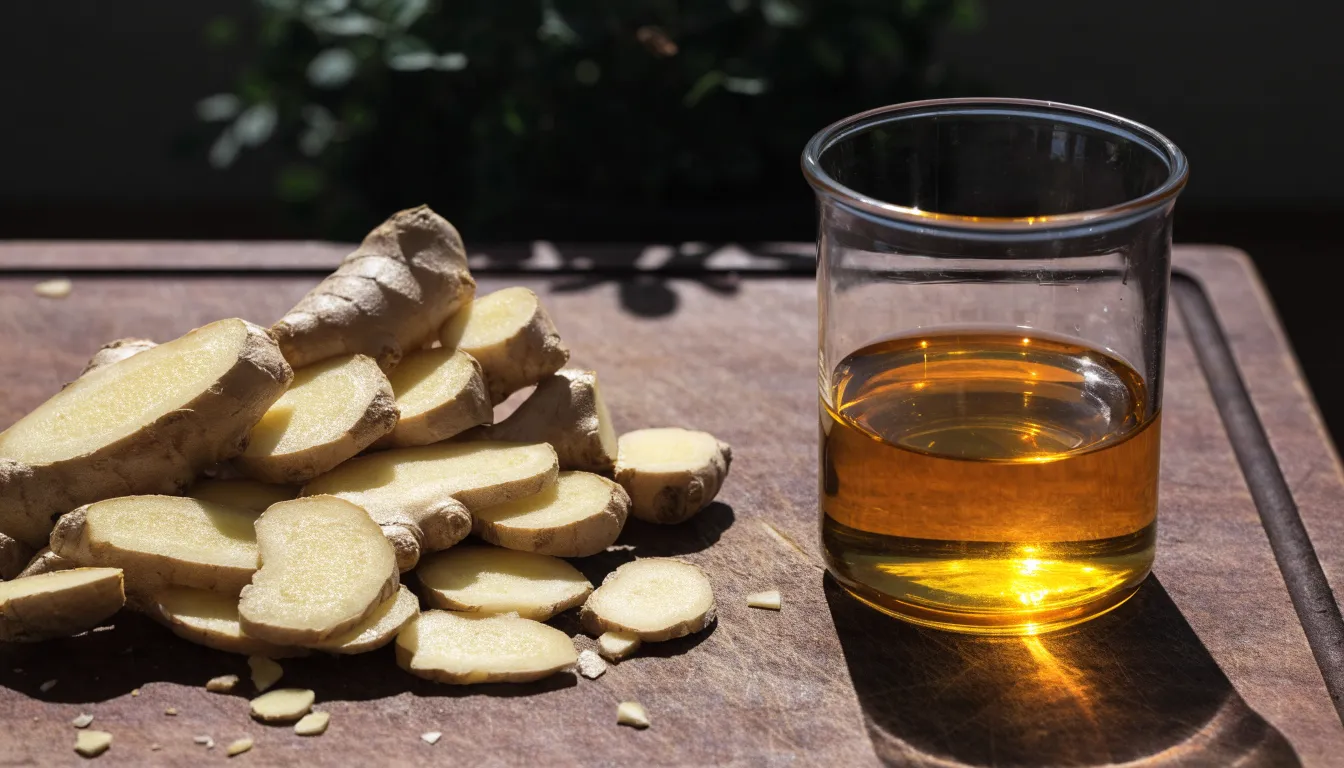
The prepared ginger is placed in a still, where pure steam moves through the plant material. The hot steam gently breaks open the oil sacs, causing the aromatic molecules to vaporize and rise with the steam. This mixture of water vapor and oil then passes through a cooling coil, where it quickly turns back into liquid.
Since oil and water don’t mix, the liquid separates into layers, with the lighter ginger oil floating on top. This concentrated oil contains key compounds like gingerols and zingiberene, which give ginger its distinctive aroma and healthful properties. The entire process captures the plant’s natural essence in a pure, potent form.
Spicy and Warming
Ginger essential oil has a distinct, complex aroma that is spicy and warming, making it instantly recognizable. When inhaled, it feels both energizing and deeply calming, with rich, peppery notes that provide a gentle, noticeable heat. This warmth is not harsh but refined, adding depth and liveliness to the scent.
As the initial spiciness fades, subtle woody undertones come through, giving the oil an earthy, stable quality. This combination of rich, peppery, and woody elements creates a well-rounded, harmonious fragrance. That balance is what gives ginger oil its signature warm profile, helping to create a sense of grounded comfort and tranquility.
The aroma wraps around the user like a cozy hearth, promoting inner peace and relaxation. Because of this soothing effect, ginger essential oil is often used in diffusion or topical applications to create a calm, inviting environment. Its layered spice and wood make it a uniquely comforting fragrance.
Tummy Troubles Tamed
Ginger essential oil is a natural remedy for digestive distress, thanks largely to its active gingerol compounds, which help calm the stomach and support overall gastrointestinal comfort. For nausea related to morning sickness or motion sickness, simply inhaling the oil’s aroma can bring significant relief. The scent travels directly to the brain’s limbic system, where nausea and vomiting responses are regulated, helping to settle the stomach without needing to ingest anything. Diffusing a few drops or inhaling from a tissue can noticeably reduce feelings of sickness.
Ginger essential oil also eases bloating and general digestive discomfort when applied topically. Diluted with a carrier oil and massaged onto the abdomen, it helps relax muscles, soothe tension, and encourage trapped gas to release—a common source of bloating. The gentle warming sensation and absorption of gingerols into the skin help stimulate circulation and promote smoother digestive function, bringing comfort after heavy meals or during sluggish digestion.

Together, these two uses make ginger essential oil highly versatile: inhalation targets nausea, while topical massage tackles bloating and gastrointestinal tension. This dual approach offers a simple, effective way to manage a range of tummy troubles.
Soothing Sore Joints
Ginger essential oil naturally helps soothe sore joints, offering gentle relief for everyday aches and pains. Its key active compounds, including gingerols and shogaols, work through anti-inflammatory mechanisms that calm the body’s inflammatory response. By reducing the production of pro-inflammatory cytokines and enzymes, it helps lessen the pain and swelling that contribute to joint stiffness.
For people with arthritis, ginger essential oil can be especially helpful. It targets the underlying inflammation common in many forms of arthritis, easing chronic pain and improving limited movement. It also benefits those with soreness from overexertion, such as after intense exercise, by calming temporary stress and inflammation in the joints and surrounding tissues, helping the body recover more quickly.
Regularly applying diluted ginger essential oil to the skin also supports joints dealing with everyday wear and tear from daily activities or aging. It helps reduce persistent aches, improves joint flexibility, and relieves tightness, making movement feel easier and more comfortable in daily life.
Radiant Skin Boost
Ginger essential oil helps make skin look more radiant by supporting a clearer, healthier complexion. It is rich in antioxidants, which fight free radicals—unstable molecules caused by pollution and UV rays. If left unchecked, these can damage skin cells, break down collagen, and lead to dullness, uneven tone, and early signs of aging. By neutralizing them, ginger oil protects the skin and supports its natural renewal.
This protection helps refine skin tone. With regular use and proper dilution, it may reduce the look of dark spots, blemishes, and discoloration, leaving skin smoother and more luminous. Ginger oil also has calming properties that help ease redness and minor irritation, making blotchiness and uneven texture less noticeable.
Together, these effects create a more balanced, vibrant complexion with a healthy glow. To use it safely, always mix ginger essential oil with a suitable carrier oil before applying it to the skin.
Stronger Hair Roots
Healthy hair starts with a healthy scalp. Ginger essential oil helps create this foundation by stimulating microcirculation in the scalp. Better blood flow delivers more oxygen, vitamins, and minerals to the hair follicles, supporting the cell activity needed for steady hair growth.
Using ginger essential oil during a gentle scalp massage can boost circulation even further. Its warming sensation awakens blood flow beneath the skin, which strengthens hair roots and makes strands less likely to break. With regular use, this can lead to increased hair density and more resilient hair.
A well-circulated, balanced scalp also helps manage dandruff and irritation. For thinning hair, improved nutrient delivery encourages follicles to produce thicker, stronger strands and may even revive dormant follicles. Prioritizing scalp health with ginger essential oil sets the stage for healthier, fuller hair from root to tip.
Ginger Oil and Cold Season
Ginger is a familiar cold-season comfort, but research on ginger and immunity mostly involves the root, eaten or taken as a supplement, not the essential oil. There’s no human evidence that diffusing or applying ginger essential oil strengthens your immune system.
A warming diffuser blend, or a diluted chest rub at 1% or less, can feel comforting when you’re under the weather. Don’t swallow the essential oil. For staying well, the basics with real evidence behind them are vaccination, handwashing, sleep, and staying home when you’re sick. If you’re ill and not improving, see a doctor.
Stress Relieving Aromatherapy
Ginger essential oil helps relieve stress through aromatherapy. Its warm, spicy, earthy scent works directly with the sense of smell and influences the limbic system, the part of the brain that controls emotions and memory. Diffusing it can calm anxious thoughts and quiet a busy mind, creating a peaceful shift toward mental clarity.
It also helps ground emotions. The deep, soothing scent brings a sense of stability when feelings feel scattered or overwhelming. By pulling attention into the present moment, ginger oil helps reduce focus on stress and inner turmoil, supporting emotional balance and a more centered, resilient state.
This naturally leads to deep relaxation. As the mind calms and emotions settle, the body can shift into greater ease. The steady, comforting aroma signals safety, helping muscles relax and breathing slow down. It moves the nervous system away from tension and toward serenity, preparing you for restful sleep or a more peaceful waking state, offering natural stress relief and relaxation.
Muscle Tension Release
Ginger essential oil helps relieve muscle tension and supports post-workout recovery. Its warming effect soothes overworked muscles and helps the body return to comfort after exercise. Using it topically is a practical way to manage muscle soreness.
Always dilute ginger oil with a carrier oil such as jojoba, sweet almond, fractionated coconut, or olive oil before applying it to the skin. A common guideline is 3–5 drops of ginger oil per tablespoon of carrier oil. For a massage blend, you can add lavender for relaxation or peppermint for cooling, though ginger works well alone. Massage the blend into tight or sore areas using circular motions, which helps increase circulation, flush out metabolic byproducts, and speed healing.
Another option is a warm compress: mix 5–7 drops of ginger oil into a cup of warm water, soak a clean cloth, wring it out, and place it on the affected muscles for 10–15 minutes. The warmth boosts the oil’s muscle-relaxing effects and brings quick comfort. Using these remedies regularly after exercise can ease stiffness and support recovery, but always do a patch test on a small area first to check for skin sensitivity.
Diffuser Blend Recipes
Ginger essential oil works well as a grounding, warming base for diffuser blends. Its slightly peppery and sweet scent pairs easily with other oils, helping create a cozy atmosphere and making each aroma feel more balanced and harmonious.
For a cheerful, comforting effect, combine ginger with sweet orange essential oil. The bright citrus notes lift the spicy depth of ginger, creating a sunny, homey scent. To make it even richer and more inviting, add cinnamon—its sweet, hot spice boosts the warmth and gives a festive, baked-goods feel that’s perfect for cold months.
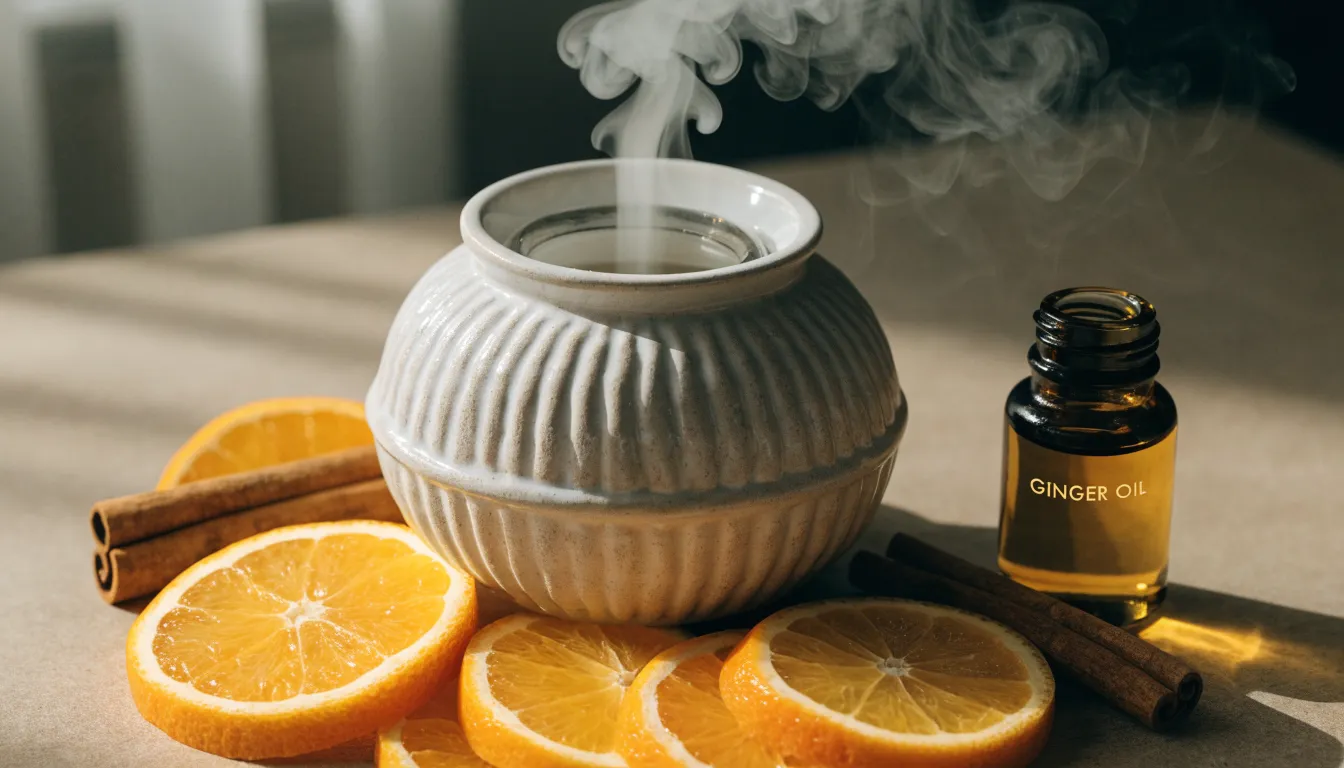
For a calmer, more serene blend, mix ginger with cedarwood essential oil. Cedarwood’s woody, earthy aroma anchors the brighter notes of ginger, sweet orange, and cinnamon, resulting in a grounded, peaceful scent for a living room or bedroom. Adjusting the amounts lets you personalize the blend, so your home can always smell uniquely warm and comforting.
Safe Topical Application
To use ginger essential oil safely on your skin, always dilute it with a carrier oil first. This prevents irritation and reactions, since the oil is very concentrated—never apply it directly. For general use, mix 6 drops of ginger oil with 1 ounce (30 mL) of carrier oil for a 1% dilution, or 12 drops for a 2% dilution. For sensitive skin or facial use, a gentler 0.5% to 1% dilution is better.
Before applying more widely, do a patch test on a small area like your inner forearm. Wait 24 hours to check for any signs of problems. Choosing the right carrier oil also helps: jojoba oil absorbs easily and suits all skin types, while sweet almond oil is moisturizing and rich in vitamins A and E. Fractionated coconut, grapeseed, and avocado oils are good options too.
By following these simple dilution and testing guidelines, you can safely enjoy ginger essential oil’s topical benefits without skin problems.
DIY Massage Oils
Creating your own massage oils at home is a great way to use ginger essential oil for muscle relief and deep relaxation. You can blend it to target tense areas, and its warm, invigorating aroma helps comfort overworked muscles while promoting a sense of well-being.
Start with a skin-nourishing carrier oil like jojoba, sweet almond, fractionated coconut, or grapeseed oil. Add ginger essential oil, and for extra soothing benefits, include a complementary oil like lavender for calm or frankincense for grounding. Store your blend in a small dark glass bottle with a dropper cap.
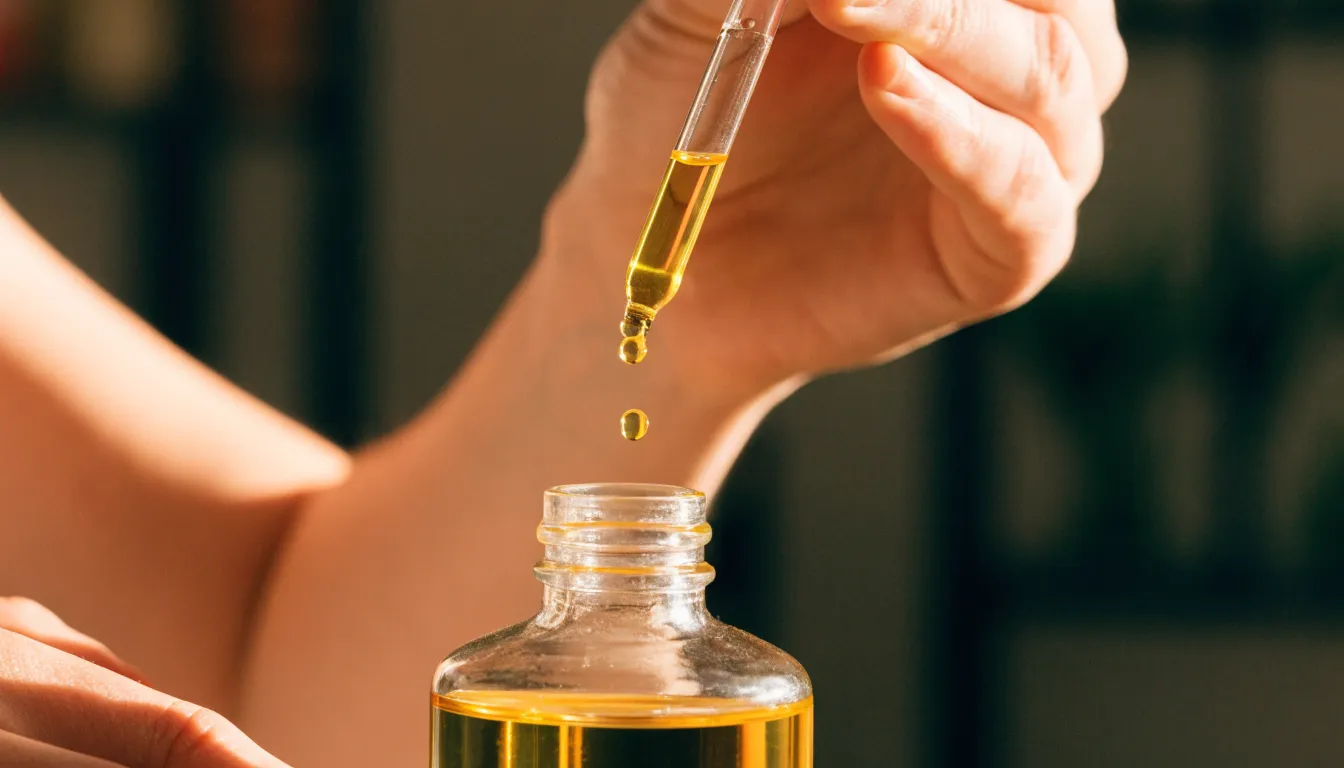
Pour about one ounce (30 ml) of carrier oil into the bottle. Then add 10–15 drops of total essential oil for a safe 2–3% dilution. For a ginger-focused blend, use 7–10 drops of ginger and 3–5 drops of lavender or another complementary oil. Cap the bottle, roll it gently between your palms to mix, and label it. To use, warm a small amount in your hands and massage into sore areas with long strokes toward the heart to boost circulation and absorption.
Natural Energy Lift
Ginger essential oil provides a natural energy boost by helping to fight fatigue and brain fog. Simply inhaling its warm, spicy aroma stimulates the mind and supports alertness. The scent molecules reach areas of the brain tied to wakefulness, giving a gentle push toward a more energetic and focused state.
This mental lift translates into sharper concentration and clearer thinking. Tasks that once felt overwhelming become easier to handle as the oil helps cut through mental haze. It is especially useful for people doing demanding intellectual work or anyone who needs to stay attentive for long stretches of time.
Ginger essential oil also works well as a natural pick-me-up during afternoon slumps. Instead of turning to sugar or artificial stimulants, a quick inhalation refreshes the senses and restores energy. It offers a smooth, lasting boost without jitters or a crash, making it a helpful part of any routine aimed at steady energy and better cognitive performance.
Menstrual Cramp Comfort
Menstrual cramps can cause abdominal and pelvic pain ranging from a dull ache to sharp spasms. Ginger essential oil offers a natural way to ease this discomfort through gentle massage.
To use it safely, always dilute ginger oil with a carrier oil like sweet almond, coconut, or jojoba. Warm a small amount between your palms, then massage it slowly into the lower abdomen and pelvic area using soft, circular motions.
This soothing blend helps reduce the strength and frequency of uterine spasms, relaxes tense muscles, and eases deep pelvic discomfort. The light spicy aroma also adds a calming effect, turning a painful time into a more comfortable, manageable experience.
Circulation Care Routine
Ginger essential oil has natural warming properties that help with cold hands and feet caused by poor circulation. When applied to the skin, its compounds stimulate blood flow and help capillaries expand, bringing more blood to the surface and creating warmth where it’s needed most.
To use it safely, dilute two to three drops of ginger essential oil in one teaspoon of a carrier oil, such as jojoba, almond, or coconut oil. This prevents skin irritation while keeping the oil effective.
Massage the blend gently into the palms, soles, fingers, and toes using slow circular motions. The massage friction plus the oil’s warmth boosts circulation, and doing this before bed or in cold weather helps the body stay warmer more consistently over time.
Buying Guide Basics
When buying ginger essential oil, check that the label lists the Latin name Zingiber officinale. This ensures you’re getting the true ginger species, not a similar plant with different chemicals and benefits.
Look for “100% pure” and “steam-distilled” on the label. Steam distillation uses only water vapor to extract the oil gently, so the natural healing compounds stay intact, with no chemical solvents or additives.
Also, choose a supplier that provides GC/MS test results. This lab test shows exactly which components are in the oil and confirms it is pure, unadulterated ginger, giving you confidence in its quality and effectiveness.
Storage and Shelf Life
To keep ginger essential oil effective, proper storage is essential. It protects the oil’s delicate chemical makeup, which preserves its smell and healing benefits. Use dark amber glass bottles because they block harmful UV light, preventing sunlight from breaking down the oil’s molecules and weakening it over time.
Temperature also matters. Keep the oil away from heat sources like stoves, windows, or heating vents. Heat speeds up chemical reactions that cause evaporation and oxidation, which can change the oil’s scent, color, and therapeutic strength. A cool, stable spot like a cupboard or pantry works well; refrigeration is optional if these conditions are met.
Following these simple steps—dark glass bottles and a cool, dark place—prevents early breakdown and extends shelf life. With proper care, ginger essential oil can stay fresh and potent for several years, ready to deliver its full benefits whenever you need it.
Safety Guidelines First
Ginger essential oil is extremely concentrated, so never swallow it. Ingesting it can irritate your digestive tract, cause stomach upset, or lead to toxicity—even a single drop is far stronger than a whole cup of raw ginger. Always store the bottle safely out of reach of children and pets.
For skin application, always dilute ginger oil first. Using it undiluted can cause redness, burning, and skin sensitivity. For adults, a safe dilution is about 6 to 12 drops per ounce (30 ml) of a carrier oil like jojoba, almond, or coconut oil. If you have sensitive skin, or for children and older adults, use less and always do a patch test first.
If you are pregnant, breastfeeding, or have a medical condition, talk to a doctor or certified aromatherapist before using ginger oil. If they approve, stick to lower dilutions and prefer gentle methods like inhalation rather than applying it to your skin, and only use it for specific, approved reasons.
Patch Testing Protocols
Before using ginger essential oil blends more broadly, it’s important to test how your skin reacts first. A simple 24-hour patch test can help you spot potential allergies or sensitivities before they cause widespread irritation. Even natural essential oils contain strong compounds that may trigger adverse reactions in some people.
To do the test, dilute a small amount of the blend first. A common ratio is one drop of ginger essential oil mixed with four drops of a carrier oil, such as jojoba, almond, or fractionated coconut oil. This helps reduce the risk of irritation. Then apply a tiny amount of the diluted blend, about the size of a dime, to a sensitive but hidden area like the inner forearm or behind the ear. Let it absorb, and avoid washing the area for 24 hours.

During those 24 hours, watch for redness, itching, burning, swelling, hives, or a rash. If any of these appear, wash the area gently with mild soap and water, and don’t use that blend again. If no reaction occurs, the blend is likely safe for wider use. Keep in mind that skin sensitivity can change over time, so stay aware of how your skin responds.
Everyday Wellness Integration
Start your day with ginger essential oil by adding a few drops to your morning shower. Put a drop or two on a damp washcloth placed on the shower floor so the steam spreads the invigorating scent, or mix one or two drops into unscented shower gel for an awakening, warming feel on your skin. This simple habit gives you an uplifting boost and helps you face the day with renewed energy.
In the evening, use ginger oil to support relaxation during a bath. Mix three to five drops into a tablespoon of a carrier oil like jojoba or almond oil, then add it to warm bathwater. The comforting aroma and gentle warmth help soothe your body and mind, creating a calm and peaceful atmosphere for unwinding after a long day.
Ginger oil also fits easily into other self-care moments. For a hand or foot massage, blend one drop with a teaspoon of carrier oil and rub it in to relieve tired or strained muscles. You can also place a drop on a cotton ball and tuck it near your workspace for subtle aromatic support. These easy habits make ginger essential oil a helpful part of your routine, supporting consistent everyday well-being.
Frequently Asked Questions
How is ginger essential oil made?
Ginger essential oil is extracted from the ginger rhizome using steam distillation. The process involves chopping the ginger, placing it in a still where steam breaks open oil sacs, and then cooling the mixture to separate the oil from the water. This method ensures the oil’s chemical strength and preserves key compounds like gingerols and zingiberene.
What does ginger essential oil smell like, and what are its general aromatic effects?
Ginger essential oil has a distinct, complex aroma that is spicy and warming, with rich, peppery notes. These notes are balanced by subtle woody undertones, creating a well-rounded and harmonious fragrance. When inhaled, its scent feels both energizing and deeply calming, promoting a sense of grounded comfort and tranquility.
Can ginger essential oil help with digestive issues like nausea or bloating?
Yes, ginger essential oil can help calm the stomach and support overall gastrointestinal comfort. For nausea related to morning or motion sickness, simply inhaling the oil’s aroma can bring significant relief. When diluted with a carrier oil and massaged onto the abdomen, it can also ease bloating and general digestive discomfort by relaxing muscles and encouraging gas release.
How can ginger essential oil soothe sore joints and muscles?
Ginger essential oil naturally helps soothe sore joints by working through anti-inflammatory mechanisms to calm the body’s inflammatory response. For muscle tension or post-workout recovery, it can be diluted with a carrier oil and massaged into tight areas, or used in a warm compress, to increase circulation and bring comfort. Its warming effect helps overworked muscles return to ease.
What are the essential safety guidelines for using ginger essential oil?
Ginger essential oil is extremely concentrated, so never swallow it, as this can irritate your digestive tract or lead to toxicity. For skin application, always dilute it with a carrier oil like jojoba or coconut oil to prevent redness and sensitivity, and always perform a patch test first. If you are pregnant, breastfeeding, or have a medical condition, consult a doctor or certified aromatherapist before use.
What should I look for when buying ginger essential oil to ensure quality?
When purchasing ginger essential oil, ensure the label lists the Latin name Zingiber officinale to confirm it’s the true ginger species. Look for “100% pure” and “steam-distilled” on the label, which indicates no chemical solvents or additives were used. Additionally, choose a supplier that provides GC/MS test results to verify its purity and effectiveness.