
Hemp seed oil, extracted by cold-pressing Cannabis sativa seeds, is a nourishing oil rich in omega-3 and omega-6 fatty acids, vitamins, and minerals. It contains little to no THC or CBD and is valued for hydrating skin, calming irritation, strengthening the skin barrier, balancing oil, and restoring hair health.
Table of Contents
- What Is Hemp Seed Oil
- Hemp Oil Versus CBD Oil
- Nutrient Breakdown
- Deep Hydration Power
- Soothing Skin Irritation
- Strengthening The Skin Barrier
- Balancing Oil Production
- Sun Damage Recovery
- Scalp Care Essentials
- Restoring Hair Shine
- Easy Application Methods
- DIY Hair Mask Recipes
- Daily Beauty Routine
- Choosing High Quality Oil
What Is Hemp Seed Oil
Hemp seed oil comes from the seeds of the Cannabis sativa plant. It is usually made by cold-pressing the seeds, a gentle method that helps keep its nutrients intact.
A key feature of hemp seed oil is what it does not contain: it has little to no cannabinoids like THC or CBD. This makes it very different from cannabis products grown specifically for those compounds.
Because of this, hemp seed oil provides natural nutrition without the mind-altering effects of THC or the targeted therapeutic effects often linked to CBD. Instead, it is valued mainly for its nourishing qualities for skin and hair.
Hemp Oil Versus CBD Oil
Hemp seed oil and CBD oil both come from the cannabis sativa plant, but they are made differently and used for different purposes. Hemp seed oil is made by cold-pressing hemp seeds, producing a nutritious oil rich in omega-3 and omega-6 fatty acids, plus vitamins, minerals, and protein. It contains little to no CBD or THC, so it is mainly used as a healthy cooking oil, salad dressing, or supplement, and it is also valued in skincare for moisturizing and nourishing the skin.
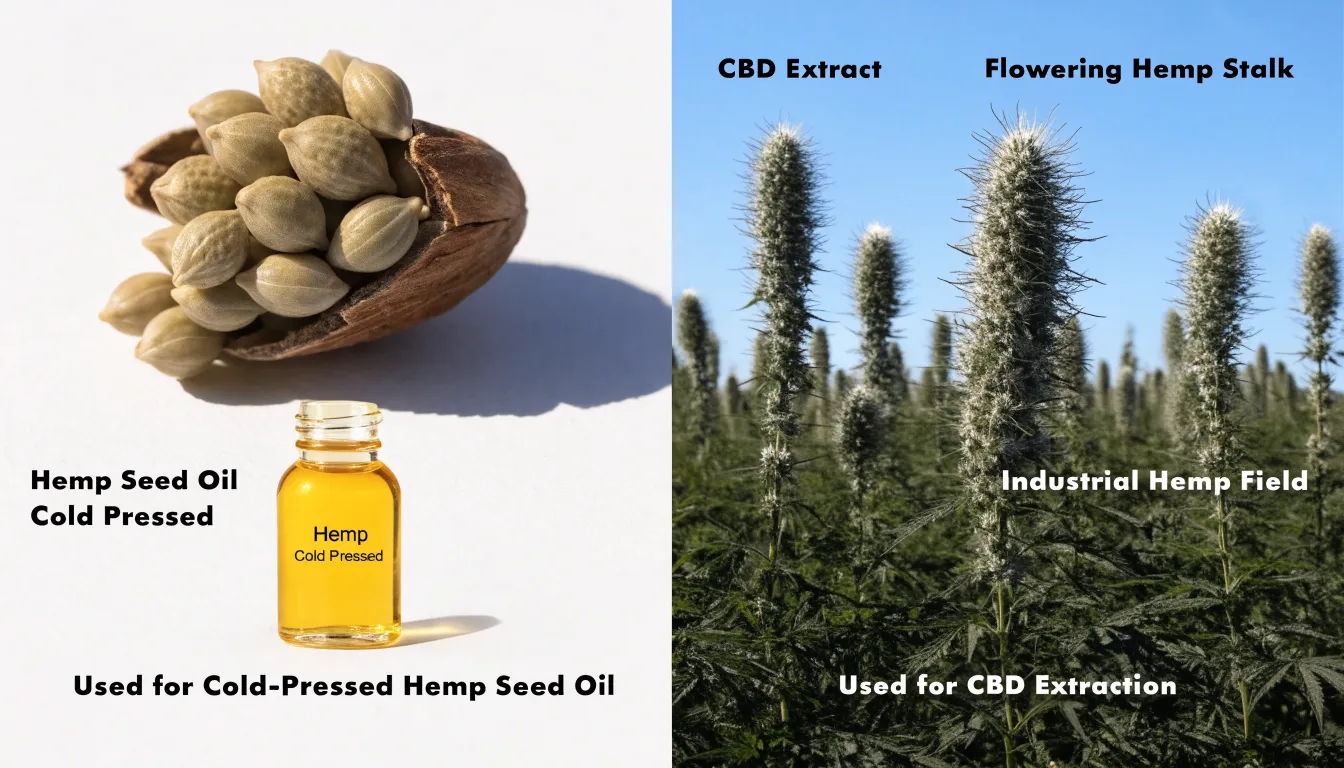
CBD oil, on the other hand, is extracted from the flowers, leaves, and stalks of the hemp plant, which are the parts rich in cannabinoids. It is usually made using solvents or CO2 to isolate and concentrate CBD along with other helpful compounds like terpenes and flavonoids. CBD products are designed to deliver specific amounts of CBD, and depending on the type—full-spectrum, broad-spectrum, or isolate—they may contain trace amounts of THC.
People use CBD oil mainly for its potential therapeutic effects, which are thought to work with the body’s endocannabinoid system. It is often used to support calmness, manage everyday stress, aid post-workout recovery, and promote overall well-being. Knowing these key differences helps people choose the right product for their needs.
Nutrient Breakdown
Hemp seed oil is packed with beneficial fats and vitamins, most notably a 3:1 ratio of omega-6 to omega-3 fatty acids. Omega-6, mainly linoleic acid, supports the skin’s barrier so it locks in moisture and keeps irritants out. Omega-3, as alpha-linolenic acid, helps keep skin calm and supple. Since the body can’t make these fats itself, getting them from hemp seed oil is especially valuable.
Hemp seed oil also contains gamma-linolenic acid (GLA), a less common but powerful omega-6. GLA supports skin cell regeneration, helping skin look clear and healthy. It keeps skin balanced and elastic, so skin feels smooth and revitalized, offering nourishment beyond simple hydration.
Rounding out the benefits are vitamins A and E. Vitamin A promotes healthy skin cell turnover and supports natural repair, keeping the complexion fresh and vibrant. Vitamin E acts as an antioxidant, protecting skin from environmental stress and reinforcing its barrier for a resilient, youthful look. Together, these vitamins and fatty acids work to nourish, shield, and refresh the skin.
Deep Hydration Power
Hemp seed oil is deeply hydrating because its lightweight structure lets it sink into the skin easily. Its fatty acids, like linoleic and alpha-linolenic acids, closely match the skin’s natural oils, so it absorbs quickly into deeper layers without leaving a greasy film.
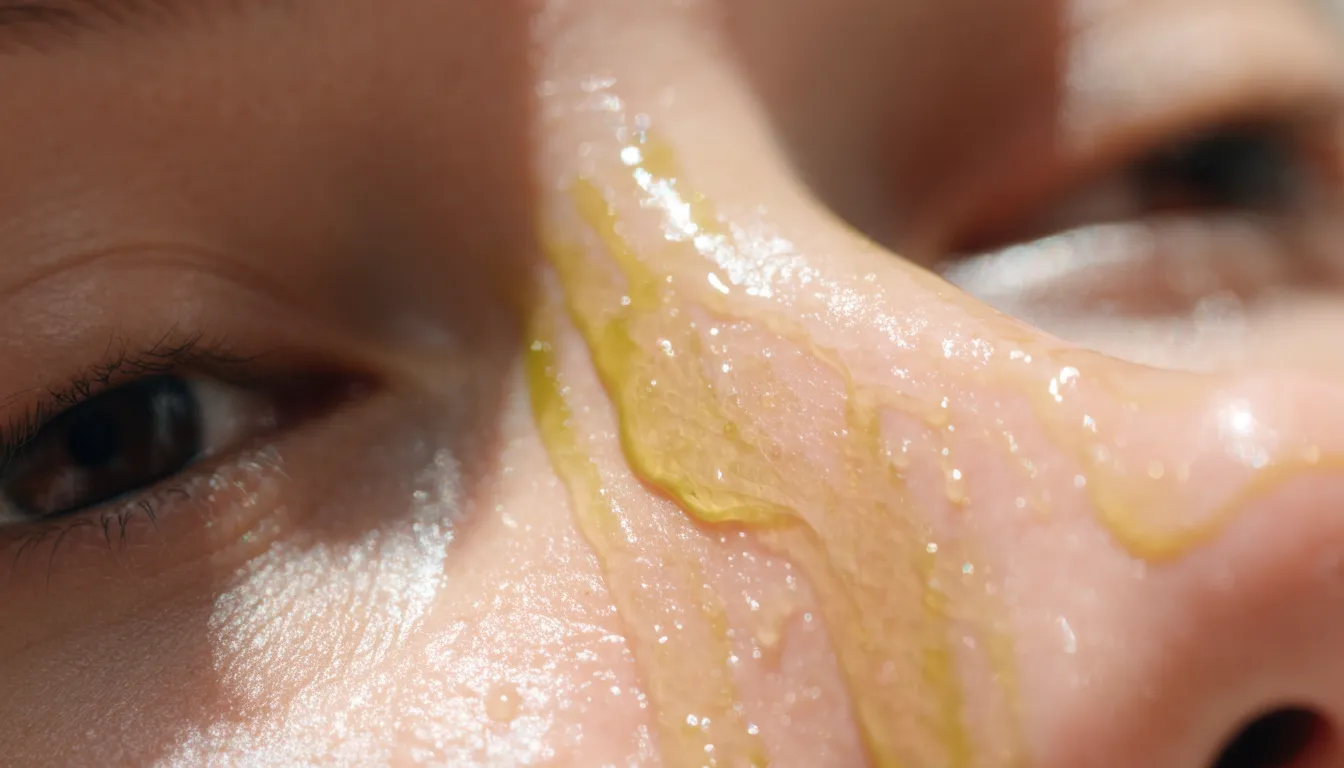
Once inside, it strengthens the skin’s moisture barrier by blending into the spaces between skin cells. This locks in hydration and prevents water from evaporating from the skin’s surface, which helps keep skin soft and moisturized for a long time.
Even with all that moisture, hemp seed oil feels light and dry, not heavy or sticky. It won’t clog pores or leave residue, so it can be worn day or night, leaving skin smooth, plump, and healthy without any uncomfortable feel.
Soothing Skin Irritation
Hemp seed oil is a natural way to calm irritated skin, helping with redness and sensitivity. It works thanks to its rich content of essential fatty acids, including a balanced mix of omega-3 and omega-6 that keeps skin healthy. It also contains GLA, a powerful omega-6 that soothes inflammation and helps the skin’s immune system respond properly. When applied topically, these ingredients work together to ease active flare-ups.
This oil is especially helpful for specific skin conditions. For eczema, which causes dry, itchy, and inflamed skin with a weakened barrier, hemp seed oil restores balance and eases discomfort. It also calms the red, scaly patches of psoriasis caused by rapid skin cell growth, and reduces the facial redness and visible veins associated with rosacea by lowering inflammation and promoting a more even tone.
Beyond these conditions, hemp seed oil provides daily relief for everyday skin distress, such as sensitivities or minor irritations from the environment. Its natural properties support the skin’s own healing powers, leaving a calmer, stronger complexion without the need for harsh treatments.
Strengthening The Skin Barrier
Hemp seed oil helps strengthen the skin’s natural barrier—the protective layer made of ceramides, cholesterol, and fatty acids that keeps moisture in and irritants out. Daily stressors like pollution, harsh weather, and free radicals can weaken this barrier, causing dryness and early aging. Hemp seed oil is rich in essential fatty acids like linoleic acid and alpha-linolenic acid, which blend with the skin’s existing lipids and make the barrier stronger and more resilient.
With a stronger barrier, the skin is better able to block microscopic pollutants and allergens, so irritation and inflammation are less likely. Hemp seed oil also forms a protective film that locks in moisture and prevents water loss, especially in dry or windy conditions. This helps keep the skin soft, supple, and well-hydrated over time.
Beyond that, hemp seed oil contains antioxidants such as vitamin E, which help neutralize free radicals caused by UV rays and pollution. By reducing this damage, it supports long-term skin health and keeps the complexion calmer, more balanced, and better prepared to handle daily stress.
Balancing Oil Production
Hemp seed oil helps balance the skin’s oil production, so it works for both very oily and very dry skin. One key reason is that it has a non-comedogenic rating of zero, meaning it does not clog pores. This makes it safe to use without causing breakouts or worsening congestion, while still delivering beneficial nutrients to the skin.
For oily skin, hemp seed oil helps regulate sebum production. When skin lacks moisture, it often overproduces oil to compensate. Hemp seed oil provides hydration and healthy fats, which signals the skin that it doesn’t need to make so much excess oil. This can reduce oiliness and help prevent breakouts, leading to a clearer, more balanced complexion.
For dry skin, hemp seed oil supplies essential lipids that the skin needs but cannot make on its own, such as linoleic acid and alpha-linolenic acid. These fatty acids nourish the skin and help restore its natural barrier, allowing it to hold in moisture better. As a result, dryness, flakiness, and tightness are reduced, leaving skin soft, supple, and healthier overall.
Sun Damage Recovery
Hemp seed oil helps skin recover from sun exposure by fighting oxidative stress. When UV rays hit the skin, they create free radicals that damage cells. The oil is rich in antioxidants like vitamin E and carotene. Vitamin E stops the chain reaction of UV damage and protects cell structures, while carotenes work with it to guard the skin’s integrity.
The oil also calms sunburned tissue. Its natural anti-inflammatory properties reduce redness, swelling, and discomfort. By soothing irritated skin, it creates a better environment for healing.
In addition, hemp seed oil supports skin renewal. Its essential fatty acids, vitamins, and minerals give skin cells what they need to regenerate. This helps replace damaged cells with healthy ones, improving texture and strengthening the skin barrier after sun damage.
Scalp Care Essentials
Hemp seed oil is great for scalp care, especially if you have a dry, flaky scalp. Massaging it directly into the skin helps ease discomfort. It is rich in omega-3 and omega-6 fatty acids, which deeply moisturize and help restore the scalp’s natural moisture barrier. A well-hydrated scalp is less likely to feel itchy or irritated.
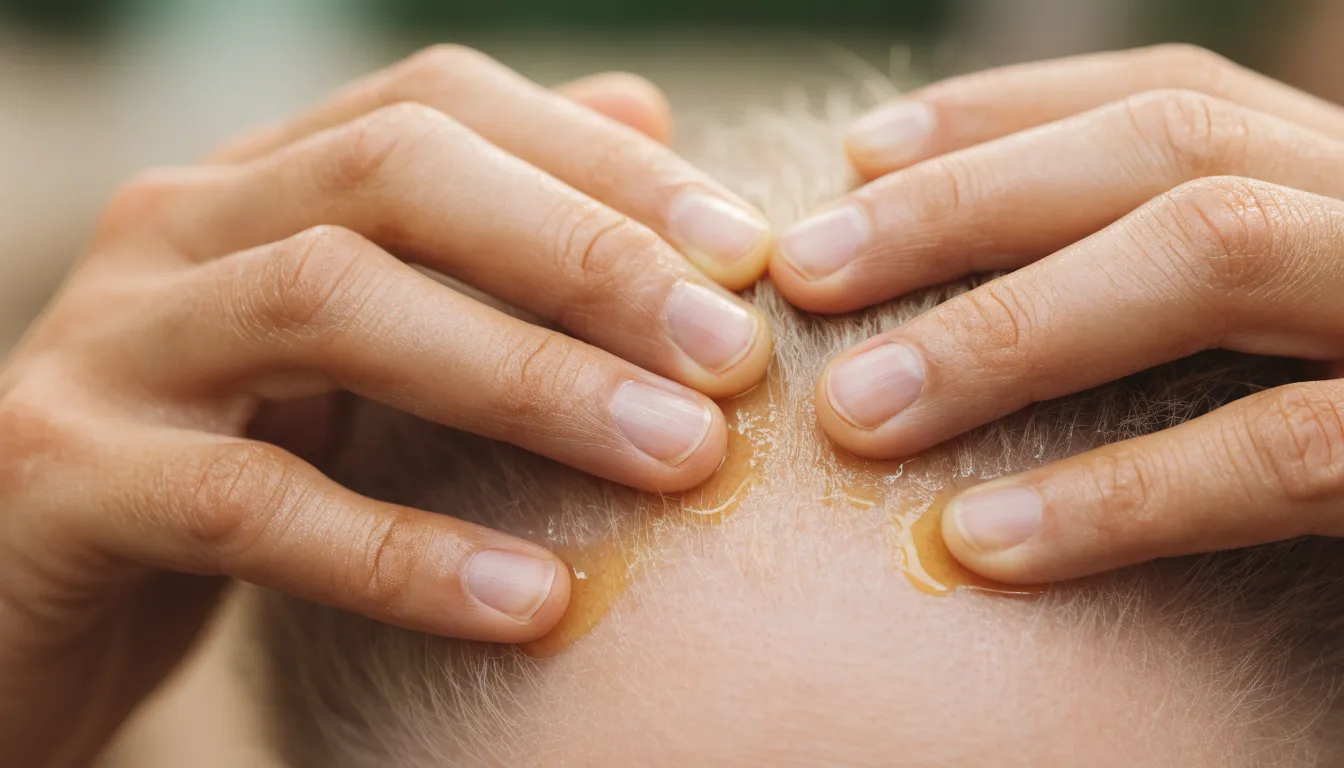
The oil also has anti-inflammatory properties that calm redness and soothe sensitive skin. Regular use helps get rid of dry flakes by rebalancing a dehydrated scalp. It delivers moisture and nutrients directly to the area, gently loosening existing flakes and helping prevent new ones from forming. This leaves the scalp feeling more comfortable and looking clearer.
Massaging hemp seed oil in also boosts blood circulation in the scalp. Better blood flow brings more oxygen and nutrients to the hair follicles. This supports stronger, healthier hair growth from the root, giving follicles what they need to thrive.
Restoring Hair Shine
Hemp seed oil naturally revives dull, lifeless hair by coating each strand with a light, protective layer. This helps restore shine without the greasy feel many oils leave behind.
Its main power is sealing damaged cuticles. When cuticles lie flat, hair reflects light and looks smooth and shiny. Heat, chemicals, and the environment can make them lift, causing rough texture and dullness. Hemp seed oil smooths these lifted cuticles, locking in moisture and keeping out excess humidity. This reduces frizz and makes hair easier to manage.
The result is a real, healthy glow, not an artificial shine. Because hemp seed oil is lightweight and non-comedogenic, it absorbs easily into the hair without weighing it down. Hair feels soft, clean, and naturally radiant.
Easy Application Methods
Hemp seed oil can be used as a gentle facial cleanser. Put a small amount in your dry palms, warm it up, and massage it onto your dry face in light circles. This helps dissolve makeup, dirt, and excess oil. After a minute or two, wipe it off with a warm, damp washcloth, rinsing and repeating until your skin feels clean and soft—without losing its natural moisture.
As a nighttime treatment, use it like a soothing serum. After cleansing and toning, press a few drops onto your face and neck, focusing on dry or irritated areas. Let it absorb for a few minutes before applying heavier creams. Overnight, it supports skin renewal and provides deep nourishment.
You can also boost your daily moisturizer with it. Take your usual amount of moisturizer, add one or two drops of hemp seed oil, mix, and apply as normal. This enriches your cream, helping lock in moisture and deliver essential fatty acids to your skin throughout the day.
DIY Hair Mask Recipes
DIY hair masks with hemp seed oil are an easy way to add deep nourishment to your weekly routine. They help condition hair, reduce split ends, and strengthen strands. Because these treatments use simple, natural ingredients, you avoid harsh chemicals while giving your hair a gentle, healthy pampering.
Hemp seed oil works well as the base thanks to its fatty acids and vitamins. You can boost it with a few drops of lavender or rosemary essential oil — lavender helps soothe the scalp, while rosemary can stimulate it, and both add a pleasant scent. Mixing in raw honey is another great option: honey pulls moisture into the hair, while hemp seed oil softens and adds shine.
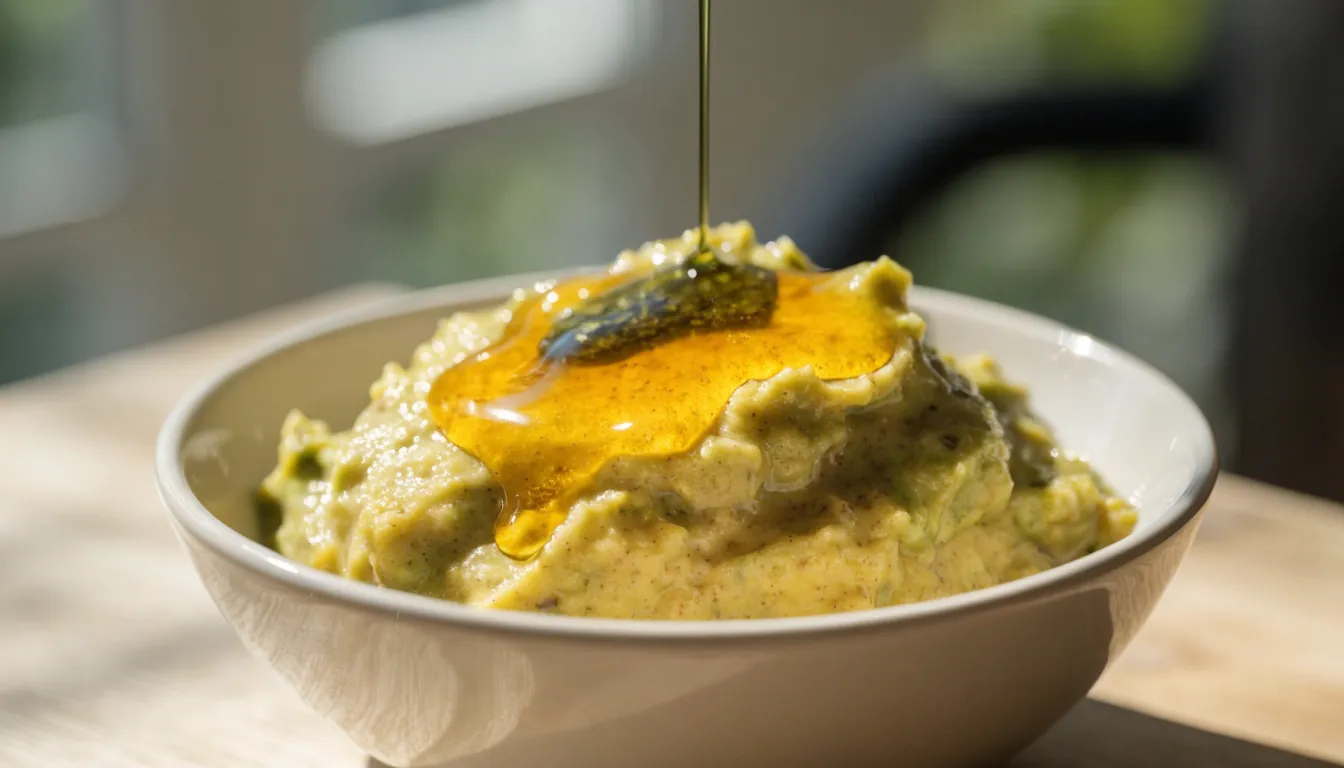
For intense repair, mash half an avocado into the hemp seed oil base. Avocado adds extra vitamins and healthy fats that sink into damaged areas. Apply the mask evenly from roots to ends, leave it on for 20–30 minutes, then rinse with lukewarm water. Used weekly, these masks noticeably improve texture, resilience, and shine.
Daily Beauty Routine
Incorporating hemp seed oil into your routine is a simple way to enhance skin health without changing everything. Because it is lightweight and non-comedogenic, it works well with other active ingredients, making it suitable for both day and night use.
In the morning, cleanse your face first. If you use hyaluronic acid, apply it to damp skin and let it absorb. Then, press a few drops of hemp seed oil into your skin, either on its own or mixed into your daily moisturizer for an extra boost of fatty acids and antioxidants. Finish with sunscreen. It creates a nourishing, non-greasy barrier that sits well under makeup.
In the evening, begin with clean, dry skin before applying your retinoid, and wait 15-20 minutes for it to fully absorb. Follow this with hemp seed oil to soothe potential irritation and lock in moisture while you sleep. Alternatively, if you have sensitive skin, apply a small amount of the oil before the retinoid to act as a gentle buffer against dryness. This layering method lets you get the benefits of both your active treatments and the healing properties of hemp seed oil, helping to keep your complexion balanced and resilient.
Choosing High Quality Oil
1. 1. Check the label for extraction method. Look for “unrefined” and “cold-pressed.”. Look for “unrefined” and “cold-pressed.” These terms mean the oil was pressed at low temperatures without harsh chemicals or high heat, so it keeps its healthy fats, vitamins, and antioxidants. Oils made with heat or solvents lose nutrients and may leave unwanted residues.
2. Pick dark glass bottles. High-quality hemp seed oil should be stored in dark glass to block light. Sunlight can make the oil go rancid and weaken its benefits. Dark glass helps protect the oil and keeps its nutrients stable longer. Avoid transparent plastic bottles.
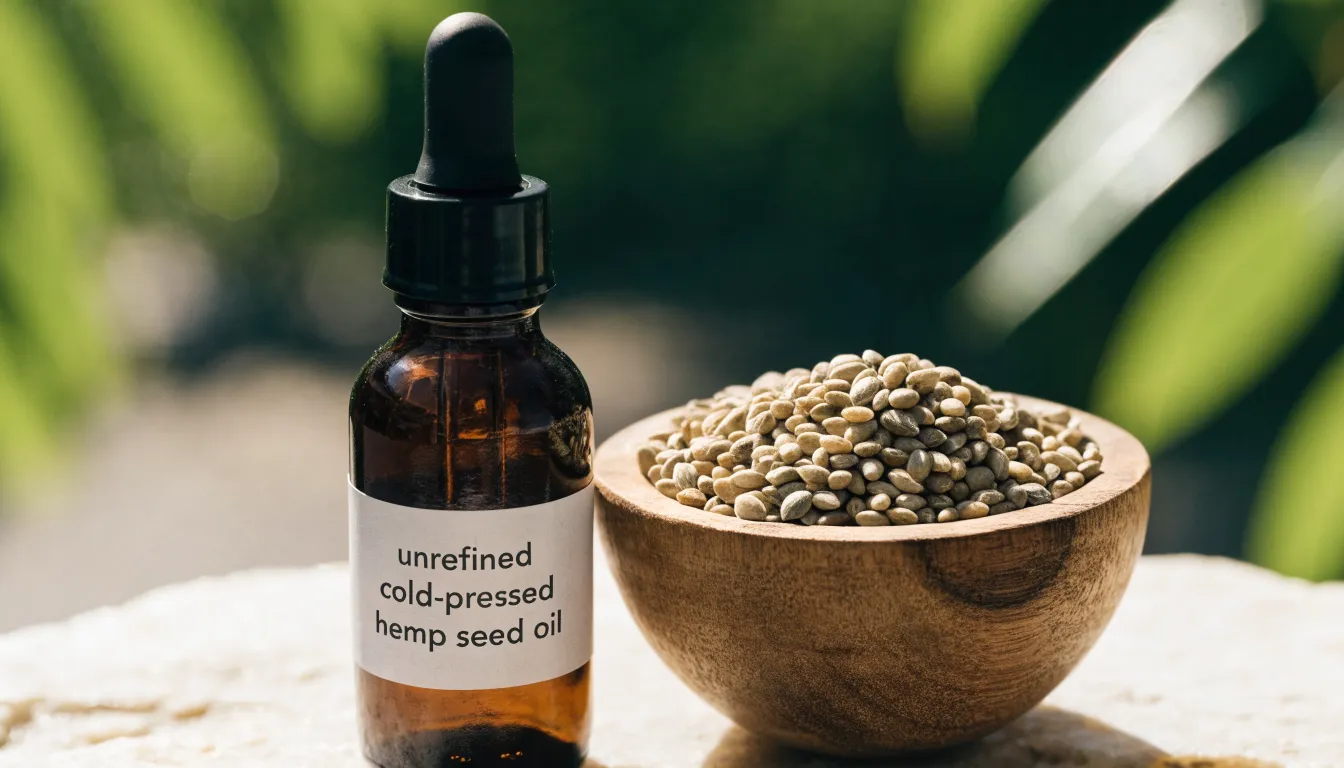
**3. Choose organic certification. This gives you a purer oil with no harmful residues, supports healthier soil, and ensures the oil is better for you and the environment.
Frequently Asked Questions
What is hemp seed oil primarily used for?
Hemp seed oil is mainly valued for its nourishing qualities for skin and hair, providing natural nutrition without the mind-altering effects of THC or the targeted therapeutic effects linked to CBD. It can also be used as a healthy cooking oil, salad dressing, or supplement.
How is hemp seed oil different from CBD oil?
Hemp seed oil is cold-pressed from the seeds of the Cannabis sativa plant, containing little to no CBD or THC, and is used for nutrition and skincare. CBD oil is extracted from the flowers, leaves, and stalks, rich in cannabinoids, and is used for its potential therapeutic effects, such as supporting calmness or aiding post-workout recovery.
What beneficial nutrients are found in hemp seed oil?
Hemp seed oil is rich in essential fatty acids, including a 3:1 ratio of omega-6 to omega-3, as well as gamma-linolenic acid (GLA). It also contains vitamins A and E, which promote healthy skin cell turnover, support natural repair, and act as antioxidants to protect the skin.
Is hemp seed oil suitable for oily or acne-prone skin?
Yes, hemp seed oil has a non-comedogenic rating of zero, meaning it does not clog pores, making it safe for oily or acne-prone skin. It helps regulate sebum production by providing essential hydration and healthy fats, signaling the skin not to produce excess oil.
How can I incorporate hemp seed oil into my daily skincare routine?
You can use hemp seed oil as a gentle facial cleanser, as a soothing nighttime serum after cleansing and toning, or by adding a few drops to your daily moisturizer for an extra boost. For sensitive skin, it can be applied as a buffer before a retinoid in the evening.
What should I look for when choosing a high-quality hemp seed oil?
When choosing high-quality hemp seed oil, look for labels that specify “unrefined” and “cold-pressed” to ensure nutrient retention. It should be stored in dark glass bottles to protect it from light, and organic certification is preferred to ensure it’s free from synthetic pesticides.