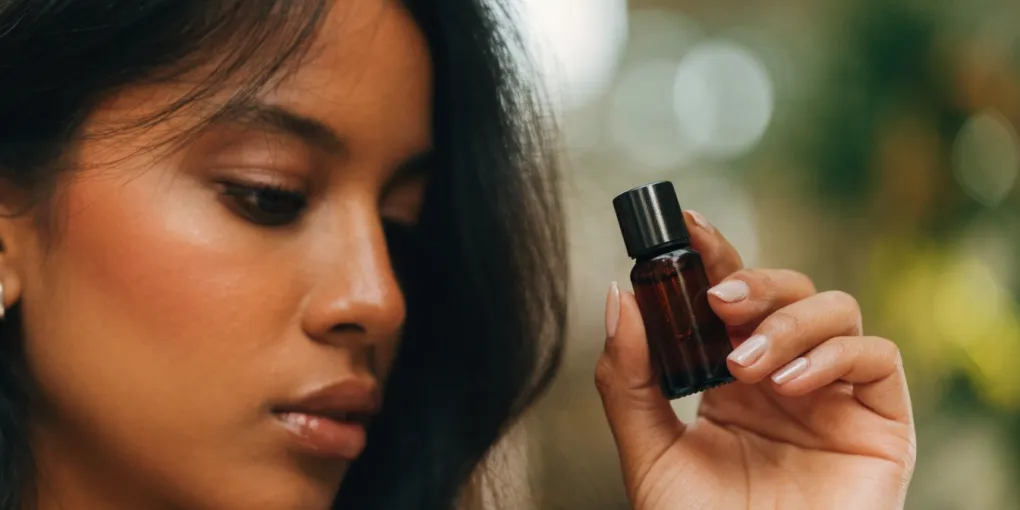
Vitamin E oil, a fat-soluble antioxidant, works by blending with skin’s natural oils to penetrate deeply, fortify cell membranes, and strengthen the lipid barrier. Its thick, emollient texture makes it excellent for deep hydration, sealing in moisture, neutralizing free radicals, and soothing irritation. It’s often mixed with lighter carrier oils or essential oils for enhanced benefits and easier application.
Table of Contents
- Understanding Vitamin E Oil
- Carrier Oil Basics
- The Unique Texture Factor
- Deep Hydration Power
- Free Radical Defense
- Soothing Irritated Skin
- Nourishing Your Scalp
- Dilution Ratios Explained
- Mixing With Lighter Carrier Oils
- Lavender and Vitamin E
- Tea Tree and Vitamin E
- Frankincense and Vitamin E
- Step by Step Blending Guide
Understanding Vitamin E Oil
Vitamin E oil works well as a carrier oil because its main active component, tocopherol, is fat-soluble. This means it can blend easily with the skin’s natural oils and penetrate deeper than water-soluble ingredients. It sinks into cell membranes and the spaces between skin cells, delivering benefits right where the skin needs them most.
It also helps strengthen the skin’s lipid barrier, which locks in moisture and keeps out irritants. By fortifying cell membranes from within, vitamin E oil makes the skin more resilient, reduces water loss, and improves overall hydration. This makes it a solid base for blending with essential oils, as it supports healthy skin while carrying other oils.
On top of that, vitamin E oil has strong antioxidant properties. Its dense molecular structure helps neutralize free radicals, which protects skin cells from oxidative stress and premature aging. When used with essential oils, it adds protective, reparative support, making the blend more effective for maintaining healthy, resilient skin.
Carrier Oil Basics
Carrier oils make essential oils safe to use on the skin by diluting them. Essential oils are very strong and can cause redness or irritation if applied directly. Carrier oils lower their concentration, which helps prevent skin reactions and makes application much gentler.
They also slow down how fast essential oils evaporate. On their own, essential oils disappear quickly when exposed to air or body heat. Carrier oils create a protective layer on the skin that holds the essential oils in place, giving them more time to absorb and making their benefits last longer.
Carrier oils also help essential oils get deeper into the skin. The skin’s natural barrier can block some ingredients, but carrier oils are lipid-based, so the skin accepts them easily. They carry the essential oil compounds into deeper skin layers and even the bloodstream, which makes the essential oils more effective overall.
The Unique Texture Factor
Pure vitamin E oil has a thick, rich, syrupy texture because of its high tocopherol content. It feels heavy on the skin and doesn’t spread or absorb quickly like lighter facial oils. Instead, it creates a more substantial, protective layer that helps lock in moisture.
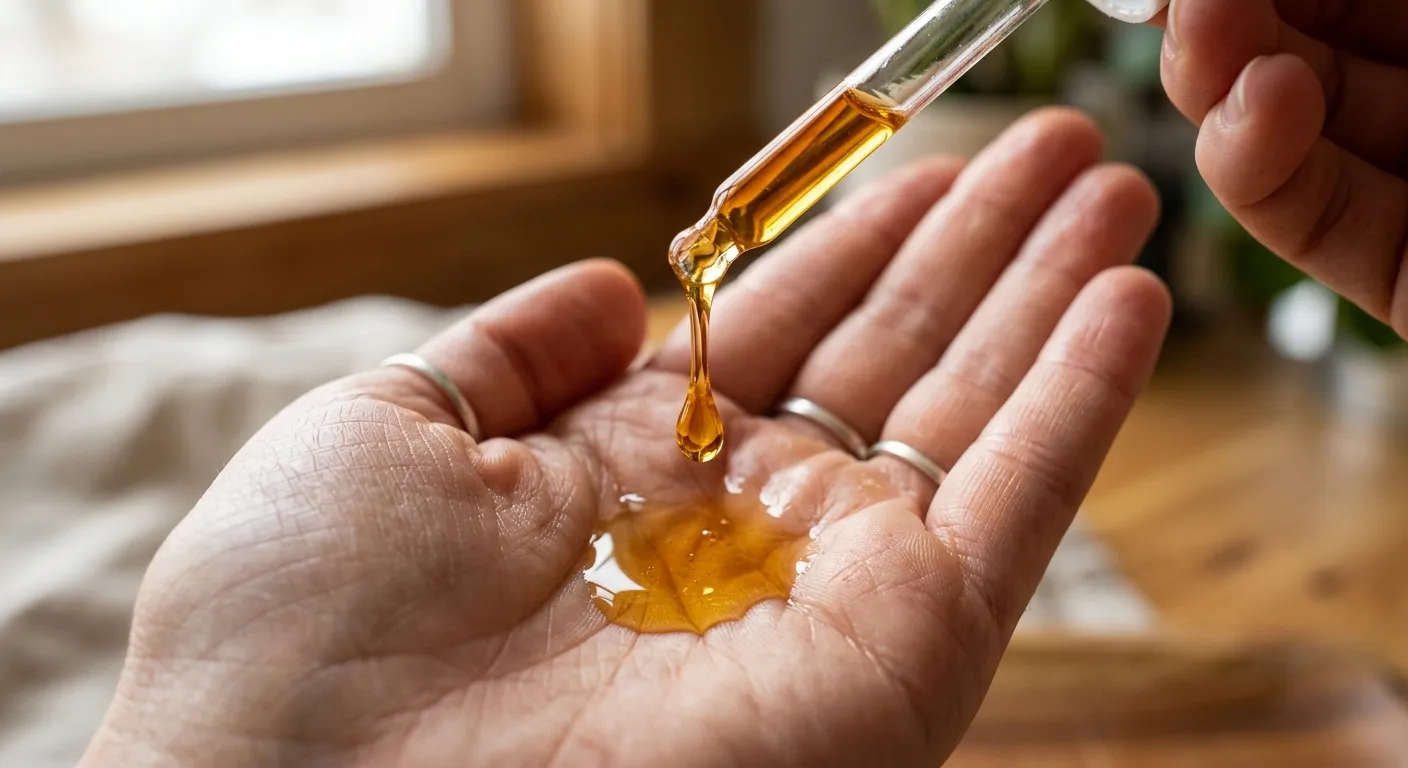
To make it easier to use, warm a few drops between your palms before applying — the heat thins it out and helps it glide on more smoothly. You can also mix it with a lighter carrier oil, such as jojoba, almond, or argan oil, or stir a drop into your regular moisturizer or lotion. This keeps the benefits while making it much easier to spread and absorb.
For best results, apply vitamin E oil to slightly damp skin after showering or cleansing, since the moisture helps the oil spread evenly. Use just a few drops at a time — it’s potent, so a little goes a long way.
Deep Hydration Power
Vitamin E oil is excellent for deep hydration, especially for dry skin. It works primarily as a strong emollient, forming a thin, protective layer on the skin’s surface when applied. This barrier helps trap intrinsic moisture inside the skin, directly countering trans-epidermal water loss (TEWL)—the natural evaporation that leads to dryness, flakiness, and a weakened skin barrier.
By sealing in that moisture, vitamin E significantly slows down water escape, allowing the skin to hold onto its natural hydration for much longer. This results in a more robust and consistently hydrated complexion that is better protected against environmental stress. Beyond just preventing moisture loss, it also plays a key role in restoring the skin’s natural softness and elasticity, as dehydrated skin often feels rough and lacks its usual bounce.
With moisture properly managed and sealed, skin cells stay plump and healthy. This not only gives the surface a smoother look but also boosts overall flexibility. Regularly using vitamin E oil can gradually transform dry, compromised skin into a softer, more pliable, and radiant state, highlighting its powerful ability to nourish and revive even the most dehydrated complexions.
Free Radical Defense
Skin is constantly exposed to environmental stressors like UV rays and pollution. These triggers create free radicals—unstable molecules that steal electrons from healthy skin cells. This process, called oxidation, leads to oxidative stress, which shows up as fine lines, wrinkles, sagging, and hyperpigmentation.
Vitamin E oil, especially in its active form d-alpha-tocopherol, works as a powerful antioxidant. Because it is lipid-soluble, it easily blends into cell membranes, where it donates electrons to neutralize free radicals. This protects important skin components like collagen and elastin, particularly from UV and pollution damage.
With regular use, vitamin E oil strengthens the skin’s natural defenses and helps prevent cumulative daily damage. As a carrier oil, it supports a healthier, more youthful complexion by stopping the cellular changes that lead to premature aging.
Soothing Irritated Skin
Vitamin E oil helps soothe irritated skin by easing redness and rough patches. Its anti-inflammatory properties calm flare-ups caused by environmental stress or general sensitivity, working at a cellular level to reduce visible irritation and bring relief.
It also helps with mild sunburns. Sun-exposed skin can become red, tender, and inflamed, and vitamin E oil cools the area while lowering the inflammatory response from UV rays. This supports more comfortable healing without harsh chemicals.
Beyond that, vitamin E oil helps repair dry, cracked, or rough skin. Its emollient qualities provide deep moisture and restore the skin’s natural barrier. Over time, it softens rough areas, supports healthy skin cell renewal, and leaves skin smoother, more resilient, and better protected.
Nourishing Your Scalp
Massaging vitamin E oil into your scalp does more than feel good—it helps stimulate blood flow. Better circulation means hair follicles get more of the oxygen and nutrients they need, which supports stronger growth and may help reduce shedding. With gentle massage, the oil works to refresh and renew the scalp.
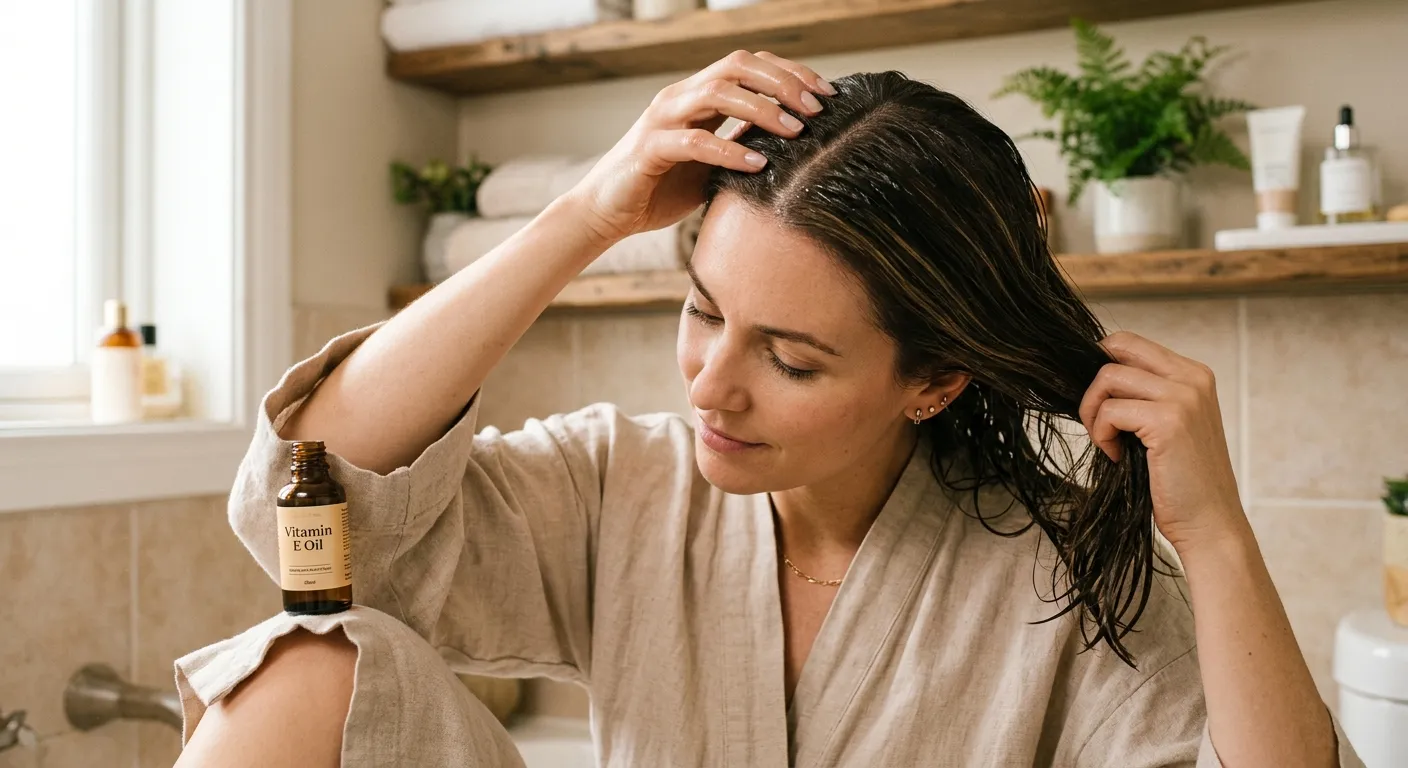
Vitamin E is also a strong antioxidant, and this helps calm minor irritation around hair follicles caused by daily stress, pollution, or styling. By soothing the scalp and easing inflammation, it creates a healthier, calmer environment where hair can grow more freely and stay stronger.
For dry or dull hair, vitamin E oil works as a deep conditioning treatment. Applied to mid-lengths and ends, it restores shine by smoothing the hair cuticle and locking in moisture. This protective layer helps keep hair soft and manageable while guarding against further damage.
Dilution Ratios Explained
Getting the dilution right is essential for both safety and effectiveness when blending essential oils. Essential oils are extremely potent plant extracts, and using them directly on the skin can cause irritation or sensitivity. The goal is to create a mix that is strong enough to work, but gentle enough for most skin types. For general use on the body, a concentration of 1% to 2% is widely recommended, which works well even with a thicker carrier oil.
To make a 1% blend, simply add about six drops of your chosen essential oil to one fluid ounce of carrier oil (such as vitamin E oil). If you want a stronger 2% blend, just double that amount, using roughly twelve drops per fluid ounce. These exact measurements ensure that the active ingredients are spread evenly and safely within the thick carrier oil.
Using these precise ratios prevents skin problems, helps the skin absorb the blend properly, and lets both the essential oil and the carrier oil deliver their full benefits without any risk. It’s a simple way to keep your homemade blends both safe and effective.
Mixing With Lighter Carrier Oils
Vitamin E oil is highly valued for its antioxidants and skin-supporting benefits, but its thick, sticky texture can feel heavy and unappealing for daily use. To fix this, blend it with lighter, fast-absorbing carrier oils like jojoba, rosehip, argan, or squalane. This simple step transforms the oil into a more manageable, refined base for your skincare routine.
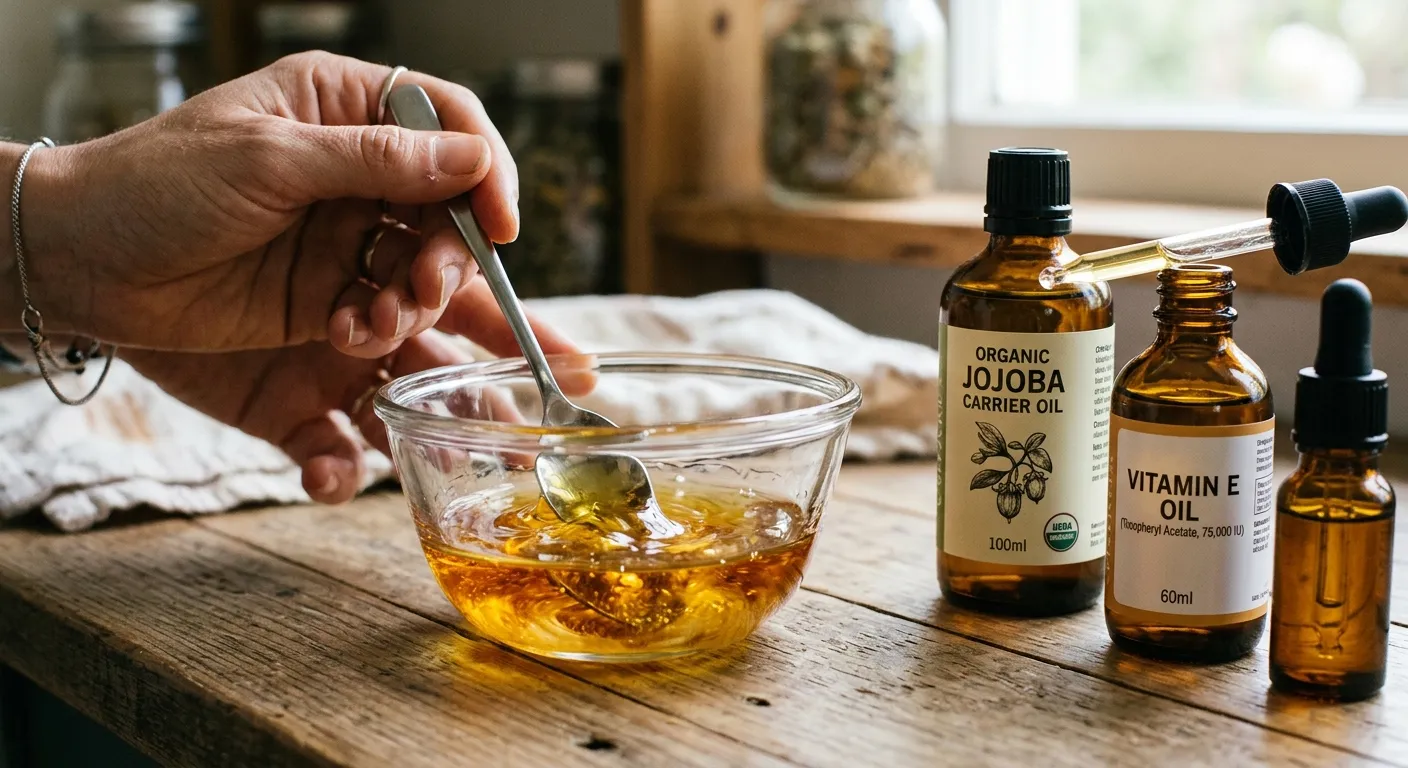
The main advantage of this blend is improved spreadability—the mixture glides on easily, covering larger areas with less product. These lighter oils also speed up absorption, so the blend sinks into the skin quickly instead of sitting on the surface, leaving it soft and moisturized without a greasy feel.
Crucially, blending doesn’t weaken vitamin E’s protective power. The antioxidant benefits stay intact, shielding the skin from environmental damage, while the lighter oils act as a delivery vehicle. Together, they create a smooth, luxurious base that absorbs beautifully and provides complete nourishment for healthy-looking skin.
Lavender and Vitamin E
Lavender and vitamin E oil work well together for nighttime skin care. Lavender’s scent does more than smell nice—it calms the nervous system, eases anxiety, and helps you relax into sleep. Using a lavender blend before bed becomes a soothing ritual, and that peace of mind also helps reduce stress-related skin reactions, allowing your skin to unwind and prepare for overnight repair.
Vitamin E is a strong antioxidant that supports skin health while you sleep. It helps undo daily damage by neutralizing free radicals that can cause early aging and dullness. It also supports the skin’s natural healing, encourages cell renewal, strengthens the skin barrier, and provides deep moisture to keep skin from drying out overnight.
Together, they’re more effective. Lavender creates a calm, restful state, while vitamin E delivers nutrients and repairs the skin during deep sleep. This blend gives your skin complete overnight care, so you can wake up looking refreshed, glowing, and revitalized—and it turns a basic bedtime routine into a nourishing experience for both skin and mind.
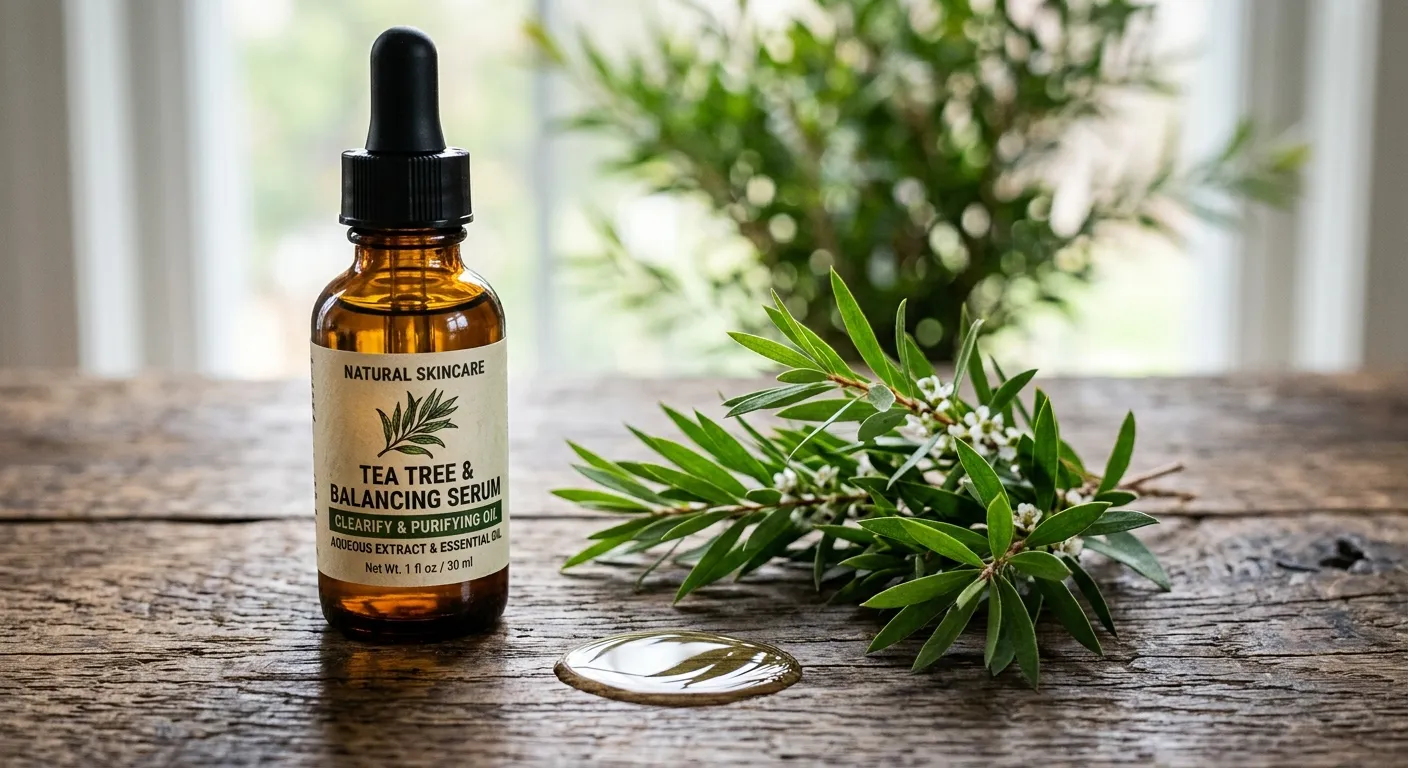
Tea Tree and Vitamin E
Tea tree oil works as a natural antiseptic. It targets the bacteria that cause acne and blemishes, helping to neutralize them and reduce inflammation. This can stop new breakouts from forming and makes it a good natural option for treating skin. However, on its own, tea tree oil is strong and can sometimes dry out the skin, leaving it flaky or irritated.
Vitamin E helps balance that out. It is a moisturizing antioxidant that supports healthy skin. When used with tea tree oil, it locks in moisture and soothes the skin. It also helps reduce redness and prevents the peeling and tightness that spot treatments can cause. By supporting the skin’s natural barrier, vitamin E keeps the skin feeling soft and protected.
Together, tea tree oil and vitamin E offer a more balanced way to treat blemishes. Tea tree targets the blemishes, while vitamin E keeps the skin hydrated and calm. This combo works to clear skin without causing the dryness and irritation that often come with stronger, harsher treatments.
Frankincense and Vitamin E
Frankincense and vitamin E make a strong daily skincare duo for supporting a youthful look. Frankincense oil helps with common aging signs like fine lines and uneven skin tone. It soothes and refreshes the skin, leaving texture smoother and more balanced while making minor imperfections less noticeable over time.
Vitamin E adds support by helping the skin keep its natural collagen structure, which maintains firmness and elasticity. It also encourages healthy cell turnover, so old cells are replaced with new ones. This renewal process keeps the skin looking fresh, radiant, and resilient.
Together, the two work in a complementary way. Frankincense improves the skin’s visible surface, tone, and texture, while vitamin E nurtures the deeper cellular and structural health. Used daily, this blend gently supports the skin’s natural glow and helps maintain a vibrant, age-defying look.
Step by Step Blending Guide
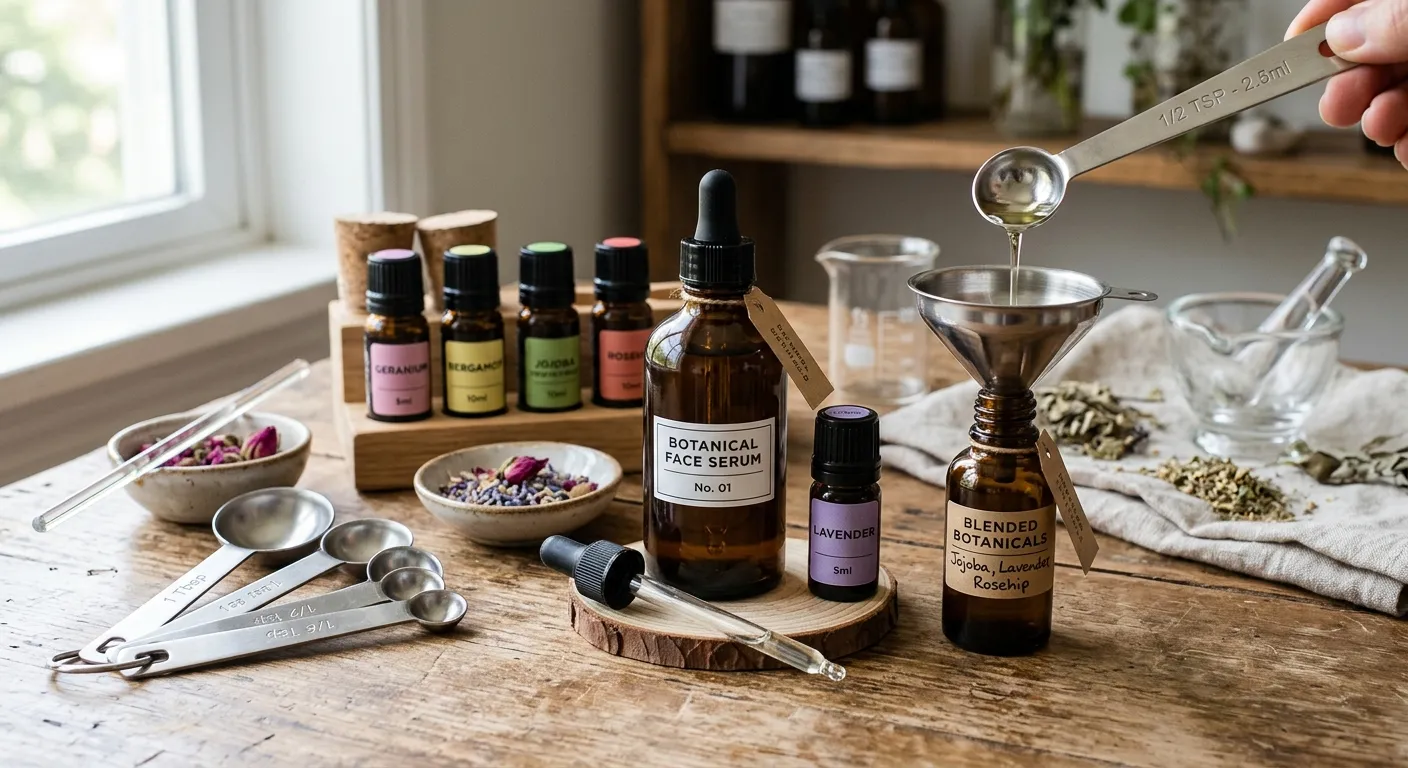
Creating your own vitamin E serum lets you customize skincare to your needs. Start with a base carrier oil like jojoba or argan—about 2 tablespoons—and add roughly 1 teaspoon of pure vitamin E oil. If you want to include essential oils, remember they are very concentrated, so just 1–2 drops per ounce of total blend is usually enough. Measuring carefully keeps the final serum balanced and effective.
Use an amber glass bottle because it protects light-sensitive oils. Wash it thoroughly with warm water and mild, unscented soap, rinse well, and let it air dry completely. Any leftover moisture can spoil the oil blend. Once dry, pour in the carrier oil, then the vitamin E oil, and any other chosen oils. Seal the bottle and turn it upside down a few times to mix gently. Avoid shaking, as air bubbles can shorten the serum’s shelf life.
Before using the serum widely, do a patch test. Apply a tiny amount to a small spot like behind your ear or on your inner forearm, then wait at least 24 hours. If you see no redness, itching, or irritation, the blend is safe for your skin. This simple step helps you avoid unpleasant reactions and ensures your custom serum fits your skin type.
Frequently Asked Questions
What is vitamin E oil and how does it benefit the skin?
Vitamin E oil, primarily tocopherol, is a fat-soluble oil that easily blends with the skin’s natural oils to penetrate deeper. It strengthens the skin’s lipid barrier, locking in moisture and protecting against irritants. Additionally, its strong antioxidant properties help neutralize free radicals, protecting skin cells from oxidative stress and premature aging.
How can I make pure vitamin E oil easier to apply and absorb?
Pure vitamin E oil has a thick, syrupy texture. To make it easier to use, warm a few drops between your palms before applying, or mix it with a lighter carrier oil such as jojoba, almond, or argan oil. Applying it to slightly damp skin after showering or cleansing also helps the oil spread more evenly and absorb better.
How does vitamin E oil provide deep hydration for dry skin?
Vitamin E oil works as a strong emollient, forming a thin, protective layer on the skin’s surface that traps intrinsic moisture. This barrier directly counters trans-epidermal water loss, allowing the skin to hold onto its natural hydration for longer. It also helps restore the skin’s natural softness and elasticity, transforming dry, compromised skin.
Can vitamin E oil help soothe irritated skin or mild sunburns?
Yes, vitamin E oil helps soothe irritated skin by easing redness and rough patches, thanks to its anti-inflammatory properties that calm flare-ups. It can also cool the area and lower the inflammatory response from mild sunburns, supporting more comfortable healing. Beyond that, its emollient qualities help repair dry, cracked, or rough skin by restoring the skin’s natural barrier.
Why is it important to dilute essential oils with a carrier oil like vitamin E?
Diluting essential oils with a carrier oil is essential because essential oils are very strong and can cause redness or irritation if applied directly to the skin. Carrier oils lower their concentration, preventing skin reactions and making application gentler. They also slow down how fast essential oils evaporate, giving them more time to absorb and making their benefits last longer.
What crucial step should I take before widely using a custom vitamin E oil blend?
Before using any homemade vitamin E oil blend widely, you should always perform a patch test. Apply a tiny amount to a small, inconspicuous spot on your skin, such as behind your ear or on your inner forearm. Wait at least 24 hours to ensure you see no redness, itching, or irritation before applying the blend more broadly to your skin.