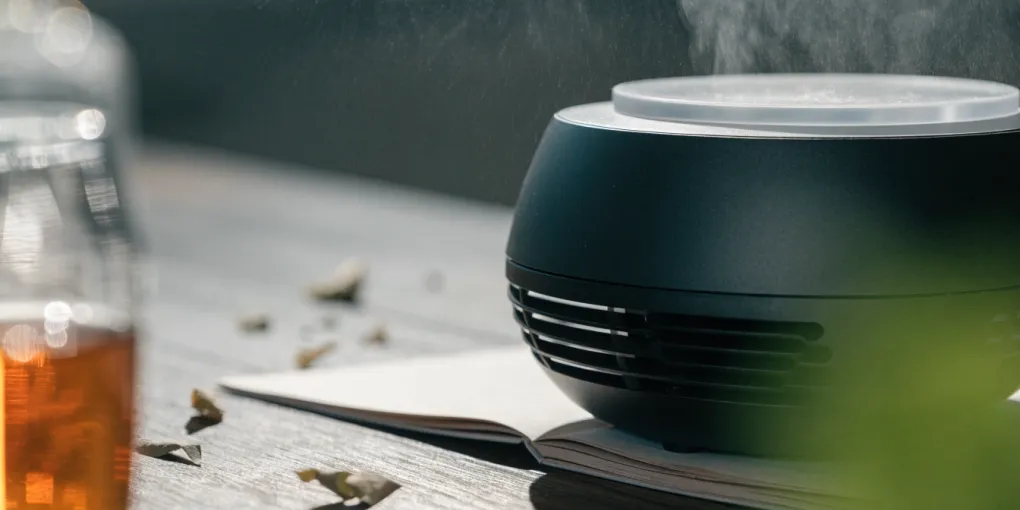
For optimal effectiveness and safety, diffusers should run for short, timed sessions, typically 15 to 30 minutes, repeated two or three times daily. This approach prevents olfactory fatigue, conserves essential oils, and minimizes potential health risks from prolonged exposure, especially for sensitive individuals, children, and pets.
Table of Contents
- Essential Oil Basics
- The Sweet Spot
- Intermittent Diffusing Benefits
- Room Size Factors
- Water Tank Capacity
- Waterless Diffuser Rules
- Bedroom Safety Guidelines
- Pet Safety Basics
- Baby and Toddler Care
- Pregnancy Precautions
- Over Diffusing Risks
- Humidity and Air Quality
- Work and Office Setup
- Cleaning and Maintenance
- Everyday Diffusing Routine
Essential Oil Basics
Understanding how essential oils work helps you use them safely and get the most benefit. How long you run your diffuser directly affects how your body reacts to these concentrated plant extracts. If the diffuser runs nonstop, you may experience olfactory fatigue—your nose and brain get used to the smell, so the scent fades and the therapeutic effect seems to disappear, wasting your oils.
Prolonged exposure also raises health concerns. Essential oils are natural but powerful chemical compounds, and diffusing them releases concentrated molecules into the air. Breathing in too much can cause headaches, dizziness, coughing, or shortness of breath. This is especially risky for people with asthma or sensitivities, as well as young children and pets, whose smaller bodies are more affected by concentrated compounds.
That’s why running a diffuser for short, timed sessions is important for both effectiveness and safety. Short breaks let your sense of smell reset and prevent the air from becoming overloaded with oil molecules. This way, you can enjoy the benefits of essential oils without discomfort or harm.
The Sweet Spot
To get the most from essential oils, don’t run your diffuser all day. The goal is a “sweet spot” that maximizes benefits while staying safe. Instead of continuous use, aim for a few short diffusing sessions spaced through the day. This gives your body time to absorb and process the aromatic compounds without overloading your system.
Short bursts of 15 to 30 minutes work best, repeated two or three times daily. This keeps a gentle, consistent presence of scent without overwhelming your nose. It also prevents olfactory fatigue, so the fragrance doesn’t fade into the background and lose its therapeutic impact. Plus, spreading your sessions means fresh active molecules are available when you need them most—Plus, spreading your sessions means fresh active molecules are available when you need them most—like an energizing blend in the morning or a calming blend before bed.
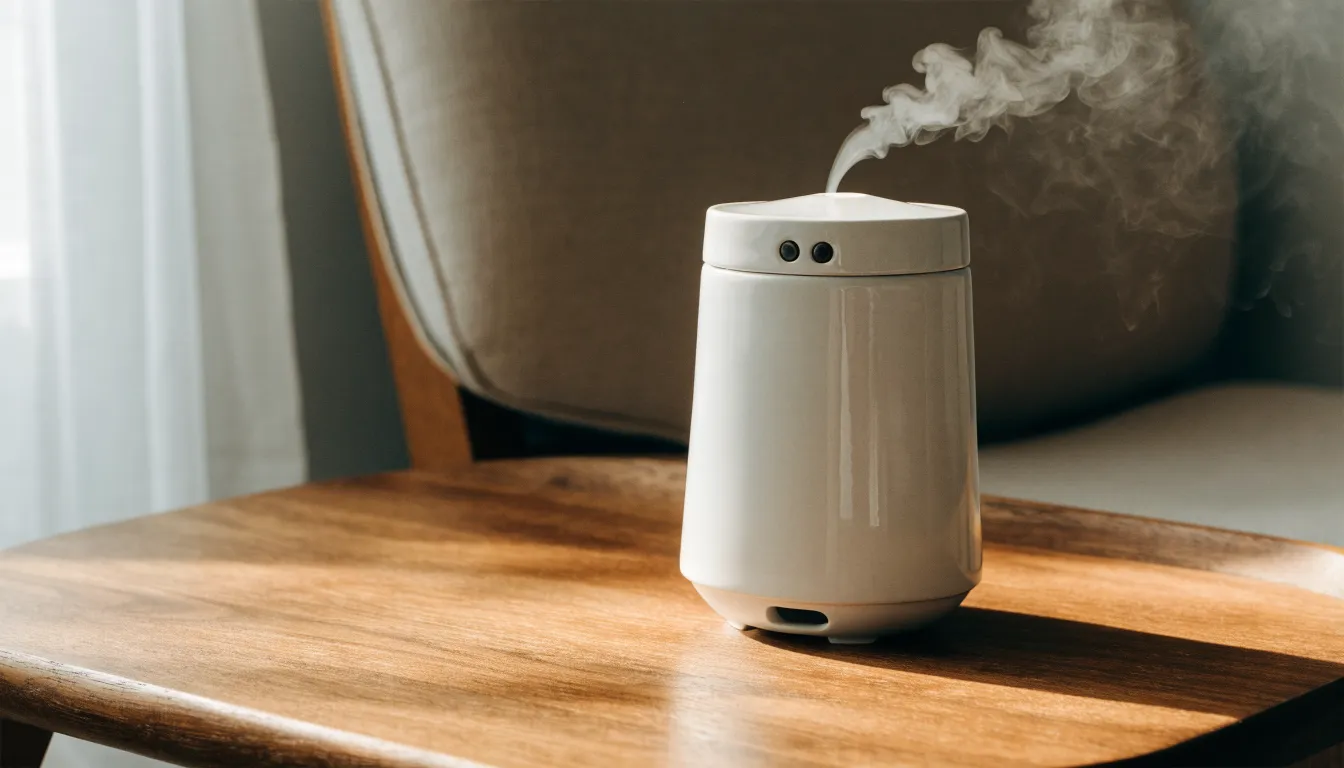
This measured, on-and-off approach is also a key safety practice. Diffusing for too long can potentially cause sensitization, headaches, or lung irritation, especially for sensitive people, kids, and pets. By limiting total active diffusion time to spaced intervals, you reduce these risks while still getting the full benefits of essential oils. It’s a balanced way to honor both the power of the oils and your body’s natural ability to process them, making each session positive and effective.
Intermittent Diffusing Benefits
Intermittent diffusing helps prevent “nose blindness,” or olfactory habituation. When you smell the same scent constantly, your brain starts to filter it out, so you stop noticing it. Built-in timers create short breaks in diffusion, allowing your sense of smell to reset. When the diffuser turns back on, the aroma feels fresh and noticeable again, so you consistently enjoy the scent.
These on-off cycles also make your essential oils last much longer. Continuous diffusion uses oil quickly, leading to frequent refills. With timed bursts, the oil releases during the “on” phase and continues to spread through the air during the “off” phase. This efficient approach reduces oil use, saves money, and keeps your aromatherapy practice more sustainable—without losing scent quality.
Finally, intermittent diffusing keeps a balanced, steady aroma in your space. Rather than a strong burst that quickly fades or becomes unnoticed, timed cycles deliver a gentle, recurring wave of scent. This prevents the room from ever becoming overwhelming or completely unscented. As a result, the air stays pleasantly fragrant, and the benefits of the oils remain noticeable for longer periods.
Room Size Factors
To get the most from your diffuser, match how long you run it to the size of the room. Small spaces fill with essential oil aroma quickly, so a short diffusion time works best. In a bathroom, powder room, or small office, running the diffuser for just 15 to 30 minutes is usually enough to create a pleasant scent without becoming overpowering.
In larger, open areas like combined living rooms, kitchens, and dining spaces, the aroma has more air to spread through, so it takes longer to build up. For these rooms, run the diffuser for 60 minutes or more, often with breaks, to get even coverage. You may also need a higher output setting to make sure the essential oils reach the whole space.
The key is to adjust based on the room’s size and airflow. Short sessions for compact rooms prevent the scent from becoming too strong, while longer sessions for big rooms keep the fragrance noticeable and balanced. This way, you create a consistent, inviting atmosphere with your essential oils.
Water Tank Capacity
The size of a diffuser’s water tank directly controls how long it can run and how it releases essential oils. Smaller 100ml units usually last three to six hours, making them great for short aromatherapy sessions, personal workspaces, or small rooms. Because the water volume is low, the essential oil is less diluted, so the scent is stronger and appears more quickly.
A 300ml diffuser offers a better middle ground, running for eight to ten hours or more. This is ideal for longer daytime use, extended relaxation, or moderately sized rooms. It needs fewer refills and keeps a steady, pleasant fragrance throughout the day without being overpowering.
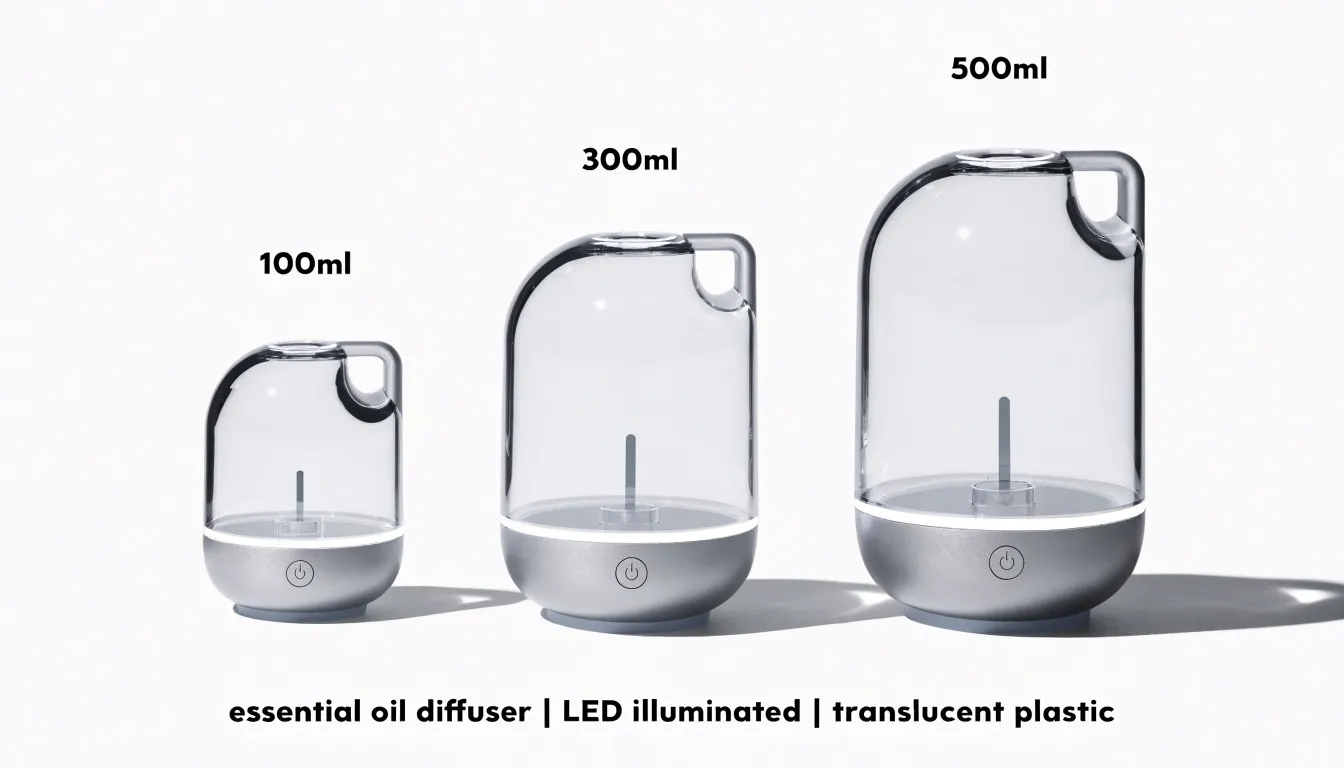
For the longest use, a 500ml diffuser can run twelve to sixteen hours, or even longer on intermittent settings. It suits overnight diffusion, large open areas, or professional spaces. The larger water volume dilutes the oil more gradually, so you may need extra drops for a strong start, but you get a gentle, continuous aroma that lasts for a long time with little attention.
Waterless Diffuser Rules
Nebulizing waterless diffusers work differently than water-based ones. They turn pure, undiluted essential oil into a fine mist using cold-air technology, with no water added. This keeps the oil’s full strength and therapeutic qualities intact, releasing a highly concentrated stream of fragrance directly from the bottle.
Because the output is so strong, these diffusers should be run for much shorter periods—usually only 10 to 15 minutes. Using them longer can make the scent overwhelming, and may irritate sensitive people. Since the aroma is far more intense than a water-based diffuser’s, a short burst is enough to fill a room with both fragrance and beneficial effects. Many users find the scent lingers well after a brief session.
Careful timing also helps you get the most from your oils. Shorter runs use less oil per session, so they are more economical. The idea is to achieve maximum benefit with minimal waste, taking advantage of the diffuser’s power while keeping the aromatherapy experience pleasant and effective.
Bedroom Safety Guidelines
Using a diffuser at night can make your bedroom feel calm and peaceful, but safety comes first. Make sure your diffuser has an auto-shutoff feature. This turns the machine off automatically when the water runs out, so it won’t overheat or run dry. That way, you can fall asleep without worrying about turning it off yourself.
Many diffusers also come with sleep timers that let you choose how long the mist flows—like one, two, or four hours. This gives you just enough aromatic mist to help you relax, then it stops. Keeping the diffuser from running all night helps maintain good air quality and keeps the room comfortable.
Dilution is also important for nighttime use. For gentle, restful sleep, use just one drop of a calming essential oil like lavender or chamomile in the full water tank. A single drop is usually enough to create a subtle, soothing aroma. Stronger amounts aren’t needed and may irritate your breathing in a small bedroom. This simple, minimalist approach supports easy inhalation and promotes a peaceful, uninterrupted night’s sleep.
Pet Safety Basics
Pets have much more sensitive respiratory systems than humans, so even mild aromas can overwhelm them. To keep things safe, run your diffuser for only 10 to 15 minutes at a time, in short bursts. This gives the aromatic benefits without stressing their airways. Always leave an open door or clear path so your pet can leave the room if the scent feels too strong—never confine them with an active diffuser.
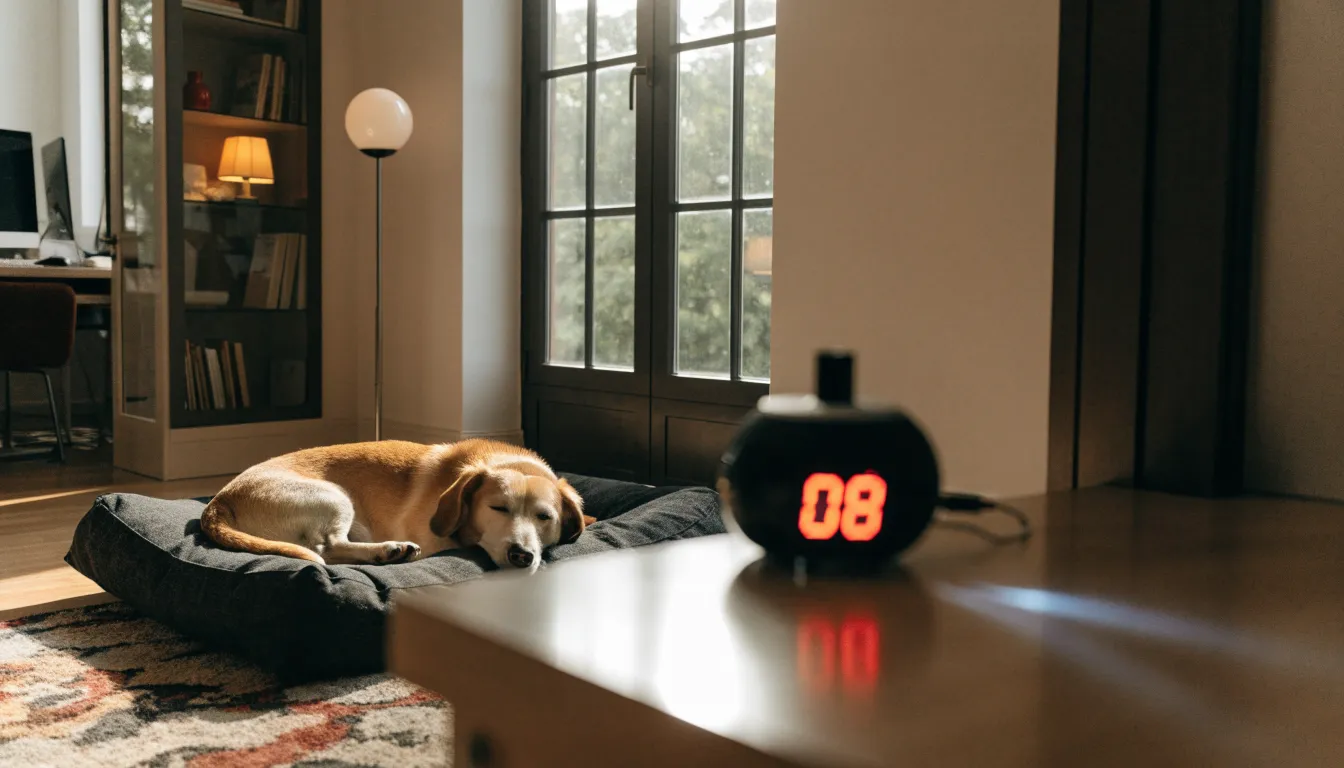
Choosing the right oil is just as important. Many oils that are fine for people are toxic to dogs and cats, including tea tree, citrus, pine, peppermint, wintergreen, cinnamon, pennyroyal, ylang ylang, and eucalyptus. These can cause liver damage or breathing problems. Instead, use veterinarian-approved, pet-safe options like properly diluted lavender, frankincense, or cedarwood, and introduce them slowly with close attention.
Keep the diffuser out of your pet’s reach to avoid spills or accidental ingestion. Watch your pet during and after each session. If you notice coughing, sneezing, excessive licking, drooling, lethargy, or any change in breathing, turn the diffuser off right away and move your pet to fresh air. These simple steps help everyone enjoy the benefits of essential oils safely.
Baby and Toddler Care
For babies and toddlers, diffusers should be used with a cautious, short approach. Because young children have sensitive, developing respiratory systems, continuous diffusion while they are in the room is not recommended.
Instead, run the diffuser for about 10 to 15 minutes before the child enters the room for sleep. This lets the essential oils create a calm, soothing atmosphere without exposing the child to prolonged inhalation. After the session, it’s a good idea to air out the room briefly before bringing the child in.
Avoid leaving the diffuser running all night or for long periods. A baby’s lungs are still immature and less able to handle certain compounds, which could cause irritation. This brief, mindful method safely supports a peaceful pre-sleep routine.
Pregnancy Precautions
During pregnancy, using a diffuser needs extra care because many women become much more sensitive to smells, especially in the first trimester. Scents that used to be fine can suddenly feel overwhelming and may trigger nausea or headaches. Because of this, it’s often best to limit diffuser use early on, or avoid it entirely, and keep using it only in moderation as the pregnancy continues.
When you do use a diffuser, keep the sessions very short—around 10 to 15 minutes—with long breaks in between. Make sure the room is well-ventilated so the scent stays faint and fresh rather than strong and heavy. The goal is just a light background aroma that feels calming, not a concentrated scent filling the room.
For oils, choose gentle, mild options like true lavender, sweet orange, or lemon, and use only small amounts. Avoid stronger or stimulating oils that are often warned against during pregnancy, such as peppermint, clary sage, rosemary, cinnamon bark, and wintergreen. Prioritizing mild scents and short, limited exposure helps support comfort and safety, and it’s always wise to check with a healthcare provider before using essential oils.
Over Diffusing Risks
Running an essential oil diffuser for too long, especially in a small or poorly ventilated room, can oversaturate the air with oil particles. At high concentrations, what was once pleasant can turn into an irritant, and your body may start sending warning signals that the exposure has become too much.
Common physical signs include nausea or queasiness as your sense of smell becomes overwhelmed, dizziness or lightheadedness that’s more likely in sensitive individuals, and eye discomfort such as dryness, redness, or a burning sensation from oil particles settling on the eyes. Sudden headaches or migraines can also occur, even with pleasant scents, when the aroma becomes too intense.
Taken together, these symptoms indicate the air is overly loaded with essential oils, shifting from a beneficial atmosphere to a respiratory and physical burden. Paying attention to these early signs allows you to adjust your diffuser use and keep the experience safe, comfortable, and enjoyable.
Humidity and Air Quality
Ultrasonic diffusers turn water and essential oils into a fine, cool mist, adding moisture to the air. They release far less water than a humidifier, but in small rooms or with long running times, that extra moisture can still affect indoor humidity levels.
In dry conditions—like winter or arid climates—this gentle moisture can help ease dry skin, irritated nasal passages, and static electricity. So using a diffuser longer or more often may be beneficial for both comfort and aroma. But in humid homes or regions, adding more water vapor can lead to condensation or mold, especially with poor ventilation. In that case, it’s better to use shorter sessions, diffuse less often, or try a waterless nebulizer that releases only essential oils without adding moisture.
To balance the aromatic benefits of essential oils with healthy indoor air, keep an eye on your home’s humidity using a hygrometer, and adjust diffuser run times as needed. Managing moisture output this way lets you enjoy the fragrance without causing unwanted dampness, creating a more comfortable and balanced living space.
Work and Office Setup
To keep your focus and energy steady at work, use your diffuser during the times you usually feel a drop in concentration—like after a tough meeting or in the mid-afternoon. Instead of running it all day, use short 20-minute bursts. This is enough to release the beneficial scents into your space, and it keeps the aroma strong so your nose doesn’t get used to it.
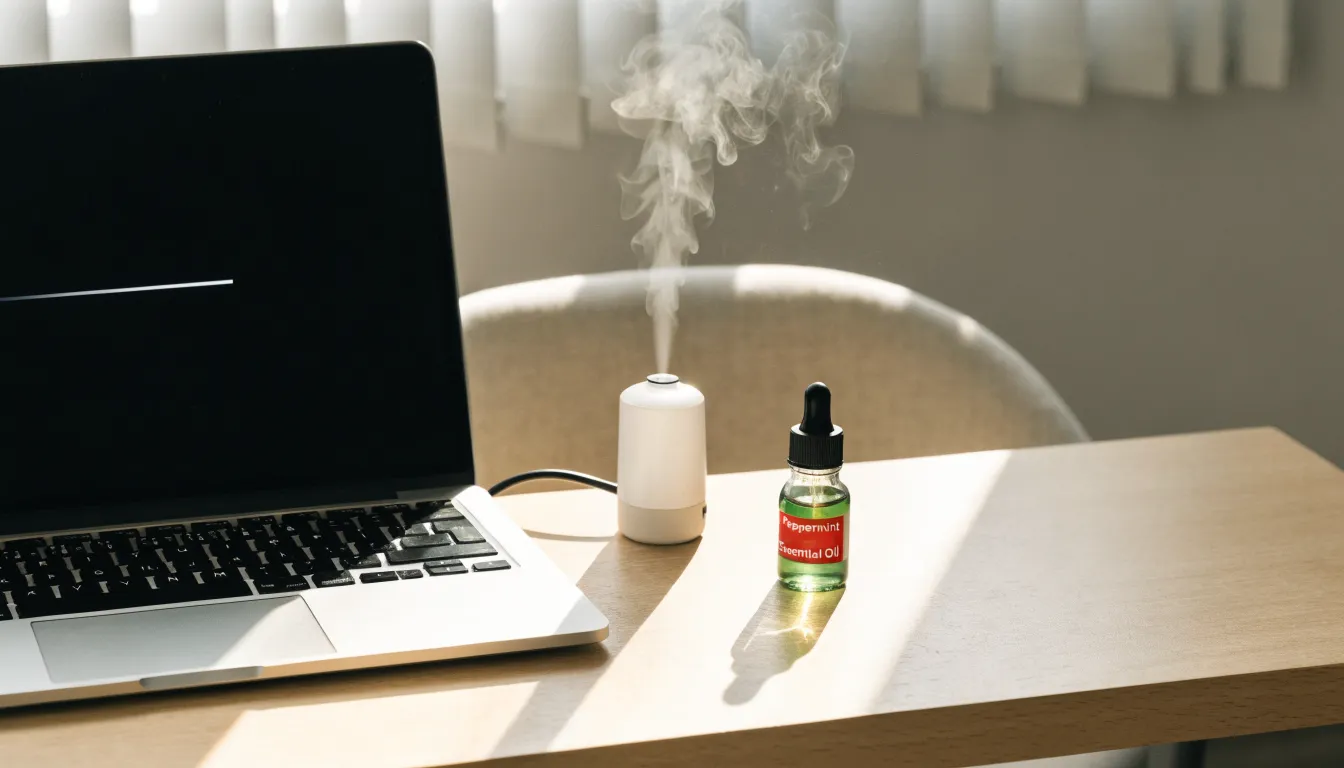
The type of oil matters for what you need. Citrus oils such as lemon, orange, and grapefruit clear mental fog and lift your mood with their bright, fresh scents. Peppermint is another strong choice, known for sharpening alertness and improving focus, so it works well for tasks that need deep concentration.
Using these quick aromatic breaks can act as a reset button for your mind, giving you a gentle energy boost just when you need it most. By planning your diffusion around likely slumps, you can keep productivity steadier, turning low points into chances to refocus and work with renewed energy.
Cleaning and Maintenance
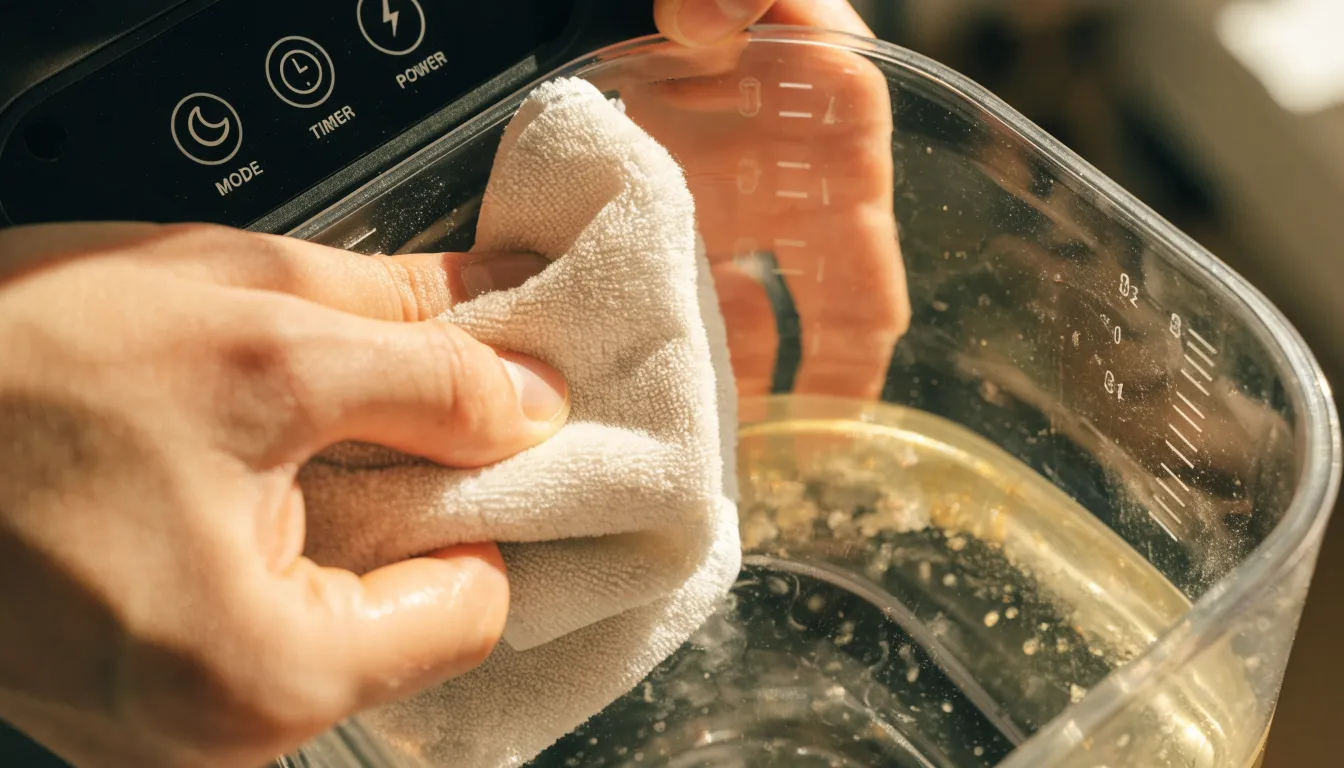
Keeping your diffuser clean is important for safe, effective use, especially if you run it for long periods. Without regular care, mold can grow in the damp tank and get sprayed into the air with the mist. Mineral buildup from tap water can also coat the ultrasonic plate, making it harder for the diffuser to produce a fine mist and reducing its efficiency.
Essential oils themselves can leave behind a sticky residue over time. This buildup can clog the mist output, weaken the aroma, and cause old oil particles to mix with new ones, leading to a less pure scent experience. So cleaning isn’t just about the machine—it directly affects how well your oils diffuse and how fresh the aroma is.
The easiest fix is a regular vinegar rinse. Run a simple white vinegar and water solution through the diffuser, or use it to wipe down the inside after unplugging. Vinegar breaks down mineral deposits, dissolves oil residue, and helps prevent mold and bacteria. Doing this once a week or after every few uses keeps your diffuser producing clean, pure, and consistent essential-oil mist.
Everyday Diffusing Routine
Start your day with a 15–30 minute morning diffuser session in your home office or main living area. Energizing oils like peppermint or lemon help clear the mind and support alertness, giving you a productive, focused start without overwhelming your senses.
Around lunchtime or early afternoon, run the diffuser again for 20–30 minutes to lift a mid-day slump. Uplifting oils such as sweet orange or grapefruit refresh your energy and brighten the atmosphere, while eucalyptus can offer respiratory support. Placing the diffuser in a shared space lets everyone enjoy the benefits, and using it in short bursts keeps the air feeling fresh.
In the evening, about one to two hours before bed, diffuse calming oils like lavender, Roman chamomile, or sandalwood for 30–60 minutes in your bedroom or a quiet relaxation area. These oils help promote tranquility and prepare your body and mind for rest, but be sure the session ends before sleep. Short, consistent diffusing sessions throughout the day are safer and more effective than running the diffuser nonstop, making aromatherapy a simple and sustainable part of your daily routine.
Frequently Asked Questions
What is the recommended run time for an essential oil diffuser?
For optimal use, aim for short bursts of 15 to 30 minutes, repeated two or three times daily. This on-and-off approach maximizes benefits while ensuring safety and preventing olfactory fatigue.
Is it safe to use a diffuser around pets?
Pets have much more sensitive respiratory systems than humans, so diffuse for only 10 to 15 minutes at a time and always allow an escape route. Many oils like tea tree, peppermint, and eucalyptus are toxic to pets, so use veterinarian-approved options such as diluted lavender or frankincense and watch for signs of distress.
How do waterless nebulizing diffusers differ in usage from water-based ones?
Waterless nebulizing diffusers use pure, undiluted essential oil and no water, creating a highly concentrated mist. Due to their strong output, these diffusers should only be run for 10 to 15 minutes per session. Longer use can make the scent overwhelming and potentially irritate sensitive individuals.
What are the risks of running an essential oil diffuser for too long?
Running a diffuser for too long can lead to olfactory fatigue, where your sense of smell gets used to the scent and its therapeutic effect seems to fade. Prolonged exposure can also cause health concerns like headaches, dizziness, coughing, or shortness of breath, especially for those with asthma, sensitivities, young children, and pets.
How does room size influence diffuser run time?
Room size directly impacts how long you should diffuse. Small rooms, like a bathroom or small office, usually only need 15 to 30 minutes to become pleasantly scented. For larger, open areas, run the diffuser for 60 minutes or more, often with breaks, to ensure even aroma coverage.
How often should I clean my essential oil diffuser?
Cleaning your diffuser regularly prevents mold growth, mineral buildup, and sticky oil residue that can clog the mist output and weaken aroma. A simple white vinegar and water rinse once a week or after every few uses is recommended. This ensures your diffuser operates efficiently and produces a clean, pure mist.