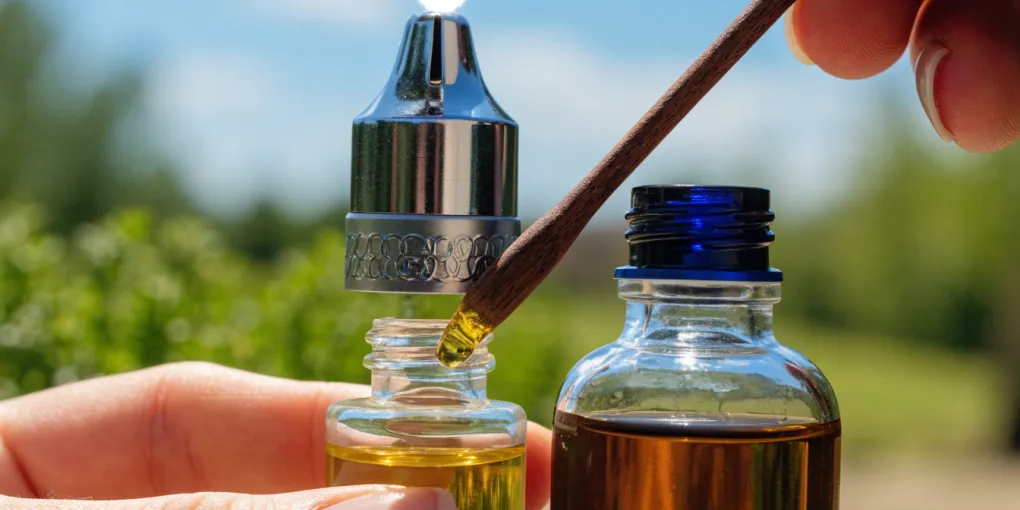
Making an essential oil roller bottle involves diluting potent essential oils with a carrier oil like jojoba or fractionated coconut oil in a glass bottle, typically 10ml. This creates a safe, ready-to-use aromatherapy blend for targeted application, allowing for custom strengths, cost savings, and portable use. Amber or cobalt blue bottles and stainless steel roller balls enhance longevity and application.
Table of Contents
- Roller Bottle Basics
- Essential Equipment Checklist
- Picking the Best Glass Bottles
- Selecting Roller Ball Materials
- Choosing Your Carrier Oil
- Fractionated Coconut Oil Breakdown
- Jojoba and Sweet Almond Options
- Essential Oil Selection Guide
- Understanding Dilution Ratios
- Kid and Sensitive Skin Guidelines
- Step by Step Filling Process
- Securing the Roller Assembly
- Proper Labeling Techniques
- Storage and Shelf Life Tips
- Troubleshooting Common Leaks
Roller Bottle Basics
Making your own essential oil roller bottles gives you easy, on-the-go aromatherapy. The oils are ready to use, so you can keep a calming lavender blend in your bag for stressful moments or a refreshing peppermint blend for an afternoon boost—no diffuser needed.
Because essential oils are strong, they must be diluted with a carrier oil like jojoba or fractionated coconut oil. When you make the roller bottle yourself, you know the dilution is safe and correct, which removes guesswork and helps prevent skin irritation.
You also save money, since store-bought blends cost much more than making your own. And you can control exactly how many drops of oil you use, making the blend as strong or gentle as you need for the best effect.
Essential Equipment Checklist
Glass roller bottles are essential for storing blends. Glass keeps essential oils from breaking down, so they stay potent. Common sizes are 5ml or 10ml, which work well for different amounts and are easy to carry.
Small funnels and pipettes make filling easy and accurate. Funnels pour carrier oils into the narrow bottle without spills. Pipettes let you measure essential oils drop by drop, which keeps blends consistent and safe since these oils are very strong.
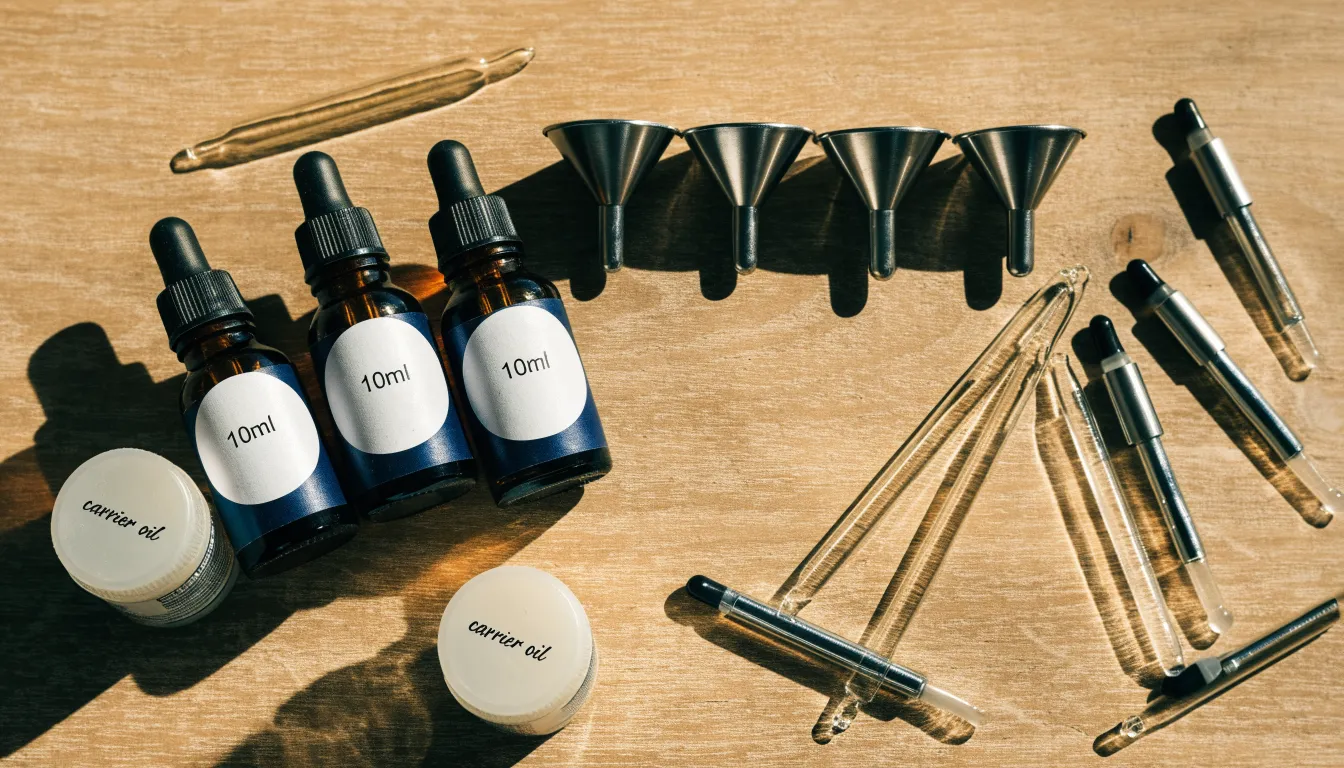
Carrier oils form the base and dilute the essential oils so they are safe on skin. Good choices include jojoba, fractionated coconut, and sweet almond oil. Pure essential oils are the main ingredients and give the aroma and benefits. With these supplies, you can mix your own personalized remedies.
Picking the Best Glass Bottles
Amber or cobalt blue glass bottles are the best choice for essential oil roller blends because they protect the oils from light damage. Many essential oils are light-sensitive, and UV rays can break down their molecules, causing oxidation, loss of potency, and a shorter shelf life. Colored glass blocks this harmful light, keeping the oils’ chemical makeup and aroma intact so every use is effective. Clear glass offers no such protection, leaving oils vulnerable to fast deterioration.
The bottle size matters too, mostly for portability. Standard 10ml roller bottles are ideal for everyday use because they are compact and easy to carry in a purse, backpack, or pocket. This size lets you keep your blend with you and apply it quickly during the day, whether at work, traveling, or out and about.
Larger bottles may work for home storage or big batches, but the 10ml size strikes the right balance. It holds enough oil for regular use while staying portable, so your essential oil blend is always ready when you need it.
Selecting Roller Ball Materials
Stainless steel roller balls give a very smooth, even glide, making application of essential oils easy and consistent. The metal is durable and non-reactive, so it won’t be degraded or altered by strong oil compounds, helping preserve your blend. It feels professional and reliable for regular use.
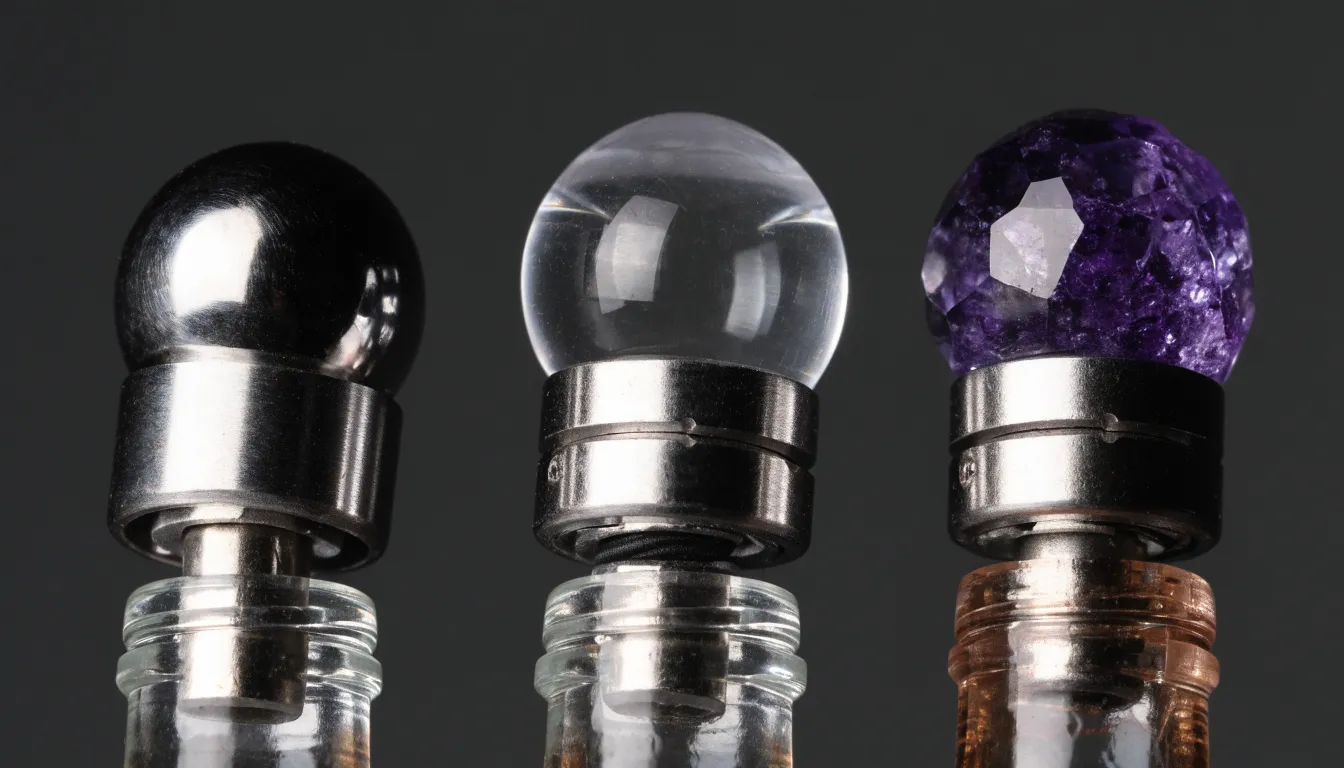
Plastic roller balls are a cheaper, lightweight option, especially useful for making many bottles or trying DIY oil remedies on a budget. They dispense oils well and are easy to find in bulk kits, but their application may be less silky than metal. Over time, some strong essential oils may affect plastic, so compatibility is worth checking.
Gemstone roller balls add beauty and a holistic touch, with stones like amethyst, rose quartz, or clear quartz. They give a cool, soothing sensation on skin and are chosen for their visual appeal or perceived natural energy. Although more expensive, many people value the therapeutic feel and personal connection these stones bring to their oil routine.
Choosing Your Carrier Oil
Choosing the right carrier oil is the first step for safe and effective use of essential oils in a roller bottle. Essential oils are very strong and can irritate the skin if used undiluted. A carrier oil safely dilutes them and spreads them over a larger area, so they can be absorbed without causing reactions.
Carrier oils also help your skin on their own. They contain vitamins, antioxidants, and fatty acids that nourish and protect the skin barrier. A strong skin barrier keeps moisture in and guards against irritants. Different oils offer different benefits—jojoba is similar to the skin’s natural oils, while rosehip is known for helping skin renew.
When choosing a carrier oil, pick one that suits your skin type and won’t clog pores. Many options, like fractionated coconut oil, grapeseed oil, and sweet almond oil, are lightweight and absorb easily. They provide deep hydration without clogging pores or leaving a heavy feeling, helping your essential oils work better while keeping your skin clear and healthy.
Fractionated Coconut Oil Breakdown
Fractionated coconut oil is the top choice for essential oil roller bottles because it stays clear and free-flowing at room temperature. Through fractionation, the heavier fatty acids that would normally solidify are removed, leaving mostly medium-chain triglycerides (MCTs) like caprylic and capric acids. These have lower melting points, so the oil stays easy to dispense and won’t clog your roller bottle.
It also feels non-greasy on the skin. The smaller MCT molecules absorb quickly, so your essential oil blends go on smoothly without leaving an oily shine or sticky film. That fast absorption helps the oils deliver their benefits directly while making the application feel clean and comfortable.
Finally, this carrier oil has a very long shelf life, which keeps your blends stable. The fractionation process reduces unsaturated fats that tend to go rancid, leaving mostly stable saturated MCTs. As a result, your essential oil roller bottles stay effective and fresh for much longer.
Jojoba and Sweet Almond Options
Jojoba oil is a top choice for roller bottles, especially for sensitive skin. Though called an oil, it is actually a liquid wax, and its structure is very close to human sebum. Because of this, the skin easily recognizes and absorbs it without clogging pores or leaving a greasy feel. It helps balance natural oil production, which is great for people prone to breakouts. Using jojoba as a base means your essential oils are delivered gently and effectively. It is also stable, so your blend lasts longer and stays potent.
Sweet almond oil is another great option, especially for dry or irritated skin that needs extra comfort. It is a gentle, emollient oil rich in vitamins E and A, fatty acids, and proteins. These nutrients nourish and protect the skin barrier, helping to calm itchiness and soften rough areas. Its thin texture spreads easily and absorbs well without feeling heavy, making it perfect for face blends, child-safe rollers, or any time you want a soothing, hydrating application with your essential oils.
Both carrier oils create a reliable base for essential oil roller bottles. Jojoba works well for balancing and lightweight moisture, while sweet almond adds deep comfort and softness. Either way, your blend will be effective while staying gentle and kind to the skin.
Essential Oil Selection Guide
Choosing the right essential oils is the first step to making a roller blend that fits your daily needs. For better focus, use invigorating oils like rosemary to sharpen memory or lemon to clear mental fog. A stronger focus blend can combine peppermint for alertness with eucalyptus for a refreshing, clarifying boost.
For better sleep, gentle oils work best. Lavender is calming and helps relax the body, while cedarwood has a warm, grounding scent that supports peaceful rest. A good sleep blend might include lavender, chamomile, and vetiver for a deeply calming effect.
To ease daily stress, try soothing oils like bergamot to lift mood and reduce anxiety, or frankincense to promote peace. A stress-relief blend of clary sage, ylang-ylang, and sweet orange creates a harmonious, mood-lifting aroma. Always choose oils that match both your needs and your personal scent preferences so your blend is effective and enjoyable.
Understanding Dilution Ratios
Understanding dilution ratios is key to making roller bottles that are both safe and effective. Diluting essential oils with a carrier oil—like fractionated coconut, jojoba, or almond oil—allows the oils to spread over a larger area while lowering their concentration on the skin. This helps deliver their therapeutic benefits while reducing the risk of skin irritation or long-term sensitization.
For most adults, a 1% to 3% dilution is considered safe for topical use. In a standard 10ml roller bottle, a 1% dilution means 2 drops of essential oil, which is gentle enough for sensitive skin, children over six, or frequent all-over use. A 2% dilution uses 4 drops, making it a versatile and popular choice for everyday adult use and common concerns, giving a good balance of effectiveness and safety.
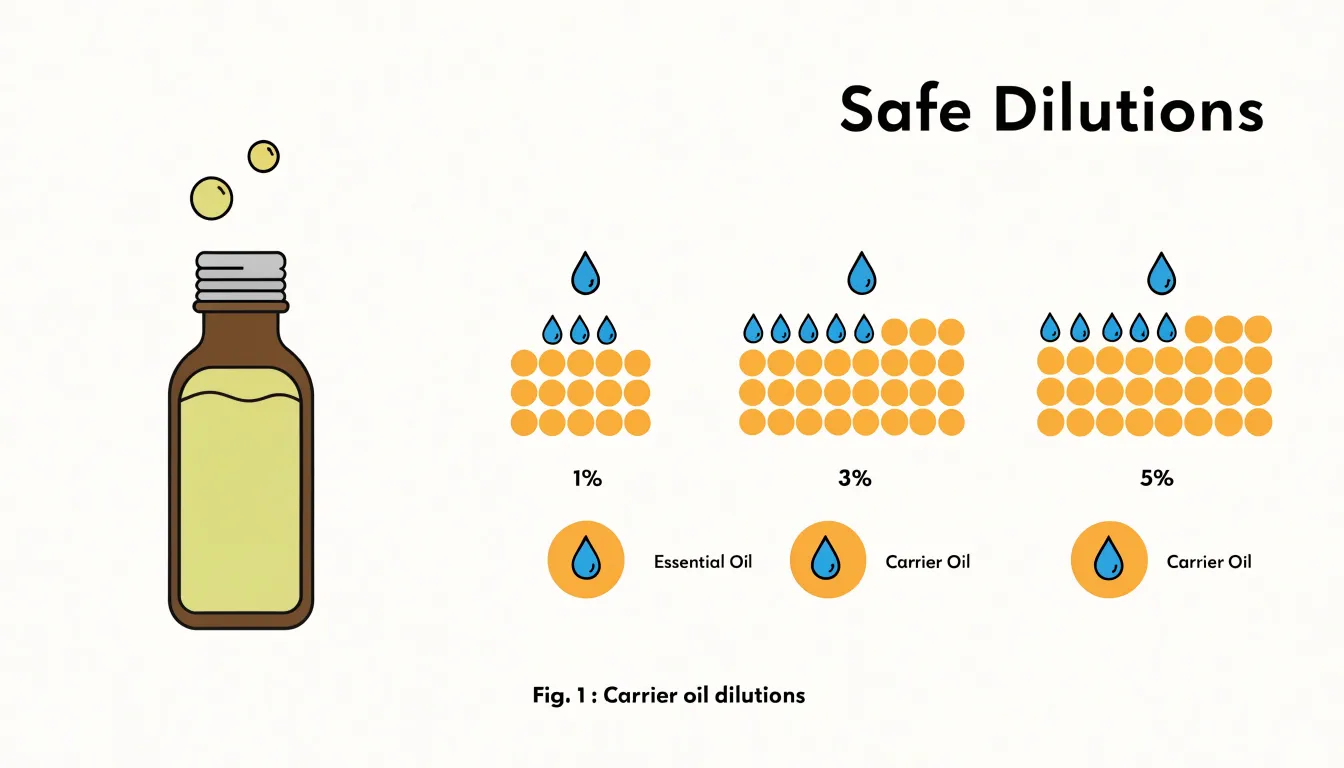
A 3% dilution uses 6 drops of essential oil in a 10ml bottle. This stronger concentration is best for short-term use on small, localized areas or when a more immediate effect is needed for acute situations. It’s best not to go above 3% without expert guidance, especially for long-term use. Following these simple ratios helps ensure your essential oil blends are both beneficial and comfortable to use.
Kid and Sensitive Skin Guidelines
When making essential oil roller bottles, the most important safety step is matching the strength to the user. Children, elderly people, and anyone with sensitive skin have skin that is thinner or more permeable than average adult skin. This means they absorb oils faster and are more easily irritated. Even mild oils can cause redness or itching if used at a high concentration on these delicate skin types, so it is vital to be gentle.
To keep it safe for everyday use, a very low dilution is recommended, usually between 0.25% and 0.5%. This small amount is strong enough to offer the calming benefits of the oils but gentle enough to protect fragile skin. In a standard 10ml roller bottle, this translates to just one drop (for 0.25%) or two drops (for 0.5%) of essential oil. The rest of the bottle should be filled with a soothing carrier oil, such as jojoba, fractionated coconut, or sweet almond oil, which helps deliver the oils smoothly and keeps the skin conditioned.
It is always best to start with the lowest dilution possible. Before using it on a larger area, do a quick patch test on the inside of your forearm and wait a full 24 hours to check for any signs of a rash or itching. By sticking to these very low concentrations and taking the time to test, you create a safe and effective daily roller that protects sensitive users while still providing the gentle benefits they need.
Step by Step Filling Process
Start by uncapping your roller bottle and setting the rollerball aside. Add your essential oil drops directly into the empty bottle first. This keeps the potent oils from being diluted or displaced by the carrier oil, lets them settle at the bottom, and makes it easier to count the drops and verify your blend.
Next, add the carrier oil. Place a mini funnel into the bottle opening to create a stable target and reduce spills. Slowly pour in your chosen carrier oil, such as fractionated coconut, jojoba, or almond oil, until the bottle is filled to the shoulder. Leaving a little headspace gives the rollerball room to fit without overflow and allows the oils to mix well when shaken.
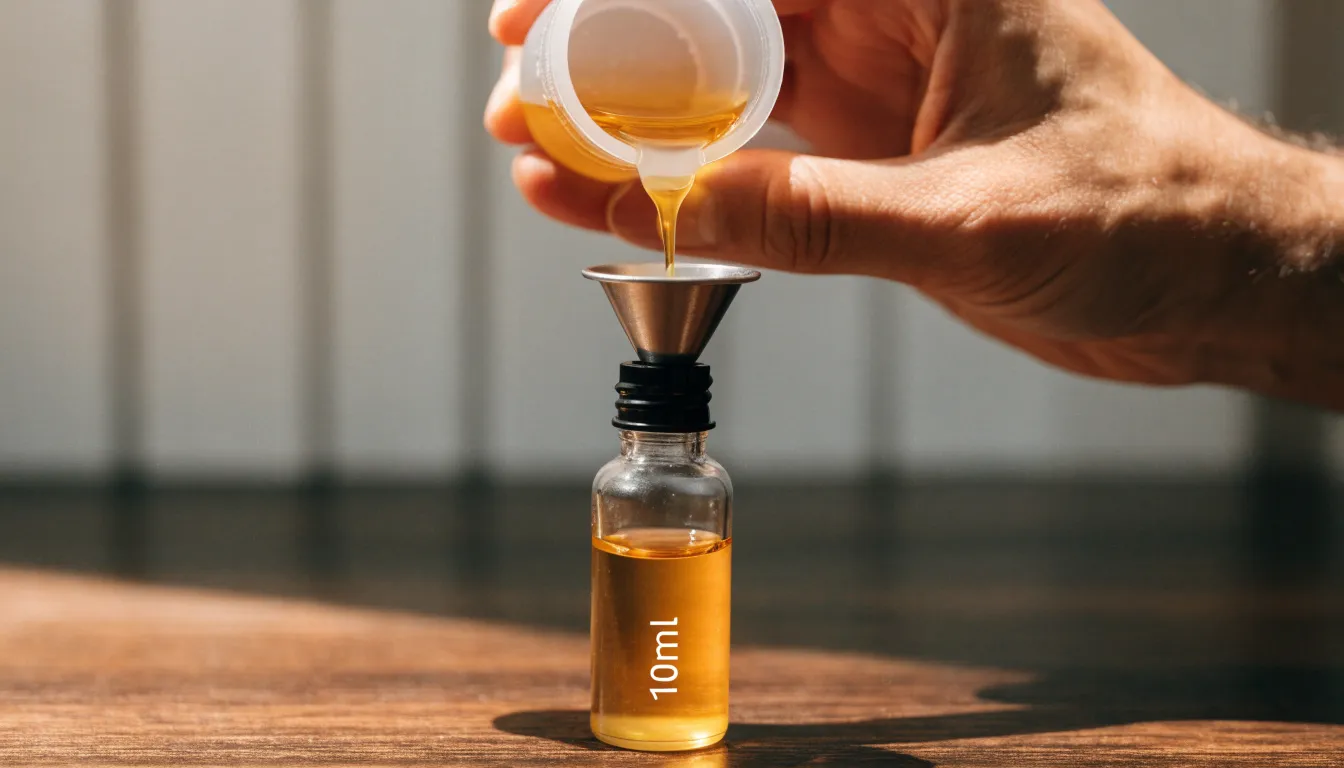
Once the carrier oil is added, remove the funnel, insert the rollerball, and cap the bottle securely. Adding the essential oils first and using a funnel keeps your workspace clean and prevents wasting valuable oils. A clean fill helps ensure a pleasant, effective essential oil experience every time.
Securing the Roller Assembly
Securing the roller assembly is essential for keeping your essential oil blend safe from leaks and helping it last longer. After filling the bottle with your oils and carrier oil, press the roller fitment firmly onto the bottle mouth. This fitment, which holds the roller ball, must create a tight seal to protect the blend inside.
To do this, center the fitment over the bottle opening and place the bottle on a firm, flat surface for stability. Apply steady, downward pressure directly over the center of the fitment using your palm or thumb. Press until you feel or hear a distinct click or snap, which means the fitment has locked securely onto the bottle rim. If it doesn’t snap right away, keep pressing steadily and wiggle it slightly—but avoid twisting aggressively, as that can weaken the seal. A little oil on the bottle neck can make this step easier.
A properly secured roller assembly prevents spills and protects your essential oils from air exposure, which can cause them to degrade over time. After securing, gently turn the bottle upside down to check for any drips around the roller ball or fitment edge. This quick test gives you confidence that your essential oil roller bottle is ready to use.
Proper Labeling Techniques
Proper labeling keeps your essential oil roller bottles safe and effective. Make labels that can handle oil and moisture—use waterproof paper or permanent markers so they stay readable and don’t peel off.
On each label, write the blend name clearly, then list every ingredient. Include each essential oil by its common name and the carrier oil, like jojoba or fractionated coconut oil. This helps you avoid mix-ups and makes it easy to recreate a blend later.
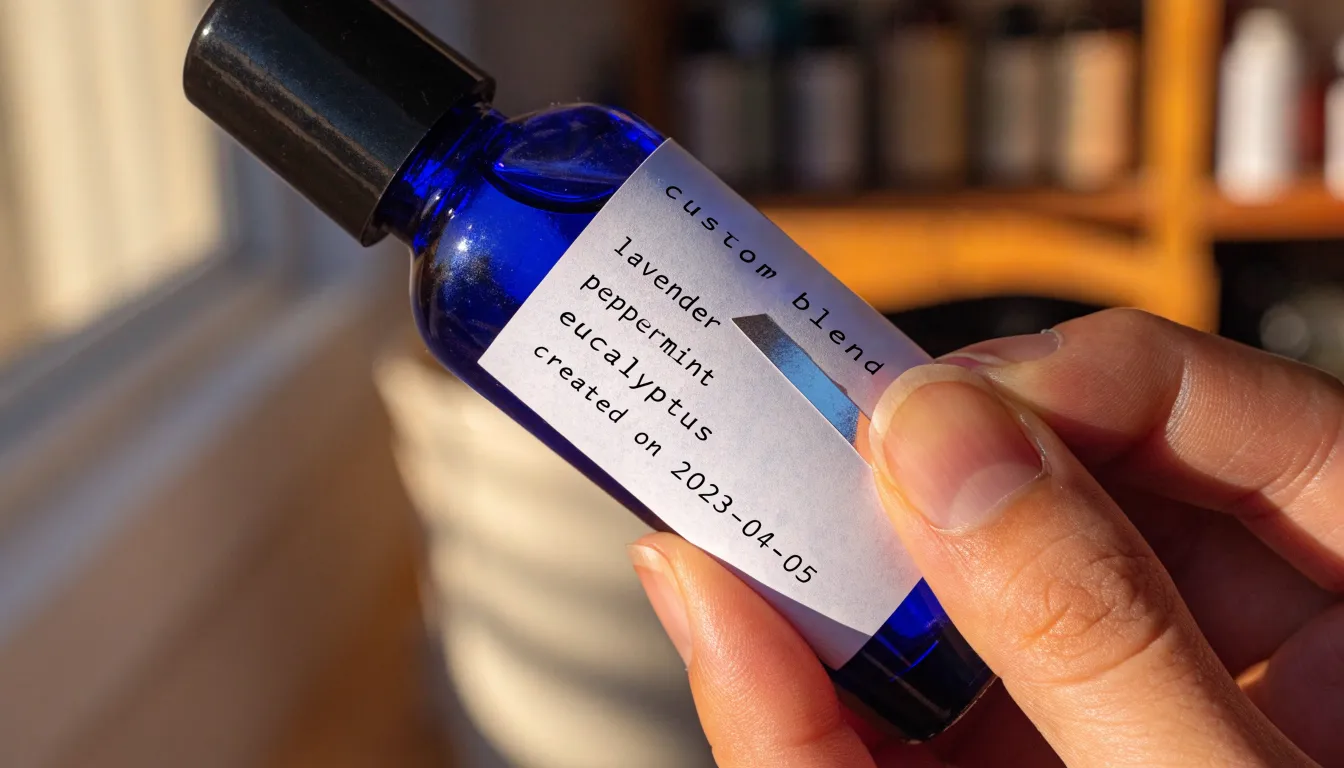
Finally, add the creation date. Since essential oils and carrier oils have different shelf lives, the date helps you know when a blend is no longer fresh. Checking your labels regularly keeps your collection organized and ensures you’re always using potent, effective oils.
Storage and Shelf Life Tips
Keeping your essential oil roller bottles effective comes down to smart storage. The main things that damage oils are light, heat, and air. These cause oxidation, which breaks down the oils’ chemical compounds. That lowers their therapeutic benefits, changes their scent, and can even make the blend irritating to skin.
So store your rollers in a cool, dark place. Sunlight and strong artificial light speed up breakdown, especially UV rays. A cupboard, drawer, or opaque box works well. Stable temperatures are also key—avoid windows, vents, and bathrooms. Heat makes oils evaporate faster and oxidize quicker. Aim for a steady 60–75°F (15–24°C) to keep your blends fresh and potent.
Air exposure is another big issue. Always screw the cap on tightly after each use. This limits oxygen contact, slows oxidation, prevents leaks, and keeps dirt out. Following these simple guidelines extends the shelf life of your blends, so they keep their intended scent, benefits, and effectiveness for as long as possible.
Troubleshooting Common Leaks
1. A rollerball that won’t roll is a common issue that stops essential oil from dispensing. This usually happens when oil residue builds up around the ball or when cold temperatures thicken the oil inside. To fix it, warm the bottle in your hands or run it under warm water to thin the oil and loosen sticky spots. If the ball still won’t move, roll it back and forth over a clean tissue or paper towel to create friction and dislodge the buildup. A gentle tap on the bottom of the bottle can also help, but if the ball stays stuck, the whole rollerball fitment may need to be replaced.
2. Leaks often come from oil residue on the bottle’s threads. Even a tiny amount of oil can coat the threads and make the cap slip instead of sealing tightly, which lets oil escape. The simple fix is to wipe the threads on both the bottle and the inside of the cap with a clean, dry cloth or tissue before closing it. Keeping the threads clean and dry helps the cap screw on securely, so your essential oils stay safely contained.
3. Sometimes the rollerball fitment itself is the problem. These small plastic or metal inserts can be faulty from manufacturing or wear out over time, developing tiny cracks that cause leaks or a stuck ball. If cleaning and warming don’t solve the issue, replace the entire fitment. Keep spare fitments on hand, pry out the old one gently with a fitment tool or butter knife, and press a new one in firmly until it sits evenly. This quick swap often stops persistent leaks and makes oil application smooth again.
Frequently Asked Questions
Why do I need to dilute essential oils in a roller bottle?
Essential oils are very strong and must be diluted with a carrier oil to prevent skin irritation and ensure safe topical use. Dilution allows the oils to spread over a larger area and lowers their concentration on the skin, reducing the risk of adverse reactions.
What type of glass bottles are best for essential oil blends?
Amber or cobalt blue glass bottles are the best choice because they protect essential oils from light damage. UV rays can break down essential oil molecules, causing oxidation, loss of potency, and a shorter shelf life, which clear glass does not prevent.
How much essential oil should I use for kids or sensitive skin?
For children, elderly people, or anyone with sensitive skin, a very low dilution of 0.25% to 0.5% is recommended. In a standard 10ml roller bottle, this translates to just one or two drops of essential oil, with the rest filled with a soothing carrier oil. Always perform a patch test on the forearm and wait 24 hours for any reaction.
What are the benefits of using fractionated coconut oil as a carrier?
Fractionated coconut oil is a top choice because it stays clear and free-flowing at room temperature, feels non-greasy on the skin, and absorbs quickly. Its long shelf life also keeps your essential oil blends stable and effective for longer.
How should I store my essential oil roller bottles to keep them effective?
Store your roller bottles in a cool, dark place, such as a cupboard or drawer, to protect them from light and heat, which cause oxidation and degrade the oils. Always screw the cap on tightly after each use to limit oxygen contact and prevent leaks.
What should I do if my essential oil roller bottle won’t roll?
A rollerball that won’t roll usually happens when oil residue builds up around the ball or when cold temperatures thicken the oil. To fix it, warm the bottle in your hands or under warm water, or roll it back and forth over a clean tissue to dislodge the buildup.