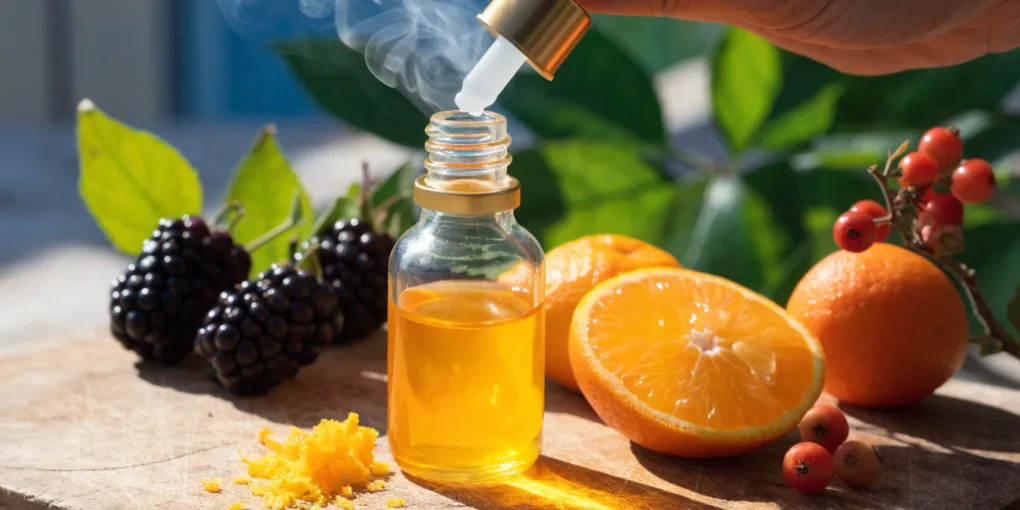
Orange essential oil is extracted from citrus fruit peels through cold pressing, preserving its delicate compounds. Rich in d-limonene, it’s celebrated for naturally uplifting mood, reducing anxiety, supporting radiant skin when diluted, and serving as a non-toxic cleaner. It also aids seasonal wellness, digestion, muscle relief, and enhances home air quality.
Table of Contents
- Sunshine In A Bottle
- Cold Press Extraction
- Natural Mood Elevation
- Radiant Skin Care
- Non Toxic Home Cleaning
- Orange Oil During Cold Season
- Digestion Support Basics
- Relieving Sore Muscles
- Fresh Home Air
- Homemade Beauty Products
- Better Rest Techniques
- Safe Usage Rules
- Sun Sensitivity Warning
- Exploring Citrus Varieties
- Custom Aroma Blends
Sunshine In A Bottle
Orange essential oil truly lives up to “Sunshine In A Bottle.” Its bright, citrusy scent is instantly recognizable and uplifting. The sweet, tangy aroma naturally lifts the mood, turning an ordinary moment into something warm and positive. It is known for easing stress, boosting happiness, and bringing a sense of calm—like a ray of sunlight breaking through the clouds.
For those new to aromatherapy, sweet orange essential oil is a wonderful place to start. Its gentle, familiar scent is easy to enjoy, with no sharp or complicated notes. Because it feels simple and welcoming, beginners can confidently use it in a diffuser or through gentle skin application without feeling overwhelmed.
Its cheerful effect and straightforward charm encourage regular use, helping people build a lasting aromatherapy routine. Orange essential oil offers a simple yet powerful way to bring more brightness, relaxation, and well-being into everyday life.
Cold Press Extraction
**Cold press extraction begins with cleaning whole citrus fruit, then using a machine to puncture or abrade the peel. This ruptures the tiny oil sacs in the rind, releasing the aromatic liquid. Water is sprayed to wash the oil away, forming an emulsion that is later spun in a centrifuge to separate the pure oil from water and solids.
The key benefit of this method is that it uses no heat. Steam distillation, which works for many other plants, would expose citrus oils to temperatures high enough to damage their delicate terpenes and other volatile compounds. By staying cool, cold pressing protects these sensitive molecules from breaking down or altering.
The result is a superior essential oil that keeps the full range of aroma and therapeutic compounds intact. What you get is a vibrant, true-to-the-peel product that delivers the complete beneficial profile of fresh orange, rather than a degraded or incomplete version.
Natural Mood Elevation
Orange essential oil naturally lifts mood and helps ease daily anxiety, thanks largely to its key compound, d-limonene. Found in citrus peels, this substance interacts with the body when inhaled, encouraging the release of mood-regulating brain chemicals like serotonin and dopamine. These neurotransmitters support feelings of happiness, calm, and well-being, helping soothe the nervous system and reduce stress without harsh effects.
Using the oil is simple. For quick relief, open the bottle and take a few deep breaths, or place a drop or two on a cotton ball and inhale throughout the day. Diffusing the oil for 15–30 minutes can fill a larger space with a joyful, serene atmosphere, gently improving the mood of everyone nearby.
Another easy option is adding a few drops to a warm bath before bed. This supports deep relaxation, eases worries, and Another easy option is adding a few drops to a warm bath before bed. This supports deep relaxation, eases worries, and prepares both mind and body for restful sleep. These simple inhalation and bathing methods harness d-limonene’s calming power, offering a gentle yet effective tool against everyday stress.
Radiant Skin Care
Orange essential oil, when diluted properly, can help make skin look brighter and less tired. It works by invigorating dull skin and supporting the skin’s natural renewal process, which brings out a fresher, more vibrant glow.
It also helps balance the skin’s oil production, so skin feels neither too oily nor too dry. This keeps pores clearer and skin texture smoother. Some compounds in the oil may also support collagen, which helps improve firmness and elasticity, softening the look of fine lines over time.
For facial use, always dilute orange essential oil to a safe level—about 3 to 6 drops per ounce (30 ml) of a For facial use, always dilute orange essential oil to a safe level—about 3 to 6 drops per ounce (30 ml) of a carrier oil like jojoba, sweet almond, or argan oil. Do a patch test first to check for sensitivity. This gentle approach lets the oil improve the skin without irritation.
Non Toxic Home Cleaning
Orange essential oil is a natural way to clean your home without harsh chemicals. Its main ingredient, d-limonene, is a strong solvent that easily breaks down kitchen grease, sticky residue, and built-up grime. This makes it a safe, plant-based option that avoids synthetic cleaners and their irritating fumes.
You can use it in simple homemade recipes. Mix a few drops of orange oil with white vinegar and water in a spray bottle for an all-purpose cleaner that cuts grease and leaves a fresh citrus scent. For tough messes on oven racks or range hoods, make a paste with baking soda, a little water, and orange oil, then let it sit before scrubbing away the loosened grime.
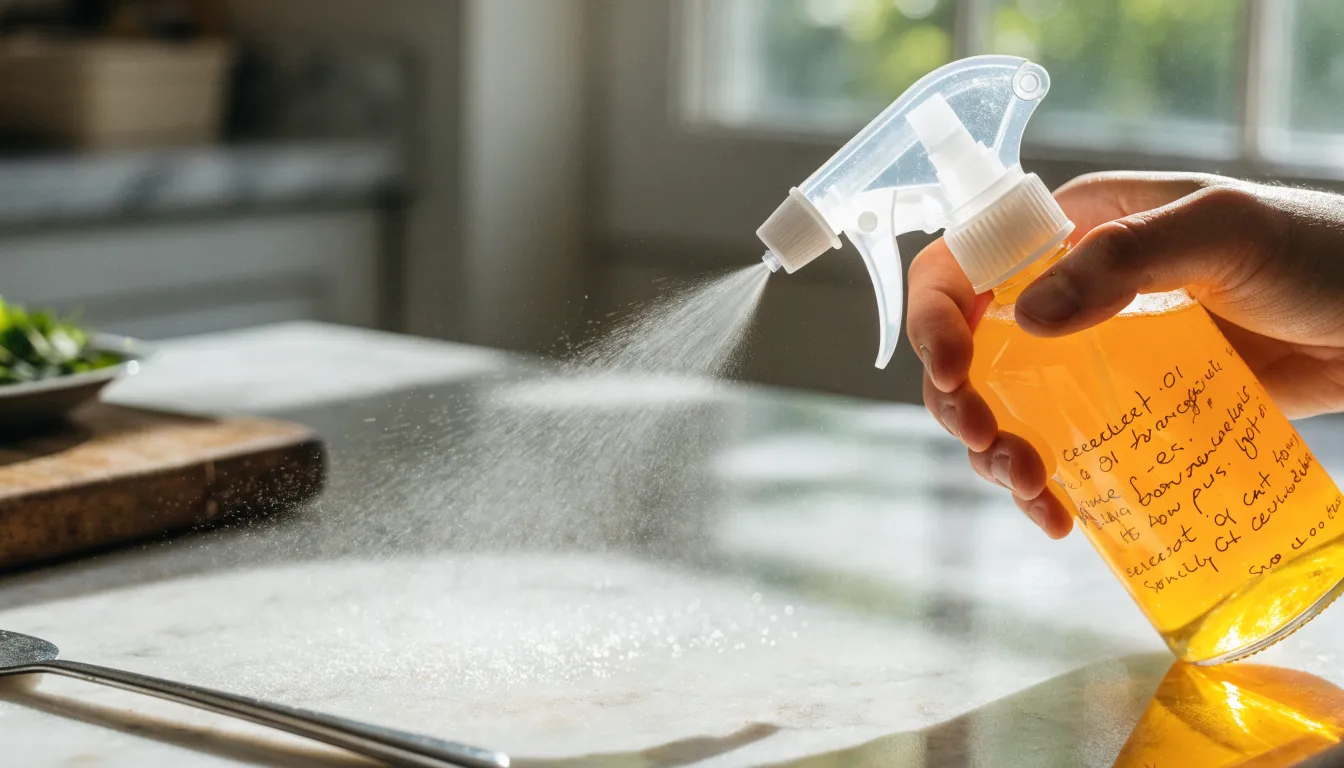
Orange oil also works well for removing sticky label glue. Just apply a drop or two directly, rub gently, and the stickiness dissolves without harming the surface. Adding orange essential oil to your cleaning routine is a safer, more sustainable way to keep your home spotless.
Orange Oil During Cold Season
Orange oil is a cheerful scent for the darker months, and its main compound, limonene, shows some activity in lab studies. But the essential oil is pressed from the peel and contains essentially no vitamin C, and there’s no human evidence that diffusing or applying it supports your immune system.
Diffuse it for mood and a fresh-smelling room, and don’t swallow it. For staying well, the basics with real evidence behind them are vaccination, handwashing, sleep, and staying home when you’re sick. If you’re ill and not improving, see a doctor.
Digestion Support Basics
Orange essential oil offers gentle, natural support for occasional digestive discomfort by helping to ease stomach distress. Its properties work with the body’s own digestion through two main approaches: inhalation and topical application.
When inhaled, the bright scent travels through the nose to the brain’s emotional center, which is closely connected to digestion. This can encourage the body to release digestive enzymes, helping food break down more easily and reducing feelings of heaviness or indigestion.
For times of mild nausea, simply breathing in the calming aroma can help settle an upset stomach and lessen queasiness by soothing the nervous system.
Relieving Sore Muscles
Orange essential oil is a natural option for easing sore muscles and tense joints. It works especially well in relaxing massage oils meant to reduce tightness and support physical comfort, particularly after exercise or physical activity. When mixed with warming carrier oils, it becomes a topical blend that helps the body recover naturally.
To make the massage oil, combine a few drops of pure orange essential oil with a carrier oil known for penetrating the skin and providing gentle warmth, such as fractionated coconut oil or sweet almond oil. Massage the blend directly into areas of muscle soreness, stiffness, or joint tension. One key benefit is that orange oil helps encourage healthy blood flow to the targeted areas. Better circulation delivers oxygen and nutrients to tired tissues and helps remove metabolic waste products that can cause delayed soreness. It can also help reduce localized inflammation, which is often linked to muscle discomfort and stiff joints.
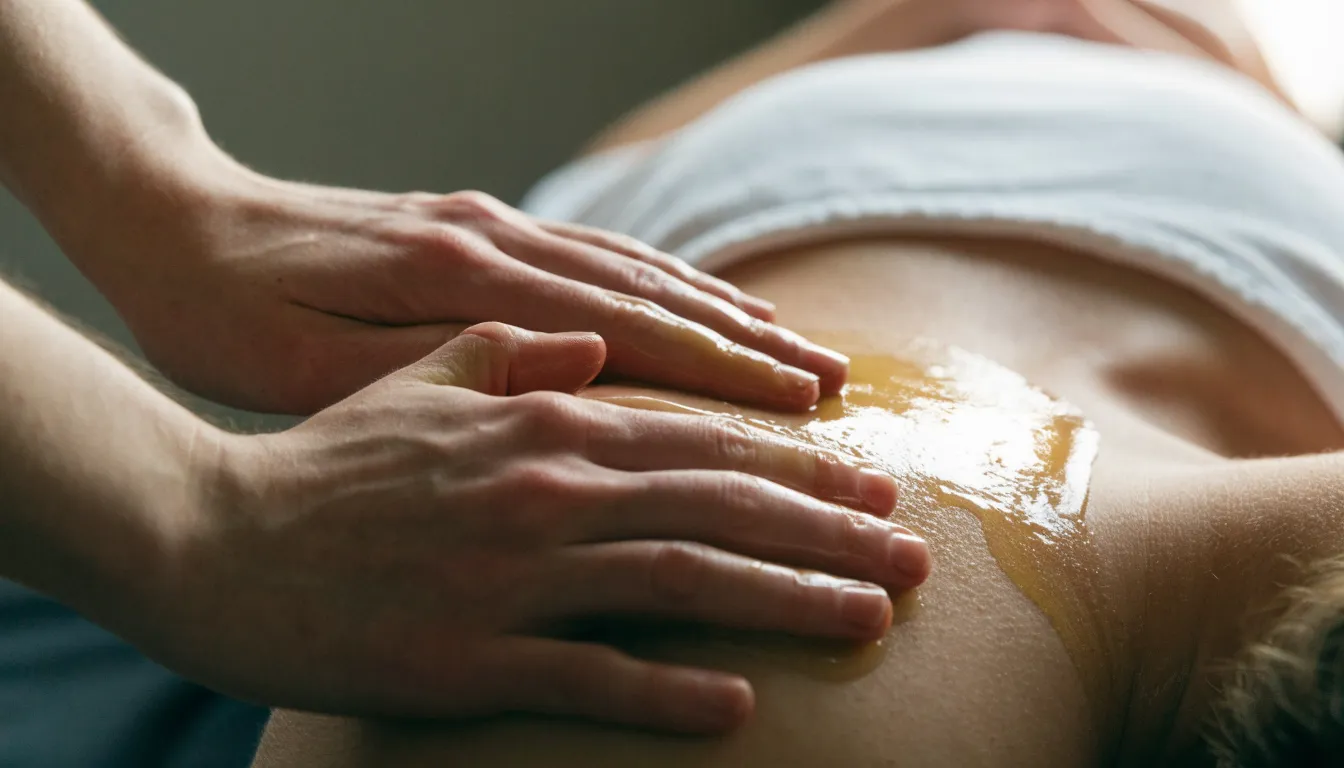
The natural compounds in orange oil work with the massage itself to relax muscle fibers and improve flexibility in surrounding tissues. Regular use after exercise or whenever tension builds can support overall physical well-being and make movement feel easier. The bright, uplifting scent of orange oil adds to the experience by promoting sensory relaxation.
Fresh Home Air
Orange essential oil can naturally improve the air in your home without relying on synthetic fresheners that only mask odors. Because it comes from the fruit’s rind, it has antimicrobial properties that help neutralize stale air and actually cleanse the air, leaving a fresh, invigorating atmosphere instead of just covering up unpleasant smells.
Using it in a diffuser is simple and effective. Just a few drops in an ultrasonic diffuser can turn a stuffy room into a bright, welcoming space. You can also blend it with peppermint for an uplifting scent or frankincense for a clean, grounding aroma—these combinations help purify the air and fight common household odors from cooking, pets, or general staleness.
You can also make a natural room spray by mixing distilled water with a tablespoon of witch hazel or rubbing alcohol, then adding 20–30 drops of orange essential oil. Shake well before each use and mist around your living spaces. This homemade spray gives an instant burst of fresh citrus scent while actively eliminating odors, all without harsh chemicals or artificial fragrances.
Homemade Beauty Products
Homemade beauty products are a fun and easy way to use natural ingredients, and orange essential oil is a bright, uplifting star in these recipes. In a simple sugar scrub made with granulated sugar and a carrier oil like coconut or almond oil, just a few drops of orange oil help smooth and soften the skin. It also adds a cheerful citrus scent that invigorates the senses.
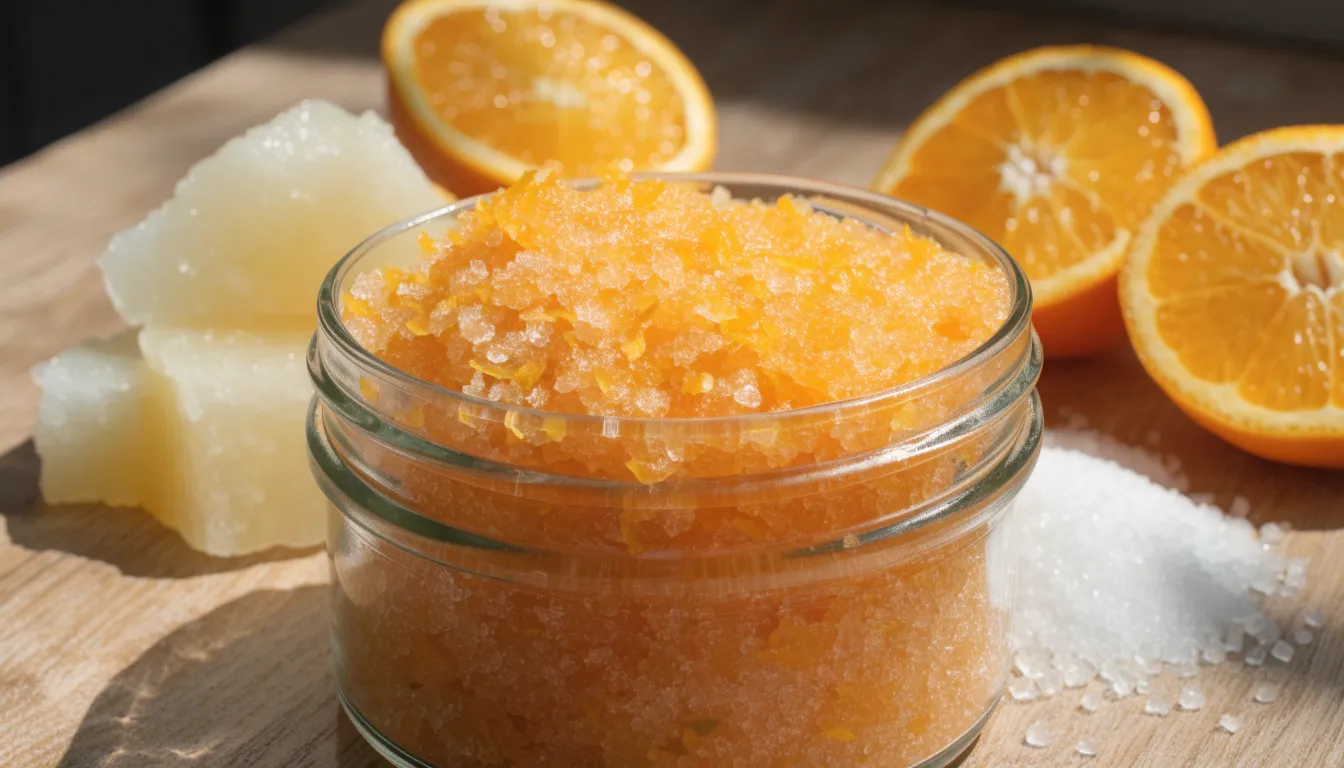
Orange essential oil also works well in homemade body oils. Mixed into a base of jojoba, grapeseed, or sunflower oil, it turns a plain moisturizer into an aromatic treat. The oil absorbs easily, boosts hydration, and brings a sense of upliftment while helping revitalize the skin. Applied after a shower, it seals in moisture and leaves a light, fresh fragrance.
For lip care, a soothing balm can be made with beeswax, shea or cocoa butter, and a tiny drop of orange essential oil for flavor and aroma. This creates a protective barrier that keeps lips soft and prevents dryness. The recipes are simple, often requiring only mixing or gentle heating, and let you avoid synthetic fragrances and harsh chemicals. With full control over ingredients, you can craft personalized beauty products while enjoying the natural benefits of pure orange essential oil.
Better Rest Techniques
Lavender is known for its calming scent, which signals the brain to slow down and eases anxiety. It supports the parasympathetic nervous system—the part of the body responsible for rest—helping you shift from alertness into a relaxed, sleepy state.
Orange oil may seem energizing, but in a sleep blend it works differently. Its sweet, cheerful aroma helps release tension, clear away worries, and quiet mental clutter, making space for a more peaceful state of mind.
When combined, lavender relaxes the body while orange relaxes the mind. Together they soothe both physical and mental agitation, creating a balanced nervous system that supports deeper, more restorative sleep and a refreshed feeling upon waking.
Safe Usage Rules
To use orange essential oil safely and effectively, you must always mix it with a carrier oil first. Applying it undiluted directly to your skin can cause irritation or adverse reactions. For most adults, a good dilution is 1% to 2%, which equals one or two drops of oil per teaspoon of carrier oil. If you have sensitive skin, or for children and the elderly, use an even weaker mix of 0.5% to 1%.
The carrier oil you choose is also important. These oils—like jojoba, sweet almond, fractionated coconut, and grapeseed—come from plant fats, helping to spread the essential oil while also moisturizing your skin. Pick one based on your skin type; jojoba works for almost everyone because it mimics our natural skin oils, while grapeseed is lighter and great for oily skin.
Before putting a new blend on a larger area, always perform a simple patch test. Apply a small amount of your correctly diluted mix to an inconspicuous spot, like your inner forearm or behind the ear. Wait 24 to 48 hours to look for redness, itching, or a rash. If any irritation occurs, stop using it right away. Following these rules ensures a safe and beneficial experience with the oil.
Sun Sensitivity Warning
Orange essential oil can make your skin more sensitive to the sun. This is called phototoxicity, and it happens because certain compounds in the oil—called furocoumarins—react with UV light. If the oil is on your skin and you go into sunlight, it can cause more than a typical sunburn: you may get severe redness, irritation, blistering, or even lasting dark patches that look like a chemical burn.
To stay safe, wait at least 12 to 18 hours after applying orange essential oil before going out in direct sunlight or using tanning beds. That gives your skin time to absorb the oil and lets the phototoxic compounds fade from the surface, which greatly lowers the chance of a bad reaction.
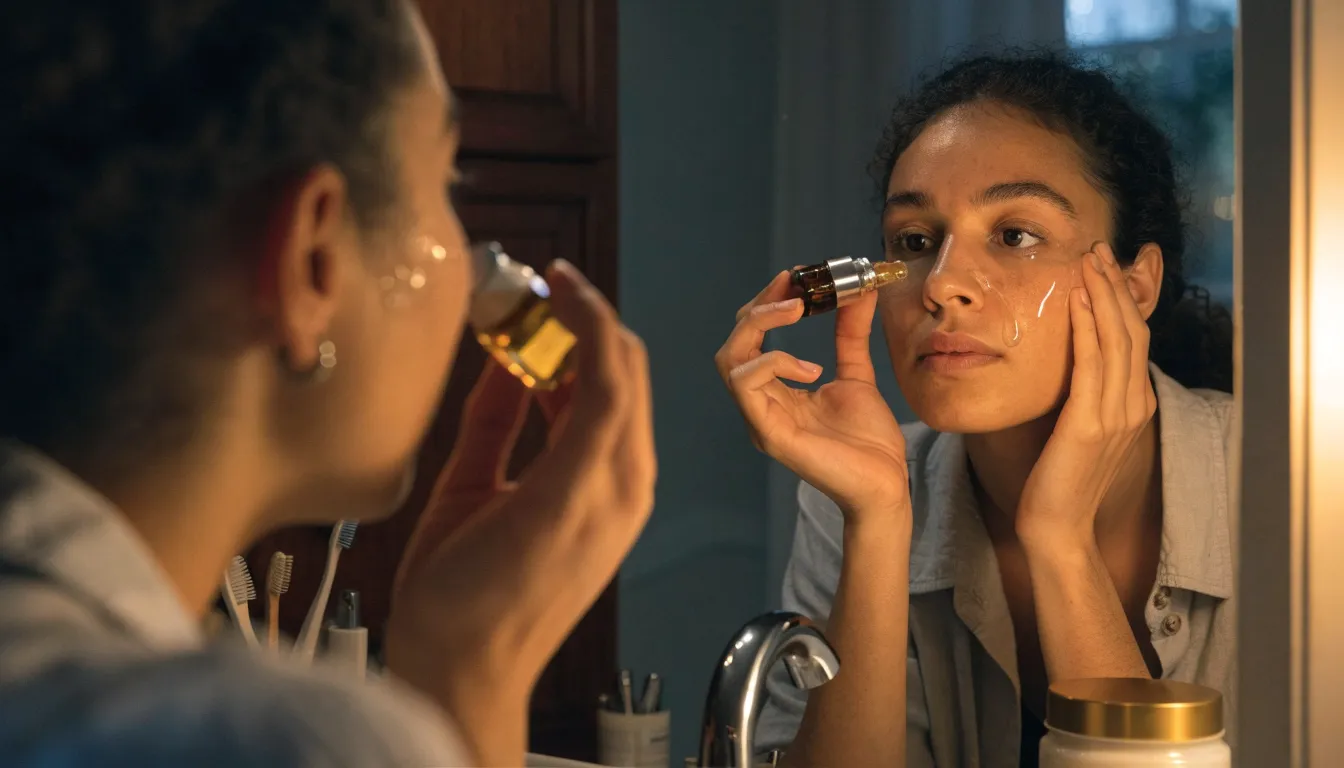
The best approach is to use orange essential oil in the evening, or keep the treated skin fully covered if you must be in the sun before the wait time is over. Following these precautions helps you enjoy the oil’s skincare benefits without putting your skin at risk.
Exploring Citrus Varieties
Sweet orange essential oil, from Citrus sinensis, has a sweet, fresh, uplifting scent that promotes happiness and warmth. It is rich in limonene, which supports its cheerful aroma and therapeutic effects. This oil is commonly used to boost mood, relieve stress, aid healthy digestion, and act as a gentle skin tonic when diluted, making it a popular choice for diffusing and topical use.
Bitter orange essential oil, from Citrus aurantium var. amara, has a more complex, less sweet, and slightly floral-green aroma. It also contains limonene but with different minor components that give it a unique effect. Its main functions include calming and grounding the mind, supporting healthy sleep, and easing occasional digestive discomfort. However, it can cause skin sensitivity to sunlight, so sun exposure should be avoided after applying it topically.
Blood orange essential oil, from Citrus sinensis var. blood orange, smells sweet and juicy with subtle tart, berry-like notes. It is high in limonene but has a distinct terpene balance that shapes its special aroma. This oil is especially valued for lifting mood, reducing anxious feelings, and invigorating the senses. It is often chosen to encourage joy, vitality, and emotional balance.
Custom Aroma Blends
Orange essential oil is remarkably versatile, making it a great choice for custom blends. Its bright, uplifting citrus scent pairs well with spice, wood, and herb oils, helping you create balanced and long-lasting aromas for any space.
To add cozy warmth, mix in cinnamon oil—try using three drops of orange for every one drop of cinnamon. For a steady, grounding base, add cedarwood oil, which acts as a fixative to make the lighter scents linger longer. A great cozy mix is five drops of orange, two drops of cedarwood, and one drop of cinnamon.
For a fresh, invigorating lift, add rosemary oil, which provides a stimulating contrast without overpowering the blend. Try a morning mix of four drops of orange, two drops of rosemary, and one drop of cedarwood. The key is to experiment to find your perfect scent. Just remember: cedarwood helps scents last, rosemary boosts mental clarity, and cinnamon provides comforting warmth.
Frequently Asked Questions
What are the main benefits of using orange essential oil?
Orange essential oil is known for its bright, citrusy scent that uplifts mood, eases stress, and brings a sense of calm. It also helps cleanse the home naturally, and can revitalize skin when properly diluted.
Is orange essential oil safe to apply directly to my skin?
No, you must always dilute orange essential oil with a carrier oil before applying it to your skin to prevent irritation. Additionally, orange essential oil can cause sun sensitivity (phototoxicity), so you should wait 12 to 18 hours after application before direct sun exposure or use it in the evening.
How can I use orange essential oil to improve my mood or reduce stress?
For quick relief, you can inhale directly from the bottle or from a drop on a cotton ball. Diffusing the oil for 15-30 minutes can fill a space with a joyful atmosphere, and adding a few drops to a warm bath before bed can support relaxation and ease worries.
Can orange essential oil be used for cleaning my home?
Yes, orange essential oil is a natural, non-toxic cleaner. Its main ingredient, d-limonene, acts as a strong solvent to break down grease, sticky residue, and grime, making it ideal for homemade all-purpose sprays or scrubbing pastes.
How is orange essential oil typically made?
Orange essential oil is usually made through cold press extraction, where the fruit’s peel is punctured to release the oil, which is then separated from water and solids. This method is preferred as it avoids heat, preserving the oil’s delicate aromatic and therapeutic compounds.
How can orange essential oil help with better sleep?
While seemingly energizing, orange essential oil can help with sleep when blended with calming oils like lavender. Its sweet aroma helps release tension and quiet mental clutter, creating a more peaceful state of mind to support deeper, more restorative sleep.