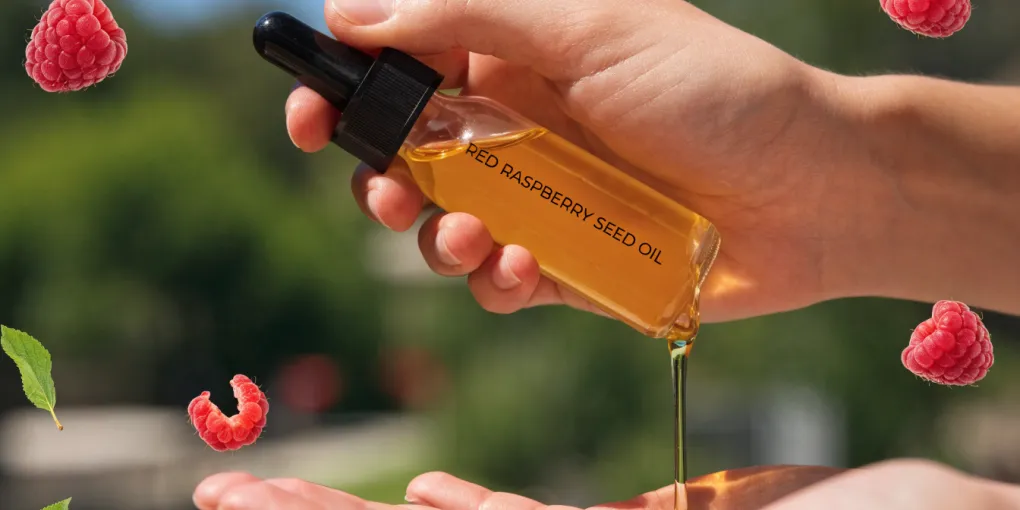
Red raspberry seed oil is a powerful antioxidant, rich in vitamin E, omega-3, and omega-6 fatty acids, along with natural vitamin A precursors. It deeply hydrates, soothes inflammation, and protects against environmental stressors, making it ideal for maintaining skin health, reducing signs of aging, and supporting a clear, bright complexion without clogging pores.
Table of Contents
- Powerful Antioxidant Boost
- Deep Cellular Hydration
- Soothing Inflamed Skin
- Non Comedogenic Moisture
- Natural Vitamin A Benefits
- Daily Sunscreen Companion
- Brightening Dull Complexions
- Scalp And Hair Nourishment
- Sustainable Seed Sourcing
- Morning Beauty Routines
- Evening Skin Recovery
- DIY Skincare Recipes
Powerful Antioxidant Boost
Red raspberry seed oil is a powerful antioxidant, thanks to its high vitamin E content. It contains especially large amounts of alpha and gamma tocopherols, two key forms of vitamin E that give the oil its strong protective abilities.
This matters because everyday environmental stressors—like UV rays, pollution, and certain chemicals—create free radicals in the skin. These unstable molecules attack healthy skin cells and damage important proteins like collagen and elastin, which leads to premature fine lines and wrinkles.
The tocopherols in red raspberry seed oil act as scavengers that neutralize these free radicals before they can cause harm. By doing so, the oil helps keep skin structure intact, supports cellular health, and strengthens the skin’s natural resilience. With regular use, it helps prevent early signs of aging and keeps the complexion looking youthful and healthy.
Deep Cellular Hydration
Red raspberry seed oil provides deep cellular hydration, which is key for healthy, vibrant skin. It works because it is rich in essential fatty acids, especially omega-3 and omega-6. These aren’t just surface moisturizers—they help build and maintain the skin’s natural lipid barrier, the protective layer that keeps moisture in and blocks external irritants.
When applied, the omega fatty acids blend into the skin’s existing lipid structure and strengthen it. A stronger barrier means less transepidermal water loss, so hydration is locked in at the cellular level. The result is skin that stays consistently plump, soft, and supple without needing heavy surface creams.
A major benefit is that red raspberry seed oil delivers this deep moisture without clogging pores. Unlike heavier oils, it is A major benefit is that red raspberry seed oil delivers this deep moisture without clogging pores. Unlike heavier oils, it is lightweight and non-comedogenic. Its fatty acid profile closely resembles the skin’s own sebum, so it absorbs easily into deeper layers. It leaves skin feeling clean, breathable, and balanced—hydrated and reinforced, with no heavy residue or blocked pores.
Soothing Inflamed Skin
Red raspberry seed oil helps soothe inflamed skin and reduce the persistent redness linked to conditions like eczema and psoriasis. Its key strength comes from a very high level of alpha-linolenic acid (ALA), an omega-3 fatty acid with strong anti-inflammatory properties that naturally calms the body’s inflammatory response.
When applied to the skin, ALA penetrates and works on the cellular pathways that drive inflammation. It helps lower the production of pro-inflammatory compounds, which quiets overactive immune reactions and reduces irritation and flare-ups. For people with chronic skin conditions, this means less redness, less discomfort, and visibly calmer skin.
The oil is gentle enough for hypersensitive skin, offering relief without harsh chemicals that can worsen a damaged skin barrier. With regular use, it helps build a stronger, more resilient barrier over time, which can prevent future inflammation and support long-term skin health. The result is a natural, effective way to manage inflamed skin and maintain a more comfortable, balanced complexion.
Non Comedogenic Moisture
Red raspberry seed oil has a very low comedogenic rating, meaning it is unlikely to clog pores. This is important for breakout-prone skin because clogged pores trap sebum, dead skin cells, and bacteria, which can cause acne. Unlike heavier oils, it lets the skin breathe without triggering new blemishes.
The oil is also rich in linoleic acid, an essential fatty acid that acne-prone skin often lacks. When skin is low in linoleic acid, sebum becomes thick and sticky, making it harder for pores to drain and easier for blockages to form. By adding linoleic acid, red raspberry seed oil helps keep sebum at a healthier consistency, reducing the chance of pores getting plugged.
Together, these qualities help prevent clogged pores while keeping skin hydrated. Many people with oily skin avoid moisture, but stripping the skin can actually cause it to produce more oil. Red raspberry seed oil provides lightweight, effective hydration that supports the skin barrier without feeling greasy, leaving skin balanced, comfortable, and less prone to breakouts.
Natural Vitamin A Benefits
Red raspberry seed oil provides natural vitamin A benefits for the skin, helping to smooth fine lines and refine rough texture. This comes from its carotenoid content—plant compounds that act as antioxidants and can be converted into beneficial vitamin A forms. In the skin, these carotenoids work as mild retinol precursors.
When applied topically, the skin uses these precursors to gently encourage cellular renewal. Older, duller skin cells are shed more efficiently, allowing newer, healthier cells to rise to the surface. This mild acceleration of the skin’s natural cycle supports a fresh, vibrant look and helps reduce fine lines, since newer cells tend to be plumper and more evenly arranged.
This process also improves rough skin texture by regularly replacing surface cells, leaving the skin softer and smoother. Because the vitamin A precursors are natural, they act more gently than synthetic retinoids, lowering the risk of irritation while still delivering real improvements in smoothness and visible signs of aging over time.
Daily Sunscreen Companion
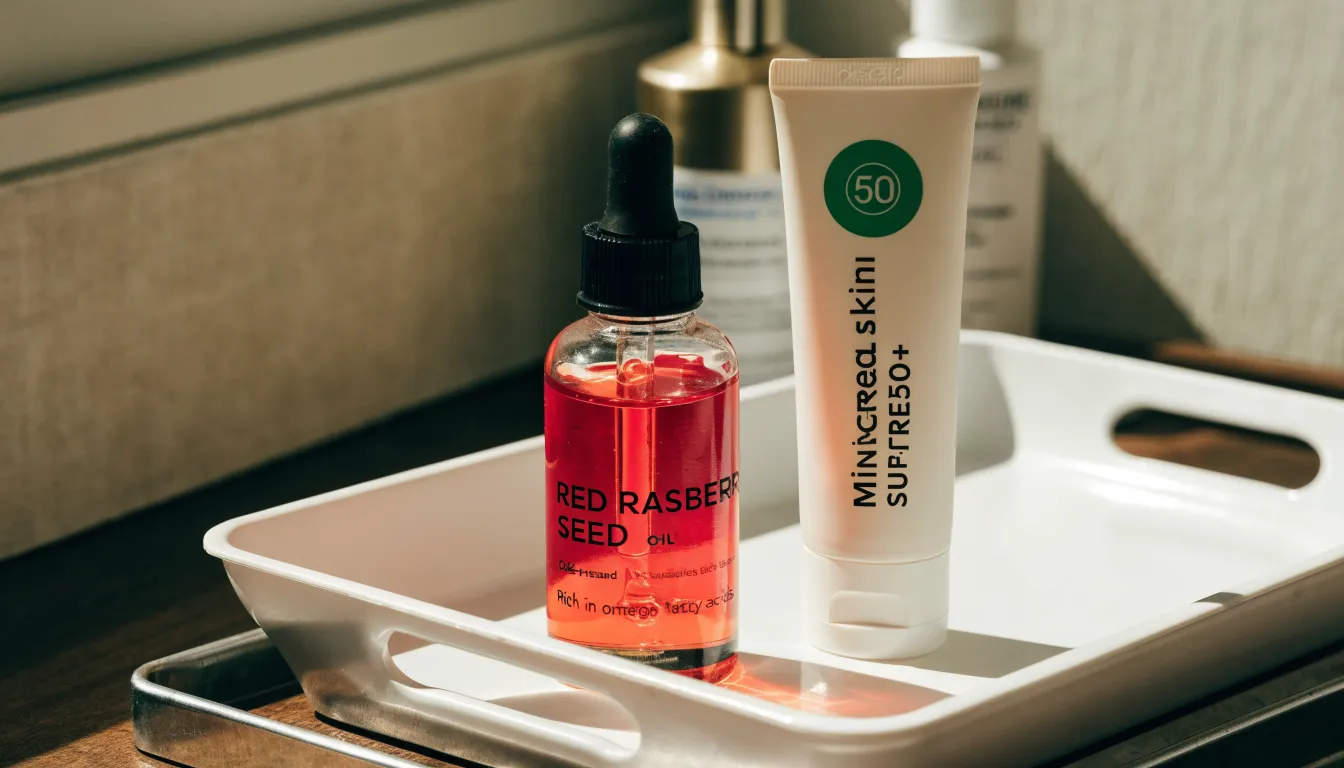
Red raspberry seed oil can be a helpful addition to your daily sun protection routine. It works well alongside a broad-spectrum mineral sunscreen by naturally absorbing some ultraviolet light, giving your skin an extra base layer of defense. It is not a replacement for SPF-rated sunscreen, but applying it first adds another barrier before your mineral sunscreen goes on.
When layered this way, the mineral sunscreen reflects and scatters UV rays, while the raspberry oil adds its own UV-absorbing power. Beyond that, the oil is rich in antioxidants like vitamin E and ellagic acid, which help neutralize free radicals caused by sun exposure. This can reduce the chance of skin damage even when you are wearing sunscreen.
Red raspberry seed oil also nourishes the skin with healthy fatty acids and vitamins. Using it in your morning routine, followed by a generous layer of mineral sunscreen, gives you a stronger, more well-rounded defense against daily sun and environmental stress, supporting healthier and more resilient skin.
Brightening Dull Complexions
Dull skin is often caused by environmental stress and oxidative damage, which lead to uneven tone and dark spots. Red raspberry seed oil helps by revitalizing tired skin and supporting a healthy glow. It is rich in antioxidants like vitamin E and polyphenols, which fight free radicals—unstable molecules that damage skin cells and speed up aging.
With regular use, these antioxidants help reduce visible dark spots. They protect skin cells from the kind of damage that triggers excess melanin production, the root cause of hyperpigmentation. By neutralizing free radicals, the oil creates a more stable environment in the skin, allowing existing discoloration to fade gradually and supporting the skin’s natural repair process for a more balanced complexion.
Beyond fading spots, this antioxidant support gives the whole face a brighter look. As oxidative stress drops and skin health improves, the skin regains its natural luminosity. It becomes clearer, smoother, and reflects light better, turning a dull appearance into a fresh, vibrant one. With steady use, red raspberry seed oil helps restore a youthful radiance and lets the skin’s natural brilliance shine through.
Scalp And Hair Nourishment
Red raspberry seed oil is very good for scalp and hair health. It works as a soothing, nourishing treatment that is lightweight, so it doesn’t weigh hair down or leave a greasy feeling. When applied to the scalp, it helps calm dryness at the hair roots, which can reduce itchiness caused by lack of moisture. The oil is rich in essential fatty acids and vitamins, and these help create a more balanced, hydrated environment for hair follicles.
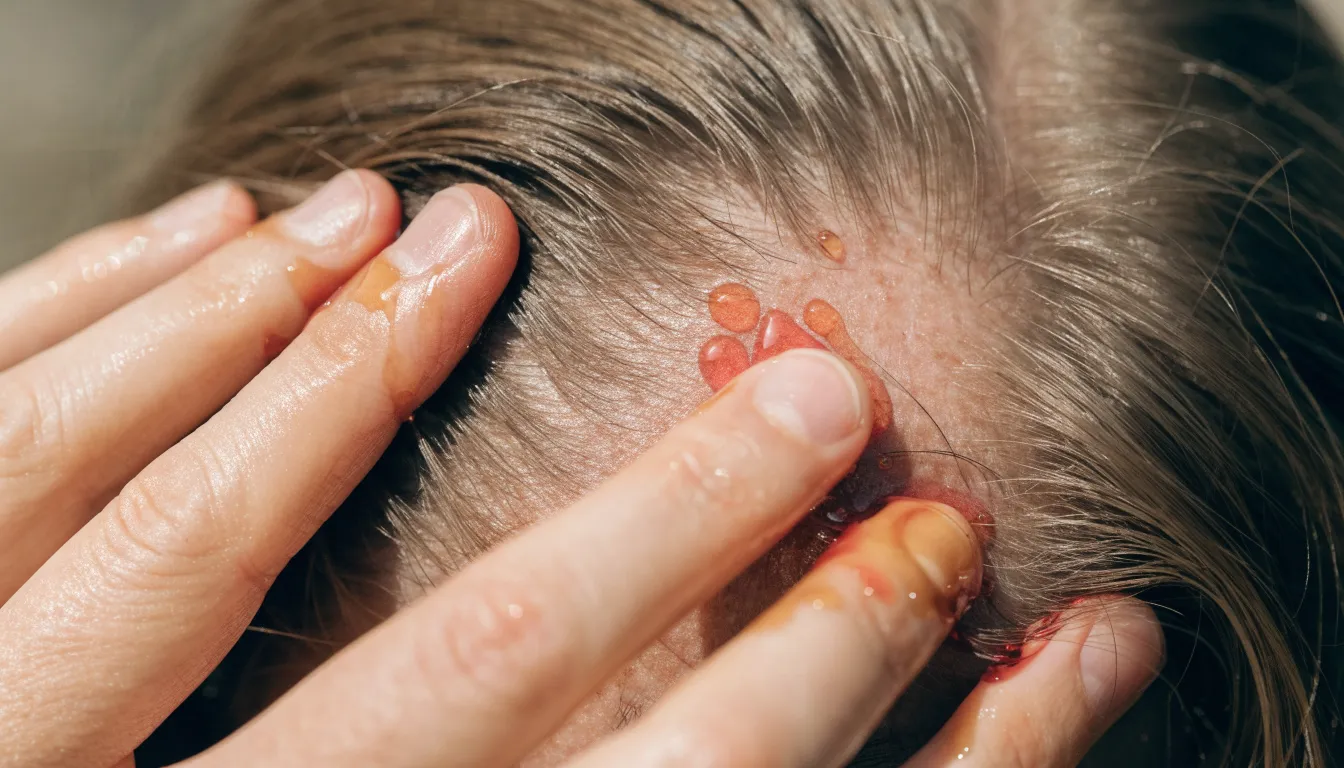
Using red raspberry seed oil regularly can also help get rid of dry flakes on the scalp. It sinks into the skin and provides deep hydration, which helps restore the scalp’s natural barrier and stops flakes from forming. This leaves the scalp looking healthier and feeling more comfortable.
The oil also helps the hair strands themselves. It lightly coats each strand, adding softness and shine. The natural emollients condition the hair, helping it reflect light better and look vibrant and healthy. With nourishment from root to tip, red raspberry seed oil improves both the look and strength of hair, making it a great addition to a natural hair care routine.
Sustainable Seed Sourcing
Red raspberry seed oil starts with sustainable seed sourcing. The seeds are a byproduct of the jam industry and would normally be thrown away, but instead they are collected and reused. This cuts waste, lowers the environmental impact, and follows a circular economy approach—getting the most value from every raspberry harvest without needing extra fresh crops.
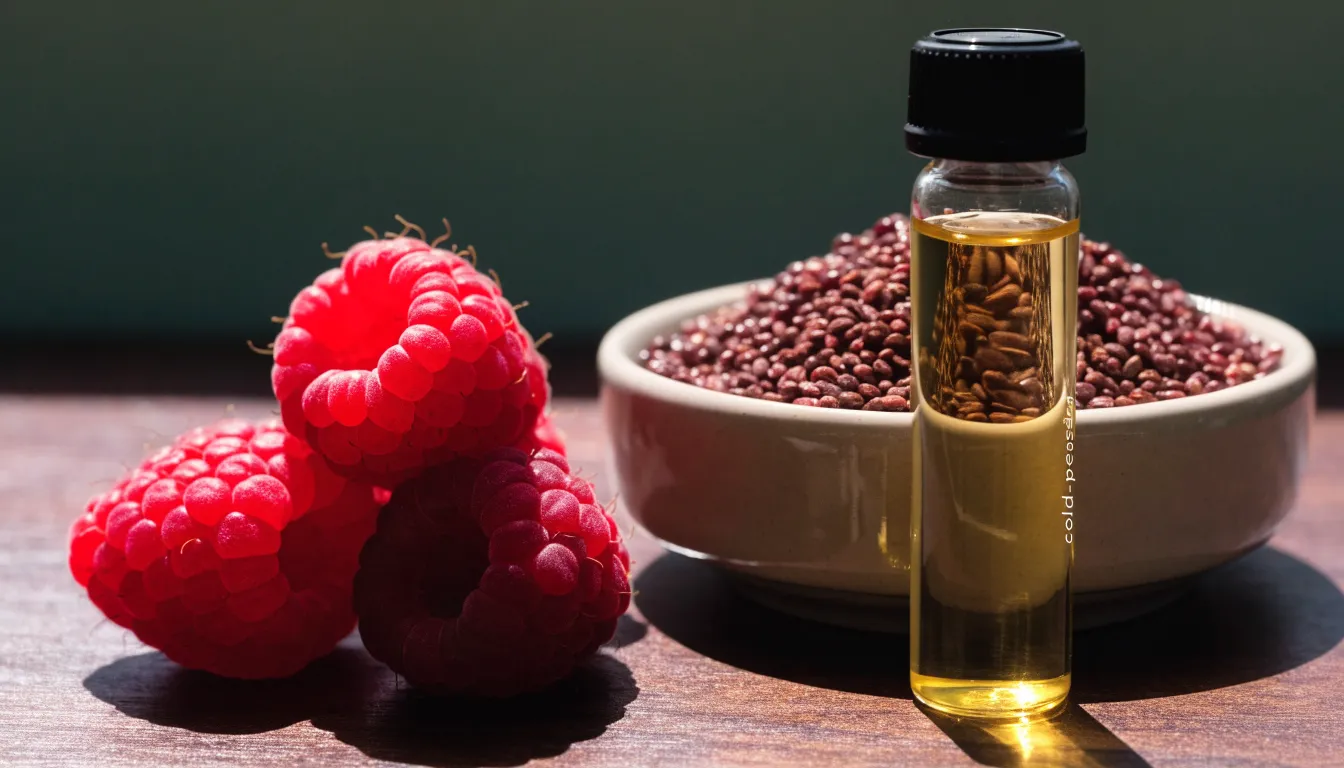
Once collected, the seeds are processed using cold-pressing. This means they are pressed at low temperatures without heat or chemical solvents, similar to how essential oils are made from plant to bottle. This means they are pressed at low temperatures without heat or chemical solvents. Unlike harsher methods, this gentle process protects the oil’s nutritional quality, keeping important vitamins, antioxidants, and essential fatty acids intact.
Because of this careful method, delicate nutrients like vitamin E and other skin-friendly compounds survive. The result is a pure, nutrient-rich oil that keeps its full natural power and is ready to support skin health.
Morning Beauty Routines
Red raspberry seed oil can easily upgrade your Red raspberry seed oil can easily upgrade your morning makeup routine, giving your skin a healthy, luminous glow. It blends well with liquid foundation or primer, adding hydration and a dewy finish without feeling greasy.
To use it with foundation, put your usual amount of foundation on your hand or a clean palette, then mix in one to two drops of the oil. Blend them together until smooth, then apply normally. The foundation will spread more evenly and look more natural, with a soft radiance.
If you prefer primer, just mix one drop of the oil into your primer and apply it to your face. This creates a smooth, hydrated base, helps lock in moisture, and can even make your makeup last longer. Start with just a little oil—you can always add more if you want extra glow.
Evening Skin Recovery
At night, skin works hard to repair itself after a day of stress and environmental exposure. Red raspberry seed oil supports this process because it is rich in omega-3 and omega-6 fatty acids, plus antioxidants like tocopherols and carotenoids. These nutrients give the skin important building blocks and protection for healthy function.
When applied before bed, the oil works with the skin’s natural nighttime rhythm. Its antioxidants help neutralize free radicals that built up during the day, while its fatty acids help strengthen and restore the skin’s barrier. This allows the skin to repair damage and regenerate more effectively.
A key benefit is preventing transepidermal water loss, or moisture escaping from the skin overnight. The oil forms a light protective layer that locks in hydration and stops excessive water loss. This keeps the skin properly moisturized through its repair cycle, so with regular use, you wake up with softer, smoother, and more revitalized skin.
DIY Skincare Recipes
Making your own skincare at home lets you customize products to your skin’s exact needs, and red raspberry seed oil makes an ideal base for these projects. Packed with antioxidants, vitamins, and essential fatty acids, it works as a natural emollient, soothing and protecting the skin while feeding it moisture. Whether you’re crafting a face serum or a lip balm, this versatile oil helps you avoid synthetic additives and build pure, effective formulas from scratch.
For a custom face serum, blend red raspberry seed oil with light carrier oils like jojoba or argan to create a hydrating, non-greasy base. Then add a few drops of essential oils to target what your skin needs—lavender calms irritation, Then add a few drops of essential oils to target what your skin needs—lavender calms irritation, frankincense supports renewal, and both help with dryness or the look of fine lines. Mix the oils in the right ratios, pour into a dark glass dropper bottle, and your personalized serum is ready.
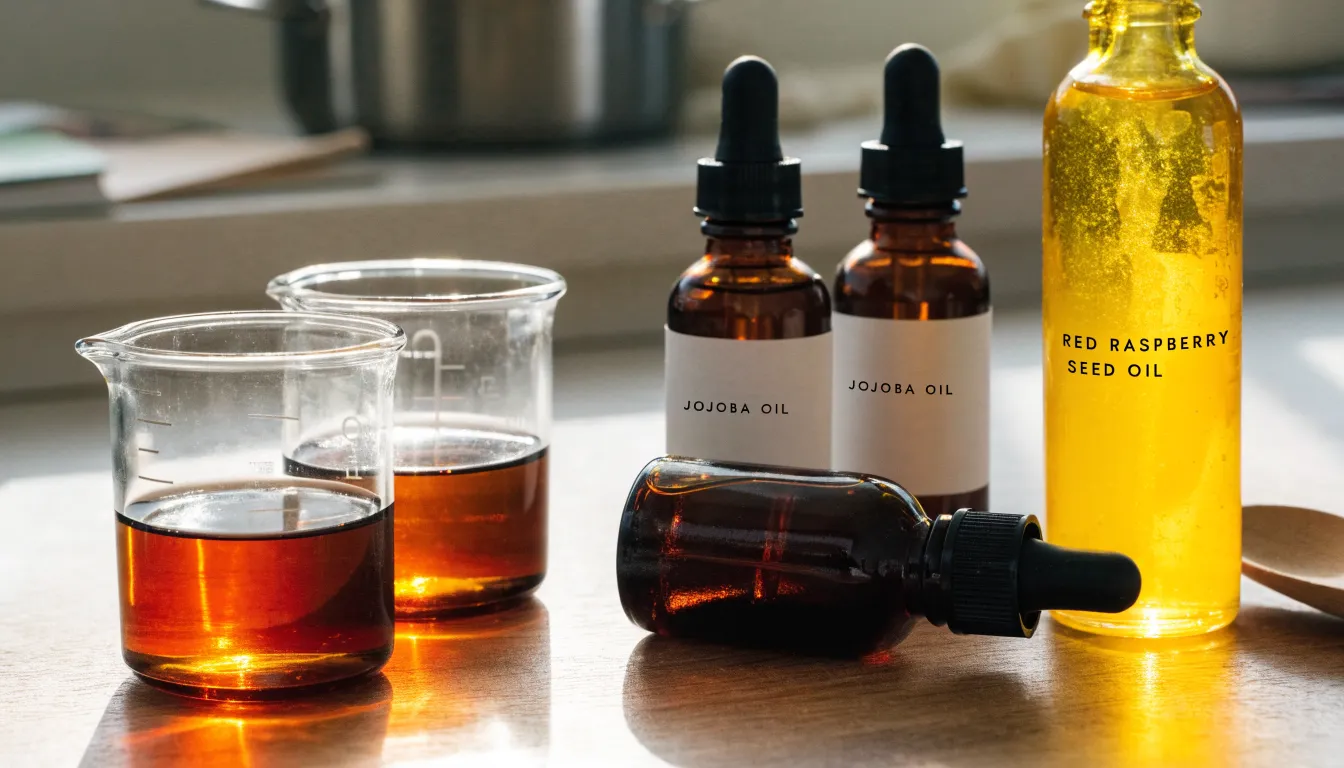
For a rich, protective lip balm, red raspberry seed oil acts as a barrier against environmental stress while locking in lasting moisture. Gently melt it with a natural wax like beeswax or candelilla and a soothing butter such as shea or cocoa, then stir in an essential oil for extra appeal—Gently melt it with a natural wax like beeswax or candelilla and a soothing butter such as shea or cocoa, then stir in an essential oil for extra appeal—peppermint adds a refreshing tingle, while sweet orange gives a pleasant scent. This hands-on method lets you control every ingredient, delivering a pure, bespoke product that fits your natural skincare goals.
Frequently Asked Questions
How does red raspberry seed oil protect against aging?
Red raspberry seed oil contains high levels of vitamin E, including alpha and gamma tocopherols, which neutralize free radicals caused by environmental stressors like UV rays and pollution. This protection helps keep skin structure intact, supports cellular health, and prevents premature fine lines and wrinkles.
Is red raspberry seed oil good for skin that’s prone to breakouts?
Yes, red raspberry seed oil has a very low comedogenic rating and is unlikely to clog pores, making it suitable for breakout-prone skin. It is also rich in linoleic acid, which helps maintain a healthier sebum consistency and reduces the chance of pore blockages.
Can red raspberry seed oil calm inflamed or irritated skin?
Red raspberry seed oil helps soothe inflamed skin and reduce redness, thanks to its high level of alpha-linolenic acid (ALA), an omega-3 fatty acid. ALA penetrates the skin to lower the production of pro-inflammatory compounds, which quiets overactive immune reactions and reduces irritation.
Can red raspberry seed oil be used for sun protection?
Red raspberry seed oil can be a helpful addition to your daily sun protection routine by naturally absorbing some ultraviolet light, adding an extra base layer of defense. However, it is not a replacement for SPF-rated sunscreen and should be used alongside a broad-spectrum mineral sunscreen.
What benefits does red raspberry seed oil offer for hair and scalp?
Red raspberry seed oil nourishes the scalp and hair, helping to calm dryness and reduce itchiness at the roots, and eliminating dry flakes. It also lightly coats hair strands, adding softness, shine, and improving both the look and strength of hair.
How is red raspberry seed oil produced, and is it sustainable?
Red raspberry seed oil is produced from seeds that are a byproduct of the jam industry, making its sourcing sustainable and reducing waste. The oil is extracted using cold-pressing, a gentle method that preserves its nutritional quality without heat or chemical solvents.