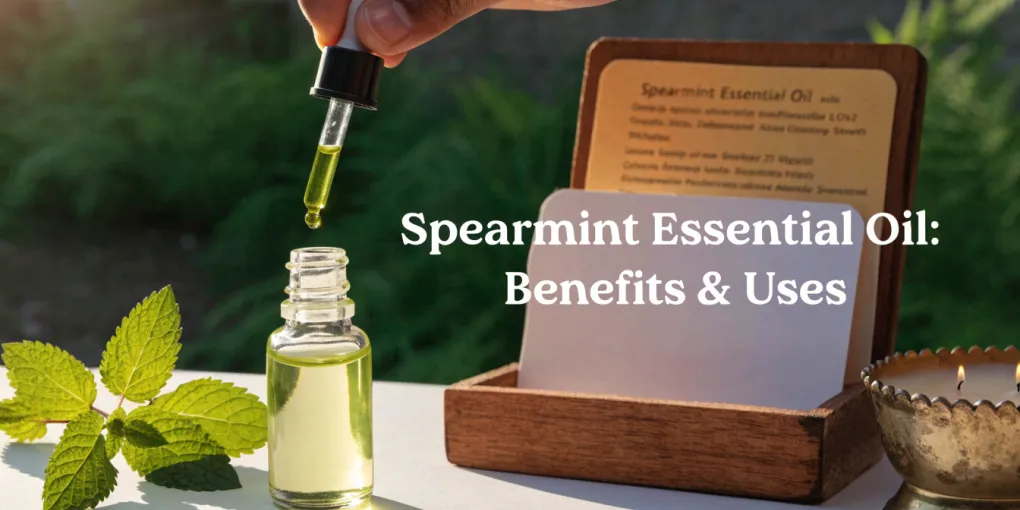
Spearmint essential oil is a gentle mint with less menthol than peppermint, making it milder and suitable for sensitive skin. Rich in carvone and limonene, it offers a sweet, herbaceous scent. Valued for soothing digestion, enhancing focus, boosting energy, freshening breath, and supporting skin health, it’s a versatile oil for natural wellness and home care.
Table of Contents
- The Gentle Mint Cousin
- Ancient Herbal Roots
- Soothing Tummy Troubles
- Morning Energy Boost
- Clear Mind Focus
- Fresh Breath Solutions
- Natural Relief
- Radiant Skin Refresh
- Soothing Sore Muscles
- Spearmint, PCOS, and Hormones
- DIY Cleaning Sprays
- Seasonal Respiratory Relief
- Topical Application Rules
- Kid Friendly Aromatherapy
- Simple Blend Recipes
The Gentle Mint Cousin
Spearmint essential oil is a gentler member of the mint family than peppermint. The main difference is in their chemistry: peppermint contains high levels of menthol, which creates a strong cooling effect and sharp, intense aroma. Spearmint has much less menthol, which makes its overall profile milder and less overpowering.
Instead of menthol, spearmint is rich in compounds like carvone and limonene. Carvone gives it a sweet, warm, slightly herbaceous scent that feels green and fresh, while limonene adds bright, uplifting, subtly fruity notes. Together, these create a softer, sweeter, and more rounded fragrance than peppermint’s sharp punch.
Because of its lower menthol content, spearmint offers a much gentler cooling sensation. This makes it a good choice for sensitive skin or anyone who prefers a more subtle aromatic experience. Its mild nature also makes it suitable for children, older adults, and people who find peppermint too strong. Spearmint still refreshes and uplifts, but with a delicate, calming touch and no harsh pungency.
Ancient Herbal Roots
Ancient Greeks highly valued spearmint as a digestive aid, using it to soothe indigestion, upset stomachs, and nausea. They prepared it as a cooling tea or mixed fresh leaves into meals to promote internal balance after eating, highlighting its core function as a gentle digestive tonic.
Romans prized spearmint for its refreshing and purifying qualities, often adding its leaves to drinking water to mask unpleasant tastes and impart a clean aroma. They also scattered it in baths and living spaces, believing its uplifting scent purified the air and lifted spirits—echoing its modern use as a purifying and mood-enhancing aromatic agent.
Culinary use formed another core function for both cultures, as they added its cool, distinct flavor to sauces, meats, and drinks. This tradition carried on for centuries, with spearmint enriching teas, desserts, and savory dishes across continents, proving its timeless versatility and gentle, aromatic benefits in both food and wellness.
Soothing Tummy Troubles
Spearmint essential oil gently eases digestive upset thanks to a natural compound called carvone. Carvone helps relax the smooth muscles of the gastrointestinal tract, which can become tense or spasm during stomach distress. When these muscles relax, food and gas move through the system more smoothly, reducing tightness, cramping, and general discomfort.
This oil also helps calm nausea. Inhaling spearmint sends aromatic signals to the brain that can quiet the queasy feeling, whether it comes from motion, a heavy meal, or an upset stomach. Its muscle-relaxing action further relieves bloating by allowing trapped gas to move naturally, which eases uncomfortable abdominal distention and restores a lighter, settled feeling.
For best results, spearmint essential oil can be applied topically by mixing a few drops with a carrier oil and massaging it onto the abdomen for targeted relief. It can also be diffused or inhaled directly from the bottle for fast aromatic benefits that soothe both the mind and the digestive system.

Morning Energy Boost
Spearmint essential oil works as a gentle morning energizer. Diffusing it helps awaken the senses and lift low energy without overstimulating the nervous system. Its bright, herbaceous scent clears mental fog and stimulates the mind, making it easier to move from sleep into activity with focus, clarity, and calm alertness.
For a simple and pure wake-up experience, diffuse spearmint oil by itself. To add more cheerfulness and mental brightness, combine it with citrus oils like lemon or sweet orange. This blend creates a lively aroma that boosts mood and sharpens concentration.
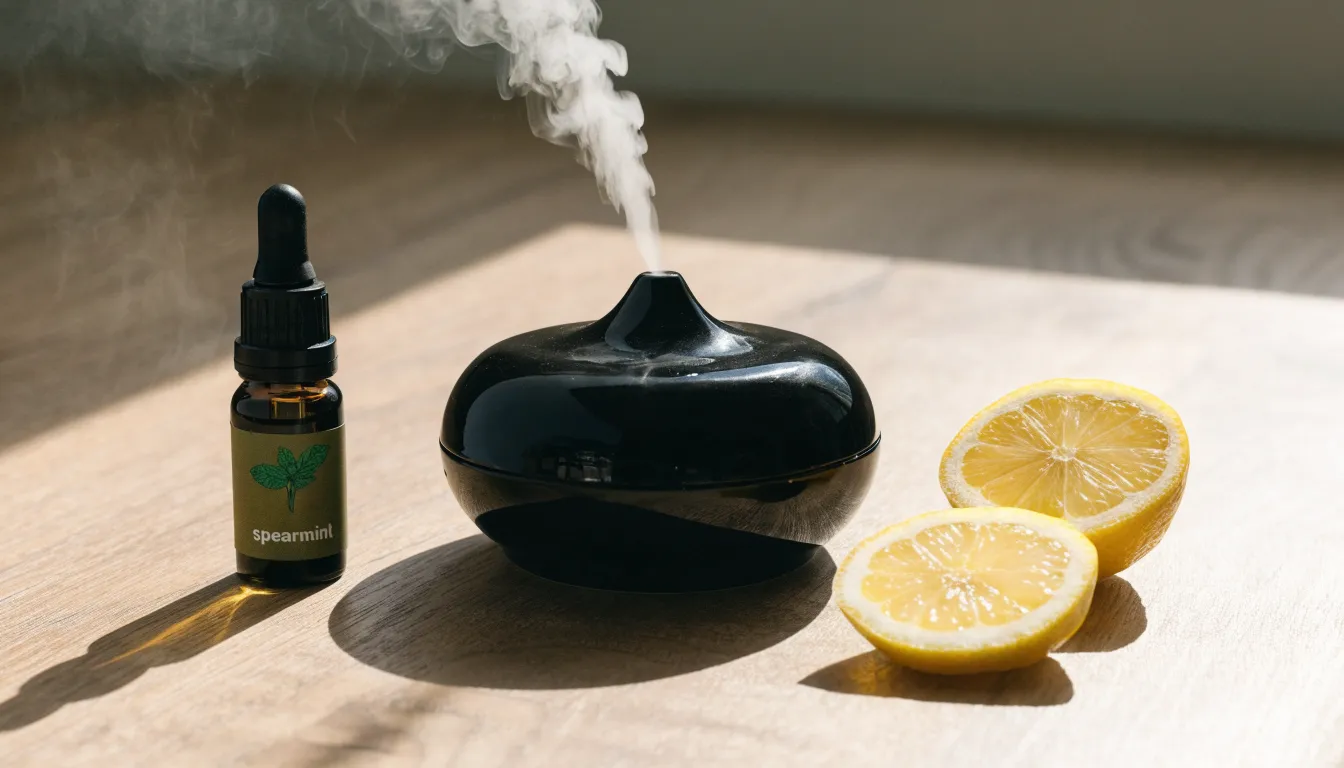
For even stronger mental support, mix spearmint with a little rosemary. This combination promotes sustained alertness and sharper thinking throughout the morning. Overall, spearmint oil helps fight grogginess while encouraging a positive, clear-headed, and collected sense of energy for the day ahead.
Clear Mind Focus
Spearmint essential oil is valued for supporting mental clarity and sharpened focus, especially during study sessions or demanding work. Inhaling its refreshing aroma can invigorate the mind and help clear away mental fogginess, making it easier to concentrate and think clearly.
The oil works by interacting with the brain’s limbic system, which governs emotions and memory. This gentle stimulation enhances cognitive function and creates an ideal mental environment for focused work. Spearmint also supports memory retention, as information learned while the oil is present may be processed and stored more effectively, leading to easier and more accurate recall later.
Its invigorating yet calming qualities promote a state of alert relaxation. This allows for sustained attention over long periods without causing overstimulation, helping the mind stay sharp and efficient during critical learning or working tasks.
Fresh Breath Solutions
Spearmint essential oil is a natural way to keep breath fresh and support oral health. Its pleasant smell comes with natural compounds that target the real causes of bad breath. It works gently but effectively, offering a pure plant-based alternative to mouth care products full of synthetic chemicals.
You can easily make your own natural mouthwash. Mix one cup of distilled water with two to three drops of spearmint essential oil. For extra cleansing, add a quarter teaspoon of baking soda and stir well. After brushing, swish a small amount in your mouth for about 30 seconds, then spit. This rinse helps neutralize odors and fights the bacteria that cause bad breath, leaving your mouth clean and fresh without harsh ingredients.
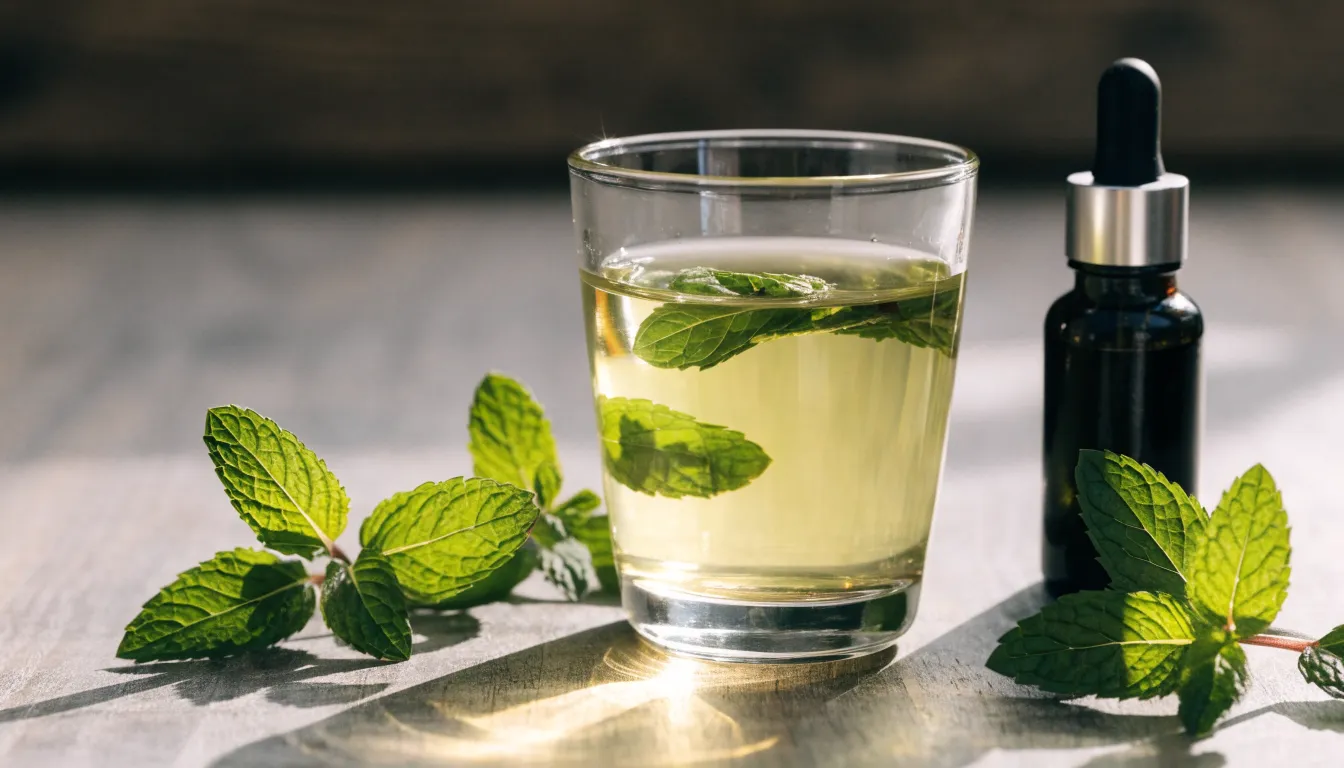
For a simpler boost, put your usual amount of toothpaste on your brush and add one drop of spearmint essential oil on top. Brush normally. The oil adds a refreshing feeling and supports natural antimicrobial action, helping reduce bacteria in your mouth during brushing. These simple methods use spearmint’s natural properties to keep your mouth healthy and your breath consistently fresh.
Natural Relief
Spearmint essential oil helps relieve stress naturally, without harsh chemicals. Its fresh, uplifting scent does more than smell good—when inhaled, it sends signals to the brain’s limbic system, which controls emotion and memory. This direct connection helps calm the nervous system.
Research suggests spearmint’s aromatic compounds can lower cortisol, the body’s main stress hormone. When cortisol drops, the body’s stress response lessens, making daily anxiety and pressure feel more manageable. This creates a greater sense of balance and relaxation.
Spearmint also helps with tension headaches, which often come from mental strain and tight muscles in the head and neck. By calming the mind and relaxing those muscles, the oil eases the discomfort of headaches. This natural approach supports a calmer body and mind overall.
Radiant Skin Refresh
Spearmint essential oil helps refresh the skin by fighting blemishes. Its natural antibacterial properties target the bacteria that cause acne, keeping the skin surface cleaner. This makes it harder for new breakouts to form while supporting the skin’s healing process and creating a healthier environment for the complexion.
It also helps reduce facial redness. The oil has a calming effect that soothes irritated or inflamed skin, which often comes with acne and sensitivity. By easing angry red patches, it promotes a more even skin tone and helps the skin look calmer, healthier, and less stressed.
Another key benefit is balancing sebum production. While skin needs natural oil for moisture, too much can clog pores and cause breakouts. Spearmint oil helps regulate oil output, keeping skin hydrated without becoming greasy. This prevents buildup like blackheads and whiteheads, keeps pores clear, and supports a smooth, refreshed complexion that looks healthy and radiant.
Soothing Sore Muscles
Spearmint essential oil is helpful for soothing sore muscles after exercise. Its naturally cooling effect brings quick comfort to tired, overworked limbs, making it a great addition to a post-workout rub.
To make a simple recovery blend, start with about two tablespoons of a carrier oil like jojoba, sweet almond, or fractionated coconut oil. Add 5–7 drops of spearmint essential oil. The menthol in the oil creates a refreshing, mild sensation that eases muscle discomfort. You can also add lavender oil for extra relaxation or frankincense oil for deeper muscle comfort.
Massage the blend gently into tight or sore areas. The massage, combined with spearmint’s active compounds, helps improve blood flow. Better circulation flushes out waste products from tired muscles and brings in fresh nutrients, which speeds up recovery and helps muscles relax. Using this rub regularly after workouts can turn recovery into a calming, restorative ritual.
Spearmint, PCOS, and Hormones
Spearmint’s reputation for hormone balance comes from small studies of spearmint tea, not the essential oil. In a small trial of women with polycystic ovary syndrome (PCOS), drinking spearmint tea twice a day for a month lowered testosterone levels, though changes in unwanted hair growth were small over that short time.
Those results don’t transfer to spearmint essential oil, which is far more concentrated and shouldn’t be swallowed. If you have PCOS, unwanted hair growth, or irregular periods, talk to your doctor, including about whether spearmint tea is appropriate for you.
DIY Cleaning Sprays
DIY cleaning sprays are a simple, natural way to refresh your home and support a healthier living space. Spearmint essential oil plays a central role in these recipes, adding not only a sweet, fresh scent but also helpful cleaning benefits.
The basic spray combines equal parts white vinegar and water in a bottle, with 15–20 drops of spearmint oil per cup of liquid. Vinegar naturally cuts grime, removes mineral buildup, and kills germs without harsh chemical leftovers. The spearmint oil lifts the mixture from basic cleaner to a pleasant experience, turning cleaning into a more enjoyable chore and leaving a subtle, natural freshness.
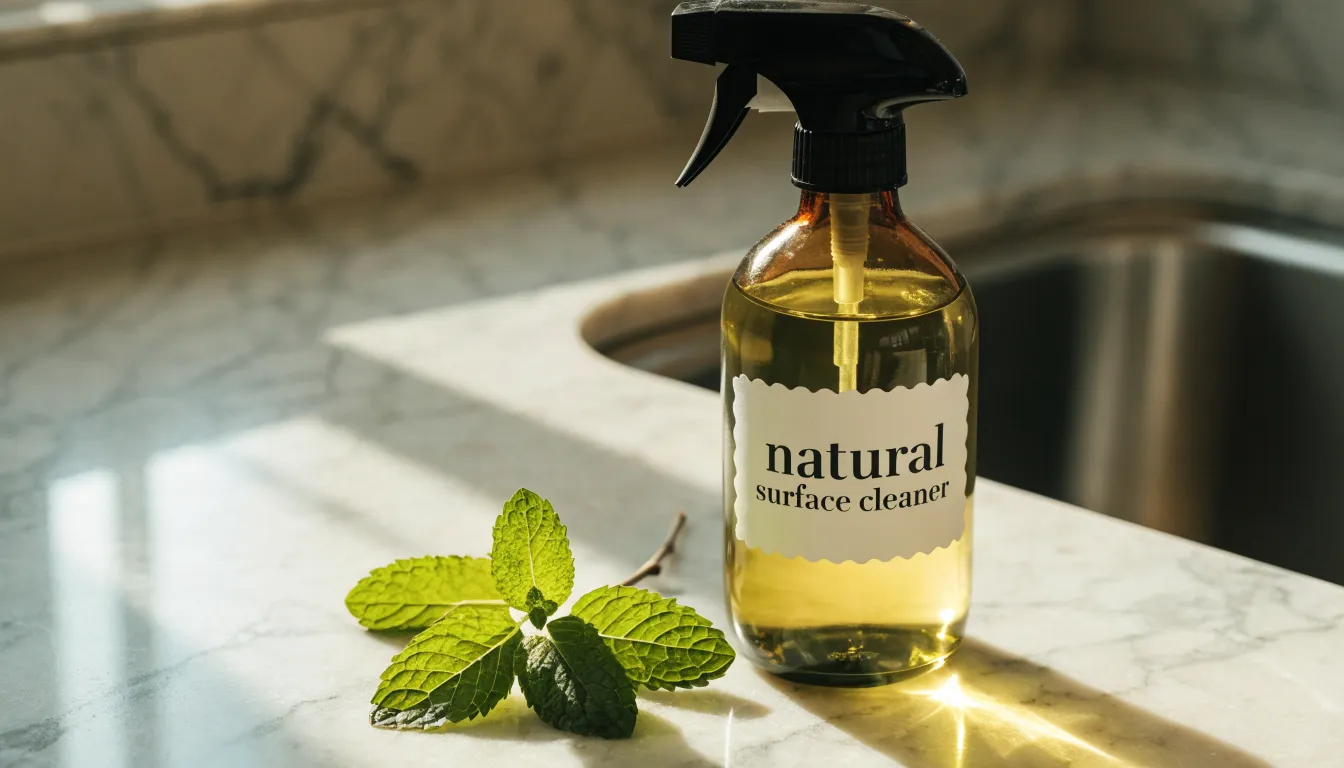
This homemade spray works safely on non-porous surfaces like countertops, sinks, appliance exteriors, and glass. It handles everyday messes, disinfects naturally, and leaves a bright minty scent. By choosing DIY sprays, you reduce your exposure to synthetic chemicals and create a safer, more inviting home—while enjoying simple natural cleanliness and aroma.
Seasonal Respiratory Relief
Seasonal respiratory issues, especially during pollen season, can make breathing feel harder and affect daily comfort. Spearmint essential oil offers a gentle, natural way to cope through steam inhalation. This simple method sends the oil’s benefits straight to the respiratory system, giving targeted relief and helping you breathe more clearly.
When pollen counts are high, airways can feel tight and constricted. Adding a few drops of spearmint oil to a bowl of hot water and inhaling the steam helps relax and open the respiratory passages. The refreshing scent also creates a sense of openness in the chest, making each breath feel easier and more comfortable during allergy flare-ups.
Spearmint steam inhalation also helps with sinus congestion and irritated tissues. The warm steam thins mucus in the nasal passages and sinuses, making it easier to clear, while spearmint supports drainage and reduces sinus pressure. It also calms inflamed, irritated linings in the nose and throat, easing tickling and discomfort. Regular use during peak pollen times can keep breathing easier and support overall respiratory well-being.
Topical Application Rules
To use spearmint essential oil safely on your skin, always dilute it first. Essential oils are very strong, so never apply them directly. For adults, a 1–2% dilution is recommended. For a 1% dilution, mix about 6 drops of spearmint oil with 1 fluid ounce (30 mL) of carrier oil. For a 2% dilution, use about 12 drops per fluid ounce. This keeps the oil effective while protecting your skin.
Choosing a good carrier oil helps spread the oil evenly and adds skin benefits. Jojoba oil is similar to your skin’s natural oils, fractionated coconut oil is light and non-greasy, sweet almond oil is nourishing and rich in vitamins, and grapeseed oil is lightweight for most skin types. All of these help reduce the risk of irritation.
Before applying spearmint oil to a large area, do a patch test. Mix the oil at your chosen dilution, put a tiny amount on the inside of your forearm or behind your ear, and wait 24 to 48 hours. If you see redness, itching, burning, swelling, or a rash, do not use it. If no reaction appears, it’s safe to use more widely. Avoid contact with eyes, inner ears, and other sensitive areas.

Kid Friendly Aromatherapy
Spearmint essential oil is a great choice for families because it is much milder than peppermint. Its sweet, fresh, and slightly herbal scent is gentle, so children who find peppermint too strong can still enjoy the benefits of a mint oil. This softer aroma helps create a calm and comforting atmosphere without being sharp or overpowering.
When using spearmint with kids, safety comes first. If diffusing, use a good-quality diffuser in a well-ventilated room and keep sessions short—about 15 to 30 minutes. Place the diffuser out of reach and always supervise children while it is running.
For applying spearmint oil to the skin, always dilute it. For children over six, use about one drop of oil per teaspoon of a carrier oil like jojoba or almond oil, which is a 1% dilution. For younger children over two, use a 0.5% dilution. Do a patch test on the inner forearm first, then apply to the bottoms of the feet or along the spine. Avoid the face, eyes, and sensitive areas. This keeps aromatherapy safe and pleasant for everyone.
Simple Blend Recipes
Spearmint essential oil is bright on its own, but it works best when blended with other oils. By matching it with the right scent families, you can create custom aromas with different benefits. The key is knowing how spearmint’s crisp, sweet, and herbaceous smell pairs with other oils to make more complex blends.
Citrus oils like lemon, orange, grapefruit, and bergamot add a fresh, zesty lift. These blends invigorate the mind, improve focus, and refresh the air. For example, spearmint and lemon together create an energizing atmosphere, great for mornings or an afternoon boost, while clearing stale odors from a room.
Floral oils such as lavender, geranium, and ylang-ylang soften spearmint with calming, soothing notes. A spearmint and lavender blend is especially relaxing, making it ideal for evenings or winding down. Woody oils like cedarwood, sandalwood, and frankincense add warmth and grounding. Cedarwood with spearmint, for instance, supports mental clarity and a sense of stability, making it useful for meditation or quiet reflection.
Frequently Asked Questions
What is the main difference between spearmint and peppermint essential oil?
Spearmint essential oil is a gentler member of the mint family, containing much less menthol than peppermint. This makes its overall profile milder and less overpowering, with a softer, sweeter, and more rounded fragrance due to compounds like carvone and limonene. It also offers a much gentler cooling sensation, making it suitable for sensitive skin or children.
How can I use spearmint essential oil to relieve digestive upset?
Spearmint essential oil can gently ease digestive upset by relaxing the smooth muscles of the gastrointestinal tract and calming nausea. For targeted relief, mix a few drops with a carrier oil and massage it onto the abdomen. You can also diffuse or inhale it directly from the bottle for fast aromatic benefits.
Can spearmint essential oil help improve focus and energy?
Yes, spearmint essential oil works as a gentle morning energizer and supports mental clarity. Diffusing it helps awaken the senses, clears mental fog, and stimulates the mind for improved focus and calm alertness. It enhances cognitive function and creates an ideal mental environment for focused work and sustained attention.
How can I use spearmint essential oil to freshen my breath naturally?
You can make a natural mouthwash by mixing one cup of distilled water with two to three drops of spearmint essential oil, optionally adding a quarter teaspoon of baking soda. Alternatively, add one drop of spearmint essential oil on top of your toothpaste before brushing. These methods help neutralize odors and fight bad breath-causing bacteria.
Does spearmint oil help balance hormones?
The research on spearmint and hormones involves spearmint tea, not the essential oil. A small study in women with PCOS found that drinking spearmint tea lowered testosterone levels. Spearmint essential oil shouldn’t be swallowed, so talk to your doctor before using spearmint for hormone-related symptoms.
What are the important safety rules for applying spearmint essential oil to the skin?
Always dilute spearmint essential oil before topical application; for adults, a 1–2% dilution with a carrier oil like jojoba or sweet almond is recommended. Before applying to a larger area, perform a patch test on your forearm and wait 24 to 48 hours for any reaction.