
Essential oils for headaches, like peppermint, lavender, and eucalyptus, can offer natural relief by addressing various headache types. Peppermint helps tension headaches by cooling and relaxing muscles; lavender calms stress-related headaches; and eucalyptus clears sinus pressure. Always dilute essential oils with a carrier oil before applying them topically or using them in a diffuser for inhalation.
Table of Contents
Understanding Headache Types
Understanding your headache type is the first step to using essential oils effectively. Since not all headaches are the same, knowing the specific kind helps you choose oils that match your symptoms and triggers.
Tension headaches feel like a dull, tight band around your head, often caused by stress, fatigue, or neck and shoulder tension. For these, choose essential oils known for calming and muscle-relaxing effects. Sinus headaches cause deep pressure in the forehead, cheeks, and behind the eyes, along with nasal congestion and facial tenderness. Oils that support clear breathing and reduce congestion work best for this type.

Cluster headaches bring intense, piercing pain around one eye, often with tearing or nasal congestion. They occur in cycles, so careful identification helps you pick soothing oils for this severe pain. Migraines involve throbbing pain on one side, plus nausea and sensitivity to light, sound, and smell. Choosing oils that relieve whole-body discomfort and provide calming sensory support can help manage migraine symptoms and triggers.
The Magic of Peppermint Oil
Peppermint oil is a well-known natural remedy for tension headaches, mainly because it contains a high amount of menthol. This compound gives the oil its fresh smell and its healing power. When applied to the skin, menthol creates a cool, tingling feeling that works with the nerve endings. This acts as a soothing counter-irritant, helping to distract the brain from the throbbing or constant pain of a headache.

This cooling effect also goes deeper, reaching the muscle fibers underneath. Tension headaches often happen when the muscles in the neck, shoulders, and scalp become tight and constricted, causing dull, ongoing pain. Peppermint oil helps these rigid muscles relax by encouraging a sense of release in the tense tissues. In this way, it directly eases the physical tightness that feeds the headache.
Because of this dual action—cooling the surface while relaxing deeper muscle tension—peppermint oil is a powerful aid for headache relief. It helps the body shift away from contraction and discomfort, moving toward a more relaxed, pain-free state. It offers a natural, refreshing way to ease headache symptoms.
Lavender Oil Benefits
Lavender oil is valued for its calming effects, especially for stress-related headaches. Its key ingredient, linalool, is what drives many of these benefits. Linalool protects nerve cells and supports nervous system health, while also acting as a mild sedative that helps settle an overactive or tense nervous system.
When stress makes the nervous system overly aroused, linalool helps calm that activity, easing internal tension and physical tightness. It also influences the endocrine system by helping to lower stress hormones like cortisol, encouraging deeper relaxation and a more balanced physical state.
By soothing the nervous system and reducing stress hormones, lavender oil helps break the cycle that leads to tension headaches. This can result in fewer headaches and less severe ones, offering a natural way to support comfort and calm.
Eucalyptus Oil Essentials
Eucalyptus oil is very effective for headaches caused by sinus pressure, thanks to its main active ingredient, 1,8-cineole. This compound works as a decongestant by breaking down and thinning out the thick mucus that builds up in the sinus cavities. By clearing this sticky mucus, it helps open the nasal passages, making it easier to breathe and promoting proper drainage.
The oil also has powerful anti-inflammatory properties. Swelling inside the delicate nasal and sinus tissues is a major reason for that congested, painful feeling. The 1,8-cineole helps soothe this inflammation and reduces the swelling, which opens up the airways even further. This allows trapped mucus and air to escape more easily, relieving the blockage.
By tackling both the mucus buildup and the tissue swelling, eucalyptus oil directly targets the root of the problem. The painful pressure that pushes against the sinus walls and causes the headache starts to fade as the passages clear. This combined approach offers full relief, allowing the individual to feel a noticeable easing of their sinus-related headache.
Rosemary Oil Remedies
Rosemary oil has long been used for its healing properties, especially when it comes to easing headache discomfort. Its ability to soothe throbbing pain comes mainly from two actions: boosting circulation and reducing inflammation. A throbbing headache often points to vascular congestion, where blood vessels in the head are tight or swollen, making blood flow uneven. Rosemary oil helps by acting as a vasodilator, which relaxes and widens blood vessels. Better blood flow eases pressure and congestion, helping the pounding feeling settle.
At the same time, rosemary oil contains active compounds like rosmarinic acid and carnosol, which are known for their strong anti-inflammatory effects. Since inflammation often fuels headache pain and swelling, lowering this response helps treat a root cause of the discomfort. By calming inflammation, the oil directly lessens pain signals in the affected area.
Together, these two effects work well as a team: better circulation reduces built-up pressure, while reduced inflammation tackles the source of pain. This combined action helps soften persistent throbbing, turning intense discomfort into something more bearable. Adding rosemary oil to a headache routine taps into these natural benefits, offering a gentle but effective way to find relief.
Chamomile Oil Comfort
Chamomile oil helps ease headache discomfort by calming inflammation. Its compounds soothe irritated tissues and reduce pressure linked to certain types of head pain, creating a more comfortable internal environment.
It also acts as a gentle sedative, helping to quiet an overactive mind and relax the body. This makes it easier to fall asleep despite pain. Better sleep supports headache recovery, since lack of sleep can make pain feel stronger and last longer.
Its anti-spasmodic qualities help release tight muscles in the neck, shoulders, and scalp. By addressing both inflammation and physical and mental tension, chamomile oil offers a whole-body path to relief, especially through restful sleep.
Frankincense Oil Focus
Frankincense oil offers powerful herbal support for deep, stubborn pain. Its strength comes from active compounds called boswellic acids, which work with the body’s inflammatory system. These acids help calm key enzymes and regulate inflammatory signals, reducing the internal processes that lead to ongoing aches in muscles, joints, and connective tissues. By targeting inflammation directly, frankincense brings real physical relief from persistent throbbing discomfort.
Beyond its physical benefits, frankincense oil also has a grounding, calming effect. Its warm, earthy, balsamic scent helps quiet the mind and ease anxious or stressed feelings. When inhaled or applied to the skin, the aroma encourages mental clarity and a sense of inner stillness—especially useful when pain brings emotional strain. This helps steady your awareness and restores emotional balance during difficult moments.
Together, these effects make frankincense oil more than just a pain reliever. It supports the whole person, calming both body and mind while building a deeper sense of resilience. This combined action makes it a valuable aid for managing deep pain and supporting overall well-being.
Citrus Oil Spark
Citrus oils work mainly to awaken and refresh the senses, giving an instant mood lift. Lemon oil is especially valued for its clean, invigorating scent, which comes largely from a natural compound called limonene. This compound is known for boosting mood. When you breathe in lemon oil through diffusion or inhalation, it can clear away mental fog, increase alertness, and help fight off tiredness or low spirits that often come with ongoing headache pain. Its bright, energetic nature helps create a more positive outlook, making daily discomfort easier to handle.
Bergamot oil also helps lift your mood, but it works in a more balanced way. While it has the same cheerful quality as other citrus oils, bergamot also brings a calm, soothing effect. Its smell is often described as a gentle mix of citrus with soft floral and spicy notes, so it feels both relaxing and refreshing at the same time. This dual action helps ease anxiety and stress, promoting emotional balance. Key compounds like linalool and linalyl acetate work together to calm the nervous system while also lifting spirits.
Used together, lemon and bergamot tackle the emotional exhaustion that often comes with frequent headaches. Constant pain can make people feel irritable, impatient, and emotionally drained. By using these mood-boosting citrus oils, it becomes easier to shift your emotional state. A brighter mood reduces the mental weight of ongoing discomfort, helping you stay more optimistic and cope better. These oils offer a simple but powerful way to bring mental clarity and emotional strength when dealing with chronic pain.
Proper Dilution Rules
Proper dilution is essential for using essential oils safely, especially for headaches. These oils are highly concentrated, and applying them directly to the skin can cause irritation or sensitization. Always mix them with a carrier oil first—such as jojoba, sweet almond, fractionated coconut, grapeseed, or sunflower oil—which safely dilutes the potent oil and makes it suitable for the skin.

For most uses, a 1% to 2% dilution works well. A 1% mix is about 6 drops of essential oil per ounce (30 ml) of carrier oil, ideal for sensitive skin, children, or the elderly. A 2% dilution, around 12 drops per ounce, is fine for daily adult use. For short-term, localized issues, a 3% dilution (18 drops per ounce) can help. Up to 5% (30 drops per ounce) is occasionally used for very small areas briefly, but this is not recommended for broad or long-term application.
Start with the lowest effective dilution and always do a patch test first. Apply a small amount to your inner forearm and wait 24 hours to check for any reaction before using it more widely. This careful approach keeps you safe while letting you enjoy the benefits of essential oils responsibly.
Topical Application Tips
To use essential oils for headache relief, always dilute them first with a carrier oil—like coconut, jojoba, or almond oil. A good ratio is 1–2 drops of essential oil per teaspoon of carrier oil. This prevents skin irritation and helps the oil absorb safely.
Apply the diluted blend to key areas for targeted relief. Gently massage a small amount into your temples with slow, light circular motions, keeping it away from your eyes. Then work on the back of your neck and the base of your skull, using upward strokes from your shoulders toward your hairline. This helps relax tense muscles and improve circulation.
You can also dab a little oil on the pulse points inside your wrists. The thin skin there absorbs it quickly, offering a steady, subtle aroma. Before using widely, do a patch test on a small skin area to make sure you don’t have a reaction.
Aromatherapy Inhalation Methods
Inhaling essential oils brings very fast headache relief because the oil molecules travel directly from your nose to the brain’s smell system. This path skips the slower routes of digestion or skin absorption, so the oils start working almost immediately.
Ultrasonic diffusers are a popular way to do this. They use high-frequency vibrations to create a cool mist of water and oil, without heat, which keeps the oils strong. When you breathe in, the tiny oil particles hit smell receptors in your nose, which send signals to the brain’s limbic system—the part handling emotion, memory, and pain—triggering quick pain relief.
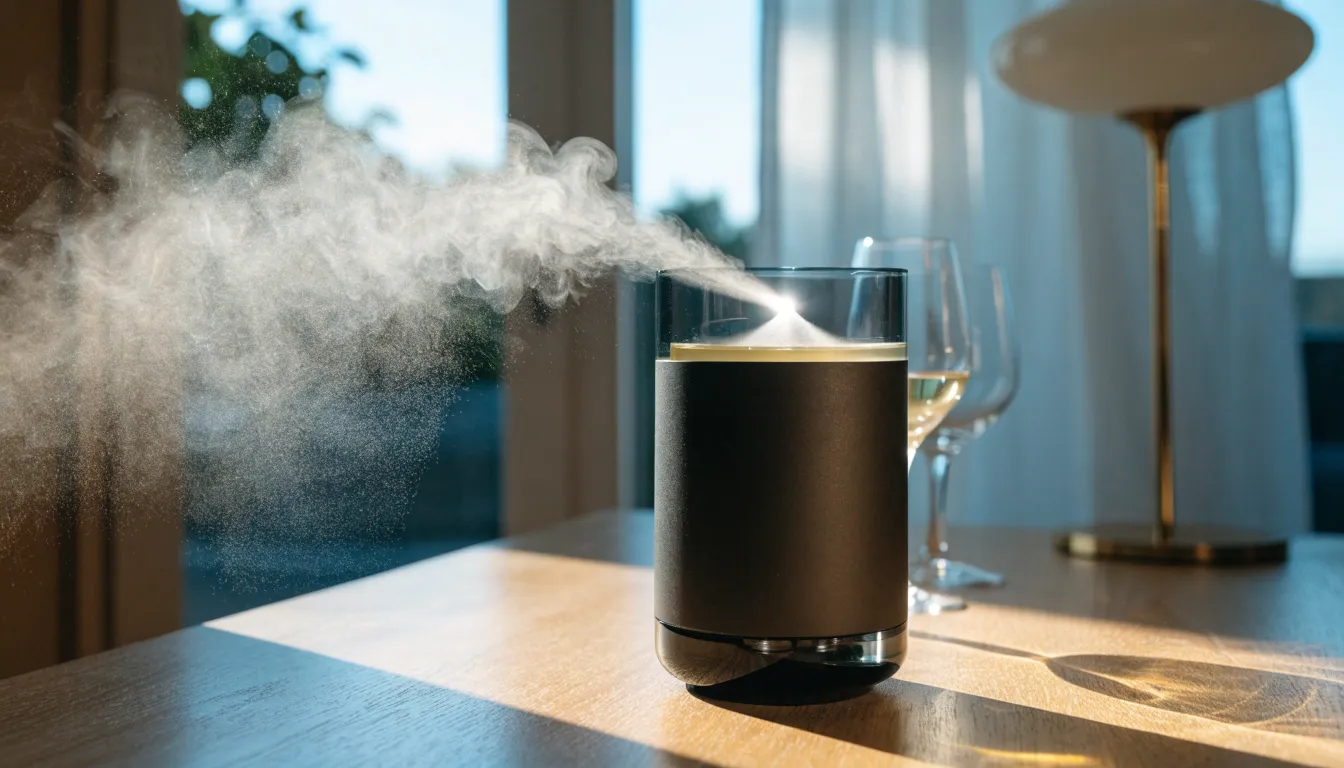
Another effective method is a warm steam bowl. You add a few drops of oil to hot water and breathe in the rising steam. The warmth opens nasal passages and boosts oil absorption, while also adding soothing moisture that feels comforting. A diffuser offers steady, ongoing relief, while a steam bowl gives a stronger, quicker hit. Both use your natural breathing to deliver fast-acting headache relief.
DIY Rollerball Blends
DIY rollerball blends are a handy way to manage headaches, giving you quick relief wherever you are. These small bottles are easy to carry in a purse, pocket, or desk drawer, so you can use them at the first sign of pain. Each blend uses essential oils with soothing properties and mixes them with a carrier oil, like fractionated coconut oil or jojoba oil, to safely dilute the oils for use on your skin.

To use one, simply roll the bottle on pulse points like your temples, forehead, or the back of your neck. The rollerball gives just the right amount of oil, so it’s clean and mess-free, and the bottles are leak-proof, so there’s no worry about spills in your bag.
Making your own blends lets you customize them to fit your specific headache triggers and preferences. You can try peppermint for a cooling effect, lavender for relaxation, or frankincense for calming, creating a personal set of headache-fighting oils that gives you fast, personalized relief.
Frequently Asked Questions
What types of headaches can essential oils help relieve?
Essential oils can help with tension headaches, which feel like a tight band around the head, and sinus headaches, which cause pressure and congestion. They can also offer soothing support for severe cluster headaches and help manage the throbbing pain and sensory sensitivity associated with migraines.
How does peppermint oil work to ease tension headaches?
Peppermint oil contains menthol, which creates a cool, tingling counter-irritant effect on nerve endings, distracting the brain from pain. This cooling sensation also helps relax tight muscles in the neck, shoulders, and scalp, directly easing the physical tension contributing to the headache.
Which essential oil is effective for headaches caused by sinus pressure?
Eucalyptus oil is very effective for headaches caused by sinus pressure. Its active ingredient, 1,8-cineole, acts as a decongestant by thinning thick mucus and clearing nasal passages, while also reducing inflammation and swelling in sinus tissues.
Why is it important to dilute essential oils before applying them to the skin?
Proper dilution is essential because essential oils are highly concentrated and can cause skin irritation or sensitization if applied directly. Mixing them with a carrier oil, such as jojoba or fractionated coconut oil, safely dilutes the potent oil and makes it suitable for skin application. Always perform a patch test first.
What are some ways to inhale essential oils for fast headache relief?
Essential oils can be inhaled for fast relief using an ultrasonic diffuser, which creates a cool mist of oil and water for steady relief. Alternatively, a warm steam bowl—by adding a few drops of oil to hot water and breathing in the steam—offers a stronger, quicker effect by opening nasal passages and boosting absorption.
Can lavender oil help with stress-related headaches?
Yes, lavender oil is valued for its calming effects, especially for stress-related headaches. Its key ingredient, linalool, helps calm an overactive nervous system and influences the endocrine system to lower stress hormones like cortisol, thereby encouraging deeper relaxation and reducing internal tension.