Squalane is a stable, lightweight oil created by hydrogenating squalene, a natural lipid found in our skin. This process converts unstable double bonds into stable single bonds, allowing squalane to resist oxidation and last longer in products. It deeply hydrates, strengthens the skin barrier, is non-comedogenic, and derived ethically from plant sources like olives or sugarcane.
Table of Contents
What Is Squalane
Squalane is a lightweight, stable oil made by hydrogenating squalene, a natural lipid produced by our skin. Ordinary squalene breaks down quickly when exposed to air and light because its molecular structure contains unstable double bonds. Hydrogenation adds hydrogen and converts those bonds into single, stable ones, so squalane resists oxidation and lasts much longer in skincare products.
Because squalane is so similar to the skin’s own natural oils, it acts like a perfect match for our sebum. The skin recognizes it easily and absorbs it quickly, without leaving a heavy or greasy feeling.
This makes squalane an effective moisturizer that strengthens the skin’s barrier and keeps it soft and supple. It also does not clog pores, making it suitable for many skin types.
Squalane Versus Squalene
Squalene is a natural oil-like lipid made by skin cells and also found in sources like olive oil and shark liver. In the body, it helps keep skin hydrated and maintains elasticity.
However, squalene has double bonds in its molecular structure. These bonds make it unstable: when exposed to air or light, it oxidizes quickly, breaks down, loses its benefits, and can form unwanted byproducts. Because of this, pure squalene has a short shelf life and is impractical for cosmetics.
To fix this, manufacturers use hydrogenation, adding hydrogen to squalene to create squalane. This saturates the double bonds, producing a fully stable compound. Squalane resists oxidation, lasts much longer, and is therefore a reliable, safe ingredient for skincare and hair products.
Plant Based Sources
The beauty industry now gets squalane mainly from sustainable plant sources like olives and sugarcane, instead of older methods. This change is more ethical and better for the planet, while still giving the same skin benefits.
Olive-derived squalane is made by pressing olives to extract the oil, then using a process called hydrogenation to turn natural squalene into stable squalane. This uses an existing crop, so it’s renewable and easy to supply. Sugarcane squalane uses fermentation: sugarcane is turned into sugar, then fed to yeast, which converts it into squalane. This biotech method is very pure and can be produced on a large scale.
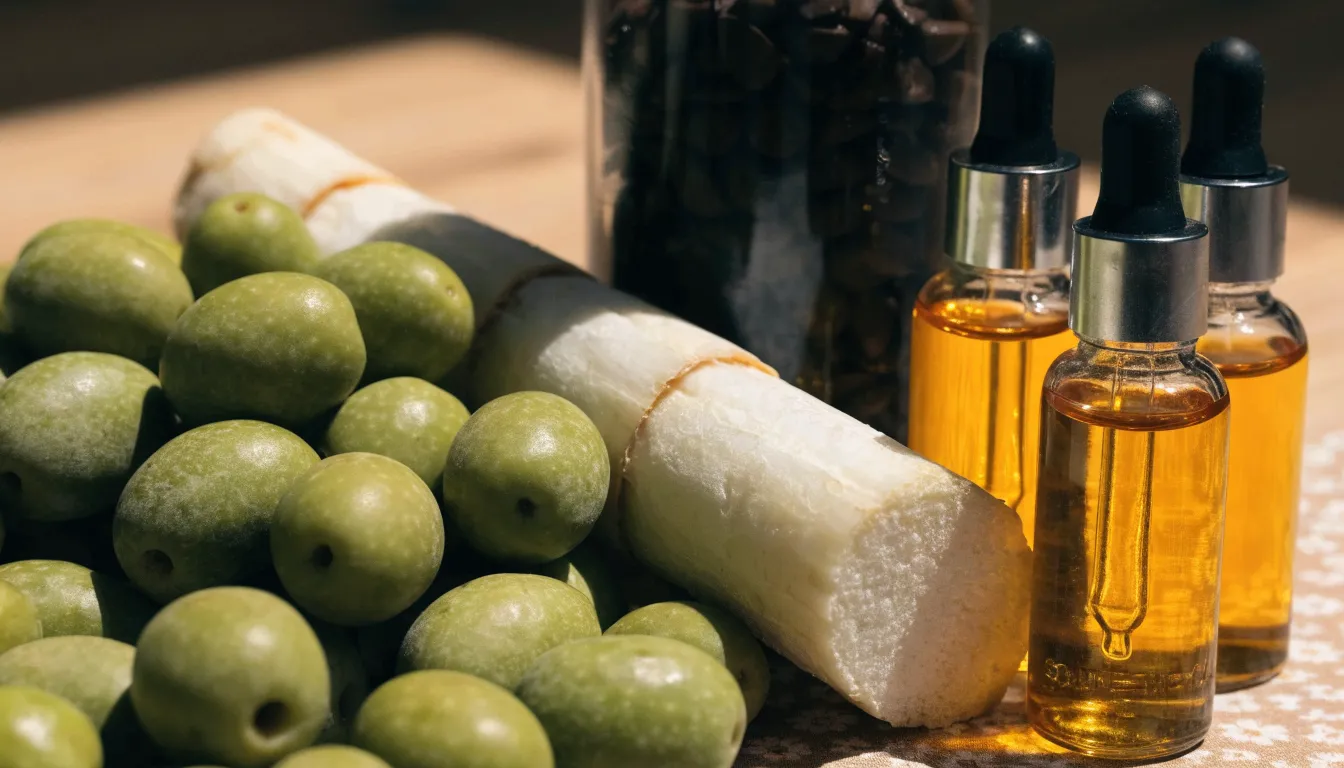
Both sources are eco-friendly and don’t put strain on marine ecosystems. They offer a renewable supply of squalane that deeply moisturizes and softens the skin. Consumers can enjoy these benefits knowing the ingredient comes from responsible, ethical manufacturing. Plant-based squalane is truly powering modern skincare.
Deep Hydration Power
Squalane oil is excellent for deep hydration and plays a key role in keeping skin moist day to day. It works as an emollient by filling in the tiny gaps between skin cells on the surface, smoothing the skin and forming a protective but breathable barrier. This helps prevent transepidermal water loss, which is a major cause of dryness and dehydration.
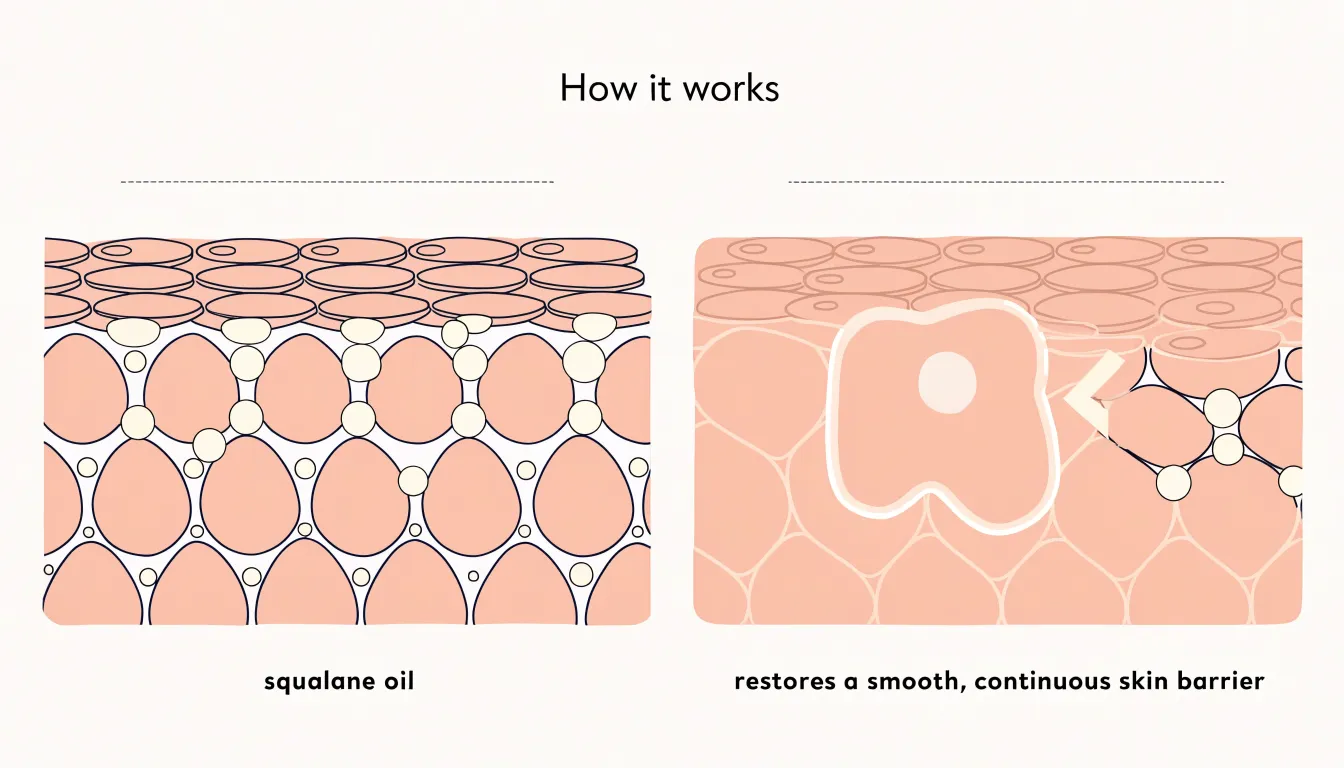
Squalane is also very compatible with skin because the body naturally makes squalene, a lipid that converts into squalane. This means the oil can blend into skin easily and strengthen its natural moisture barrier, rather than just sitting on top of it. It works with the skin’s own biology to lock in hydration and keep the surface healthy.
Unlike heavier oils, squalane has a lightweight molecular structure that absorbs quickly and effortlessly. It leaves no greasy, sticky, or heavy residue, so it feels comfortable for daily use, even under makeup or at night. Because it penetrates deeply, it keeps moisture sealed in throughout the day, supporting softness, elasticity, and an overall smooth, well-hydrated complexion.
Skin Barrier Support
Squalane oil helps strengthen the skin’s natural barrier by acting like the skin’s own lipids. It sinks into the skin and reinforces the moisture barrier, which keeps skin healthy and protected from daily stressors that can cause dryness, irritation, and early aging.
It also forms a breathable layer that blocks pollution and free radicals from getting in, reducing irritation and damage. At the same time, it shields skin from wind and locks in moisture, preventing water loss so skin stays soft and comfortable even in harsh conditions.
For screen-related blue light, squalane doesn’t block it directly. Instead, by keeping the barrier strong and skin hydrated, it helps skin stay resilient and better able to cope with and recover from stressors, supporting overall skin vitality and a more protected complexion.
Non Comedogenic Care
Squalane oil is a great option for people worried about clogged pores and breakouts, because it is non-comedogenic. That means it has been tested and shown not to block pores. This matters a lot for acne-prone or congested skin. Many traditional moisturizers and oils can make breakouts worse by forming a heavy layer that traps dead skin cells and sebum inside pores, which leads to comedones and pimples.
.
Squalane works differently. Its structure is very similar to squalene, a natural oil that our skin produces. Because of this, it blends easily with the skin’s own barrier and provides deep hydration without clogging pores or interfering with natural exfoliation. It sinks in quickly, leaves no heavy residue, and is lightweight yet stable. Instead of creating a blemish-friendly environment,, it supports overall skin health.
Choosing a moisturizer or oil with a zero-comedogenic rating helps keep skin clear, and squalane gives you that confidence. It is safe and gentle, even for sensitive or breakout-prone skin. It provides essential moisture, helps balance oil production over time, and supports a healthy skin barrier—all without causing new congestion or breakouts. Its mild effectiveness makes it easy to use consistently for healthy, comfortable hydration.
Anti Aging Perks
Squalane oil helps reduce visible signs of aging, like fine lines, while keeping skin looking plump. Because its structure is similar to the skin’s natural oils, it works as a gentle emollient that boosts surface hydration. It forms a light, breathable layer on the skin, which limits water loss and locks in moisture. When skin cells stay well-hydrated, they appear firmer and smoother, making fine lines and tiny wrinkles less noticeable. With regular use, skin feels softer and looks more refined.
The lasting moisture from squalane also improves skin elasticity. Well-hydrated skin becomes more supple and resilient, so it can stretch and bounce back more easily. This flexibility helps prevent new lines from forming, especially those caused by facial movements or sun and environmental stress. Regular application keeps skin soft and pliable, fighting the dryness and tightness that often come with aging. It also supports the skin’s natural repair process, helping it resist daily damage that can speed up aging.
As a result, squalane oil promotes a smoother, firmer, and more vibrant complexion. It visibly reduces the common signs of aging and supports a more youthful look overall.
Soothing Sensitive Skin
Squalane oil is a gentle but effective remedy for sensitive, reactive skin. Its anti-inflammatory properties help calm redness, discomfort, and flare-ups while restoring balance to the complexion, making it especially helpful for chronic skin conditions and general irritation.
For eczema, squalane strengthens the skin’s natural barrier, reducing moisture loss and defending against irritants. It also directly eases the redness and itching of flare-ups, bringing soothing relief without further aggravation. Regular use may make flare-ups less frequent and less severe.
For rosacea, squalane reduces visible inflammation, evens out skin tone, and calms warmth and discomfort. Because it is non-comedogenic, it won’t clog pores or worsen sensitivity. Overall, squalane deeply moisturizes and supports the skin’s healing, building a stronger barrier that resists everyday stressors.
Oil Control Balance
Squalane oil helps balance the skin’s natural oil production, especially for oily or uneven complexions. Because its structure is very similar to the skin’s own sebum, it is easily absorbed without clogging pores. Unlike heavier oils, it works with the skin instead of weighing it down.
By mimicking the skin’s natural oils, squalane sends a signal that enough oil is already present. This gently tells overactive sebaceous glands to slow down, reducing excess shine and greasiness throughout the day. It is especially helpful for combination skin, since it helps bring drier and oilier areas into balance.
With regular use, squalane can help retrain oily skin to produce a healthier amount of sebum. It provides steady hydration without stripping the skin, avoiding the rebound oil surge caused by harsh products. Lightweight and non-greasy, it keeps pores clear while supporting a balanced, hydrated, and calmer complexion.
Daily Application Guide
Adding squalane oil to your daily skincare routine is simple and helps keep your skin hydrated. The main thing is applying products in the right order: start with light, water-based products first, then use oil later. Cleanse your face well, and after cleansing, apply water-based serums like hyaluronic acid or vitamin C. Let these absorb until they feel mostly dry.
Next, squalane comes in. Put two or three drops in your palm, rub your hands together to warm the oil, then gently press and pat it onto your face and neck. This creates a soft protective layer that locks in the hydration from your earlier steps.
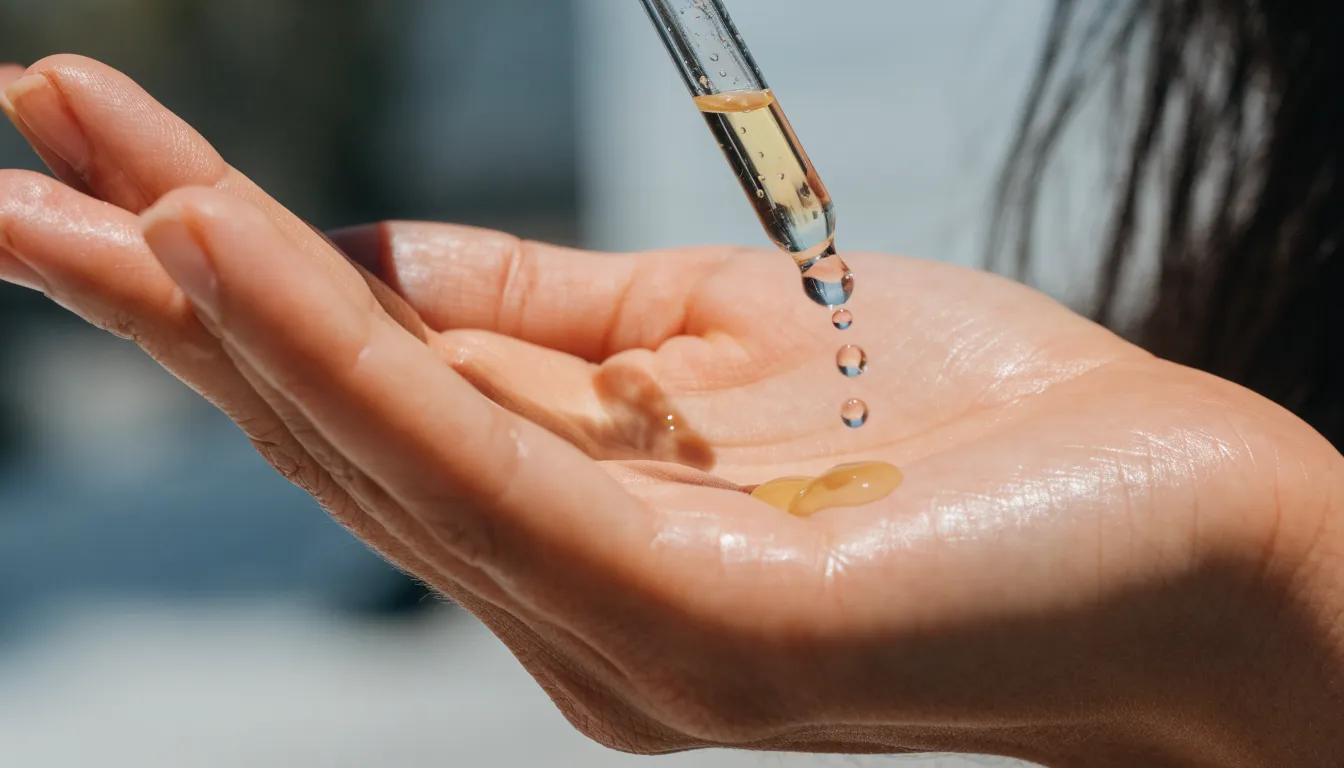
For the final moisturizer, you have two options: apply it directly over the squalane, or mix a drop or two of squalane into your moisturizer and then apply. Both work well. Mixing gives an even spread and boosts the cream’s moisturizing power. Either way, your skin feels soft, nourished, and protected all day.
Hair Care Essentials
Squalane oil is a great fix for dry, dull, or damaged hair. Its structure is similar to the natural oils in our skin and hair, so it can soak in deeply without feeling heavy or greasy. It helps restore moisture and brings back life to parched strands, replacing oils lost to heat styling or the environment. This leaves hair healthier and more resilient from the very first use.
For split ends, squalane works as a helpful temporary seal. Just rub a tiny drop or two onto the very ends of your hair. It smooths the rough, frayed cuticles and makes the hair look neater and more polished until your next haircut. The oil also forms a light protective barrier that guards against dryness and further breakage from environmental stress.
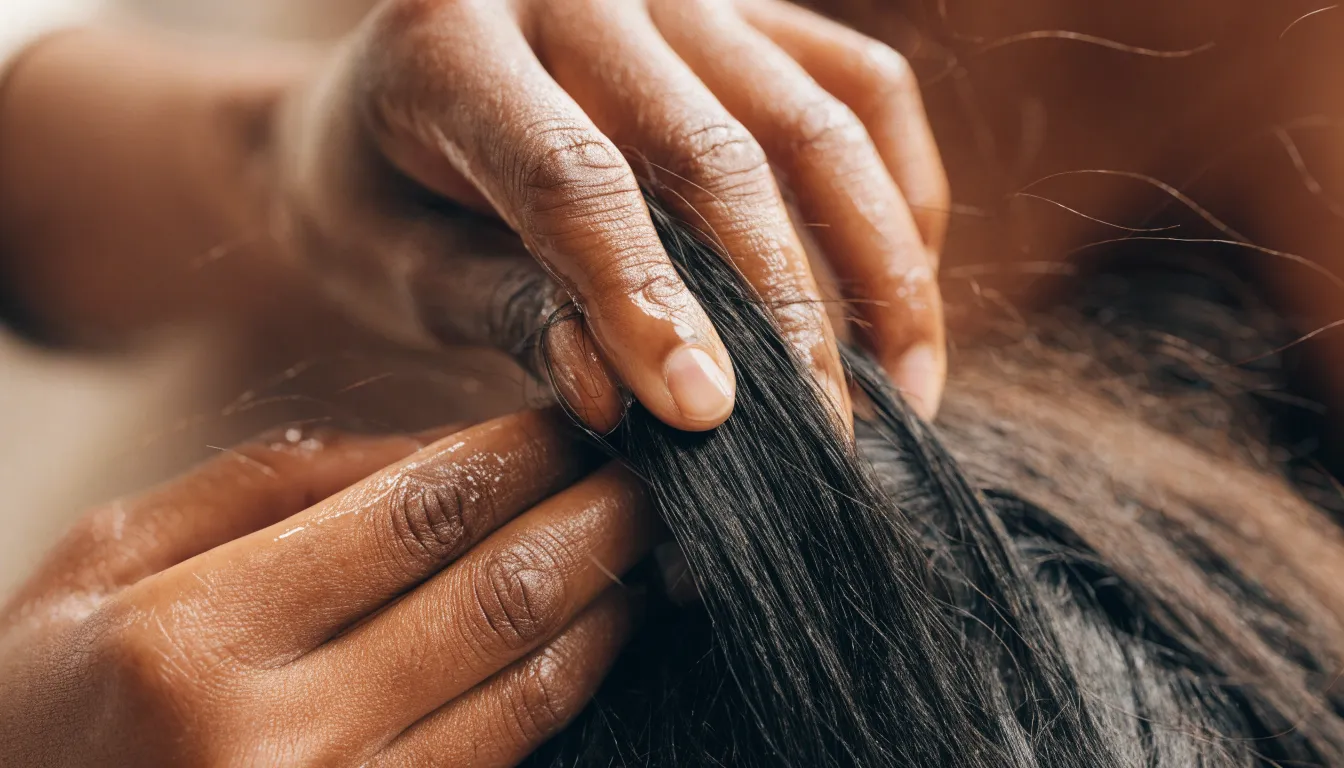
It’s also excellent for taming frizz and boosting shine. Because squalane is lightweight, it smooths down lifted cuticles without weighing hair down. A small amount warmed between your palms and run over the mid-lengths and ends can reduce flyaways and give a sleek finish. It adds a natural, reflective glow to the hair, leaving it looking vibrant, soft, and manageable — without any greasy buildup.
Heat Damage Protection
Squalane oil helps protect hair from heat styling. When you use hot tools like blow dryers, straighteners, or curling irons, the heat can lift the hair’s outer cuticle and let moisture escape. This leads to dryness, brittleness, rough texture, breakage, dullness, and frizz. Squalane offers a simple, proactive defense against this kind of damage.
Applying a small amount before styling creates a thin, invisible barrier around each hair strand. This lightweight, non-greasy shield reduces the direct impact of heat and helps lock in the hair’s natural moisture. By keeping hydration from evaporating under high temperatures, squalane helps maintain the hair’s healthy moisture balance.
With this protective barrier, hair stays soft, elastic, and resilient, even with regular heat styling. It helps prevent split ends, excess porosity, and straw-like texture, while leaving hair smoother, shinier, and less frizzy. Because squalane is lightweight and non-comedogenic, it won’t weigh hair down or leave residue, making it a great pre-styling treatment for many hair types.
Body Care Uses
Squalane oil is great for softening delicate areas like cuticles. It hydrates and smooths the skin around the nails, preventing dry, brittle appearance. Because it is lightweight and absorbs quickly, it leaves no greasy residue and fits easily into daily hand care.
It is also highly effective on rough elbows, which often suffer from friction and low oil production. Squalane delivers concentrated moisture, helps repair the skin barrier, and improves texture over time, turning rough, calloused elbows into softer, smoother skin.
For dry, flaky patches on the body—especially legs and arms in cold or dry weather—squalane deeply moisturizes by mimicking the skin’s natural oils. It restores elasticity, locks in hydration, and reduces uneven, scaly skin, leaving a smoother, more radiant look. Its gentle nature makes it suitable for sensitive skin, supporting overall softness and comfort.
Mixing With Essential Oils
Squalane oil works well as a non-comedogenic carrier for essential oil blends, meaning it won’t clog pores. Its lightweight texture helps deliver essential oils into the skin while also providing deep moisture, so you get the benefits of both without a greasy feel. This makes it a great base for custom skin and wellness remedies.
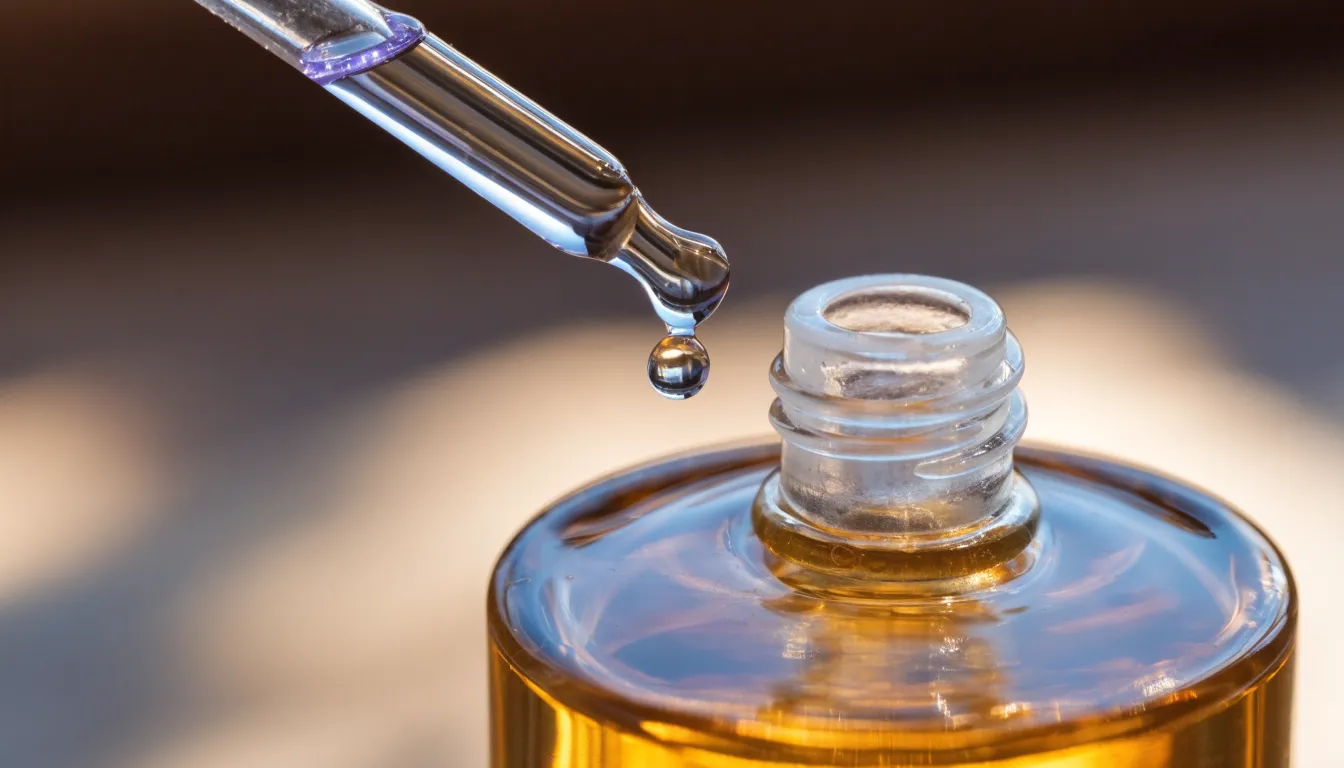
Proper dilution is key when mixing essential oils with squalane. Essential oils are very concentrated and should never be applied directly to the skin. For adults, a typical dilution is 1–3%, which equals about 6 to 18 drops of essential oil per ounce (30 ml) of squalane. For the face or sensitive skin, a lower dilution of 0.5–1%—about 3 to 6 drops per ounce—is usually safer.
For example, lavender essential oil mixed with squalane makes a soothing evening face serum or massage oil. Frankincense can be blended with squalane to support skin health and help reduce the look of blemishes or fine lines. Always do a patch test on your inner forearm and wait 24 hours before using a new blend. Use high-quality, pure essential oils, keep them away from eyes and mucous membranes, and check with a healthcare professional or aromatherapist if you are Use high-quality, pure essential oils, keep them away from eyes and mucous membranes, and check with a healthcare professional or aromatherapist if you are pregnant, nursing, or managing health conditions.
Frequently Asked Questions
What is squalane oil used for in skincare?
Squalane is a lightweight, stable oil that acts as an effective moisturizer, strengthening the skin’s barrier and keeping it soft and supple. It is recognized and absorbed quickly by the skin, providing deep hydration without clogging pores.
Is squalane beneficial for acne-prone or oily skin?
Yes, squalane oil is non-comedogenic, meaning it does not block pores, which is crucial for acne-prone skin. It also helps balance the skin’s natural oil production by mimicking sebum, gently signaling overactive sebaceous glands to reduce excess shine.
What is the key difference between squalane and squalene?
Squalene is a natural, unstable lipid with double bonds that oxidize quickly when exposed to air or light. Squalane is created by hydrogenating squalene, converting these bonds into stable single ones, making it resistant to oxidation and suitable for cosmetic use.
How should I apply squalane oil to my face?
After cleansing and applying water-based serums, warm two or three drops of squalane in your palms, then gently press and pat it onto your face and neck. You can apply your final moisturizer directly over it or mix a drop or two of squalane into your moisturizer first.
Can squalane oil help protect hair from heat styling?
Yes, applying a small amount of squalane oil before styling creates a thin, invisible barrier around each hair strand. This shield reduces the direct impact of heat and helps lock in the hair’s natural moisture, preventing dryness, brittleness, and breakage.
What precautions should I take when mixing squalane with essential oils?
Proper dilution is key; essential oils should be diluted to 1-3% for adults or 0.5-1% for sensitive skin. Always do a patch test, keep oils away from eyes and mucous membranes, and consult a healthcare professional if pregnant, nursing, or managing health conditions.