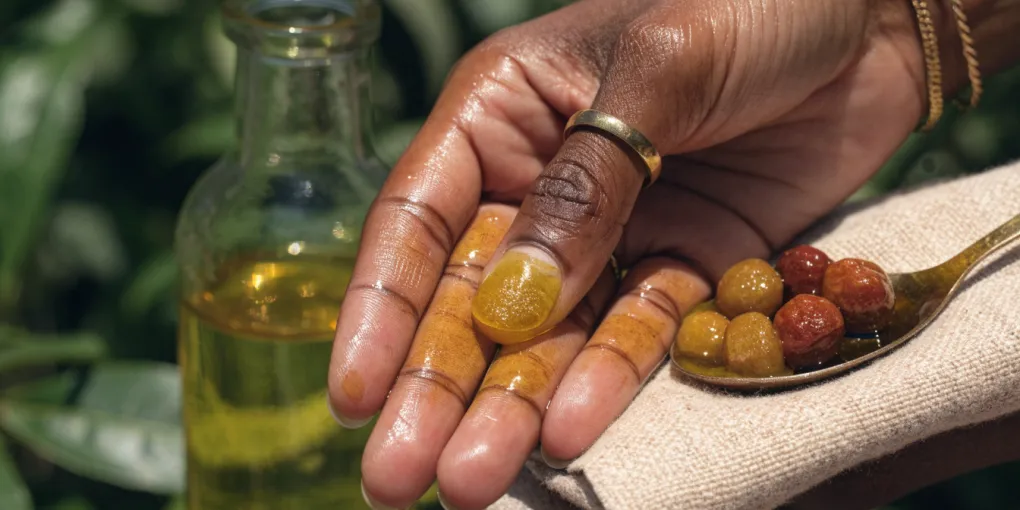
Tamanu oil is a potent, greenish-yellow oil extracted from the nuts of the tropical Ati tree. Valued for centuries by Polynesian communities, it’s produced by cold-pressing sun-dried nuts. Rich in unique compounds like calophyllolide, essential fatty acids, and antioxidants, tamanu oil offers anti-inflammatory, antibacterial, and moisturizing properties, making it beneficial for skin healing, acne, sun damage, and overall skin and hair health.
Table of Contents
Polynesian Roots
Tamanu oil comes from the nuts of the Ati tree, known scientifically as Calophyllum inophyllum, which grows in the tropical Pacific Islands. For centuries, Polynesian communities have valued this tree as an important source of natural healing, carefully harvesting its nuts and passing down that knowledge through generations.
To make the oil, the nuts were left to dry and cure for several weeks, changing from light to reddish-brown. This step was essential for developing the oil’s strength. The cured nuts were then cold-pressed, a gentle method that preserved the beneficial compounds and produced a rich, greenish-yellow oil.

Polynesian healers used the oil widely to calm skin problems like rashes, insect bites, and irritation. It was also a trusted remedy for minor cuts, scrapes, and burns, helping wounds heal faster and supporting tissue repair while reducing scarring. Because of these benefits, Tamanu oil became a sacred and essential part of Polynesian tradition, with its uses taught orally from elders to younger generations.
Cold Pressed Magic
Tamanu oil’s power comes from how it is made. First, ripe nuts are picked and sun-dried for weeks. This slow, natural drying helps them develop their oil and deep color, with no chemicals or artificial heat.
Next, the dried nuts are cold-pressed. This uses only mechanical pressure, not heat or solvents. The low temperature is key—it keeps the oil’s fatty acids, antioxidants, and healing compounds fully intact.
This careful two-step process creates pure, active tamanu oil that keeps its natural healing power. The result is a potent, unadulterated oil ready to deliver its full benefits.
Rich Nutrients Unlocked
Tamanu oil’s main strength comes from a unique compound called calophyllolide, found only in this oil. It works as an anti-inflammatory, calming irritated skin and supporting the body’s natural healing process. This makes it helpful for repairing damaged tissue and encouraging healthy skin renewal.
The oil is also rich in essential fatty acids, especially oleic and linoleic acids. These are important building blocks for skin cell membranes and help maintain the skin’s natural barrier. A strong barrier locks in moisture, keeps the skin soft and hydrated, and makes it better able to resist environmental stress and bacterial overgrowth.
Finally, Tamanu oil contains powerful antioxidants that neutralize free radicals, protecting skin cells from damage that can cause premature aging. By preserving collagen and elastin, it supports firmness and a youthful look. Together, these actions help the skin fight off microbes, recover faster, and stay resilient overall.
Acne Warrior
Tamanu oil is a strong ally against acne because it fights the bacteria that cause breakouts, especially Propionibacterium acnes. For other natural solutions, Tea Tree essential oil also offers significant benefits for acne and skin impurities. By making the skin less welcoming to these germs, it helps stop new blemishes from forming and keeps existing ones from getting worse.
It also works to calm redness, swelling, and irritation linked to active acne. This anti-inflammatory action soothes troubled skin and reduces the visible signs of breakouts, offering relief while the oil targets bacteria at the same time.
In the long run, tamanu oil supports skin healing and tissue renewal. This can help fade post-acne marks and scars, smooth out skin texture, and create a more even tone. Regular use not only treats current breakouts but also helps clear pores and repair the skin’s appearance over time.

Deep Moisture Boost
Tamanu oil delivers a powerful deep moisture boost for dry, flaky skin. Its unique blend of fatty acids and beneficial compounds lets it sink far below the surface, unlike many moisturizers that just sit on top.
Dry skin usually means the skin barrier is weakened. Tamanu oil works from within to repair this barrier, blending with the skin’s natural lipids and rebuilding the protective layer that keeps moisture in and irritants out.
Once the barrier is strengthened, the skin holds onto hydration much longer and prevents water loss. With regular use, dryness and flakiness ease, leaving skin smooth, supple, and deeply nourished.
Sun Damage Repair
Tamanu oil helps repair skin damaged by sun and harsh weather. It is rich in antioxidants that fight free radicals caused by UV rays, which can harm cells and speed up aging. By neutralizing these molecules, the oil supports the skin’s natural healing process, helping healthy cells regenerate and strengthening the skin barrier so it can recover its vitality. For another powerful oil known for skin regeneration, consider exploring the benefits of Frankincense essential oil.
The oil is also effective at calming inflammation from sun exposure. Sun can leave skin red, hot, and irritated, but tamanu oil’s anti-inflammatory properties help reduce this discomfort. Because it absorbs deeply into the skin, the soothing compounds work right where they are needed, easing visible redness and making the skin feel more comfortable.
For sunburned skin, tamanu oil provides quick relief by cooling and reducing tenderness. It also hydrates damaged skin, preventing excessive dryness and supporting smoother healing. With its combined actions of protection, repair, calming, and moisturizing, tamanu oil is a valuable natural remedy for helping skin recover from sun exposure and feel calmer and healthier.
Scalp Health Revival
Tamanu oil helps revive scalp health by targeting dandruff and dry roots. Its natural antifungal properties work against the yeast overgrowth that causes flaking and irritation, helping to rebalance the scalp’s microbiome. This creates a healthier scalp environment and reduces the visible signs and discomfort of dandruff.
The oil also soothes itchiness and calms inflamed areas, offering relief from persistent scratching. By breaking the irritation cycle, it allows the scalp to heal more easily and reduces further damage to the skin.
In addition, tamanu oil deeply nourishes dry hair follicles and roots. It delivers essential fatty acids and antioxidants that strengthen hair from the base, improve moisture retention, and boost overall vitality. With regular use, it can turn a dry, flaky, itchy scalp into one that feels hydrated, balanced, and supportive of healthy hair growth. For another natural aid in improving hair and scalp vitality, learn more about Rosemary essential oil benefits and uses.
Hair Shine Enhancer
Tamanu oil boosts hair shine by repairing dull, damaged hair. Its rich, emollient nature helps with brittleness and lack of luster. Applied sparingly to the most vulnerable parts, especially the ends, it penetrates and seals the hair shafts. This smooths the outer cuticle, and a smoother cuticle reflects light better, restoring natural shine and making hair look healthier.

The sealing action also protects hair. Brittle ends are weak and prone to splitting, but Tamanu oil forms a barrier around each strand, especially the tips. This shields hair from environmental stress, heat styling, and daily wear and tear. As a result, hair becomes stronger and less likely to break, and regular use helps reduce new split ends while improving overall hair integrity.
Restoring shine and preventing split ends are connected benefits of the same smoothing, strengthening effect. A few drops focused on brittle ends allow the hair to absorb nourishing compounds, transforming damaged strands into strong, radiant hair. The result is noticeably better texture, a healthier look, and a brilliant natural shine.
Minor Cut Care
Tamanu oil is very helpful for minor cuts and scrapes. It speeds up the natural healing process and works as a useful natural remedy for everyday skin injuries. One of its main jobs is to boost collagen production, which is a key protein that gives skin structure and elasticity. By helping the skin make more collagen, tamanu oil supports tissue repair and helps superficial wounds close and regenerate more quickly.
Tamanu oil also forms a light, protective layer over a scrape or cut. This barrier helps keep dirt and germs out, which lowers the risk of infection. The oil’s natural antimicrobial properties make it even harder for bacteria to grow in the wound. This protection is important because infections can slow healing and cause more problems.
Using tamanu oil regularly on clean minor cuts also keeps the wound moist, which supports better healing and may reduce scarring. By combining faster tissue repair with infection protection, tamanu oil is an excellent option for helping minor skin injuries recover more quickly.
Eczema Relief Guide
Tamanu oil brings real relief during eczema flare-ups. Its main strength is a strong anti-inflammatory action that calms the irritated skin beneath the surface. By reducing inflammation, it helps ease the intense itching and redness that eczema causes. This is important because scratching can damage the skin further and make the problem worse. When the oil quiets those overactive immune signals, the urge to scratch fades, giving the skin a chance to settle down and begin healing without constant disruption.
Tamanu oil also helps restore the skin barrier, which is a key issue in eczema. A healthy skin barrier keeps moisture in and irritants out, but during a flare-up it becomes weak and leaky. Tamanu oil contains fatty acids and other beneficial compounds that work together to repair this damaged barrier. It helps rebuild the skin’s natural protective lipid layer, so the skin can hold onto moisture and better resist outside triggers.
By combining these two actions—calming inflammation and repairing the barrier—Tamanu oil not only soothes current discomfort but also supports healthier, more resilient skin over time. This can reduce how often flare-ups happen and how severe they feel, making daily life more comfortable for eczema-prone skin.
Scent and Texture
Tamanu oil has a strong, rich aroma with a distinctly nutty scent and subtle earthy undertones. Its robust smell is not delicate or fleeting, and it feels comforting and authentic—a clear sign that the oil is pure and unprocessed, directly linked to its natural botanical origins.
The oil’s texture is equally distinct, being noticeably thick and heavy compared to lighter carrier oils. Its deep, striking green color visually signals the high concentration of beneficial compounds it holds, making it feel rich and nutrient-dense right away.
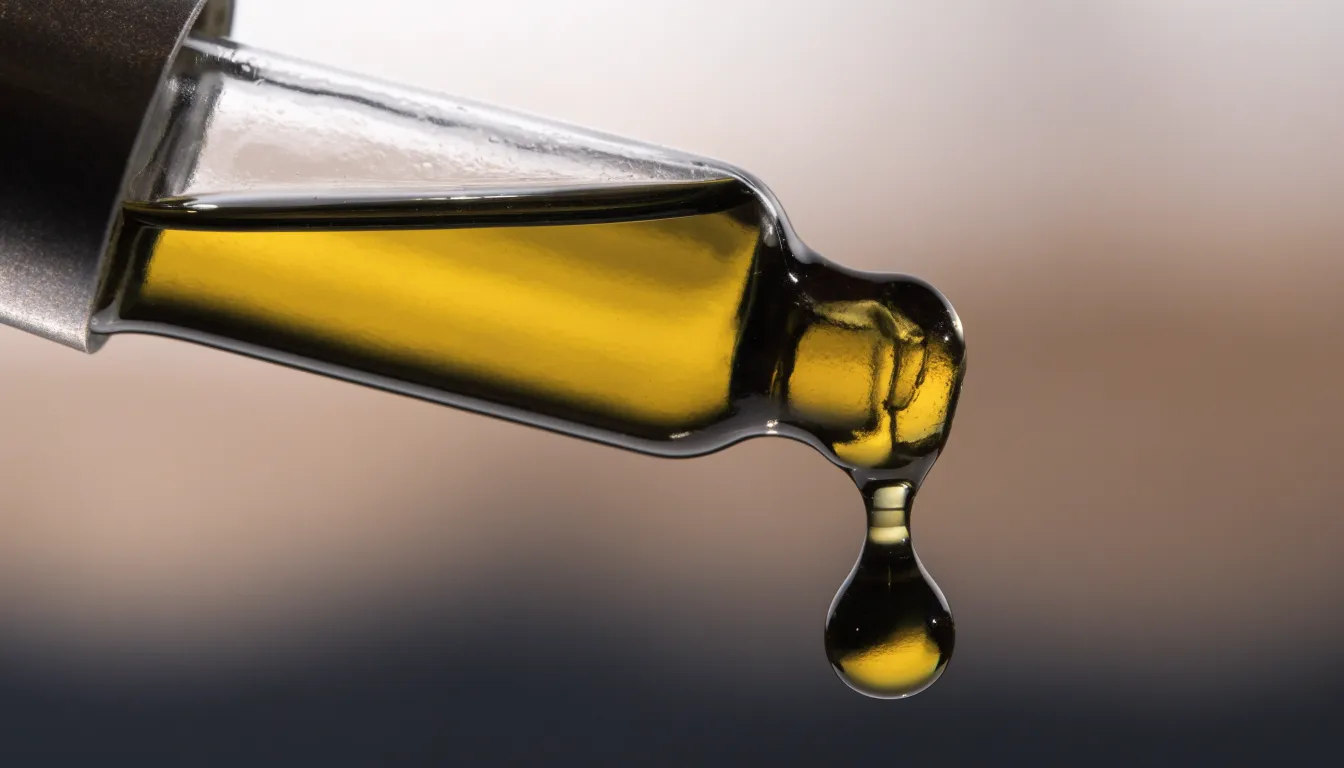
Despite its thickness, tamanu oil absorbs surprisingly well. It glides on smoothly, melts into the skin’s natural oils, and spreads evenly without sitting heavy on the surface. This leaves the skin feeling nourished and hydrated, settling into a soft, supple finish without any overly greasy residue.
Safe Application Tips
Before using tamanu oil in your regular routine, a patch test is essential. It helps make sure the oil works well with your skin and can reveal any sensitivities or allergies, especially for people with nut allergies. To learn more about proper testing methods for any new product, explore how to patch test essential oils properly.
To patch test, choose a small, sensitive area like your inner forearm. The skin there is thinner and more reactive, so it gives a clear idea of how your skin might respond. Apply just a single drop of tamanu oil to that spot, rub it in gently, and leave it alone for 24 to 48 hours. During that time, watch for any redness, itching, swelling, stinging, or other signs of irritation.

If you notice any negative reaction, wash the area with mild soap and water right away and stop using the oil. That means your skin is sensitive to it. But if no reaction appears after 48 hours, it’s generally safe to use tamanu oil more freely. This careful approach helps confirm your skin’s tolerance and gives you confidence in adding the oil to your daily care.
Mixing and Blending
Tamanu oil is a great base for making your own skincare products. It blends easily with essential oils and helps boost their benefits. For further guidance on combining oils effectively, consider a beginner’s guide to blending essential oils.
Because it is rich and nourishing, tamanu works well as a carrier oil. To explore other options and understand their properties, see our list of top choices. It helps deliver the active properties of essential oils into the skin more effectively.
By mixing tamanu with the right essential oils, you can create personalized formulas for specific skin concerns. This simple blending method supports targeted care and improves overall skin health.
Daily Routine Integration
For morning use, apply Tamanu oil after your light serums and moisturizers but before sunscreen. Press a small amount onto blemishes or areas of redness to help focus its soothing benefits. If you are short on time, it’s perfectly fine to skip the morning application and save it for your evening routine.
At night, Tamanu oil works best as the final, sealing layer. After cleansing and applying your usual serums and creams, warm a few drops between your fingertips and massage them over your face and neck. This locks in moisture and the active ingredients from previous steps, creating a protective barrier that supports overnight skin repair and regeneration.
You can also use Tamanu oil as a precise spot treatment for individual blemishes, minor irritations, or dry patches. For more ways to incorporate beneficial oils into your life, discover a practical guide to using essential oils daily. A tiny dab applied directly to the affected area works well in both the morning and evening. Using it consistently, whether as a full-face seal or a targeted patch, helps the oil work with your skin’s natural processes to build overall health and resilience over time.
Frequently Asked Questions
What is Tamanu oil and where does it originate from?
Tamanu oil comes from the nuts of the Ati tree, known scientifically as Calophyllum inophyllum, which grows in the tropical Pacific Islands. Polynesian communities have valued this tree as an important source of natural healing for centuries.
How is Tamanu oil produced?
To make Tamanu oil, ripe nuts are first sun-dried for several weeks, which helps them develop their oil and deep color. The dried nuts are then cold-pressed using only mechanical pressure, a gentle method that preserves the oil’s beneficial compounds, fatty acids, and antioxidants.
What are the main benefits of Tamanu oil for skin?
Tamanu oil’s strength comes from calophyllolide, which works as an anti-inflammatory to calm irritated skin and support natural healing. It is also rich in essential fatty acids that maintain the skin’s natural barrier and powerful antioxidants that protect skin cells from damage.
Can Tamanu oil help reduce acne?
Yes, Tamanu oil is a strong ally against acne because it fights the bacteria that cause breakouts, especially Propionibacterium acnes. It also works to calm redness, swelling, and irritation linked to active acne, while supporting skin healing to fade post-acne marks and smooth skin texture.
How should I incorporate Tamanu oil into my daily skincare routine?
For morning use, apply Tamanu oil after your light serums and moisturizers but before sunscreen, pressing a small amount onto blemishes or red areas. At night, it works best as the final, sealing layer after cleansing and applying your usual serums and creams, massaging a few drops over your face and neck.
Are there any precautions I should take before using Tamanu oil?
Before using Tamanu oil, a patch test is essential to reveal any sensitivities or allergies, especially for people with nut allergies. Apply a single drop to a small, sensitive area like your inner forearm, and observe for any redness, itching, or irritation over 24 to 48 hours, stopping use if a negative reaction occurs.