
Thyme essential oil, extracted from the herb Thymus vulgaris, is a potent concentrate revered since ancient times for its diverse therapeutic properties. Rich in thymol and carvacrol, it offers strong antibacterial, antifungal, and antioxidant benefits, supporting respiratory health, clearing skin, soothing pain, promoting hair growth, Rich in thymol and carvacrol, it offers strong antibacterial, antifungal, and antioxidant benefits, supporting respiratory health, clearing skin, soothing pain, promoting hair growth, enhancing mood, and aiding oral and digestive health.
Table of Contents
- Meet Thyme Essential Oil
- Chemical Profile Simplified
- Respiratory Support Boost
- Thyme Oil and Immunity: What the Evidence Shows
- Clear Skin Solutions
- Pain and Sore Muscles
- Natural Hair Care
- Stress and Mood Enhancement
- Natural Home Cleaning
- Oral Health Boost
- Digestive Ease
- Topical Application Guide
- Aromatherapy Diffusion Tips
- DIY Beauty Recipes
Meet Thyme Essential Oil
Thyme essential oil is a concentrated extract from the common herb, with a long history dating back to ancient civilizations. In Egypt, it was valued for its strong antimicrobial properties and used in rituals for purification and preservation. It played an important role in embalming, helping protect bodies and support the journey to the afterlife.
The ancient Greeks also prized thyme. They saw it as a symbol of bravery and strength, and soldiers would bathe in thyme-infused water before battle for courage and energy. Thyme was also burned as incense in temples and homes, helping purify the air and create a fresh, uplifting atmosphere.
The Romans continued these traditions, adding thyme to their public bath rituals for its cleansing and invigorating effects. They, too, linked thyme to courage, especially among their legions. From Egypt to Rome, thyme proved itself as a trusted herbal powerhouse, laying the groundwork for its lasting use as a beneficial essential oil.
Chemical Profile Simplified
Thyme essential oil works mainly because of its rich chemical makeup, especially two key active compounds: thymol and carvacrol. These natural components are the main drivers behind the oil’s strong antibacterial, antifungal, and antioxidant effects. Knowing how they work helps explain why thyme oil is so valued.
Thymol, often the most abundant ingredient, is a phenolic compound with strong antiseptic power. It works by breaking down the cell membranes of microbes, causing their contents to leak out and leaving bacteria or fungi inactive. This makes it effective against a wide range of germs. Carvacrol acts in a similar way, also targeting microbial membranes and disrupting their functions. Together, thymol and carvacrol often work synergistically, meaning their combined effect is stronger than either one alone.
Both compounds also act as antioxidants, helping to neutralize free radicals that can damage cells. This adds another protective layer to thyme oil, supporting overall cellular health. It’s this precise combination of thymol and carvacrol that gives thyme essential oil its powerful, multi-purpose therapeutic profile.
Respiratory Support Boost
Thyme essential oil provides strong respiratory support, especially when its active compounds are inhaled through steam or diffusion. These methods help ease breathing and reduce common respiratory discomfort. Once inhaled, thyme’s aromatic molecules reach the respiratory passages and help thin and loosen mucus, clearing congestion from the nose, throat, and bronchial tubes. A clearer airway leads to easier, less labored breathing.
Beyond clearing congestion, thyme vapor soothes irritated respiratory tissues. Its natural components help calm inflammation and reduce the spasms that cause persistent coughing. This gentle effect comforts the windpipe and lungs, lessening throat irritation and the harshness of a cough. Regular use may help manage symptoms of colds, seasonal coughs, and even bronchitis, reducing the frequency and intensity of coughing fits.
To use thyme oil, add a few drops to a bowl of steaming hot water and inhale the vapor, or To use thyme oil, add a few drops to a bowl of steaming hot water and inhale the vapor, or place it in an essential oil diffuser for small spaces to spread through a room. Both methods deliver the oil’s benefits directly to the respiratory system, supporting lung health and promoting clear, open airways.

Thyme Oil and Immunity: What the Evidence Shows
Thyme oil’s main compounds, thymol and carvacrol, are strongly antimicrobial in lab studies. That doesn’t mean thyme oil boosts your immune system: there’s no human evidence that it increases white blood cells or helps you avoid colds and flu.
Thyme oil is also one of the harsher oils. It’s a strong skin and mucous-membrane irritant, so keep it at 1% or less on skin, don’t use it on children, keep it away from cats, and never swallow it. For staying well, the basics with real evidence behind them are vaccination, handwashing, sleep, and staying home when you’re sick. If you’re ill and not improving, see a doctor.
Clear Skin Solutions
Thyme essential oil is a natural option for clearer skin, especially against acne and blemishes. Its main active compound, thymol, has strong antibacterial properties that specifically target the bacteria responsible for acne, known as Cutibacterium acnes (formerly Propionibacterium acnes). These bacteria grow inside clogged pores and cause inflammation. Unlike broader treatments, thymol works in a focused way to destroy these bacteria and break up the colonies that lead to pimples and cysts.
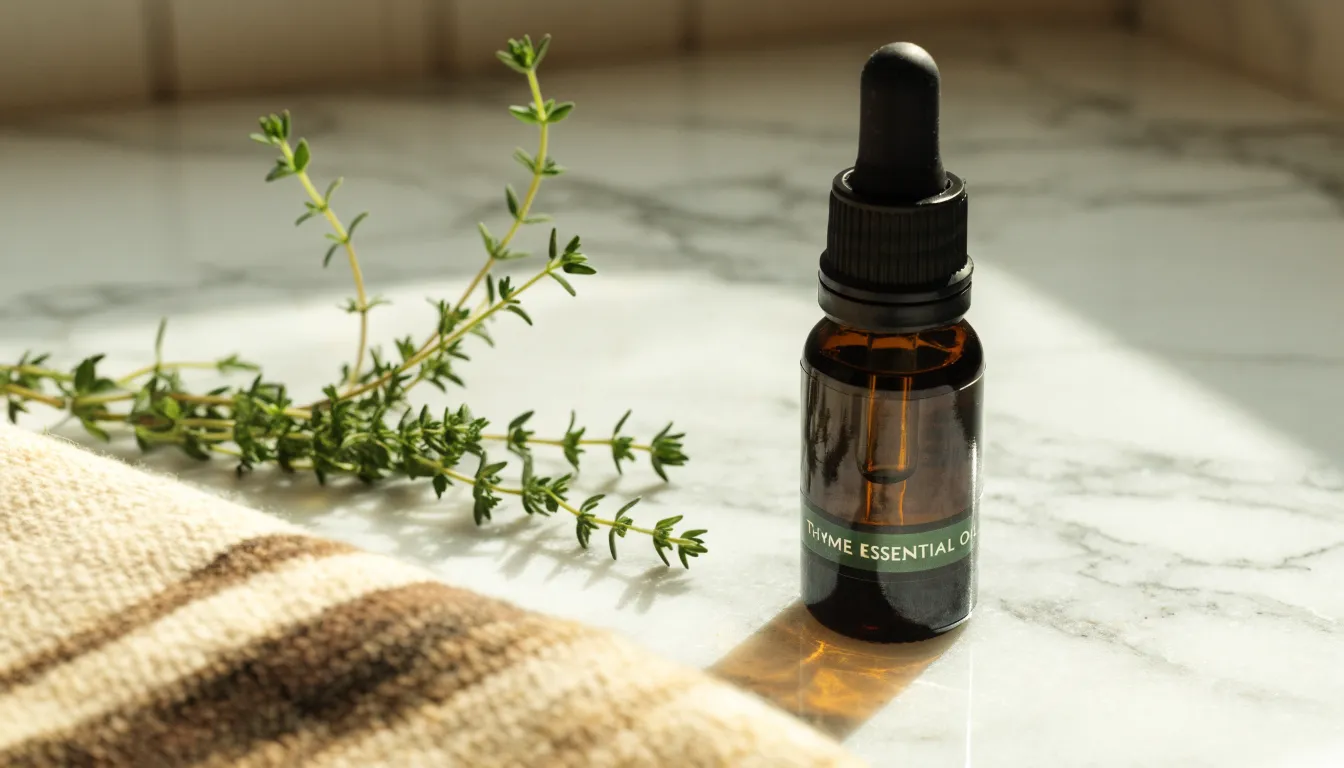
Beyond fighting bacteria, thymol also helps soothe inflamed skin. It calms the redness and swelling around breakouts, which helps existing blemishes heal faster. Reducing this inflammation also helps stop new pimples from forming in the first place.
When diluted and applied regularly, thyme essential oil can noticeably reduce how often and how severely breakouts occur. It supports a clearer, calmer complexion without the harshness of many synthetic acne treatments.
Pain and Sore Muscles
Thyme essential oil is a natural option for easing everyday pain and soothing sore muscles after a demanding day. Its antispasmodic properties help relax tense or contracting muscle fibers, reducing stiffness and discomfort caused by overexertion. Applied topically, it can soften tight knots in the shoulders and lessen the ache in tired legs.
The oil also has warming effects that support pain relief. When diluted and massaged into the skin, it boosts localized blood flow to the affected area. This improved circulation brings nutrients to muscle tissues and helps remove waste products that build up during activity and contribute to soreness.
Together, muscle relaxation and enhanced circulation make diluted thyme oil useful for discomfort in the back, legs, and arms, turning a massage into a therapeutic treatment. It may also ease joint aches, general stiffness, and menstrual cramps when gently massaged on the abdomen. Always dilute thyme essential oil with a carrier oil before applying it to the skin for safety and best results.
Natural Hair Care
Thyme essential oil supports natural hair care by promoting growth and soothing scalp irritation. When diluted and applied to the scalp, it helps stimulate blood circulation, increasing blood flow to the hair follicles. This improved circulation delivers more oxygen and essential nutrients to the follicles, keeping them healthy and better able to produce strong, resilient hair strands.

This better blood supply also helps prevent hair loss by keeping follicles nourished and active, reducing the chance they enter a resting phase too early. In addition, thyme oil has strong antimicrobial properties, making it effective against dandruff caused by fungal overgrowth. It helps cleanse the scalp, reduce flakiness, and relieve itching and irritation.
A clean, irritation-free scalp creates the ideal environment for hair growth. By combining better circulation, improved nutrient delivery, and a balanced scalp, thyme oil supports stronger, thicker hair. With regular, proper use of diluted thyme essential oil, hair density and overall scalp health can noticeably improve, leading to fuller, healthier-looking hair.
Stress and Mood Enhancement
Thyme essential oil supports psychological well-being by calming the mind and lifting tired or burdened spirits. When diffused, its aroma interacts with the brain’s limbic system, which governs emotions and memory. This helps shift mood away from lethargy and disinterest toward a more vibrant, positive outlook, while also promoting inner strength and renewed energy.
It also sharpens mental focus. When concentration fades or thoughts become scattered, a brief inhalation clears mental fog and restores clarity and precision. This makes it especially helpful during study, work, or tasks that require sustained attention, acting as a gentle stimulant for better engagement.
In addition, thyme essential oil helps reduce anxiety. Its calming influence soothes an overactive mind, lessens worried thoughts, and encourages a sense of peace. With regular use, it can lower everyday stress and support emotional balance and mental serenity.
Natural Home Cleaning
Thyme essential oil is a natural, plant-based way to keep your home clean. It disinfects surfaces and fights bacteria and mold without the harsh chemicals found in many store-bought cleaners. Using it helps you avoid synthetic toxins that can irritate your skin or lungs and pollute indoor air, making it a safer choice for your household.
Making a surface spray is easy: mix 15–20 drops of thyme oil with one cup of distilled water and a quarter cup of white vinegar in a spray bottle. Shake gently before each use so the oil spreads evenly. The vinegar helps cut grease, while the thyme oil kills germs. You can use it on sealed surfaces like countertops, sinks, doorknobs, and light switches, leaving a fresh herbal scent.
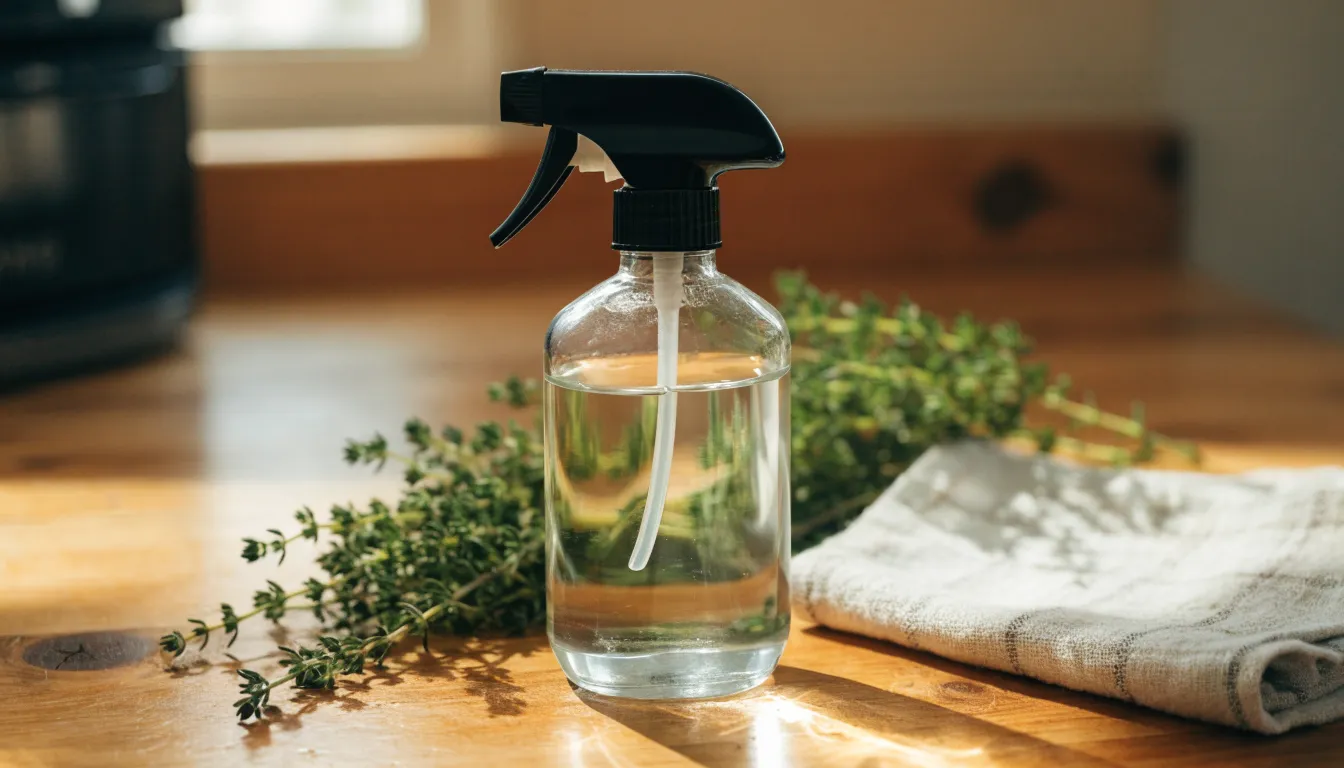
For even stronger cleaning, add a teaspoon of unscented liquid castile soap to help the oil mix better and lift dirt. Regular use of thyme oil sprays stops harmful microorganisms from growing and helps create a healthier living space. It shows that effective disinfection doesn’t need harsh chemicals—plants can provide a safe, sustainable, and efficient way to keep your home sparkling clean.
Oral Health Boost
Thyme essential oil helps keep your mouth healthy mostly because of thymol, a natural compound found in it. Thymol is a key ingredient in many natural mouthwashes. It has strong antimicrobial properties, which means it fights the bacteria that cause plaque. These bacteria build up on teeth and along the gums, releasing acids that damage enamel and irritate gum tissue. By stopping these bacteria from growing and sticking to teeth, thymol lowers the overall bacteria level and keeps the mouth cleaner.
This also protects your gums. Plaque bacteria are a main cause of gingivitis, which makes gums red, swollen, and likely to bleed. Mouthwashes with thymol reduce the bacteria that trigger this inflammation, helping to keep gums firm and healthy and preventing more serious gum problems. Thymol also fights bad breath at its source. It targets the bacteria that produce volatile sulfur compounds, the gases responsible for unpleasant odors. Instead of just covering up the smell, it neutralizes these bacteria for a longer-lasting fresh feeling.
Using products with thyme essential oil in your daily oral care routine gives your mouth a well-rounded health boost. It helps keep teeth cleaner, protects gums from inflammation, and supports consistently fresher breath.
Digestive Ease
Thyme essential oil can be a natural, soothing remedy for common digestive discomforts. When diluted and massaged onto the abdomen, it helps calm an upset stomach and supports easier digestion.
Its properties are especially helpful for bloating and gas, which often come from slow or irregular digestion. A gentle abdominal massage with diluted thyme oil can stimulate the digestive tract, helping food move through more smoothly and reducing pressure and distension.
This oil can also ease stomach spasms and cramps. Its warming, calming effects help relax the digestive muscles when absorbed through the skin, allowing the stomach and intestines to work more comfortably. Overall, thyme essential oil supports digestive balance and offers relief from gas, bloating, and cramps.
Topical Application Guide
Thyme essential oil is very potent, so when using it on your skin, dilution is the first and most important step. Mix it with a carrier oil like jojoba, almond, or fractionated coconut oil to spread it out and reduce irritation. A safe general dilution for adults is 1–3%, but because thyme is strong and high in phenols, start at about 1% or even less—especially for sensitive skin or larger body areas. That equals about 6 drops of thyme oil per ounce (30 ml) of carrier oil, or 3 drops per 15 ml.
Before trying your diluted blend on a large area, always do a patch test. Put a small amount on a small, hidden spot like your inner forearm, then wait 24 to 48 hours. If you see redness, itching, burning, or any discomfort, stop using it right away and wash the area with soap and water.
Never use undiluted thyme oil or blends that are too concentrated, since this can lead to skin sensitization over time, even if you’ve used it before without issues. This may show up as an allergic reaction or contact dermatitis. Also avoid applying thyme oil to broken or irritated skin, and keep it away from your eyes, ears, and mucous membranes. Following these safety steps will make using thyme essential oil both effective and comfortable.
Aromatherapy Diffusion Tips
Thyme essential oil has a strong, herbal scent that can make a room feel fresh and energized when used in a diffuser. Because it is very potent, you only need a little. A good starting blend is 1–2 drops of thyme oil with 3–4 drops of another oil, for 5–6 drops total. This lets thyme’s character come through without being too strong, and you can adjust the amount to suit your own preference.
Thyme pairs well with other oils that boost its effects. A beginner’s guide to blending essential oils can help you explore combinations. Lemon adds a bright, clean citrus note that balances thyme’s earthiness. Lavender brings a softer, calming floral touch for a more relaxed mood. Frankincense adds depth, rosemary gives an extra herbal lift, and bergamot offers a lighter, sweeter citrus scent. These combinations create pleasant, custom aromas for different needs.
To get the most benefit, diffuse thyme oil in short sessions. A common routine is to run the diffuser for 30 to 60 minutes, then turn it off for at least 60 to 90 minutes. This helps prevent your nose from getting used to the scent, stops the air from becoming overloaded, and lets your body process the oil properly. Following these simple guidelines lets you safely enjoy thyme oil’s refreshing and purifying effects at home or work.
DIY Beauty Recipes
Thyme essential oil is a great natural ingredient for homemade beauty products, letting you create personalized skin and hair care at home. Simple DIY recipes make it easy to add its benefits to your daily routine.
For a clarifying face serum, mix about two tablespoons of a carrier oil like jojoba or sweet almond with two to three drops of thyme essential oil in a clean dropper bottle. After cleansing, massage a few drops into your skin to support a clear, nourished complexion.
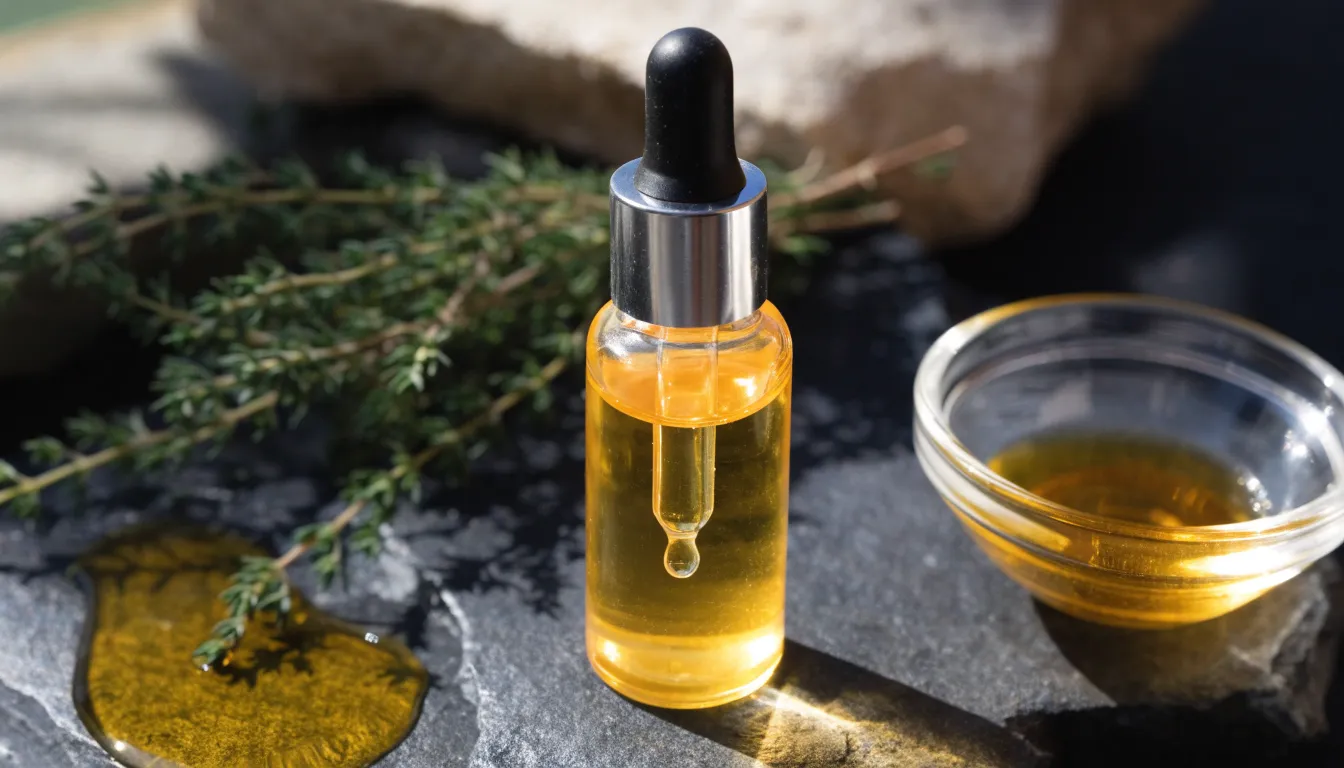
You can also make a refreshing foot scrub by combining half a cup of Epsom salts with a quarter cup of olive or coconut oil, plus four to five drops of thyme essential oil. Use it on damp feet in circular motions to soften, refresh, and smooth tired skin.
For a restorative scalp treatment, warm about three tablespoons of argan or castor oil, then stir in three to four drops of thyme essential oil. Massage it into your scalp before shampooing and leave it on for 15–20 minutes, or overnight, to support scalp health and hair vitality.
Frequently Asked Questions
What was thyme essential oil historically used for?
Historically, thyme essential oil was valued by ancient Egyptians for purification and preservation, including in embalming rituals. The ancient Greeks and Romans also used it as a symbol of bravery and strength, and for purifying air and bath rituals.
What are the main compounds that make thyme essential oil effective?
Thyme essential oil works mainly because of two key active compounds: thymol and carvacrol. These drive the oil’s strong antibacterial, antifungal, and antioxidant effects.
How can thyme essential oil help with respiratory issues?
Thyme essential oil can support respiratory health by helping to thin and loosen mucus, clearing congestion from the nose, throat, and bronchial tubes. When inhaled through steam or diffusion, it also soothes irritated respiratory tissues, calming inflammation and reducing persistent coughing.
Can thyme essential oil be used for clear skin or acne?
Yes, thyme essential oil is a natural option for clearer skin, especially against acne and blemishes. Its main active compound, thymol, specifically targets acne-causing bacteria and helps soothe inflammation and reduce redness around breakouts.
What are the important safety tips for applying thyme essential oil to the skin?
When using thyme essential oil on your skin, it is crucial to always dilute it with a carrier oil, such as jojoba or almond, starting at about 1% dilution. Always perform a patch test on a small, hidden area for 24 to 48 hours to check for any irritation before applying more widely. Never use undiluted oil, and avoid applying it to broken or irritated skin, eyes, ears, or mucous membranes.
How can I use thyme essential oil to clean my home naturally?
You can use thyme essential oil to make a natural surface spray by mixing 15–20 drops of the oil with one cup of distilled water and a quarter cup of white vinegar in a spray bottle. This blend can disinfect sealed surfaces like countertops, sinks, and doorknobs, fighting bacteria and mold.