
Wintergreen essential oil, derived from Gaultheria procumbens leaves, is known for its strong minty scent and primary active ingredient, methyl salicylate. Valued for soothing sore muscles and joint discomfort due to its pain-relieving and anti-inflammatory properties, it must be used topically and with extreme caution. Ingesting even small amounts is highly toxic, as it’s chemically similar to aspirin and can cause severe poisoning.
Table of Contents
- Meet Wintergreen Essential Oil
- The Plant Behind The Bottle
- Methyl Salicylate Explained
- Soothing Tired Muscles
- Joint And Arthritis Support
- Cooling Skin Relief
- Fresh Aromatherapy Blends
- Head Tension Relief
- DIY Pain Salves
- The Poisoning Risk
- Child Safety Precautions
- Skin Sensitivity Warning
- Aspirin Allergy Concerns
- Blood Thinner Interactions
- Safe Alternatives
Meet Wintergreen Essential Oil
Wintergreen essential oil is known for its powerful, minty scent—far stronger and more penetrating than regular mint. Its aroma is often described as sweet and camphor-like, and it can instantly create a feeling of clarity and energy. That bold fragrance is a clue to how strong the oil really is, but its main reputation comes from its effects on the body.
For a long time, wintergreen has been valued as a natural remedy for pain. It is especially popular for soothing tired muscles, achy joints, and general body strain, often after exercise or long periods of activity. When used in topical products, it produces a comforting, warming sensation that helps ease tension and discomfort, which is why it appears in many traditional and modern wellness formulas.
However, wintergreen essential oil must be handled with great care. It is made almost entirely of methyl salicylate, which is chemically similar to the active ingredient in aspirin. This is what gives the oil its pain-relieving and anti-inflammatory effects, but it also makes it dangerous if swallowed—even small amounts can cause serious poisoning. Topical use also requires proper dilution, since the skin can absorb enough of the compound to cause harm if it is used too strong. In short, wintergreen offers real benefits, but it demands respect and careful handling to be used safely.
The Plant Behind The Bottle
Eastern teaberry, checkerberry, or wintergreen—Gaultheria procumbens—is a small evergreen shrub native to cool, shaded forests of the northeastern U.S. and Canada. It has glossy leaves and bright red berries that last through winter. Indigenous peoples long used the leaves for their special properties, and those same leaves are the main source of wintergreen essential oil because they hold the highest amount of active compounds.

To get the oil, mature leaves are carefully harvested with attention to sustainability, then prepared for steam distillation. In this process, steam is passed through the plant material, gently heating the leaves and turning their volatile compounds into vapor. The vapor is then cooled in a condenser, becoming liquid again. Since oil and water don’t mix, the pure oil rises to the top and is separated from the water.
This steam distillation method concentrates the key active ingredient, methyl salicylate, which gives wintergreen oil its familiar aroma and useful properties. By carefully controlling temperature and pressure, the process keeps these compounds strong and intact, producing a high-quality oil ready for various uses.
Methyl Salicylate Explained
Wintergreen oil’s main therapeutic power comes from methyl salicylate, an organic compound that makes up a large part of the oil. It acts like a “liquid aspirin” because it is easily absorbed through the skin or digestive tract. Once inside the body, enzymes called esterases break it down through hydrolysis, releasing salicylic acid—the same active substance produced when aspirin is metabolized. This shared breakdown product is the key to its aspirin-like effects.
Salicylic acid then targets the body’s pain and inflammation pathways. Its main action is blocking COX enzymes, which are needed to make prostaglandins. These prostaglandins act like local signals that cause pain sensitivity, swelling, redness, and widening of blood vessels. By stopping their production, salicylic acid reduces inflammation and dulls pain signals.
This is how wintergreen oil works: methyl salicylate becomes salicylic acid, which then lowers prostaglandin levels. The result is relief from sore muscles, joint pain, and other inflammatory discomfort, much like the benefits of aspirin.
Soothing Tired Muscles
Wintergreen oil is a natural option for soothing muscles that feel tired and sore after hard exercise. Whether from lifting weights, running, or playing intense sports, muscles can become stiff and prone to spasms. Applying a rub with wintergreen oil to the skin helps the body recover more comfortably.
When massaged into tired muscles, the oil’s active compounds pass through the skin and trigger a helpful response. It boosts blood flow to the area, which delivers oxygen and nutrients to worn-out tissues. At the same time, it helps flush out waste products like lactic acid that cause post-workout discomfort.

Many people feel a cool sensation first, followed by a gentle warmth. This dual feeling helps distract from pain and adds to a sense of relaxation. Together, better circulation and soothing sensation ease soreness and muscle spasms, making wintergreen oil a valuable part of recovery for athletes and anyone with muscle fatigue.
Joint And Arthritis Support
Wintergreen oil is valued for easing joint aches and arthritis-related stiffness. Its main action is as a counterirritant: applied to the skin, it creates a mild surface sensation that distracts the nervous system from deeper joint pain. This helps shift the brain’s focus, providing relief from tenderness and discomfort.
For everyday aches, minor strains, or exertion, wintergreen oil offers quick, temporary comfort. The warming or tingling feeling it produces can make movement feel less stiff and more fluid, helping with everyday activity.
For those with chronic conditions like arthritis, it can support a comfort routine, though it does not treat the underlying cause. Its counterirritant effect helps reduce ongoing stiffness and discomfort, making daily tasks easier and improving range of motion. Since the relief is temporary, it works best as one part of a broader joint-care plan.
Cooling Skin Relief
Wintergreen oil is valued for the cooling feeling it gives when applied to the skin. This happens because its main ingredient, methyl salicylate, works with the skin’s sensory receptors to create a cool, tingly sensation. However, the oil is very strong, so it must never be used undiluted. Applying it directly could cause redness, irritation, or discomfort.
To use it safely, always mix wintergreen oil with a carrier oil such as jojoba, sweet almond, or fractionated coconut oil. This helps spread the oil evenly and lowers its strength. For adults, a safe general dilution is 1 to 2 percent, which means about 6 to 12 drops of wintergreen oil per ounce (30 milliliters) of carrier oil. If you have sensitive skin or plan to use it on a larger area, start with a lower dilution, around 0.5 percent.
Before wider use, test the blend on a small patch of skin, like the inner forearm, and wait 24 hours to check for irritation. If there is no reaction, gently massage the diluted oil into the target area. Keep it away from eyes, mucous membranes, and broken skin, since even diluted wintergreen can sting there. Following these steps makes the cooling effect both safe and soothing.
Fresh Aromatherapy Blends
Wintergreen oil serves as a crisp, refreshing base for aromatherapy blends meant to invigorate a space. Its natural minty character combines well with other oils to create a clean, energizing atmosphere. Diffusing these blends can transform a stale room into a vibrant one, with each oil working together to produce a stronger, more pleasant effect than a single oil alone.
To enhance the minty effect, wintergreen blends well with peppermint oil, which adds a sharp, stimulating note that awakens the senses and promotes mental clarity. Adding eucalyptus oil brings a camphor-like, penetrating aroma that supports easy breathing and makes a room feel more open and spacious. Together, wintergreen, peppermint, and eucalyptus form a powerful trio that creates an invigorating, lung-opening freshness in the air.

Bright, uplifting citrus oils complete these fresh blends. Lemon contributes a tangy, clean scent that instantly feels fresh and cheerful, while orange adds a sweeter, more comforting note, and grapefruit gives a zesty, slightly bitter punch. A simple recipe might combine a few drops of wintergreen, peppermint, and eucalyptus with lemon or sweet orange oil. The result is a cool, sharp, and sunny fragrance that clears lingering odors and renews energy—ideal for making a home or office feel clean, open, and stimulating.
Head Tension Relief
Wintergreen oil can help relieve occasional head tension. Its key function is to create a strong cooling sensation on the skin, which helps distract the mind from throbbing or tightness linked to tension headaches.
For safe use, heavy dilution is essential. Mix only a tiny amount of wintergreen oil with a generous amount of carrier oil, like jojoba, almond, or fractionated coconut oil. Then gently apply the blend to the temples or the back of the neck, avoiding the eyes.
Once applied, the active compound methyl salicylate triggers a cooling, counter-irritant effect. This sensation eases muscle tightness and brings a localized feeling of relaxation, offering a natural, non-pharmacological way to reduce headache discomfort. Always do a patch test first and keep the dilution very high.
DIY Pain Salves
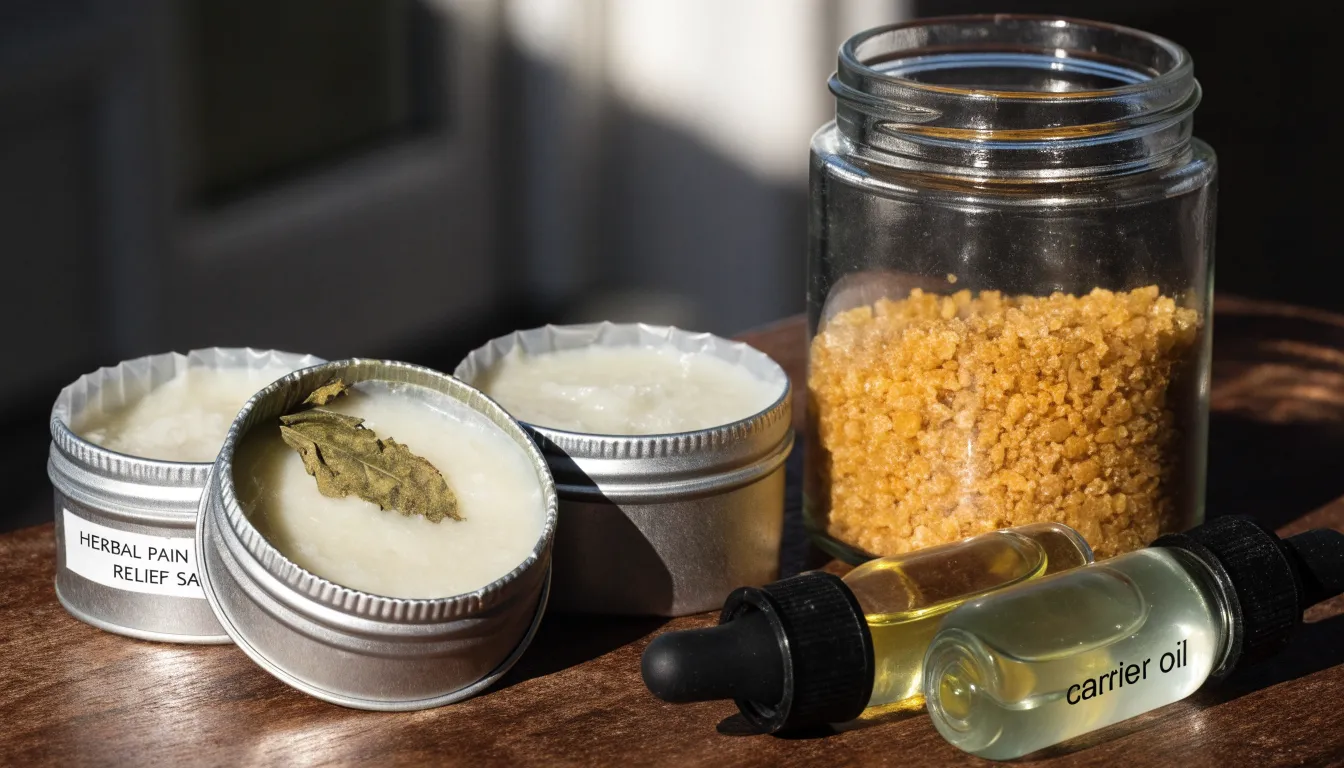
Making your own pain salves at home is a rewarding way to use natural ingredients for muscle comfort. The goal is to create safe, low-concentration balms that are gentle yet effective. The basic ingredients include a solidifying agent like beeswax, nourishing carrier oils, and carefully chosen essential oil blends—with wintergreen oil standing out as a key ingredient for its soothing, comforting properties.
To begin, set up a double boiler and gently melt beeswax pellets over low, consistent heat. Once melted, stir in carrier oils such as coconut, almond, or jojoba oil, which improve the salve’s texture and skin absorption. After the mixture is smooth, remove it from the heat and let it cool slightly. This step is essential before adding essential oils, because adding them too early can destroy their therapeutic benefits and cause them to evaporate quickly.
For a safe muscle balm, aim for a 1–2% essential oil dilution—about 1 to 2 grams (20–40 drops) per 100 grams of base. A good blend might combine wintergreen oil with lavender, peppermint, or frankincense for a synergistic effect. Mix the oils evenly into the cooled base, pour the liquid into clean tins or jars, and let the salves solidify at room temperature. Once firm, label each container with the ingredients and date so you can track your homemade remedy.
The Poisoning Risk
Wintergreen oil has a pleasant smell and some uses on the skin, but it carries a very serious poisoning risk if swallowed. It is highly toxic when taken by mouth and should never be consumed. Its main active ingredient is methyl salicylate, which is related to aspirin. Once ingested, the body turns it into salicylate—the same compound that gives aspirin its effects, but also makes it dangerous in high amounts.
The danger is especially clear when you look at how strong pure wintergreen oil is. Just one teaspoon contains about 7,000 milligrams of methyl salicylate. That is about the same amount of salicylate found in 21 regular adult aspirin tablets. So swallowing one teaspoon of wintergreen oil is like taking a massive aspirin overdose—enough to be deadly for an adult, and especially dangerous for a child.
Salicylate poisoning is a serious medical emergency. Symptoms can appear quickly and include nausea, vomiting, ringing in the ears, fast breathing, confusion, and seizures. Severe cases can lead to metabolic acidosis, kidney failure, trouble breathing, coma, and death. Because wintergreen oil is absorbed so quickly and so concentrated, it can cause toxicity faster and more severely than the same amount of aspirin. For these reasons, wintergreen oil should only be used externally, and it must be stored safely away from children and pets.
Child Safety Precautions
Wintergreen oil is very dangerous for children because it contains a strong chemical called methyl salicylate. If a child swallows even a few milliliters, it can cause serious poisoning or even death. That is why products with wintergreen oil must have childproof caps, which are made to be hard for young children to open and help prevent accidental ingestion.
To keep children safe, always store wintergreen oil in its original bottle with the cap tightly closed right after use. Put it on a high shelf or in a locked cabinet, away from where children can see or reach it. Never pour the oil into another container that could look like a drink or harmless liquid.
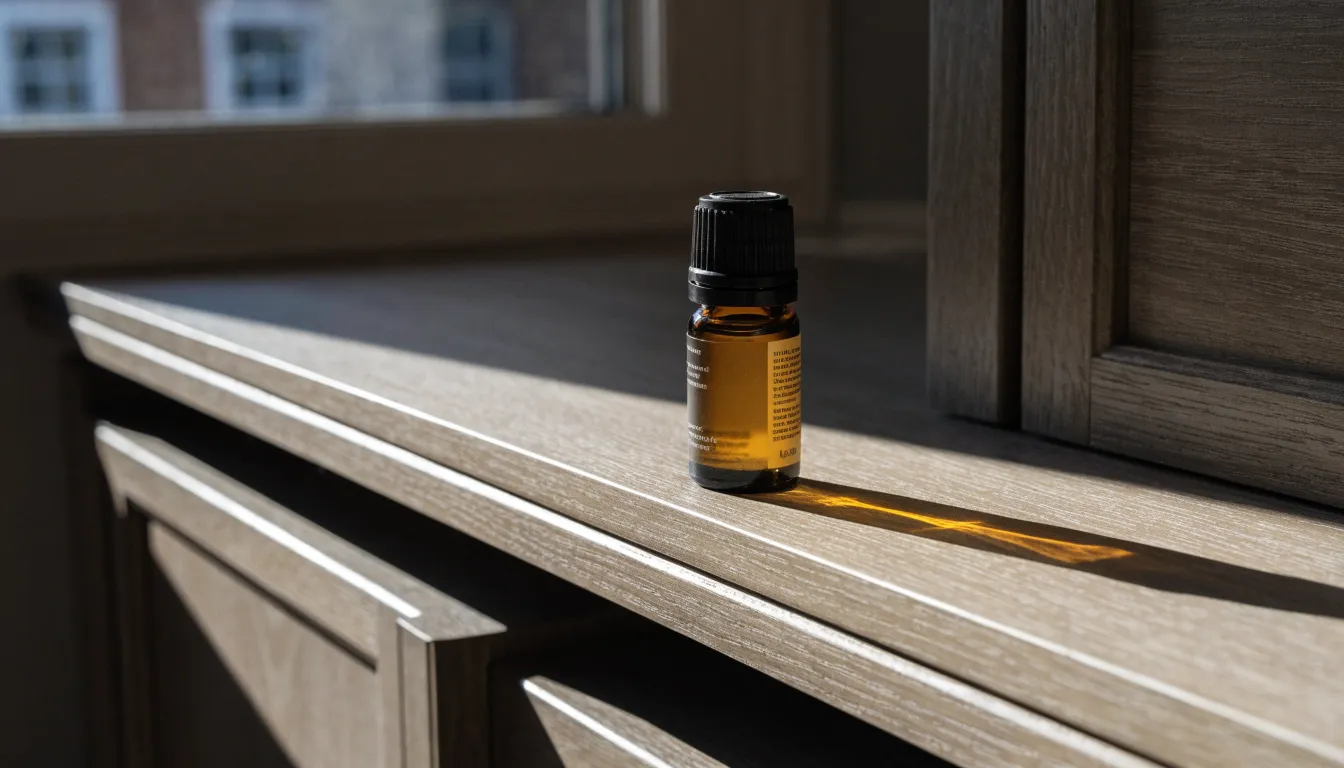
Teaching older children about the dangers of swallowing essential oils is also important. Treat wintergreen oil like any household poison. Even though it has strong medicinal properties, it must be stored and handled with care to protect the health and safety of every child in the home.
Skin Sensitivity Warning
Wintergreen oil has useful properties, but it is very strong and must be handled with care. One major concern is skin sensitivity. If applied undiluted, it can cause contact dermatitis or even chemical burns. This is because the oil contains methyl salicylate, a powerful compound that can irritate the skin. To use it safely, always mix it with a carrier oil such as jojoba, almond, or coconut oil. A safe general dilution is about 1–2%, and you should use even less on sensitive skin or large areas of the body.
Signs of contact dermatitis include redness, itching, stinging, and sometimes small bumps or blisters where the oil was applied. This means the skin’s immune system is reacting to the oil. Chemical burns are more serious. They may cause intense redness, blistering, peeling skin, burning pain, or skin discoloration. In severe cases, the area may feel numb due to nerve damage. These serious symptoms usually happen when the oil is used undiluted, which is why patch testing and proper dilution are so important.
If irritation occurs, act quickly. Wash the area with mild soap and cool water for 15–20 minutes to remove any remaining oil. Do not scrub—just cleanse gently. If the irritation stays or gets worse, or if you see signs of a chemical burn, get medical help right away. A cool compress or soothing neutral lotion may help temporarily, but a doctor should handle significant reactions to ensure proper healing and prevent further problems.
Aspirin Allergy Concerns
Wintergreen oil’s key active function comes from methyl salicylate, which is chemically very similar to aspirin. This ingredient gives the oil its therapeutic benefits, but it also makes the oil unsafe for anyone with salicylate sensitivity, a known aspirin allergy, or asthma. For those people, the safest choice is to avoid wintergreen oil completely in every form.
When wintergreen oil is applied to the skin, breathed in, or swallowed, the body processes methyl salicylate much like aspirin. In someone with salicylate sensitivity, even small exposure can cause symptoms such as skin irritation or rashes, and sometimes more serious whole-body reactions. For people with a confirmed aspirin allergy, exposure can trigger a life-threatening allergic response called anaphylaxis, marked by trouble breathing, swelling, a sudden drop in blood pressure, and shock.
People with asthma are also at high risk. Aspirin and other NSAIDs can trigger asthma attacks or bronchospasm in some asthmatics, and wintergreen oil carries the same danger because its chemistry and metabolism are so similar. Given these risks, complete avoidance of wintergreen oil is essential for anyone with these health conditions.
Blood Thinner Interactions
Wintergreen oil’s main active ingredient is methyl salicylate, which acts like aspirin. Both can thin the blood by reducing its ability to clot. This makes wintergreen oil useful for easing pain and inflammation, but it also creates serious risks when combined with other blood-thinning substances.
People who already take anticoagulant medications, such as warfarin, are especially vulnerable. Warfarin slows blood clotting by affecting vitamin K, and wintergreen oil works in a similar way. Together, they can dangerously increase the chance of bleeding. Even a small bump or cut might cause heavy bruising or bleeding that is hard to stop, and there is also a risk of severe internal bleeding in organs like the stomach or brain.
Because of this, anyone using prescription blood thinners should avoid wintergreen oil completely unless a doctor says it is safe and supervises their use. It is also important to tell your healthcare provider about any essential oils, herbal remedies, or supplements you take, especially if you use medications that affect blood clotting. This helps prevent dangerous interactions and keeps you safe.
Safe Alternatives
Peppermint essential oil is a popular, easy-to-find choice for natural pain relief. Its main active ingredient, menthol, creates a cooling feeling that can ease tension headaches and sore muscles. When diluted and applied to the skin, it helps relax tight areas and calm local discomfort. Its fresh scent can also boost alertness and improve overall well-being while you’re dealing with aches.
Copaiba essential oil is another gentle option, known for its strong anti-inflammatory effects. It isn’t stimulating; instead, it works to calm and soothe the body. Copaiba contains a high amount of beta-caryophyllene, which interacts with the body’s endocannabinoid system to help balance pain and inflammation. This makes it a versatile, non-irritating choice for muscle soreness and general body aches, and it fits easily into daily routines.
Frankincense essential oil has been used for centuries and offers valuable pain-relieving benefits. It has strong anti-inflammatory properties that help with discomfort linked to inflammation, like achy joints and muscles. Its calming scent promotes relaxation, which is especially helpful when pain causes stress. Frankincense also supports cellular health and encourages a sense of peace, making it a well-rounded option for holistic comfort. Together, these oils provide gentler, natural ways to manage different types of pain.
Frequently Asked Questions
What are the main benefits of wintergreen essential oil?
Wintergreen essential oil is valued for soothing tired muscles, achy joints, and general body strain, often after exercise. When applied topically, it produces a comforting, warming sensation that helps ease tension and discomfort due to its pain-relieving and anti-inflammatory properties. It can also help relieve occasional head tension.
How does wintergreen oil help with pain and inflammation?
Wintergreen oil’s main power comes from methyl salicylate, which the body breaks down into salicylic acid, similar to the active ingredient in aspirin. This salicylic acid blocks COX enzymes, which are responsible for producing prostaglandins that cause pain sensitivity, swelling, and redness. By stopping their production, it reduces inflammation and dulls pain signals.
How should I dilute wintergreen oil for safe topical use?
Always mix wintergreen oil with a carrier oil like jojoba, sweet almond, or fractionated coconut oil, as it must never be used undiluted. For adults, a safe general dilution is 1 to 2 percent, meaning about 6 to 12 drops of wintergreen oil per ounce of carrier oil. Always perform a patch test on a small area of skin before wider use.
Are there any serious safety warnings or contraindications for wintergreen oil?
Yes, wintergreen oil is highly toxic if swallowed and must never be consumed, as just one teaspoon is equivalent to about 21 adult aspirin tablets. It is unsafe for anyone with salicylate sensitivity, a known aspirin allergy, or asthma, and should be avoided by individuals taking blood-thinning medications like warfarin due to its blood-thinning effects.
Is wintergreen oil safe to use around children?
No, wintergreen oil is very dangerous for children, and swallowing even a few milliliters can cause serious poisoning or death. It must always be stored in its original bottle with childproof caps, tightly closed, and placed on a high shelf or in a locked cabinet, completely out of a child’s sight and reach.
What essential oils blend well with wintergreen oil for aromatherapy?
For invigorating aromatherapy blends, wintergreen oil combines well with peppermint oil for a sharp, stimulating note, and eucalyptus oil for a camphor-like, penetrating aroma that supports easy breathing. Bright, uplifting citrus oils like lemon, orange, or grapefruit can also be added to complete these fresh blends.