
Copaiba essential oil is steam-distilled from the oleoresin of Amazonian Copaifera trees. It has a soft, woody, slightly sweet scent and is one of the gentler oils on skin. Its main compound, beta-caryophyllene, interacts with the body’s CB2 cannabinoid receptors in lab and animal studies, which is where most of the online buzz comes from. Human evidence is still very limited, so think of copaiba as a pleasant, mellow oil for massage blends and diffusing, not a treatment. And despite what some brands suggest, it isn’t meant to be swallowed.
Table of Contents
- Understanding Copaiba Oil
- Beta-Caryophyllene and CB2: What the Research Shows
- Massage Blends for Tired Muscles
- Relaxation and Stress
- Copaiba in Skin Care
- Immune Support Claims
- Congestion and Breathing
- Joint Comfort
- Diffuser Blends for Home
- Copaiba and Lavender for Bedtime
- How to Dilute Copaiba
- Why I Don’t Recommend Taking It Internally
- Copaiba vs CBD Oil
- Buying Good Copaiba Oil
Understanding Copaiba Oil
Copaiba comes from several species of Copaifera trees in the Amazon, especially in Brazil. For generations, Indigenous communities have tapped the trunks to collect a thick, golden oleoresin, much as maple sap is collected, and used it in traditional medicine.
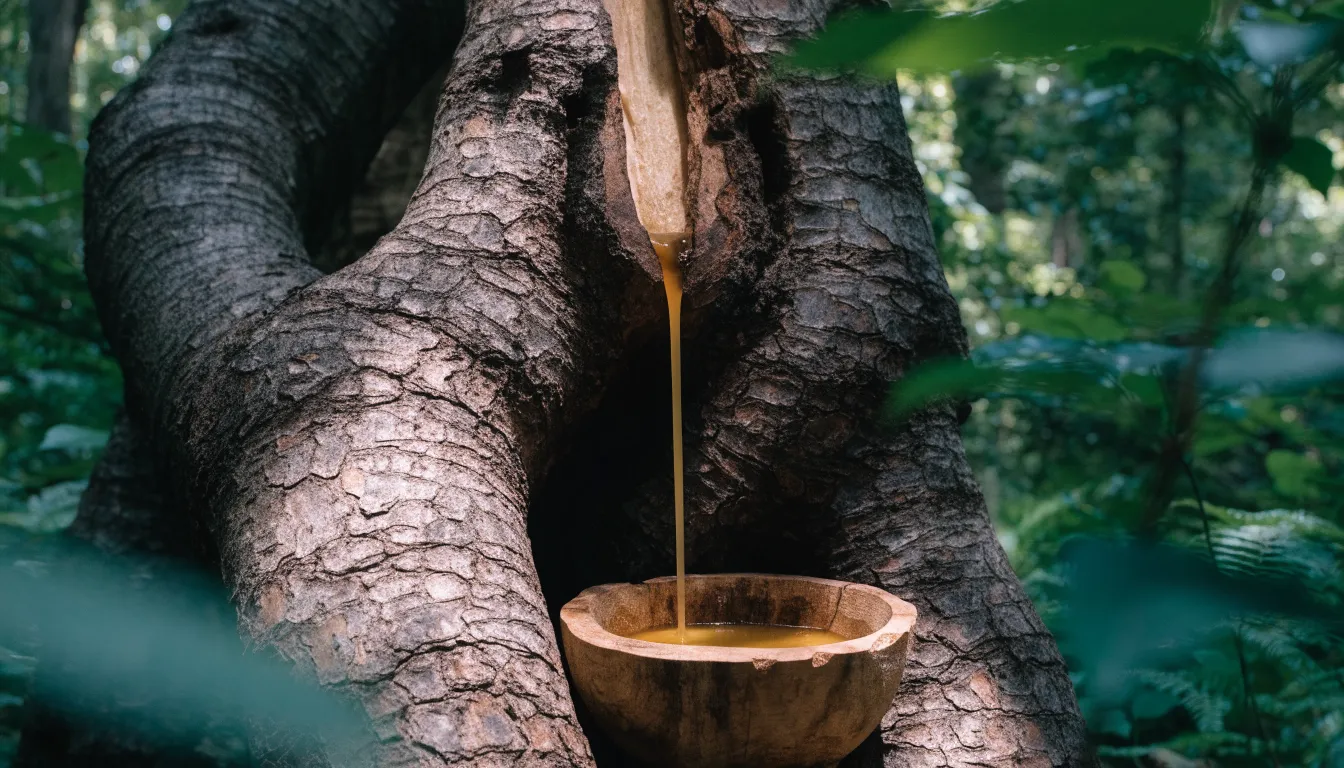
The essential oil is made by steam-distilling that oleoresin. The distilled oil keeps the volatile aromatic compounds, mostly sesquiterpenes like beta-caryophyllene, and leaves behind the heavier resin acids. That means the essential oil and the raw oleoresin are different products, and research on one doesn’t automatically apply to the other.
Beta-Caryophyllene and CB2: What the Research Shows
Beta-caryophyllene (BCP) is the main compound in most copaiba essential oils. It’s also found in black pepper, cloves, and many other plants. In a well-known 2008 laboratory study, BCP was shown to bind to and activate CB2 receptors, part of the body’s endocannabinoid system. CB2 receptors are found mainly on immune cells and in peripheral tissues, and unlike CB1 receptors in the brain, activating them doesn’t produce a “high.”
That finding is genuinely interesting, and animal studies suggest BCP has anti-inflammatory effects. But there’s a big gap between “a compound activates a receptor in the lab” and “rubbing a diluted essential oil on your skin relieves pain.” Very few studies have tested copaiba essential oil in people, and none show it reliably relieves aches, anxiety, or inflammation. So the honest answer is: promising science, unproven benefits.
Massage Blends for Tired Muscles
Copaiba’s mild, woody scent makes it a nice base for a post-workout massage blend. Much of the relief comes from the massage itself, and peppermint adds a cooling sensation that many people enjoy.

Roller blend (10 ml bottle, about 2%):
- 2 drops copaiba
- 1 drop peppermint
- 1 drop marjoram
- Top up with fractionated coconut or jojoba oil
Massage oil (30 ml, about 2%):
- 6 drops copaiba
- 3 drops peppermint
- 3 drops marjoram
- 2 tablespoons (30 ml) sweet almond or grapeseed oil
Shake before each use and massage into sore areas. Keep peppermint blends away from your face, and don’t use them on children under 6. If muscle pain is severe, lasts more than a few days, or follows an injury, see a doctor. For more ideas, see essential oils for sore muscles.
Relaxation and Stress
Many people find copaiba’s soft, woody scent calming, and it blends well with other relaxing oils. There’s no solid human research showing copaiba itself reduces stress or anxiety, but a pleasant scent can be a useful part of a stress-relief routine.
For a quick moment of calm, put a drop on a tissue or cotton ball and breathe in slowly for a minute. A personal inhaler stick works too. Avoid putting undiluted oil on your hands and rubbing them over your face; it’s easy to get oil in your eyes that way.
You can also diffuse it in your workspace or living room. Run the diffuser for 30 to 60 minutes, then take a break. If stress or anxiety is affecting your daily life, talk to a doctor or therapist.
Copaiba in Skin Care
Copaiba is a popular “gentle” oil in skin care, but there’s no good human evidence that it clears acne, brightens skin tone, or reduces redness. Most of the claims come from lab studies of its antimicrobial and anti-inflammatory activity.
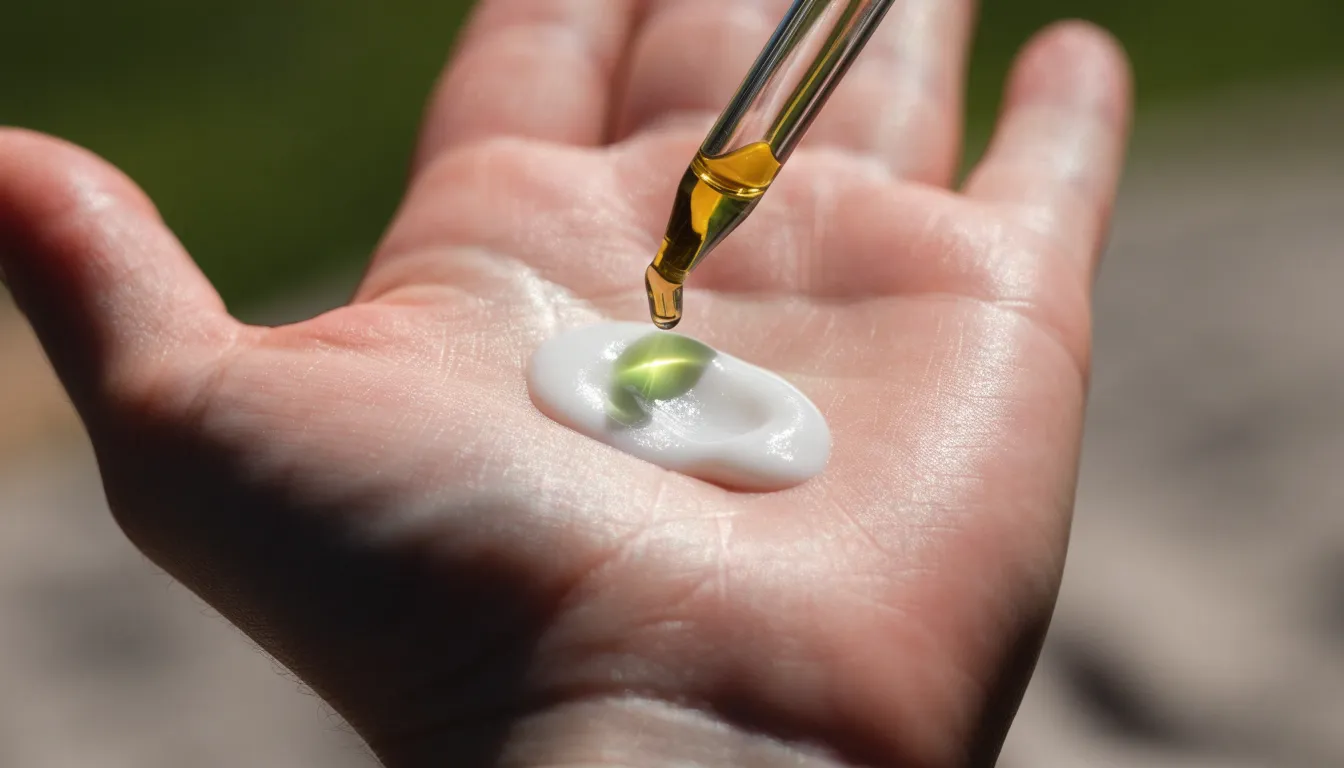
If you want to try it, keep the dilution low. Mix 1 drop of copaiba into about a tablespoon (15 ml) of unscented moisturizer or facial oil, which is roughly 0.3%, and stir it into the whole batch. Adding a drop to the small amount you’d use for one application makes the dose much stronger than it looks. Patch-test first, keep it away from your eyes, and stop if you notice redness or itching. For acne that’s painful, scarring, or not improving, see a dermatologist.
Immune Support Claims
There’s no human evidence that copaiba essential oil supports or strengthens the immune system, whether you diffuse it, rub it on your feet, or take it internally. Antioxidant activity in a test tube doesn’t translate into stronger immunity. If you want to lower your chances of getting sick, the basics with real evidence behind them are vaccination, handwashing, sleep, and staying home when you’re ill.
Congestion and Breathing
Copaiba isn’t a decongestant, but its warm scent pairs well with eucalyptus in a comforting chest rub when you’re stuffed up. The rub may make breathing feel easier for a while; it doesn’t treat the cause of congestion.
Chest rub (adults): 2 drops copaiba + 1 drop eucalyptus in 1 tablespoon (15 ml) of carrier oil, about 1%. Massage onto your chest and upper back.
Don’t use eucalyptus on or near the face or chest of children under 6, since its main compound can affect breathing in young children. Plain steam from a bowl of hot water or a warm shower does most of the work of loosening mucus. If congestion lasts more than about 10 days or comes with a high fever or trouble breathing, see a doctor.
Joint Comfort
There’s no good evidence that copaiba essential oil eases joint pain or improves mobility. A gentle massage with a diluted blend can still feel good on stiff knees or hands, and the massage itself may help you loosen up. Use the same 1% to 2% dilution as the muscle blends above. Ongoing joint pain, swelling, or stiffness is worth discussing with a doctor, since conditions like arthritis have effective treatments.
Diffuser Blends for Home
Copaiba is an excellent base note in diffuser blends. Its soft, woody scent rounds out sharper oils without taking over.
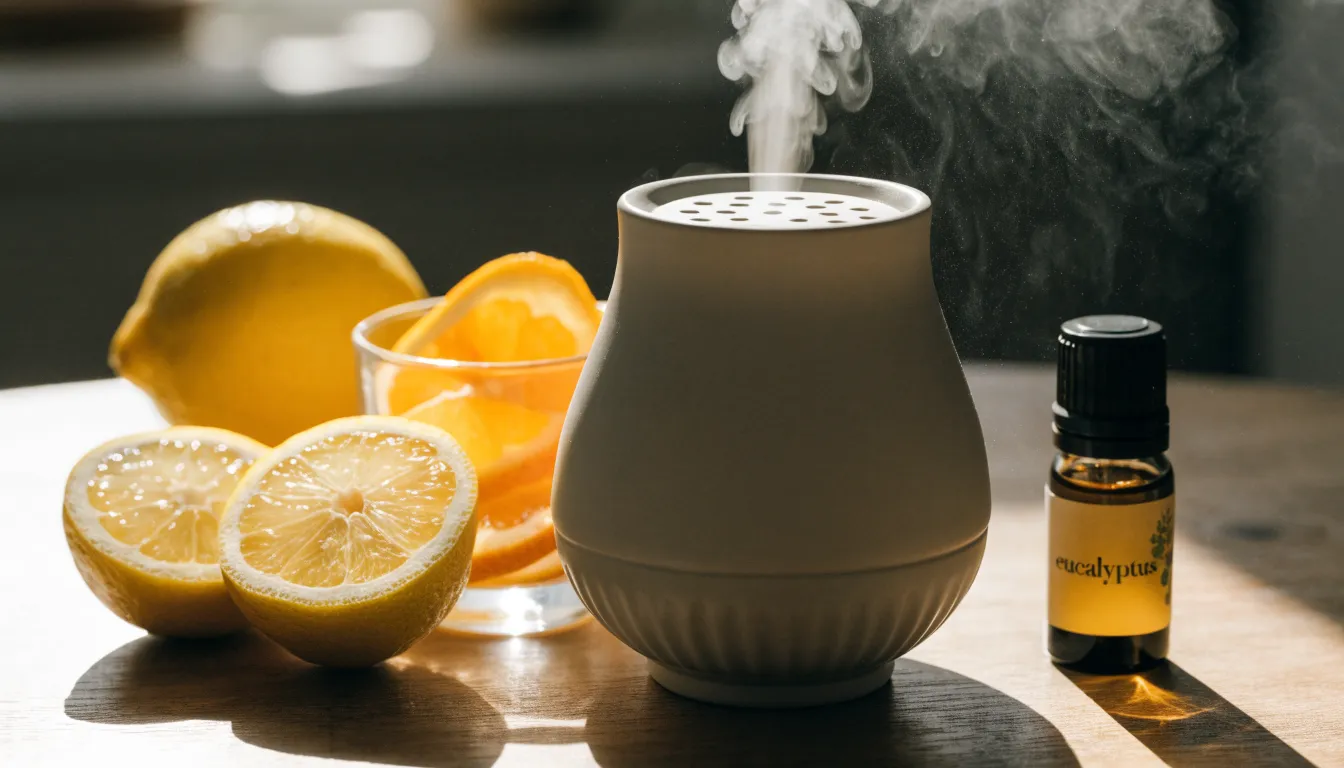
A few combinations to try (3 to 6 drops total in a standard diffuser):
- Fresh: copaiba with lemon, sweet orange, or bergamot
- Relaxing: copaiba with lavender or geranium
- Cozy: copaiba with a single drop of cinnamon leaf, clove, or ginger
Run the diffuser in 30 to 60 minute sessions, ventilate the room, and make sure pets can leave. Be especially careful with spice and citrus oils if you have cats, as several are on veterinary toxicity lists.
Copaiba and Lavender for Bedtime
Copaiba and lavender make a soft, soothing bedtime blend. There’s no evidence the pair improves deep sleep, but a familiar, calming scent can be a helpful cue as part of a regular wind-down routine.
Pillow spray (2 oz bottle): 1.5 oz distilled water, 0.5 oz witch hazel or high-proof alcohol, 8 drops copaiba, and 8 drops lavender. Shake well before each use and mist your pillow lightly about 15 minutes before bed so it can dry.
Diffuser: 2 to 3 drops of each, started about 30 minutes before bed, then switched off when you go to sleep.
If you have ongoing trouble sleeping, talk to a doctor. You can find more ideas in 6 best lavender essential oils for relaxation.
How to Dilute Copaiba
Copaiba is gentler than many oils, but it still needs diluting. Mix it with a carrier oil like jojoba, sweet almond, or fractionated coconut oil.
- Face and sensitive skin: 0.5% to 1%, about 3 to 6 drops per 30 ml (1 oz) of carrier oil
- Body and massage: 1% to 2%, about 6 to 12 drops per 30 ml
- Children: follow the age-based amounts in our dilution chart and our guide to using oils around kids. Avoid topical use on babies under 2.
Always patch-test a small amount of your blend on your inner forearm and wait 24 to 48 hours before using it more widely. Keep it away from your eyes and mucous membranes, and store bottles out of children’s reach.
Why I Don’t Recommend Taking It Internally
Some brands sell copaiba as an ingestible oil and suggest putting drops in capsules, water, or under your tongue. I don’t recommend any of that.
- There’s no proven benefit. No good human studies show that swallowing copaiba essential oil helps pain, immunity, sleep, or anything else.
- Essential oils are concentrated. Even “gentle” oils can irritate the mouth, throat, and stomach, and they’re easy for children to get into if you treat them like supplements.
- Interactions are poorly studied. Little is known about how copaiba interacts with medications, pregnancy, or health conditions.
A “supplement” label or a purity certificate doesn’t make an oil safe or effective to swallow. For a fuller explanation, see can you ingest essential oils?. If anyone swallows a significant amount, especially a child, call Poison Control (1-800-222-1222 in the US).
Copaiba vs CBD Oil
Copaiba and CBD are often compared because both are linked to the endocannabinoid system, but they’re very different.
- Different compounds. Copaiba’s main compound is beta-caryophyllene, a terpene found in many common plants. CBD (cannabidiol) is a cannabinoid from hemp.
- Different actions. In lab studies, BCP activates CB2 receptors directly. CBD doesn’t bind strongly to either CB1 or CB2; it works through several indirect pathways.
- Different evidence. A CBD medicine (Epidiolex) is FDA-approved for certain rare seizure disorders, though evidence for most other uses is limited. Copaiba essential oil has no comparable clinical research.
- Different legal status. Copaiba essential oil is widely available with no special rules. CBD’s legal status varies by state and country and has been changing, so check local rules.
Neither is a substitute for medical care, and copaiba shouldn’t be treated as a cheaper stand-in for CBD.
Buying Good Copaiba Oil
- Check the botanical name, such as Copaifera officinalis, C. reticulata, or C. langsdorffii, and the country of origin.
- Look for a batch GC/MS report. Reputable suppliers publish one. A good copaiba oil will show a high proportion of beta-caryophyllene.
- Be wary of vague labels and very low prices, which often mean a diluted or adulterated oil.
- Ignore “therapeutic grade” claims. It’s a marketing term, not a regulated standard. See how to choose high-quality essential oils online.
Pets: there’s little safety data on copaiba for animals. Never apply essential oils to pets, diffuse only in short sessions in rooms they can leave, and see our guide to essential oils and pets.
Pregnancy and breastfeeding: ask your healthcare provider before using essential oils. See essential oils and pregnancy.
Frequently Asked Questions
What is copaiba essential oil?
Copaiba essential oil is steam-distilled from the oleoresin of Copaifera trees in the Amazon. Its main compound is beta-caryophyllene, and it has a soft, woody scent.
Does copaiba work like CBD?
Not really. In lab studies, copaiba’s beta-caryophyllene activates CB2 receptors, while CBD works through several indirect pathways. Copaiba essential oil hasn’t been studied much in people, so it isn’t a proven substitute for CBD or any medicine.
Does copaiba relieve pain?
There’s no good human evidence that copaiba essential oil relieves pain. A diluted massage blend can still feel soothing, but see a doctor for pain that’s severe, persistent, or follows an injury.
Can I take copaiba oil internally?
I don’t recommend it. There’s no proven benefit to swallowing copaiba essential oil, essential oils are concentrated and can irritate the mouth and stomach, and interactions with medications aren’t well studied.
How should I dilute copaiba oil?
Use 0.5% to 1% (3 to 6 drops per ounce of carrier oil) for the face or sensitive skin, and 1% to 2% (6 to 12 drops per ounce) for body and massage. Patch-test first, and follow age-based guidance for children.
Is copaiba good for skin?
There’s no good human evidence that copaiba improves skin. If you use it for its scent in skin care, keep it at 1% or below, patch-test first, and see a dermatologist for persistent acne.