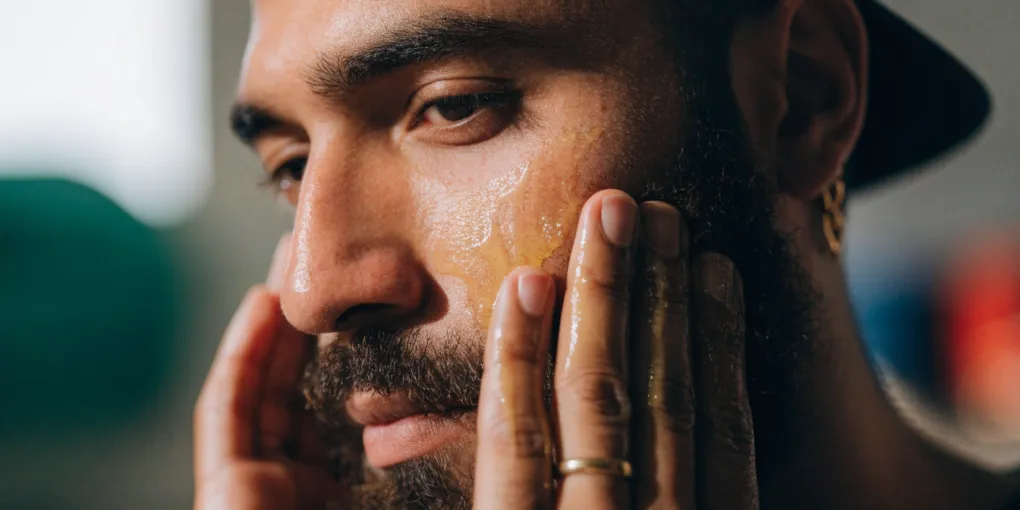
Beard oil is a grooming product formulated to hydrate and nourish facial hair and the skin beneath. It typically combines carrier oils, like jojoba and argan, with essential oils such as cedarwood or peppermint. This blend softens hair, reduces itchiness, promotes healthier growth, and protects the beard from environmental damage, leading to a softer, stronger, and more manageable beard.
Table of Contents
The Growing Beard Trend
Beards, especially longer and fuller ones, need regular hydration as part of daily grooming. Facial hair is constantly exposed to wind, sun, and pollution, and the skin’s natural oils often aren’t enough to coat longer hairs. Without enough moisture, beard hair becomes dry, coarse, and brittle.
Beard oil helps by adding external hydration and nourishment. It penetrates the hair shaft, replaces lost moisture, and seals the cuticle. This makes the beard feel softer and smoother while reducing rough texture.
With consistent use, beard oil also improves the hair’s elasticity, which lowers brittleness and breakage and supports healthier growth. So daily beard care isn’t just about style—it keeps the beard healthy, manageable, and looking its best instead of dry and unruly.
Essential Oils Explained
Essential oils are concentrated plant extracts that do much more than add scent to beard oil. They carry beneficial plant compounds that are easily absorbed into the skin and hair, helping to nourish the beard directly from the roots to the tips. This makes them a key ingredient for keeping both the hair and the skin beneath it healthy.
These oils are packed with nutrients like vitamin E, B vitamins, and vitamin A. When applied to the beard, these vitamins go straight to the hair follicles, supporting cell health and growth. That means stronger, healthier beard hair and less breakage over time.
Essential oils also contain natural antioxidants, such as polyphenols and flavonoids, which protect the beard from damage caused by pollution and UV rays. Plus, many of them have antimicrobial properties that keep bacteria and fungi in check, reducing itching, irritation, and dandruff. Together, these functions help the beard stay strong, fresh, and comfortable.
Carrier Oils Basis
Carrier oils form the core of any beard oil, working primarily to safely dilute potent essential oils. Because essential oils are highly concentrated plant extracts that can cause irritation, redness, or allergic reactions if applied directly, carrier oils act as a gentle buffer. This allows you to deliver all the beneficial properties of the essential oils without any harsh side effects while ensuring they spread evenly for a smooth application.
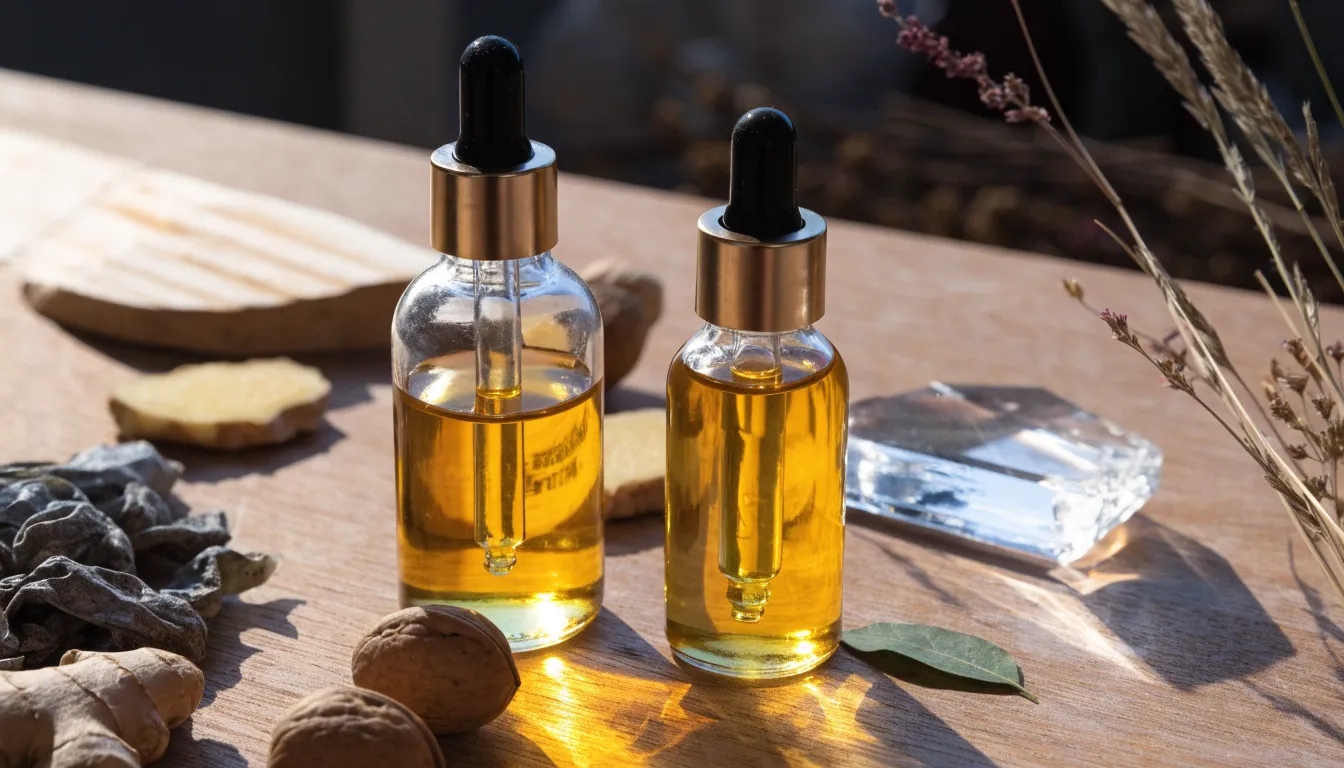
In addition to their critical role in dilution, carrier oils excel at locking in moisture. They are rich in fatty acids and vitamins that absorb well into both the beard hairs and the skin underneath, creating a protective barrier that stops moisture loss. This keeps your beard soft, supple, and well-conditioned, while also preventing common issues like itchiness, flakiness, and dryness.
By nourishing the hair follicles and the skin beneath, carrier oils promote a healthier environment for beard growth. They give the beard a natural shine and make it much easier to manage. In short, they are far more than simple thinning agents—they are active, hardworking components that maintain the overall health, vitality, and appearance of your beard.
Jojoba Oil Benefits
Jojoba oil is special in beard care because, unlike typical plant oils, it is actually a liquid wax that closely matches the natural oil (sebum) our skin produces. Since sebum is what naturally protects and moisturizes the skin and beard, jojoba oil is easily recognized by the body. When applied, it doesn’t just sit on top like a foreign substance—it mimics our own oil so closely that it basically tells the skin, “you already have enough moisture.”
This signal is the secret to how it works. Because the skin thinks it is already naturally lubricated, it calms down its own oil production, preventing the overproduction of sebum that causes greasy beards and clogged pores. On the flip side, if you have dry skin, jojoba still delivers the hydration and conditioning your skin craves, without disturbing its natural balance. This clever regulation keeps the skin just right—preventing problems from both too much and too little oil.
Since jojoba so closely resembles natural oils, it absorbs effortlessly without sitting on the surface and blocking pores. This is what makes it non-comedogenic, meaning it doesn’t trigger blackheads, whiteheads, or irritation underneath the beard. By keeping the pores clear and preventing dead skin buildup, it creates a clean, healthy environment for hair to grow. The result is a comfortable, well-hydrated skin base that supports a softer, healthier beard overall.
Argan Oil Magic
Moroccan argan oil is a great choice for beard care, especially for coarse, unruly hair. It helps even stubborn beards become shiny and soft. Its power comes from a rich mix of essential fatty acids and vitamin E, which work together to fix common problems like dryness, brittleness, and roughness.
The fatty acids, including oleic and linoleic acid, soak deep into the hair to provide lasting moisture. They condition the beard from within, smoothing the uneven, raised cuticles that cause scratchiness. When these cuticles lie flat, the beard feels softer and reflects light better, giving it a healthy shine.
Vitamin E adds antioxidant protection, shielding the hair and skin from damage and supporting a healthier base for growth. It also improves elasticity and strength, reducing breakage and boosting softness. With regular use, argan oil tames wild strands, making the beard more pliable and easier to style—leaving it visibly shinier and wonderfully soft.
Cedarwood Oil Power
Cedarwood oil is a powerful ingredient for beard health because it works in several ways at once. One of its main jobs is balancing the sebaceous glands under your facial hair. These glands make sebum, the natural oil that moisturizes skin and hair. If they make too much or too little, problems show up. Cedarwood oil helps bring them back into balance, reducing greasiness that can clog pores while also preventing dryness that leads to flaking.
This balancing act is also key for fighting beard dandruff. Dry, flaky skin often comes from an unhealthy scalp environment. Cedarwood oil calms and cleans the skin beneath your beard, gently lifting away dead skin cells and stopping flakes before they form. A clean and hydrated base under your beard supports both comfort and healthy hair growth.
Cedarwood oil also encourages stronger beard growth. It helps increase blood flow to hair follicles, which delivers more oxygen and nutrients to dormant roots. This wakes them up and supports new hair development, helping your beard become fuller and denser over time. Adding cedarwood oil to your routine gives complete support—it handles current issues while building a solid foundation for future growth.
Peppermint Oil Kick
Peppermint oil boosts beard growth mainly through menthol, its active compound. When applied to the skin under the beard, menthol creates a tingling sensation by increasing blood flow to the area. It works by interacting with skin receptors, which signal blood vessels to widen and allow more blood to circulate.
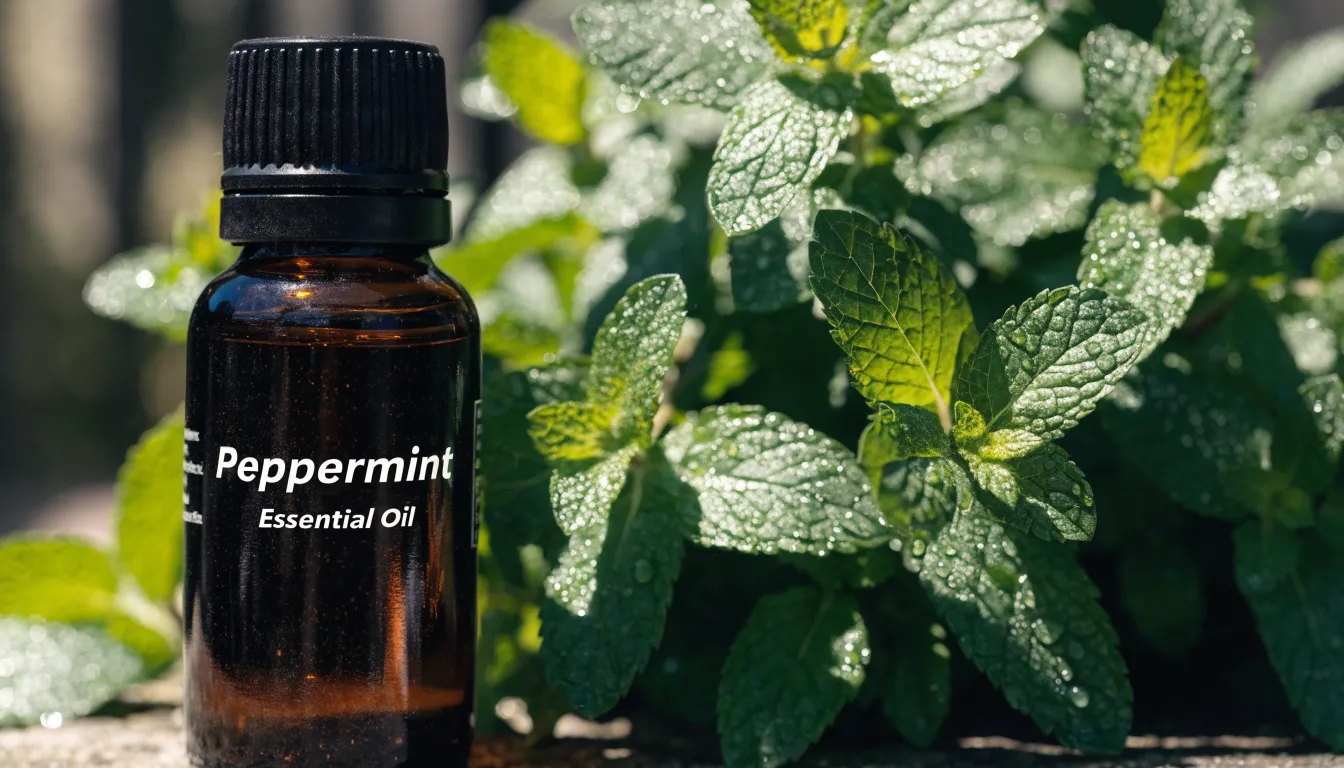
This improved circulation is key for healthy hair growth. Hair follicles need a steady supply of nutrients and oxygen, and increased blood flow delivers these building blocks more efficiently. Well-nourished follicles become healthier and are better able to produce strong, resilient beard hairs.
With regular use, this nourishment can make existing hairs thicker and add density to the beard. It may also wake up dormant follicles or strengthen weak ones, encouraging new growth and improving overall fullness. So peppermint oil offers more than just a refreshing kick—it actively supports a thicker, fuller beard.
Lavender Oil Comfort
Lavender oil brings real comfort to the skin under a beard, which is often overlooked. Its natural properties help soothe redness caused by dryness or the environment. Because it has anti-inflammatory effects, it also works to reduce swelling and calm irritated skin.
For razor burn, beard oil with lavender offers quick relief. It helps lessen the stinging feeling and red bumps that can happen after shaving, so the skin recovers faster. It also helps with ongoing issues like itchiness, flakiness, and general sensitivity by calming the skin and supporting a healthier skin barrier.
Using lavender-infused beard oil regularly makes the skin under the beard more comfortable and hydrated. This leads to a softer beard and a better grooming experience, while preventing the common irritations that can affect beard growth and appearance. Overall, lavender oil helps keep that area calm, healthy, and free from distress.
Tea Tree Protection
Tea tree oil is a standout ingredient in quality beard oils because of its strong protective powers. It has natural antimicrobial properties that fight bacteria and yeast, which are common causes of beard itch. By removing these irritants from the skin and hair follicles, tea tree oil calms discomfort, keeps the beard area cleaner, and helps prevent minor skin problems from getting worse.
Beyond relieving itch, tea tree oil acts as a natural cleanser. It penetrates the skin to clear away dead skin cells, excess oil, and other debris that can clog hair follicles. This helps prevent ingrown hairs, bumps, and inflammation by keeping the follicles open and clean, so the skin can breathe properly.
Adding tea tree oil beard oil to your routine supports healthier beard growth and overall comfort. It cleanses deeply, reduces irritation, and creates the right conditions for strong, steady hair growth—making it a comprehensive choice for beard care.
Rosemary Oil Boost
Rosemary oil helps make beard hair thicker by improving blood flow to the hair follicles. This brings more oxygen and nutrients to the roots, allowing them to produce stronger, fuller hair. Over time, this can make a patchy or thin beard look noticeably denser.
It also helps prevent hair from falling out too early. Stress, poor diet, and daily damage can weaken hair roots, but rosemary oil strengthens the anchor of each strand. This keeps hairs attached longer and helps maintain steady beard volume.
In addition, it protects against breakage and brittleness. Rosemary oil soaks into the hair shaft and adds nutrients that improve elasticity and resilience. As a result, beard hairs are less likely to snap or split, leaving the beard smoother, stronger, and healthier overall.
Sweet Orange Scent
Sweet orange essential oil adds a bright, uplifting scent to beard oil. Its fresh, citrusy aroma makes daily grooming feel more enjoyable and can help energize your morning routine, turning a simple task into a refreshing ritual.
This oil also has gentle antimicrobial properties. It helps keep the beard and skin underneath clean by discouraging microbes that can cause irritation or odor, offering a natural way to support facial hair hygiene.
Sweet orange oil provides mild degreasing benefits, too. It helps remove excess oil and product buildup without over-drying, leaving the beard feeling light, clean, and healthy—all while smelling pleasantly cheerful.
Essential Safety Rules
Essential oils are highly concentrated, so they must always be diluted in a carrier oil like jojoba, argan, or sweet almond before touching your face. For general facial use, aim for a 1–2% dilution: about 6 to 12 drops of essential oil per ounce (30 ml) of carrier oil. If your skin is very sensitive, start lower at roughly 0.5%, or about 3 drops per ounce. Never apply undiluted essential oils directly to your beard or skin, as this can cause irritation, redness, or chemical burns.
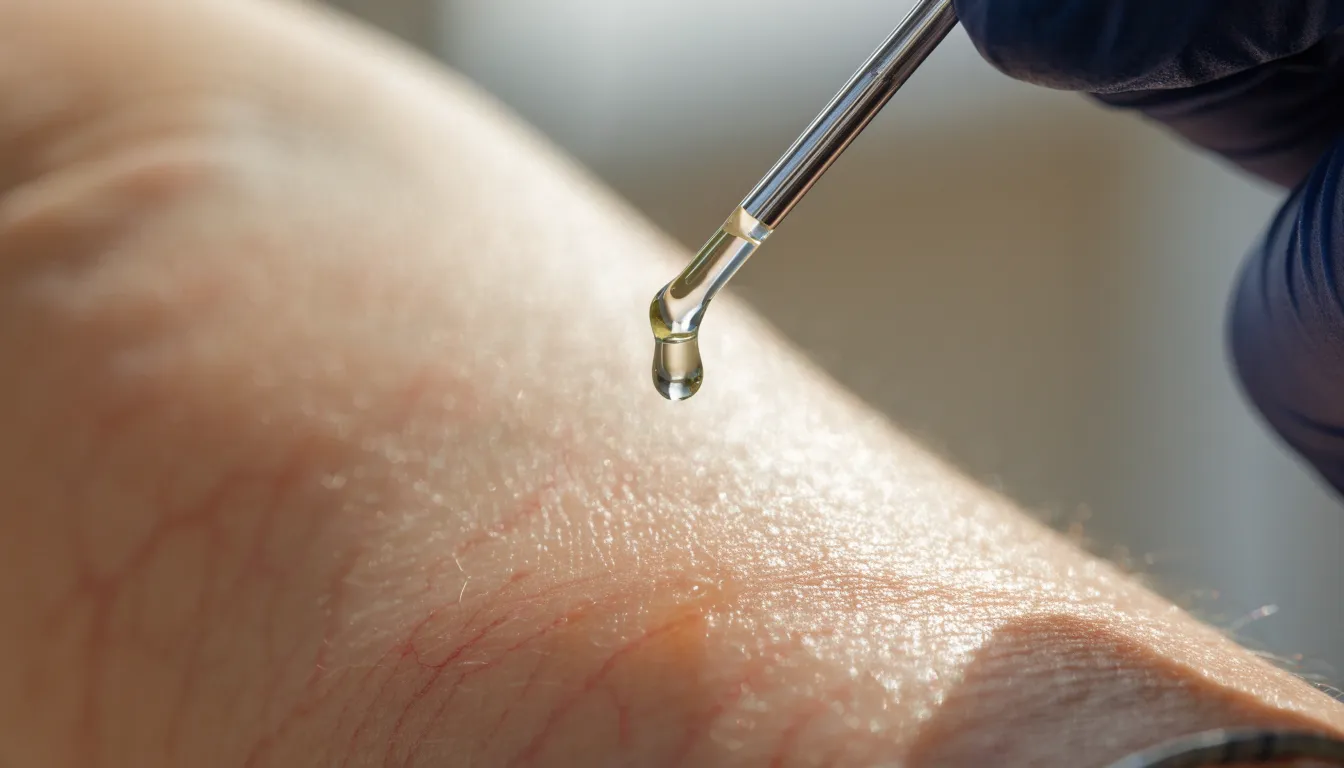
Before using a new beard oil regularly, do a patch test. Put a tiny amount of the diluted blend on an unobtrusive spot, such as your inner forearm or behind the ear, and watch it for 24 to 48 hours. If you notice redness, itching, burning, swelling, or any other sign of irritation, wash the area with soap and water and stop using that blend. This helps catch sensitivities before applying the oil to your face.
Certain essential oils—especially citrus oils like bergamot, lemon, lime, and grapefruit—can cause phototoxic reactions when exposed to UV light, leading to severe sunburn, blistering, or skin discoloration. Avoid sun or UV exposure for 12 to 18 hours after using these oils, or choose phototoxin-free versions such as bergamot FCF, which are safe for daytime use.
Application Technique Rules
-
Start with the right amount of oil. For short or medium beards, 2–4 drops is enough. Longer or thicker beards may need 5–7 drops. Begin with less and add more only if needed. This keeps your beard from looking greasy while still letting the oil’s active ingredients work properly.
-
Rub the oil between your palms for a few seconds. This spreads it evenly and warms it up, which helps it absorb better into your beard and skin. Massage the oil into the skin beneath your beard, especially any dry or itchy spots. This nourishes the hair roots and supports healthy growth. Then work the remaining oil through the full length of your beard, coating every hair from root to tip.
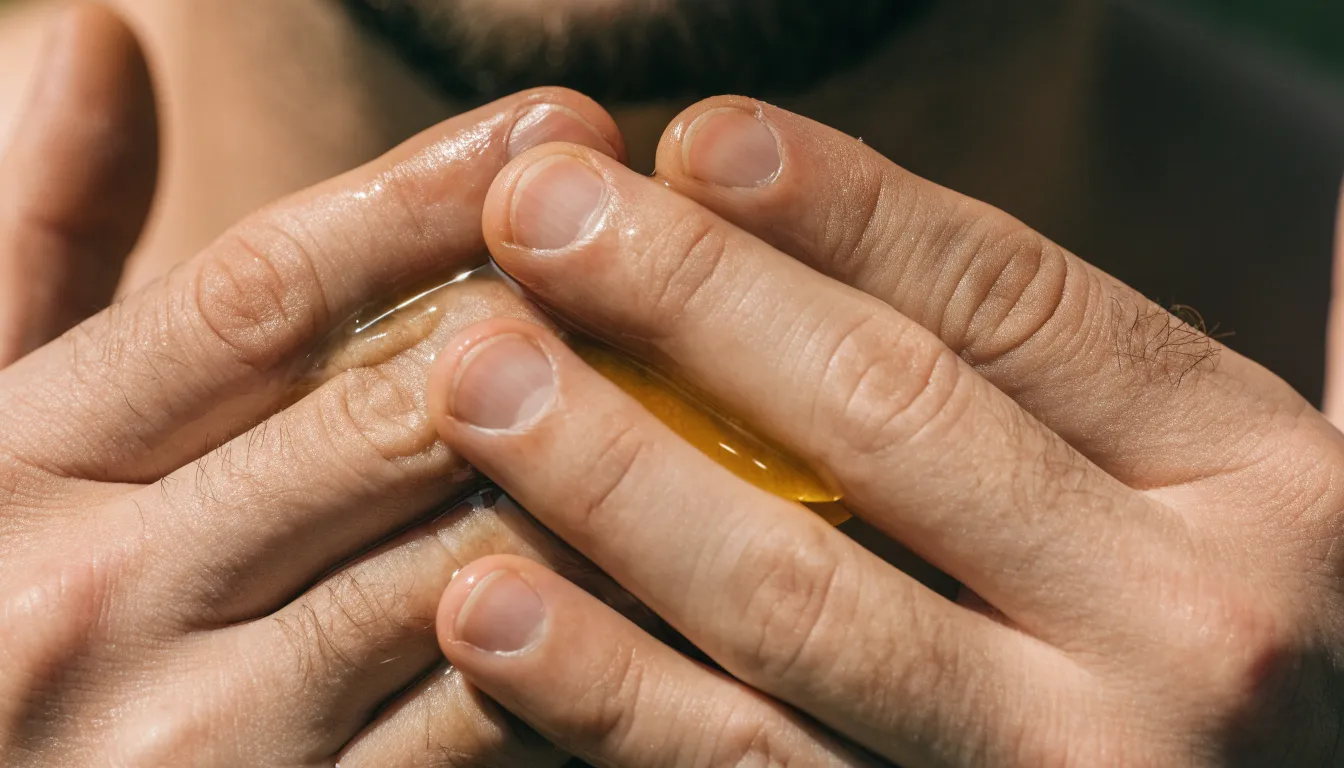
- Finish by combing or brushing your beard downward and outward. This evenly distributes the oil, removes tangles, and helps train your beard to lie in the right direction. With regular use, this simple routine keeps your beard softer, healthier, and easier to manage.
Optimal Timing Tips
Applying beard oil at the right time makes a big difference. The best time is right after a warm shower, when your beard is clean and slightly damp.

The warm shower removes dirt, dead skin, and product buildup that can block the oil. It also opens the hair cuticles and skin pores, so the oil can truly sink in. Instead of sitting on the surface, the oil gets absorbed deep into both the hair and the skin underneath.
This deeper absorption locks in moisture and stops your beard from drying out or becoming brittle during the day. Your beard stays softer, smoother, and easier to manage, with less itchiness or flakiness. Making this a daily post-shower habit keeps your beard healthy and well-conditioned all the time.
Frequently Asked Questions
What does beard oil do for your beard?
Beard oil adds external hydration and nourishment, penetrating the hair shaft to replace lost moisture and seal the cuticle. This makes the beard feel softer, smoother, and reduces rough texture, while also improving elasticity to lower brittleness and breakage.
Why are carrier oils important in beard oil?
Carrier oils form the core of any beard oil, primarily working to safely dilute potent essential oils, which can cause irritation if applied directly. They also excel at locking in moisture by absorbing into beard hairs and skin, creating a protective barrier against moisture loss.
How does jojoba oil benefit my beard and skin?
Jojoba oil is unique because it’s a liquid wax that closely mimics the skin’s natural oil (sebum), allowing it to regulate oil production, preventing both greasy beards and dryness. It absorbs effortlessly without blocking pores, making it non-comedogenic and fostering a healthy environment for hair growth.
When is the best time to apply beard oil?
The best time to apply beard oil is right after a warm shower, when your beard is clean and slightly damp. The warm water opens hair cuticles and skin pores, allowing the oil to absorb deep into both the hair and the skin underneath for better moisture retention.
Can peppermint oil help my beard grow?
Yes, peppermint oil can boost beard growth mainly through menthol, its active compound, which increases blood flow to the skin under the beard. This improved circulation delivers more nutrients and oxygen to hair follicles, supporting stronger, more resilient hair and potentially increasing thickness and density.
Are there any safety precautions I should know before using beard oil with essential oils?
Essential oils must always be diluted in a carrier oil before touching your face, as direct application can cause irritation or chemical burns. Always perform a patch test on an unobtrusive spot for 24 to 48 hours before regular use, and avoid sun exposure for 12 to 18 hours after using certain citrus oils due to potential phototoxic reactions.