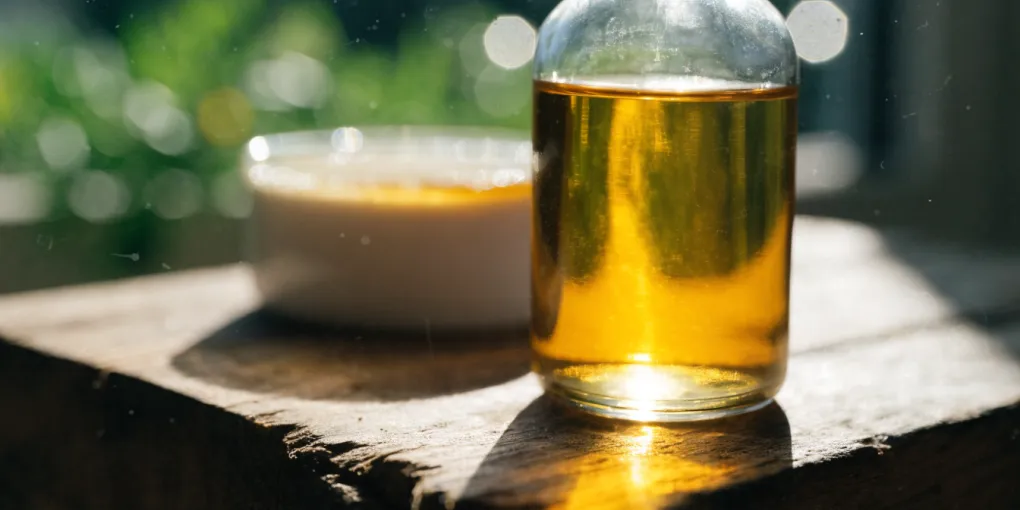
Argan oil, often called “liquid gold,” is derived from the nuts of Moroccan argan trees. It is rich in vitamin E, essential fatty acids, and antioxidants, making it beneficial for skin, hair, and nails. Cold-pressed to preserve its nutrients, argan oil hydrates, protects against aging and environmental damage, and helps soothe various skin conditions without clogging pores.
Table of Contents
Liquid Gold Origins
Argan oil, known as “liquid gold,” comes from the argan trees of Southwestern Morocco. Traditionally, the nuts are not picked early; they ripen and fall naturally, sometimes after goats eat the fruit and leave the hard nuts behind. This ensures the nuts are fully mature and ready for quality oil extraction.
The nuts are then collected and brought to women-run cooperatives, where the kernels are cracked out by hand using stones. This careful, skilled process is slow and labor-intensive, but it protects the precious oil inside each kernel before the next step begins.

The best cosmetic argan oil is made by cold-pressing the raw kernels without heat. This keeps the oil’s natural antioxidants, fatty acids, and vitamin E intact. Heat processing would produce more oil faster, but it would damage these helpful compounds. Cold-pressing preserves the oil’s full benefits, making it truly valuable for skin and hair.
Nutrient Profile Breakdown
Argan oil’s nutrient profile comes mainly from vitamin E, essential fatty acids, and antioxidants. Vitamin E, in the form of tocopherols, is a strong antioxidant that protects cells from oxidative damage caused by free radicals. This helps keep the body’s cells healthy and slows down cellular breakdown.
It is also rich in fatty acids. Linoleic acid, an omega-6 fatty acid, supports the skin’s barrier, locking in moisture and defending against environmental stress. Oleic acid, an omega-9 fatty acid, adds deep hydration and helps soften skin. Together, these fatty acids keep cell membranes strong and flexible.
These compounds work together to neutralize free radicals that can harm cells, proteins, and DNA. By doing so, argan oil supports cell health and resilience, especially in skin and hair, helping them stay strong and look their best.
Daily Facial Hydration
Argan oil is a simple, effective way to hydrate your face every day and create a natural glow. After cleansing, put a few drops in your palms, warm it gently, and press it onto your face and neck while your skin is still slightly damp. This helps the oil spread evenly and absorb well.
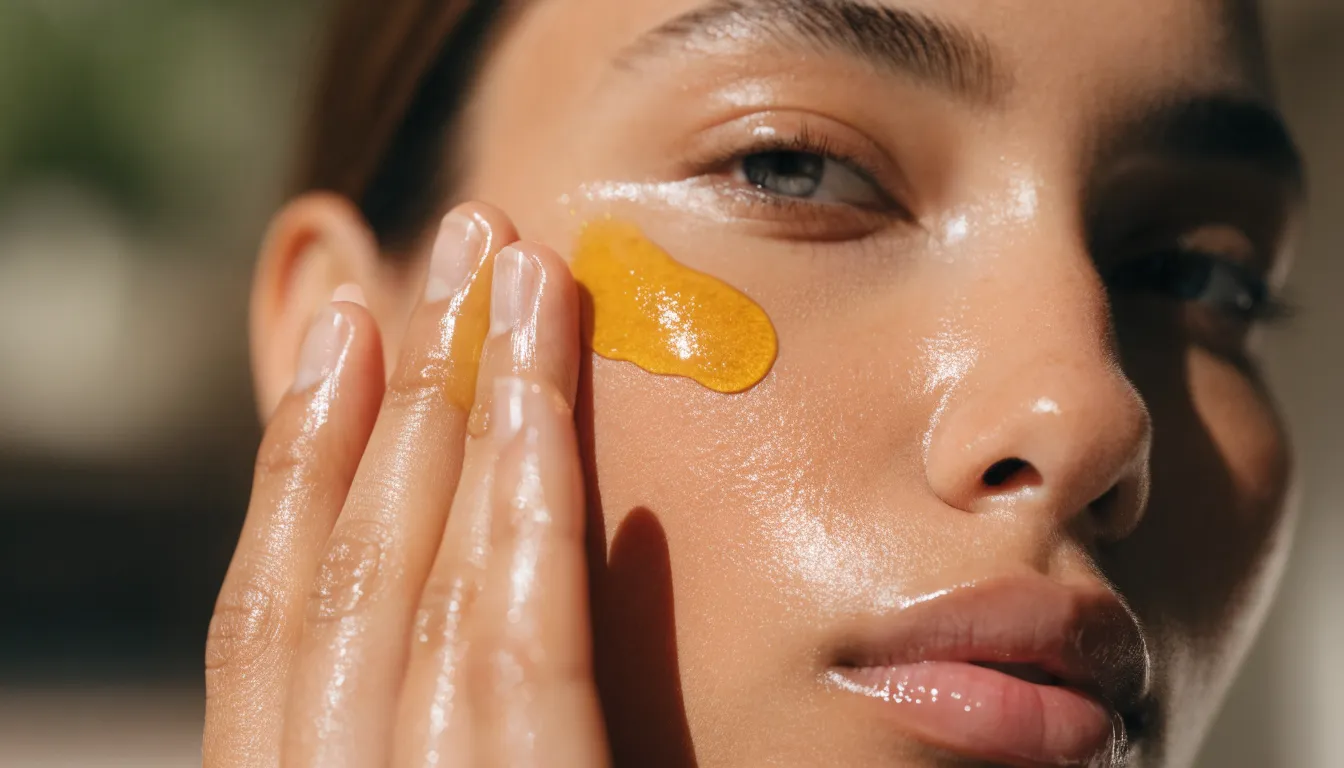
The oil’s unique makeup lets it sink into the skin quickly while forming a light protective barrier. This barrier locks in moisture from cleansing or hydrating serums and prevents water loss, keeping skin plump and elastic. Unlike heavier oils, argan oil feels light, absorbs fast, and leaves no greasy residue—just a soft, smooth finish.
Using argan oil daily helps keep essential moisture locked in, softening fine lines and improving overall skin texture. Over time, it supports the skin’s natural barrier, leading to lasting resilience, a healthy dewy look, and a radiant, natural glow.
Anti Aging Power
Argan oil is a powerful anti-aging helper. It softens the look of fine lines and improves skin elasticity. It is full of antioxidants like vitamin E and healthy fatty acids, which help the skin make more collagen. Collagen is important for firmness and support, so more of it means smoother, firmer skin and less visible wrinkles.
The oil also works as a deep moisturizer. Its fatty acids, including oleic and linoleic acid, trap water in the skin and plump it up from within. This makes fine lines less noticeable and leaves skin feeling supple. It is especially helpful around the eyes, where regular use can reduce the look of crow’s feet. The moisture also strengthens the skin’s barrier, protecting it from damage that speeds up aging.
With regular use, argan oil can visibly improve skin texture, firmness, and elasticity. By boosting collagen, locking in moisture, and fighting oxidative stress, it works in more than one way to refresh the skin. The result is a smoother, more radiant, and younger-looking complexion over time.
Acne Prone Skin Care
Argan oil is highly effective for acne-prone skin because it balances natural oils without clogging pores. It scores very low on the comedogenic scale, meaning it is unlikely to cause blackheads, whiteheads, or pimples.
Its key benefit comes from being rich in linoleic acid. Healthy skin produces sebum with a balanced mix of fatty acids, but acne-prone skin often lacks linoleic acid. This makes sebum thicker and stickier, so it traps dead skin cells and clogs pores, creating a breeding ground for acne bacteria and inflammation.
Applying argan oil helps restore the skin’s natural sebum balance. The extra linoleic acid allows sebum to flow more freely, preventing buildup in pores. This regulates oil production, keeping skin hydrated without excess oil or blockages. Regular use can reduce breakouts and lead to a clearer, healthier complexion.
Soothing Irritated Skin
Argan oil naturally calms irritated skin thanks to its rich supply of anti-inflammatory polyphenols. These compounds help reduce the body’s inflammatory response in the skin, actively working to ease redness and swelling linked to sensitivities.
For chronic conditions, it offers gentle relief. Eczema flare-ups—with their intense itching, redness, and flakiness—can be soothed as polyphenols quiet the overactive immune reactions behind the symptoms. Psoriasis, marked by rapid skin cell turnover and inflammation, also benefits from a calmer skin surface, and inflamed spots from breakouts or environmental stress look and feel less angry.
Beyond symptom relief, argan oil supports the skin’s own healing by encouraging a less inflamed environment. This strengthening of the skin barrier helps prevent future irritation and retains moisture, making pure argan oil a valuable addition to routines for sensitive, reactive, or chronically inflamed skin.
Nighttime Beauty Serum
Applying argan oil at night works with your body’s natural repair process. While you sleep, skin cell turnover speeds up, and the oil’s fatty acids, antioxidants, and vitamin E help old damaged cells shed faster so fresh, healthy cells can appear. This daily renewal keeps skin looking youthful and vibrant.
Nighttime is also a key time to undo damage from sun exposure and pollution. These daily stressors create free radicals that break down collagen and cause aging. Argan oil’s antioxidants neutralize those free radicals, helping repair the skin barrier, calm inflammation, and restore lost moisture for a smoother, stronger complexion.
With consistent nightly use, the skin gets the full restorative benefits of argan oil. You wake up to visibly healthier, more resilient skin that is better prepared to handle the next day’s environmental challenges.
Deep Scalp Treatment
Argan oil is a natural way to fight persistent dandruff and calm dry, flaky roots, helping your scalp become healthier. Its fatty acids and vitamin E deeply nourish the skin, restore your scalp’s natural balance, and reduce irritation. This intense hydration creates the right conditions for the scalp to heal and stop flaking.
To use it, warm a tablespoon or two of pure argan oil in a small bowl set in hot water or by briefly microwaving—make sure it’s comfortably warm, not hot. Then section your hair and apply the oil directly to your scalp, starting at the hairline and moving back. Massage gently with your fingertips in small circles for five to ten minutes, which evenly spreads the oil and boosts blood flow.
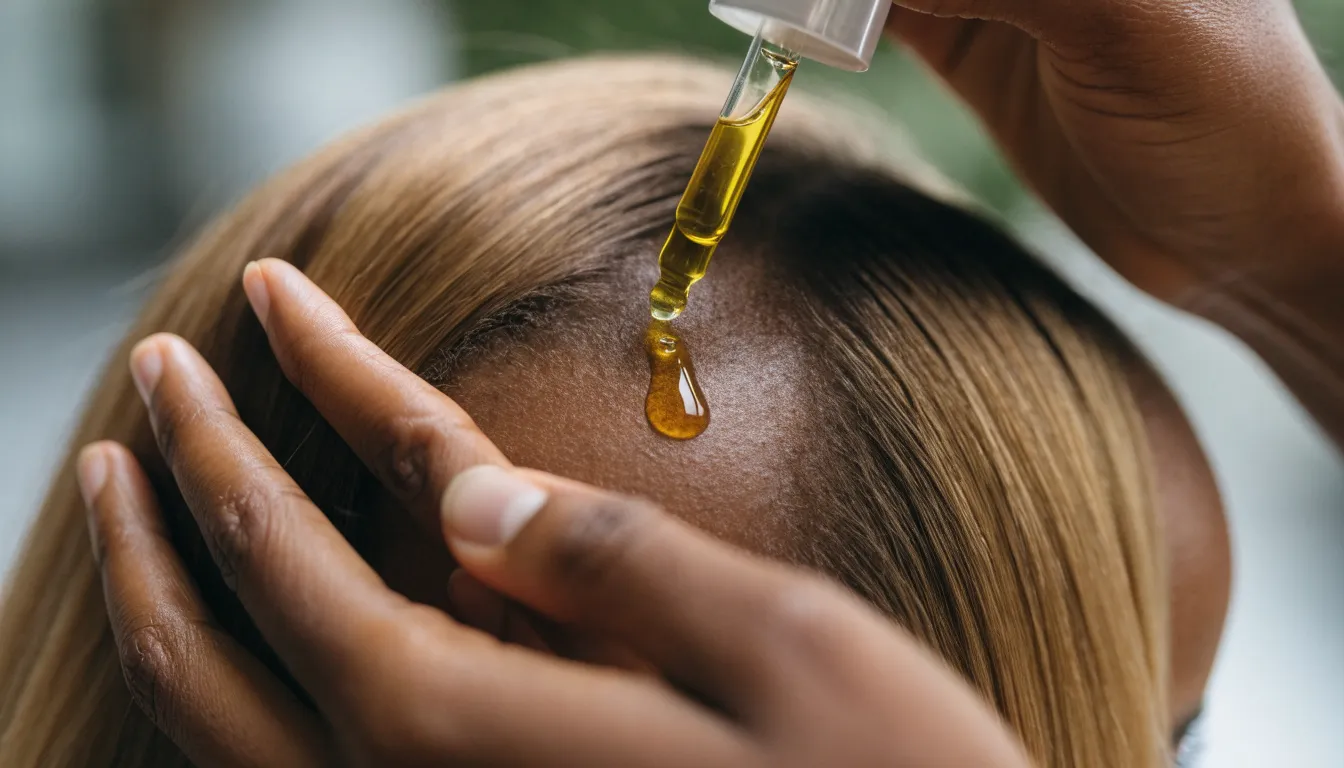
Let the oil soak in under a warm towel or shower cap for at least 30 minutes, or overnight for deeper treatment. Shampoo thoroughly, possibly twice, to remove any leftover oil. Doing this once or twice a week helps reduce dandruff and leaves your scalp feeling calmer and healthier overall.
Hair Strand Repair
Argan oil helps repair hair strands by penetrating deep into the hair shaft, not just coating the surface. This allows it to reach damaged areas and seal the outer cuticle layer. When cuticles are lifted or harmed by heat, chemicals, or the environment, hair loses moisture and becomes weak. By smoothing and sealing these cuticles, argan oil creates a protective barrier that restores the hair’s strength and integrity.
This repair work also helps reduce breakage. Strengthening the hair inside and smoothing it outside lowers friction and guards against further damage. Argan oil’s fatty acids and vitamin E nourish the hair, improving elasticity and resilience, so hair is less likely to snap or split. It can help prevent new split ends while improving the look and feel of existing ones.
For hair damaged by coloring, perms, or excessive heat, argan oil provides deep conditioning that helps reverse visible signs of stress. It adds a silky shine and replaces the dull look of brittle hair. With regular use, it transforms texture, leaving hair soft, smooth, and healthier, restoring its natural radiance and strength.
Heat Damage Shield
Argan oil works as a protective barrier for hair against the high heat of curling irons, flat irons, and blow dryers. When applied before styling, it forms a thin, lightweight coating around each strand. This coating absorbs much of the direct heat, helping to shield the hair’s cuticle and inner structure from damage.
The oil’s natural antioxidants and fatty acids support this defense, keeping hair strong even under high temperatures. As a result, it helps reduce common heat-related problems like dryness, brittleness, split ends, and a weakened hair shaft. With just a light layer of argan oil, styling becomes safer and healthier.
Argan oil also locks in moisture, preventing rapid water loss that can lead to frizz and dullness after heat styling. This proactive step helps maintain shine, softness, and strength while still allowing you to style your hair confidently with heat tools.
Natural Frizz Tamer
Argan oil works as a natural frizz tamer by smoothing down flyaways and giving hair a sleek, shiny look without weighing it down. To use it, start with just one or two drops in your palm, adjusting the amount based on your hair length and thickness. Rub your hands together gently to warm the oil so it spreads evenly.
Next, run your hands through dry hair, focusing on the mid-lengths and ends where frizz tends to appear. If your scalp gets oily quickly, avoid applying the oil there and instead target the outer layers and any static-prone areas. The oil’s emollient properties help instantly calm static electricity.
Argan oil also forms a light protective barrier around each strand, sealing the hair cuticle and keeping it from absorbing excess moisture from the air. This helps prevent humidity-related frizz and keeps hair smoother throughout the day. The result is hair that looks more controlled, feels softer, and has a healthy, polished shine.
Beard Care Mastery
Argan oil is a top choice for beard care, offering benefits for both the beard and the skin underneath. It works on both the beard and the skin underneath. For the hair, it is packed with fatty acids like oleic and linoleic acid. These deeply soak into each strand, softening even the roughest, most wiry beards. The result is a smoother, more manageable beard that is easier to comb and style.
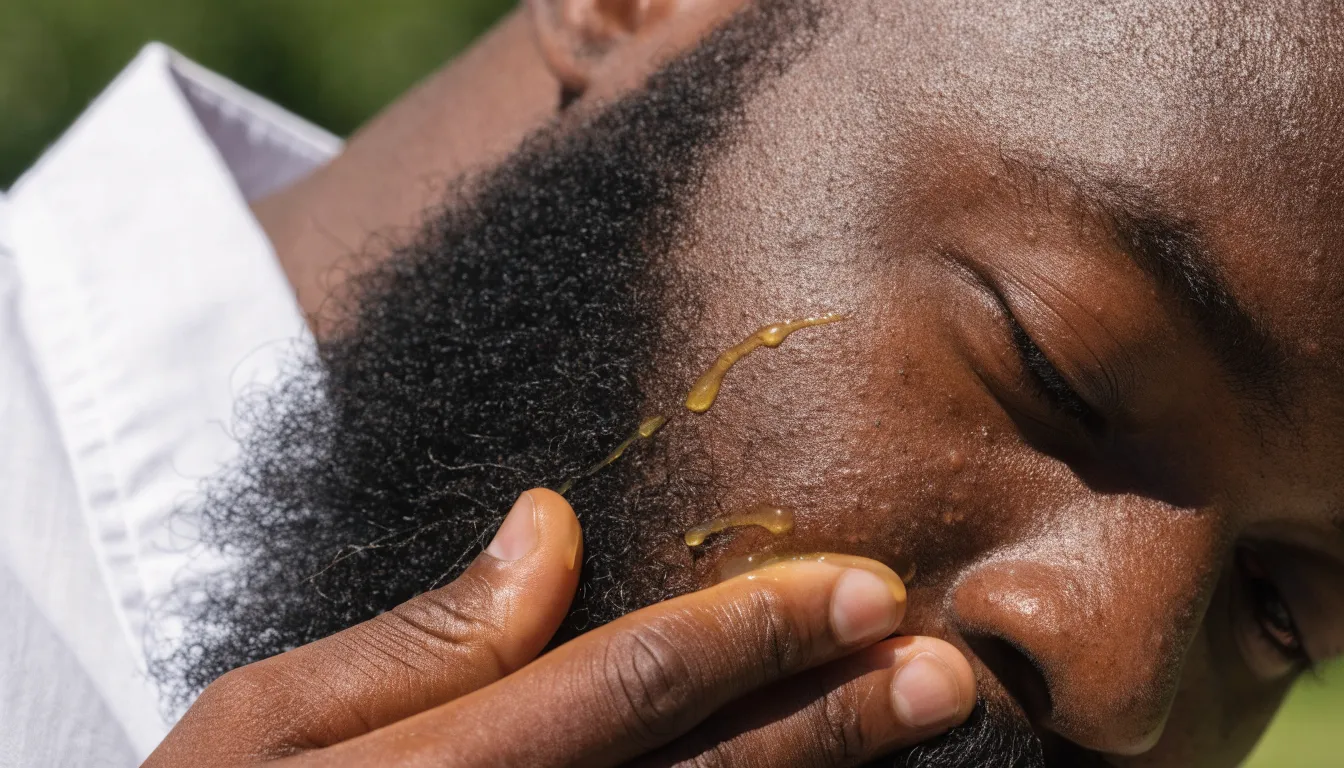
Argan oil also helps the skin beneath the beard, which is often dry, flaky, and itchy. It provides strong hydration without clogging pores or leaving a greasy feel. This soothes beard itch and prevents future irritation by keeping the skin’s moisture barrier healthy and balanced.
Vitamin E in argan oil adds extra skin benefits. It protects against environmental damage and supports skin cell renewal, creating a healthy base for beard growth. With regular use, argan oil keeps both the beard and the skin underneath in great condition, making the beard soft, comfortable, and well-groomed.
Lip and Cuticle Care
Argan oil is especially helpful for lips that are dry or damaged by cold wind and dry air, and it can be a great ingredient for a DIY lip balm with essential oils. It deeply moisturizes because it contains fatty acids like oleic and linoleic acid, plus a lot of vitamin E. The oil absorbs quickly, easing dryness and discomfort right away. It also repairs the skin’s natural barrier, locking in moisture and helping new skin cells grow. With regular use, chapped lips become soft, smooth, and more resistant to future cracking.
The same oil works well for cuticles and nails; for those interested in crafting their own, there are many DIY cuticle oil recipes with essential oils. Dry, rough cuticles can lead to hangnails or infections, but argan oil softens them with its moisturizing and anti-inflammatory properties. Massaging a little oil into the cuticles and around the nail plate makes them easier to manage and less likely to tear. It also helps strengthen nails by penetrating the nail bed and supporting healthy keratin production, which means less brittleness, splitting, and breakage.
These quick, simple applications give lips and nails the focused care they need. Using argan oil regularly helps both stay healthy, strong, and resilient, keeping them looking and feeling their best.
DIY Face Blends
Argan oil is a great carrier for essential oils, packed with vitamins A and E, antioxidants, and fatty acids. It’s lightweight and won’t clog pores, so it hydrates deeply while helping essential oils absorb into the skin without feeling heavy, which is key for safe essential oil application on skin.
For a glowing complexion, mix two drops of frankincense essential oil with one tablespoon of argan oil. Frankincense supports skin cell renewal and evens out skin tone. Massage a few drops onto clean skin morning and night to help reduce minor imperfections and boost radiance. For calming sensitive or irritated skin, combine two drops of lavender essential oil with one tablespoon of argan oil. Lavender’s anti-inflammatory properties help soothe redness and are especially nice for an evening routine.
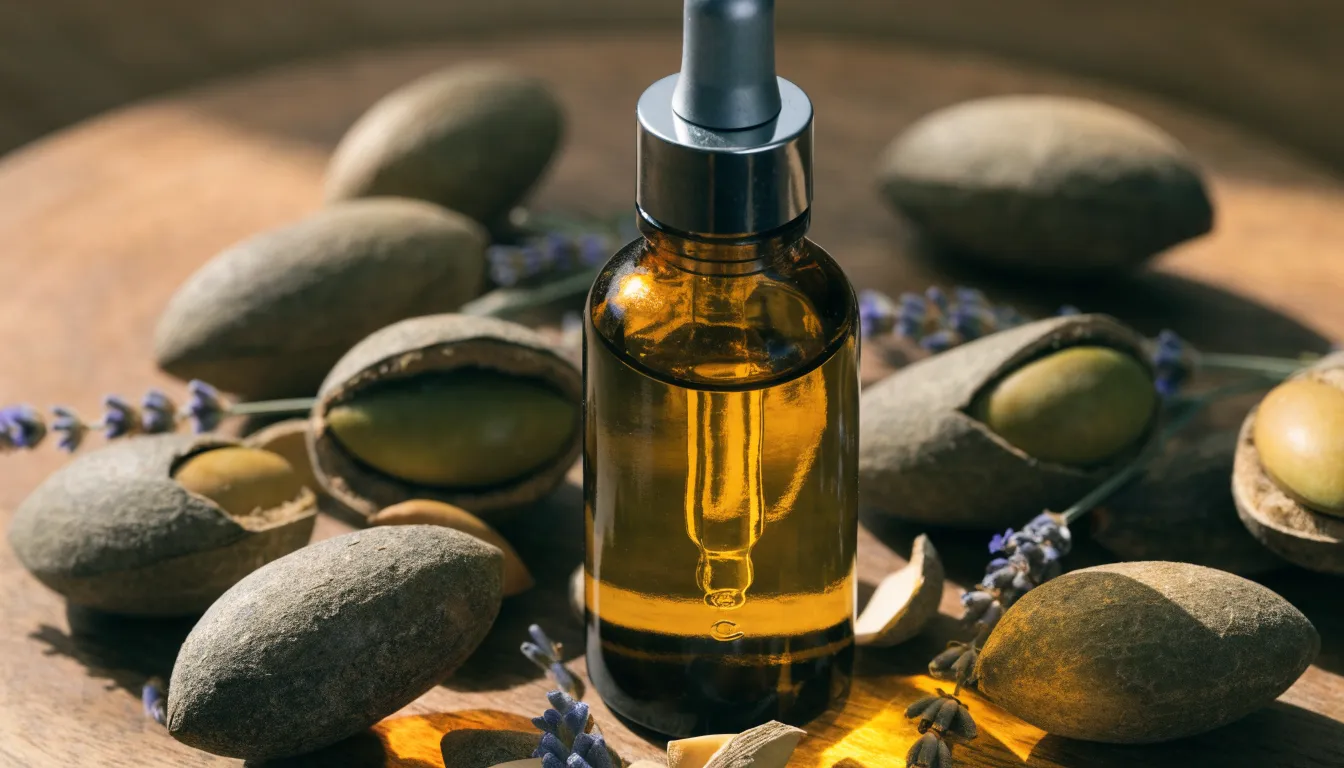
To target blemishes, add one to two drops of tea tree essential oil to one tablespoon of argan oil. Tea tree is purifying and helps manage oily or blemish-prone skin. Start with one drop and do a patch test first. Apply it directly to problem areas or all over the face to support clear pores and healthier-looking skin.
Frequently Asked Questions
Where does argan oil originate from?
Argan oil comes from the argan trees of Southwestern Morocco. It is traditionally extracted from fully mature nuts that fall naturally and are then hand-cracked by women-run cooperatives.
What key nutrients are found in argan oil?
Argan oil’s nutrient profile mainly consists of vitamin E (tocopherols), essential fatty acids like linoleic (omega-6) and oleic (omega-9) acid, and antioxidants. These compounds protect cells, support the skin’s barrier, provide deep hydration, and help maintain cell health.
Is argan oil beneficial for acne-prone skin?
Yes, argan oil is highly effective for acne-prone skin because it balances natural oils without clogging pores and scores very low on the comedogenic scale. Its richness in linoleic acid helps restore the skin’s natural sebum balance, preventing blockages and reducing breakouts.
How should I apply argan oil for daily facial hydration?
After cleansing, put a few drops of argan oil in your palms, warm it gently, and press it onto your face and neck while your skin is still slightly damp. This method helps the oil spread evenly and absorb well, locking in moisture and leaving no greasy residue.
Can argan oil help repair damaged hair?
Argan oil helps repair hair strands by penetrating deep into the hair shaft, sealing the outer cuticle layer that may be lifted or harmed. This creates a protective barrier, restores hair’s strength and integrity, and reduces breakage while adding shine.
Can argan oil be used as a carrier oil for essential oil blends?
Yes, argan oil is an excellent carrier for essential oils, allowing them to absorb into the skin without feeling heavy due to its lightweight and non-clogging properties. When blending with tea tree essential oil for blemishes, the article suggests starting with one drop and doing a patch test first.