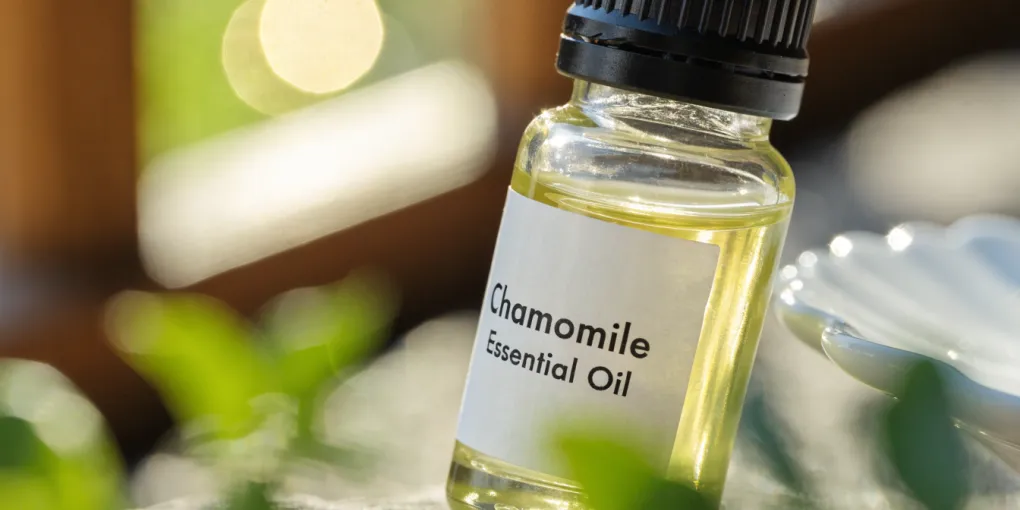
Chamomile essential oil, derived from Roman or German chamomile, offers diverse benefits. Roman chamomile is known for calming nervous tension, promoting sleep, and soothing mild skin irritation. German chamomile is potent for anti-inflammatory effects, particularly for skin conditions like eczema or psoriasis, and alleviating pain. Both types require proper dilution for safe topical application and can be diffused for aromatic benefits.
Table of Contents
- Understanding Chamomile Essential Oil
- Soothing Sensitive Skin
- Promoting Peaceful Sleep
- Easing Everyday Stress
- Comforting Muscles and Joints
- Nourishing Dry Hair and Scalp
- Supporting Healthy Digestion
- Diffusing Chamomile at Home
- Safe Topical Application
- Chamomile for Young Children
- Boosting Natural Skincare Routines
- DIY Bath Soaks and Scrubs
- Blending Chamomile with Other Oils
- Safety Precautions and Allergy Risks
Understanding Chamomile Essential Oil
Roman and German chamomile essential oils come from different plants and work in different ways. Roman chamomile comes from Chamaemelum nobile and is rich in esters like isobutyl angelate. These give it a sweet, apple-like scent and make it especially calming. It is best used for easing nervous tension, supporting sleep, relaxing muscles, and soothing mild skin irritation.
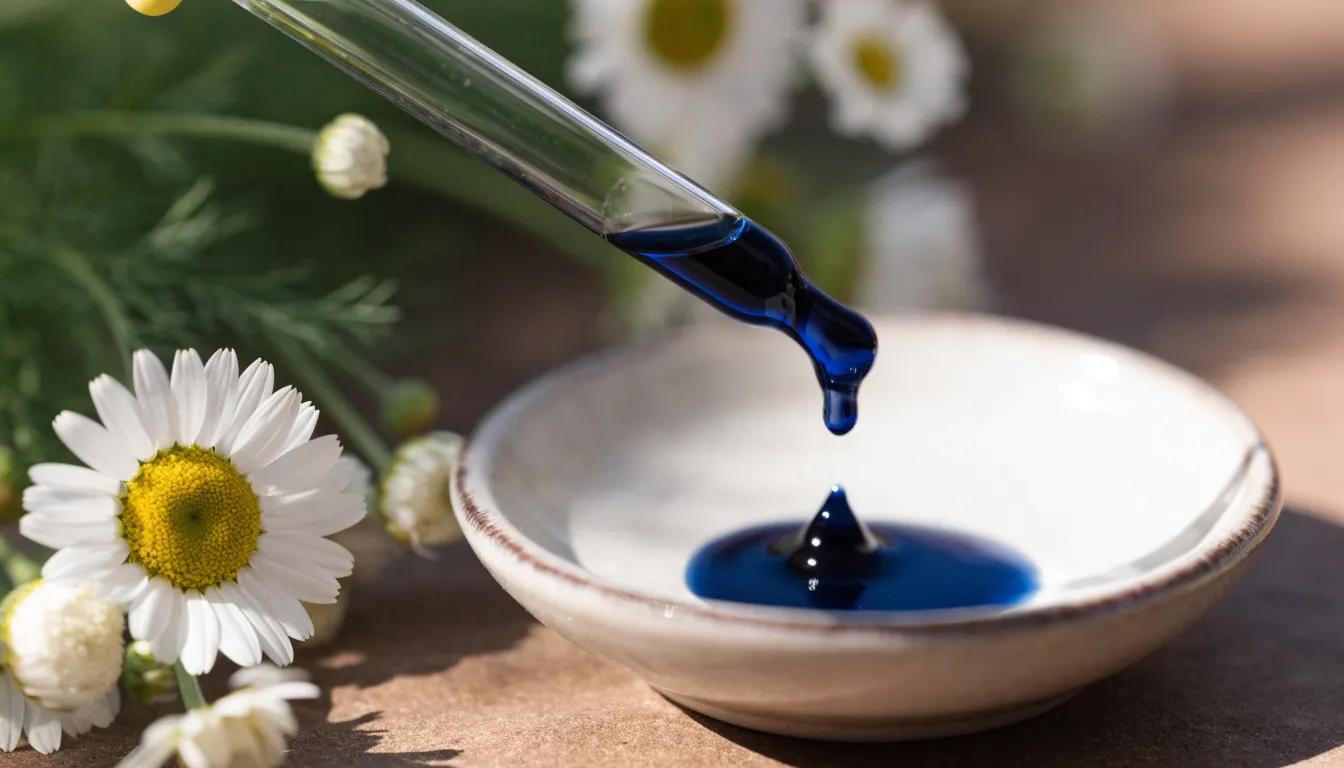
German chamomile comes from Matricaria chamomilla and has a very different makeup. Its main active compounds are sesquiterpenes such as chamazulene and bisabolol. Chamazulene gives the oil its deep blue color and provides strong anti-inflammatory benefits. This oil has a more herbaceous, earthy aroma. It is especially helpful for inflamed skin conditions like eczema or psoriasis, and for relieving pain related to inflammation.
Both oils are useful, but for different needs. Roman chamomile is more of a gentle sedative and relaxant, while German chamomile is stronger for fighting inflammation and calming irritated skin. Choosing between them depends on whether you need help with stress and sleep or with skin inflammation and pain.
Soothing Sensitive Skin
Chamomile essential oil is highly effective for sensitive skin, specifically calming redness and irritation. Its power comes from key active compounds, namely chamazulene and bisabolol. These ingredients are at the heart of its soothing reputation, working at the cellular level to reduce inflammation and calm the skin.
Chamazulene acts as a strong anti-inflammatory, particularly good at stopping the histamine reactions that cause redness and discomfort. Bisabolol works alongside it by sinking deep into the skin to further reduce swelling and support healing. Together, these components make the oil a strong tool for handling various inflammatory skin problems.
For people with eczema, the oil eases intense itching and lessens visible swelling. For those with rosacea, it helps tone down persistent redness and uncomfortable flushing. It also offers a gentle fix for minor skin irritation from the environment, harsh products, or small scrapes. Using it lowers skin sensitivity, helping the skin naturally recover and return to a calm, clear, and balanced state.
Promoting Peaceful Sleep
Chamomile essential oil supports sleep by working directly on the nervous system. When its calming aroma is inhaled, compounds like esters travel through the olfactory system to the brain’s limbic system, which helps control emotions, memory, and stress.
In the limbic system, these compounds interact with GABA receptors, a key part of the brain’s calming mechanism. This slows down overactive brain activity, reducing racing thoughts and anxious feelings before bedtime, and allowing the mind to settle naturally.
This also creates physical calm: heart rate slows, breathing deepens, and muscle tension releases. Using chamomile oil in a diffuser or on a pillow as part of an evening routine can therefore encourage Using chamomile oil in a diffuser or on a pillow as part of an evening routine can therefore encourage deeper, more restful sleep and better waking well-being.
Easing Everyday Stress
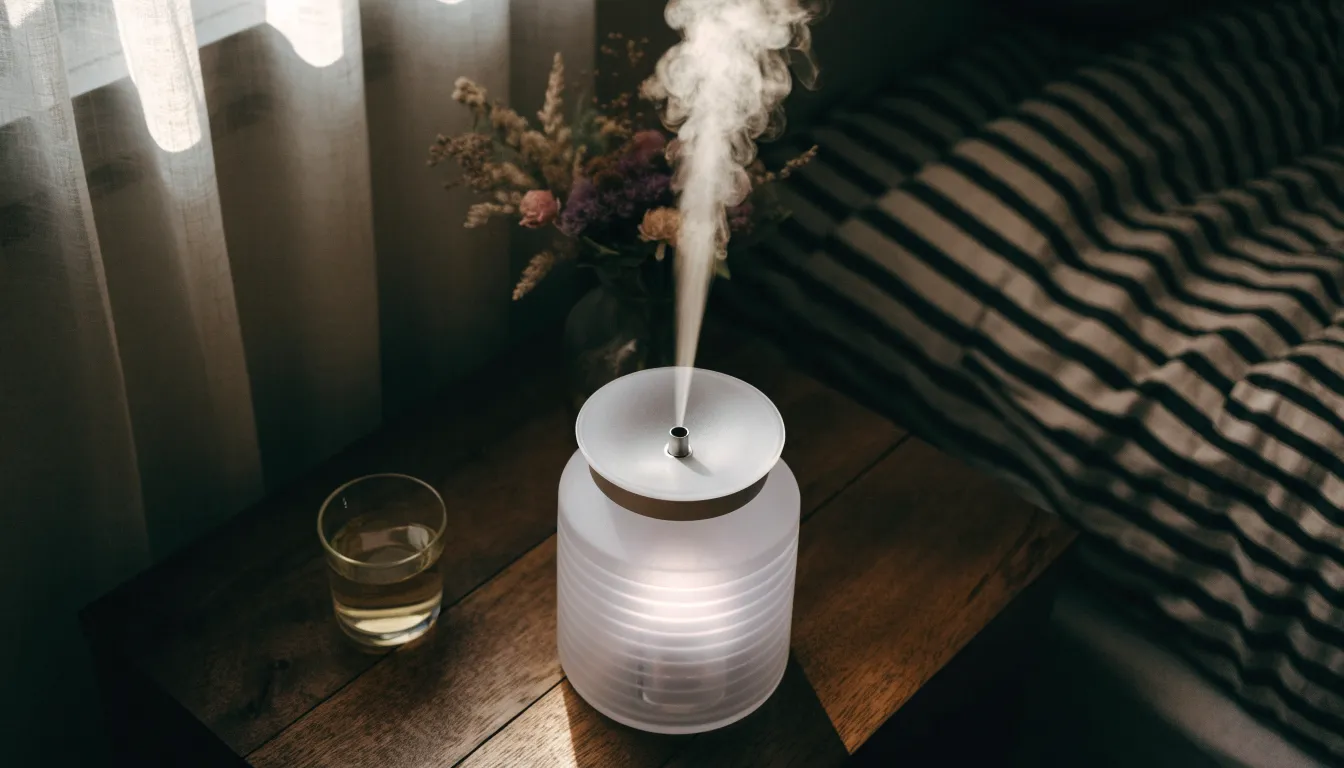
Chamomile essential oil helps ease everyday stress and prepare the body for rest. To use it, simply inhale the aroma directly from the bottle for quick calm, or diffuse it in your living space or bedroom for a longer-lasting soothing effect. Another option is steam inhalation: add a few drops to hot water, cover your head with a towel, and breathe deeply. These methods send calming compounds to the olfactory system, which influences emotions and memory.
For targeted relief, always dilute chamomile essential oil with a carrier oil like jojoba or sweet almond oil. Massage the diluted blend onto pulse points such as wrists and temples, or apply it to the neck, shoulders, and the soles of your feet before bed to encourage relaxation. Adding a few diluted drops to a warm bath also works well, letting the oil absorb through the skin while its aroma fills the room.
Chamomile’s active compounds help lower cortisol, the main stress hormone, signaling the body to shift from alertness to calm. This reduces physical stress and helps quiet racing thoughts, promoting mental clarity and peace. By encouraging deep relaxation, chamomile relieves mental exhaustion, allowing the mind to unwind, process the day, and restore focus and emotional balance.
Comforting Muscles and Joints
Chamomile essential oil helps ease physical discomfort in a gentle but effective way. It is especially useful in topical blends for soothing overworked muscles and stiff joints. When used in massage, it comforts areas strained by exercise or daily stress, encouraging release and relaxation without any harsh sensations.
To use it safely, mix chamomile essential oil with a carrier oil like jojoba, almond, or fractionated coconut oil. For sore muscles after a workout, add a few drops of chamomile to a tablespoon of carrier oil and For sore muscles after a workout, add a few drops of chamomile to a tablespoon of carrier oil and massage it into the affected area. This helps relax muscle fibers, reducing tension and discomfort.

Joint stiffness from inactivity or repetitive motion also improves with regular chamomile massages. Applying a chamomile blend around stiff joints promotes comfort, mobility, and flexibility over time. These simple blends offer a natural, nurturing way to support recovery and help the body return to a balanced, comfortable state after physical exertion.
Nourishing Dry Hair and Scalp
Chamomile essential oil naturally nourishes dry hair by boosting shine and hydration. It works as a humectant and emollient, helping hair attract and retain moisture. By gently sealing the cuticle, it reduces moisture loss, leaving hair softer, smoother, and more elastic. This helps prevent dryness, breakage, and dullness over time.
For the scalp, chamomile is soothing and calming. Its anti-inflammatory compounds, especially bisabolol, help reduce irritation, redness, and itchiness. It supports a balanced, healthy scalp environment without harsh chemicals that could strip moisture or disturb the scalp’s natural microbiome.
Chamomile also adds subtle brightness to hair, especially lighter or golden tones. It gently brings out existing highlights for a natural, sun-kissed glow without using chemical dyes. With regular use, hair feels deeply conditioned, the scalp stays comfortable, and natural highlights look more vibrant.
Supporting Healthy Digestion
Chamomile essential oil can help support healthy digestion and calm an upset stomach. When you feel bloated, crampy, or have a nervous stomach, a gentle abdominal massage with properly diluted chamomile oil can bring real relief. This works by combining the oil’s soothing effects with the comfort of touch, helping your digestive system feel more at ease.
The oil helps relax the muscles in the digestive tract, which can reduce cramping and spasms. The light pressure of the massage also helps move trapped gas, easing bloating and that uncomfortable feeling of fullness. It’s a gentle, non-invasive way to restore abdominal comfort. Chamomile’s calming scent also plays a key role, especially for stress-related digestive issues. Inhaling its aroma during a massage soothes the nervous system, which can calm tension and churning in the gut. This dual action—topical plus aromatic—addresses both physical symptoms and the stress underneath them.
To use chamomile essential oil safely, always dilute it in a carrier oil like jojoba, almond, or coconut oil. A typical mix is a few drops of chamomile oil in one tablespoon of carrier oil. Massage the blend onto your abdomen in a clockwise direction using light, circular motions. This simple method maximizes the oil’s benefits and supports comfortable, healthy digestion.
Diffusing Chamomile at Home
Diffusing chamomile essential oil at home can turn any room into a calm space. For a bedtime blend, fill your diffuser with water and add four drops of Roman chamomile, which helps relax the body. Add three drops of lavender to encourage sleep, and one drop of vetiver to deepen that sense of calm. Turn the diffuser on about 30 minutes before bed so the soothing aroma fills your bedroom.
For stressful moments, use three drops of Roman chamomile to calm anxiety, three drops of bergamot to lift your mood while staying relaxing, and two drops of frankincense to bring a peaceful focus. Diffuse this in your workspace or living area whenever you need to settle your mind and recenter yourself.
To create a generally calm home, fill the diffuser with water and add four drops of German chamomile, which has a light, apple-like, herbal scent. Combine it with two drops of sweet orange for a cheerful touch, and two drops of cedarwood for a warm, woody comfort. This gentle blend is great for daily use in shared spaces, helping everyone feel welcome and at ease. For best results, use pure, high-quality oils and keep your diffuser clean.
Safe Topical Application
To use chamomile essential oil safely on your skin, you need to choose a carrier oil and dilute the oil properly. Carrier oils make the strong essential oil less potent, help it spread over more skin, and can add their own benefits. Good choices include jojoba oil, which is similar to the skin’s natural oils and won’t clog pores, and sweet almond oil, which softens and moisturizes. Fractionated coconut oil, grapeseed oil, and sunflower oil also work well and offer different textures and absorption.
The right dilution depends on how you plan to use it and your skin sensitivity. For most adults, a common guideline is a 2% dilution, meaning 2 drops of chamomile essential oil for every 100 drops of carrier oil. For sensitive skin or use on the face, a 0.5% to 1% dilution is often better—about 1 to 2 drops of essential oil per 4 teaspoons of carrier oil. For children, older adults, or people with weakened skin, use an even lower dilution of 0.25% to 0.5%.
Always measure carefully and do a patch test on a small area of skin before applying it to a larger area. This helps ensure you won’t have a bad reaction. Taking these steps keeps your chamomile essential oil both safe and effective.

Chamomile for Young Children
Roman chamomile essential oil can be a gentle, calming addition to family routines, especially with young children, but it must be used carefully. For topical use, dilution is key. For infants from three months to two years old, use a very low dilution of 0.5% to 1%, meaning about 1–2 drops of essential oil per teaspoon (5 ml) of a carrier oil like jojoba or sweet almond. For children aged two to six, the dilution can be slightly higher at 1% to 2%, about 2–4 drops per teaspoon. Make sure the carrier oil is also gentle enough for sensitive young skin.
When applying, keep it to small areas. A gentle foot massage, or light application to the spine or lower abdomen, can help promote relaxation or soothe discomfort. Avoid the face, especially near the eyes and mouth, and never apply to broken skin. For aromatic benefits, diffusing Roman chamomile is a good option, but keep sessions short—around 15 to 30 minutes—and make sure the room is well-ventilated.
Always do a small patch test first to check for skin sensitivities, and never apply undiluted essential oil directly to a child’s skin. Store all essential oils safely out of reach to prevent accidental ingestion. Finally, talk to a pediatrician or qualified aromatherapist before using Roman chamomile, especially for infants or children with health conditions, to make sure it is safe and suitable.
Boosting Natural Skincare Routines
Chamomile essential oil can gently strengthen your skin’s natural barrier and support repair. Its calming, anti-inflammatory properties help soothe irritated skin and protect against sensitivity.
To use it, add one to two drops of pure chamomile oil to each teaspoon of your facial moisturizer or night cream. Mix them in your palm until combined, then apply to your face and neck. For thinner serums, add one drop to a few drops of serum, mix, and apply. Always do a patch test on your inner forearm or behind the ear first.
With regular use, chamomile-infused products can reduce redness, calm your complexion, and make your skin more resilient—boosting your natural skincare routine with very little extra effort.
DIY Bath Soaks and Scrubs
Chamomile essential oil can help you turn your bathroom into a personal spa. Simple DIY bath soaks and body scrubs are an easy way to pamper your skin and calm your mind at the same time. These homemade treatments are designed for self-care, helping you relax while also caring for your body.
For a bath soak, mix one to two cups of Epsom salt with 5–10 drops of pure chamomile essential oil. Add the mixture to warm running water and swirl to dissolve. Epsom salt helps ease muscle tension and draw out impurities, while chamomile’s gentle, herbaceous scent quiets a busy mind. This is a great ritual before bedtime or any time you need to de-stress.
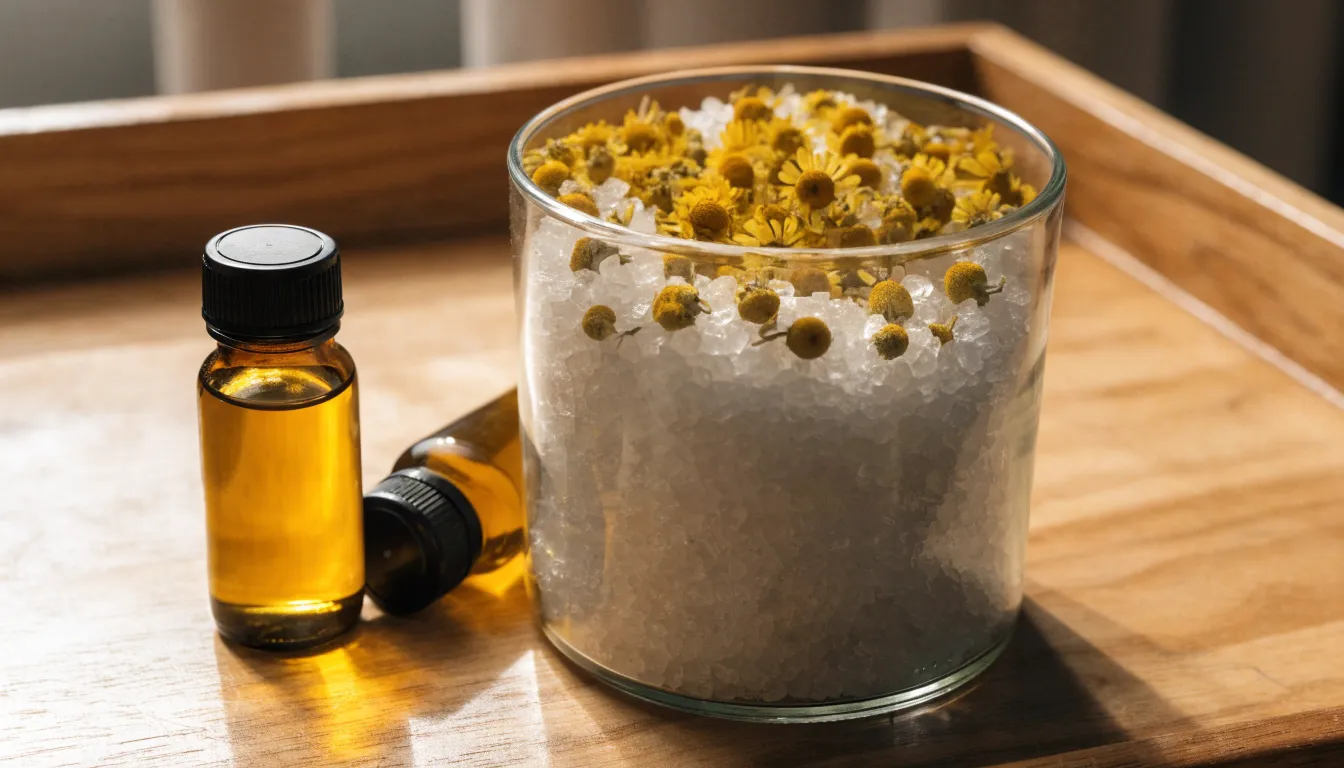
You can also make a moisturizing body scrub by combining half a cup of sugar or sea salt with a quarter cup of carrier oil, such as jojoba or sweet almond oil, and stirring in 3–5 drops of chamomile essential oil. Massage it onto damp skin in gentle circles, then rinse. The scrub removes dead skin cells and locks in moisture, while the chamomile delivers calming benefits directly to your skin and senses. The result is smoother, supple skin and a peaceful, relaxed mind.
Blending Chamomile with Other Oils
Blending chamomile with other essential oils boosts its natural powers for both mind and body. Combined, they strengthen chamomile’s calming and skin-healing effects, making the experience more complete. Lavender is a great partner: both are soothing, and diffusing them together creates a calm space that supports sleep and eases stress. On the skin, their gentle nature helps irritated skin, with lavender adding anti-inflammatory and regenerative benefits that reduce redness and support natural healing, especially for sensitive skin.
Bergamot adds a bright, uplifting note to chamomile’s mellow scent. While chamomile calms, bergamot lifts mood and eases anxiety, creating emotional balance. This blend is good for relaxing after a long day and clearing the mind without overstimulation. On skin, bergamot cleanses and balances, helping maintain clear skin while chamomile soothes, leaving the complexion refreshed and calm.
Frankincense brings depth and grounding to chamomile blends. It encourages peace and introspection, deepening chamomile’s sedative effects. For skin, frankincense supports cellular regeneration, improving tone and elasticity. Together, the two provide stronger nourishment, helping reduce blemishes and promote a healthy glow. These combinations unlock chamomile’s full potential, offering amplified relaxation and comprehensive skin care.
Safety Precautions and Allergy Risks
-
Safety comes first when using chamomile essential oil. People allergic to plants in the Asteraceae family—such as ragweed, marigolds, daisies, or chrysanthemums—may have a cross-reactive allergic response. This can cause skin irritation, itching, redness, or more serious symptoms in sensitive individuals.
-
Chamomile oil can also interact with medications. It has mild blood-thinning effects, so it may increase the risk of bleeding in people taking anticoagulants. Because it is calming and sedative, it can also strengthen the effects of sedative medications or central nervous system depressants, leading to too much drowsiness or poor coordination. Anyone on these medications should consult a healthcare professional first.
-
Always do a patch test before full use. Dilute a small amount of chamomile oil in a carrier oil like jojoba or almond oil, then apply it to a small area such as the inner forearm or behind the ear. Watch the area for 24 to 48 hours for redness, itching, swelling, or irritation. If any reaction appears, stop using it. Extra caution—or complete avoidance—is advised for people with related allergies, those on blood thinners or sedatives, pregnant or breastfeeding women, and young children unless a healthcare provider says it is safe.
Frequently Asked Questions
What is the difference between Roman and German chamomile essential oil?
Roman chamomile is calming and relaxing, used for nervous tension and sleep, with a sweet, apple-like scent from compounds like isobutyl angelate. German chamomile is strong for fighting inflammation and calming irritated skin, has a deep blue color from chamazulene, and an herbaceous, earthy aroma. Choosing between them depends on whether you need help with stress/sleep or skin inflammation/pain.
How can chamomile essential oil help with sleep and stress?
Chamomile essential oil supports sleep by interacting with GABA receptors in the brain, slowing overactive activity and reducing anxious feelings. For stress, its aroma can be inhaled or diffused, and its active compounds help lower cortisol, promoting mental clarity and peace. This encourages deeper, more restful sleep and helps the mind unwind.
Is chamomile essential oil safe to use on sensitive skin?
Chamomile essential oil is highly effective for sensitive skin, calming redness and irritation due to compounds like chamazulene and bisabolol. However, always dilute it with a carrier oil like jojoba or sweet almond oil before applying to the skin. It is crucial to perform a patch test on a small area first to check for any adverse reactions.
What are the main safety precautions to consider when using chamomile essential oil?
People allergic to plants like ragweed or daisies (Asteraceae family) may have an allergic reaction. Chamomile oil can also interact with medications, potentially increasing bleeding risk with anticoagulants or enhancing drowsiness with sedatives. Always perform a patch test before full use, and consult a healthcare professional if you are pregnant, breastfeeding, or have health conditions.
How should I dilute chamomile essential oil for topical application?
Always dilute chamomile essential oil with a carrier oil such as jojoba, sweet almond, or fractionated coconut oil before applying it to the skin. For most adults, a 2% dilution is common (2 drops of essential oil for every 100 drops of carrier oil). For sensitive skin, children, or older adults, use a lower dilution of 0.25% to 1%.
Can I use Roman chamomile essential oil for young children?
Yes, Roman chamomile essential oil can be used for young children, but extreme care and proper dilution are essential. For infants (3 months-2 years), use a very low 0.5% to 1% dilution, and for children aged 2-6, 1% to 2%. Apply to small areas like the feet or spine, avoid the face, and always consult a pediatrician or qualified aromatherapist first.