
Borage oil, sourced from Borago officinalis seeds, is a potent natural source of gamma-linolenic acid (GLA), an essential omega-6 fatty acid. It supports skin health by strengthening the barrier and reducing inflammation, offers joint comfort, and nourishes hair and scalp. Its high GLA content makes it more potent than evening primrose oil.
Table of Contents
- Unlocking Borage Seed Oil
- The Fatty Acid Advantage
- Soothing Dry Skin Fast
- Calming Redness and Irritation
- Relief for Eczema and Psoriasis
- Hair and Scalp Nourishment
- Joint Comfort and Mobility
- Borage Oil and PMS
- Borage Versus Evening Primrose
- Buying the Best Quality
- Daily Skin Care Routine
- Taking Oral Capsules Safely
- Blending with Essential Oils
- Common Side Effects
Unlocking Borage Seed Oil
Borage, or Borago officinalis, is a plant with a long history in traditional medicine, known for its bright blue, star-shaped flowers. While its leaves and flowers were once used in tonics, the real modern focus is on the oil pressed from its seeds. Borage seed oil stands out because it is one of the richest natural sources of gamma-linolenic acid, or GLA.

GLA is an essential omega-6 fatty acid that the body needs for many basic functions. Although other plant oils like evening primrose and black currant contain GLA, borage seed oil typically has the highest natural concentration, often making up more than 20% of its fatty acid content. This makes it an especially effective plant-based way to incorporate GLA into a wellness routine.
The importance of this GLA comes from its role in the body. It acts as a precursor to prostaglandins, which are hormone-like substances that help regulate inflammation, support immune responses, and maintain overall cellular health. Because of this unique biochemical profile, borage seed oil is highly valued for supporting the body’s natural processes and is considered a standout botanical extract in health and wellness.
The Fatty Acid Advantage
The body depends on a steady supply of essential plant fats, especially omega-6 fatty acids. These are polyunsaturated fats the body cannot make on its own, so they must come from food. Omega-6 fatty acids help keep every cell membrane strong and flexible, which is vital for absorbing nutrients, removing waste, and allowing cells to communicate properly. Without enough of them, cells and tissues cannot function at their best.
Omega-6 fatty acids also act as building blocks for signaling molecules called eicosanoids. These molecules help control the body’s inflammatory response. Some promote inflammation when needed for immune defense, while others, particularly those made from gamma-linolenic acid (GLA), help reduce excess inflammation. This balance keeps inflammation from becoming chronic and damaging.
By supporting controlled inflammation, omega-6 fats directly aid the body’s natural healing. They help with tissue repair, immune modulation, and cell regeneration, allowing the body to recover from injury, infection, and everyday strain. Getting enough of these essential fats gives the body the foundation it needs to repair itself, restore balance, and maintain overall health.
Soothing Dry Skin Fast
Borage oil works quickly to soothe dry skin by fixing the root problem: a weakened skin barrier. The outer layer of skin normally acts as a shield, keeping irritants out and moisture in. When this barrier is damaged—by harsh cleansers, stress, or genetics—tiny cracks form, allowing water to escape and causing dryness, flaking, and tightness.
The oil’s power comes from its high level of gamma-linolenic acid (GLA), an omega-6 fatty acid that helps build healthy skin cells and keeps cell membranes strong. Applied to the skin, borage oil blends into the barrier and helps fill those gaps, making the barrier stronger and more stable.

By strengthening the skin’s lipid structure, borage oil creates a better seal and reduces water loss from the skin’s surface. This stops moisture from evaporating too quickly, so natural hydration stays locked in. The result: fast relief, with skin feeling softer, smoother, and more supple—and a natural moisture balance restored.
Calming Redness and Irritation
Borage oil is a gentle yet effective option for soothing skin redness and irritation, especially for sensitive or reactive complexions. Its main power comes from gamma-linolenic acid (GLA), an omega-6 fatty acid that the skin turns into anti-inflammatory compounds. These compounds calm overactive immune responses in the skin, easing redness, tightness, and discomfort. For reactive skin prone to flare-ups, borage oil helps restore a more balanced, comfortable state.
It also works well to reduce facial flushing by calming inflammation and supporting the skin’s natural barrier. A stronger barrier helps protect against everyday triggers like harsh weather, pollution, and irritants in products. Over time, regular use leads to less redness and a greater sense of stability and comfort.
Because borage oil is non-comedogenic, it won’t clog pores, so it’s safe for people with acne-prone sensitive skin too. The result is a calmer, more even-toned, and more resilient complexion.
Relief for Eczema and Psoriasis
Borage oil shows real promise for easing the discomfort of eczema and psoriasis. These conditions cause chronic itching, scaling, and red, inflamed skin. The oil works mainly because it is rich in gamma-linolenic acid (GLA), an omega-6 fatty acid. Once absorbed—either through the skin or when taken orally—GLA helps calm the body’s inflammatory response, targeting the root causes behind these symptoms.
Clinical studies have found that regular use of borage oil can noticeably reduce symptom severity. People often experience less itching, less redness, and healthier-looking skin, with improvements in skin texture and the skin barrier. Many trial participants also reported less dryness and flaking, which made daily life more comfortable.
For use, borage oil can be massaged gently onto affected skin once or twice a day, after a patch test to check for reactions. It is also available as a supplement in capsule form. Consistency matters most: continued use helps maintain the benefits and supports long-term skin health, offering ongoing relief from the daily challenges of problem skin.
Hair and Scalp Nourishment
Borage oil helps keep the scalp healthy and well-nourished. Thanks to its high gamma-linolenic acid (GLA) content, it supplies essential fatty acids that support skin health. When applied to the scalp, it moisturizes deeply, soothes dryness and irritation, and helps restore the scalp’s natural barrier. This steady hydration also reduces dandruff by calming inflammation and balancing a dry scalp.
The oil also nourishes hair follicles beneath the skin. These nutrients reach the roots and provide the building blocks needed for healthy growth. As a result, hair becomes stronger, more resilient, and less likely to break.
With regular use, borage oil adds natural shine and softness. Hair that once looked dull and brittle can become visibly healthier, smoother, and more lustrous.
Joint Comfort and Mobility
Borage oil can support joint comfort and improve mobility, especially for issues like morning stiffness. Its main benefit comes from its very high content of gamma-linolenic acid (GLA), an omega-6 fatty acid. Once consumed, GLA is converted in the body into compounds that help reduce the production of inflammatory substances, which are responsible for joint pain, swelling, and stiffness.

This is especially helpful for people with rheumatoid arthritis, a condition in which ongoing inflammation damages joint tissues. By providing a high dose of GLA, borage oil helps shift the body away from an overactive inflammatory state. Rather than just covering up symptoms, it works on the underlying inflammatory response and encourages the body to create more anti-inflammatory mediators.
As a result, borage oil offers a natural way to reduce pain and stiffness while making movement easier. Many people may notice greater flexibility and less discomfort during daily activities, supporting better overall joint health.
Borage Oil and PMS
Borage oil is taken as a supplement for its gamma-linolenic acid (GLA), and it’s often promoted for PMS and hormonal balance. The evidence for PMS is limited and mixed, and there’s no good evidence that borage oil balances hormones.
If you’re considering borage oil capsules, choose a product certified free of pyrrolizidine alkaloids (PAs), compounds in the borage plant that can damage the liver. Talk to your doctor first, especially if you’re pregnant or breastfeeding, have liver disease, or take blood thinners. Used on the skin as a carrier oil, borage is a gentle, nourishing option.
Borage Versus Evening Primrose
Borage oil and evening primrose oil are both popular plant-based oils, mainly because they contain gamma-linolenic acid (GLA), a beneficial fatty acid. The biggest difference is GLA concentration: borage oil is much stronger, with about 20–24% GLA, while evening primrose oil has only about 8–10%. This means you need less borage oil to get the same amount of GLA.
Because borage oil is more potent, it is often more cost-effective per milligram of GLA, even if the bottle price seems higher. Both oils are absorbed well by the body since they are rich in essential fatty acids. Some research and anecdotal reports suggest borage oil may be absorbed slightly more efficiently due to its triglyceride structure, though more studies are needed to confirm this.
Each oil also has unique benefits beyond GLA. Purified borage oil contains oleic and palmitic acids that support skin health, while evening primrose oil contains compounds some people find helpful for hormone balance and premenstrual comfort. Understanding these differences in GLA content, cost, absorption, and unique properties helps you choose the oil that best fits your needs.
Buying the Best Quality
When buying borage oil, choose a product labeled unrefined and cold-pressed. This means the seeds were pressed at low temperatures without chemicals, which protects the oil’s important compound gamma-linolenic acid (GLA) and other nutrients. Heat or harsh processing can damage these delicate substances, so unrefined oil keeps more of its natural benefits.
Packaging matters too, because borage oil can spoil when exposed to light. Always pick oil in a dark glass bottle, like amber or cobalt blue, since this blocks UV rays and helps preserve the oil’s potency. Clear plastic bottles do not offer enough protection and should be avoided.
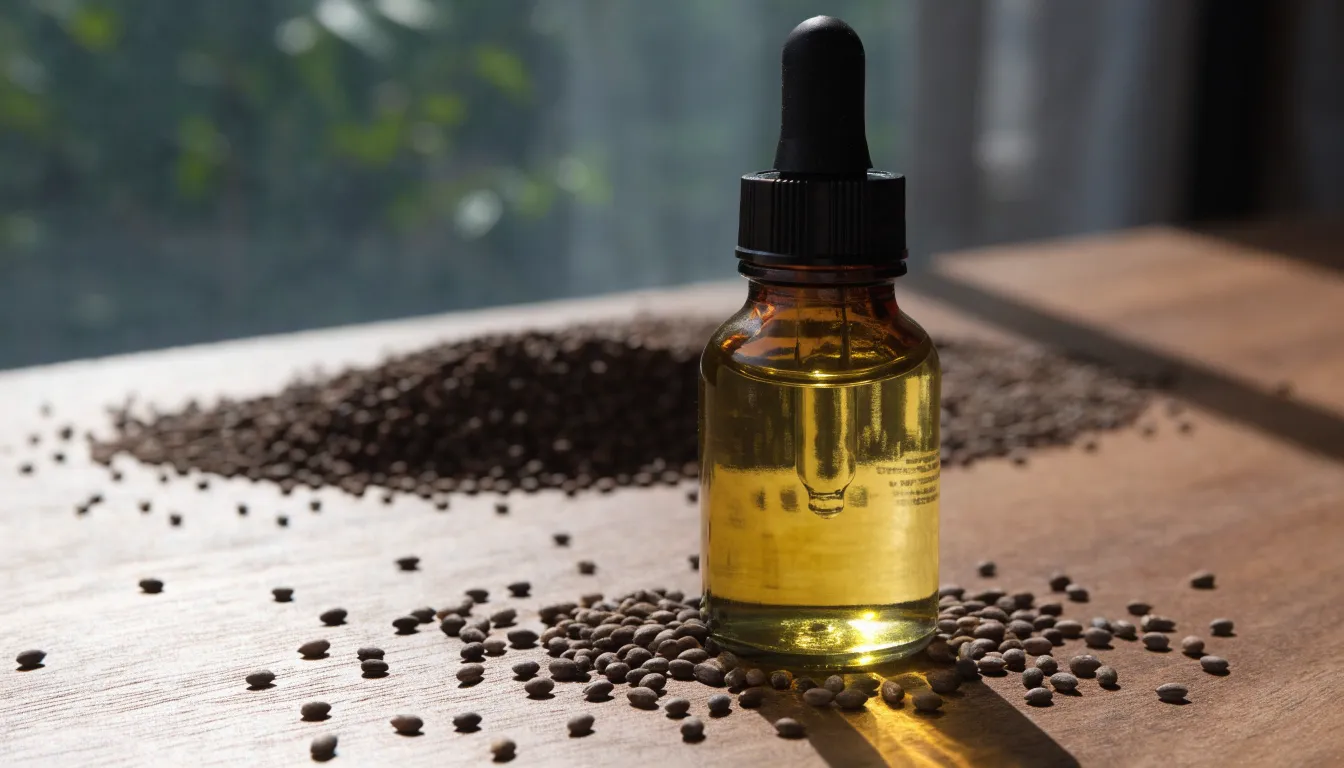
Finally, make sure the oil is pure and potent. Look for brands that use third-party testing and provide a Certificate of Analysis (COA) to confirm the oil is free from heavy metals, pesticides, and microbes, and that it contains the right amount of GLA. Also check the ingredient list: it should show only borage oil, with no added filler oils like sunflower or safflower. This ensures you get a strong, undiluted supplement.
Daily Skin Care Routine
Before using borage oil on your face, do a patch test first. Put a little on your inner forearm or behind your ear, then wait 24 to 48 hours to check for redness or itching. If your skin is fine, it’s safe to use. Keep the oil in its original dark bottle, stored in a cool, dark place away from sunlight and heat, so it stays fresh and effective.
In the morning, wash your face with a gentle cleanser and pat it dry. Apply a few drops of borage oil to your face and neck, massaging gently in upward circles until absorbed. Then finish with moisturizer and sunscreen. The oil feels light and nourishing, so it works well under your regular products.
At night, take off makeup and cleanse your face, then apply borage oil as the last step before bed. You can use a bit more than in the morning to help your skin repair while you sleep. Using it consistently morning and night gives the best results for softer, healthier-looking skin.
Taking Oral Capsules Safely
To use borage oil capsules safely, focus on dosage and consistency. The key active ingredient is Gamma-Linolenic Acid (GLA). A typical daily amount is 240 to 480 mg of GLA, which usually means taking one or two 1000 mg capsules a day, since each capsule has about 20–24% GLA. Check the label for exact GLA content, start with a lower dose, and increase gradually if needed. It’s best to talk to a healthcare professional for personalized advice, and taking the supplement daily matters more than taking large amounts.
For best absorption, take borage oil with food. Since it is fat-soluble, it needs some dietary fat to be absorbed well. Taking it with your largest meal, or splitting the dose across two meals, helps your body use it effectively. The most important thing is to stay consistent, which keeps steady GLA levels in your system and supports its benefits over time.
Be patient about results. Supplements work gradually. For skin hydration, elasticity, or hair appearance, you may notice changes after four to six weeks of daily use. For internal benefits like supporting inflammation or joint comfort, it may take eight to twelve weeks. Everyone is different, so consistent daily use is essential to see the full effects.
Blending with Essential Oils
Borage oil works exceptionally well as a carrier oil, offering a light, nourishing base for diluting potent essential oils. Its high gamma-linolenic acid content makes it especially beneficial for skin applications, helping enhance the effects of the essential oils blended into it. This makes homemade serum blends a simple way to create targeted, natural skin and wellness treatments tailored to your needs.
Always perform a patch test before trying any new blend, and choose high-quality, pure essential oils for best results. A standard ratio is two tablespoons of borage oil with four to six drops of essential oil, adjusted to your preference. For a calming, skin-soothing serum, mix two tablespoons of borage oil with five drops of lavender essential oil in a small dark glass bottle, then massage gently onto pulse points, temples, or the chest to encourage relaxation and ease minor skin irritation.
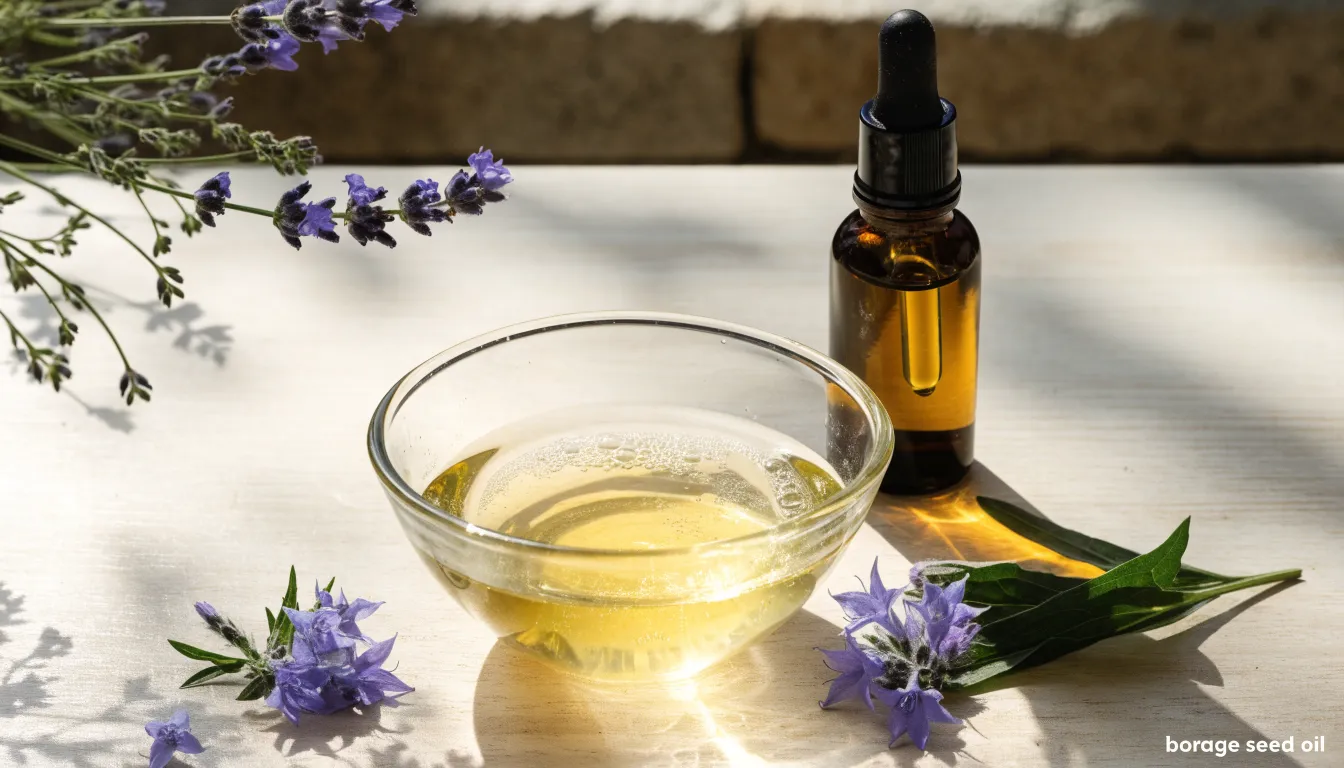
Another effective option combines two tablespoons of borage oil with four drops of Roman chamomile essential oil. Known for its anti-inflammatory and gentle properties, this blend is ideal for sensitive skin and can be applied to areas of redness or discomfort for a soothing effect. Store your custom serums in a cool, dark place to preserve their potency, and feel free to …and feel free to explore other essential oils like frankincense for rejuvenation …and feel free to explore other essential oils like frankincense for rejuvenation or tea tree for clarifying—borage oil’s versatility makes it easy to create endless personalized blends.
Common Side Effects
Borage oil is generally well tolerated, but some people may notice mild nausea or indigestion, especially when first starting it or taking it on an empty stomach. To reduce these issues, begin with a lower dose and slowly increase it, or take the oil with food.
It may also have a mild blood-thinning effect because of its gamma-linolenic acid content. If you take blood thinners or are scheduled for surgery, talk to your healthcare provider before using borage oil to avoid possible complications.
For long-term safety, choose a product labeled “PA-free.” Pyrrolizidine alkaloids, natural compounds in the borage plant, can harm the liver if consumed in large amounts over time. Reputable brands remove these compounds through processing, so picking a PA-free product helps protect your health.
Frequently Asked Questions
What is borage oil good for, and what is GLA?
Borage oil, pressed from Borago officinalis seeds, is valued for being one of the richest natural sources of gamma-linolenic acid (GLA). GLA is an essential omega-6 fatty acid that acts as a precursor to prostaglandins, which help regulate inflammation, support immune responses, and maintain overall cellular health.
How does borage oil help with dry skin?
Borage oil helps soothe dry skin by strengthening a weakened skin barrier. Its high gamma-linolenic acid (GLA) content helps build healthy skin cells, allowing the oil to blend into the barrier, fill gaps, and reduce water loss from the skin’s surface. This helps restore natural moisture balance, making skin feel softer and smoother.
Is borage oil good for conditions like eczema and psoriasis?
Yes, borage oil shows promise for easing the discomfort of eczema and psoriasis. Its rich gamma-linolenic acid (GLA) content helps calm the body’s inflammatory response, reducing symptoms like itching, redness, dryness, and flaking. It can be absorbed through the skin or taken orally to support healthier-looking skin.
What’s the main difference between borage oil and evening primrose oil?
The main difference lies in their gamma-linolenic acid (GLA) concentration; borage oil has about 20–24% GLA, while evening primrose oil contains only about 8–10%. This makes borage oil much stronger, meaning you need less of it to get the same amount of GLA.
What is the recommended way to take borage oil capsules?
A typical daily amount for borage oil capsules is 240 to 480 mg of GLA, usually one or two 1000 mg capsules. It is best to take them with food for optimal absorption and to consult a healthcare professional for personalized advice. Consistency in daily use is essential to see full effects, which may take several weeks.
What are the potential side effects of borage oil, and are there any safety warnings?
Some people may experience mild nausea or indigestion; taking it with food and starting with a lower dose can help. Borage oil may also have a mild blood-thinning effect, so consult a healthcare provider if you take blood thinners or are scheduled for surgery. For long-term safety, always choose products labeled “PA-free” to ensure harmful pyrrolizidine alkaloids have been removed.