
Yes, you can safely put essential oils in lotion or shampoo by following proper dilution rates, typically 0.5% to 2% for adults. Always use unscented, sulfate-free bases to prevent adverse reactions and preserve the oils’ potency. Always perform a patch test before widespread use, especially with citrus oils, which can cause photosensitivity.
Table of Contents
- Adding Oils to Skincare
- Choosing the Right Lotion Base
- Top Essential Oils for Skin
- Safe Dilution Rates for Lotion
- Blending Oils into Body Cream
- Essential Oils in Shampoo
- Selecting Your Shampoo Base
- Hair Oils for Different Scalp Types
- Mixing Oils into Hair Care
- Carrier Oils and Essential Oils
- Avoiding Skin Irritation
- Sun Sensitivity and Citrus Oils
- Product Shelf Life and Storage
- Common DIY Mixing Mistakes
- Daily Application Best Practices
Adding Oils to Skincare
Adding essential oils to your daily lotions, creams, or cleansers lets you target your specific skin needs with concentrated plant power. By identifying your main skin concerns, you can choose oils known for properties that improve skin health and appearance, making each application more effective than a generic product alone.
For dryness, lavender helps moisturize and balance the skin, while sandalwood supports the natural moisture barrier for a more hydrated look. To address signs of aging, frankincense encourages cell regeneration and elasticity, and rose provides antioxidant benefits that smooth fine lines and promote a healthy glow. For inflammation, chamomile calms and soothes irritated skin, while tea tree’s purifying qualities help reduce redness and discomfort.
These custom blends deliver precise, targeted care that works with your skin’s natural biology. To use them safely, always dilute essential oils properly in a carrier product before applying them to your skin.
Choosing the Right Lotion Base
Unscented lotion or shampoo is the best base for adding essential oils, because it won’t clash with the oil’s natural aroma. Many scented products already contain complex synthetic perfumes, and when those mix with concentrated essential oils, the result can be muddled, overpowering, or unpleasant. The essential oil’s delicate scent and therapeutic benefits may get lost or distorted.
Fragrance-free bases also help keep the mixture chemically stable. Scented products often include stabilizers to preserve their formula, and essential oils are highly active compounds. Adding them to that mix can trigger unpredictable reactions that weaken the oil’s effectiveness or change how it works. It may also affect the lotion or shampoo itself, causing texture changes, separation, or a shorter shelf life—and in some cases, it might create irritants that trigger skin sensitivity.
A neutral base gives essential oils a clean, predictable environment to blend into safely. This protects the oil’s potency and aroma while keeping the final product stable and gentle on skin. So for best results, choose an unscented base and let the essential oil do the work.
Top Essential Oils for Skin
Integrating essential oils into your skincare routine can help hydrate, soothe, and nourish the skin. Certain oils support the skin’s natural barrier without causing irritation, helping to keep your complexion balanced, comfortable, and healthy.
Lavender essential oil calms and comforts the skin. It helps maintain moisture balance, leaving skin feeling hydrated, soft, and refreshed when properly diluted in lotion or shampoo. Roman chamomile is also very gentle, making it great for sensitive skin. It soothes redness, promotes an even skin tone, and supports the skin’s natural recovery.
Frankincense essential oil nourishes and rejuvenates the skin. It supports a healthy-looking complexion, helps reduce the appearance of imperfections, and promotes firmness and a youthful look. Together, lavender, chamomile, and frankincense offer a simple, holistic approach to skincare—providing hydration, soothing relief, and strong barrier support.
Safe Dilution Rates for Lotion
To safely add essential oils to lotion, stick to proper dilution rates. For daily use on adults, a 0.5% to 1% dilution is generally safe and effective. For targeted or temporary concerns, 2% is often fine. Higher amounts like 3% or 5% should only be used for short-term, localized issues, and never go above 5% for skin application.
To figure out drops, remember that one fluid ounce (30 ml) of essential oil has about 600 drops, or roughly 20 drops per ml. In a 1-ounce bottle of lotion, 0.5% equals about 3 drops, 1% equals about 6 drops, and 2% equals about 12 drops. For a 2-ounce bottle, double those numbers: 6, 12, and 24 drops respectively.
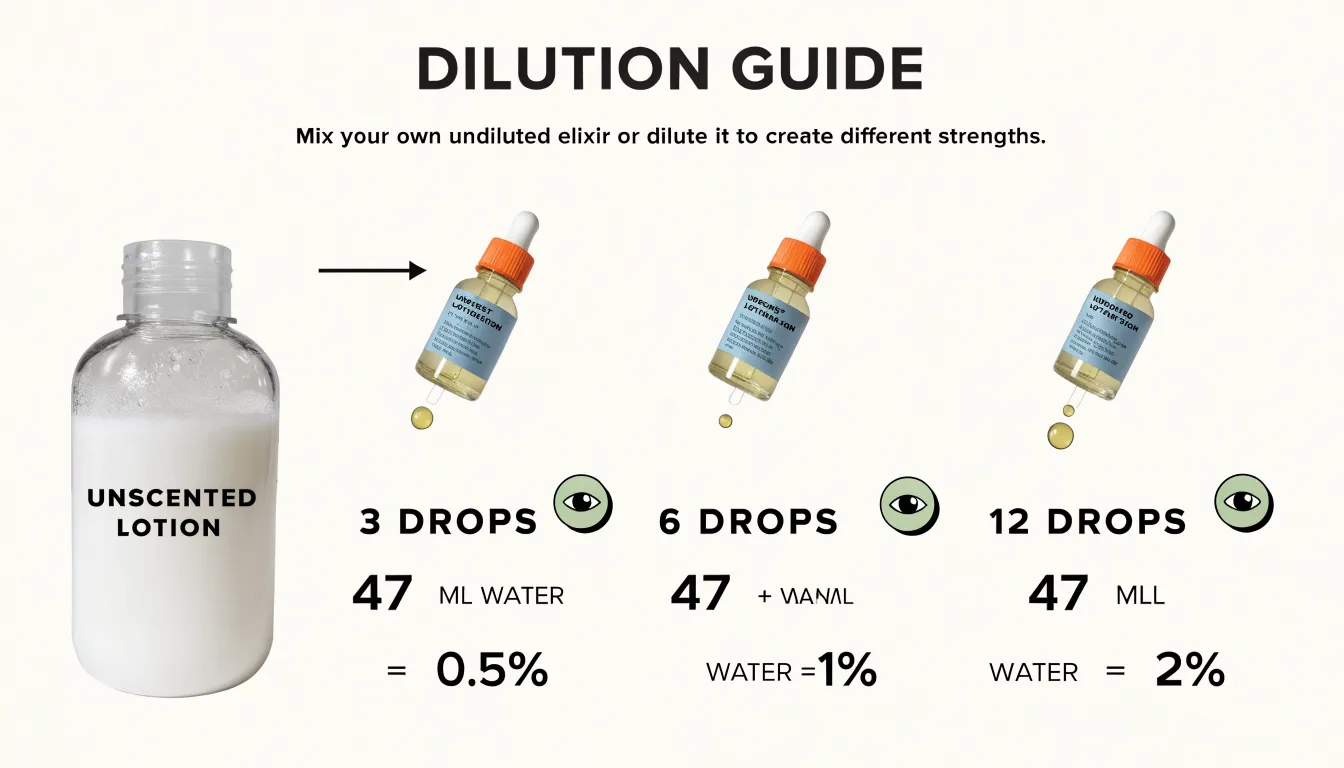
Always start with the lowest dilution, especially if you have sensitive skin or are trying a new oil. This careful approach lets you enjoy the therapeutic benefits of essential oils while protecting your skin and avoiding irritation.
Blending Oils into Body Cream
When blending essential oils into thick body cream, the main goal is even distribution. If the oils aren’t mixed well, they can form concentrated “hot spots” that may irritate the skin. Start with clean tools and a sanitized bowl, using a separate container so you have enough room to mix without spilling.
Begin by scooping a small amount of cream into the bowl. Add your essential oils drop by drop, counting each drop according to your chosen dilution. Stir this small mixture gently and thoroughly until the oils are fully absorbed into the cream base. This step is important because it makes sure the oils are properly dispersed before you add more cream.
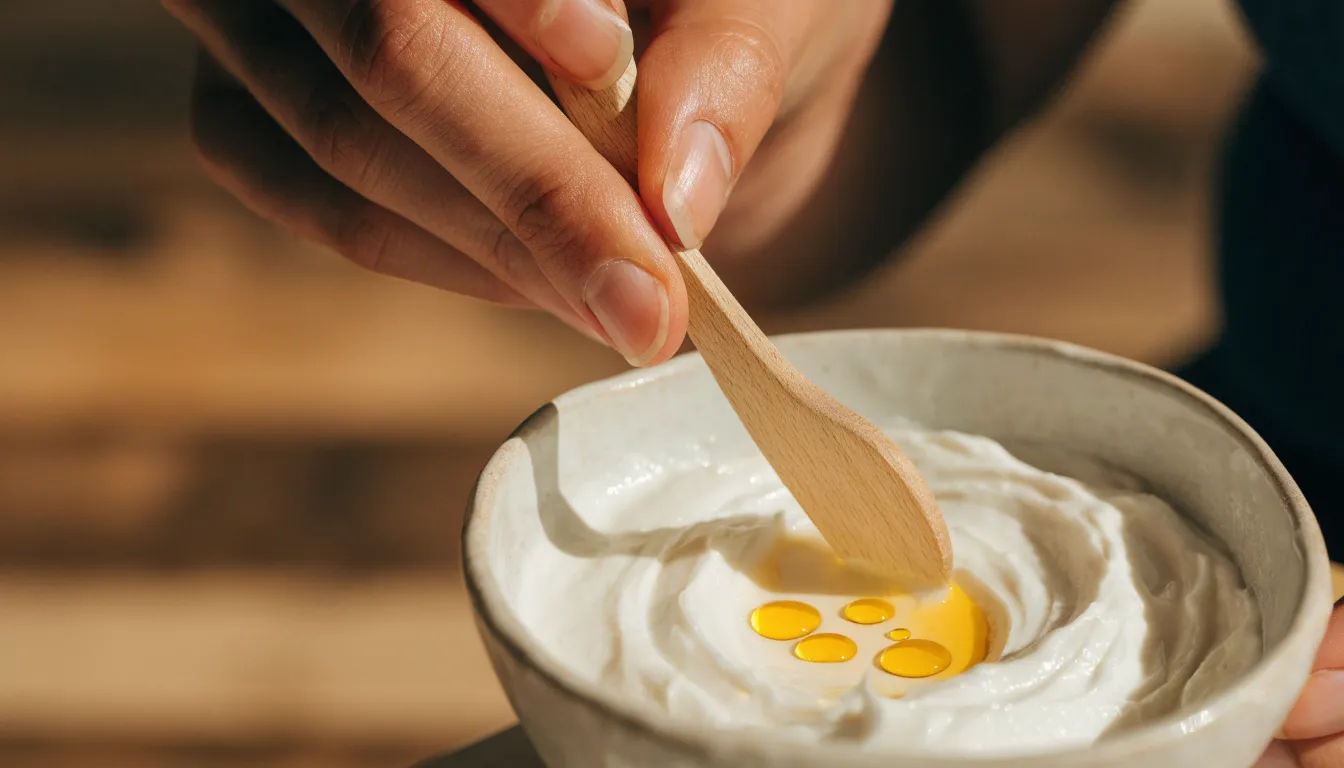
Once the small blend is smooth and even, gradually mix in the rest of your body cream. Keep stirring, folding, or gently whipping until the whole mixture looks uniform and creamy. For very thick creams, a small whisk can help. When you see no streaks of oil or separate layers, your lotion is fully blended and safe to use.
Essential Oils in Shampoo
Essential oils in shampoo can directly improve scalp circulation. Certain plant extracts gently boost blood flow to the scalp, which helps deliver more oxygen, vitamins, and minerals to hair follicles. This makes follicles stronger and more active, supporting healthier hair growth and reducing the chance of premature hair loss. Better circulation also helps remove waste from the scalp, keeping the environment clean and healthy for hair.
They also help balance oil production. Some essential oils act as natural astringents, reducing excess oil without drying out the scalp. Others add moisture and soothe dryness, itchiness, and irritation. By keeping the scalp neither too oily nor too dry, they create a stable, healthy foundation that prevents greasy roots and brittle strands.
Finally, essential oils strengthen the hair strands themselves. Their nourishing compounds can enter the hair shaft, reinforcing its internal structure and protecting the cuticle. This makes hair more resistant to heat, environmental damage, and everyday stress, reducing breakage and split ends. As a result, hair becomes smoother, more elastic, and naturally shiny. Used this way, essential oils offer a simple, natural way to support strong, healthy hair from root to tip.
Selecting Your Shampoo Base
Choosing the right shampoo base is key when adding essential oils to your hair care routine. A simple, gentle shampoo with fewer additives helps keep the natural compounds in essential oils intact and fully potent. This matters because those delicate compounds are sensitive to harsh chemicals often found in regular shampoos.
Sulfate-free shampoos are especially good choices. Sulfates are strong foaming agents that cleanse aggressively, and they can interact negatively with essential oils. This may weaken the oils’ therapeutic properties or break down their beneficial components before they reach your hair. Sulfates can also make the essential oil blend less stable and consistent in the bottle.
Gentle, sulfate-free formulas create a nurturing environment for essential oils. Their milder cleansing action preserves the oils’ molecular structure, so the oils can fully support scalp health, hair strength, and pleasant scent. These bases still produce a rich, creamy lather that spreads the oils evenly, cleanses without stripping natural moisture, and keeps the blend stable for the best overall results.
Hair Oils for Different Scalp Types
Understanding your scalp type is the first step to using essential oils effectively. Just like facial skin, scalps have different needs, so you should match oils that have specific functions to your particular condition. This is key to promoting healthier hair from the roots.
For an oily scalp, tea tree oil is a great choice because its purifying properties help control excess oil without stripping away needed moisture, leaving hair feeling fresh. If your goal is hair growth, rosemary oil is known for its stimulating effects—it boosts circulation to the hair follicles, supporting nutrient delivery, which can lead to stronger, fuller hair over time when used regularly and diluted.
For a dry, flaky scalp, cedarwood oil provides soothing and balancing benefits. It moisturizes the scalp, reduces flakes, and calms irritation, making it gentle enough for sensitive skin. Finding your ideal oil is a personal journey, so try these suggestions—always diluted—and observe how your scalp responds to build the best routine for lasting hair health.
Mixing Oils into Hair Care
Adding essential oils to your shampoo is an easy way to bring their benefits directly to your scalp and hair. Start by choosing oils that match your hair type and concerns. A good rule is to use 1 to 2 drops of essential oil per ounce of shampoo, so an 8-ounce bottle would get 8 to 16 drops total.
For mixing into a full bottle, take off the cap and add the drops carefully. Replace the cap, then gently tilt, roll, and slowly invert the bottle so the oils spread evenly. Avoid shaking, since that creates too many suds. Once mixed, label the bottle with the oils used and the date so you know exactly what’s inside.
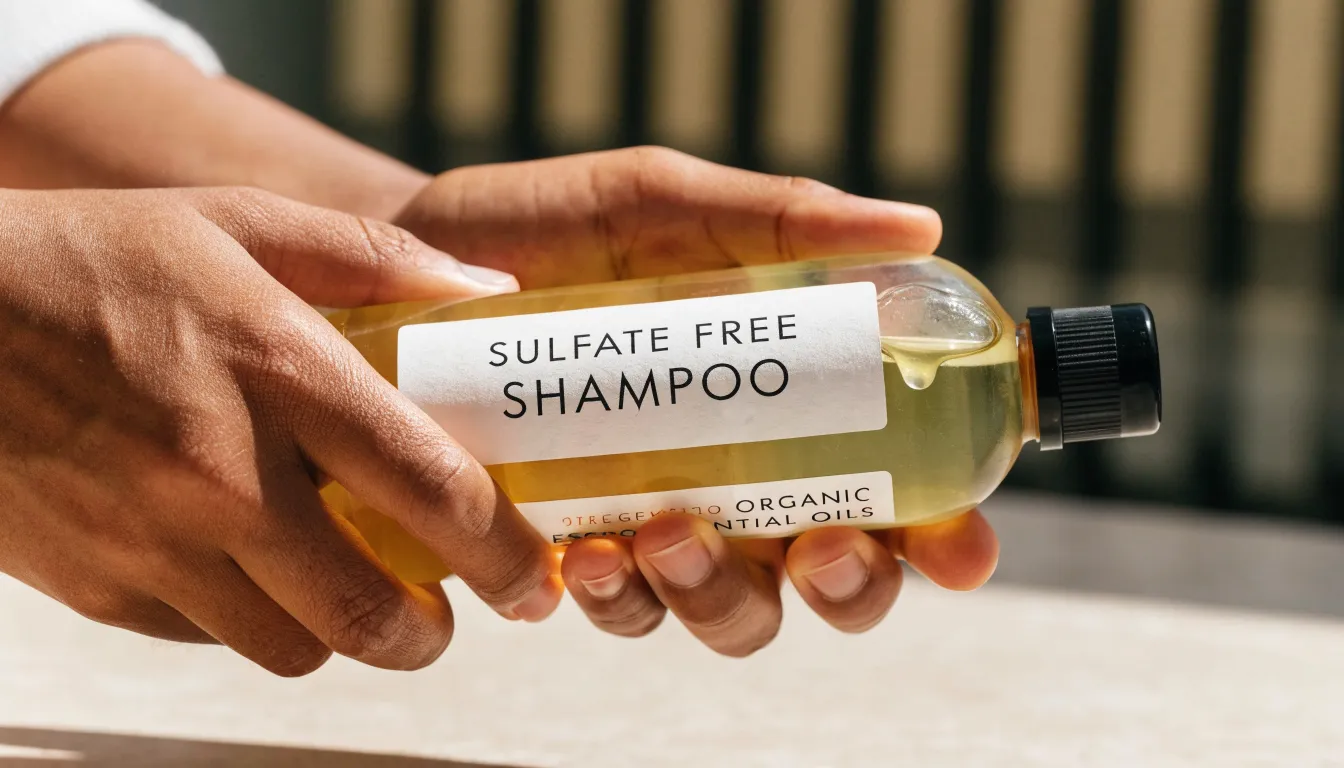
If you prefer a fresh blend each wash, make a single-use portion. Put your usual amount of shampoo in your hand or a small bowl, add 1 to 2 drops of essential oil, and stir gently with a finger or spoon until evenly mixed. Then shampoo as normal. Consistency matters, so always do a patch test first to make sure the oils don’t irritate your skin.
Carrier Oils and Essential Oils
Essential oils are highly concentrated aromatic compounds extracted from plant parts like flowers, leaves, bark, or roots. Because they are so potent, they carry the plant’s scent and therapeutic benefits in a very strong form, which means they shouldn’t be applied directly to skin without dilution. In DIY recipes, they act as the active agents, adding specific qualities such as calming, invigorating, or cleansing effects.
Carrier oils, on the other hand, come from the fatty parts of plants, such as seeds, nuts, or fruits—think jojoba, almond, coconut, or olive oil. These oils are rich in fatty acids, vitamins, and nutrients, and they don’t have a strong aroma or volatile nature. Their main job is to serve as a safe base: they dilute the essential oils, making them gentle enough for skin use, while also helping the skin absorb them.
In short, essential oils provide the targeted action and scent, while carrier oils provide the safe, nourishing vehicle. Together, they make effective and gentle homemade preparations possible, with each playing an indispensable role.
Avoiding Skin Irritation
Before using any new lotion or shampoo with essential oils, it’s important to do a patch test to avoid skin irritation. This simple test helps you check whether your skin will tolerate the blend before applying it more widely.
To start, choose a small, sensitive spot like your inner forearm, where the skin is thinner and easier to test. Clean that area gently with mild soap and water, then pat it dry. Apply a pea-sized amount of the product, rub it in lightly, and let it dry. Do not wash that spot during the test.

Watch the area for 24 to 48 hours. If you notice redness, itching, stinging, swelling, or a rash, wash the product off right away with gentle soap and water. If no reaction appears after 48 hours, it’s likely safe to use the product on larger areas of your body.
Sun Sensitivity and Citrus Oils
Many essential oils, especially citrus ones, contain compounds called furanocoumarins that can make skin very sensitive to UV light. This is called photosensitivity or phototoxicity. Oils like bergamot, lemon, grapefruit, and cold-pressed lime can cause severe reactions if they touch skin and that skin is then exposed to sunlight or tanning beds. Even when diluted, they may cause exaggerated sunburn, blistering, skin discoloration, or long-lasting dark patches.
To use these oils safely, avoid letting treated skin see the sun for at least 12 to 18 hours after applying. That means they are best used at night or on skin covered by clothing. For lotions or shampoos that might touch sun-exposed skin, choose steam-distilled citrus oils instead, since the process removes many phototoxic compounds, or pick non-photosensitive essential oils altogether.
Always read product labels carefully, even for pre-blended products, so you know what could increase your skin’s sun sensitivity. Protecting your skin from UV radiation is the most important step when using these aromatic oils.
Product Shelf Life and Storage
Keeping homemade lotions with essential oils fresh and effective takes a little care. Since your custom blend adds new ingredients, the shelf life can change. Things like heat, light, and air all affect how long your lotion stays potent and pleasant to use.
Heat is a big problem. High temperatures make essential oils oxidize faster, which can weaken their aroma and healing benefits. Heat can also break down the lotion’s texture, causing it to separate. To protect your blend, store it in a cool, steady spot away from radiators, stoves, or sunny windowsills.
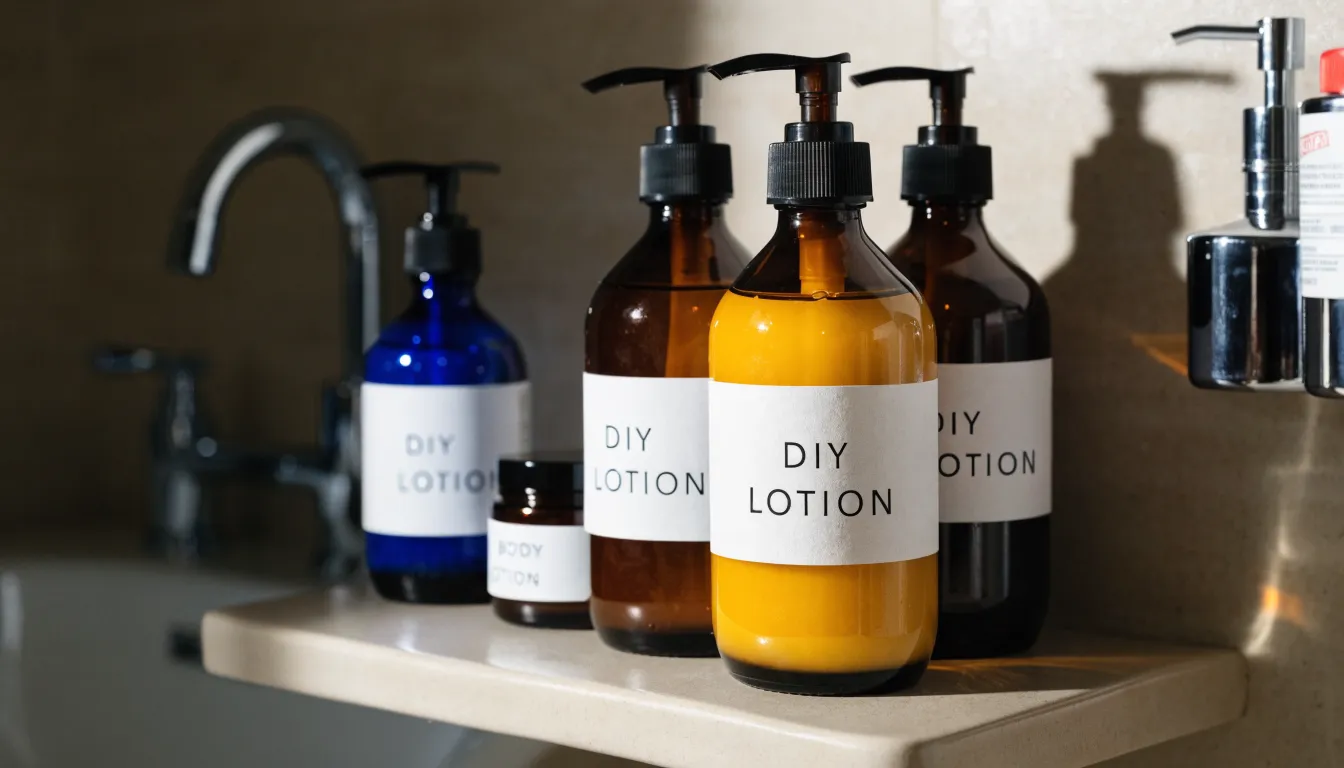
Light and air also cause damage. UV rays can alter essential oil molecules and reduce their effectiveness, so use dark glass bottles—amber or cobalt blue work best—to block the light. Oxygen exposure leads to rancidity and loss of potency, so always seal the lid tightly and consider using smaller containers to limit air contact over time. Proper storage helps your lotion stay effective for longer.
Common DIY Mixing Mistakes
When making DIY lotions or shampoos, a common mistake is adding essential oils directly to watery bases. Essential oils are hydrophobic, so they won’t mix with water. Instead, they float on top or form separate droplets, causing uneven distribution. This can leave concentrated patches of oil on skin or hair and make the product unstable and less appealing.
Another frequent error is using too many drops. Essential oils are highly concentrated, so a little goes a long way. Using too much can irritate the skin, trigger sensitization, or cause reactions, especially for sensitive people. It can also make the scent overpowering and waste your oils. For most topical products, stick to a dilution of about 0.5% to 2%.
To avoid separation and blend oils properly, emulsification is key. Mix your essential oils with an emulsifier or solubilizer first, such as polysorbate 20 or a natural emulsifying wax. Do this in a small separate container, then slowly stir the mixture into your lotion or shampoo base. This keeps the oils evenly dispersed, prevents separation, and helps them work effectively without irritation.
Daily Application Best Practices
When using lotion or shampoo with custom essential oil blends, start small—less is more. Use a pea-sized amount of lotion and a coin-sized amount of shampoo, massaging them evenly into the skin or scalp. The goal isn’t to saturate, but to distribute lightly. Consistent, moderate use of a quality product works better than overusing it. Always apply to clean skin and do a patch test before trying a new formulation.
Notice how your skin feels right after use and throughout the day. Tightness, stinging, itching, redness, increased dryness, or unexpected breakouts can all be signs that the essential oil blend is too strong for you. Subtle signs like dull-looking skin or constant irritation may also mean your skin barrier is struggling. If that happens, reduce the amount you use or how often you apply it.
If symptoms continue, pause daily use for a few days so your skin can recover. Then reintroduce the product gradually—maybe every other day—with a smaller amount, and watch closely for any reaction. Listening to your body and adjusting your routine is the best way to safely enjoy the benefits of your custom essential oil products.
Frequently Asked Questions
What essential oils are good for dry skin?
For dryness, lavender essential oil helps moisturize and balance the skin. Sandalwood essential oil also supports the natural moisture barrier for a more hydrated look.
Why should I use unscented lotion or shampoo as a base for essential oils?
Unscented lotion or shampoo is the best base because it won’t clash with the oil’s natural aroma, which can otherwise be muddled or overpowering. Fragrance-free bases also help keep the mixture chemically stable, preventing unpredictable reactions or texture changes.
How much essential oil should I add to my lotion for safe daily use?
For daily use on adults, a 0.5% to 1% dilution is generally good. Always start with the lowest dilution, especially if you have sensitive skin.
Can essential oils help with hair growth?
Yes, certain essential oils can support healthier hair growth by improving scalp circulation. Rosemary oil, for example, is known for its stimulating effects that boost blood flow to hair follicles, supporting nutrient delivery for stronger, fuller hair when used regularly and diluted.
Are there any essential oils I should avoid before sun exposure?
Yes, many citrus essential oils like bergamot, lemon, grapefruit, and cold-pressed lime contain compounds that can make skin very sensitive to UV light. To use these oils safely, avoid letting treated skin see the sun for at least 12 to 18 hours after applying, as they can cause severe reactions like exaggerated sunburn.
How can I tell if an essential oil blend is too strong for my skin?
Signs that an essential oil blend is too strong include tightness, stinging, itching, redness, increased dryness, or unexpected breakouts on the skin. If symptoms persist, pause use for a few days and reintroduce gradually with a smaller amount.