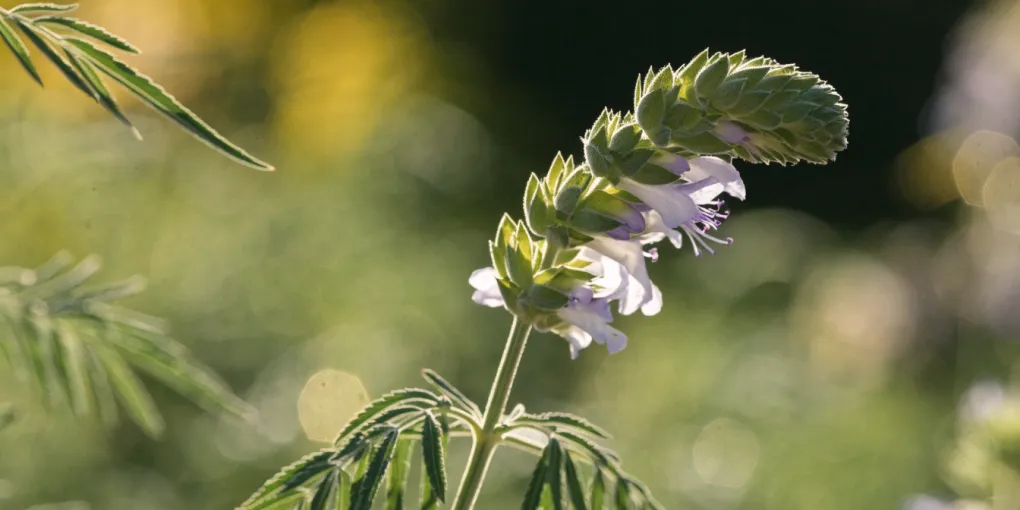
Clary sage oil, derived from the Salvia sclarea plant, is an essential oil known for its calming and balancing properties. Rich in linalyl acetate and linalool, it supports stress relief, hair growth, and skin clarity. It’s often used topically or aromatically to promote relaxation, ease menstrual discomfort, aid sleep, and soothe digestive issues.
Table of Contents
- Understanding Clary Sage
- Essential Chemical Makeup
- Natural Stress Relief
- Clary Sage, Periods, and Menopause
- Menopause Relief Routine
- Hair Growth Booster
- Clear Skin Solutions
- Better Sleep Companion
- Digestion Helper
- Blood Pressure Support
- Safe Dilution Guidelines
- Best Diffuser Blends
- DIY Body Butter Recipes
- Relaxing Bath Soaks
- Internal Usage Warnings
Understanding Clary Sage
Clary sage, or Salvia sclarea, is a tall, eye-catching plant from the same family as mint and lavender. It has large, hairy leaves and stalks of purplish-pink or pale blue-white flowers. Its smell is earthy and herbaceous with a soft sweetness, and that scent mainly comes from the flowering parts. This aroma is closely tied to the plant’s soothing, beneficial qualities.
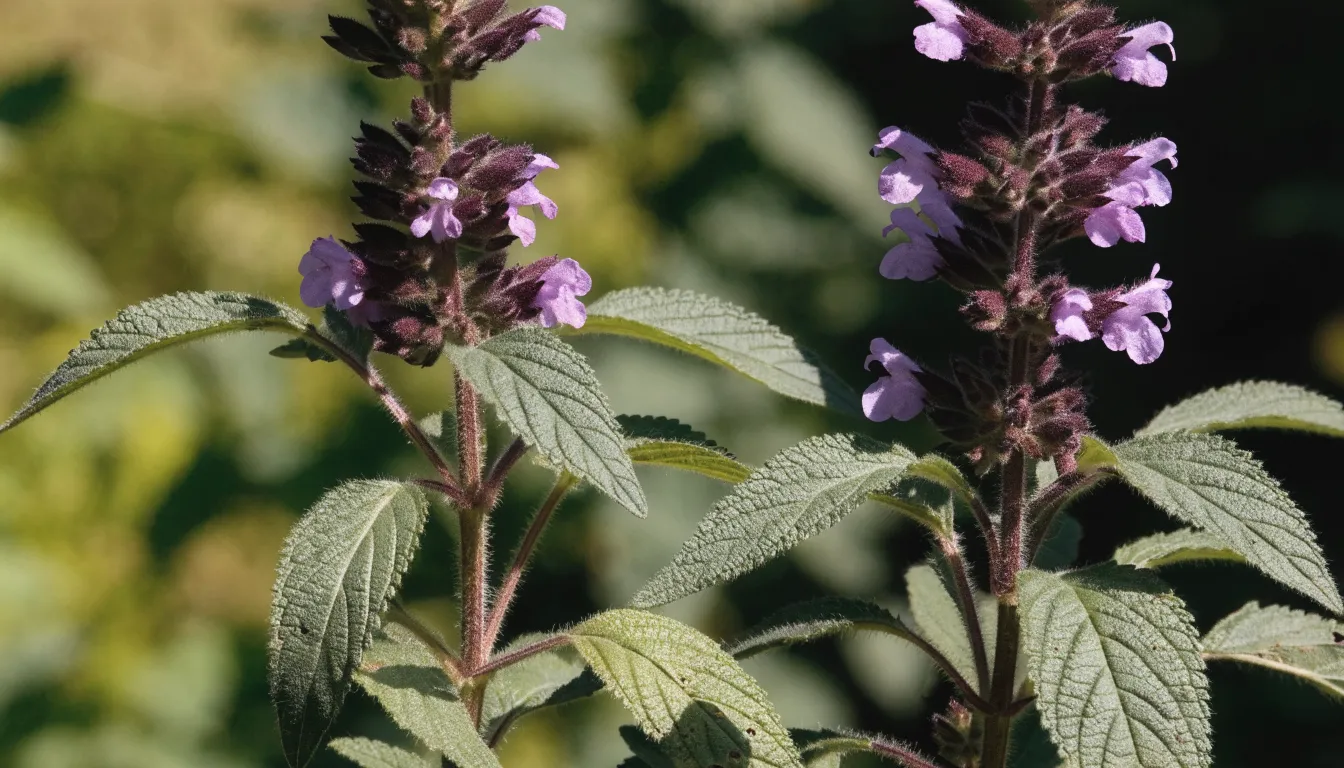
The plant originally comes from sunny areas around the Mediterranean, including Southern Europe, North Africa, and parts of Central Asia. People have grown it for thousands of years, using it in food and drinks as well as in traditional herbal practices. Its name “clary” is thought to come from “clear eye,” reflecting its long history of being linked to clarity and wellness.
Today’s clary sage essential oil is made from the mature flower tops and sometimes upper leaves using steam distillation. Fresh plant material is placed in a still, and pressurized steam passes through it, causing the oil to evaporate. The steam is then cooled back into liquid, and since oil and water don’t mix, the pure oil can be collected. This careful process preserves the oil’s complex makeup and its gentle, calming aroma, capturing the plant’s concentrated therapeutic qualities.
Essential Chemical Makeup
Clary sage oil’s main benefits come from two key compounds: linalyl acetate and linalool. These two work together to give the oil its calming, anti-inflammatory, and muscle-relaxing effects.
Linalyl acetate is an ester and often the most abundant part of the oil. It helps ease nervous tension and promote relaxation, soothes irritated tissues, and relaxes smooth muscles, which can relieve cramps and spasms.
Linalool is a monoterpene alcohol that works alongside it. It also has sedative effects, helps reduce inflammation through different pathways, and supports muscle relaxation. Together, these compounds create clary sage oil’s gentle, well-rounded therapeutic profile.
Natural Stress Relief
Clary sage oil works quickly for stress relief mainly through inhalation. When its scent is breathed in, the aromatic compounds travel directly to the brain’s limbic system—the area that controls emotions, memory, and motivation. Because smell has a direct pathway to this region, clary sage can trigger fast emotional responses and a sense of calm. For a deeper dive into the science, read our guide on how essential oils can help with mood.
Inside the limbic system, clary sage helps lower cortisol, the hormone released during stress. High cortisol levels can cause anxiety, restlessness, and physical tension. By helping the body reduce cortisol production, clary sage eases the stress response and brings a noticeable feeling of relaxation and well-being, similar to what you might find with the best essential oils for stress relief.
The oil’s gentle, herbal aroma feels grounding and soothing. It can be diffused in the air, used in a personal inhaler, or placed on a tissue for direct breathing. In any form, the vapor acts quickly to calm the nervous system and offers a simple, natural way to ease daily anxiety and promote peace of mind.
Clary Sage, Periods, and Menopause
Clary sage is often called a “hormone-balancing” oil, usually because of compounds like sclareol. There’s no good evidence that clary sage essential oil changes hormone levels in people. A few small studies of aromatherapy massage for period cramps used blends that included clary sage and reported less pain, but they were small, and the effect can’t be credited to clary sage alone.
If you find its scent relaxing, a diluted massage oil (1% to 2%) on the lower abdomen or a few drops in a diffuser can be a comforting part of your routine. Avoid it during pregnancy unless your healthcare provider says otherwise, and talk to your doctor about painful periods or menopause symptoms, since effective treatments exist.
Menopause Relief Routine
Hot flashes can suddenly disrupt daily life, but clary sage oil offers a simple, natural way to find relief at home. To use it safely, always dilute clary sage oil before applying it to your skin. It is known for its calming effect, making it useful for easing menopausal symptoms.
For safe use, always dilute clary sage oil before skin use. Mix 2–3 drops into a teaspoon of carrier oil like jojoba, almond, or fractionated coconut oil. As a hot flash starts—or when you feel one coming on—gently massage the mixture onto pulse points such as your wrists, sides of the neck, behind the ears, temples, or inner ankles. These spots allow quicker absorption into the body.
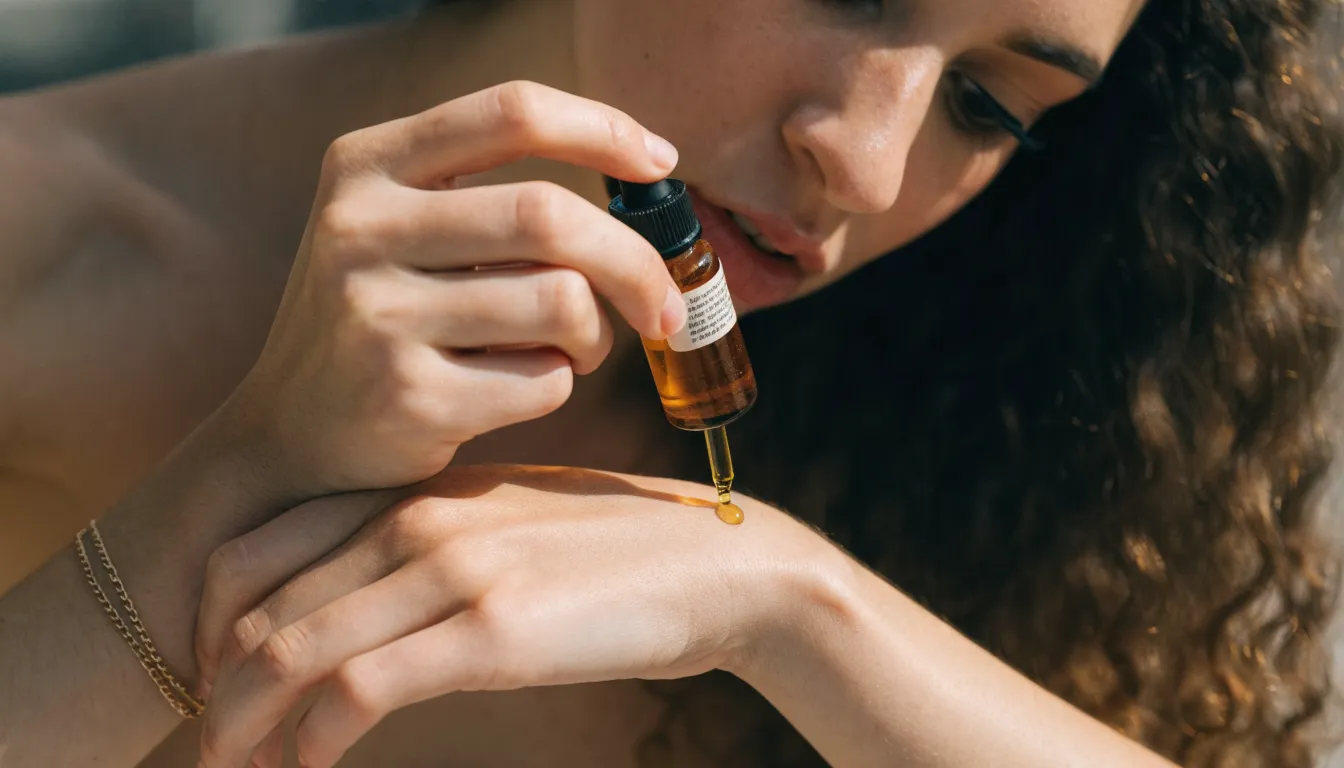
The diluted oil creates a subtle cooling sensation that helps counter internal heat, while clary sage’s herbaceous scent calms the nervous system and restores a sense of balance. With regular use, especially during times when hot flashes are frequent, it can lessen their intensity and help you feel more stable and comfortable throughout the menopausal transition.
Hair Growth Booster
Clary sage oil helps promote healthier hair by strengthening individual strands and reducing visible scalp flaking. It works directly with the hair growth cycle: when massaged into the scalp, it boosts blood flow, which delivers more oxygen and nutrients to the hair follicles. This improved nourishment supports stronger growth, and regular use may awaken dormant follicles, leading to thicker, fuller hair over time.
The oil also helps keep the scalp balanced. Many people struggle with either too much oil or too much dryness, and both can slow hair growth. Clary sage oil regulates sebum production, helping an oily scalp become less greasy while allowing a dry scalp to get the moisture it needs. This normalizing effect supports a healthy scalp pH, which is key for strong hair.
In addition, clary sage oil is useful for fighting dandruff. Dandruff often results from an imbalance in the scalp’s natural microbiome, especially an overgrowth of yeast. The oil’s natural properties make it harder for these microorganisms to thrive, reducing flakiness and irritation. Adding a few drops to your regular shampoo or scalp treatment offers an easy way to enjoy these benefits, leaving the scalp healthier and the hair visibly stronger and flake-free.
Clear Skin Solutions
Clary sage oil helps clear skin by working directly against acne-causing bacteria. Its natural antimicrobial action reduces bacteria on the skin’s surface and inside pores, which helps prevent new breakouts and supports healing of existing blemishes.
It also calms inflammation. The redness, swelling, and discomfort that often come with acne can be eased with regular use, leaving the skin looking less irritated and more even.
For oily and acne-prone skin, clary sage oil helps balance sebum production. It regulates oil without over-drying, reducing clogged pores and creating a healthier, clearer complexion over time.
Better Sleep Companion
Clary sage oil supports better sleep with its calming, balancing properties. It helps soothe the nervous system and prepare both body and mind for rest, and its effect is even stronger when paired with other complementary oils. This makes it especially helpful for settling an overactive mind before bedtime.
A popular method is using clary sage and lavender together in a diffuser. About 30 minutes before sleep, add three drops of clary sage oil and four drops of lavender oil to an ultrasonic diffuser, then place it on the bedside table or in a central spot in the bedroom. The blend of clary sage’s herbaceous notes with lavender’s floral scent creates a deeply tranquil atmosphere.
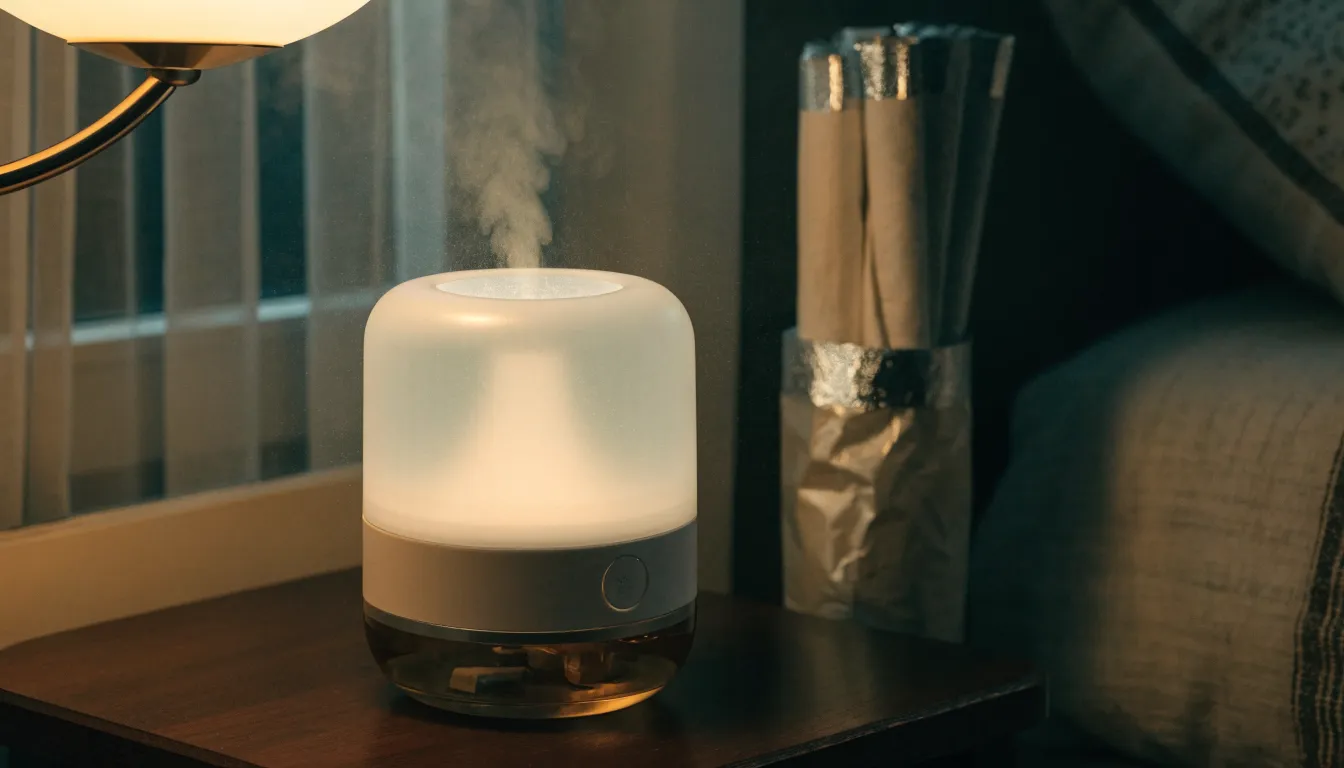
For a more direct approach, make a simple pillow spray. Combine 30 ml of distilled water with 10 drops of clary sage oil and 15 drops of lavender oil in a spray bottle. Shake well and lightly mist your pillowcase and bed linens just before getting into bed. This keeps the calming aromas close throughout the night, helping to quiet persistent thoughts and encourage deeper, more restorative sleep.
Digestion Helper
Clary sage oil can help with digestion, easing problems like bloating and stomach discomfort. A simple way to use it is to mix a few drops with a carrier oil, such as jojoba or almond oil, and gently massage the mixture onto the abdomen in a circular motion.
This external massage is thought to help the body release digestive enzymes, which are important for breaking down food and absorbing nutrients. At the same time, the oil’s antispasmodic properties help calm muscle spasms and cramping in the stomach, relieving sharp pains and tight sensations.
Clary sage also works as a carminative, meaning it helps push trapped gas out of the digestive tract. Gentle massage with the diluted oil encourages gas movement, reducing bloating and distention quickly. Together, these effects offer a natural, well-rounded way to soothe and stabilize the stomach during digestive upset.
Blood Pressure Support
Clary sage oil helps support healthy blood pressure by triggering the body’s relaxation response. When inhaled, its aromatic compounds calm the central nervous system, soothing nerves and reducing overall physical stress.
This calm state leads to real benefits for the circulatory system. Studies show that inhaling clary sage oil directly reduces systolic blood pressure, thanks to two linked mechanisms.
First, its calming effects block the stress response that constricts blood vessels and raises pressure. Second, clary sage encourages vasodilation, which widens the blood vessels so blood flows with less resistance. Together, these effects lower pressure on artery walls, supporting healthier circulation and natural cardiovascular well-being.
Safe Dilution Guidelines
Diluting clary sage essential oil in a carrier oil is essential for safe topical use. Because essential oils are highly concentrated, applying them undiluted can irritate or sensitize the skin. Proper dilution makes the oil gentle enough for direct contact while still allowing its beneficial properties to be absorbed effectively.
For most uses, a safe dilution is 1–2%, meaning about 6 to 12 drops of clary sage oil per ounce (two tablespoons) of carrier oil. These essential oil safety rules are crucial for everyone to follow. For sensitive or reactive skin, use a lower 0.5–1% dilution, or roughly 3 to 6 drops per ounce. Starting with the lowest amount lets the skin adjust gradually.
Choosing the right carrier oil also helps prevent irritation. Jojoba oil closely matches the skin’s natural oils and won’t clog pores, while sweet almond oil is light, nourishing, and soothing. Both spread clary sage evenly and improve absorption. Always do a patch test on a small skin area before applying it more widely.
Best Diffuser Blends
Clary sage oil is a versatile base for diffuser blends, mixing well with many other essential oils. By combining it with citrus, floral, or woody oils, you can create blends that target specific moods. The key is to use the unique properties of each oil to achieve the emotional result you want.
For a mood lift and a sense of balance, pair clary sage with citrus oils like bergamot. Bergamot adds a bright, fresh scent that complements clary sage’s sweet, herbal notes, helping to ease tension and promote a feeling of well-being. For deeper relaxation and emotional release, mix it with floral oils like ylang ylang. This very sweet, rich combination reduces stress and creates a calm, peaceful atmosphere, making it perfect for unwinding after a long day or preparing for restful sleep.
To feel more grounded and introspective, try woody oils like frankincense. Its warm, rich scent pairs perfectly with clary sage to encourage mental clarity, focus, and a meditative state. This blend helps quiet the mind and create a serene space. By experimenting with these different pairings, you can create personalized aromatic mixes that unlock clary sage’s full potential for emotional well-being.
DIY Body Butter Recipes
Making your own body butter at home lets you create a rich, soothing moisturizer with exactly the scent you like. Shea butter and coconut oil provide deep hydration, while clary sage essential oil adds a calming aroma and helps promote a sense of relaxation. You’ll need 1 cup raw shea butter, ½ cup virgin coconut oil, 15–20 drops of high-quality clary sage essential oil, a double boiler, a mixer, and a clean jar.
Gently melt the shea butter and coconut oil together using indirect heat, which protects their skin-nourishing benefits. Once melted, let the mixture cool until it’s just solidifying around the edges but still soft in the middle. Then add the clary sage essential oil and whip on medium-high speed for 5 to 10 minutes, until the blend becomes light and fluffy like whipped cream. This whipping step gives the body butter its smooth, spreadable texture.
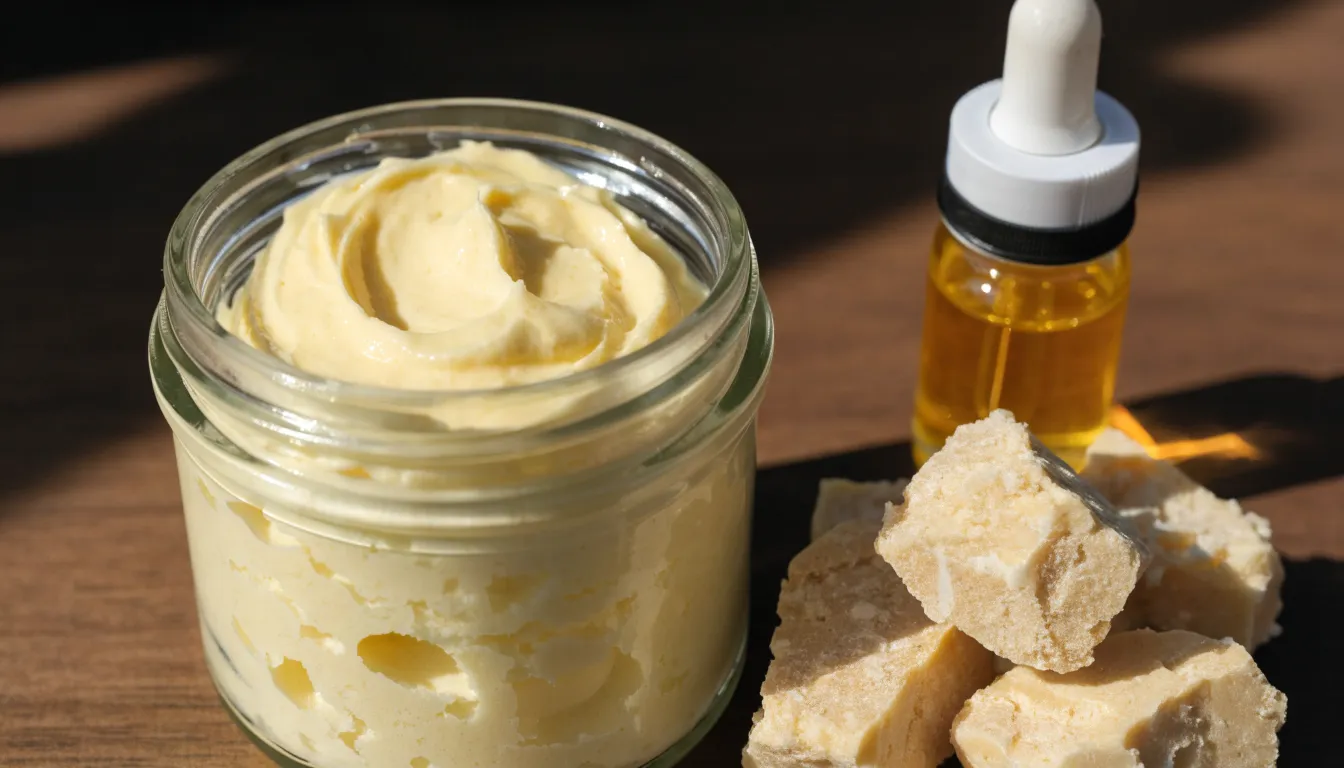
Spoon the finished butter into your jar and store it in a cool, dry place. Each application leaves skin feeling soft, supple, and lightly scented. The clary sage oil not only brings a calming fragrance but also adds to the soothing comfort of the moisturizer, making this homemade body butter both hydrating and relaxing to use.
Relaxing Bath Soaks
Clary sage oil in a bath is great for relaxing deep muscles and easing soreness. But you can’t just drop it straight into the water, because it will float in concentrated droplets and may irritate or burn your skin. To stay safe, always mix the oil with a dispersant first.
Choose a dispersant like jojoba oil, almond oil, unscented liquid castile soap, or a special essential oil solubilizer. Add 5–10 drops of clary sage oil to about one tablespoon of the dispersant and mix them together thoroughly.
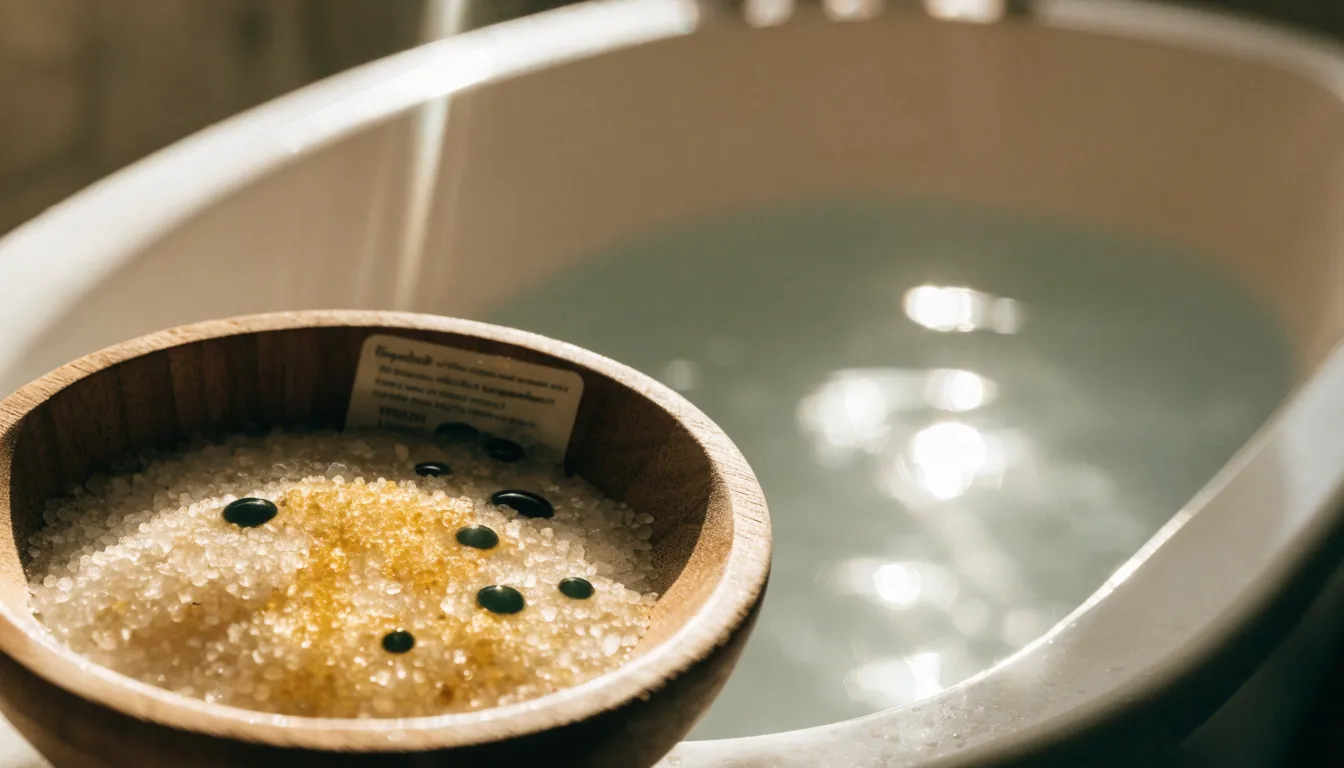
Then combine that mixture with one to two cups of Epsom salts, which also help soothe muscles. Stir everything well, and add the whole blend to your running bathwater. This safely spreads the clary sage oil through the water, so you get its relaxing, muscle-relieving benefits without any risk of skin burns.
Internal Usage Warnings
Ingesting clary sage essential oil is risky because it is highly concentrated and contains strong chemical compounds. Even a small amount can be harmful, so it should never be treated like a food or medicine.
The delicate tissues inside the mouth, throat, esophagus, and digestive tract are easily damaged. When undiluted oil touches these surfaces, it can cause irritation, swelling, inflammation, and even chemical burns. That damage can spread and affect your digestive health more seriously.
Because clary sage oil is so potent, using it internally is not advised. Its main benefits come from external or aromatic use, not from swallowing it. Always handle it with care and keep it away from internal use.
Frequently Asked Questions
What is clary sage oil typically used for?
Clary sage oil is known for its calming, anti-inflammatory, and muscle-relaxing effects. It is commonly used for natural stress relief, comfort during menstruation and menopause, promoting healthier hair growth, and assisting with digestion and better sleep.
How does clary sage oil help with stress?
When its scent is breathed in, clary sage oil’s aromatic compounds travel directly to the brain’s limbic system, where they help lower cortisol, the hormone released during stress. This process quickly eases the stress response and brings a noticeable feeling of relaxation and well-being.
Does clary sage oil balance hormones?
There’s no good evidence that clary sage essential oil changes hormone levels. Some people find its scent relaxing during their period or menopause, and small studies of massage blends containing it reported less cramping. Avoid it in pregnancy, and talk to your doctor about hormone-related symptoms.
How should I dilute clary sage oil before applying it to my skin?
For safe topical use, always dilute clary sage essential oil in a carrier oil like jojoba or sweet almond oil. A typical safe dilution is 1–2%, which means about 6 to 12 drops of clary sage oil per ounce of carrier oil, and a patch test should always be performed first.
Is it safe to put clary sage essential oil directly into a bath?
No, you should never drop clary sage essential oil directly into bath water, as it will float in concentrated droplets and may irritate or burn your skin. To use it safely, mix 5–10 drops of the oil with about one tablespoon of a dispersant like jojoba oil or liquid castile soap, and then add this blend to your running bathwater.
What benefits does clary sage oil offer for hair and scalp health?
Clary sage oil helps promote healthier hair by boosting blood flow to follicles for stronger growth and regulating sebum production to balance oily or dry scalps. Additionally, its natural properties can fight dandruff by reducing the thriving of microorganisms, leading to a healthier and flake-free scalp.