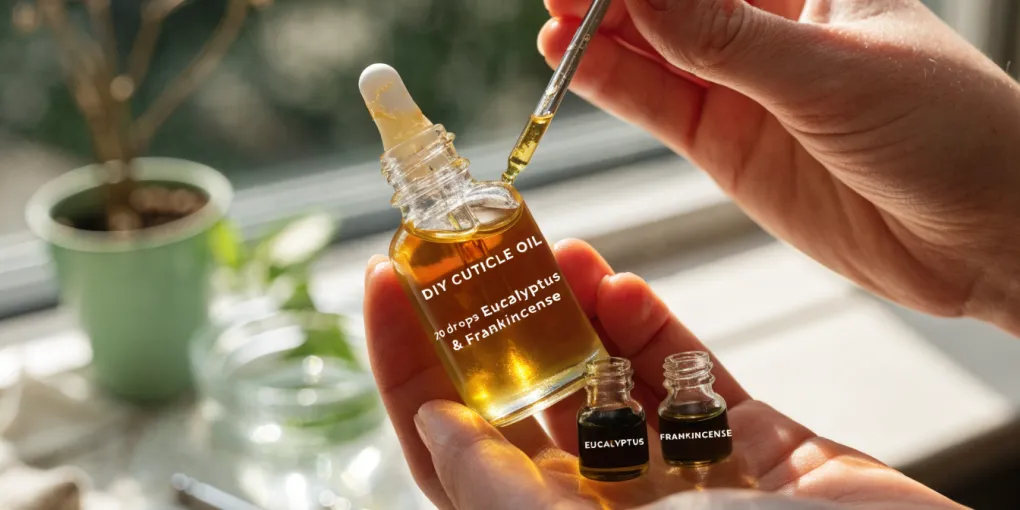
DIY cuticle oil uses carrier oils like jojoba or sweet almond, combined with essential oils such as lavender, tea tree, frankincense, or lemon. This blend nourishes, protects, and strengthens cuticles and nails by deeply moisturizing, fighting bacteria and fungus, promoting cell regeneration, and brightening the nail area.
Table of Contents
- Healthy Nails Start Here
- Essential Oils Demystified
- Lavender Essential Oil
- Tea Tree Oil Power
- Frankincense Magic
- Lemon Oil Radiance
- Choosing Carrier Oils
- Jojoba Oil Excellence
- Vitamin E Boost
- Essential Supplies Needed
- Master Blend Recipe
- Sensitive Skin Recipe
- Step by Step Mixing Guide
- How to Apply Correctly
- Daily Care Routines
Healthy Nails Start Here
Your cuticles are the true foundation for strong nails. They act as a natureal protective barrier around the nail matrix—the living tissue where new nail cells are made. This seal keeps out bacteria, fungi, and other irritants. If cuticles are damaged or dry, the seal breaks, and your nails become vulnerable to infections, damage, and painful skin problems like hangnails.
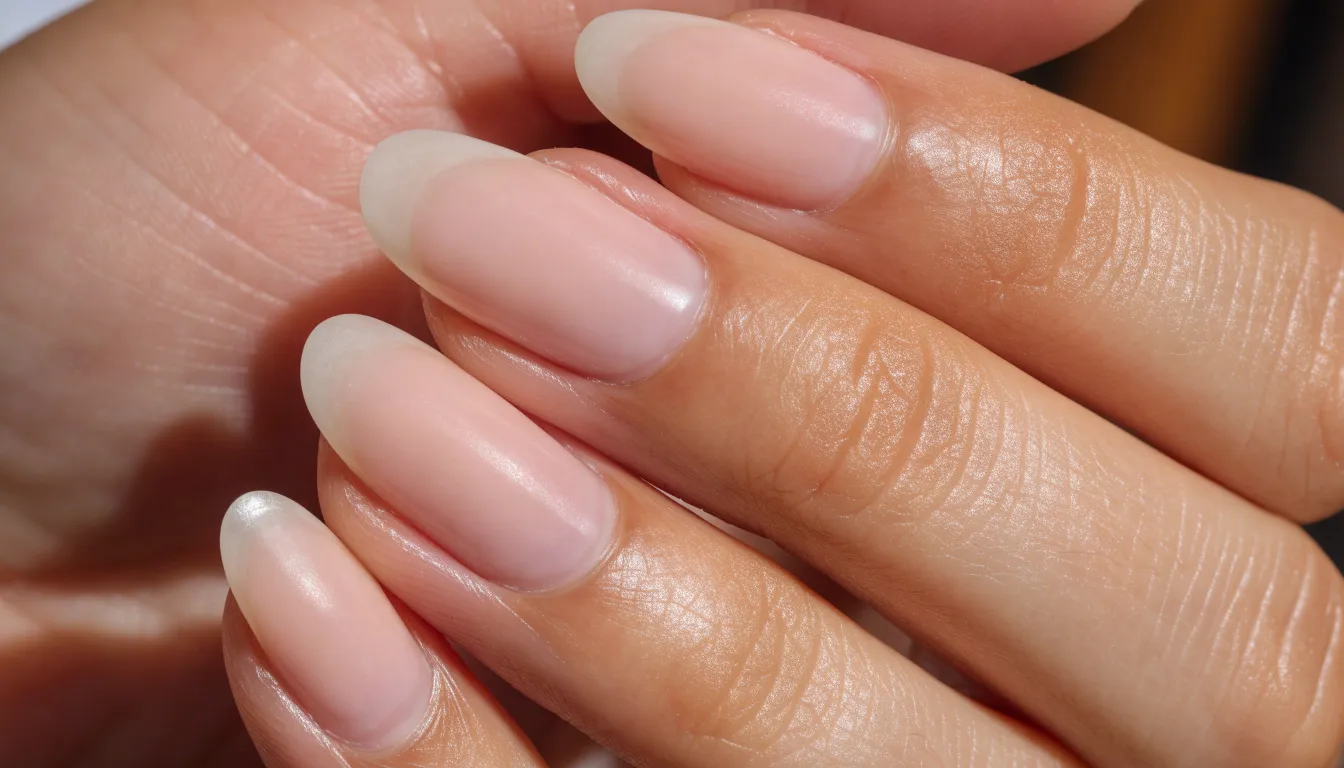
Dry, neglected cuticles lift away from the nail plate. That creates tiny openings that let germs in and increase your risk of hangnails, inflammation, and cracking. Severe dryness can also expose the sensitive nail bed to pathogens, causing discomfort and infection. Keeping cuticles hydrated is essential to preventing these issues and maintaining a healthy nail environment.
Using a nourishing cuticle oil every day is one of the best ways to support that protective barrier. It keeps cuticle skin supple, flexible, and strong, helping them stay sealed against the nail plate. This daily moisture reinforces their defense against germs, prevents dryness and cracking, and gives your nails a healthierug foundation for growth, strength, and overall vitality.
Essential Oils Demystified
Essential oils are highly concentrated plant extracts packed with natural compounds like terpenes, esters, and alcohols. Many of these compounds are lipophilic, meaning they are fat-loving, which makes them especially effective on skin. The outer layer of the skin is made up of protective lipids, and when cuticles become dry, cracked, or brittle, that protective barrier is damaged, leading to moisture loss and vulnerability.
The reason essential oils can help is that the plant lipids in these oils are structurally very similar to the natural lipids in human skin. Because of this compatibility, essential oils don’t just sit on the surface—they melt into the skin’s own lipid layers. This allows them to penetrate deeply, carrying their beneficial compounds into the deeper layers of the skin.
Once absorbed, these botanical extracts work from within to restore the cuticles. They supply essential fatty acids and other emollients that replenish lost moisture, repair tiny cracks, and smooth the skin’s surface. They also improve flexibility, helping to prevent future cracking and build resilience. By nourishing the cuticle at a cellular level, essential oils can transform brittle, damaged tissue into soft, supple, healthy-looking skin.
Lavender Essential Oil
Lavender essential oil is great for homemade cuticle treatments because it calms irritated skin and supports nail growth. Its anti-inflammatory properties help the delicate skin around the nail bed. When cuticles are dry, cracked, or hurt, they can become red, sore, and uncomfortable. Lavender oil gently soothes these areas, reducing swelling and giving relief. This keeps the nail environment healthy and free from irritation that could get in the way of natural nail processes.
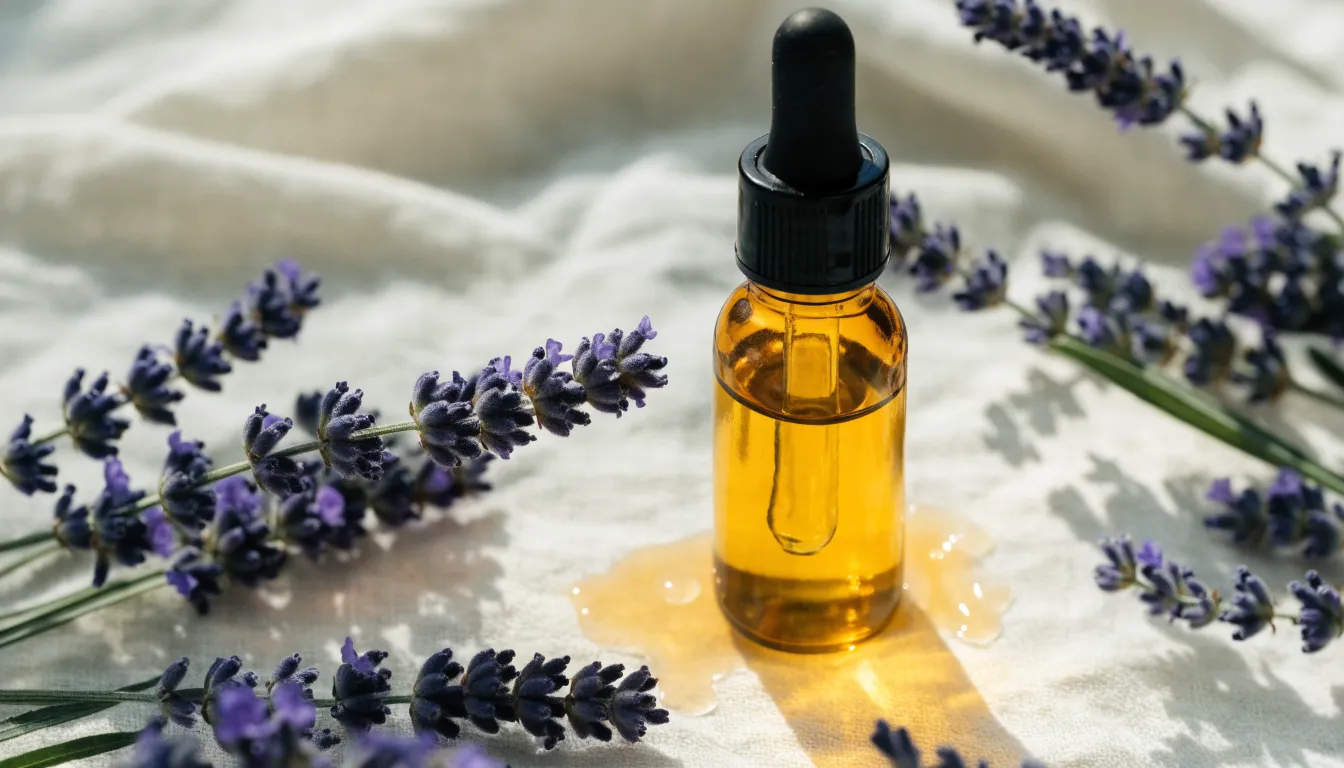
Lavender also helps grow strong, healthy nails by improving local blood flow to the nail matrix, the part under the cuticle where new nail cells are made. Better blood flow means more oxygen and nutrients reach this important area. These are the building blocks for nail formation, affecting the quality and strength of new nails. With steady nourishment, nails grow at a healthier pace and are less likely to become brittle or break.
Adding lavender to your routine gives a double benefit: it handles immediate skin issues while also supporting long-term nail health. This balanced approach makes lavender a key ingredient for complete nail care.
Tea Tree Oil Power
Tea tree oil is a powerful natural remedy for nail health because of its strong antimicrobial properties. It forms a protective layer around the nails and helps fight off harmful bacteria and other microbes that target the skin near and under the nails. With regular use, it keeps the nail area clean and stops unwanted organisms from multiplying.
It is also highly valued for its antifungal benefits. Fungal infections can cause nail discoloration, brittleness, and discomfort, but tea tree oil helps disrupt the growth and spread of many types of fungus. This makes it a useful part of any nail care routine, offering dependable protection against persistent fungal problems.
Tea tree oil can also penetrate into the small spaces around the nails, reaching areas where microbes may hide. By targeting these hidden spots, it provides thorough protection and helps prevent infections. In this way, it supports stronger, healthier, and better-looking nails.
Frankincense Magic
Frankincense oil is a powerful beauty aid, especially for rejuvenating aging skin and strengthening weak nails. Its main strength lies in cell regeneration—it encourages healthy new cell growth, which is essential for keeping skin youthful and nails resilient.
For the skin, this renewal creates a tightening effect, helping firm areas that have begun to sag. It restores natural elasticity, making skin feel supple, and softens fine lines and wrinkles by revitalizing skin structure from within. The result is a smoother, more youthful complexion.
For nails, frankincense helps fortify brittle nail plates, making them more resistant to splitting, peeling, and breakage. By supporting cell health in the nail bed, it promotes stronger growth. Added to cuticle oil, it delivers these benefits directly to both skin and nail for complete, lasting care.
Lemon Oil Radiance
Lemon essential oil is especially useful in DIY cuticle oil because it helps restore radiance and brightness to the nail area. Its natural citric compounds work as a gentle bleaching agent, gradually lifting stubborn yellow stains left by dark or highly pigmented nail polish. This happens without harsh chemicals, so it won’t weaken the nail plate or irritate the skin, revealing cleaner and clearer nails over time.
Beyond removing polish stains, lemon oil also helps clarify the cuticle beds. The skin around the nails can build up dullness, residue, and minor discoloration, which makes the hands look less tidy. Lemon oil’s clarifying properties gently exfoliate and refresh that delicate skin, promoting a cleaner, healthier-looking cuticle area and a more polished overall appearance.
With regular use, a cuticle oil containing lemon essential oil can transform tired, stained nails and dull cuticles into a bright, rejuvenated look. It brightens and cleans gently yet effectively, enhancing the natural beauty of your hands and keeping the whole nail area vibrant and well-maintained.
Choosing Carrier Oils
Choosing the right carrier oil is the first step in making a good DIY cuticle treatment. These oils safely dilute strong essential oils so they are gentle enough to use around your nails. But carrier oils do more than just dilute—they also nourish the skin by carrying fatty acids deep into the cuticles and nail beds, helping lock in moisture and keep them flexible.
Think about the oil’s texture, how fast it absorbs, and what nutrients it offers. Jojoba oil is similar to the skin’s natural oils, so it absorbs easily without feeling greasy. Almond oil is rich in vitamins E and A, giving intense moisture and soothing dry skin. Avocado oil is full of healthy fats and vitamins, making it great for very dry or damaged cuticles. Argan oil is known for helping repair skin and improve elasticity.
The best carrier oil works as a strong delivery system for your essential oils while also adding its own moisturizing and strengthening benefits. That way, your cuticles get complete care—both from the essential oils and from the carrier oil itself.
Jojoba Oil Excellence
Jojoba oil is an excellent base for cuticle oil because its structure is so similar to human sebum. Unlike most plant oils, which are triglycerides, jojoba is technically a liquid wax ester—just like the skin’s natural moisture. Because of this, skin recognizes it as familiar and absorbs it quickly, rather than letting it sit on the surface.
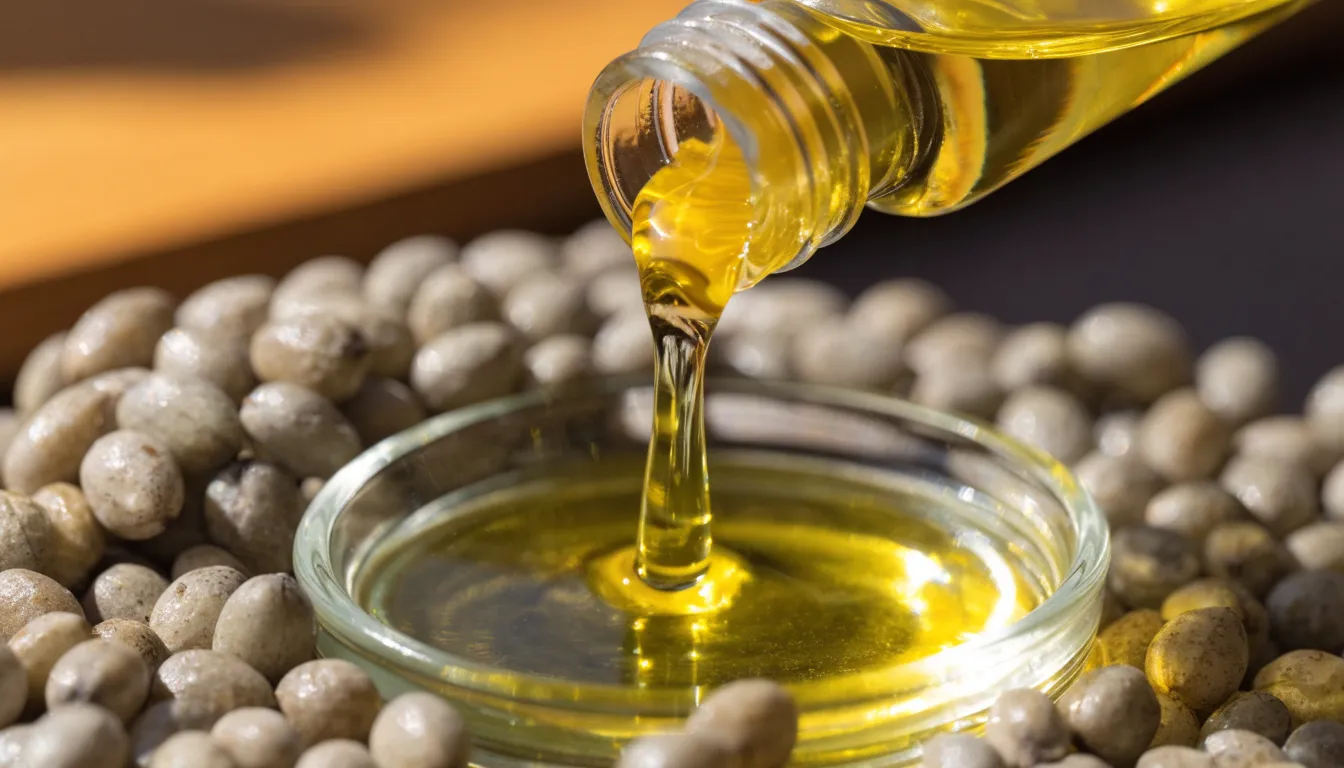
This deep absorption allows jojoba oil to work its way into the skin’s lipid barrier, where it delivers lasting nourishment from within. It doesn’t leave a heavy, greasy film, so cuticles feel soft and hydrated without any sticky residue that could collect dirt. This makes it comfortable enough for everyday use.
As a cuticle treatment, jojoba oil both moisturizes and helps balance the skin’s natural oil production. It supports soft, healthy cuticles and encourages strong nail growth while keeping hands looking smooth and nourished.
Vitamin E Boost
Vitamin E oil works as a powerful antioxidant in your homemade cuticle oil. It helps protect the delicate skin around your nails from damage caused by free radicals, which are caused by things like UV rays, pollution, and normal body processes. By neutralizing these free radicals, Vitamin E keeps the skin around your nails from breaking down too quickly.
Because of this protection, Vitamin E helps prevent common cuticle problems like peeling and cracking. When your cuticles are exposed to daily stress, they can become dry and brittle, but Vitamin E strengthens the tissues so they hold up better. This makes them more resistant to damage.
Vitamin E also gives deep, lasting moisture. It creates a barrier on the skin that locks in hydration and stops moisture from escaping. Soft, well-moisturized cuticles are less likely to tear or peel, which keeps your nails looking tidy and neat. With regular use, Vitamin E oil keeps cuticles strong, smooth, and well-conditioned.
Essential Supplies Needed
Start by getting simple tools that protect your oil blend. Amber glass dropper bottles are essential because they block UV light from damaging the oils, and the dropper makes it easy to apply the oil right to your cuticles without mess. Small funnels help you pour your blended oils into the narrow bottle necks, which prevents spills and keeps your workspace clean.
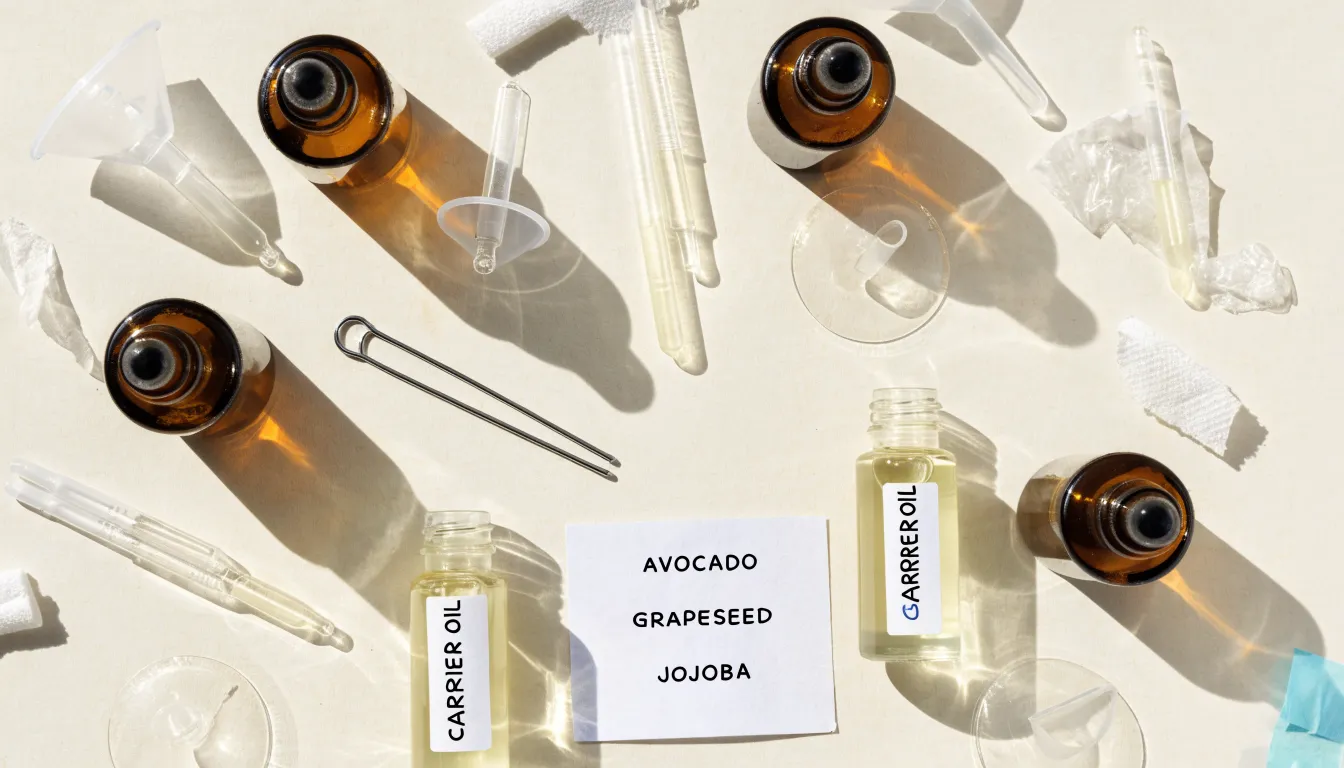
The oils themselves do the main work. Carrier oils, like organic jojoba, sweet almond, and argan, help moisturize and nourish your skin while safely diluting stronger essential oils. Jojoba is great because it is similar to your skin’s natural oil, while almond is rich in vitamins and argan is full of antioxidants. Then add skin-friendly essential oils for specific benefits: lavender soothes and helps repair skin, lemon brightens and strengthens nails, and tea tree keeps cuticles healthy with its antiseptic properties. Use pure, high-quality oils from trusted sellers for the best results.
Finally, use small measuring tools such as pipettes or measuring spoons to keep consistent ratios in each batch. Finish by adding labels with the blend name and date, which helps you keep track of your homemade cuticle oil and gives it a polished, professional touch.
Master Blend Recipe
Our Master Blend is a complete cuticle treatment that combines jojoba oil with lavender, tea tree, and frankincense essential oils. Jojoba acts as the base because it closely resembles the skin’s natural oils, so it sinks in deeply without feeling greasy. This keeps cuticles soft, supple, and less likely to dry out or crack.
Lavender essential oil calms irritated skin and supports overall cuticle health. Tea tree oil adds purifying benefits, helping keep the area around the nail clean and protected from common issues. Frankincense oil rounds out the blend with rejuvenating and strengthening effects, encouraging healthy skin cell regeneration so cuticles stay resilient.
The balanced mixture makes all the ingredients work together. It provides deep moisture while also creating a protective barrier, and with regular use it strengthens the cuticles’ natural defenses. This makes it an easy, effective daily option for healthier-looking nails and well-cared-for skin.
Sensitive Skin Recipe
For easily irritated hands, this sensitive-skin cuticle oil starts with gentle carrier oils that nourish without causing discomfort. Sweet almond oil is lightweight and rich in vitamins E and A, helping to hydrate and support the skin’s natural barrier. Jojoba oil is another good option because it closely mimics the skin’s own sebum, offering non-comedogenic moisture and a breathable feel. Both oils calm and soften delicate cuticles prone to dryness or sensitivity.
Essential oils must be used at very low dilution to prevent irritation. Instead of standard amounts, this recipe suggests just one or two drops of a single essential oil per 10ml of carrier oil. This minimal concentration still delivers the oils’ therapeutic benefits while respecting sensitive skin and avoiding stress to its natural barrier.
Roman chamomile and true lavender are ideal choices because they are known for gentle, calming, and skin-soothing qualities. Even in tiny amounts, they help reduce minor redness and promote comfort for easily stressed skin. The final oil hydrates, protects, and soothes, providing exceptionally gentle care for sensitive hands with little risk of adverse reactions.
Step by Step Mixing Guide
First, measure your carrier oil exactly using a spoon or scale. This base oil makes up most of the blend and safely dilutes the stronger essential oils, so the mix is gentle on your skin.
Next, add your essential oils drop by drop with a dropper. Stick to the exact number of drops — these oils are very concentrated, and too much can irritate skin. Swirl gently as you go until all the oils are evenly blended.
Finally, pour the finished oil into a clean dark glass bottle, like amber or cobalt blue. Keep it sealed and stored in a cool, dark place. This protects the essential oils from light and air, helping them stay potent and last longer.
How to Apply Correctly
To get the most out of your DIY cuticle oil, apply just a single small drop to the base of each nail, right on the cuticle. This keeps the nourishing essential oils exactly where they are needed. Using too much oil isn’t helpful—a little is enough, and it avoids a sticky mess.
Next, gently massage the oil into your cuticles and the surrounding skin using light, circular motions. This step is important because it boosts blood flow, which helps the skin absorb the oil’s beneficial compounds more effectively. The massage also spreads the oil evenly and lets it penetrate deeper into the nail bed and matrix, delivering moisture and nutrients right where they can do the most good.
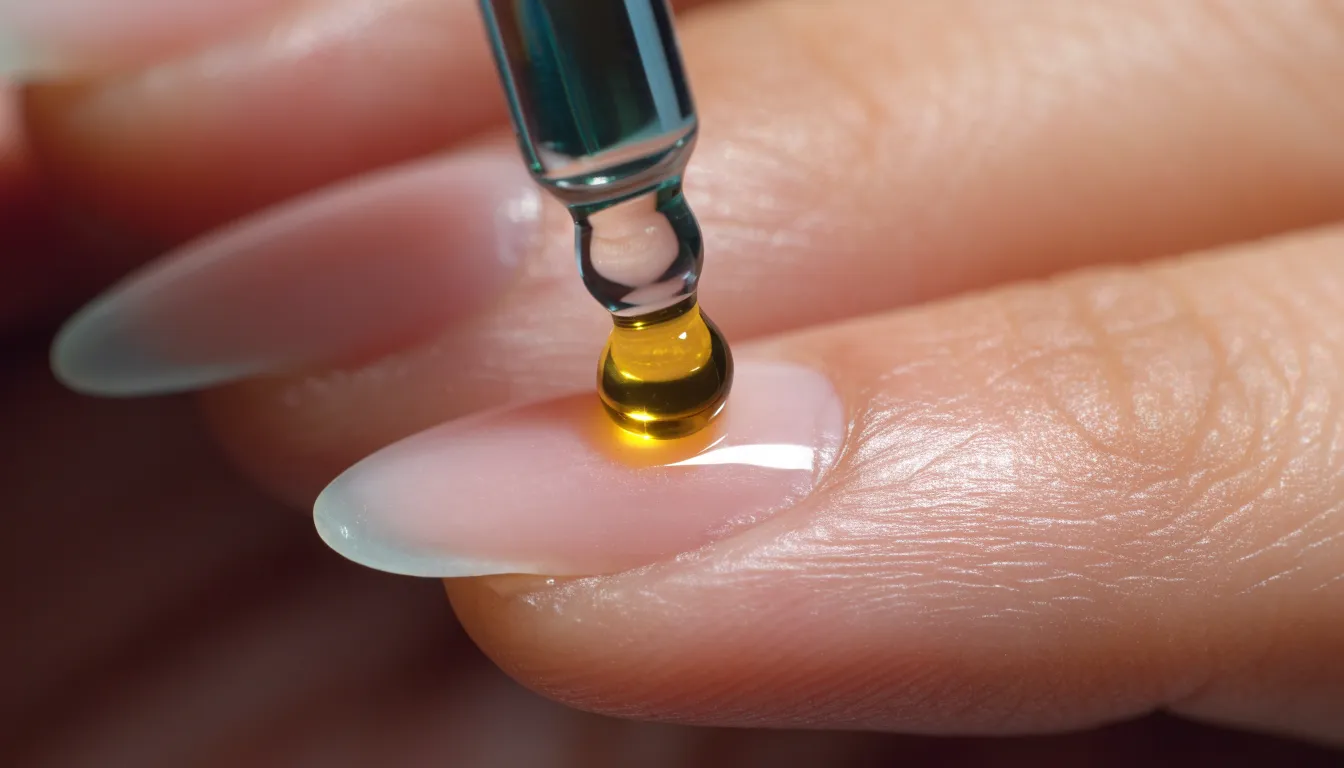
After massaging, let the oil sit for a while instead of washing your hands right away. For best results, apply it before bed so it can soak in overnight and keep working while you sleep. If you follow this routine consistently, your nails and cuticles will become visibly healthier, stronger, and better hydrated over time.
Daily Care Routines
A consistent nightly hand and nail routine makes a real difference over time. Using a DIY cuticle oil with essential oils before bed is a simple, powerful step toward stronger nails and softer cuticles. While you sleep, your body repairs itself, so the oil has hours to soak in without daily interruptions.
Start with clean, dry hands. Put a small drop of your essential oil cuticle oil at the base of each nail, then gently massage it into the cuticles and around the nail plate. This spreads the oil evenly and helps stimulate blood flow to the nail matrix, which supports healthy nail growth. Make it a calming nightly ritual, and try to do it every night. Keep the oil near your toothbrush or on your bedside table as a reminder.
Over time, this overnight moisture locks in hydration and prevents dryness, cracking, and peeling that lead to weak nails. The nourishing essential oils help strengthen the nail plate, reduce breakage, and promote healthy, robust growth. This simple bedtime habit can visibly improve your hand care and leave you with stronger, healthier nails.
Frequently Asked Questions
Why is it important to use cuticle oil regularly?
Daily cuticle oil supports the protective barrier around your nail matrix, keeping cuticle skin supple, flexible, and strong. This helps prevent infections, dryness, cracking, and painful skin problems like hangnails, maintaining a healthy nail environment.
How do essential oils benefit my cuticles?
Essential oils contain plant lipids structurally similar to natural skin lipids, allowing them to penetrate deeply into the skin’s own lipid layers. Once absorbed, they replenish lost moisture, repair tiny cracks, smooth the skin’s surface, and improve flexibility.
What essential oils can I use in a DIY cuticle oil?
Lavender essential oil calms irritated skin and supports nail growth, while Tea Tree oil provides strong antimicrobial and antifungal protection. Frankincense oil encourages cell regeneration for strong nails and firm skin, and Lemon oil helps lift yellow stains and clarifies cuticle beds.
What kind of carrier oil should I choose for my homemade cuticle oil?
The right carrier oil safely dilutes strong essential oils and nourishes the skin by carrying fatty acids deep into the cuticles and nail beds. Jojoba oil is an excellent choice due to its similarity to human sebum, absorbing easily without feeling greasy.
How should I apply cuticle oil for the best results?
Apply a single small drop to the base of each nail, then gently massage the oil into your cuticles and the surrounding skin using light, circular motions. For optimal absorption and benefit, allow the oil to sit for a while, ideally applying it before bed to soak in overnight.
Are there any cautions when using essential oils in cuticle oil for sensitive skin?
For easily irritated hands, essential oils must be used at very low dilution, suggesting just one or two drops of a single essential oil per 10ml of carrier oil. Too much essential oil can irritate the skin, so sticking to exact, minimal amounts is crucial.