
Essential oils can irritate sensitive airways and trigger asthma symptoms like wheezing, coughing, and shortness of breath. While some oils offer calming or anti-inflammatory effects, they are not a substitute for prescribed asthma medications. Strong scents from oils like peppermint, eucalyptus, tea tree, and citrus can be particularly dangerous, so asthmatics should use all essential oils cautiously and with doctor approval.
Table of Contents
- Understanding Asthma Triggers
- The Safety First Approach
- Soothing Lavender Oil
- Refreshing Peppermint Oil
- Soothing Chamomile Vapors
- Frankincense Resin Oil
- Eucalyptus Oil Warnings
- Tea Tree Oil Risks
- Citrus Oils And Airways
- The Power Of Diffusion
- Topical Application Rules
- Identifying Volatile Compounds
- Kids And Asthma Safety
- Pets In The Home
- Talking To Your Doctor
Understanding Asthma Triggers
Essential oils are strong plant extracts packed with aroma chemicals. When released into the air, these chemicals are easily breathed in. People with asthma have very sensitive airways that overreact to things in the environment.
When these airborne chemicals touch the delicate lining of the airways, they can act as irritants. In sensitive asthmatics, this irritation makes the muscles around the breathing tubes squeeze tight (bronchospasm), narrowing the passages. This causes classic symptoms like wheezing, coughing, chest tightness, and shortness of breath.
These chemicals can also spark inflammation. The body treats them as a threat, causing swelling and extra mucus, which blocks airflow even more. This can quickly turn into a severe attack. Since different oils have different chemicals, some are much more likely to cause these problems, so they must be used with great care around people with asthma.
The Safety First Approach
Essential oils are not a cure for asthma and cannot replace prescribed medical treatments like rescue inhalers or daily maintenance medications. Asthma is a serious, long-term lung condition that needs careful management. These medicines are designed to keep airways open, lower swelling, and stop severe attacks. Relying only on essential oils as a primary treatment is very risky for your health. If you are new to essential oils, it’s crucial to understand what every beginner should know about essential oil safety.
For example, rescue inhalers contain medicine that quickly opens tight airways during an attack, giving immediate relief that can save your life. Daily meds, like inhaled steroids, fight long-term airway swelling to stop attacks before they start and improve breathing over time. These medications are thoroughly tested and proven to work safely when used correctly. They directly target the specific problems in the lungs that cause asthma.
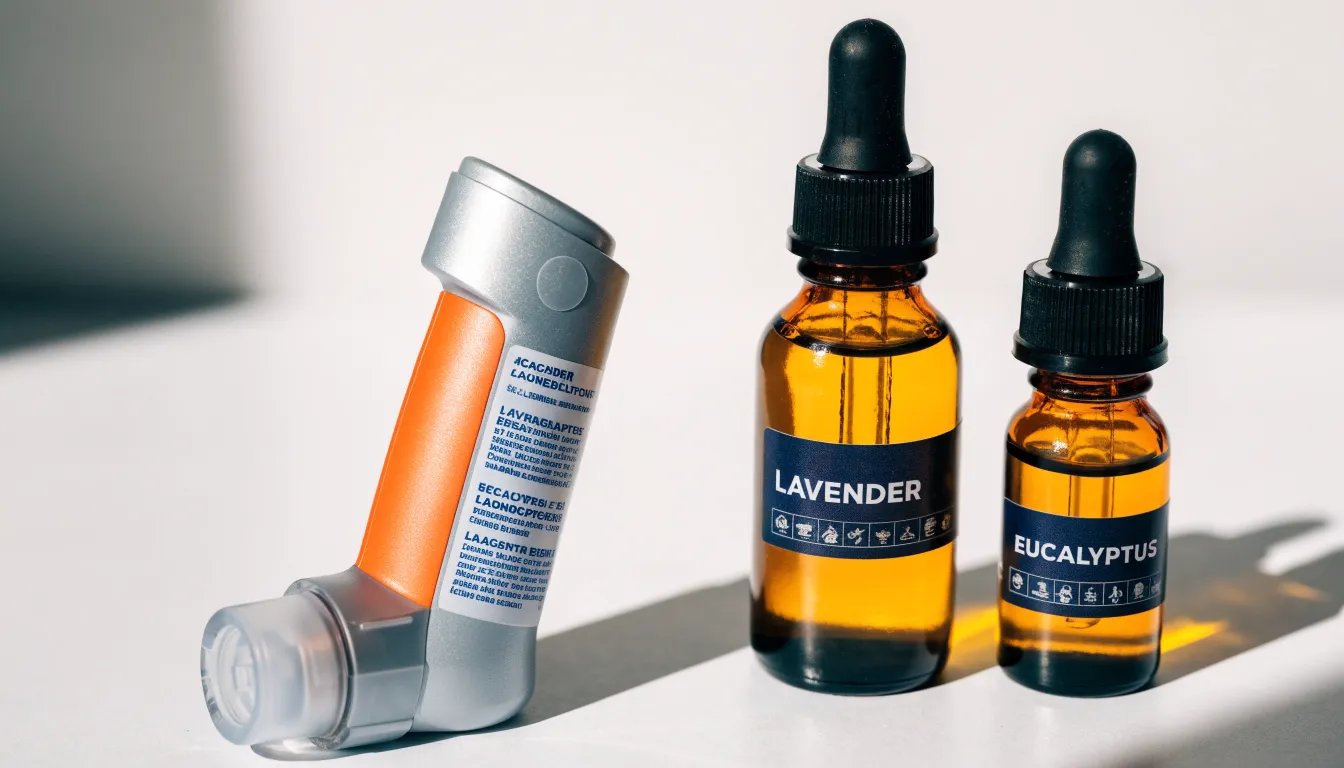
The real danger is that using essential oils instead of these proven treatments lets asthma symptoms get worse quickly and severely, leading to more frequent and serious attacks. This can result in emergency room visits, hospital stays, or even life-threatening breathing problems. Essential oils simply do not have the power to widen your airways or stop the immune system’s swelling in the way that is needed. A safety-first approach means always following your doctor’s advice and using the prescribed medicines. If you want to try essential oils for any reason, talk to your doctor first to make sure they won’t interfere with or replace your necessary care.
Soothing Lavender Oil
Lavender oil is known for its calming effect on the nervous system. Stress can be a major asthma trigger, causing muscle tension and changes in breathing that may narrow the airways. By promoting relaxation, lavender can help ease the body’s stress response, a key aspect of how to use essential oils for relaxation and stress relief.
This calming effect is usually delivered through aromatherapy. Breathing in the gentle scent helps create a sense of peace and emotional balance. It works mainly on the emotional side of asthma, rather than acting directly on the lungs or airways, which may lower the chance of stress-related flare-ups.
Using lavender safely is important. Diffusing it in a well-ventilated room can create a relaxing space. It can also be applied to the skin, like on pulse points or the soles of the feet, but it should always be diluted with a carrier oil. This approach helps reduce stress without irritating sensitive airways.
Refreshing Peppermint Oil
Peppermint oil is known for its refreshing scent, thanks to menthol, which creates a cool, tingling feeling. This sensation can make nasal passages seem clearer and more open, offering a subjective sense of easier breathing. For people with common congestion, this cooling effect can be comforting, which is why peppermint oil is often used in decongestant rubs and inhalers.
However, for asthma, this cooling sensation should not be mistaken for real airway opening. Menthol does not actually widen the bronchial tubes, especially in sensitive asthmatic airways. In fact, breathing in strong, highly concentrated peppermint vapor can have the opposite effect.
Instead of relieving symptoms, the potent compounds can irritate the airway lining and trigger sudden narrowing of the bronchial tubes. This can lead to an asthma attack, causing wheezing, shortness of breath, and chest tightness. Because of this risk, people with asthma should avoid inhaling undiluted or highly concentrated peppermint oil vapors, putting safety above temporary comfort.
Soothing Chamomile Vapors
Chamomile essential oils—both Roman and German—are known for their strong anti-inflammatory properties. When inhaled as warm vapors, they help calm irritation in the respiratory system, which can ease the tight, uncomfortable feeling in the chest.
These soothing vapors work by encouraging the muscles around the chest and airways to relax instead of constrict. Active compounds like chamazulene in German chamomile and esters in Roman chamomile are thought to drive this effect, helping reduce tension and create a sense of openness in the breathing passages.
As the muscles soften, breathing becomes easier and more natural. The gentle, comforting aroma offers quick relief, allowing the respiratory system to work more freely with less effort and promoting an overall sense of calm and well-being.
Frankincense Resin Oil
Frankincense resin oil comes from the Boswellia tree and is known for helping the body feel calm and breathe more smoothly, especially when there is mild breathing discomfort. It has been used for centuries, often in rituals that encourage a meditative state of mind.
At a chemical level, it contains boswellic acids, which are studied for their potential to support the body’s airways and help create a feeling of openness. This can encourage slower, deeper breaths from the diaphragm, making better use of the lungs’ full capacity instead of quick, shallow breathing.
Beyond its chemistry, the oil’s warm, earthy, and slightly citrusy scent is deeply grounding. Inhaling it helps ease anxiety, which is important because feeling less anxious naturally supports more controlled, steady breathing. Together, the physical support and calming aroma make frankincense resin oil helpful for promoting ease and deeper breathing during times of mild respiratory discomfort.
Eucalyptus Oil Warnings
Eucalyptus oil is known for its strong, camphor-like smell and is often used as a natural remedy for congestion. Its main active ingredient, 1,8-cineole, gives the oil its sharp scent and the feeling of opened airways.
However, for people with asthma or sensitive lungs, this same ingredient can be dangerous. 1,8-cineole can act as a strong irritant to the airways. Instead of helping, breathing in eucalyptus oil—especially in concentrated form—can irritate and overstimulate the respiratory system.
For someone with asthma, this irritation may trigger wheezing, coughing, chest tightness, and shortness of breath, possibly leading to a full asthma attack. The decongestant effect can be misleading, so anyone with asthma or airway sensitivity should use eucalyptus oil with extreme caution.
Tea Tree Oil Risks
Tea tree oil is known for its strong, medicinal smell. That distinctive aroma comes from natural compounds called terpenes, such as terpinene-4-ol. When these compounds enter the air, they can irritate the sensitive mucous membranes in the airways. For most people, it may just seem like a powerful scent, but for those with asthma, it can be a trigger.
Because asthmatic lungs are naturally more reactive, breathing in these harsh vapors can cause inflammation and tightening of the bronchial tubes. This may lead to coughing, wheezing, shortness of breath, or chest tightness, and could even bring on an asthma attack. So, tea tree oil’s very fragrance is what makes it a potential risk for people with sensitive airways.
For safety, asthmatics should generally avoid directly breathing in tea tree oil vapors. That means being cautious with diffusers, applying products near the face, or using cleaning supplies that contain the oil. Keeping the air clear of strong irritants like tea tree oil helps protect respiratory comfort and reduces the chance of asthma symptoms.
Citrus Oils And Airways
Citrus essential oils like lemon and grapefruit are loved for their bright, refreshing scent, often used in diffusers and household products to create a clean, energizing atmosphere. For most people, these aromas are harmless and pleasant, but for those with asthma—especially sensitive individuals—they can pose a hidden risk to breathing.
The main scent compound in these oils is limonene. When released into the air through diffusion or inhalation, limonene can oxidize and form tiny airborne irritants. Though invisible, these particles can be seen as a threat by the sensitive airways of an asthmatic, triggering a defensive reaction.
This reaction may include sudden coughing, as the body tries to clear the irritant, and airway spasms, where the muscles around the breathing passages tighten. That narrowing makes it harder to breathe and can worsen asthma symptoms. So while citrus oils smell wonderful, people with asthma should use them with caution, knowing these popular scents can accidentally trigger respiratory problems.
The Power Of Diffusion
Diffusing essential oils into your home lets you enjoy their aromatic benefits, and cool mist diffusion is a gentle option. Ultrasonic diffusers work by vibrating water and oil to create a fine, cool mist. Use intermittent settings so the scent can fade and the air can refresh, instead of keeping the room constantly saturated. This lowers continuous lung exposure and keeps the atmosphere from becoming overwhelming. Start with just a few drops, then adjust based on your preference and the size of the room.

Ventilation is very important no matter which diffuser you choose. Keep the space well aired by opening a window or using an exhaust fan so the oil vapor doesn’t become too concentrated. Place the diffuser away from areas where people constantly breathe, and avoid putting it right next to beds or main seating spots. This careful placement reduces direct exposure and helps the aroma stay subtle and evenly spread.
Cool mist diffusers also add moisture, so you need to manage humidity levels. The extra moisture can help in dry climates, but too much use can raise indoor humidity and encourage mold growth, especially in damp areas. Use the diffuser for short periods, check your indoor humidity regularly, and clean the diffuser as the manufacturer instructs. If you want to avoid adding moisture altogether, passive options like reed diffusers or unglazed terracotta release scent slowly without affecting humidity. By following these practices, you can safely enjoy diffused essential oils in a well-ventilated home while minimizing lung irritation and mold-related risks.
Topical Application Rules
For people with asthma who want to use essential oils on their skin, dilution is very important. Applying undiluted essential oils is not advised because they are very strong. These concentrated plant extracts can irritate the skin and release powerful aromatic fumes. When used directly, the volatile compounds can vaporize and rise into the breathing zone, which may trigger asthma symptoms.
The best approach is to mix the essential oil with a carrier oil, such as jojoba, sweet almond, or fractionated coconut oil. Carrier oils come from the fatty parts of plants, do not evaporate quickly, and safely reduce the oil’s strength. This helps prevent skin irritation and also softens the aroma, making it less likely to bother the airways.

For adults, a safe dilution is typically 1–2%, which means about 6–12 drops of essential oil per ounce of carrier oil, or 1–2 drops per teaspoon. For people with sensitive lungs, a lower 0.5% dilution may be safer. When properly diluted, essential oils can still be absorbed through the skin and offer benefits, but the scent is much gentler and less likely to cause breathing problems.
Identifying Volatile Compounds
Essential oils get their smell from volatile organic compounds, or VOCs—small carbon-based molecules like terpenes, esters, and aldehydes. These compounds evaporate easily at room temperature, which is why they can be inhaled. In essential oils, their concentration is very high, making the scents extremely strong and noticeable.
When these strong smells are inhaled, the VOC molecules travel into the nasal cavity and bind to olfactory receptors. This sends an electrical signal through the olfactory nerve pathways directly to the brain. For people with asthma, this intense sensory input can trigger more than just scent perception—it can set off a chain of neural responses.
The brain interprets these powerful chemical signals as a potential threat, especially in sensitive individuals. This activates the autonomic nervous system through a reflex arc involving the vagus nerve, which signals the smooth muscles around the airways to contract. This bronchoconstriction narrows the bronchial tubes, leading to asthma symptoms like wheezing, coughing, and shortness of breath. The body’s protective response ends up restricting airflow, showing how strong smells can directly trigger respiratory distress in susceptible people.
Kids And Asthma Safety
When using essential oils around children, especially those with asthma or still-developing lungs, extra caution is essential. Children have smaller airways and more sensitive respiratory systems than adults, so they can be easily irritated by strong oil compounds. Safety depends on understanding which oils are risky and how to use them in a very gentle, limited way.
Certain oils should never be used with young children, especially those under six or anyone with asthma. Oils high in 1,8-cineole or menthol—like eucalyptus, peppermint, rosemary, and camphor—can cause airway spasms or breathing trouble. Even diffusing these oils can overwhelm a child’s delicate system. Wintergreen and birch should also be avoided because they contain methyl salicylate, another strong compound.

If you do use oils around a child, choose only safe, highly diluted oils and use passive diffusion. Place a single drop on a cotton ball or aroma stone out of the child’s reach, keep the room well-ventilated, and limit use to 15–30 minutes. The goal is just a faint scent, not a strong aroma. Never apply oils directly to a child’s skin without proper dilution and professional advice. Always talk to a pediatrician or qualified aromatherapist before using any essential oil with a child who has asthma.
Pets In The Home
Using essential oils at home needs extra care when pets like cats and dogs are around. Diffusers and sprays send oil particles into the air, which can be harmful to animals. Pets are smaller and process chemicals differently, so they can easily experience toxicity or breathing problems. Cats especially lack a liver enzyme needed to break down certain oil components, so those substances can build up to dangerous levels. Dogs can also have bad reactions, such as irritated skin or breathing passages.
Pets can be exposed by breathing in oil particles, getting oils on their fur and then absorbing or licking them off, or ingesting spilled oils. To keep pets safe, it’s best to avoid diffusers or any aerosolized essential oils in the home. If using them is truly necessary, keep the diffuser in one well-ventilated room and keep pets completely out of that space. Always store oil bottles tightly closed and out of reach, never apply oils directly to a pet’s skin or fur, and never add oils to their food or water.
If a pet shows signs of distress—like coughing, sneezing, drooling, vomiting, lethargy, or trouble breathing—get veterinary help right away. Keeping pet safety in mind helps create a healthy home for everyone.
Talking To Your Doctor
Before trying essential oils for asthma, check in with your doctor or lung specialist first. This helps you safely add holistic options to your current asthma action plan. Make a special appointment and bring a list of the oils you’re interested in, how you plan to use them, and why. Also be honest about anything you’ve already tried, so your doctor can give the best guidance.

Your doctor knows your health history, medications, and asthma triggers, so they can spot possible interactions or risks with essential oils. Make it clear you’ll keep following your regular asthma plan, including using prescribed inhalers and medications. Frame essential oils only as extra support, not replacements for medical care. Your doctor can also tell you whether a suggested oil has real research behind it or is just anecdotal, and point you to trustworthy resources or specialists.
Take a shared decision-making approach with your doctor. Together, weigh the pros and cons of each essential oil based on your personal health needs. If you try something new, your doctor can watch your asthma symptoms and lung function more closely. This keeps your asthma under control and makes sure any essential oil use supports your well-being without undermining the safety and stability of your current treatment.
Frequently Asked Questions
How do essential oils affect people with asthma?
Essential oils contain strong plant extracts with aroma chemicals that, when breathed in, can act as irritants to sensitive airways. This irritation can cause muscles around breathing tubes to squeeze tight (bronchospasm) and spark inflammation, leading to classic asthma symptoms like wheezing, coughing, and shortness of breath.
Can essential oils replace my asthma medication?
No, essential oils are not a cure for asthma and cannot replace prescribed medical treatments like rescue inhalers or daily maintenance medications. Relying only on essential oils as a primary treatment is very risky for your health and can lead to severe attacks.
Is it safe to use peppermint oil if I have asthma?
For people with asthma, inhaling strong, highly concentrated peppermint vapor is not safe. While its menthol creates a cooling sensation, it does not actually widen bronchial tubes and can instead irritate the airway lining, triggering sudden narrowing of the bronchial tubes and an asthma attack.
What are some essential oils that can be irritating for asthmatics?
Essential oils such as eucalyptus, tea tree, peppermint, rosemary, camphor, wintergreen, birch, and citrus oils (like lemon and grapefruit) can be irritating for asthmatics. Their strong compounds or oxidized particles can trigger airway irritation, inflammation, and tightening, potentially leading to asthma symptoms or an attack.
What is the safest way to diffuse essential oils in a home with an asthmatic?
For safety, use a cool mist ultrasonic diffuser with intermittent settings and only a few drops of essential oil in a well-ventilated room. Place the diffuser away from direct breathing areas and consider passive options like reed diffusers to avoid overwhelming the atmosphere.
Should I consult my doctor before using essential oils for asthma?
Yes, it is crucial to consult your doctor or lung specialist before trying essential oils for asthma. They can advise on potential interactions with your current medications, assess risks based on your health history, and ensure any essential oil use supports your well-being without undermining your prescribed treatment.