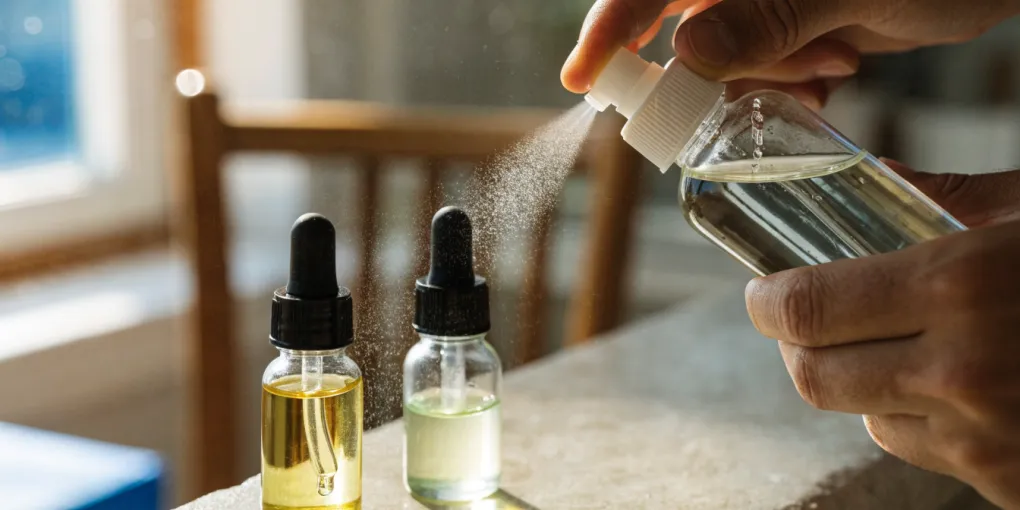
Essential oils offer a natural cleaning alternative, harnessing plant-derived compounds to break down grease, sanitize surfaces, and deter pests without harsh chemicals. Oils like lemon and tea tree provide antimicrobial and degreasing properties, while lavender adds a calming scent. These biodegradable solutions keep homes fresh and support overall wellness, making them effective and eco-friendly cleaning agents.
Table of Contents
- Natural Cleaning Essentials
- Essential Oil Powerhouses
- Tea Tree Oil Defense
- Citrus Boost Magic
- Fresh Lavender Bliss
- Peppermint Polish Energy
- Eucalyptus Deep Clean
- Base Ingredient Breakdown
- Rubbing Alcohol Advantages
- Carrier Liquid Options
- Equipment Gathering Guide
- Master Recipe Ratio
- Step by Step Blending
- Kitchen Counter Tactics
- Bathroom Shine Strategies
Natural Cleaning Essentials
In natural cleaning, essential oils do the work of harsh synthetic chemicals without the toxins. Many conventional cleaners release VOCs from ingredients like phthalates, ammonia, and chlorine bleach, which can worsen asthma, allergies,and breathing irritation. An all-purpose spray made with essential oils avoids those airborne chemicals, leaving indoor air cleaner and easier to breathe—An all-purpose spray made with essential oils avoids those airborne chemicals, leaving indoor air cleaner and easier to breathe—especially for children and pets.
.
Essential oils also function as gentler health protectors. Because natural cleaners skip synthetic compounds, they are much less likely to cause skin irritation, headaches, or long-term issues from repeated exposure. This makes switching to essential oils a simple way to support overall wellness while still keeping surfaces clean.
.
Finally, essential oils function as eco-friendly cleaning agents. Unlike persistent synthetic chemicals, natural ingredients like essential oils are biodegradable; when they go down the drain, they break down harmlessly and don’t pollute water systems or hurt aquatic life. So cleaning with essential oils safeguards both your home and the broader environment.
Essential Oil Powerhouses
Essential oils do much more than add scent to cleaning sprays—they actively fight dirt and grime. Lemon oil works as a natural solvent, breaking down grease, sticky residues, and everyday buildup on surfaces like kitchen counters and stovetops. Tea tree oil brings strong antimicrobial and antifungal power, sanitizing surfaces by breaking down the microbes that cause odors and grime. Eucalyptus oil lifts away buildup with its own cleansing strength, while peppermint oil can help deter common household pests that track in dirt.
Beyond immediate cleaning, some essential oils help prevent dirt from settling in the first place. When added to cleaning solutions, they leave a very thin, nearly invisible protective layer on surfaces. This layer changes the surface tension or static charge, making it harder for dust and airborne particles to stick. Oils like lemon and tea tree can subtly repel dust, so fingerprints and grime don’t bond as easily.
As a result, surfaces cleaned regularly with these oils stay cleaner for longer and need less frequent scrubbing. The protective effect slows down dust buildup and makes future cleaning easier. In short, these natural extracts not only clean powerfully—they also guard surfaces against new dirt, keeping your home fresher with less effort.
Tea Tree Oil Defense
Tea tree oil is a powerful natural cleanser with strong antimicrobial properties. It works by inhibiting the growth of bacteria, making it a great addition to all-purpose sprays for sanitizing high-touch areas like doorknobs, light switches, countertops, and remote controls.
It also has significant antifungal qualities, which makes it especially useful in damp spaces where mold and mildew can develop. Bathroom tiles, shower curtains, and kitchen corners benefit from its ability to disrupt fungal growth without relying on harsh synthetic chemicals.
Together, these dual actions make tea tree oil a comprehensive option for household cleaning. It purifies surfaces naturally, helping create a fresher, safer home while offering a simple, plant-based solution for everyday sanitation.
Citrus Boost Magic
Lemon and orange essential oils are prized in natural cleaning for their power against tough messes. This comes from d-limonene, a natural compound found in high amounts in citrus oils. As a monoterpene, it gives citrus its smell and works as a highly effective natural solvent.
When added to an all-purpose spray, d-limonene acts quickly on oily grime. Its molecular structure lets it break down fats, oils, and greases, dissolving stubborn buildup on stovetops, countertops, and sinks so they wipe clean easily. It also lifts sticky residues like adhesive from price tags, crayon marks, and tree sap.
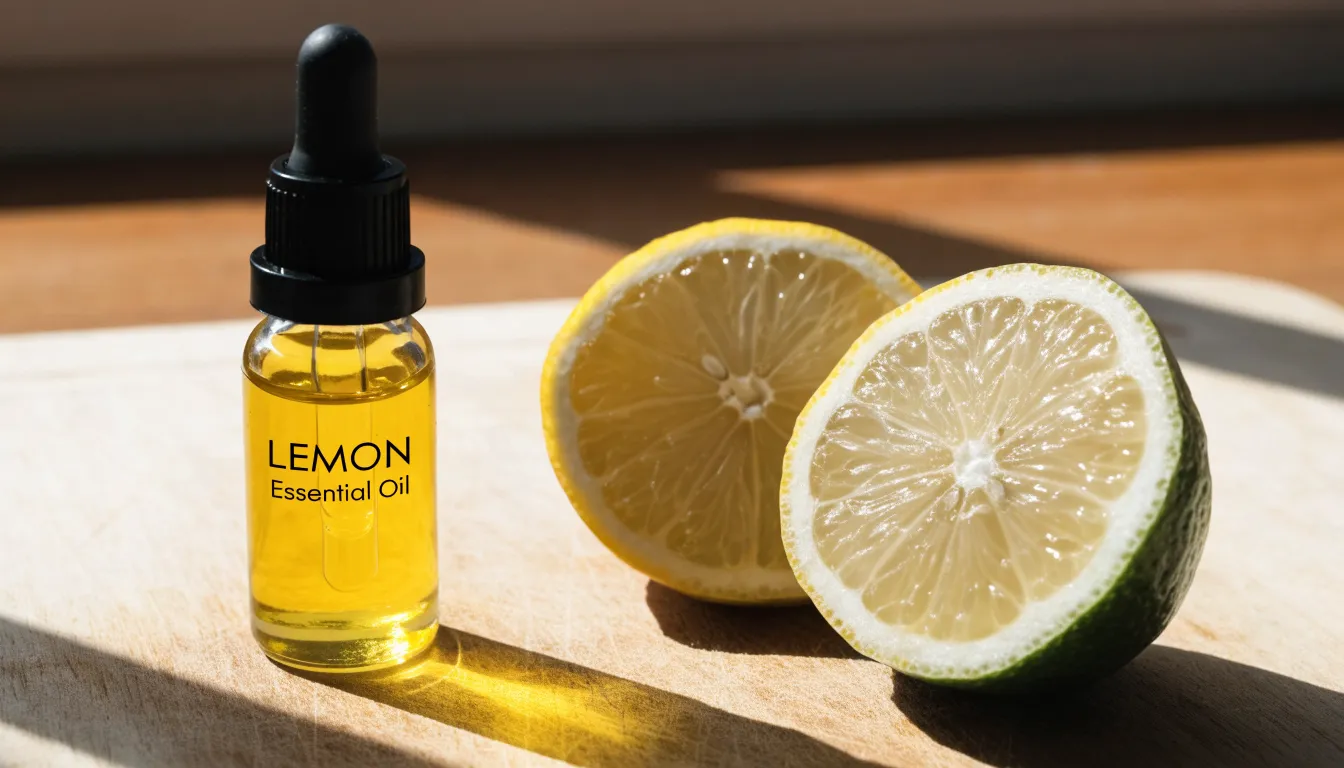
This dissolving power turns hard scrubbing into effortless wiping. The oils emulsify oily buildup, letting a cloth remove it while leaving surfaces spotless and filling the room with a fresh, invigorating citrus scent.
Fresh Lavender Bliss
Lavender essential oil turns everyday cleaning into a calming ritual. Its gentle, herbaceous scent fills the air as you spray and wipe, bringing stress-relieving aromatherapy benefits that help ease tension and support mental clarity. This makes cleaning feel less like a chore and more like a refreshing, mindful break.
The relaxing aroma lingers long after the surfaces are wiped down, helping maintain a peaceful and welcoming atmosphere in your home. Through the simple act of tidying up, lavender’s subtle presence continues to uplift the spirit and reduce everyday stress, leaving your space feeling serene.
Beyond its soothing scent, lavender oil also offers mild antibacterial properties. While it is not a strong chemical disinfectant, it works gently to slow the growth of certain common bacteria on household surfaces. This adds a wholesome layer of cleanliness, combining natural protection with aromatic comfort to make your all-purpose spray both effective and calming.
Peppermint Polish Energy
Peppermint oil is a great addition to any cleaning routine, especially if you want to refresh your space and keep pests away. Its crisp scent is instantly noticeable and, when diffused or used in cleaners, has a stimulating effect. It can sharpen focus, boost alertness, and clear mental fog, making it ideal for workspaces or any room where you want more energy. It turns simple cleaning into an uplifting, energizing habit and makes your home feel brighter and more dynamic.
Beyond helping people feel more awake, peppermint oil also works as a natural pest deterrent. Ants, spiders, and other common household pests rely heavily on scent to find their way around. The strong, pleasant aroma that humans enjoy is often overwhelming to them, disrupting their trails and discouraging them from entering or staying in treated areas.
Adding peppermint oil to an all-purpose cleaning spray gives you two benefits at once: a fresh, invigorating scent that supports focus, and a gentle, natural barrier against unwanted visitors. It helps keep your home clean, comfortable, and undisturbed, all with a simple burst of natural freshness.
Eucalyptus Deep Clean
Eucalyptus oil is a powerful natural cleaner, especially for hard, non-porous surfaces around the home. Its natural purifying properties break down stubborn grease, sticky grime, and built-up residue effectively. This makes it a great addition to an all-purpose spray for kitchen countertops, bathroom sinks, ceramic tiles, and sealed wood or laminate floors. It dissolves tough dirt and lifts it away, leaving surfaces visibly clean and hygienic without needing harsh synthetic chemicals.
Beyond cleaning surfaces, eucalyptus oil also excels at purifying indoor air. Its crisp, camphor-like scent doesn’t just mask odors; it actively neutralizes them at the source. Whether the smell comes from cooking, pets, or general stuffiness, the oil’s natural compounds help eliminate it, leaving the air feeling genuinely fresh, clean, and lighter. The invigorating aroma can even make breathing feel clearer, adding to comfort and well-being in your living spaces.
With this dual action—deep surface cleaning plus refreshing air purification—eucalyptus oil becomes a key ingredient for a naturally clean, vibrant, and energized home.
Base Ingredient Breakdown
Distilled water is the key to keeping your homemade cleaner safe and long-lasting. It is pure, so bacteria, mold, and other germs have no minerals or organic matter to feed on. That means the spray stays fresh longer, while tap water can quickly grow germs and cause bad smells.
White vinegar works through its acetic acid. It breaks down hard-water stains, limescale, and soap scum, and it also cuts through grease and everyday dirt. This makes it a powerful natural cleaner that leaves surfaces clean and residue-free.
Together, these two base ingredients create a stable, germ-resistant cleaning mix. They keep the spray fresh and handle the heavy-duty dirt, so the essential oils can do their job: adding a clean scent and extra natural cleaning power.
Rubbing Alcohol Advantages
Adding high-proof isopropyl rubbing alcohol to an essential oil all-purpose spray makes the formula stronger and more effective. The alcohol boosts the spray’s ability to disinfect by breaking down the proteins and fats in bacteria, viruses, and fungi, which helps kill common household germs. This leaves surfaces hygienically clean, not just visibly clean.
Rubbing alcohol also improves how the spray works by drying much faster than water. Because cleaned areas dry almost instantly, water spots and mineral marks don’t have time to form. This is especially helpful on glass, mirrors, and polished stone, where quick drying gives a bright, streak-free shine.
Overall, including high-proof isopropyl alcohol in an essential oil cleaning spray boosts both its germ-killing power and the final look of your surfaces, while reducing the need for extra wiping or buffing.
Carrier Liquid Options
Choosing the right carrier liquid is key to making an effective all-purpose cleaner with essential oils. The two main options are white vinegar and liquid castile soap, and each affects how well the spray works and how safe it is to use. Knowing the difference helps you avoid chemical reactions that can ruin the mixture.
White vinegar is great for cutting grease, removing mineral buildup, and disinfecting non-porous surfaces like glass, stainless steel, and tile. It leaves these surfaces streak-free. But it should not be used on stone like marble or granite, since the acid can damage them. Also, never mix vinegar directly with castile soap in the same bottle—the acid makes the soap curdle, which weakens the cleaner and can clog the spray nozzle.
Liquid castile soap is a mild, plant-based soap that helps essential oils mix evenly into water. It works well for general cleaning and is safe on many surfaces, including wood when diluted. Use it with distilled or filtered water to avoid mineral buildup. By choosing the right carrier and understanding how it works, you can make an essential oil spray that cleans well and is safe for the surfaces you use it on.
Equipment Gathering Guide
To keep your essential oil cleaning spray effective, the bottle you choose matters most. Use an amber or cobalt blue glass spray bottle. These dark colors block ultraviolet light, which can break down the delicate compounds in essential oils over time. That damage weakens both the scent and the cleaning power, so dark glass helps preserve the oil’s strength.
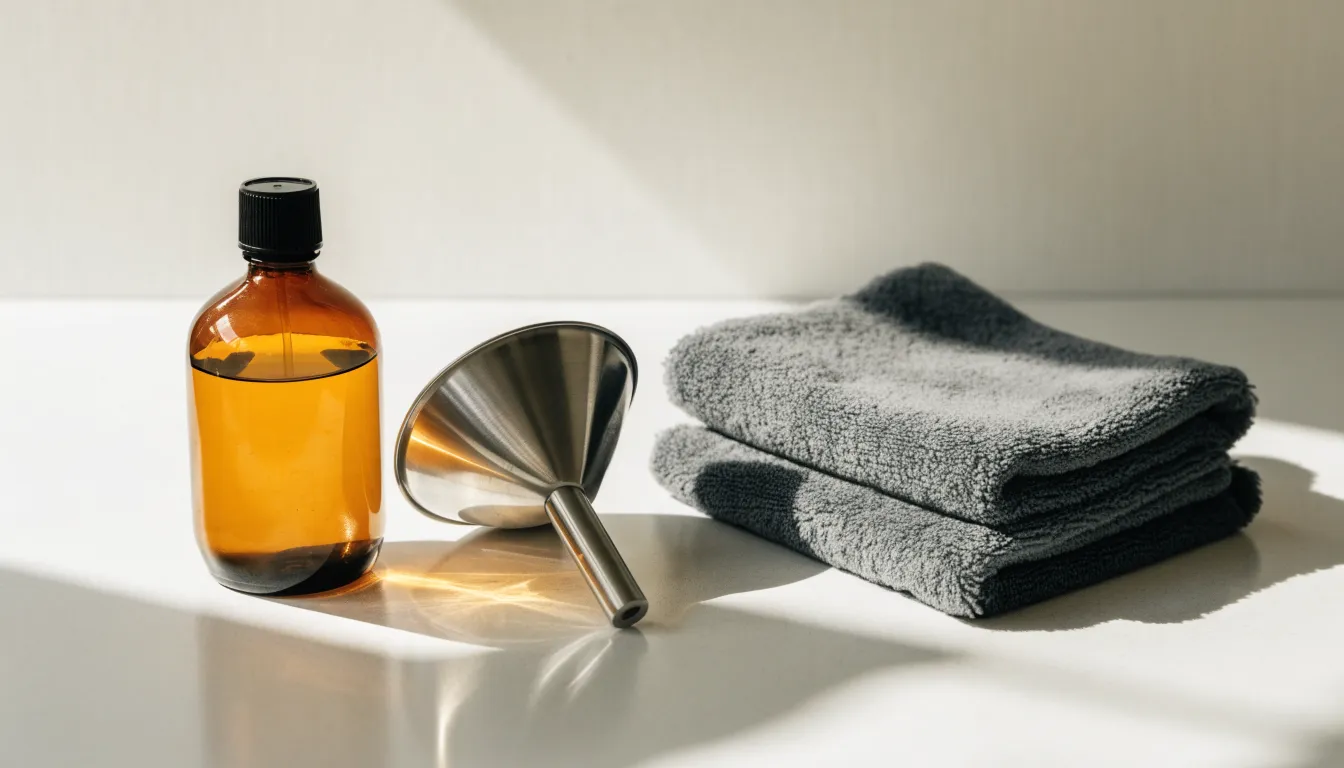
Clear glass gives no protection from light, and plastic is a poor choice because essential oils can react with it. That reaction may pull chemicals from the plastic into your spray or even break down the bottle itself. Glass is inert, so it won’t interact with the oils, keeping the mixture safe and stable.
Other simple tools help with the process. A small stainless steel or glass funnel prevents spills when pouring oils into the narrow bottle, and again avoids plastic contact. Microfiber cloths are also useful, since their fine fibers lift dirt without scratching and leave surfaces streak-free when used with the spray.
Master Recipe Ratio
The master recipe starts with a balanced base of equal parts water and vinegar, typically one cup of each for a standard 16-ounce bottle. The water tempers the vinegar’s strong acidity, making it gentle enough for a wide range of surfaces while still allowing the vinegar to clean and deodorize effectively. However, your chosen essential oils are what truly elevate the spray, adding both a fresh fragrance and a natural boost in cleaning strength.
For this mixture, you’ll need to add between 15 and 30 drops of essential oil. This range is carefully chosen to let you customize the product. Potent oils like tea tree or lemon work best at the lower end of the scale, while milder scents such as lavender might call for a few extra drops to really make their presence known. Nailing this exact count ensures a pleasing aroma and enhances germ-fighting power without irritating your skin from too high a concentration.
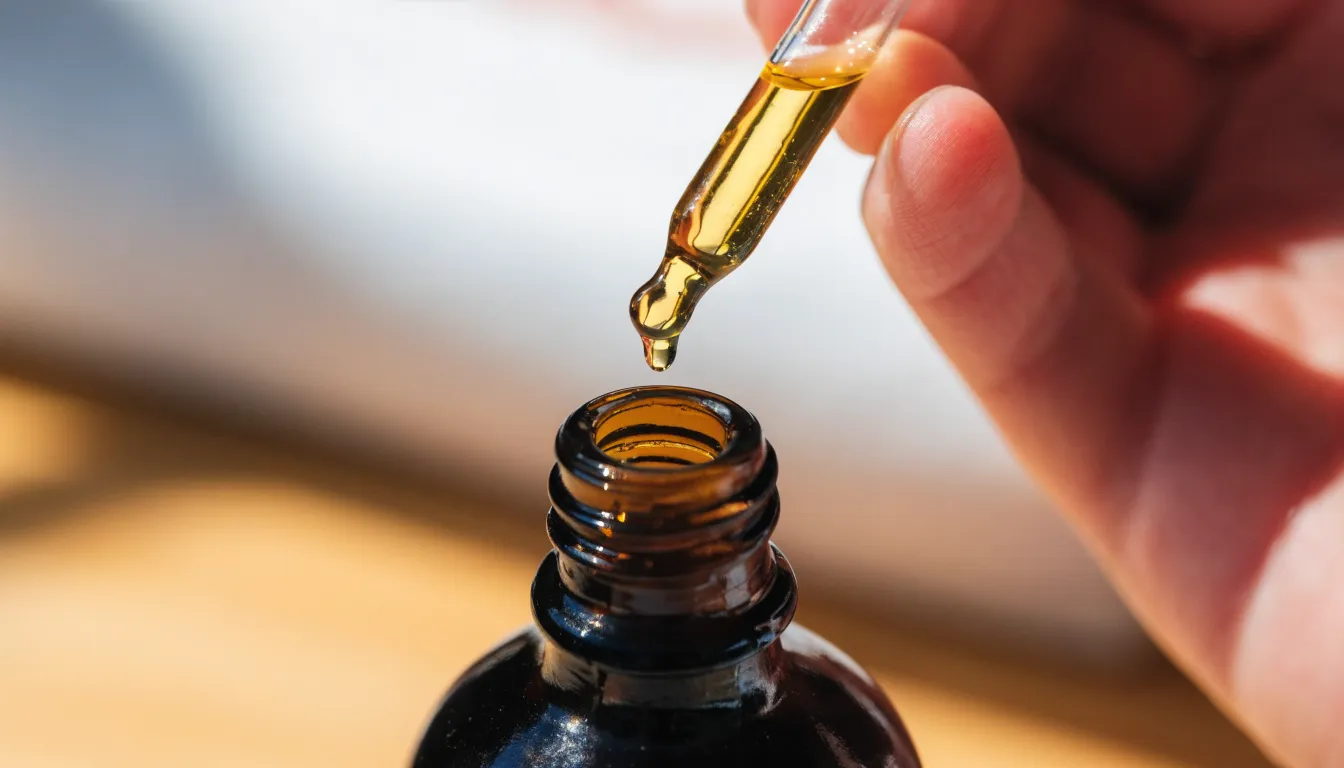
Finally, always add your essential oils last, after the water and vinegar are already in the bottle. Give it a gentle swirl or shake before each use so the oils stay evenly dispersed. Sticking precisely to these measurement guidelines guarantees a balanced, effective, and skin-safe cleaning spray every single time you make a batch.
Step by Step Blending
Essential oils don’t naturally mix with water, so in an all-purpose spray they can float to the top. That makes the cleaning power and scent uneven from spray to spray. To avoid this, proper blending is important.
An emulsifier helps oil and water stay mixed. Good options include liquid Castile soap or polysorbate 20. The key is to combine the essential oils with the emulsifier first, then slowly add water while stirring. This helps the oils stay evenly suspended throughout the liquid.
Even with an emulsifier, it’s still a good idea to shake the spray before each use. If you use little or no emulsifier, shaking is essential so each spray gets a consistent amount of essential oils. Store the finished spray in a suitable container, and always give it a good shake before applying.
Kitchen Counter Tactics
Kitchen countertops face daily messes, from food prep to spills. An all-purpose spray with essential oils is a great helper for keeping these busy areas clean and shiny. For fresh spills, just spray the area and wipe it with a clean cloth or sponge. The essential oils help break down grease and sticky residue, while adding a fresh scent and helping to sanitize the surface.
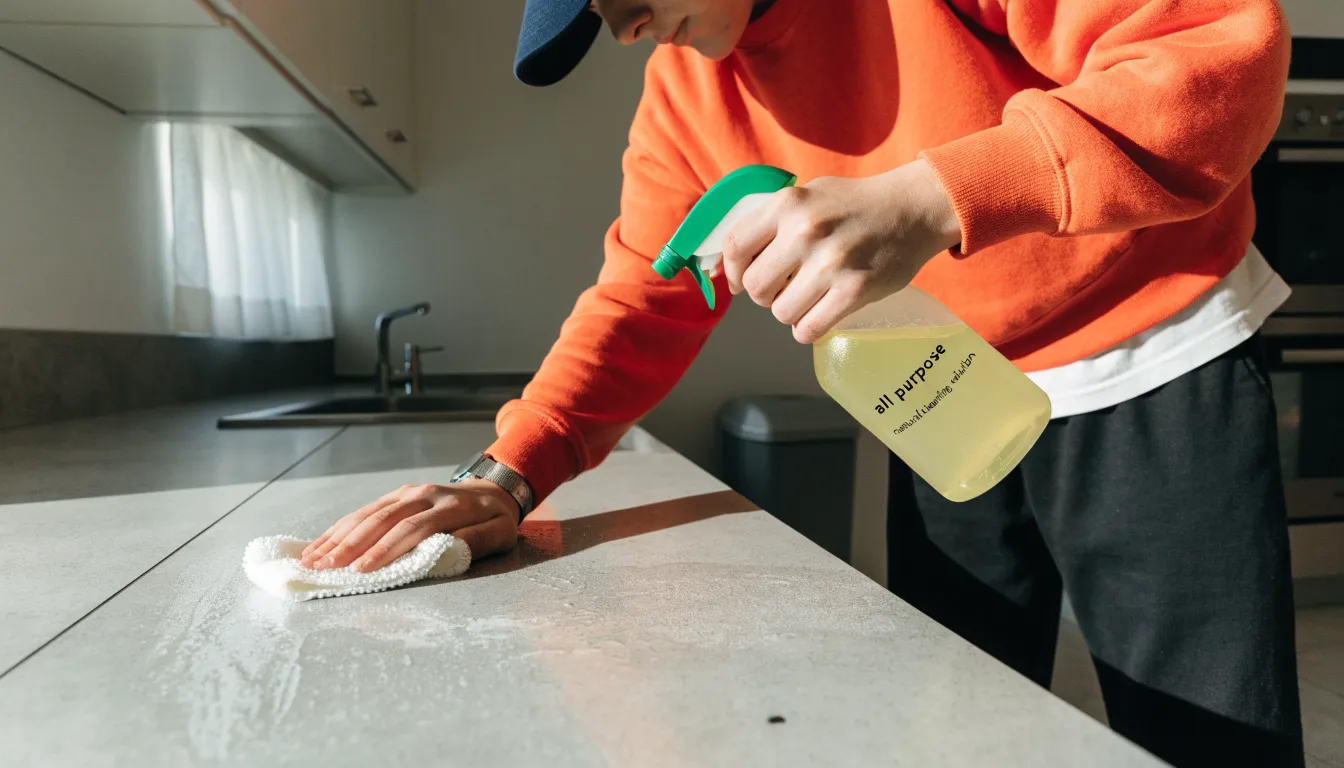
For dried-on food, don’t scrub right away. Spray the mess generously and let it sit for a few minutes so the essential oils and other ingredients can soften the stuck-on bits. After this short soak, the food comes off easily with a gentle scrubber or damp cloth, lowering the risk of scratching the countertop.
To safely clean food-prep areas, use the spray regularly, especially after handling raw meat or vegetables. Certain essential oils have antimicrobial properties that help kill bacteria and give you peace of mind. Finish by wiping the counter with a clean, dry microfiber cloth for a polished, gleaming surface that’s ready for whatever comes next.
Bathroom Shine Strategies
Your custom essential oil cleaning spray works great in the bathroom, turning grimy surfaces shiny. For soap scum on shower tiles and glass doors, spray the area well and let it sit for five to ten minutes. The essential oils and other ingredients help break down the fatty acids and mineral deposits in the soap scum, making it much easier to wipe away with a cloth or scrub brush.
Hard water spots on faucets, showerheads, and sinks also respond well. Spray the mineral deposits directly, and for older spots, use a non-abrasive scrubber after the spray has had time to soften them. The natural components in the essential oil blend help dissolve these mineral residues, leaving your fixtures with a streak-free shine.
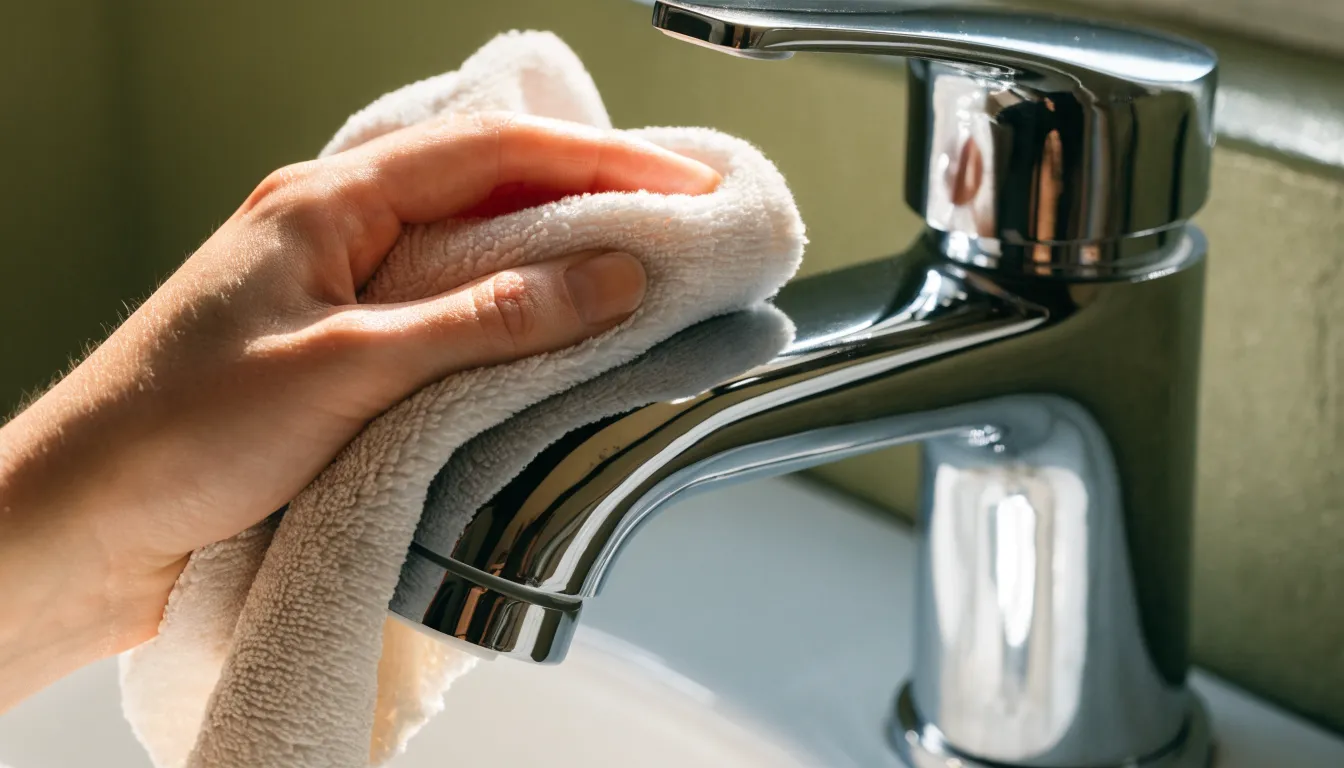
The spray also works as a deodorizer and mild purifier for mildew odors in damp corners and grout lines. Spray tiles, grout, and around sinks and toilets. The aromatic compounds in the essential oils don’t just mask odors—they help address the sources, leaving a fresh, clean scent. For an extra boost, spray inside the sink basin and around the overflow drain, and your bathroom will stay fresh and clean.
Frequently Asked Questions
Why should I use essential oils for cleaning instead of conventional products?
Essential oils provide natural cleaning power without the harsh synthetic chemicals and VOCs found in conventional cleaners, which can worsen asthma and allergies. They are less likely to cause skin irritation and are biodegradable, supporting both personal wellness and environmental health.
What essential oils are good for an all-purpose cleaning spray?
Lemon oil is effective for breaking down grease and sticky residues due to its d-limonene content. Tea tree oil offers strong antimicrobial and antifungal properties for sanitizing, while peppermint oil can help deter common household pests.
How does tea tree oil help clean and sanitize?
Tea tree oil possesses strong antimicrobial properties that inhibit bacterial growth, making it ideal for sanitizing high-touch surfaces. It also has significant antifungal qualities, disrupting fungal growth in damp areas like bathrooms to combat mold and mildew.
Can I use essential oil cleaning sprays on all surfaces?
Not all surfaces. While effective on many, white vinegar, a common carrier, should not be used on stone surfaces like marble or granite as its acid can cause damage. Always choose the right carrier liquid for your specific surfaces to avoid issues.
What kind of bottle is best for storing essential oil cleaning sprays?
Use an amber or cobalt blue glass spray bottle because these dark colors block ultraviolet light, which can degrade the delicate compounds in essential oils over time. Clear glass offers no protection, and plastic is a poor choice as essential oils can react with it, potentially pulling chemicals from the plastic into your spray.
How much essential oil should I add to my cleaning spray recipe?
For a standard 16-ounce bottle made with equal parts water and vinegar, you should add between 15 and 30 drops of essential oil. Potent oils like tea tree may require fewer drops, while milder scents like lavender might need a few extra drops to make their presence known.