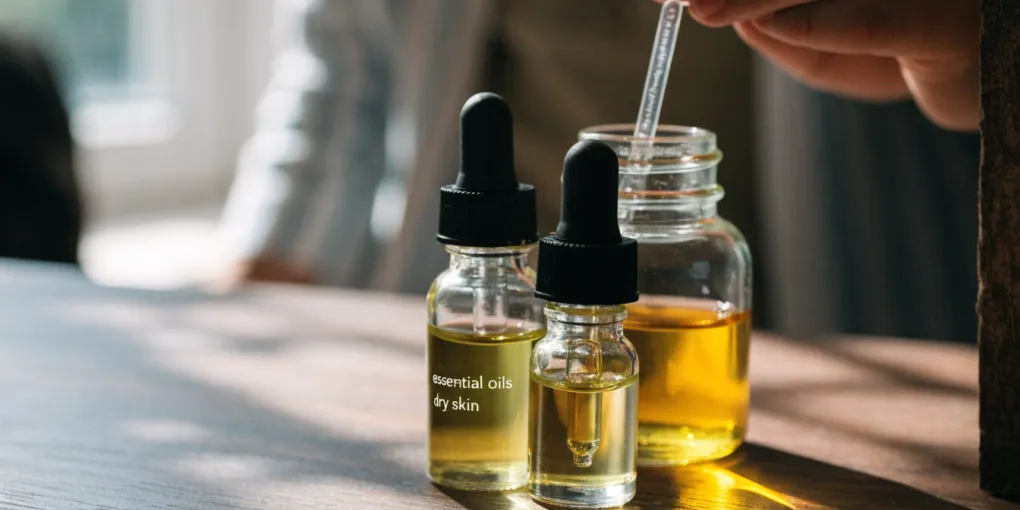
Essential oils like lavender, frankincense, rose, chamomile, and sandalwood, diluted with carrier oils such as jojoba or argan, effectively nourish and protect dry skin. They strengthen the skin’s lipid barrier, reduce inflammation, promote cellular renewal, and lock in moisture, combating environmental damage and restoring skin’s natural softness and hydration.
Table of Contents
- Understanding Flaky Flesh
- Lavender Oil Benefits
- Frankincense Essential Oil
- Rose Essential Oil
- Chamomile Remedies
- Sandalwood Extraction
- Geranium Plant Essence
- Helichrysum Extract
- Carrier Oil Pairings
- DIY Face Serums
- Nighttime Repair Blends
- Body Lotion Boosters
- Patch Testing Safety
- Dilution Ratio Rules
- Winter Weather Protection
Understanding Flaky Flesh
Dry, flaky skin is not just a cosmetic issue—it’s a sign that your skin is crying out for moisture. Normally, dead skin cells shed invisibly, but when the skin barrier is weakened, they clump together and form visible flakes. This happens because the skin lacks enough moisture to keep its natural “glue” of ceramides and fatty acids strong. When that barrier fails, water escapes and dead cells build up.
Environmental factors like low humidity, indoor heating, air conditioning, wind, and cold weather can make the problem worse. Harsh cleansers and hot water also strip away protective oils, causing more water loss and leaving the skin rough and vulnerable. Over time, this constant moisture drain makes flaking worse and harder to ignore.
This is where essential oils and carrier oils become so helpful. Rich in fatty acids, vitamins, and antioxidants, they deeply nourish the skin and create a protective, breathable layer on its surface. This plant-based shield mimics the skin’s natural lipid barrier and helps seal moisture inside. By strengthening the outer layer, essential oils reduce water loss, protect against environmental damage, and help skin return to a smooth, supple state.
Lavender Oil Benefits
Lavender oil is one of the most comforting essential oils for dry skin because it helps soothe irritation and bring the skin back into balance. Its main benefit comes from linalool, a natural compound with strong anti-inflammatory properties. When skin is very dry, it often triggers an inflammatory response that leads to tightness and redness, and lavender oil helps calm this response at the source.
When applied to the skin, lavender oil reduces the pro-inflammatory signals that cause discomfort. This directly helps relieve that stretched, tight feeling and lessens visible redness. To use it, dilute about 2–3 drops of lavender oil in one teaspoon of a carrier oil like jojoba, almond, or argan oil. Gently massage the blend into clean, dry skin each morning and evening, focusing on tight or red areas with light circular motions.
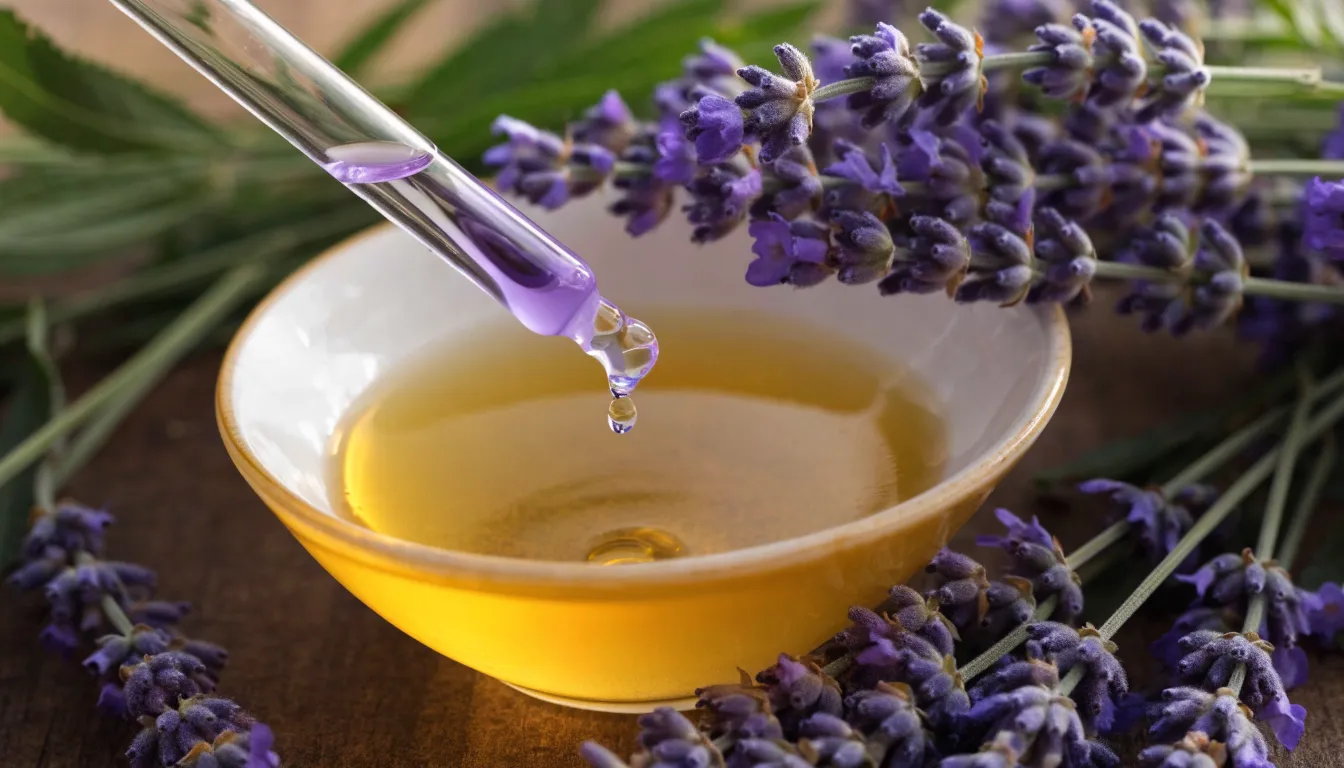
With regular use, the linalool in lavender oil reaches the affected skin and works to lower inflammation, which eases tightness and fades redness over time. Consistent application helps turn uncomfortable, irritated skin into a calmer, more comfortable state, allowing the skin to heal and rebuild its natural resilience.
Frankincense Essential Oil
Frankincense essential oil is valued for its ability to rejuvenate aging skin and restore lost hydration. Its key compounds, boswellic acids, work at the cellular level to encourage skin renewal and strengthen natural defenses against moisture loss.
These boswellic acids help stimulate cellular turnover, a process that slows with age. As old, dead skin cells are shed more efficiently and replaced with healthier ones, the complexion becomes brighter and skin texture improves. This renewal helps reduce the dullness and dryness commonly seen in mature skin.
The oil also improves moisture retention by supporting the skin’s natural barrier, which helps prevent water loss and keeps skin hydrated and comfortable. With better hydration and renewed cells, fine lines appear softened, and the skin looks smoother, more refined, and more youthful overall.
Rose Essential Oil
Rose essential oil, especially the precious rose otto variety, is highly beneficial for dry skin, particularly on delicate and sensitive areas. Its unique makeup delivers rich nourishment that deeply soothes and hydrates, easing the discomfort of parched skin.
This oil provides lasting moisture and helps restore the skin’s natural barrier, preventing further water loss. It works especially well on ultra-sensitive patches—like the skin around the eyes, lips, or areas prone to redness and flaking—offering gentle yet powerful care. Rose otto nourishes deeply without causing irritation, making it a safe choice for reactive skin, and it supports the skin’s own healing process.
Even though it feels rich and emollient, rose essential oil is non-comedogenic, so it won’t clog pores while moisturizing. With regular use, it can noticeably improve skin texture, leaving the skin softer, smoother, and visibly calmer—making it a valuable part of any dry skin care routine focused on gentle, effective hydration.
Chamomile Remedies
Chamomile oil gently soothes dry skin, addressing rough patches and irritation. Both German and Roman types contain chamazulene, which calms skin reactions and relieves tight, itchy feelings. This compound also helps with flaking by stabilizing the skin, creating a smoother feel.
For eczema-prone spots, chamomile reduces redness and irritation, creating a healthier skin environment. It also works on tough areas like elbows and knees. As an emollient, it softens hardened skin, making it more flexible and comfortable with regular use.
Beyond immediate relief, chamomile supports the skin’s natural balance. It helps skin retain moisture and build resistance against future dryness, leading to long-term comfort and healthier skin overall.
Sandalwood Extraction
Sandalwood essential oil, valued for its ancient heritage and calming scent, is especially helpful for dry skin. This is largely because the careful extraction process concentrates its most potent natural compounds, particularly santalols. These unique molecules support the skin’s ability to defend itself against moisture loss.
The skin naturally has a protective water barrier called the lipid layer, made up of fatty acids, ceramides, and cholesterol. This layer controls hydration and blocks external irritants. In dry skin, this barrier is often weakened, which leads to water loss and feelings of tightness or flakiness. The santalols in sandalwood oil help actively reinforce this important barrier.
When applied, santalols blend into the existing lipid structure and make it stronger and denser. A stronger barrier acts like a better seal, slowing down water evaporation from the skin’s surface. This effect is long-lasting, locking in natural moisture throughout the day. As a result, dry skin stays hydrated longer, feels softer, and appears more supple, with less discomfort from dryness.
Geranium Plant Essence
Geranium essential oil helps balance the skin’s natural oil production. In oily areas, it reduces excess sebum without drying the skin out. In dry areas, it supports healthier oil levels so the skin can hold onto necessary moisture. This balancing action is key for restoring overall skin harmony.
It also provides deep yet gentle hydration by helping the skin maintain a strong moisture barrier. This barrier prevents water loss and keeps the skin soft and supple. That makes geranium especially useful for combination skin, since it can respond to both dry and oily areas at the same time, promoting a smooth and comfortable complexion.
For predominantly dry skin, geranium works in two important ways: it encourages healthy oil levels and locks in moisture. Together, these effects ease tightness, deliver lasting softness, and leave the skin looking naturally radiant and well-nourished.
Helichrysum Extract
Helichrysum extract is especially helpful for skin that is severely chapped. Its main job is to mend tiny cracks and refresh very dry, damaged surfaces. It works to repair the skin’s protective barrier, using natural compounds that target the harm caused by extreme dryness.
When skin becomes very chapped, small, invisible fissures can form. These micro-cracks make it harder for skin to hold in moisture and defend itself. Helichrysum helps close these tiny breaks, leaving the skin smoother and more intact. This restores the skin’s natural protection, lowering the risk of irritation and helping prevent further water loss.
Helichrysum also boosts tissue regeneration, encouraging skin cells to renew faster. This quicker cell turnover helps replace damaged cells with healthy ones, rebuilding the skin’s strength and speeding up recovery. Dry, rough, flaky areas become softer and more supple, helping the skin regain its natural smoothness, resilience, and healthy glow.
Carrier Oil Pairings
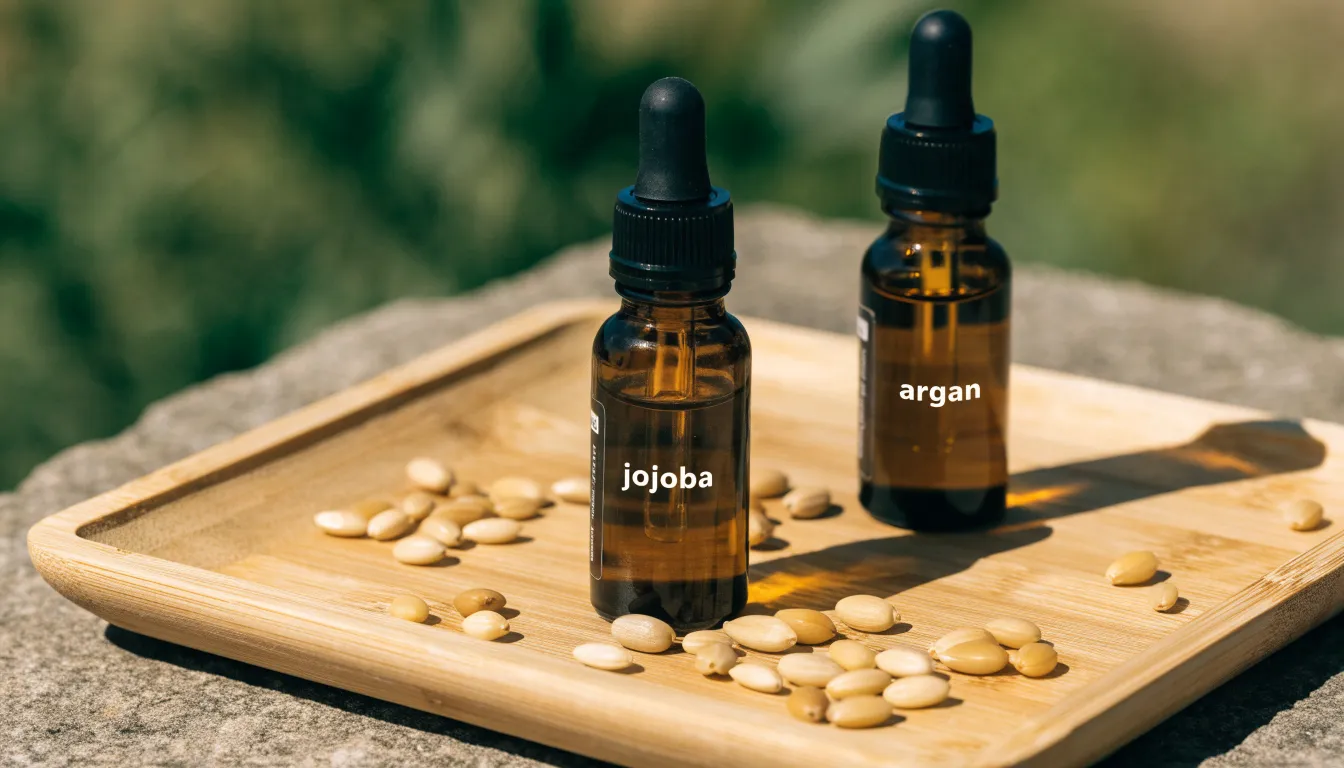
Essential oils are very strong plant extracts, so putting them directly on skin can cause irritation or other bad reactions. To use them safely, especially for dry skin, they must be mixed with a carrier oil. Carrier oils like jojoba and argan dilute the essential oil, lowering its strength so it is gentle enough to apply to the skin.
Beyond just diluting, these carrier oils help the essential oils work better. Jojoba and argan are rich in fatty acids, vitamins, and antioxidants that nourish the skin on their own. Their structure also matches the tiny molecules of essential oils, letting the carrier oil hold and carry them. When applied, the carrier oil helps open the skin’s natural barrier and moves the essential oil deeper into the skin, where it can be more effective. This slow release also stops the essential oil from evaporating too quickly, so its benefits last longer.
Jojoba oil is especially good because it is very similar to the skin’s natural oil, so it absorbs easily without feeling greasy. Argan oil is known for being full of vitamin E and essential fatty acids, giving deep moisture and supporting the skin barrier. Together, these carrier oils make an excellent base for essential oils on dry skin, helping beneficial compounds reach deeper layers gently and safely while reducing the risk of irritation.
DIY Face Serums
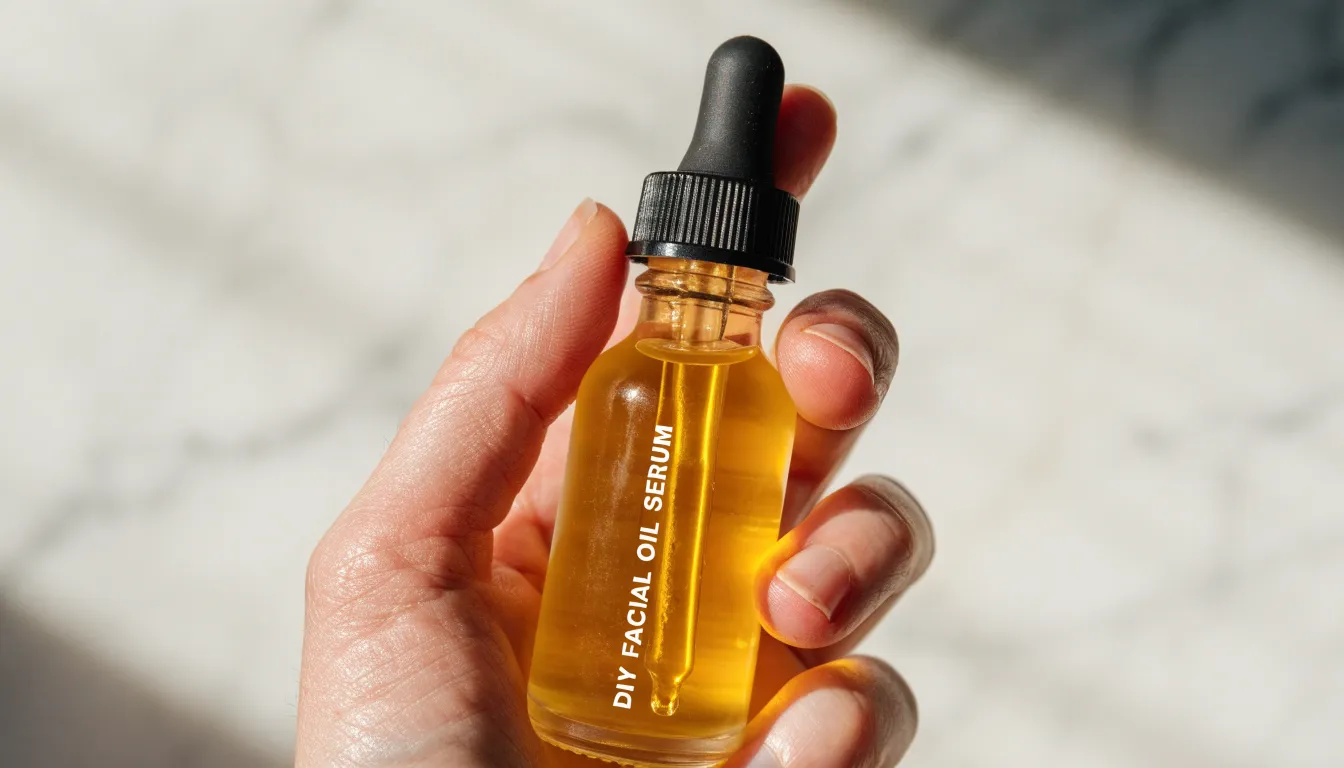
Crafting your own morning face serum is a great way to give dry skin light, gentle hydration. These homemade blends absorb quickly without feeling heavy, supporting your skin’s natural barrier and keeping it soft all day. You can You can customize them with natural ingredients, starting with fast-absorbing carrier oils like jojoba, rosehip, or sweet almond oil to nourish and balance the skin.
To these carrier oils, add a few drops of essential oils for targeted benefits. Lavender essential oil soothes and balances dry, irritated skin. Frankincense essential oil helps rejuvenate and promote a healthy complexion. Geranium essential oil balances oil production and improves skin tone, adding a fresh, radiant glow. Always dilute essential oils properly in your carrier oil base for safety.
To make your serum, combine your chosen oils in a small dropper bottle. Each morning after cleansing and toning, apply two or three drops to your face and neck, massaging gently upward until absorbed. This simple routine keeps your skin continuously nourished, smooth, and comfortable all day without any greasy residue.
Nighttime Repair Blends
Nighttime repair blends use the body’s natural sleep-time healing to fight dry skin. While you sleep, your skin becomes more permeable, so oils can soak in deeper and deliver moisture without daytime stress. These blends are designed to work overnight, giving intense nourishment when skin is most ready to repair.
These formulas combine concentrated essential oils with rich carrier oils like jojoba, argan, or rosehip. The carrier oils soften the skin, support its lipid barrier, and provide fatty acids and antioxidants. They also form a protective layer that stops moisture loss through the skin overnight, which is key for relieving dryness.
The blends are made to support your skin’s nightly repair cycle. As the body rests, skin cells regenerate faster, and the oils provide a focused boost of restorative compounds at that ideal time. Essential oils like lavender, frankincense, and sandalwood help calm the skin while also encouraging cellular renewal and strengthening its protective barrier. The main goal is to restore hydration while you sleep, so you wake up with softer, smoother, and more supple skin. With regular use, dry, tight skin becomes more resilient and hydrated.
Body Lotion Boosters
Boosting your regular body lotion with a few drops of essential oil is a simple way to make your moisturizer work harder for dry skin. Adding these concentrated plant oils lets you customize your hydration and target specific skin concerns naturally. Start with an unscented body cream or lotion, since pre-fragranced products may contain synthetic chemicals that can reduce the oils’ benefits or irritate sensitive skin. A plain base gives the essential oils a clean canvas to work effectively.
For safe blending, always make small batches so the essential oils stay fresh and don’t oxidize. A good dilution guide is one to two drops of essential oil per ounce of lotion. For example, mix about a tablespoon of unscented lotion in a separate container with one or two drops of a nourishing oil like lavender, frankincense, sandalwood, or rose geranium. Stir well until fully combined, making sure the oil is evenly spread so no concentrated spots remain on your skin.
Before applying the mixture all over, do a patch test on a small, hidden area to check for any sensitivity. Once it feels safe, use the lotion regularly to soothe and nourish dry skin. The result is a personalized body lotion with enhanced moisturizing power and a soft, natural scent.
Patch Testing Safety
Before using any essential oil for dry skin, always do a patch test first. This helps you catch sensitivities early and avoid rashes or contact dermatitis on larger areas. Pick a small, hidden spot—ideally your inner forearm—because that skin is delicate and tends to show reactions clearly.
Dilute a tiny amount of the essential oil in a carrier oil like jojoba or almond oil, using the recommended ratio. Put one or two drops of the mixture on the chosen spot, then cover it with a bandage or leave it open. Let it sit undisturbed for at least 24 to 48 hours.
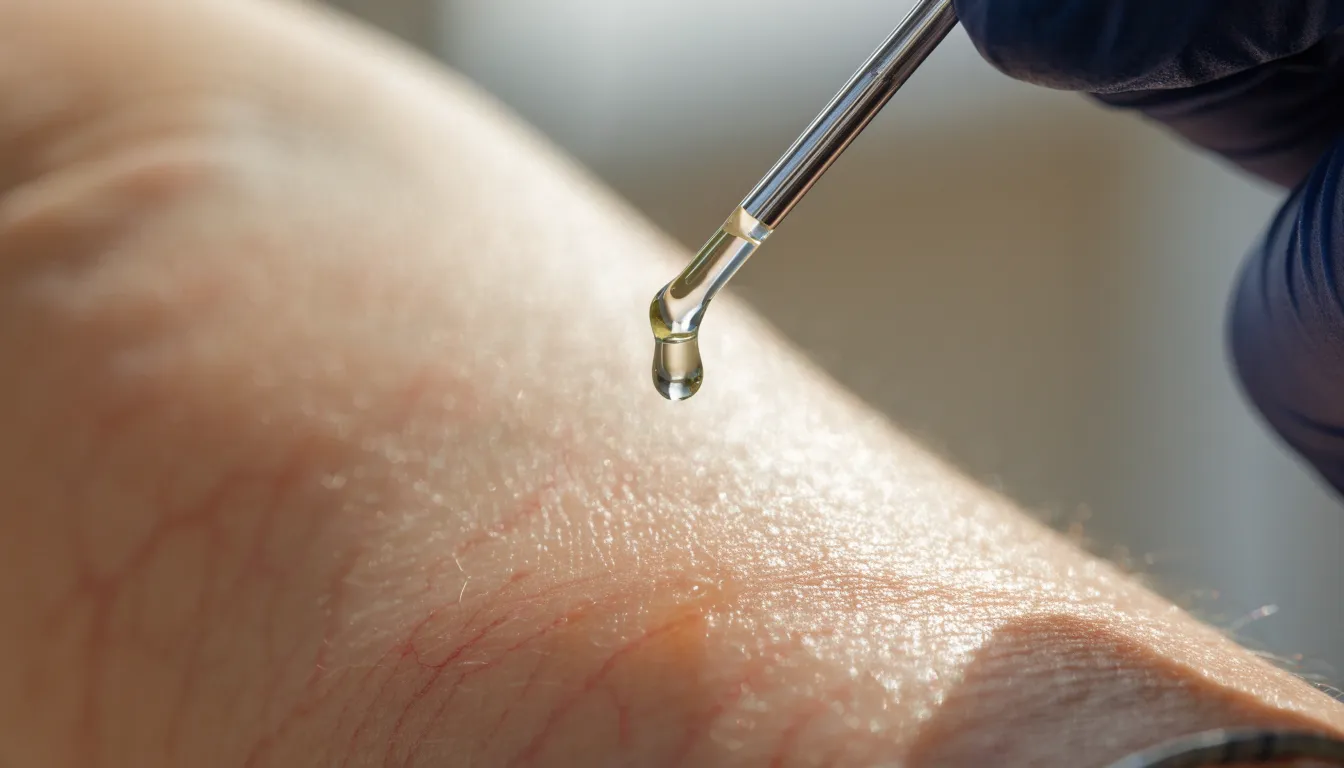
During that time, check the area for redness, itching, swelling, burning, or any unusual changes. If nothing appears after 48 hours, the oil is likely safe to use more broadly. But if you see even a mild reaction, stop using that oil right away and don’t apply it elsewhere. This simple step makes using essential oils for dry skin much safer and more comfortable.
Dilution Ratio Rules
Proper dilution is key to making essential oils both effective and safe for dry skin. It allows the skin to absorb the oils’ beneficial properties without risking irritation. For the face, which is more sensitive, a lower concentration is best—usually 0.5% to 1%. That means adding 3 drops of essential oil to one ounce (30 ml) of carrier oil for a 0.5% blend, or 6 drops for a 1% blend.
For the body, the skin can handle a bit more. A 2% to 3% dilution is typically appropriate for larger, less sensitive areas. To make a 2% blend, use 12 drops of essential oil per ounce of carrier oil; for a 3% blend, use 18 drops. These slightly stronger blends still nourish and treat dry skin while staying gentle enough for everyday comfort.
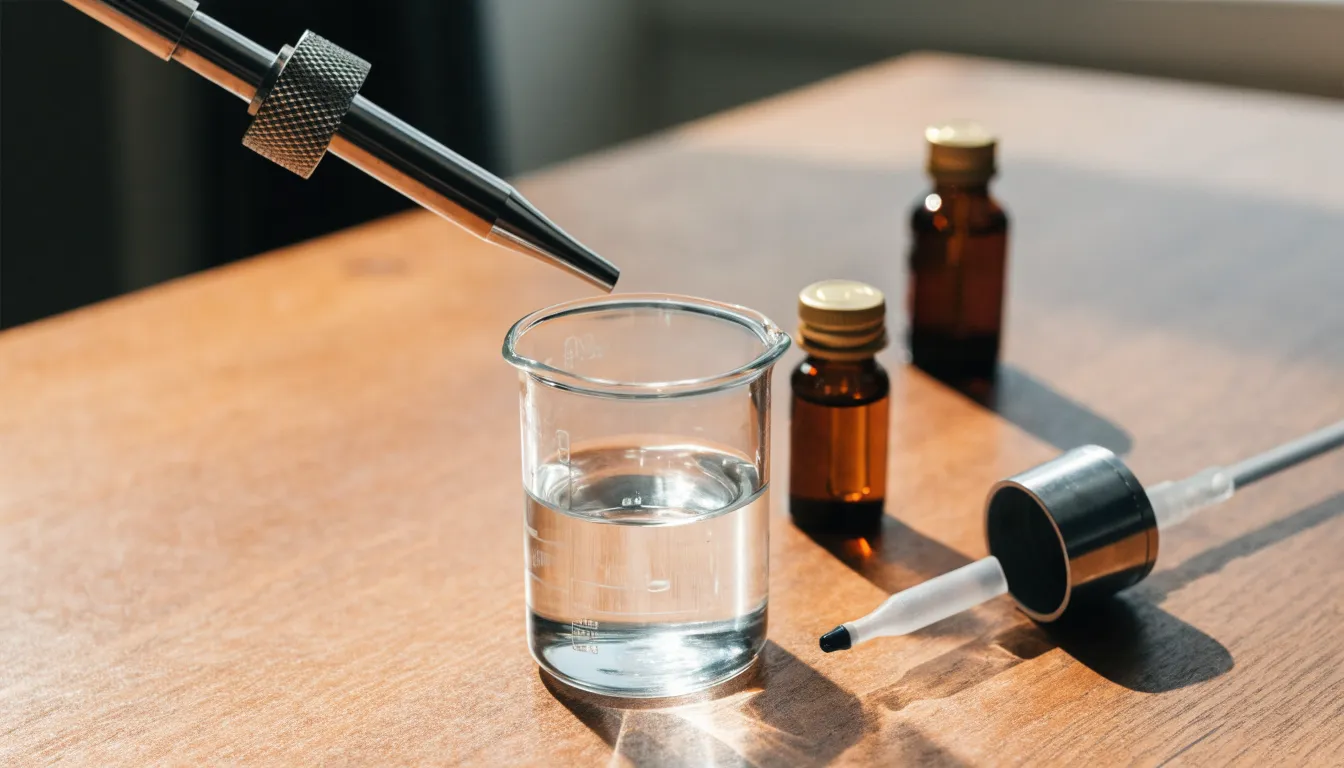
Always mix essential oils with a quality carrier oil like jojoba, argan, or sweet almond oil. This ensures the oils are properly dispersed and absorbed, helping your blends stay powerful enough to address dryness without overwhelming the skin. Following these simple dilution rules keeps your essential oil blends both soothing and effective every time.
Winter Weather Protection
Winter weather is hard on the delicate skin on your face, especially when cold winds hit it. Your skin’s natural protective lipid barrier normally locks in moisture and keeps irritants out, but during winter it has to work much harder to stay strong.
Cold temperatures slow down the skin’s oil production, while harsh winds strip away the lipids it already has. Indoor heating also lowers humidity, which pulls moisture from the skin and weakens the barrier even more. When that barrier is damaged, skin can become tight, dry, red, flaky, and easily irritated.
Properly diluted essential oils can help by supporting this weakened barrier. Certain oils contain fatty acids and similar compounds that mimic the skin’s own lipids, helping to replace what winter takes away. By strengthening the lipid barrier, essential oils help facial skin stay hydrated, supple, and protected against cold air, wind, and dry indoor conditions all season long.
Frequently Asked Questions
What causes dry, flaky skin?
Dry, flaky skin occurs when the skin barrier is weakened and lacks enough moisture to keep its natural “glue” of ceramides and fatty acids strong. This causes dead skin cells to clump together and water to escape. Environmental factors, harsh cleansers, and hot water can worsen the problem.
How do essential oils help improve dry skin?
Essential oils and carrier oils deeply nourish the skin and create a protective, breathable layer on its surface. This plant-based shield mimics the skin’s natural lipid barrier, helping to seal moisture inside and reduce water loss. By strengthening the outer layer, they protect against environmental damage.
Which essential oil is best for soothing irritated, red skin?
Lavender oil is one of the most comforting essential oils for dry skin, especially when it’s irritated or red. Its main compound, linalool, has strong anti-inflammatory properties that help calm the inflammatory response causing tightness and redness.
No, essential oils are very strong plant extracts and should not be applied directly to the skin.
What is the recommended dilution ratio for essential oils when applying to the face?
For facial application, which is more sensitive, a lower concentration of 0.5% to 1% is recommended. This translates to adding 3 drops of essential oil to one ounce (30 ml) of carrier oil for a 0.5% blend, or 6 drops for a 1% blend.
How do I check if an essential oil will cause a reaction on my skin?
Before using any essential oil more broadly, always perform a patch test on a small, hidden spot, like your inner forearm. Dilute a tiny amount of the essential oil in a carrier oil, apply 1-2 drops of the mixture to the spot, and check for any redness, itching, swelling, or burning over 24 to 48 hours.