Essential oils are a natural and safer way to scent laundry, offering benefits like calming lavender, energizing citrus, or purifying tea tree. They can be added to wool dryer balls, unscented liquid detergent, DIY fabric softener, or used for stain pretreating to naturally refresh clothes without harsh chemicals, benefiting both well-being and the environment.
Table of Contents
- Botanical Freshness Unlocked
- Safe Oil Selection
- Essential Safety Basics
- Wool Dryer Ball Boost
- Custom Liquid Detergent Drops
- DIY Fabric Softener Rinse
- Natural Stain Pretreating
- Lavender Laundry Magic
- Citrus Fresh Boosters
- Tea Tree Germ Protection
- Eucalyptus Deep Clean
- DIY Scented Dryer Sheets
- Scent Lock Techniques
- Washing Machine Maintenance
- Linen Spray Creation
Botanical Freshness Unlocked
Synthetic laundry products often use chemical fragrances that can be unhealthy. They may contain phthalates, which can disrupt hormones and harm reproductive health. These chemicals can also cause breathing problems, skin rashes, or sneezing in sensitive people.
These synthetic chemicals are also bad for the environment. They stay in water and soil, build up in nature, and can harm animals and enter the food chain. Because they do not break down easily, they cause long-lasting pollution.
Essential oils are a natural and safer choice. They come from plants and give laundry a fresh, pleasant scent without toxic chemicals. Many essential oils also have helpful effects: lavender calms and relaxes, citrus oils like lemon and orange energize and lift the mood, and peppermint refreshes and stimulates. Using them in laundry is simple, natural, and good for both wellbeing and the environment.
Safe Oil Selection
Choosing the right essential oils for laundry means prioritizing light, clear oils that won’t stain or leave residue on fabrics. These types are safer for garment care and help keep clothes fresh without damaging their appearance.
Lavender is valued for its calming scent and gentle nature, making it safe for most fabrics, from cotton to synthetics. Lemon offers strong degreasing power and a bright, clean aroma, helping break down dirt while its clear composition reduces discoloration risk on lighter clothes. Tea tree provides purifying action and effectively fights odors, with a light consistency that works well on nearly any fabric.
On the other hand, avoid heavy, dark, or deeply colored oils like patchouli, vetiver, or richer frankincense varieties. These can contain pigments or thick compounds that are hard to rinse out, leaving visible stains or permanent discoloration. Stick with clear, light-colored oils to keep your laundry clean, fresh, and stain-free. If you are looking for a general guide, here are essential oils you should never use undiluted.
Essential Safety Basics
Essential oils can naturally scent your laundry, but you need to follow basic safety rules—mainly because they can stain delicate fabrics.
These oils don’t dissolve in water, so if you add them directly or don’t mix them properly, they can leave greasy spots on clothes. Because they are so concentrated, even a single undiluted drop may cause a lasting mark, especially on light-colored or fine, absorbent materials.
Understanding this staining risk is the first step to using essential oils safely and effectively in your laundry routine.
Wool Dryer Ball Boost
Wool dryer balls are a simple, effective way to add essential oils to your laundry without the mess or risk of stains. To use them, choose your favorite oil and apply three to five drops directly onto each clean wool ball. For larger loads or a stronger scent, use more infused balls.
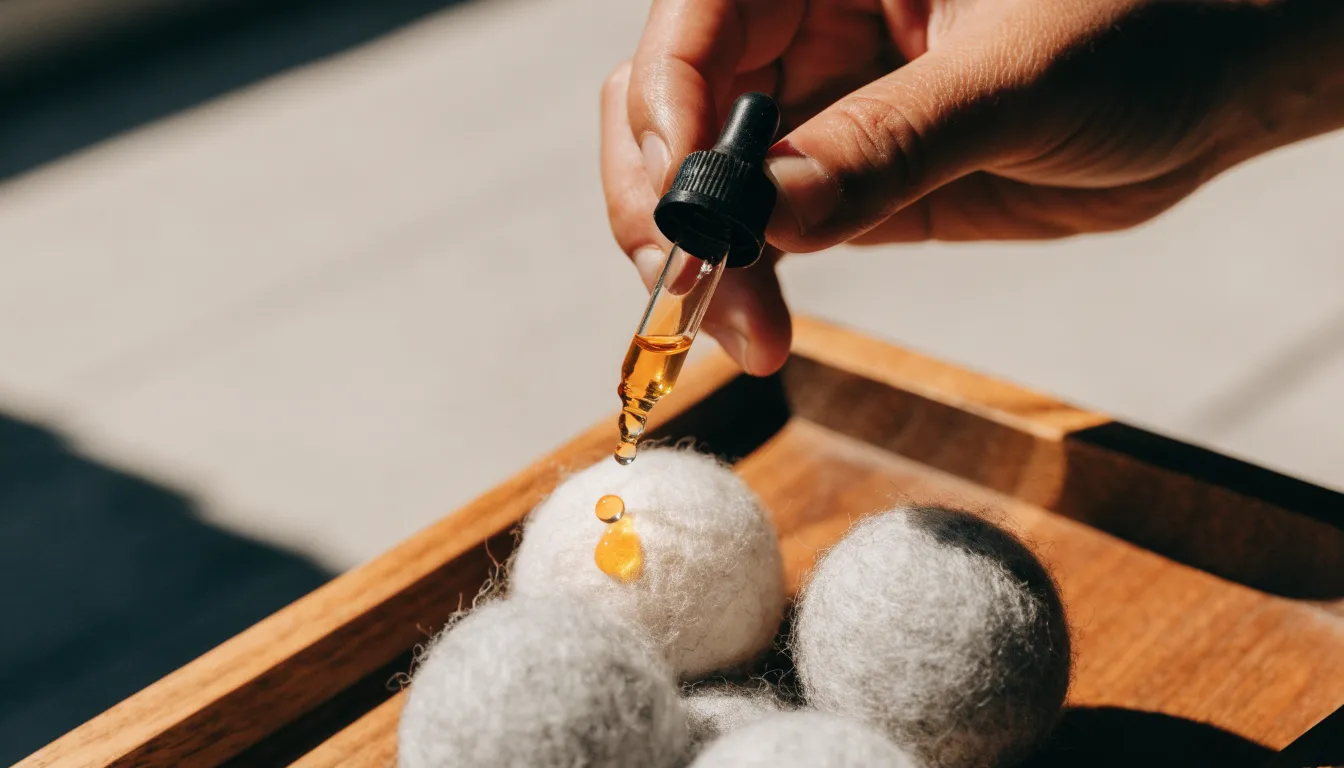
The best time to add the oil is during the dryer’s cool-down cycle. Lower heat keeps the essential oils from evaporating or breaking down too quickly, allowing the scent molecules to attach properly to fabric fibers. After applying the oil, toss the balls in with your nearly dry laundry and set the dryer to air-fluff, no-heat, or cool tumble.
As the balls tumble, they gently release the aroma, and the circulating fabrics absorb it evenly. This method avoids oil pooling on hot or wet clothes, so you get a uniform, subtle natural scent without stains. Refresh the balls with more oil every two to three loads, or whenever you want a stronger fragrance.
Custom Liquid Detergent Drops
Custom liquid detergent drops let you add personalized essential oil scents directly to your laundry. By mixing the oils into an unscented liquid detergent or liquid Castile soap, you create a carrier and emulsifier that spreads the fragrance evenly through the wash. This prevents concentrated oil spots on fabric and helps the aroma become fully integrated into your clothes, towels, and linens.
To make your own, fill a clean bottle or old detergent container most of the way with unscented liquid detergent or Castile soap. Add about 10 to 20 drops of essential oil per gallon of base, scaling down to 5–10 drops for a standard load in a smaller dispenser. Adjust the amount based on the oil’s strength and your preference. Secure the cap and shake gently to blend, then shake again before each use to redistribute any settled oils.
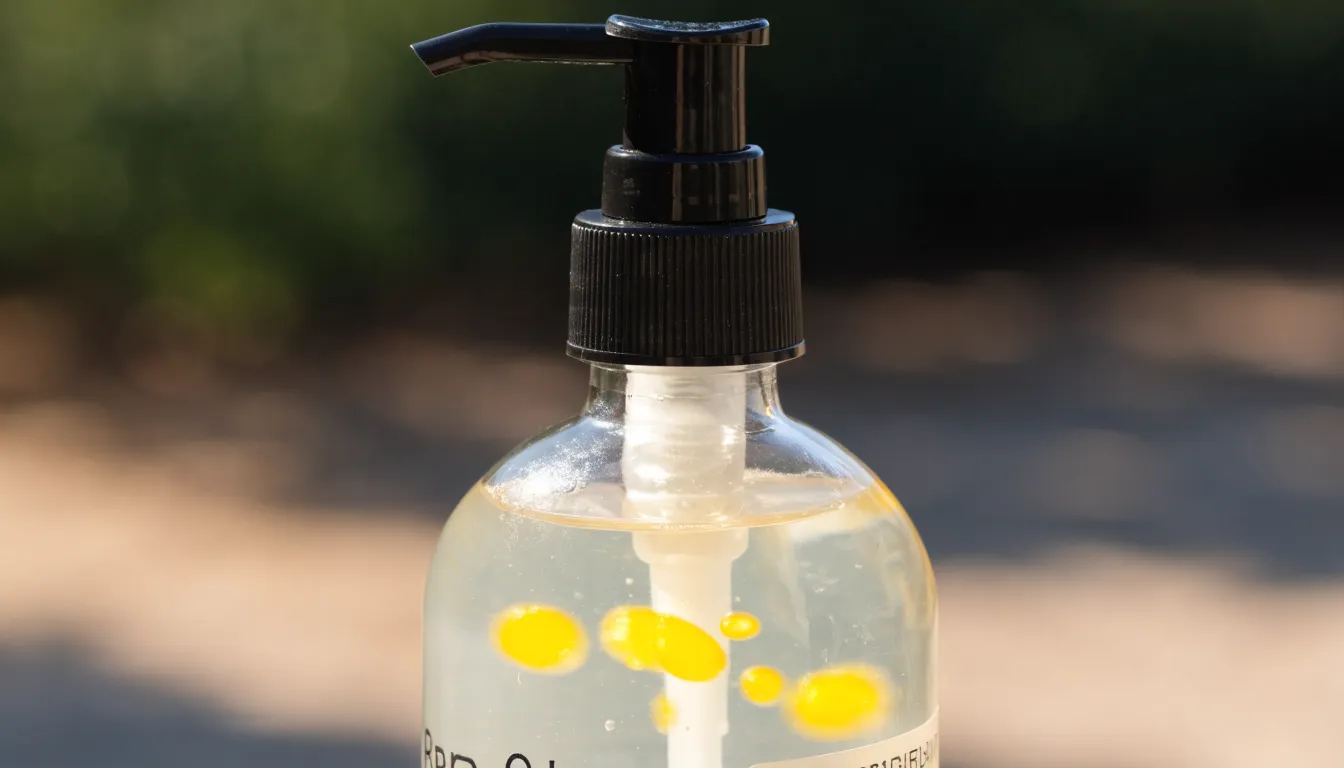
Use your custom scented detergent just as you would normally, pouring the recommended amount into your machine’s dispenser. This simple method gives your laundry a consistent, subtle fragrance throughout, turning an everyday chore into a more pleasant sensory experience.
DIY Fabric Softener Rinse
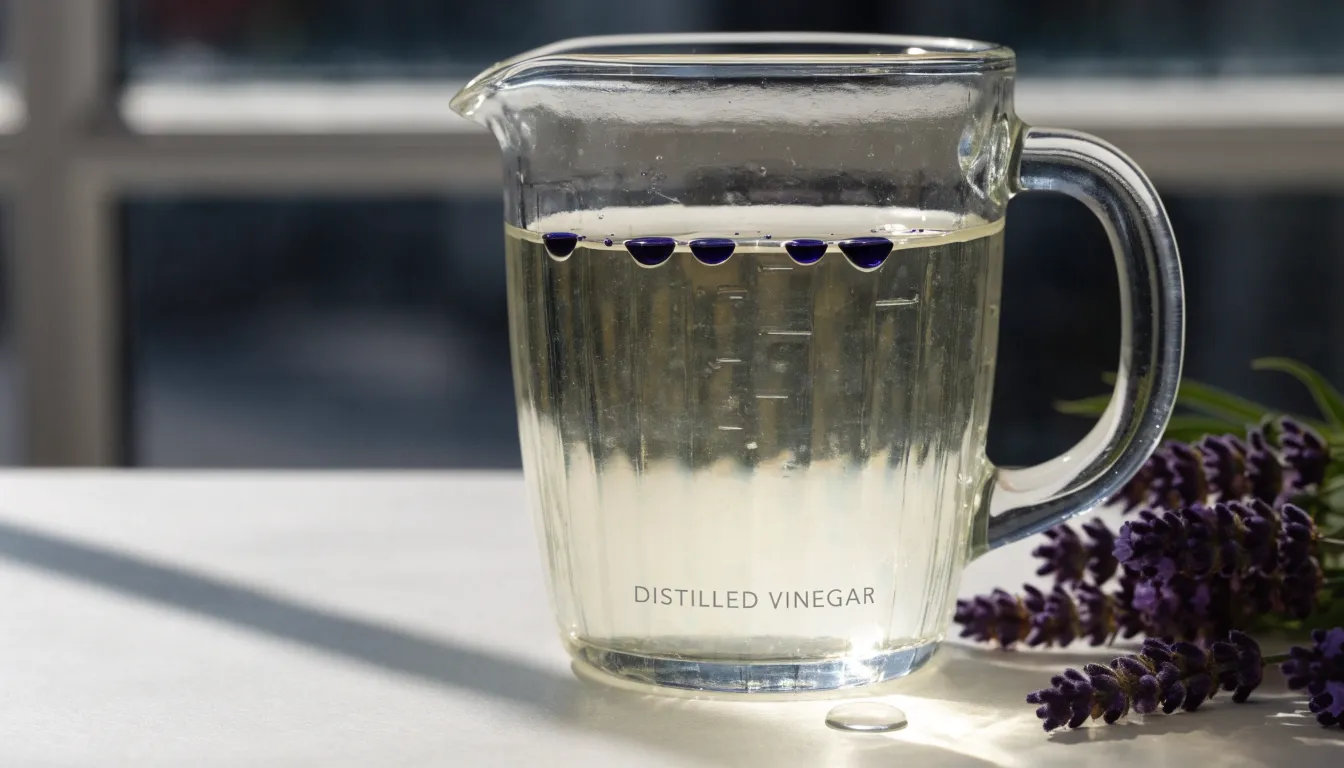
A DIY fabric softener rinse is a natural, effective alternative to store-bought products. It uses white distilled vinegar, which softens laundry by removing detergent and hard water residue that can make fabrics feel stiff. Vinegar also works as a natural deodorizer, leaving clothes fresh without artificial fragrances.
Essential oils are what give the rinse its pleasant, customizable scent. After the vinegar cleans the fabric, essential oils add a gentle natural aroma. Popular choices include lavender for a calm, floral scent, lemon or grapefruit for a bright citrus feel, and tea tree oil for a clean, mild fragrance.
To make the rinse, mix one cup of white distilled vinegar with 10–20 drops of your chosen essential oil. Shake well and pour the mixture into your washing machine’s fabric softener dispenser before the rinse cycle. The vinegar smell fades completely during drying, leaving only the soft scent of the essential oils. This method makes laundry naturally soft, avoids harsh chemicals, and is both affordable and environmentally friendly.
Natural Stain Pretreating
Plant essential oils offer a natural way to pretreat tough laundry stains. They contain plant-based compounds that act as solvents, helping to break down and lift marks from fabric fibers. This makes them an effective, eco-friendly alternative to synthetic chemical stain removers.
Lemon oil is especially useful for oily and greasy stains because it contains d-limonene, a strong natural solvent. A few drops applied directly to a grease stain can penetrate and loosen the oil from the fabric. Eucalyptus oil, thanks to its cineole content, works well on ink, grime, and sticky residue, making it a versatile stain-fighting option.
These oils work even better when combined with baking soda or liquid soap. For grease, mix lemon oil with baking soda and gently rub it into the stain—the oil dissolves it while the baking soda absorbs it. For ink or grime, mix eucalyptus oil with mild liquid soap and massage it in. Together, the oil breaks down the stain and the soap or baking soda helps rinse it away, leaving fabric clean and fresh.
Lavender Laundry Magic
Lavender essential oil adds a calming, sleep-friendly touch to laundry, especially on bed sheets, pillowcases, and bath towels. Its gentle floral scent helps soothe the mind and prepare the body for rest, turning your bedroom into a peaceful, relaxing space.
For everyday wash loads, add 5 to 7 drops of pure lavender oil to the fabric softener dispenser during the rinse cycle. This helps the oil cling to fabric fibers, so the calming scent lasts after drying.
For a stronger aroma, especially when using a dryer, put 3 to 5 drops on a wool dryer ball and toss it in with damp laundry. The heat gently spreads the lavender scent deep into the fabric, making every use feel calming and comforting.
Citrus Fresh Boosters
Lemon essential oil helps brighten white clothes naturally. It is pressed from lemon rinds and contains acidic compounds that act as a gentle bleaching agent. Over time, it lifts dullness and restores the natural vibrancy of white fabrics, making it a good alternative to harsh chemical bleaches for towels, sheets, and white garments.
Lemon oil also cuts through grease and stubborn stains. It breaks down oily residue that causes discoloration and bad smells. By dissolving these greasy build-ups, it cleans fabric more thoroughly and releases trapped odors, leaving clothes genuinely fresh.
Bergamot essential oil adds a fresh, citrusy, slightly floral scent and also helps with cleansing. Together, cold-pressed lemon and bergamot work as a team: they brighten whites, remove odor-causing residue, and leave your whole wash smelling clean. Just add a few drops to your detergent or dryer balls for brilliant, fresh-smelling laundry.
Tea Tree Germ Protection
Tea tree oil provides strong germ protection for laundry, especially for tough items like gym clothes and heavy-duty gear. Its natural antimicrobial properties tackle common problems found in heavily used fabrics, and it actively targets mildew in damp or improperly stored items. This helps prevent musty odors and fabric damage, keeping your clothes fresh.
Tea tree oil is also effective at killing the bacteria that thrive in synthetic workout gear. These bacteria often cause stubborn smells that survive regular washing, since synthetic fibers trap microorganisms. Adding tea tree oil to your routine breaks down these bacteria at the source, giving your clothes a deeper, longer-lasting deodorization.
In addition, tea tree oil removes deep-set sweat smells from performance fabrics and workwear. It penetrates the fibers to neutralize embedded odors instead of just covering them up, so activewear and uniforms come out truly clean and sanitized. Just a few drops in your wash cycle can make a big difference in freshness and hygiene, even for the most heavily soiled items.
Eucalyptus Deep Clean
Eucalyptus essential oil naturally keeps bedding exceptionally clean and fresh. Its crisp, camphor-like scent has a clean, medicinal feel that invigorates the senses and signals a true deep clean. More importantly, eucalyptus oil has powerful natural properties that target common bedding problems, especially dust mites and the allergens they leave behind.
Dust mites are tiny pests that thrive in warm, humid places like mattresses, pillows, and blankets, and they are a major trigger for allergies, eczema, and asthma. Eucalyptus oil works as a natural miticide, mainly through its active compound 1,8-cineole, which disrupts the dust mite life cycle and helps reduce their numbers. Adding it to your regular laundry routine for sheets, duvet covers, and pillowcases makes your sleeping space much less inviting to these pests.
Eucalyptus oil also helps lower the overall allergen load in bedding. Dust mites leave behind droppings and tiny body fragments that build up and worsen allergies. Using eucalyptus oil in the wash helps remove both the mites and these irritating particles more effectively, leading to a cleaner, healthier sleep environment. To use it, simply add a few drops to your detergent or a wool dryer ball, or make a diluted linen spray. The fresh, refreshing scent adds to the feeling of purity and supports a more restful, allergen-free night’s sleep.
DIY Scented Dryer Sheets
Making your own scented dryer sheets is a simple way to add natural fragrance to laundry while cutting waste. Instead of buying single-use sheets with synthetic chemicals, you make reusable cloth squares infused with pure essential oils.
Cut cotton scraps, like old t-shirts or towels, into about 6x6 inch squares. Mix half a cup of vinegar with half a cup of water, then stir in 10–15 drops of your favorite essential oil—lavender, lemon, tea tree, or orange and cedarwood all work well. Soak the squares in this solution, wring them out until just damp, and toss one or two into the dryer. The heat releases the oil’s scent onto your clothes.
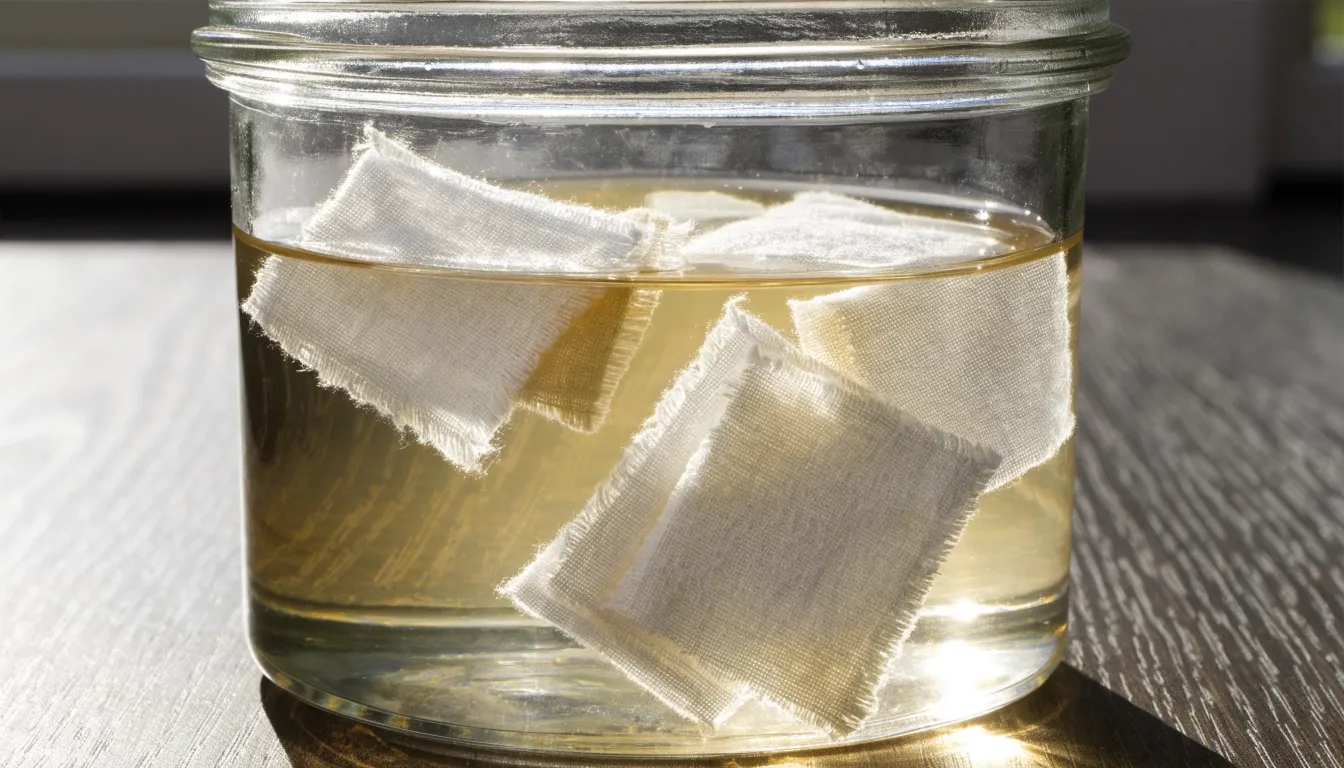
Let any unused sheets air dry completely before storing them in an airtight container to preserve the fragrance. When the scent fades, just re-soak the cloths in a fresh batch of oil and vinegar, making them reusable again. This saves money and reduces environmental waste.
Scent Lock Techniques
To keep essential oils from fading too quickly, the drying step matters. Use a low heat setting in the dryer, since high heat makes the oils evaporate faster. Air drying is even better—hanging clothes on a line or rack lets the fibers hold onto the scent naturally. If you use wool dryer balls, add the essential oils to them right before the cycle so the fragrance spreads through the fabric more effectively.
Once the laundry is dry, storage is key for locking in the aroma. Keep scented items in a cool, dark place, because sunlight and warmth can break down the oils. Airtight containers, drawers, or canvas bags work well. Put freshly scented clothes into these spaces right after folding, so the scent settles into the fibers instead of drifting away into the air.
Also, store scented laundry away from strong household odors, which can interfere with the essential oil fragrance. With these simple drying and storage habits, the essential oil scent stays fresh, noticeable, and long-lasting on your clothes.
Washing Machine Maintenance
Keeping your washing machine drum clean helps it last longer and keeps laundry fresh. Over time, moisture, detergent residue, and fabric fibers can cause mold, mildew, and bad smells. A simple monthly cleaning routine with hot water, white vinegar, and antibacterial essential oils can prevent these problems and keep the drum truly clean. For more ways to keep your home smelling great, explore the best essential oils for natural home freshening.
Start with an empty machine, add two cups of white vinegar to the detergent dispenser or drum, then add about 10–15 drops of antibacterial essential oil. Tea tree oil works well because it has strong antimicrobial power, lemon oil helps cut grease and refresh, and eucalyptus oil cleans and deodorizes. These oils help lift away grime and bacteria that vinegar alone may not fully remove.
Run the longest, hottest wash cycle available. The heat helps break down soap scum and rinse away residue, while the vinegar and essential oils work together to sanitize the drum, kill mold spores, and remove odors. When the cycle finishes, wipe the inside drum with a clean cloth. Doing this once a month keeps the machine in good shape and gives every load a fresh start.
Linen Spray Creation
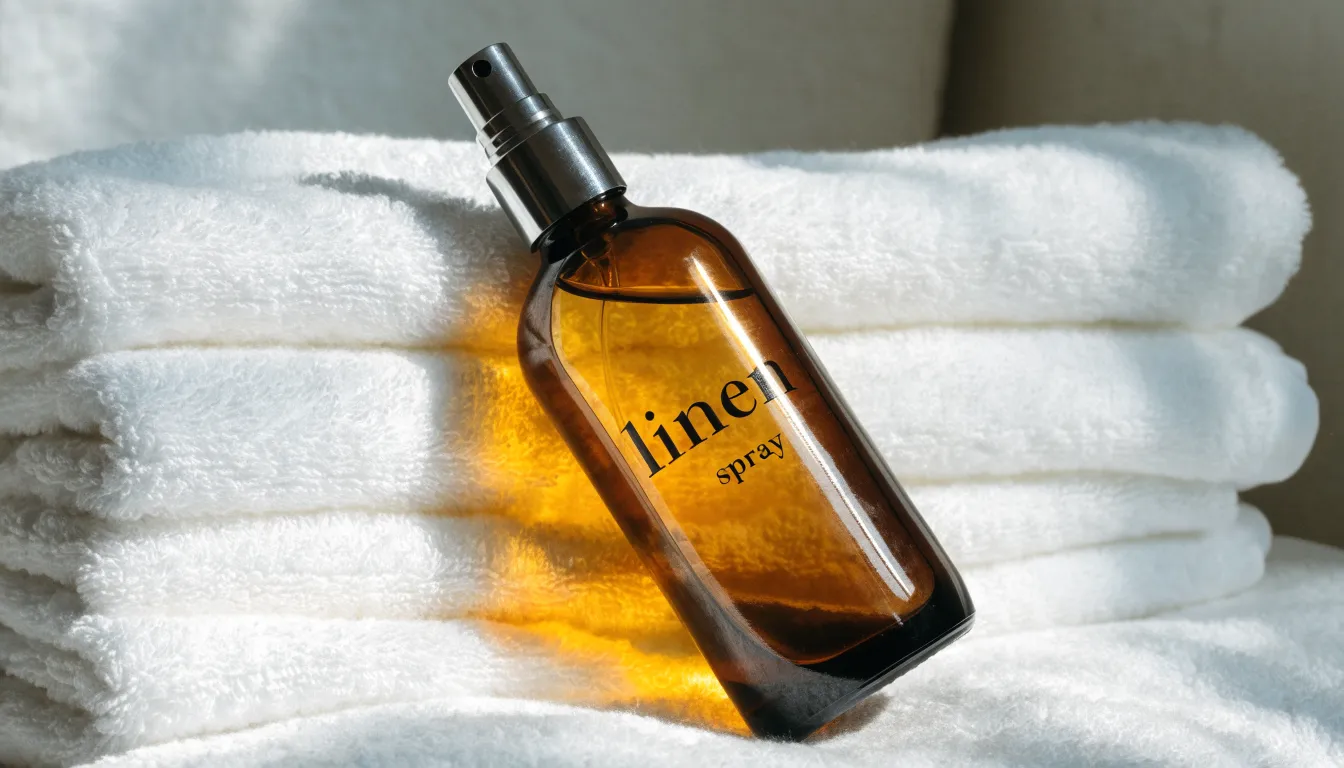
A homemade linen spray made with essential oils can transform your clothes storage from ordinary to pleasantly fragrant. For a step-by-step guide, check out how to make linen and pillow spray with essential oils. It’s a quick, easy DIY way to keep garments and closet spaces smelling fresh between laundry cycles. Unlike commercial air fresheners, this natural spray uses only pure ingredients to banish musty odors and leave a subtle, inviting scent.
The key to the spray is how the essential oils are blended. Witch hazel helps the oils disperse evenly throughout the liquid so they don’t just float on top of the water. Distilled water forms a clean, residue-free base, while your chosen essential oils supply the custom fragrance—lavender for calming, lemon for an uplifting lift, or eucalyptus for a crisp, clean feel.
To make it, combine about one part witch hazel with three parts distilled water in a spray bottle. Add 10–20 drops of essential oils per cup of liquid, adjusting to your preferred strength, and shake well before each use. A light misting over clothes, closet walls, or fabric shoe organizers instantly refreshes them and keeps lingering odors away, making every dressing moment more enjoyable.
Frequently Asked Questions
Why use essential oils in laundry instead of synthetic fragrances?
Synthetic laundry products contain chemicals like phthalates, which can harm health and the environment. Essential oils are a natural, safer choice from plants, providing a fresh scent without toxic chemicals and offering helpful effects like calming or energizing.
What types of essential oils should I avoid using in laundry to prevent stains?
You should avoid heavy, dark, or deeply colored oils such as patchouli, vetiver, or richer frankincense varieties. These can contain pigments or thick compounds that are hard to rinse out, potentially leaving visible stains or permanent discoloration on fabrics.
How do wool dryer balls help scent laundry with essential oils?
Wool dryer balls are used by applying three to five drops of essential oil directly onto each ball. When tossed with nearly dry laundry during the dryer’s cool-down cycle, they gently release the aroma, allowing scent molecules to attach evenly to fabric fibers without stains.
Can essential oils help remove tough stains from clothes?
Yes, plant essential oils offer a natural way to pretreat tough stains by acting as solvents to break down and lift marks from fabric. Lemon oil is useful for oily and greasy stains, while eucalyptus oil works well on ink, grime, and sticky residue.
How can I make a natural fabric softener with essential oils?
To make a natural fabric softener, mix one cup of white distilled vinegar with 10–20 drops of your chosen essential oil. Shake well and pour this mixture into your washing machine’s fabric softener dispenser before the rinse cycle to soften laundry and add a pleasant scent.
What essential oil is recommended for tackling dust mites and allergens in bedding?
Eucalyptus essential oil is recommended for tackling dust mites and allergens in bedding. Its active compound 1,8-cineole works as a natural miticide, disrupting the dust mite life cycle and helping to reduce their numbers and the overall allergen load.