
Essential oils like Frankincense, Lavender, Sandalwood, and Bergamot enhance meditation by promoting mental grounding, calming thoughts, and fostering focus. These oils, used in diffusers, topically, or through aromatherapy jewelry, leverage natural compounds to soothe the nervous system, deepen breath, and clear mental chatter, creating a serene environment for deeper and more sustained meditative practices.
Table of Contents
Grounding Your Mind
Frankincense helps ground the mind and create the right state for deep meditation. Its natural compounds, including boswellic acids and terpenes, support the breath and promote a calm, serene atmosphere.
When inhaled, frankincense gently slows the breathing rate, turning quick, shallow breaths into slower, deeper breaths from the diaphragm. This signals the nervous system to relax and calms the body’s stress response. It also helps open the lungs by clearing respiratory pathways, making each breath feel fuller and more expansive. Better breathing brings in more oxygen, which supports physical ease and mental clarity—both important for staying focused while meditating.
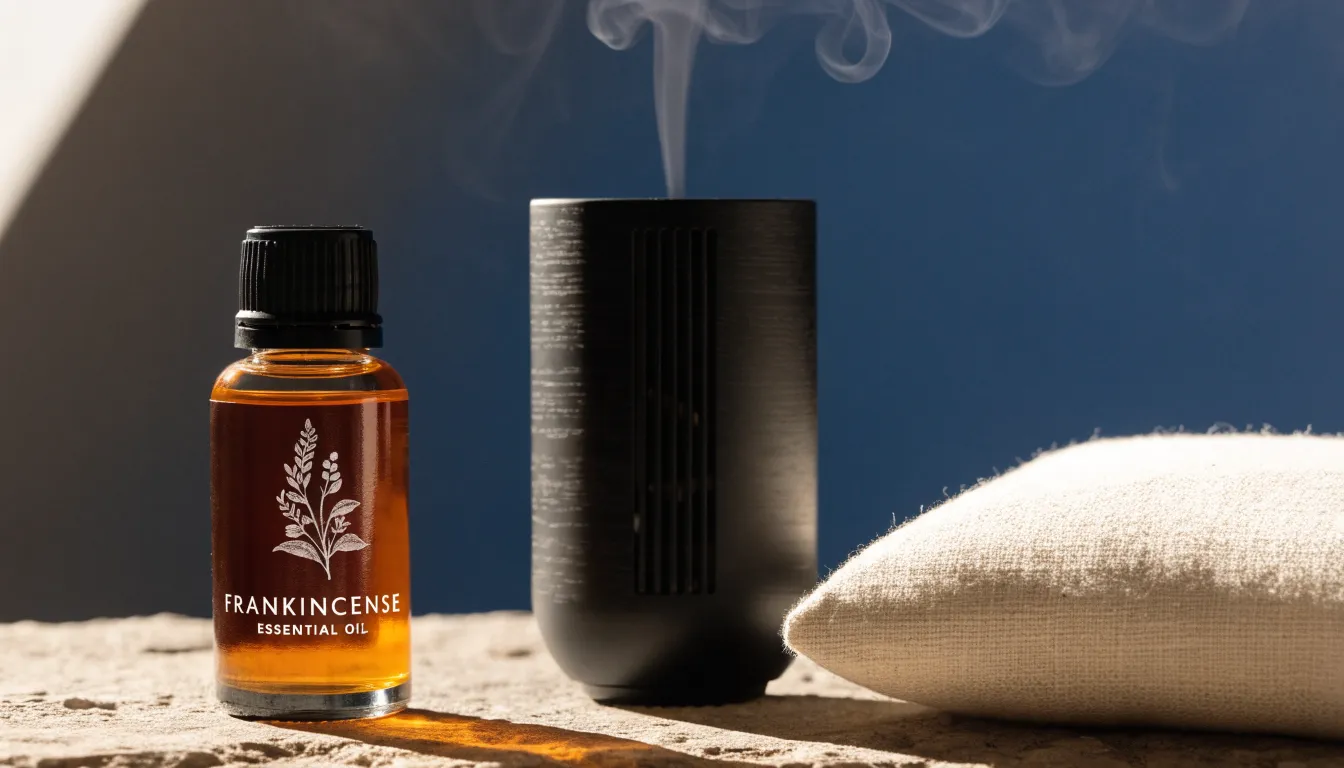
The deep, resinous aroma of frankincense also helps create a peaceful environment. Long used to purify spaces and lift spiritual awareness, its scent quiets mental noise and anchors attention in the present moment. Together, its effects on breathing, lung capacity, and emotional calm make frankincense a valuable aid for longer meditation, helping practitioners stay focused and experience lasting inner peace.
Lavender Essentials
Lavender essential oil is a top choice for meditation because it calms racing thoughts before you even begin. Its main active compounds, linalool and linalyl acetate, work together to soothe the nervous system and create a deep sense of peace.
When inhaled, linalool helps boost GABA, a brain chemical that lowers nerve activity. This quiets mental chatter and makes it easier to let go of distractions and daily to-do lists. Linalyl acetate also helps reduce the anxiety or restlessness many people feel before meditating.
Together, these components help the body shift into relaxation: muscles loosen, breathing deepens, and both mind and body become still. This prepares you for a smoother, more focused, and uninterrupted meditation session.
Sandalwood Traditions
Sandalwood’s warm, creamy scent comes mainly from santalol, and for thousands of years it has been used in spiritual practice. In ancient India, it was part of Vedic rituals and sacred ceremonies, helping purify the space and lift awareness. Buddhist traditions also used sandalwood incense and paste during meditation and prayer to create a calm, mindful atmosphere.
For modern meditators, sandalwood essential oil can bring the same sense of quiet focus. Diffusing it before or during meditation helps settle the mind and reduce mental chatter. A diluted drop on the pulse points or the third eye can serve as a gentle reminder to stay present, grounding you in your body and breath.

Adding sandalwood to a daily meditation routine lets you tap into an old tradition of spiritual wisdom. Its steady, earthy fragrance supports inner peace and deeper contemplation, helping you feel rooted and connected to something timeless.
Citrus Boosts
Bergamot essential oil helps wake up the mind gently, making it a great addition to a morning meditation routine. Its bright, uplifting scent clears away the foggy feeling left from sleep without being harsh or jarring.
Because it works directly with the brain to boost alertness and rejuvenation, Bergamot supports a smooth shift from drowsiness to focused awareness. It removes mental haze, making it easier to settle into deep concentration early in the day.
For early risers, this gentle olfactory cue helps prepare the mind for introspection and presence. It encourages sustained focus and a calm, centered start, allowing the full benefits of meditation to be felt more deeply.
Cedarwood Warmth
Cedarwood has a rich, woody scent that feels grounding and comforting, making it a great choice for meditation. Its aroma is like the calm of an ancient forest, helping you shift away from distractions and toward inner stillness. The oil’s natural compounds, especially cedrol, have calming effects that support relaxation and restful calm. This makes it easier to settle into a deeper meditative state.
Beyond relaxation, cedarwood creates a sense of safety and stability. When diffused, it wraps the room in a warm, protective feeling, which helps the mind let go of anxiety and outside pressures. With that secure anchor, you can feel more at ease being open and reflective, without fear or self-consciousness.
Cedarwood also helps transform a regular room into a peaceful retreat. Its aroma sets a clear intention for quiet and contemplation, marking the space as separate from everyday busyness. This cozy, reassuring atmosphere supports regular meditation practice and gives you a steady, inviting environment for finding inner peace and well-being.
Sacred Clary Sage
Sacred Clary Sage is known for clearing and refreshing a meditation space. Its scent is thought to lift lingering energetic imprints, leaving the room feeling clean and still. Diffusing it helps purify the air, removing heaviness or mental “noise” so you can focus more easily on your practice.
Beyond cleansing, this oil supports deep calm and stress relief. Its earthy, slightly sweet aroma balances the mind and emotions, helping you let go of daily tension. This makes it easier to settle into meditation with greater ease and presence.
Clary sage also revitalizes a stale or heavy room, creating a tranquil and inviting atmosphere. It helps transform your space into a sacred container, guiding you away from the outside world and into a more focused, meaningful inner journey.
Peppermint Clarity
Peppermint essential oil helps meditators stay awake and alert, especially during long sessions when drowsiness tends to creep in. Its main active compound, menthol, stimulates the central nervous system. When inhaled through a diffuser or applied to the skin with proper dilution, the scent interacts with olfactory receptors and sends signals that boost awareness. This gentle stimulation clears mental fog and keeps the mind sharp, making it easier to stay present and focused.
Peppermint also supports the body during meditation. Its invigorating effect helps you maintain an upright, stable posture by preventing the subtle slumping and unconscious relaxation that can lead to falling asleep. This physical alertness aligns the body with the mind’s intention, so both remain engaged rather than drifting into lethargy.
With both mind and body awake, concentration deepens naturally. Whether you are focusing on your breath, a mantra, or open awareness, the sustained wakefulness from peppermint oil allows you to stay connected to your practice for longer. In this way, it promotes a more enduring and profound meditative experience by keeping you fully present throughout.
Sweet Orange Joy
Sweet Orange essential oil works mainly as a mood elevator, bringing a bright, cheerful energy that helps you shift into a more positive state before meditation. Its uplifting effect comes from limonene, a natural compound in citrus peels that supports the nervous system and encourages calm and well-being.
When diffused or applied to the skin before practice, the scent gently releases subconscious tension. It helps clear away lingering anxiety and mental clutter, making it easier to relax and open up emotionally. This reduction of underlying stress is key for creating a receptive inner space.
By softening emotional tightness, Sweet Orange encourages acceptance and readiness rather than resistance. It helps you approach meditation without judgment, allowing for a deeper session and a lasting sense of inner lightness and optimism throughout the day.
Patchouli Depth
Patchouli’s heavy, earthy, and musky scent is excellent for grounding. When your mind races with thoughts, this rich aroma acts like a gentle tether, pulling your awareness back to the present moment. It calms mental chatter, shifting your focus away from planning or analyzing and toward staying right where you are.
Instead of getting swept away by your thoughts, the scent helps you notice your physical body—your breath, the pressure on your mat, or the weight of your limbs. This conscious focus on physical sensation builds a strong sense of presence. It keeps your mind rooted in your body, preventing it from drifting into abstract daydreams.
Try using patchouli through a diffuser or applying it diluted to your pulse points before meditating. This creates a steady sensory anchor that supports a stable physical presence. As a result, your mind stays fully connected to the current moment, giving you a deeper and more embodied meditation session.
Ylang Ylang Harmony
Ylang Ylang works primarily by balancing emotional energy and regulating heart rate. Inhaling its floral, sweet aroma sends signals to the brain’s limbic system, which controls emotions and memory. This triggers the body to relax, lowering blood pressure and calming the nervous system, which helps quiet a restless mind.
Its comforting scent also helps dissolve emotional tension that can arise during meditation, such as tightness in the chest, unease, or resistance. By softening these blockages, Ylang Ylang encourages a release of held-in stress and allows feelings to be experienced more freely and without judgment. This creates space for deeper introspection and self-acceptance.
Finally, Ylang Ylang supports heart-centered awareness. With the body calm and emotional resistance reduced, attention naturally moves to the heart space, promoting compassion, gratitude, and a sense of connection. This helps align mind, body, and spirit, making meditation feel more expansive and leaving a lasting sense of gentle peace and upliftment.
Diffuser Blends
Diffuser blends take meditation deeper by combining several essential oils into one balanced aroma. Instead of using a single oil, these blends rely on synergy: the oils work together to create a stronger effect than any one alone. Oils are grouped into three layers. Base notes, like frankincense or cedarwood, are rich and earthy, giving a steady, grounding scent that lasts. Middle notes, such as lavender or geranium, form the heart of the blend, adding body and balance. Top notes, like lemon or bergamot, are light and fresh, offering the first impression before fading quickly.
Getting the proportions right matters for harmony. A simple ratio to start with is 1:2:1 or 1:3:2 for base, middle, and top notes, then adjust drop by drop in your diffuser. For deep relaxation, try two drops of sandalwood, four drops of lavender, and two drops of sweet orange. For better focus and clarity, mix three drops of rosemary, two drops of lemon, and one drop of vetiver.
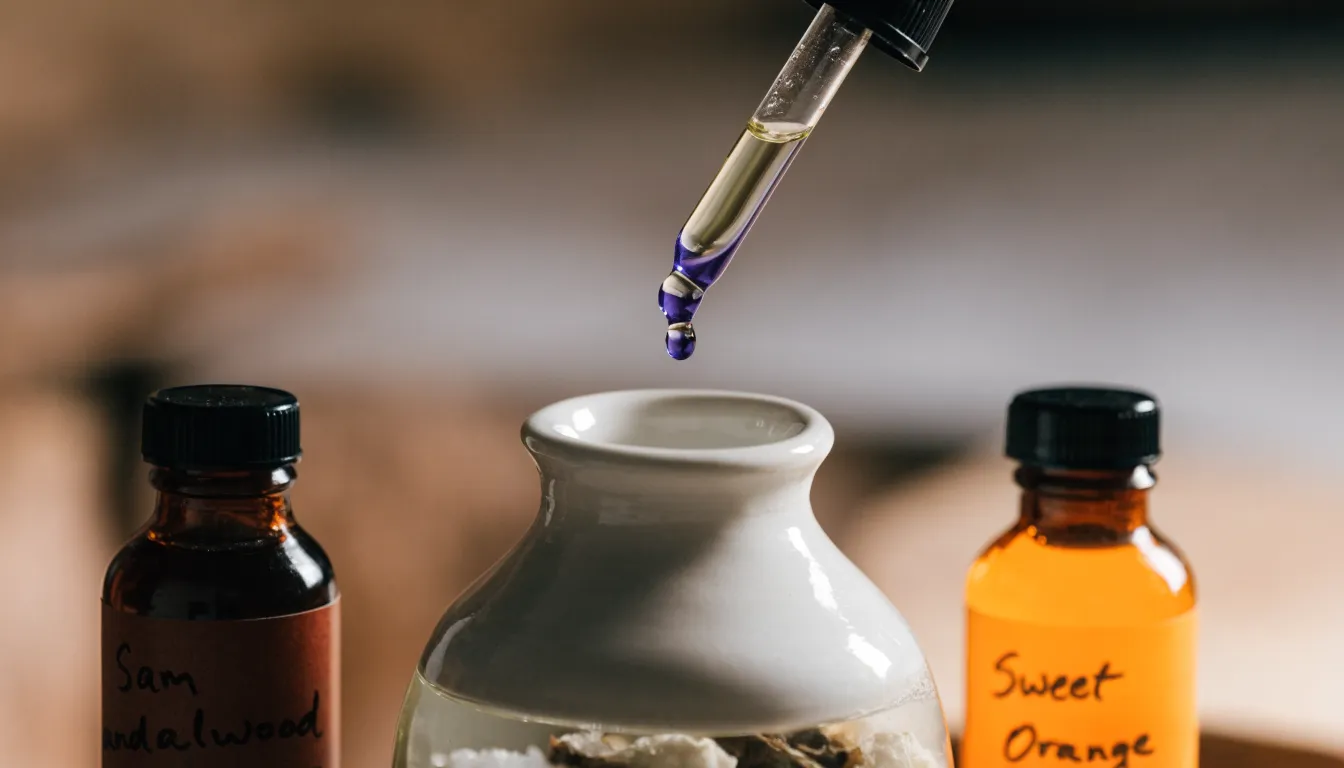
Tailoring blends lets you match your scent to your meditative goal—calm, concentration, spiritual connection, or energy. Feel free to experiment with different oils and ratios until you find the combination that feels right for you and supports your own zen experience.
Topical Application
Topical application lets essential oils absorb directly through the skin, which is especially helpful for meditation. Because these oils are highly concentrated, they should never be used undiluted. Always mix them with a carrier oil to avoid skin irritation or other reactions. For adults, a safe general dilution is 1% to 3%, or about 3 to 9 drops of essential oil per tablespoon of carrier oil. For sensitive skin, children, or long-term use, use a lower dilution of 0.5% to 1%.
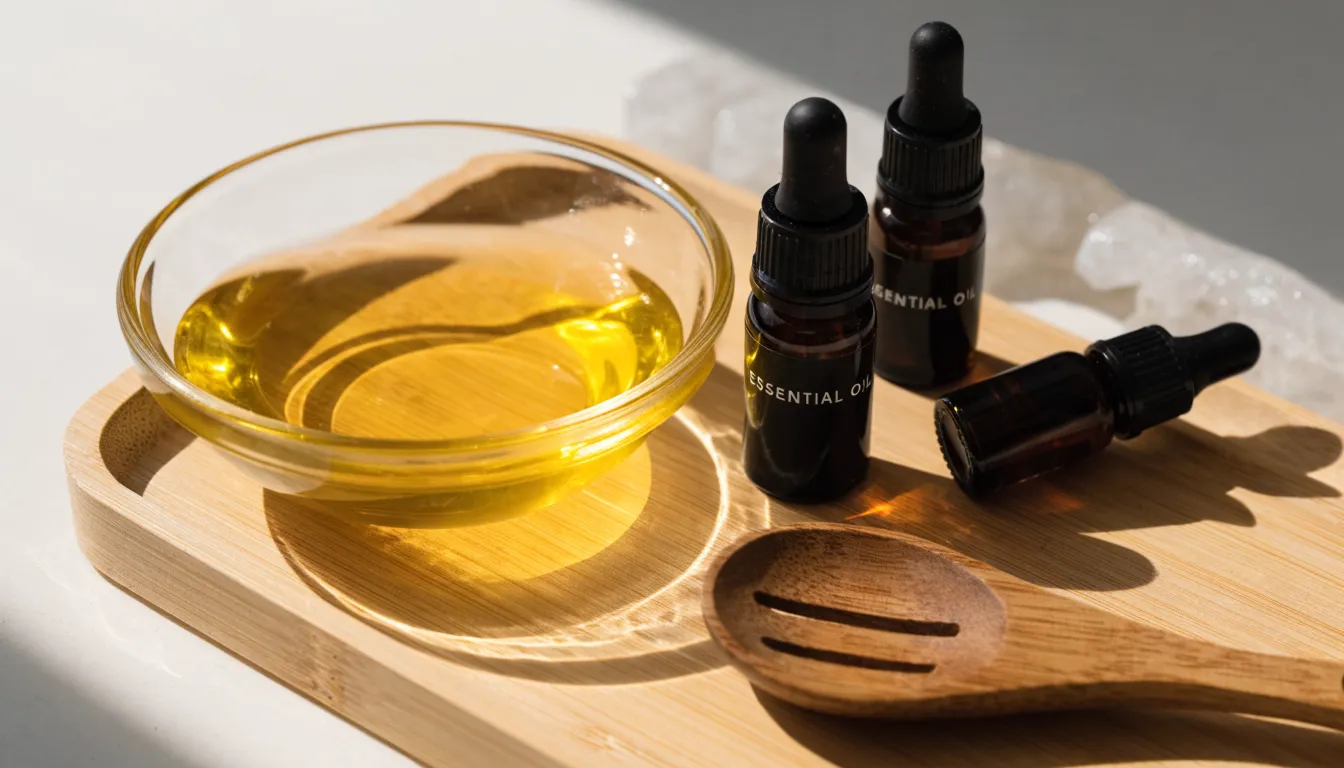
Carrier oils are vegetable oils made from the fatty parts of plants, like seeds or nuts. They dilute essential oils, help spread them over more skin, improve absorption, and slow evaporation. Good choices include jojoba oil, which is very similar to the skin’s natural oils, and fractionated coconut oil, which is light, scent-free, and long-lasting. Sweet almond, grapeseed, and argan oils also work well and offer their own skin benefits.
Before using a new blend, do a patch test to make sure it’s safe. Apply a small amount of the diluted oil to a hidden area like your inner forearm, then wait 24 hours. If you see redness, itching, burning, or irritation, don’t use it. If there’s no reaction, the blend is safe for broader use during meditation.
Aromatherapy Jewelry
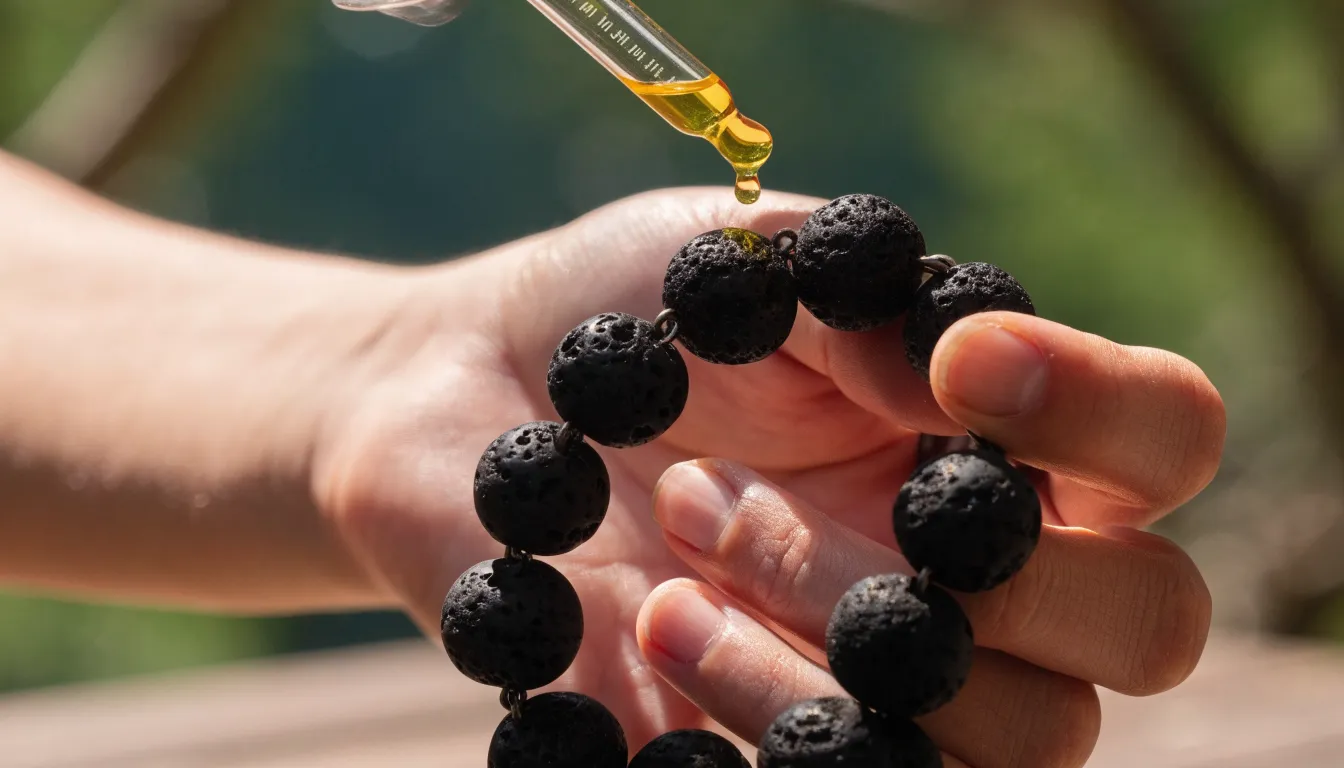
Aromatherapy jewelry helps you carry the calming or uplifting scent of your meditation oils into your day. Lava stone bracelets are a favorite because the porous beads soak up a few drops of essential oil and slowly release the scent over time. This gentle fragrance works as a quiet reminder to pause, breathe, and reconnect with calm, even at work or while running errands.
Clay pendants work in a similar way—they absorb the oil and release its aroma gradually. Many are handcrafted, so they look unique while doing the same job. The pendant also gives you something to see or touch, which can bring you back to the present moment and encourage a brief, mindful pause.
Diffuser lockets are metal pieces with a small felt pad inside where you place the oil. They hold the scent longer and release it in a more contained way. Simply opening the locket or feeling it against you can become a cue to take a deep breath, clear your mind, and bring a little meditative awareness into whatever you are doing.
Anointing Rituals
Anointing with diluted essential oils before meditation helps you focus and set a clear intention. Always mix the oil with a carrier oil like jojoba, almond, or fractionated coconut oil—about 1–2 drops of essential oil per teaspoon of carrier oil. This keeps the oil safe for your skin and allows the scent to gently prepare your mind and body for deep focus.
Start by applying the diluted oil to your pulse points, like your wrists or inside your elbows. As you do this, breathe deeply and silently state your intention, such as calm, clarity, or presence. Then, lightly apply a tiny amount to the space between your eyebrows, the third eye area. This spot is linked to intuition and insight, so use this moment to imagine your intention settling into your mind.
Finish by massaging a small amount of oil onto your temples with slow, circular motions. This area helps release tension and encourages mental calm, making it easier to stay centered. Doing these simple touch points consistently creates a powerful ritual that connects your physical preparation with mental readiness, giving every meditation session a focused and intentional start.
Breathwork Synergy
Breathing in essential oils at the exact same time as structured breathwork makes meditation more powerful. This combination boosts the oils’ calming and focusing effects, helping quiet the mind and body for deeper awareness. The timing creates a direct path for the scent molecules to reach the limbic system, supporting the physical changes that breathwork brings.
For box breathing, which uses equal counts for inhale, hold, exhale, and hold, start by placing a drop of oil like lavender or frankincense in your palms and rubbing them together, or use a diffuser. During the four-count inhale, breathe the aroma in deeply, then continue through the hold, exhale, and final hold. Repeat this with each cycle. The steady rhythm links the scent to your breath, making relaxation deeper.
With the 4-7-8 technique—inhale for four counts, hold for seven, exhale for eight—prepare the oil the same way. As you inhale through your nose for four counts, take in the aroma at the same time. Hold for seven counts, letting the scent fill your senses, then exhale slowly through your mouth for eight counts to release tension. This pairing delivers the oil effectively, supporting stress reduction and nervous system balance. Regular practice makes these benefits stronger over time.
Frequently Asked Questions
How does Frankincense essential oil support meditation?
Frankincense helps ground the mind and create a calm, serene atmosphere by gently slowing the breathing rate and clearing respiratory pathways. Its compounds support deeper, fuller breaths, promoting physical ease and mental clarity essential for focused meditation.
What is the main benefit of using Lavender essential oil for meditation?
Lavender essential oil is a top choice for meditation because its active compounds, linalool and linalyl acetate, soothe the nervous system and calm racing thoughts. It helps quiet mental chatter and reduces anxiety, preparing the mind and body for a smoother, more focused session.
Can I apply essential oils directly to my skin for meditation?
No, essential oils should never be used undiluted on the skin due to their high concentration and potential for irritation. Always mix them with a carrier oil, such as jojoba or fractionated coconut oil, at a safe dilution of 1% to 3% for adults. It is also recommended to perform a patch test on a small skin area before broader use.
How can Bergamot essential oil enhance a morning meditation routine?
Bergamot essential oil helps gently wake up the mind with its bright, uplifting scent, clearing away any lingering drowsiness or mental fog from sleep. It boosts alertness and rejuvenation, supporting a smooth shift from drowsiness to focused awareness for a calm, centered start to the day.
What is the purpose of “base notes” in essential oil diffuser blends?
Base notes, such as frankincense or cedarwood, are rich and earthy oils that provide a steady, grounding scent in a diffuser blend. They give the blend a lasting aroma and form its foundation, creating a stable and enduring sensory experience during meditation.
How does Peppermint essential oil help maintain focus during meditation?
Peppermint essential oil helps meditators stay awake and alert by stimulating the central nervous system through its menthol compound. This clears mental fog, keeps the mind sharp, and helps maintain an upright, stable posture, preventing drowsiness during long sessions.