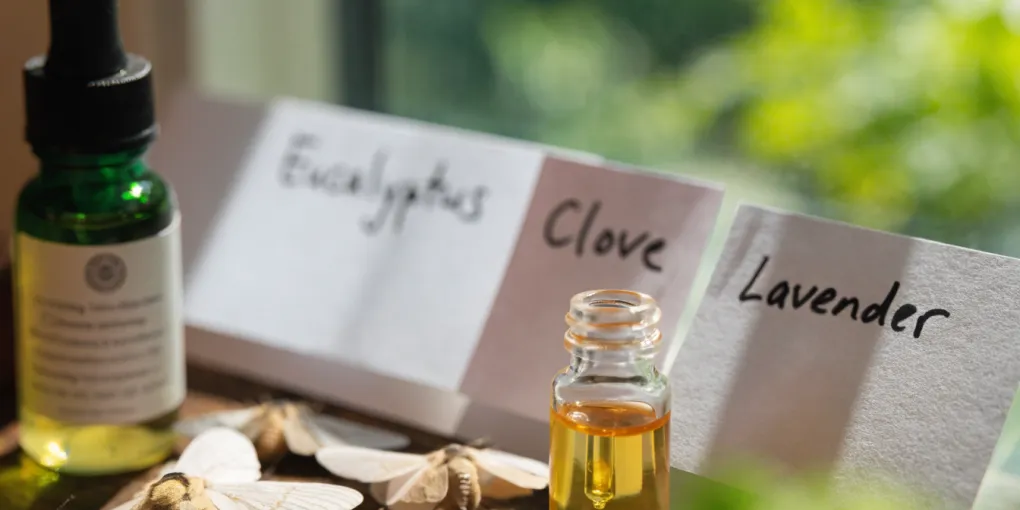
Essential oils like cedarwood, lavender, peppermint, eucalyptus, tea tree, rosemary, and clove naturally repel moths by disrupting their sense of smell. These concentrated plant compounds, when used in sachets, sprays, or on cotton balls, create an unappealing environment for moths and their larvae, protecting natural fibers in closets and storage areas without harsh chemicals.
Table of Contents
- The Moth Problem
- Cedarwood Oil Defense
- Lavender Oil Serenity
- Peppermint Oil Freshness
- Tea Tree Oil Shield
- Rosemary Oil Potency
- Clove Oil Intensity
- Eucalyptus Oil Defense
- Custom Synergy Blends
- DIY Sachet Bags
- Wooden Hanger Sprays
- Cotton Ball Placement
- Safe Dilution Ratios
- Seasonal Clothes Storage
- Reapplication Schedule
The Moth Problem
Clothes moths—the webbing and casemaking kinds—become a household problem because they look for dark, quiet, undisturbed areas. Seldom-opened closets, bottom dresser drawers, and tucked-away attic boxes give them a safe, shadowed place to lay eggs and let larvae grow. For natural protection, these hidden spots are exactly where essential oils should be used to keep moths from settling in.
The real damage comes from the larvae, which can digest keratin, a protein found in natural animal fibers. That means wool sweaters, silk scarves, cashmere throws, and fur or feather items are all food sources for them. They ignore synthetic fabrics and instead chew through these natural materials, leaving holes and ruined textiles. Essential oils can help by making these keratin-rich fabrics unappealing to larvae.
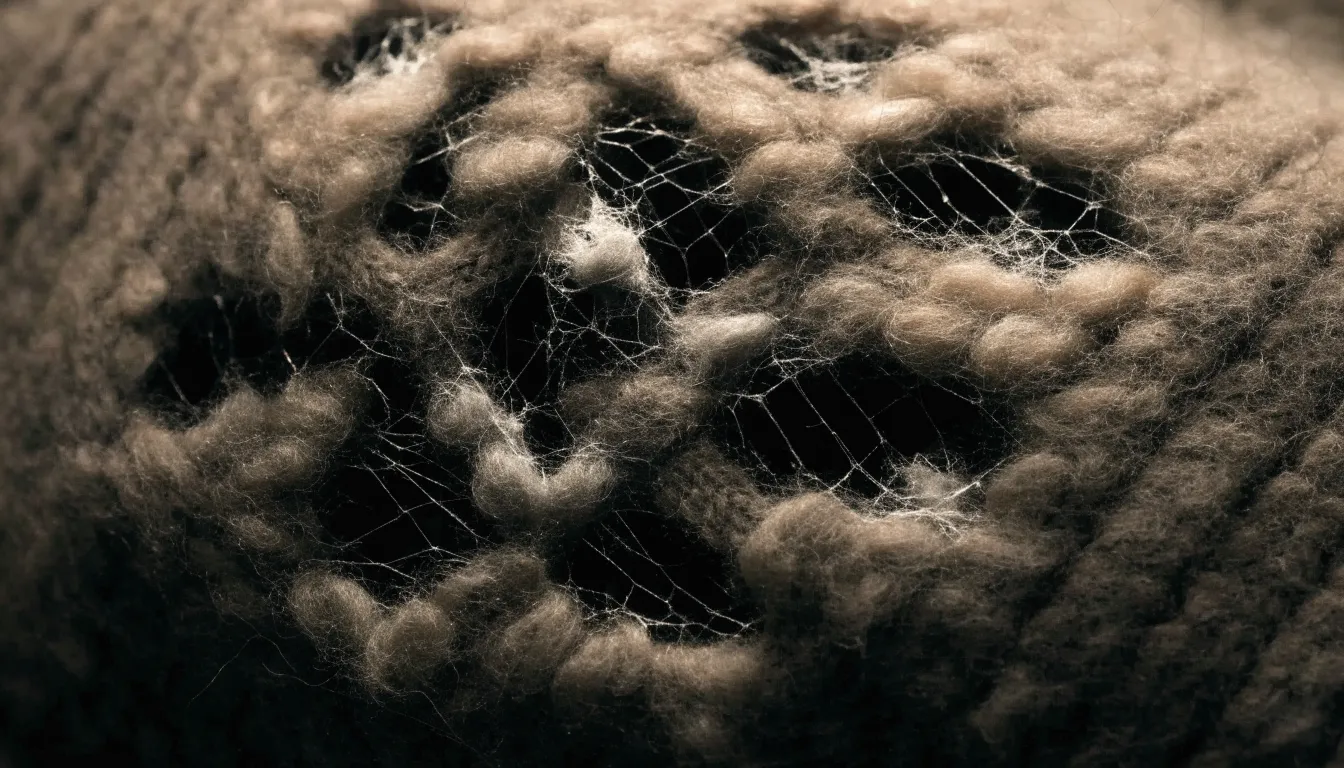
Understanding why moths are drawn to dark, undisturbed spaces full of natural fibers is the first step in preventing an infestation. Essential oils work best when placed in those calm, dark storage areas and around natural-fiber clothing, helping break the moths’ lifecycle and protecting your closet naturally.
Cedarwood Oil Defense
Cedarwood oil works as a natural moth repellent, with its power coming mainly from cedrol. When moths smell cedarwood essential oil, the cedrol overwhelms their senses.
When moths smell cedarwood oil, the cedrol overwhelms their senses. Moths depend on their sense of smell to navigate, mate, and find places to lay eggs. The intense scent blocks their ability to detect pheromones and move normally, making it hard for them to locate clothing or fabrics to damage.
This approach mirrors the traditional use of cedar chests and closets, whose lasting scent naturally kept moths away. Using cedarwood essential oil gives you a concentrated, chemical-free version of that same protection—simple, effective, and safe for your home and wardrobe.
Lavender Oil Serenity
Lavender essential oil offers a natural, calming way to keep moths away. Its repellent power comes mainly from two compounds: linalool and linalyl acetate. Together, these substances create an environment that adult moths strongly avoid.
These compounds work by disrupting moths’ senses, making treated spaces unsuitable for them to settle or lay eggs. This helps protect woolens and delicate fabrics from damage, since adult moths are less likely to approach and deposit eggs on items that carry the scent.
At the same time, lavender oil leaves stored clothes with a fresh, herbaceous floral aroma instead of a stale closet smell. This dual action—repelling moths while adding a pleasant fragrance—makes lavender oil a gentle, effective choice for natural closet protection.
Peppermint Oil Freshness
Peppermint essential oil works well as a natural moth repellent because of its strong, fresh smell. That sharp scent comes mainly from menthol, which is the active compound in the oil. While people often enjoy the crisp aroma, moths find it overwhelming and unpleasant.
Moths depend on their sense of smell to find food, navigate, and pick places to lay eggs. The intense menthol in peppermint oil floods and blocks those sensitive smell receptors. This confuses moths and makes treated areas seem unsafe or unappealing, so adult females are less likely to settle there and lay eggs.
Placing peppermint oil in dark, quiet spots like closets, attics, and storage areas creates a clean-smelling barrier. It keeps moths from entering and stops them from leaving eggs that would turn into fabric-damaging larvae. This offers a simple, natural way to protect clothes and stored items without harsh chemicals.
Tea Tree Oil Shield
Tea tree essential oil is a powerful natural option for deep cleaning and preventing moth infestations, thanks mainly to its active compound, terpinen-4-ol. This ingredient gives the oil both antimicrobial and insecticidal properties, making it ideal for turning shelves and storage areas into places moths want to avoid. When applied to surfaces, it sanitizes thoroughly, reaching small crevices where microorganisms can hide.
One important way tea tree oil works is by killing fungal spores. Pantry moths are especially drawn to areas where mold and fungi grow, since those often point to dampness and organic matter that can serve as food or breeding grounds. By removing these spores, tea tree oil eliminates a major attractant and helps make storage spaces far less inviting to pests.
Terpinen-4-ol also has direct insecticidal effects. Its presence on surfaces can discourage moths from landing, laying eggs, or even hanging around, as both the smell and chemical makeup are highly unappealing to them. Regular cleaning with a diluted tea tree oil solution creates a protective shield, combining deep cleaning with a direct deterrent to keep moths from settling in.
Rosemary Oil Potency
Rosemary essential oil is a powerful natural option for protecting clothes from moths. Its strength comes from its chemical makeup, especially high levels of 1,8-cineole and camphor. These compounds give rosemary its fresh, sharp scent—pleasant to humans, but overwhelming and confusing for moths.
The compound 1,8-cineole, also called eucalyptol, has a strong, medicinal, camphor-like smell. This aroma acts as a natural barrier that moths instinctively avoid. They sense it as a sign of an unsafe place, so they move elsewhere to feed or lay eggs.
Camphor adds to this effect with a cool, penetrating scent that overloads a moth’s senses. It makes it hard for moths to find food, navigate, or detect mating pheromones. Together, these compounds disrupt moth behavior and keep them away from your clothing. Using rosemary oil is a simple, plant-based way to safeguard fabrics without harsh synthetic chemicals.
Clove Oil Intensity
Clove essential oil is intensely powerful and highly effective at keeping closet pests away. Its strength comes from eugenol, a natural compound found in clove buds. Eugenol gives clove oil its spicy smell and is also what makes it such a strong deterrent, creating an environment that insects find unwelcoming.
When used strategically, clove bud oil actively repels adult moths. The strong aroma discourages them from laying eggs, which is key to stopping infestations before they start. The concentrated plant compounds also interfere with moths’ senses, making treated spaces undesirable for breeding and survival.
Clove oil also works against larvae that may already be present. The eugenol repels them and keeps them from eating fabrics, wool, or stored items. By deterring both egg-laying adults and destructive larvae, clove oil offers complete, natural protection for your belongings, using the plant’s own defensive chemistry.
Eucalyptus Oil Defense
Eucalyptus essential oil is a natural way to protect clothes from moths, especially in closed spaces like closets and storage bins. One key benefit is that it improves air quality. Closets with items that aren’t used often can get stale and musty, and this heavy air can make conditions more inviting for pests. Eucalyptus oil clears that stuffy feeling and replaces it with a clean, fresh scent.
This fresh smell comes from a compound called eucalyptol, which gives eucalyptus its sharp, camphor-like aroma. When released into the air, eucalyptol actually binds to and neutralizes odor-causing particles, rather than just covering them up. This genuinely refreshes the space and creates an environment that moths find unwelcoming.
Eucalyptus oil also helps stop moths from breeding. Female moths use their strong sense of smell to find natural fibers like wool, cashmere, and silk, where they lay eggs that hatch into larvae. The strong scent of eucalyptus masks those attractive fiber odors, making it hard for moths to detect a good spot for their eggs. This keeps your stored clothes safer and less appealing as a place for moths to infest.
Custom Synergy Blends
Using custom synergy blends is a smart way to maximize moth protection with essential oils. This approach means mixing specific oils like cedarwood, lavender, and peppermint in proven ratios to create a strong, layered repellent. Cedarwood is the base of these blends, offering a deep, woody smell that naturally and lastingly drives moths away.
Lavender brings a fresh, herby, and lightly floral scent to the mix. While it’s pleasant for people, it disrupts moths’ sensory systems, adding an extra layer of defense. Peppermint completes the trio with a sharp and potent aroma. Its intense, invigorating smell acts as an immediate, powerful deterrent, pushing moths away on contact.
The real strength of these blends is their broad-spectrum power. By combining oils with different active compounds, they work against more moth species and are harder for pests to adapt to. The layered scents create a complex, overwhelming barrier, and sticking to the correct recipe ratios ensures the oils work in perfect harmony. This amplifies their individual strengths, giving you consistent, high-level, and long-lasting protection for your clothes and belongings.
DIY Sachet Bags
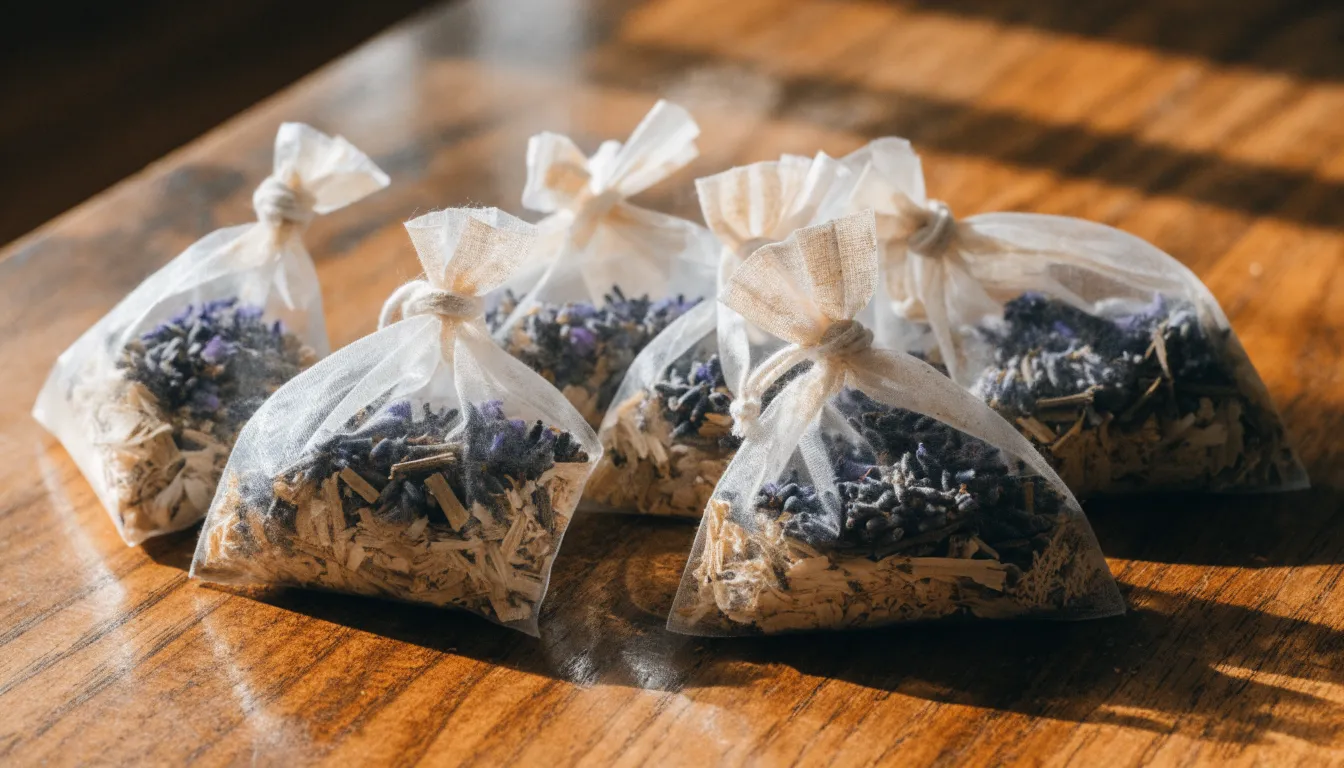
Making your own sachet bags is a simple way to keep moths away from your clothes. The gentle, continuous scent released by essential oils repels pests and leaves your belongings smelling fresh. To begin, choose a base material like dried herbs, rice, or sawdust, and pick moth-repelling oils such as cedarwood, lavender, peppermint, or eucalyptus. Measure about half a cup of base per sachet and ensure any herbs are completely dry to prevent mold.
Next, add 10-15 drops of your chosen essential oil—or a mix—to every half cup of base. Stir the mixture thoroughly so the oil spreads evenly, then let it sit for an hour to fully infuse. This resting period allows the base to absorb the oil, ensuring the scent will be released slowly and effectively once placed inside the breathable sachet bags.
Spoon the infused mixture into your bags, filling them two-thirds full, and close them securely. Place the sachets directly in your drawers, using extra ones for larger closets or spaces. To keep the essential oils working correctly, refresh the scent every few weeks by adding a few more drops onto the outside of the fabric, or replace the entire filling when the smell fades. This simple upkeep guarantees ongoing protection and a pleasant aroma for your linens.
Wooden Hanger Sprays
A simple essential oil spray can keep your wardrobe fresh and help protect it from moths. This blend is made for cedar wood and other uncoated wooden surfaces, giving them a pleasant scent while naturally deterring pests. To make it, you need a small spray bottle, about half a cup of distilled water, a quarter cup of witch hazel, and your choice of essential oils.
Cedarwood oil is a great base because it works naturally with cedar wardrobes and is well known for repelling moths. You can also add a few drops of lavender, eucalyptus, or peppermint oil to improve the smell and boost protection. Start by pouring witch hazel into the bottle—it helps the oils mix evenly with water. Then add 20 to 30 drops of your essential oils, using more cedarwood if you want a stronger cedar scent. Fill the rest with distilled water, close the lid tightly, and shake well.
Before each use, shake the bottle again so the oils are spread evenly. Lightly mist your uncoated wooden hangers and the inside walls of your wardrobe, but avoid soaking the wood. This gently conditions the wood, leaves a long-lasting natural fragrance, and helps keep moths away, so your stored clothes stay safe and smell fresh.

Cotton Ball Placement
Using essential oils on cotton balls is a simple and effective way to deter moths and other pests in small, enclosed spaces. The cotton balls absorb the oil and release its scent slowly over time, creating a steady, localized barrier that keeps pests away without harsh chemicals. This slow release ensures lasting protection for your stored items.
Start by choosing a repellent oil like cedarwood, lavender, or peppermint. Add a few drops to a cotton ball until it is damp, but not dripping wet. Then, place them wisely in high-risk areas: tuck one inside a shoe’s toe, space a few out in storage bins with clothing or blankets, and put them in dark corners of closets, drawers, or pantries where pests like to hide. This puts the repellent right where it is needed most.

To keep the protection working, check the cotton balls every few weeks and add more oil when the scent fades. This low-cost, easy method transforms your small storage spots into areas pests want to avoid, giving you an excellent and natural line of defense.
Safe Dilution Ratios
Essential oils are highly concentrated, so using them correctly is key to keeping clothes safe, which is precisely why dilution matters more than you think. Putting them directly on fabric, especially delicate items, almost always leaves greasy stains that are very hard to remove. Proper dilution lets the oils still work as a moth repellent without damaging your garments.
For sprays, you need the right carrier. Water alone won’t mix with essential oils unless you add an emulsifier like a bit of high-proof alcohol or a dispersing agent; otherwise, the oil floats and can spot the fabric. Witch hazel or rubbing alcohol work better because they spread the oils evenly and evaporate more cleanly.
A safe fabric-friendly mix is about 0.5% to 1% oil—roughly 3 to 6 drops per ounce of carrier liquid. Always start with fewer drops and test if you’re unsure. Never put undiluted essential oils on silk, wool, or cashmere. Instead, spray diluted mixtures onto sachets, cedar blocks, or cotton balls placed near clothes, and do a patch test if you must spray fabric directly.
Seasonal Clothes Storage
To keep wool and silk safe during seasonal storage, start with careful cleaning. Even clothes that look clean can have tiny food bits, skin cells, or body oils that attract moths. Wash wool gently with a wool-safe detergent, reshape it, and lay it flat to dry. For silk, use a mild, pH-neutral soap and dry it away from direct sunlight. Make sure everything is fully dry before storing to prevent mold and mildew.
Next, use airtight storage as your main defense. Sturdy plastic bins with tight lids or vacuum-seal bags keep out pests and moisture. This sealed environment protects your clothes from outside threats.
Inside those containers, essential oils add extra protection. Place small sachets filled with cedar shavings, lavender buds, or cotton balls with a few drops of cedarwood, lavender, peppermint, or eucalyptus oil among the folded items. Be sure the oil-infused sachets do not touch the fabric directly, because concentrated oils can leave stains. These natural scents make the space unappealing to moths, so your clothes stay fresh and ready to wear next season.

Reapplication Schedule
Essential oils keep moths away by releasing scent into the air, but they evaporate over time, so their strength fades. To maintain a strong enough scent to deter moths all year, you need to reapply them on a regular schedule.
A good rule is to refresh your essential oils every two to four weeks. How quickly they fade depends on your home: warm, breezy areas may need reapplication closer to two weeks, while cooler, closed-off spaces can often last longer.
The main goal is to avoid any gap in protection. If the scent gets too faint, moths may return. Regularly adding fresh drops to cotton balls, diffusers, or sachets—using a simple reminder—keeps the deterrent working and your storage areas protected.
Frequently Asked Questions
What kind of damage do clothes moths cause?
Clothes moth larvae can digest keratin, a protein found in natural animal fibers like wool, silk, cashmere, and fur. They chew through these materials, leaving holes and ruining textiles.
Which essential oils are good for deterring moths?
Several essential oils are effective moth deterrents, including cedarwood, lavender, peppermint, tea tree, rosemary, clove, and eucalyptus oil. These oils contain compounds that repel moths or disrupt their senses.
How does cedarwood oil specifically repel moths?
Cedarwood oil’s power comes mainly from cedrol, which overwhelms moths’ senses. This intense scent blocks their ability to detect pheromones and navigate, making it hard for them to locate clothing or fabrics.
Can I put essential oils directly onto my clothes to repel moths?
No, you should never put undiluted essential oils directly on fabric, especially delicate items like silk, wool, or cashmere, as it can leave greasy, hard-to-remove stains. Essential oils are highly concentrated and need to be properly diluted with a carrier.
How often do I need to reapply essential oils for moth prevention?
Essential oils evaporate over time, so their strength fades. A good rule is to refresh your essential oils every two to four weeks to maintain a strong enough scent to deter moths continuously.
What is a simple way to use essential oils for moth protection in small spaces?
Using essential oils on cotton balls is a simple and effective method. Add a few drops of a repellent oil like cedarwood, lavender, or peppermint to a cotton ball until it’s damp, then place it in high-risk, enclosed areas like drawers, storage bins, or closet corners.