For most essential oil diffusers, use 3-5 drops per 100ml of water to achieve a balanced scent. Adjust this amount based on room size, oil potency, personal sensitivity, and the presence of children or pets; stronger oils or smaller spaces may require fewer drops, while larger areas might need more.
Table of Contents
- Standard Drop Guidelines
- Diffuser Tank Capacity
- Room Size Matters
- Essential Oil Potency
- Safety for Pets
- Kids and Infants
- Scent Overload Risks
- Blending Different Oils
- Ultrasonic Versus Nebulizing
- High Frequency Usage
- Cleaning Your Device
- Scent Longevity
- Sensitivities and Allergies
- Water Quality Influence
- Budget Friendly Diffusing
Standard Drop Guidelines
Finding the right amount of essential oil in your diffuser is key to getting the benefits without overdoing it, especially when learning how to start using essential oils. A common guideline is to use three to five drops for every 100 milliliters of water. This range helps create a balanced scent that is neither too weak nor too strong.
If you use too little, the aroma may be barely noticeable and the therapeutic effects weaker. If you use too much, the smell can become overwhelming, possibly causing headaches, respiratory irritation, or a heavy, unpleasant atmosphere, and it’s helpful to know what happens if you use too much essential oil. Overusing oil is also wasteful and can lead to scent fatigue, where your nose quickly stops noticing the smell.
This guideline is just a starting point. Your ideal amount depends on room size, ventilation, your sensitivity to scent, and the type of oil, since some are stronger than others. Begin with the lower end of the range and slowly add more drops until you find the right balance for your space and preferences.
Diffuser Tank Capacity
Understanding how your diffuser’s water tank size relates to essential oil drops is key to a balanced aromatherapy experience. The goal is a pleasant, noticeable scent without wasting oil or overwhelming the room. As a rule, larger water volumes need more drops to keep the aroma consistent as the mist disperses.
A good starting place is 3–5 drops for a 100ml tank, which gives gentle diffusion for small rooms or beginners, especially when considering essential oil diffusers for small spaces. Scale up from there: 6–10 drops for 200ml, 9–15 drops for 300ml, 12–20 drops for 400ml, and 15–25 drops for 500ml diffusers.
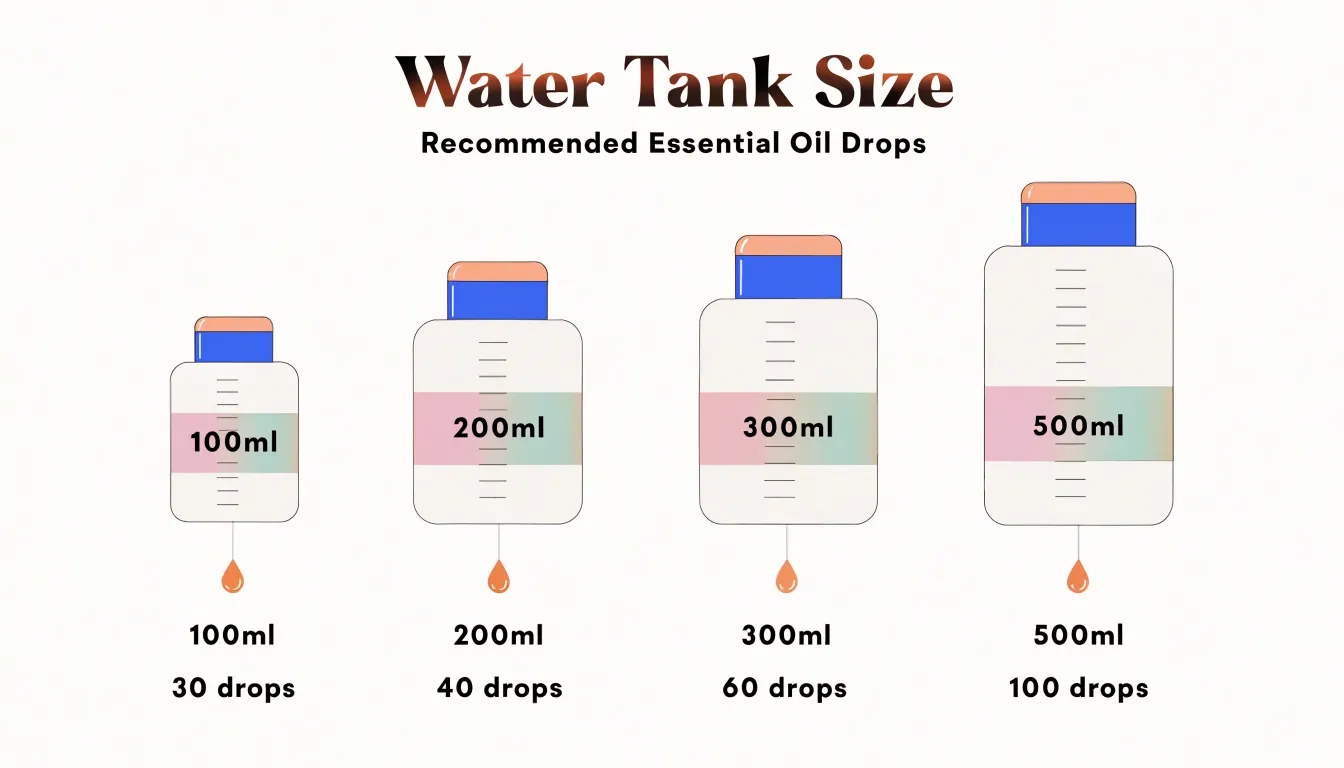
These are general guidelines, so personal preference and oil potency matter. Start at the lower end and adjust upward only if needed—when it comes to essential oils, less is often more.
Room Size Matters
Room size affects how well essential oils work in a diffuser. The goal is to spread the aroma evenly—not too strong, not too faint. Getting this right helps avoid overwhelming scent in small spaces or weak diffusion in large ones.
In small rooms like bathrooms, bedrooms, or office cubicles, less air movement traps the scent quickly. Using only three to five drops is a good start to keep the aroma pleasant and avoid discomfort.
In large areas like open kitchens, living rooms, or basements, a few drops may disappear without much effect. Increase to eight to twelve drops or more, and consider using multiple diffusers in very big spaces. Adjusting the amount by room size keeps the experience balanced and supports the oils’ therapeutic benefits.
Essential Oil Potency
The natural strength of an essential oil determines how many drops you need in a diffuser. Thick, heavy oils like patchouli and vetiver have a strong and lasting smell, often found among the most popular essential oils for their deep fragrance. Their thickness comes from having larger molecules that evaporate slowly, which means the scent lasts longer and spreads better. Even a single drop of a rich oil like vetiver can give off a deep, intense fragrance that fills a space for a long time, so you don’t need many drops at all.
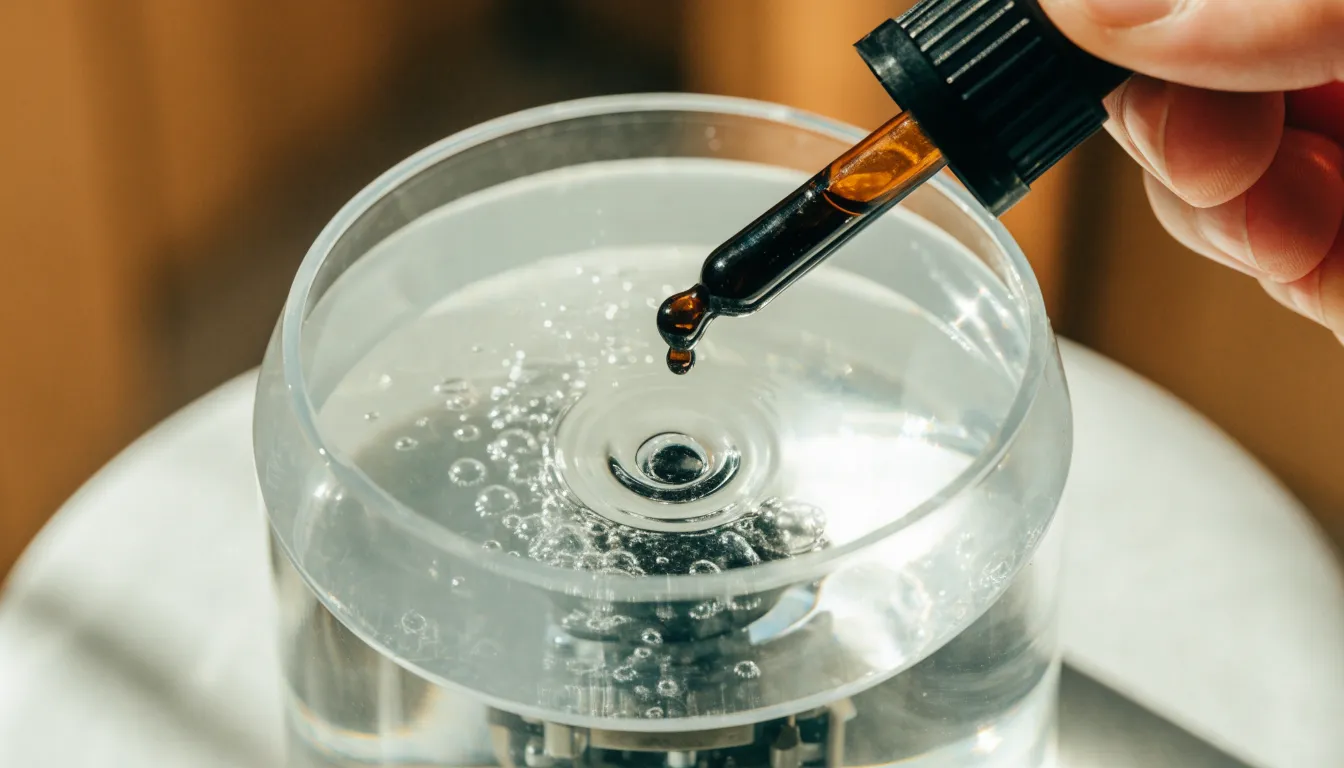
These potent oils are highly concentrated and release their heavy smell gradually. This means a little goes a long way. On the other hand, lighter citrus oils like lemon or grapefruit have smaller molecules that evaporate much faster. While they smell fresh and lively, their aroma fades quickly. To keep the scent noticeable in the air, you have to use more drops of these lighter oils compared to the heavier ones.
Understanding this difference in strength and how oils behave helps you diffuse them more carefully. You can pick the right amount for each type, enjoy the best fragrance without wasting oil, and avoid using too many drops of heavy oils or too few of light ones. This way, you get a pleasant and efficient aromatic experience every time.
Safety for Pets
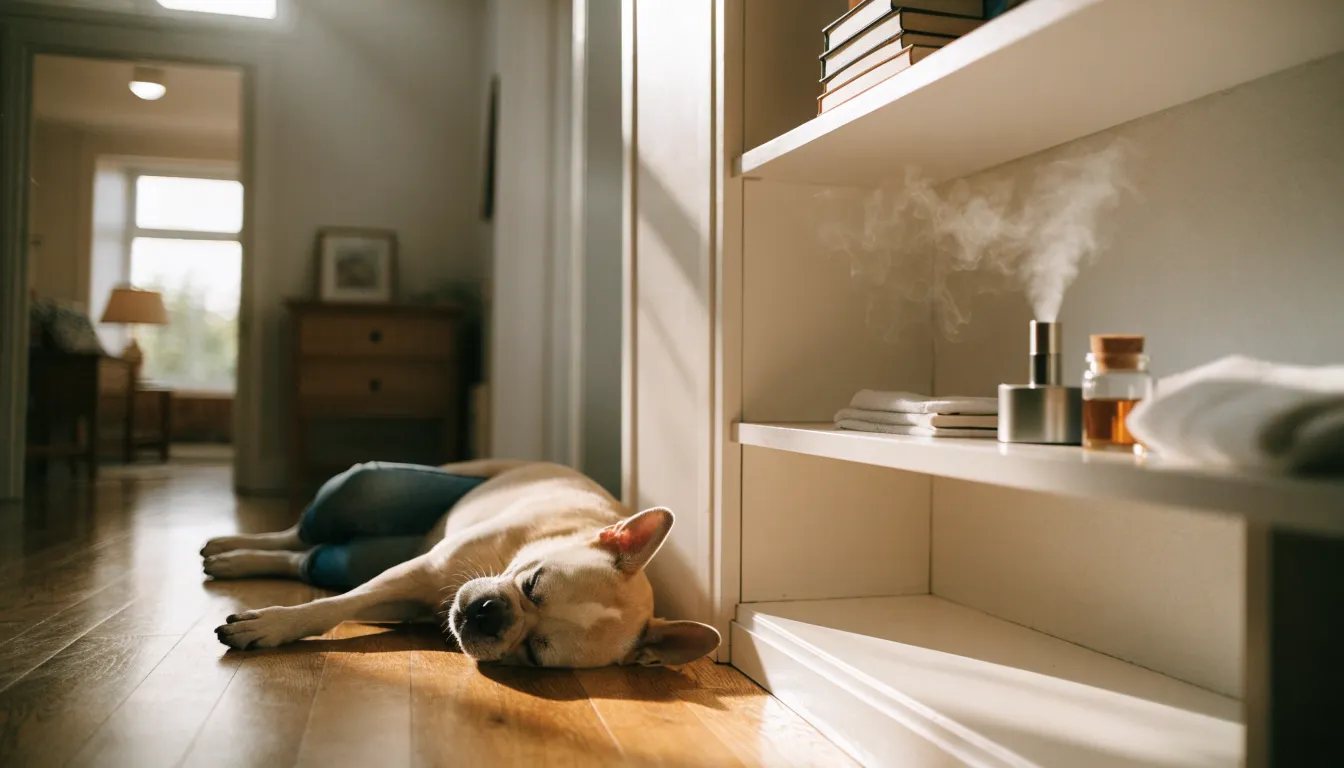
When using essential oils at home, remember that dogs and cats are far more sensitive than humans, which is why it’s crucial to understand if essential oils are safe for pets. Their respiratory systems are delicate, and strong aromas can be irritating or even toxic. Vets recommend using far fewer drops in a diffuser around pets—often just one or two drops in a well-ventilated room is enough for a gentle scent. This lower amount reduces airborne particles, helping to prevent coughing, sneezing, or breathing trouble, especially in pets with asthma or allergies.
Choosing the right oil is just as important as the amount. Many common oils are dangerous to pets, even when diffused, including tea tree, wintergreen, pennyroyal, citrus oils, and some eucalyptus types. These oils can be inhaled or settle on fur, where pets may ingest them while grooming. Always research an oil before use, and ask your vet which ones are safer—lavender and frankincense are often mentioned as gentler options, but only in very diluted form.
Ventilation and choice are also key. Keep the room airy and always give your pet a way to leave the area if the scent bothers them. An open door lets them move away freely, which is the simplest way to keep them comfortable and safe while still enjoying the benefits of essential oils.
Kids and Infants
When diffusing essential oils around kids and infants, extreme caution is essential because children’s lungs are still developing and much more sensitive than adults’, making it vital to know how to use essential oils safely around kids. Always use much lower concentrations and shorter diffusion times. For babies under three months old, it’s best to avoid diffusing oils completely. It’s safer to place the diffuser in a nearby room with the door open, so the child only gets indirect exposure, and always air out the space afterward.
For children between two and six years old, you can be slightly more flexible but still very conservative. Two to three drops diffused for short periods in a spacious room is a sensible limit, and adult supervision is important the whole time. Even with older young children, keeping exposure brief and indirect helps protect their sensitive airways.
Some essential oils should be strictly avoided around young children because they can cause breathing problems or other bad reactions. These include oils high in 1,8-cineole or menthol, such as peppermint, eucalyptus, and rosemary, as well as tea tree, wintergreen, birch, clove, and cinnamon bark. Before using any essential oils around a child, always check with a pediatrician or a certified aromatherapist who specializes in pediatric care.
Scent Overload Risks
Using too much essential oil in a diffuser can cause scent overload and trigger uncomfortable physical reactions. Because the body is sensitive to concentrated aromatic compounds, overly saturated air can lead to headaches, nausea, dizziness, and a general feeling of being unwell. The respiratory system may also react with sinus irritation, sneezing, a runny or congested nose, or a burning sensation in the nasal passages and throat.
If these symptoms occur, act quickly by turning off and unplugging the diffuser, and learn what to do if you have a reaction to an essential oil. Open windows and doors to let fresh air in, and move to another room or step outside until the discomfort fades. Drinking water can help the body process and clear the inhaled compounds, and resting while avoiding further essential oil exposure will support recovery.
To prevent overexposure, start with a small number of drops and increase only if needed. This careful approach keeps the air from becoming too concentrated, making the aromatherapy experience more pleasant, safe, and beneficial.
Blending Different Oils
Crafting your own essential oil blends lets you personalize the scent in your diffuser, and a beginner’s guide to blending essential oils can help you master this art. After you decide the total number of drops for your room size, split those drops among top, middle, and base notes. A common starting ratio is 30% top, 50% middle, and 20% base—so for 10 drops, that means 3 top, 5 middle, and 2 base.
Each note has a different job. Top notes, like lemon or grapefruit, give the first bright burst of fragrance and evaporate quickly. Middle notes, such as lavender or geranium, form the heart of the blend and add depth and lasting appeal. Base notes, like frankincense or cedarwood, ground the blend with rich, lingering aromas that make the scent last longer.
Feel free to experiment and adjust the ratios to suit your taste or the oils you have. When trying a new blend, start with fewer drops so you can test the aroma and tweak it before making a larger batch. This simple approach helps your DIY blends stay balanced, enjoyable, and personal.
Ultrasonic Versus Nebulizing
Ultrasonic diffusers use water to dilute essential oils. A vibrating ceramic disc breaks the water and oil into a fine mist, which spreads the scent gently through the air. Because the oil is diluted, you need fewer drops per session, and the fragrance can last for several hours. These diffusers also add moisture to the room.
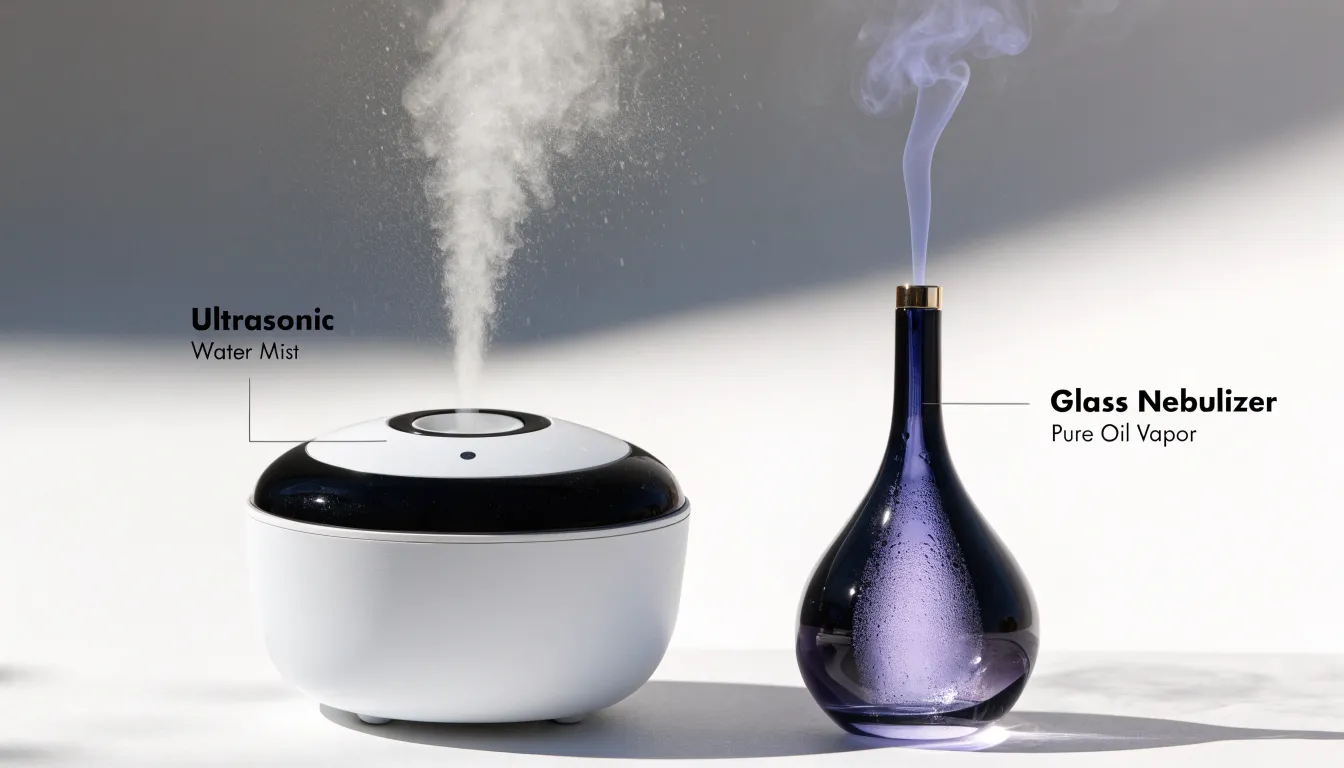
Nebulizing diffusers use no water at all. They force air through pure, undiluted essential oil, turning it into a fine vapor that is released directly into the air. This creates a much stronger, more concentrated aroma almost immediately, but it also uses up oil much faster, so your bottle will need refilling more often.
Knowing the difference helps you choose how much oil to use and how quickly you’ll need to replace it. Ultrasonic models are more economical with oil and add humidity, while nebulizing models give a more intense aromatic effect at a higher oil cost.
High Frequency Usage
For those who enjoy having essential oils around all day, a smart diffusion schedule matters. Running a diffuser nonstop can oversaturate a room and reduce the oils’ benefits, a common issue highlighted in beginner mistakes that can ruin your essential oil experience. A better approach is high-frequency, intermittent use: diffuse for 30 to 60 minutes, then let the diffuser rest for at least as long before starting again.
These breaks prevent olfactory fatigue, which happens when your nose and brain get used to a constant scent and stop noticing it. If you can’t smell the oil anymore, you might add more than needed, wasting oil and reducing its effect. Giving your sense of smell a rest allows you to fully experience the aroma and therapeutic benefits each time the diffuser runs again.
Intermittent diffusion also supports better indoor air quality by spreading oil molecules effectively without making the air too heavy or dense. Refreshing the water and oil each cycle keeps your blend potent, keeps the device clean, and ensures every diffusion session feels fresh and beneficial.
Cleaning Your Device
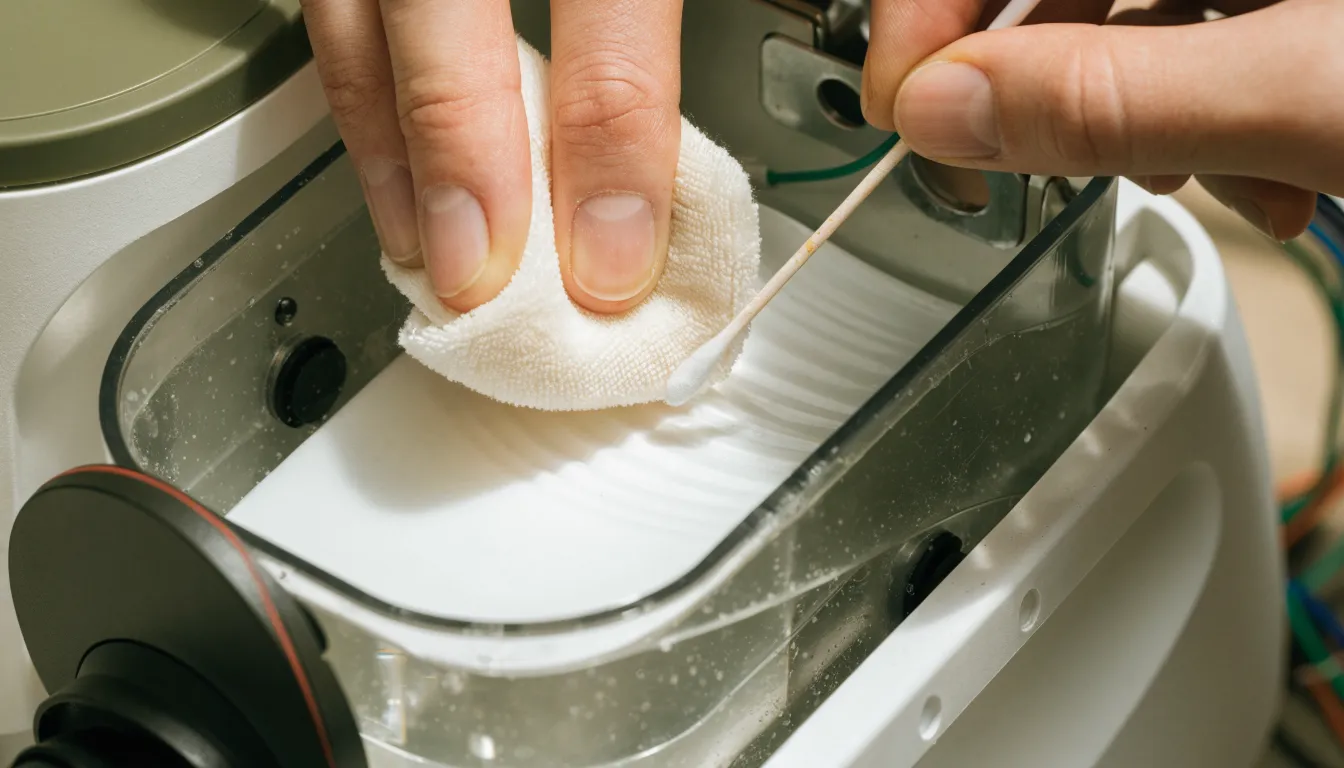
Maintaining your diffuser regularly extends its lifespan and keeps the aromas pure. Cleaning is important because leftover essential oils can build up into sticky, tough residue, especially in the water reservoir and misting parts. Simple routines can easily prevent this.
One good method uses citric acid. Fill the reservoir halfway with clean water, add a teaspoon of citric acid powder, and run the diffuser for 10 to 15 minutes. This lets the solution break down lingering oil deposits. Then drain, wipe with a soft cloth, and rinse well.
White vinegar also works well. Fill the tank halfway with water, add the same amount of vinegar, and run the diffuser for 5 to 10 minutes. The vinegar dissolves oily film and mineral buildup. Afterward, empty it, gently clean the ultrasonic disc and inner walls, and rinse with fresh water. Doing this every few uses, or when switching essential oils, prevents buildup, keeps the mist clean, and protects the true scent of your oils.
Scent Longevity
Heavier essential oils—known as base notes—work as natural fixatives. Because their molecules are larger and more complex, they evaporate more slowly than light citrus or floral oils. Adding a few drops of a base note to a blend helps anchor the whole aroma, slowing down the quicker-fading notes and making the scent last much longer in the air.
Oils like sandalwood, frankincense, cedarwood, and patchouli are especially useful for this. They not only stabilize the blend but also add a deep, rich foundation that gives the aroma more complexity. Over time, the fragrance shifts and evolves in a pleasing way, keeping the diffuser interesting throughout the day.
Placement of the diffuser also affects how long the scent lingers. Air currents from windows, doors, or vents can quickly carry the essential oil molecules away. Putting the diffuser in a calm, central spot—away from drafts and heavy foot traffic—lets the mist spread gradually, helping the oils settle into the air and maintain a steady, lasting fragrance.
Sensitivities and Allergies
Essential oils are strong plant-based concentrates. While they can be helpful, they may also irritate sensitive people. If you have asthma, allergies, or chemical sensitivities, it’s important to adjust the amount you use in a diffuser. A lower concentration helps prevent breathing problems, allergic reactions, or discomfort.
For people with asthma, even a few drops of certain oils might cause coughing or shortness of breath. Those with seasonal allergies may find that diffused oils make sneezing, congestion, or itchy eyes worse. People with chemical sensitivities should also be careful, since natural oil components can trigger reactions in the body.
The best approach is to start small. Use only one or two drops, even if guidelines say more. Watch how your body reacts during a short diffusing session. If no issues appear, you can slowly add more drops next time. Keep the room ventilated, and always put your health and comfort first.
Water Quality Influence
The type of water you use in an essential oil diffuser directly affects how well the oil is released into the air. Hard tap water contains minerals like calcium and magnesium that can build up on the ultrasonic plate over time. This buildup, called limescale, makes it harder for the diffuser to vibrate properly, leading to less mist or uneven output. As a result, the essential oil may not spread well, leaving the room with a weaker or patchy aroma.
Hard water can also interfere with the way essential oils mix and disperse. Since oils and water don’t naturally combine, the diffuser relies on vibration to break them into a fine mist. When minerals are present, they can disrupt this process, making it harder for the oil to distribute evenly. This means the scent may be less potent and the therapeutic benefits of the oil may not be fully experienced.
Using distilled or purified water solves these problems. Distilled water has most minerals removed, so no limescale forms on the plate, helping the diffuser run at its best for longer. With pure water, the mist is more consistent and the oil spreads evenly, resulting in a stronger, more reliable aromatherapy experience. It also keeps the diffuser cleaner and helps it last longer.
Budget Friendly Diffusing
To make essential oils last longer, choose high-potency oils like peppermint, lemon, eucalyptus, or tea tree. They give a strong scent even with just a few drops. You can also stretch them by diluting the blend in your diffuser: add extra water, or for certain diffusers, a tiny amount of high-proof alcohol helps the oil spread more evenly. Water is still the main carrier for most diffusers. This way, you use fewer oil drops per session while keeping the aroma effective, so your bottles last much longer.
Another helpful method is passive diffusion, and you can learn more about how to use essential oils without a diffuser to save oil. You can place a few drops on unglazed ceramic, lava rocks, cotton balls, or a tissue near you, or use reed diffusers. The scent releases slowly over a long period. This works especially well in small spaces or for a gentle background aroma, and it requires much less essential oil to keep the room pleasantly fragrant.
By combining strong oils, careful dilution, and passive diffusion, you can enjoy the benefits of essential oils without constantly replacing your bottles. You get a satisfying scent using fewer drops, and your oil supply lasts longer while still creating the calm or fresh atmosphere you want.
Frequently Asked Questions
How many drops of essential oil should I put in my diffuser?
A common guideline is to use three to five drops of essential oil for every 100 milliliters of water in your diffuser. This range helps create a balanced scent that is neither too weak nor too strong, but personal preference and room size also play a role. Always start at the lower end and adjust upward if needed.
What happens if I use too much essential oil in my diffuser?
Using too much essential oil can lead to scent overload, potentially causing headaches, nausea, dizziness, or respiratory irritation like sneezing and a congested nose. If these symptoms occur, turn off the diffuser, open windows and doors for fresh air, and move to another room until the discomfort fades.
Is it safe to diffuse essential oils if I have pets?
Pets are far more sensitive to essential oils than humans, so vets recommend using far fewer drops, often just one or two in a well-ventilated room for a gentle scent. Many common oils, such as tea tree, wintergreen, pennyroyal, citrus oils, and some eucalyptus types, are dangerous to pets and should be avoided. Always ensure your pet can freely leave the area if the scent bothers them and consult your vet for safer options.
How does room size affect the number of essential oil drops I should use?
Room size significantly affects how well essential oils work; less air movement in small rooms traps scent quickly, so three to five drops is a good start. In larger areas like open living rooms, you may need eight to twelve drops or more to spread the aroma evenly, and consider using multiple diffusers in very big spaces. Adjusting the amount by room size helps avoid overwhelming small spaces or weak diffusion in large ones.
Do different types of essential oils require different amounts in a diffuser?
Yes, the natural strength of an essential oil determines how many drops you need. Thick, heavy oils like patchouli and vetiver have a strong, lasting smell because their molecules evaporate slowly, meaning a little goes a long way. Conversely, lighter citrus oils like lemon or grapefruit have smaller molecules that evaporate much faster, requiring more drops to keep the scent noticeable.
Can essential oils be diffused around babies or young children?
When diffusing around kids and infants, extreme caution is essential because children’s lungs are still developing and much more sensitive than adults’. For babies under three months old, it’s best to avoid diffusing oils completely. For babies from three months to two years, use only one drop in a large, well-ventilated room for no more than 15 to 30 minutes, or place the diffuser in a nearby room for indirect exposure. Always avoid oils high in 1,8-cineole or menthol like peppermint, eucalyptus, and tea tree, and consult a pediatrician or certified aromatherapist before use.