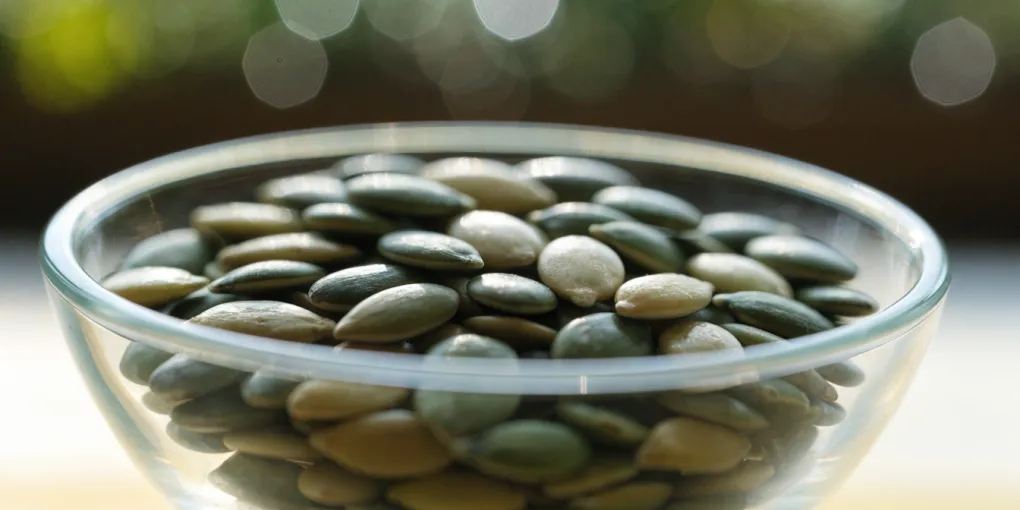
Pumpkin seed oil, extracted from specific pumpkin varieties, is a nutrient-rich carrier oil known for its deep color and earthy, nutty taste. It is rich in essential fatty acids, vitamin E, zinc, and omega-3 and omega-6, which nourish skin, support hair health, and gently dilute potent essential oils for safe and effective topical application.
Table of Contents
- Meet Pumpkin Seed Oil
- Understanding Carrier Oils
- The Nutrient Breakdown
- Soothing Sensitive Skin
- Boosting Hair Health
- Daily Facial Serums
- Blending With Lavender Oil
- Pairing With Tea Tree Oil
- Combining With Frankincense
- Mixing With Peppermint Oil
- Proper Dilution Ratios
- Storage And Shelf Life
- Choosing Quality Oil
- Final Oil Tips
Meet Pumpkin Seed Oil
Pumpkin seed oil is made by pressing specific pumpkin varieties, especially the Styrian pumpkin. It stands out for its deep green-and-amber color, sometimes called a “liquid jewel,” and has a smooth, emollient texture. Its earthy, nutty, lightly toasted scent and taste make it a pleasant and natural base for blending essential oils.
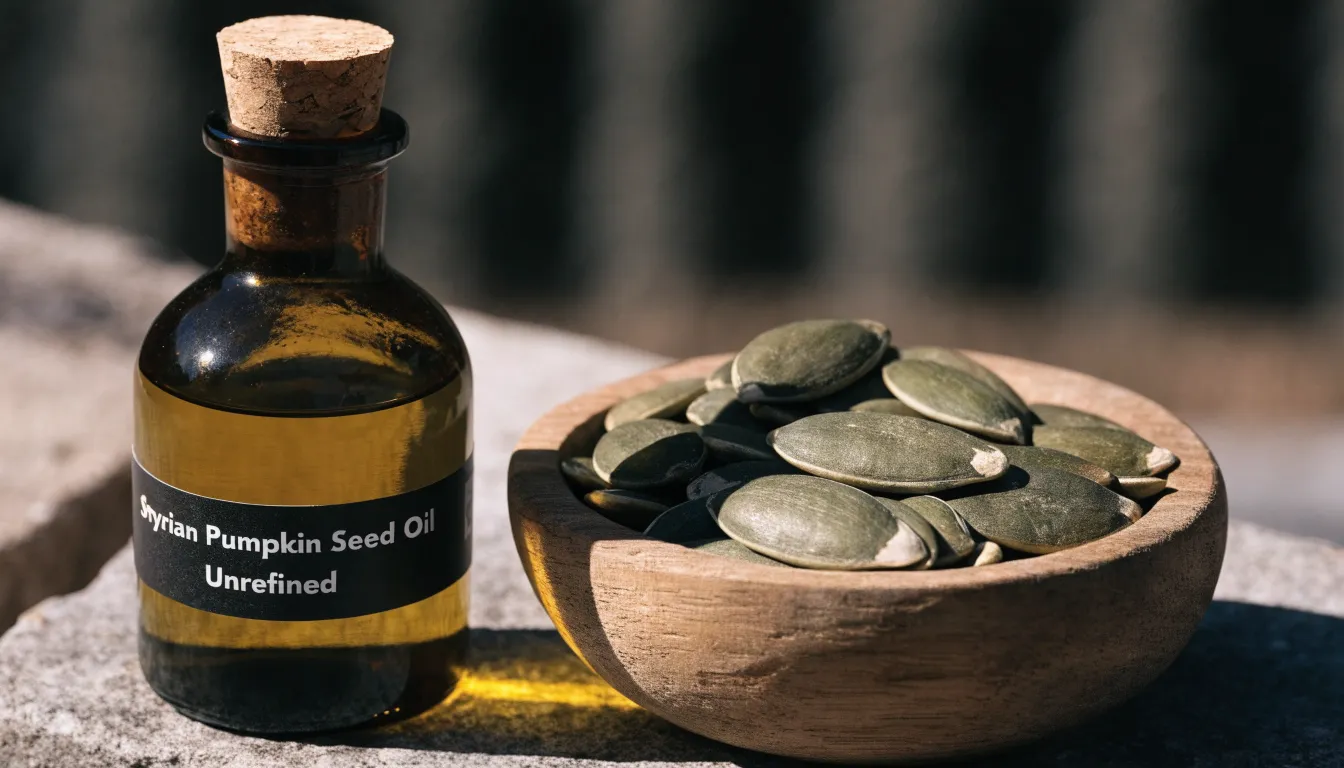
Nutritionally, the oil is rich in essential fatty acids, vitamin E, and important minerals. These nutrients help nourish the skin while also safely diluting concentrated essential oils. Its gentle nature makes it a stable, non-interfering carrier that supports absorption and helps essential oils work effectively.
Because it blends so well with potent extracts, pumpkin seed oil is a trusted foundation for homemade balms, serums, and other wellness products. It brings its own beneficial properties to the mix while letting the essential oils shine, making it a valuable choice for natural, skin-friendly preparations.
Understanding Carrier Oils
Carrier oils come from the fatty parts of plants, like seeds or nuts. They have mild scents and are very stable, making them ideal for mixing with strong essential oils. Their main job is to make these potent extracts safer and more effective for topical use.
First, carrier oils prevent skin irritation. Essential oils are highly concentrated, so using them directly can cause redness or allergic reactions; carrier oils dilute them, acting as a buffer to reduce their harsh impact. Second, they slow down evaporation. Essential oils quickly turn into gas when exposed to air or heat, but carrier oils form a protective layer on the skin that traps these volatile molecules, giving them more time to work.
Finally, carrier oils help essential oils penetrate deeper into the skin. Many carriers are rich in beneficial fatty acids that nourish the skin directly. When combined, they act as a transport system, carrying essential oil molecules into deeper layers while softening the skin to increase its ability to absorb the active ingredients efficiently.
The Nutrient Breakdown
Pumpkin seed oil is rich in zinc, which supports skin repair and regeneration. Zinc helps calm irritation, supports natural healing, and regulates sebum production for a more balanced, clear complexion. It also promotes healthy cell turnover, keeping the skin’s surface smooth and revitalized.
The oil also provides plenty of vitamin E, a strong antioxidant that defends the skin against environmental damage. It neutralizes free radicals that can harm skin cells and speed up aging. By reducing oxidative stress, vitamin E helps maintain firmness, preserve a youthful look, and protect the skin from daily pollution and UV exposure.
Pumpkin seed oil is full of omega-3 and omega-6 fatty acids, which are essential for building the skin’s lipid barrier. This barrier locks in moisture and keeps out irritants, reducing dryness, sensitivity, and redness. These fatty acids also improve elasticity by nourishing the skin at a cellular level, helping it stretch and bounce back for a softer, more resilient texture. Together, zinc, vitamin E, and these fatty acids make pumpkin seed oil a powerful choice for overall skin strength and elasticity.
Soothing Sensitive Skin
Pumpkin seed oil helps calm sensitive skin by reducing redness and irritation. It contains anti-inflammatory antioxidants, including Vitamin E (tocopherols) and carotenoids. These neutralize free radicals, which are unstable molecules that can damage cells and trigger inflammation. By lowering this oxidative stress, the oil helps prevent the reactions that lead to visible redness and discomfort.
Its natural anti-inflammatory properties target the root causes of irritation. For people with rosacea, it can reduce flushing and the look of tiny broken capillaries, promoting a more even skin tone. For those with eczema, it soothes itching and dryness while supporting the skin’s natural healing and helping to break the inflammatory cycle.
Pumpkin seed oil also nourishes and strengthens the skin barrier, which is important for protecting against irritants. Even for general sensitivity caused by environment or minor issues, its gentle calming action helps restore balance and tranquility to reactive skin. This makes it a useful addition to any skincare routine focused on soothing and comforting the complexion.
Boosting Hair Health
Pumpkin seed oil supports hair health from root to tip. It contains phytosterols, which can block the enzyme 5-alpha reductase. This enzyme turns testosterone into DHT, a hormone linked to hair thinning. By lowering DHT levels, pumpkin seed oil helps protect hair follicles from shrinking, supports the natural hair growth cycle, reduces excess shedding, and helps maintain fuller-looking hair.
Applied directly to the scalp, pumpkin seed oil provides deep moisture. Its fatty acids create a gentle barrier that locks in hydration, soothing dry, itchy, and flaky skin. A well-hydrated scalp creates a healthier environment for hair to grow, reducing irritation and discomfort.
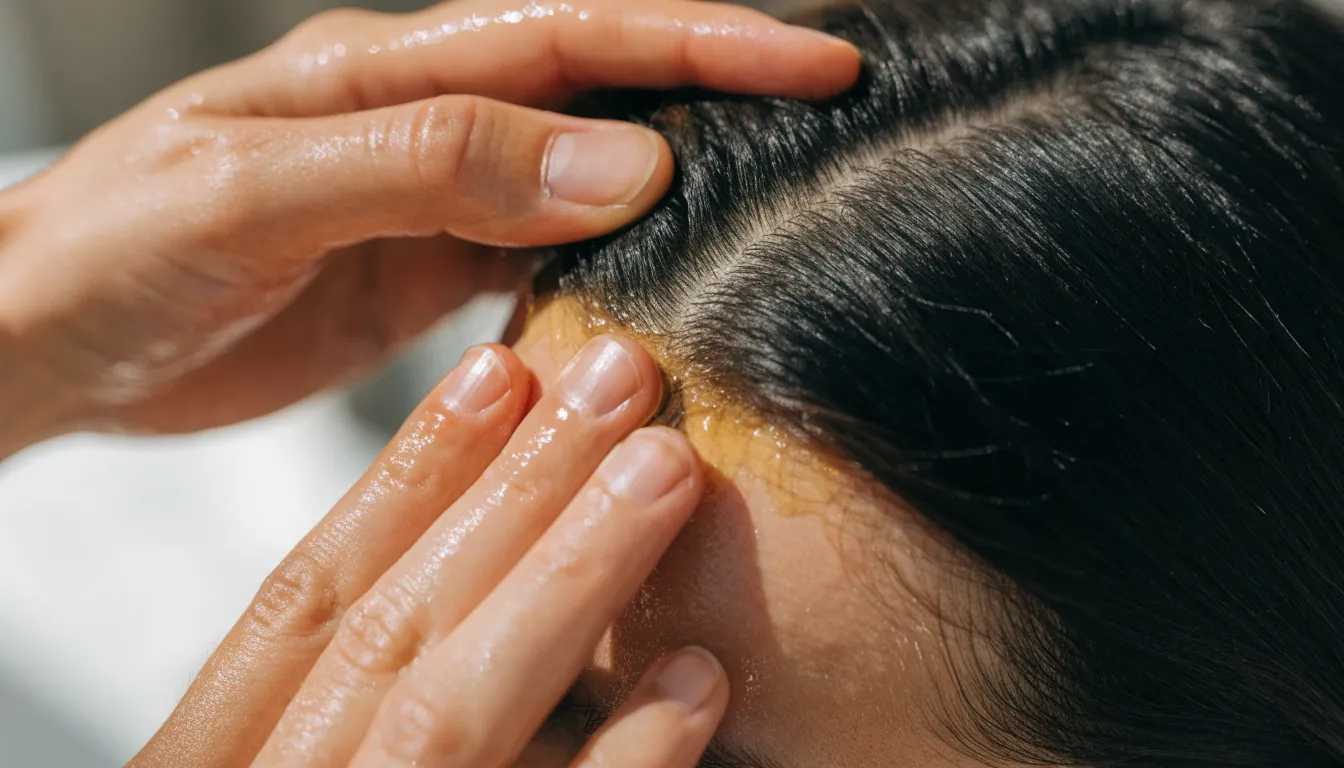
On the hair itself, pumpkin seed oil smooths the cuticles, which become rough when hair is damaged or dry. Smoother cuticles reflect light better, giving hair a natural, healthy shine. This coating also reduces frizz, improves elasticity, and leaves hair softer and easier to manage, making it a great natural conditioner.
Daily Facial Serums
Crafting your own facial serum is simple when you use pumpkin seed oil as a nourishing carrier base. Start with a small dark glass dropper bottle, and follow a general safe dilution of 1–2% essential oil—about 6–12 drops per ounce of carrier oil. Always choose high-quality, batch-tested oils and do a patch test first, especially since facial skin is delicate.
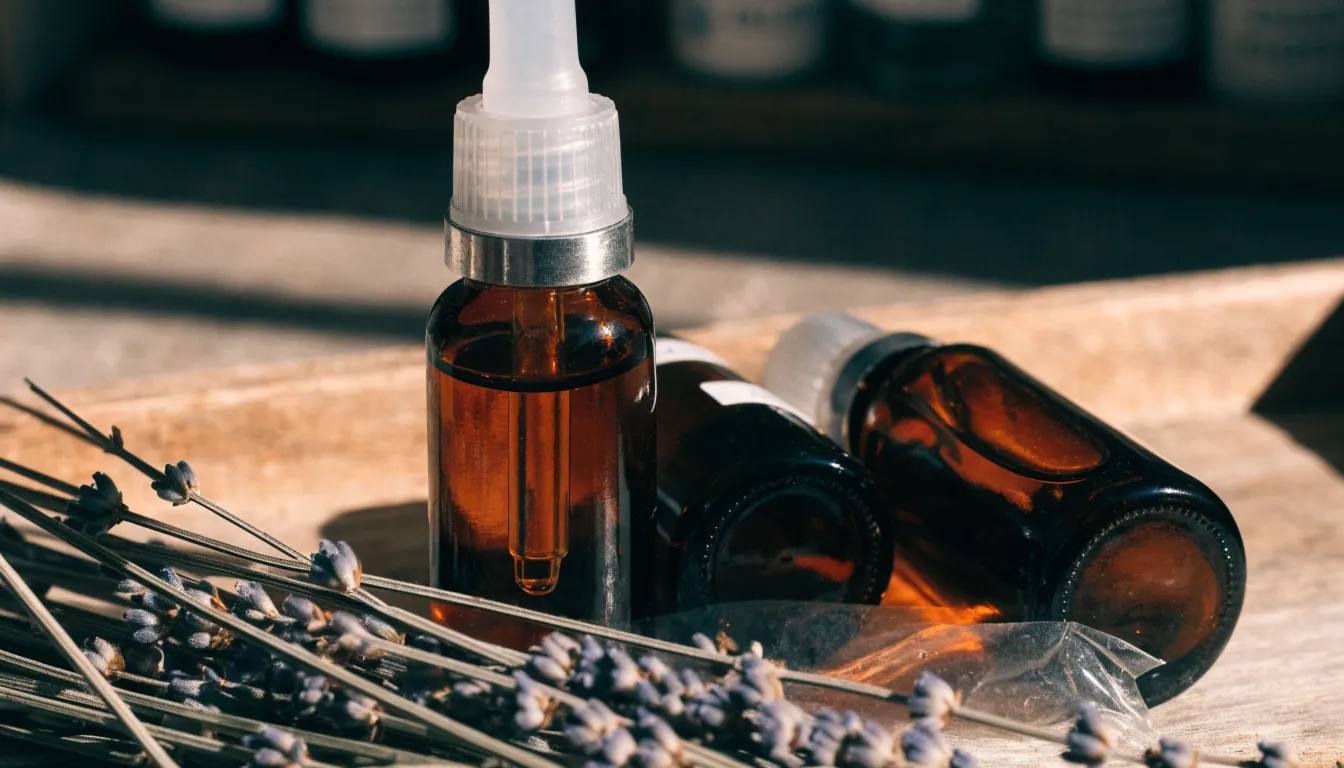
The essential oils you choose should match your skin type. For oily or acne-prone skin, mix one ounce of pumpkin seed oil with 3–4 drops of tea tree oil and 3–4 drops of lavender oil—tea tree helps purify, while lavender calms and soothes. For dry or mature skin, combine one ounce of pumpkin seed oil with 4–5 drops of frankincense and 3–4 drops of geranium oil; frankincense tones the skin and geranium improves overall appearance. For sensitive skin, use just 2–3 drops of chamomile or helichrysum oil in one ounce of carrier oil, as both are known for gentle, calming, anti-irritation benefits.
Apply a few drops of your finished serum to a clean face morning and night, massaging gently. Keep the blend in a cool, dark place away from direct sunlight to preserve its potency. These easy DIY recipes let you create personalized, effective skincare that supports a clear, radiant complexion.
Blending With Lavender Oil
Pumpkin seed oil and lavender oil make a soothing, effective pair for evening skincare. Together, they create a nighttime serum that comforts the senses and supports skin renewal, drawing on the strengths of both oils.
Lavender oil is valued for its calming scent and relaxing effects. When used before bed, its gentle aroma tells the mind and body it’s time to unwind, When used before bed, its gentle aroma tells the mind and body it’s time to unwind, helping create the right conditions for restful sleep and deep relaxation.
Pumpkin seed oil provides rich nourishment through antioxidants, essential fatty acids, and vitamins. These nutrients support the skin’s natural overnight repair, help maintain elasticity, and reduce the visible effects of daily environmental stress. Combined, lavender quiets the mind while pumpkin seed oil works on the skin, so you wake up looking refreshed and revitalized.
Pairing With Tea Tree Oil
Blemish-prone skin needs a careful balance—strong ingredients fight breakouts, but harsh treatments can strip moisture and cause irritation. Combining tea tree oil with pumpkin seed oil solves this gently. Tea tree oil works as an antimicrobial agent, directly targeting the bacteria that cause acne and purifying the skin.
But tea tree oil can be too intense on its own. Pumpkin seed oil acts as a soothing carrier, diluting the tea tree oil to soften its strength while keeping its effectiveness. This reduces the chances of dryness and irritation. It also doesn’t clog pores, which is crucial for acne-prone skin.
Pumpkin seed oil adds nutrients like zinc, vitamin E, and fatty acids. These support the skin’s natural barrier, maintain hydration, and offer antioxidant protection. Together, the two oils attack breakouts while preserving moisture, leading to a calm, balanced, and visibly clearer complexion without sacrificing skin health.
Combining With Frankincense
Pumpkin seed oil is packed with antioxidants, like vitamin E and carotenoids, that fight off damage from free radicals, a major cause of aging. When applied to the skin, it protects cells from environmental stress, helping to keep skin elastic and reduce the appearance of fine lines. Its fatty acids nourish and hydrate, keeping the skin soft and supporting the natural skin barrier, which improves firmness, texture, and a smoother, more youthful look overall.
Frankincense essential oil is well-known for helping skin regenerate. It encourages healthy cell turnover, which is vital for a youthful appearance, helping to smooth out existing wrinkles and prevent new ones by supporting the skin’s structure. It also evens out skin tone and brings a natural glow, reviving tired or dull skin for a fresher, more vibrant look.
When combined, these two oils work together beautifully. Pumpkin seed oil’s antioxidants create a protective foundation, safeguarding the skin from further damage, while frankincense works deeper to boost the skin’s natural renewal process. This means fine lines are tackled from multiple angles: pumpkin seed oil stops new wrinkles from forming, and frankincense rebuilds healthy cells for smoother texture. Together, they provide a complete, holistic approach to rejuvenation, firming aging skin, minimizing fine lines, and restoring a luminous, healthy glow that reflects more resilient and youthful skin.
Mixing With Peppermint Oil
Combining pumpkin seed oil with peppermint oil makes a refreshing scalp treatment for healthier, stronger hair. The tingling you feel from the peppermint is a sign that it’s working: it helps open up blood vessels and boost circulation to the scalp. This brings more oxygen and nutrients to the hair follicles, which supports hair growth and helps hair stay anchored, reducing shedding. Peppermint also leaves the scalp feeling cool, clean, and revived.
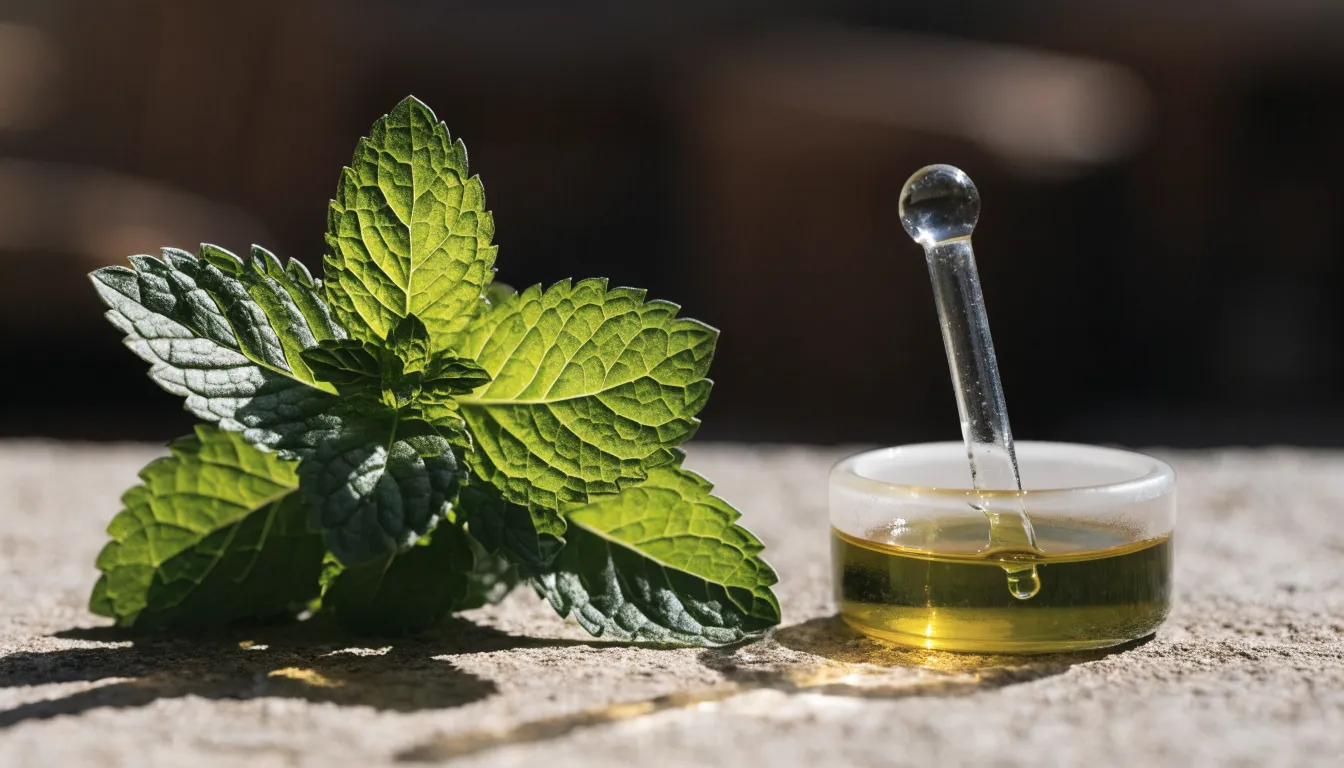
Pumpkin seed oil adds important nutrients like zinc, magnesium, vitamin E, and fatty acids. Zinc helps with hair tissue growth and repair, while the fatty acids deeply moisturize the scalp and prevent dryness or flakiness. These nutrients help keep the hair structure strong and support healthy follicle function.
Together, the two oils nourish the scalp and strengthen hair follicles from within, encouraging steady growth of healthy, resilient hair. The result is a treatment that feels refreshing and actively supports long-term hair strength and growth.
Proper Dilution Ratios
Proper dilution is key to using essential oils safely on your skin. These oils are very strong plant extracts, so they must be mixed with a carrier oil like pumpkin seed, jojoba, or almond oil. This prevents irritation and helps the skin absorb them properly. A helpful rule of thumb is that one ounce of carrier oil holds about 600 drops, making it easier to figure out safe amounts.
For the face, which is delicate, use a lower concentration of about 0.5% to 1%. That works out to 3 to 6 drops of essential oil per ounce of carrier oil. This gentle blend supports the skin’s natural balance and helps address concerns without causing redness or other reactions. For the body, where skin is thicker and more resilient, you can use a higher ratio of 1% to 2%, meaning 6 to 12 drops per ounce. This works well in massage oils, general conditioning, and for targeting muscles or joints.
For people with sensitive skin, children, or older adults, it is safest to use an even milder mix of 0.25% to 0.5%, about 1.5 to 3 drops per ounce. Lower ratios reduce the chance of irritation. No matter what, always do a patch test on a small area before using it more broadly so you know your skin will tolerate it well.
Storage And Shelf Life
Store your custom pumpkin seed oil blends in amber glass bottles. The dark glass blocks UV rays and visible light, which would otherwise damage the oil’s fatty acids and antioxidants, reducing its usefulness and changing its flavor.
Keep the blends cool and away from heat sources like stoves, ovens, or sunny windowsills. Heat speeds up oxidation, which causes rancidity. A dark pantry or cupboard is ideal. A dark pantry or cupboard is ideal, and refrigeration is also fine—if the oil thickens or solidifies, that’s normal and reversible at room temperature, and it can help extend shelf life.
Light and heat together quickly ruin the oil, creating bad tastes, unpleasant smells, and loss of nutrients—this is rancidity. By using amber glass and storing blends in a cool, dark place, you protect the oil’s taste, color, and beneficial compounds, maximizing its shelf life and keeping it effective.
Choosing Quality Oil
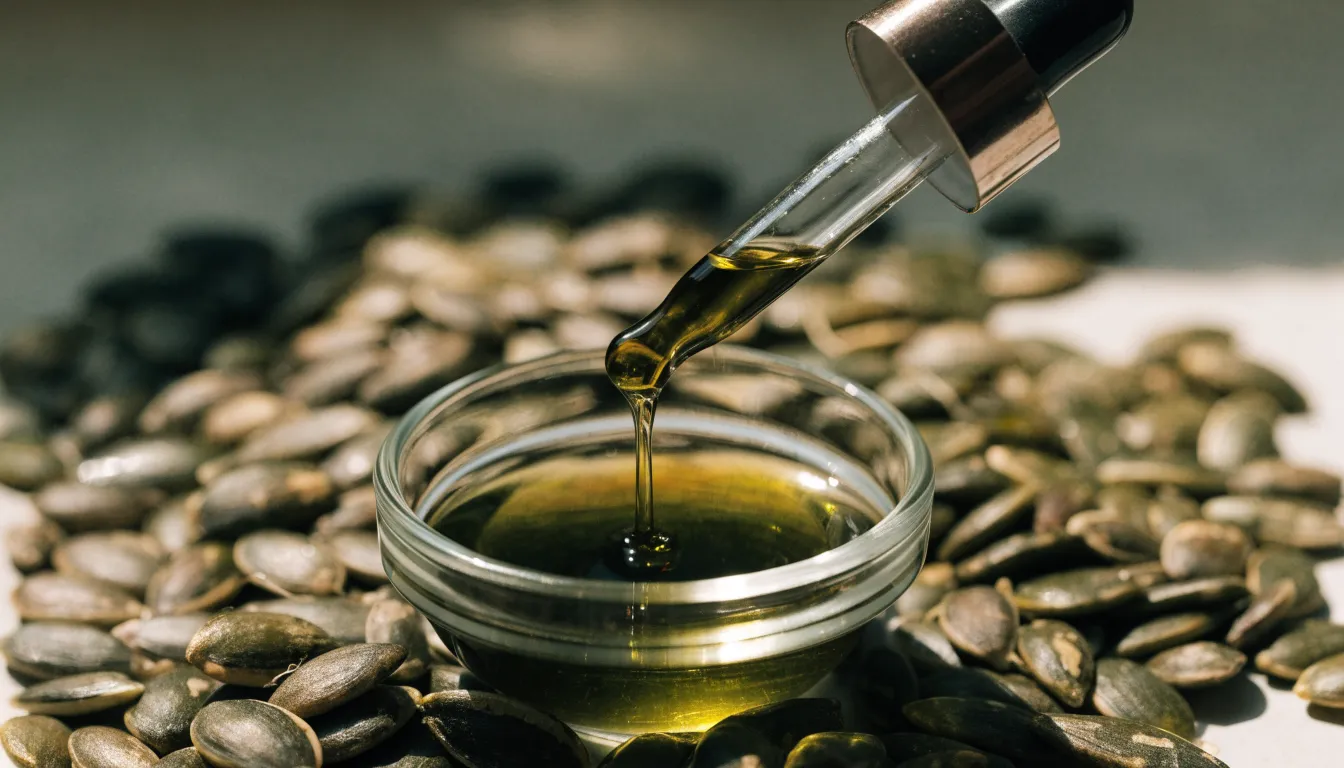
When choosing pumpkin seed oil as a carrier for essential oils, the best option is unrefined, cold-pressed oil. This gentle method presses the seeds without heat, so the oil keeps its important nutrients, including antioxidants, omega-6 and omega-9 fatty acids, vitamins E and K, and phytosterols. Its deep greenish-red color and nutty smell show that it is natural and still full of the compounds that make it helpful.
Refined pumpkin seed oil, on the other hand, is made using high heat and sometimes chemical solvents. This process helps create a clearer, longer-lasting product, but it also removes many of the oil’s beneficial nutrients. Heat and chemicals can destroy vitamins and antioxidants and change the fatty acids. So even though refined oil looks and tastes more neutral, it has far less value as a carrier oil for your essential oils.
To get a high-quality oil, check the label for “cold-pressed” and “unrefined.” Terms like “virgin” or “extra virgin” also indicate gentler processing, and “organic” means the seeds were grown without synthetic pesticides. Dark glass bottles are another good sign, since they protect the oil from light and help keep it fresh and effective. Choosing wisely makes your essential oil blends more beneficial and supports your overall well-being.
Final Oil Tips
Custom essential oil blends are a simple way to support everyday wellness. Adding them to your morning or evening routine helps create intentional moments of balance. With a little planning, ordinary self-care can become a meaningful part of your day.
In the morning, focus on uplifting oils. Diffusing lemon, wild orange, or peppermint can energize your space and boost your mood. For a more invigorating shower, add a few drops of eucalyptus or grapefruit to the shower floor to create an aromatic steam. A roll-on blend with frankincense and rosemary applied to your temples or pulse points can help sharpen focus and mental clarity.
In the evening, switch to calming oils to help you unwind. Diffuse lavender, cedarwood, or bergamot about an hour before bed to signal your body it’s time to rest. A gentle self-massage with diluted Roman chamomile and sandalwood on your neck, shoulders, or feet can release tension. You can also add these oils to a warm bath with Epsom salts for a relaxing soak. Used consistently, these simple rituals can bring greater calm, balance, and natural vitality to your life.
Frequently Asked Questions
What is pumpkin seed oil and what does it look like?
Pumpkin seed oil is made by pressing pumpkin varietals, especially the Styrian pumpkin. Its deep green-and-amber color has a smooth, emollient texture and an earthy toasted scent and taste.
Why is it important to use a carrier oil like pumpkin seed oil with essential oils?
Carrier oils are crucial because essential oils are highly concentrated and can cause skin irritation if used directly. They dilute potent extracts to reduce their harsh impact, slow down evaporation, and help essential oils penetrate deeper into the skin to work more effectively.
What are the key nutrients in pumpkin seed oil and how do they benefit the skin?
Pumpkin seed oil is rich in zinc, vitamin E, and omega-3 and omega-6 fatty acids. Zinc supports skin repair and regulates sebum, vitamin E acts as a strong antioxidant defending against environmental damage, and the fatty acids build the skin’s lipid barrier, locking in moisture and improving elasticity.
Can pumpkin seed oil help soothe sensitive skin conditions?
Yes, pumpkin seed oil helps calm sensitive skin by reducing redness and irritation due to its anti-inflammatory antioxidants, including Vitamin E and carotenoids. For people with rosacea, it can reduce flushing, and for those with eczema, it soothes itching and dryness while supporting natural healing.
How does pumpkin seed oil contribute to healthier hair?
Pumpkin seed oil supports hair health, and its phytosterols may block the enzyme linked to hair thinning. Applied to the scalp, its fatty acids provide deep moisture, soothing dryness and flakiness, while smoothing hair cuticles to add shine, reduce frizz, and improve elasticity.
What are the general dilution guidelines when using pumpkin seed oil as a carrier for essential oils?
For delicate facial skin, use a lower concentration of 0.5% to 1%, equivalent to 3 to 6 drops of essential oil per ounce of carrier oil. For the body, a ratio of 1% to 2% (6 to 12 drops per ounce) is suitable, but for sensitive skin, children, or older adults, use an even milder mix of 0.25% to 0.5% (1.5 to 3 drops per ounce); always do a patch test first.