
Sage essential oil, derived from Salvia officinalis, is rich in antioxidants and compounds like thujone and camphor. It supports mental focus, skin care, hair growth, and digestion. It also aids stress relief, and respiratory health, and serves as a natural cleaning agent and soothing bath additive.
Table of Contents
- Understanding Sage Oil
- Sage Versus Clary Sage
- Boosting Mental Focus
- Natural Skin Care
- Healthy Hair Growth
- Digesting with Ease
- Sage and Hormones: What to Know
- Stress and Anxiety Relief
- Respiratory System Support
- Herbal Bath Soaks
- Joint and Muscle Soother
- Diffuser Blend Ideas
- Topically Applying Sage
- Natural Cleaning Hacks
Understanding Sage Oil
Common sage, or Salvia officinalis, has a distinctive natural makeup that sets its essential oil apart. The oil is packed with a complex mix of plant compounds, especially potent antioxidants, which are largely responsible for its many traditional uses and benefits.
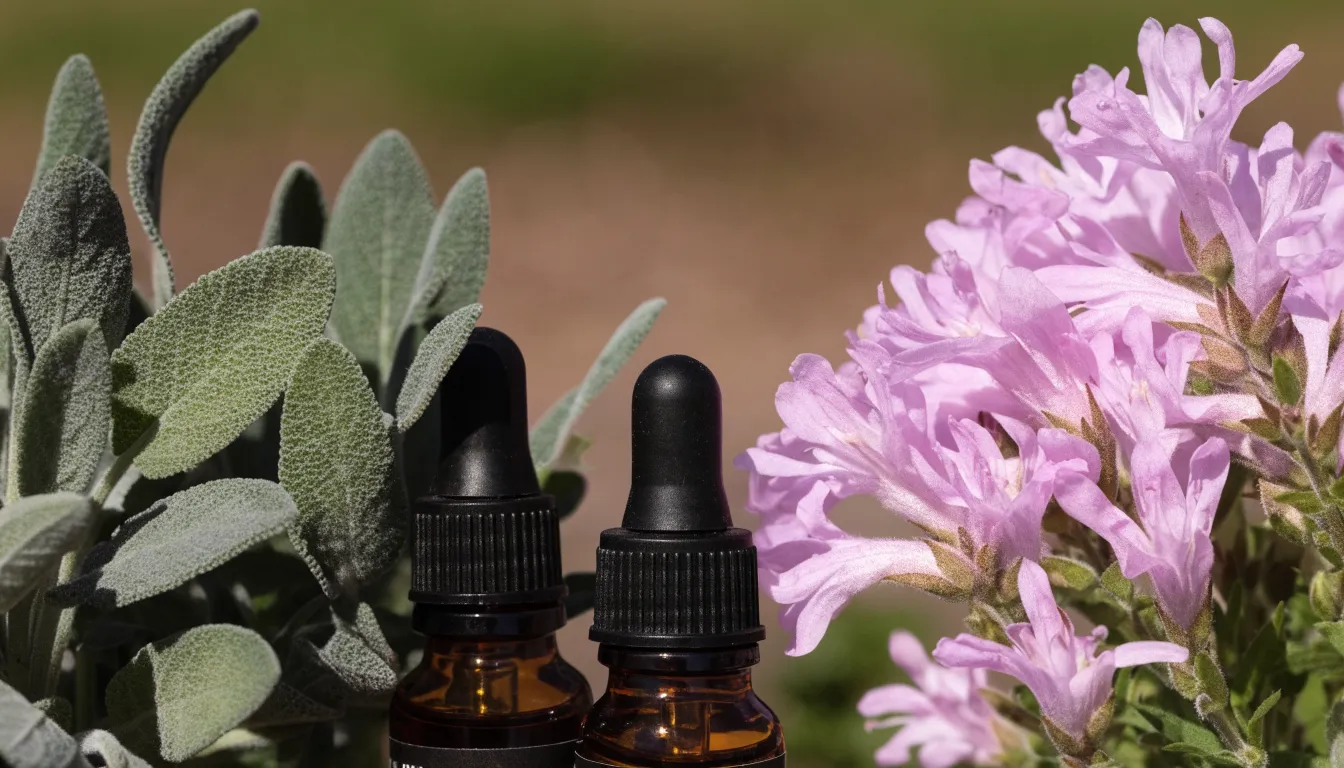
Key ingredients include monoterpenes like thujone and camphor. Thujone gives sage oil its sharp, herbaceous aroma and helps define its unique character, while camphor adds a crisp, penetrating scent. Together, these compounds shape the oil’s overall profile and support its classic applications.
Other naturally occurring substances—such as flavonoids, phenolic acids, and additional terpenes—work together to give the oil its high antioxidant capacity, which helps support cellular integrity. This combined synergy makes sage essential oil both powerful and distinctive, explaining why it has remained a valued herbal remedy for centuries.
Sage Versus Clary Sage
Common sage, or Salvia officinalis, is a small perennial shrub with grey-green leaves and purple flowers. Its essential oil has a strong, herbaceous, camphor-like aroma that is savory and pungent. It contains thujone, camphor, and 1,8-cineole, so it must be used carefully, especially in high amounts or internally. Because of its thujone content, it is generally advised against during pregnancy and for people with seizure disorders. Its main uses include supporting digestion, fighting microbes, aiding cognitive function, and supporting oral hygiene.
Clary sage, or Salvia sclarea, is a taller biennial herb with large, hairy leaves and pink-lilac flower stalks. Its essential oil smells sweet, earthy, and herbaceous, with soft floral and musky notes that feel calming and balsamic. Chemically, it is rich in linalyl acetate, linalool, and sclareol, and it does not contain thujone. This gives it a gentler safety profile, though it should still be used thoughtfully. It is best avoided during pregnancy because it may affect uterine contractions, and it should not be used before activities that require sharp focus due to its sedative qualities.
In terms of function, clary sage oil is often used to promote relaxation, reduce stress, and benefit skin and hair health. Common sage oil, on the other hand, is more valued for digestive support, antimicrobial action, cognitive support, and oral hygiene. Knowing these differences helps you choose the right oil for your needs.
Boosting Mental Focus
Sage essential oil is a natural way to sharpen mental focus, especially during mentally demanding tasks. Inhaling it directly stimulates the brain’s cognitive functions, as its aromatic compounds interact with neural pathways to promote alertness and clarity. This helps you concentrate better, ignore distractions, and keep a steady flow of productive thought.
It also supports memory recall, making it valuable for study sessions or demanding work. By aiding information retrieval, sage oil helps make learning more efficient and ensures that knowledge is easy to access when needed. This can be a real advantage for anyone who needs to remember details quickly and accurately.
Finally, sage essential oil helps fight mental fatigue. After long periods of focus, it can relieve mental weariness and rejuvenate the mind, allowing for sustained performance. With regular inhalation, it becomes a useful ally for staying sharp, enduring challenging tasks, and optimizing cognitive performance naturally.
Natural Skin Care
Sage essential oil is a great addition to natural skincare because it helps keep your complexion healthy and clear. Its antimicrobial properties stop bacteria from growing, which helps prevent blemishes and keeps pores clear. By addressing this root cause, sage oil supports a cleaner skin surface and a clearer appearance over time.
The oil also has strong anti-inflammatory abilities, making it perfect for soothing skin that is red or irritated. Whether the discomfort comes from the environment or minor skin issues, applying sage oil helps calm visible redness and inflammation. This promotes a smoother, more comfortable skin texture and lessens any feeling of tightness.
One of its most valued functions is balancing sebum, or natural skin oil. When your skin produces too much oil, it can clog pores and look greasy. Sage oil gently regulates this output, reducing shine and minimizing the appearance of enlarged pores—all without stripping away your skin’s vital moisture barrier. Together, its cleansing, calming, and balancing actions make sage oil a powerful natural resource for achieving visibly clearer, soothed skin.
Healthy Hair Growth
Massaging diluted sage essential oil into the scalp is a natural way to support healthy hair growth. It helps strengthen hair follicles and soothes a dry scalp. Gentle massage also boosts blood circulation in the area, which delivers more oxygen and nutrients to the hair roots, creating a better environment for hair to grow stronger.

Sage oil also helps fight common scalp problems. It balances the scalp’s natural oils, reducing dandruff and dryness. Its calming properties ease irritation and itchiness, leaving the scalp more comfortable and healthy, with fewer barriers to hair growth.
With regular use, sage oil strengthens hair strands from root to tip. Healthier follicles make hair more resilient and less likely to break. This overall care supports not only growth but also improves the shine, strength, and vitality of your hair, giving you a visibly healthier mane.
Digesting with Ease
Sage essential oil is known for its natural, soothing effects on digestion. Its main benefit is being carminative, which means it helps release trapped gas from the stomach and intestines. Used in a topical application, it offers gentle relief from heaviness and stomach discomfort.
Because it helps push gas out, sage oil can ease the pressure and pain caused by stomach cramps. Many cramps come from trapped gas or digestive upset. A gentle massage with diluted sage oil on the belly helps relax the muscles and calm the pain.
Bloating also comes from built-up gas, leaving the belly feeling full and tight. Rubbing sage oil into the abdomen encourages the release of trapped air, reducing swelling and bringing a sense of calm. With regular use, it helps the stomach feel settled and relaxed, supporting natural and comfortable digestion.
Sage and Hormones: What to Know
Sage essential oil (from Salvia officinalis) is sometimes described as hormone-balancing, often because it gets confused with clary sage (Salvia sclarea), a different plant. There’s no good evidence that sage essential oil balances hormones.
More important, common sage oil contains thujone, a compound that can cause seizures in high doses. Avoid sage essential oil if you’re pregnant or breastfeeding, have epilepsy, or are using it around children. Keep it at a low dilution on skin, and never swallow it.
Stress and Anxiety Relief
After a long, demanding day, true relaxation is essential for overall well-being. Modern life often leaves people feeling wired and unable to shift from high activity to calm rest. Sage essential oil, used through aromatherapy, offers a gentle way to ease this transition. Its unique scent has grounding, calming effects that target the nervous system and promote a sense of inner peace.
When inhaled, the oil’s molecules interact with the olfactory system and signal the brain to relax. This helps reduce the “fight or flight” response and encourages the “rest and digest” state. As a result, mental and physical tension drops: muscles loosen, the mind becomes quieter, and a deep sense of ease takes over.
Adding sage essential oil to an evening routine—through a bedroom diffuser or diluted on pulse points—creates a simple ritual for deep relaxation. This prepares both body and mind for sleep, helping release the day’s stress and supporting a calm, restful night.
Respiratory System Support
Sage essential oil is very helpful for the respiratory system, especially when used with warm herbal steam. This method combines gentle steam with the oil’s natural properties to make breathing easier. Steam inhalation is a simple and effective way to use sage oil, sending its aromatic compounds directly into the respiratory passages for a soothing, clearing effect.
Breathing in warm vapor with sage oil helps clear blocked airways. The steam loosens mucus, while the oil’s natural components create a feeling of openness in the nasal passages and bronchial tubes. This can greatly relieve stuffiness or chest heaviness. It also calms sore or scratchy throats, as the warm, moist air works with the oil to ease irritation.
This method can also help with seasonal breathing discomfort. During times when the weather or environment affects breathing, regular steam inhalations with sage oil offer steady support, helping maintain clear and easy breathing throughout the day. Beyond the physical benefits, inhaling warm sage-infused vapor is calming and supports overall well-being.
Herbal Bath Soaks
A simple herbal bath soak with sage essential oil can turn an ordinary bath into a calming ritual. The mix starts with Epsom salts, which provide magnesium to help relax muscles and ease tired limbs. A carrier oil, such as jojoba, almond, or fractionated coconut oil, is added to safely dilute the sage oil and keep skin soft and moisturized.
To make the soak, combine one cup of Epsom salts with one to two tablespoons of your chosen carrier oil. Add five to eight drops of sage essential oil to the carrier oil and stir well. This dilution is important, as undiluted sage oil can be too strong for direct skin contact. Then mix the oil blend into the salts until the crystals are evenly coated. Any leftover mixture can be stored in an airtight container.
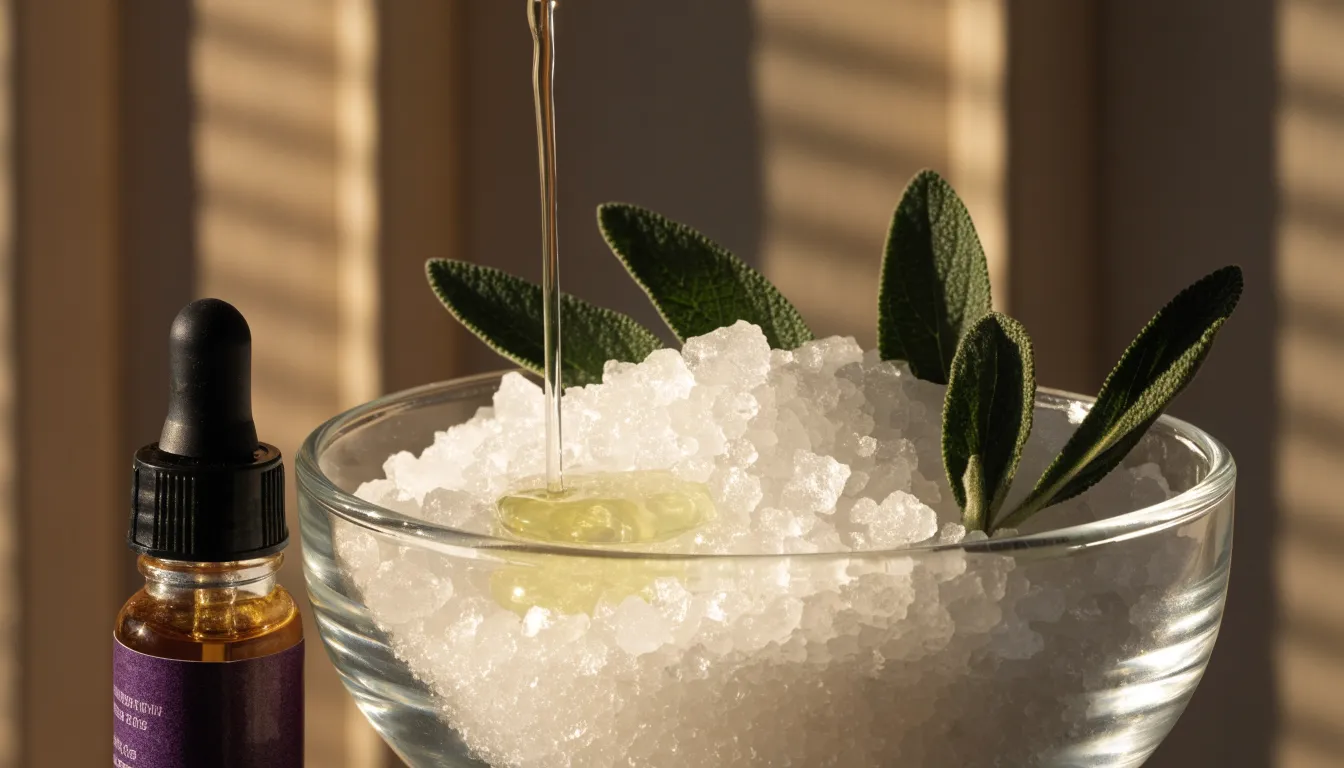
When you are ready, pour the mixture into a warm bath and swirl the water to dissolve the salts. The rising steam carries sage’s herbaceous, calming scent, creating a relaxing atmosphere. Soak for at least 20 minutes so the magnesium and therapeutic properties of sage can melt away physical tension and quiet the mind.
Joint and Muscle Soother
Sage essential oil offers a natural way to support an active lifestyle, especially for post-exercise recovery. When diluted with a carrier oil like jojoba or almond oil and applied to the skin, it targets areas of strain and fatigue directly, bringing comfort to sore tissues.
One of its main benefits is reducing inflammation. After exercise, the body’s natural healing response can cause swelling and tenderness. Sage oil helps calm these inflammatory reactions, easing discomfort without harsh chemicals. It is also great for soothing overworked muscles. Massaging the blend into tired limbs improves circulation, which helps flush out lactic acid and other waste products that cause soreness. This relaxes tight muscle fibers and reduces that deep, aching feeling.
Sage oil also helps with joint stiffness caused by strenuous activity. By supporting healthy tissue function and lowering inflammatory signals, it can restore flexibility and relieve the restrictive sensation in joints. This makes movement smoother and less painful, helping you recover faster and feel more comfortable before your next workout. Overall, sage essential oil is a simple, holistic way to ease soreness and support physical well-being.
Diffuser Blend Ideas
Sage essential oil has a distinct herb-like, slightly medicinal scent. In a diffuser, it helps cleanse indoor air and creates a noticeable feeling of upliftment and well-being. It also blends well with a wide range of other oils, so you can easily adjust the aroma to fit different moods and spaces.
For an energizing and fresh effect, mix 3 drops of sage with 4 drops of lemon and 2 drops of grapefruit. This bright blend refreshes the air and is great for mornings, living areas, or a home office. For a calmer, more balanced effect, mix 3 drops of sage with 3 drops of lavender and 2 drops of geranium. This soothing combination helps with evening relaxation, sleep preparation, and meditation, promoting emotional calm without making you feel overly drowsy.
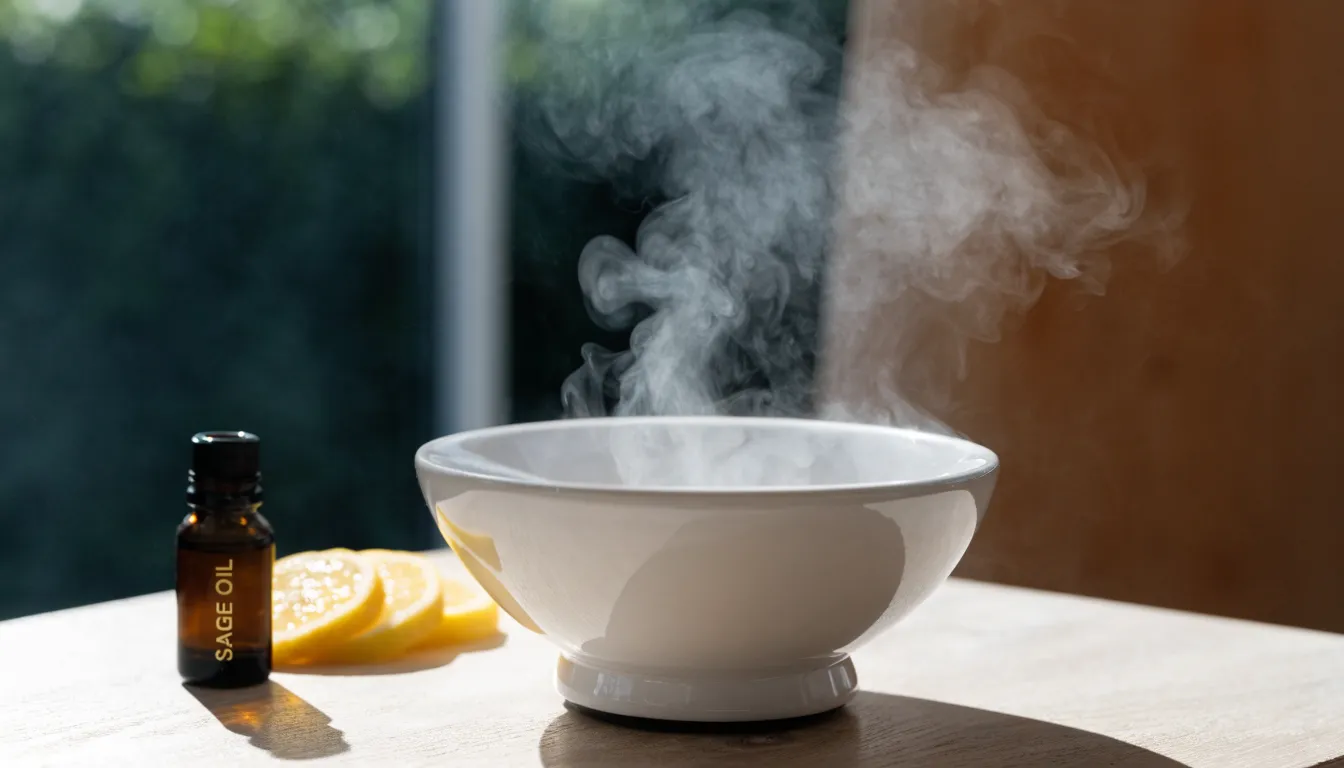
For a grounding and deeply purifying effect, mix 3 drops of sage with 4 drops of cedarwood and 2 drops of frankincense. The earthy, woody notes create a stable and peaceful aroma that supports focus, contemplation, and clearing the air in larger common areas. With these blend ideas, you can easily change the whole feel of any room.
Topically Applying Sage
When applying sage essential oil to your skin, safety comes first. Because essential oils are highly concentrated, using them undiluted can cause irritation. Carrier oils help by lowering the oil’s strength, making it easier for the skin to absorb, and adding their own skin-loving benefits. Good choices include jojoba oil, which closely matches the skin’s natural oils and works well for oily or acne-prone skin; sweet almond oil, which is light, moisturizing, and gentle; fractionated coconut oil, which is non-greasy and stable; and argan oil, which is nourishing and restorative. Always pick a pure, high-quality, cold-pressed carrier oil.
Dilution ratios matter. For general adult use, a 1–2 percent dilution is recommended. To make a 1 percent blend, use about 6 drops of sage oil per 1 fluid ounce (30 ml) of carrier oil. For 2 percent, use about 12 drops. If the skin is sensitive, for children, or for larger body areas, use a lower 0.5 percent dilution, about 3 drops per ounce. For short-term use on a small, targeted area, a stronger 3–5 percent dilution may be considered, but only with extreme caution and after a successful patch test.
Always patch test first. Apply a small amount of the diluted blend to a discreet spot, like the inner forearm, and wait 24 hours to check for redness, itching, burning, or irritation. If there is no reaction, broader use is usually fine. Never apply near the eyes, inner ears, or other sensitive areas.
Natural Cleaning Hacks
Sage essential oil acts as a natural antibacterial cleaner when mixed with a few simple ingredients. You can combine distilled water, white vinegar, and several drops of the oil in a spray bottle for a powerful all-purpose cleaner. This mixture works great on kitchen and bathroom countertops, where the vinegar disinfects and the sage oil adds an extra layer of protection against germs without harsh chemicals.

The oil is also perfect for freshening fabrics and eliminating odors. A lighter spray made with just water and sage oil can be misted onto bedding, curtains, and furniture to give them a clean, herbal scent. This same solution effectively neutralizes stubborn household smells, such as lingering cooking aromas, pet odors, or musty closets, leaving a crisp and fresh fragrance behind.
These natural cleaning hacks are valued for their simplicity and effectiveness. Most importantly, they provide peace of mind, as the ingredients are safe for your family and pets while still ensuring your home is genuinely sanitized and clean.
Frequently Asked Questions
What are the main compounds found in sage essential oil?
Sage essential oil contains a complex mix of plant compounds, particularly potent antioxidants. Key ingredients include monoterpenes like thujone and camphor, which contribute to its sharp aroma and unique character. Other naturally occurring substances like flavonoids and phenolic acids also give the oil its high antioxidant capacity.
What is the difference between common sage and clary sage essential oil, and are there safety considerations?
Common sage oil contains thujone and has a strong, herbaceous aroma, making it generally advised against during pregnancy and for people with seizure disorders. Clary sage oil does not contain thujone, has a sweeter, calming aroma, and is typically used for relaxation; however, it should still be avoided during pregnancy and before activities requiring sharp focus due to its sedative qualities.
How can sage essential oil help with mental focus and concentration?
Inhaling sage essential oil stimulates the brain’s cognitive functions, promoting alertness and clarity to help you concentrate better and ignore distractions. It also supports memory recall, making learning more efficient, and helps fight mental fatigue to rejuvenate the mind after long periods of focus.
Can sage essential oil be used for skin and hair health?
Yes, for skin, its antimicrobial properties help prevent blemishes and clear pores, while its anti-inflammatory abilities soothe redness and irritation. For hair, massaging diluted sage oil into the scalp strengthens follicles, boosts circulation, and balances oils to reduce dandruff and dryness, promoting stronger, more vibrant hair.
How does sage essential oil assist with digestion?
Sage essential oil is known for its carminative properties, which means it helps release trapped gas from the stomach and intestines, providing gentle relief from heaviness and discomfort. It can ease pressure and pain from stomach cramps and reduce bloating by encouraging the release of trapped air.
What are the proper steps for applying sage essential oil topically?
Always dilute sage essential oil with a carrier oil, such as jojoba or sweet almond oil, at a recommended 1-2 percent dilution for general adult use (e.g., 6-12 drops per fluid ounce). Before broader use, apply a small amount of the diluted blend to a discreet spot like the inner forearm for a patch test, waiting 24 hours to check for irritation. Never apply it near the eyes, inner ears, or other sensitive areas.