Carrier oils are plant-based oils extracted from fruits, nuts, and seeds, offering vital fatty acids and nutrients to hair. They penetrate the hair shaft, replenishing moisture, sealing cuticles, and strengthening strands from within. This action prevents dryness, reduces frizz, improves elasticity, and repairs damaged hair, making it softer, shinier, and more resilient.
Table of Contents
- Understanding Carrier Oils
- Coconut Oil Secrets
- Argan Oil Magic
- Jojoba Oil Benefits
- Sweet Almond Nourishment
- Castor Oil Power
- Olive Oil Therapy
- Avocado Oil Goodness
- Rosehip Seed Healing
- Grapeseed Versus Jojoba
- Mixing with Essential Oils
- Scalp Massages Explained
- Warm Oil Treatments
- Leave In Application
Understanding Carrier Oils
Carrier oils are plant-based oils taken from the fatty parts of fruits, nuts, and seeds. Unlike essential oils, which are strong and aromatic, carrier oils are gentle, non-volatile, and rich in natural fatty acids. These include saturated, monounsaturated, and polyunsaturated types, and together they provide the base nourishment that hair needs.
The key to how carrier oils work is their lipid structure. These oils contain fats that are very similar to the natural oils in healthy hair. When applied, they replenish lost moisture, seal the hair cuticle, and create a protective barrier. This helps prevent dryness, reduce frizz, improve elasticity, and gives hair a smoother, shinier surface.
Carrier oils also go deeper than the surface. Their fatty acids can penetrate the hair shaft and strengthen it from within. This helps repair brittle strands, reduce split ends, and improve overall resilience. By delivering lasting moisture and nutrients, carrier oils restore damaged hair, leaving it softer, healthier, and easier to manage.
Coconut Oil Secrets
Coconut oil is highly valued for treating dry, damaged hair, and its main power comes from lauric acid. Unlike many oils that just sit on the surface, this medium-chain fatty acid has a small, straight structure that lets it actually penetrate the hair shaft. That deep entry is what makes it so effective at conditioning from the inside out.
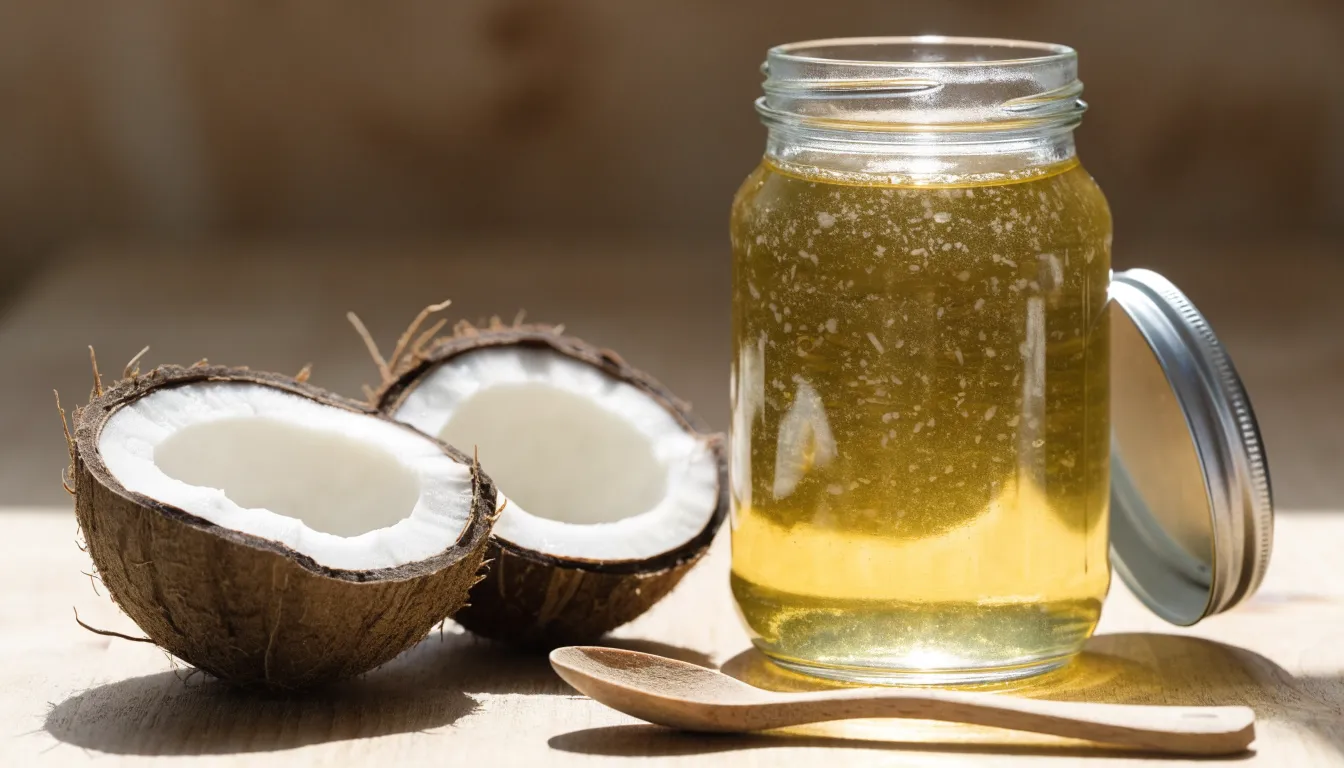
Once inside, lauric acid helps support the hair’s natural protein structure. Everyday habits like washing, brushing, and styling can cause protein loss and weaken strands over time. By embedding itself in the hair, coconut oil reduces that protein loss and acts like an internal support system, making hair stronger and less likely to break. This also helps repair brittle ends and makes them more resistant to splitting.
For hair damaged by heat styling, coconut oil provides deep moisture restoration. Heat strips away natural oils and leaves hair extremely dry, but the penetrating lauric acid helps seal moisture back in. This counteracts dehydration from blow dryers, straighteners, and environmental stress, leaving hair softer, shinier, and full of renewed vitality.
Argan Oil Magic
Argan oil, often called liquid gold, transforms dull, frizzy hair into shiny, healthy-looking strands. Its magic comes from a rich mix of antioxidants and vitamin E, which work together to give quick, visible improvements in texture and glow.
The antioxidants act as a protective barrier, defending hair against pollution and UV rays. By neutralizing free radicals, they keep the hair shaft strong and prevent dullness and frizz, helping hair keep its natural luster.
Vitamin E adds deep nourishment by penetrating each strand, moisturizing and strengthening hair from within. Argan oil also seals the hair cuticle, smoothing rough outer scales so hair reflects light evenly. This locks in moisture, stops frizz, and leaves hair looking glossy, vibrant, and instantly healthier.
Jojoba Oil Benefits
Jojoba oil supports healthy hair growth mainly by balancing scalp oils. Its structure closely mimics human sebum, the scalp’s natural oil. When applied, it signals the sebaceous glands that enough oil is present, helping to reduce excess oil production or relieve dryness. This brings the scalp’s oil levels into a healthier equilibrium.
Because jojoba oil is so similar to sebum, it can penetrate and dissolve built-up oil on the scalp. Styling products, dirt, and natural oils can form a greasy layer that weighs hair down and blocks follicles. Jojoba gently lifts this buildup, clearing the way for better follicle function.
By unclogging hair follicles, jojoba oil helps remove a common cause of slow growth and hair loss. Clean, open follicles allow nutrients to reach the hair root and reduce inflammation. This creates a clean, balanced scalp environment, supporting stronger, more consistent hair growth and healthier-looking strands.
Sweet Almond Nourishment
Sweet almond oil deeply nourishes hair, softening rough textures and helping to prevent split ends. Its lightweight feel allows it to soak into the hair shaft without leaving heavy or greasy buildup, so it works well for many hair types, even those that get weighed down easily. Packed with vitamin E and B-complex vitamins, it strengthens hair from the inside out.
This oil smooths coarse strands by coating each hair fiber and sealing the cuticle, which reduces friction and leaves hair noticeably softer and silkier. Over time, it also boosts the hair’s tensile strength, improving elasticity and helping hair hold up better against styling, weather, and everyday wear and tear. Stronger hair is much less likely to break along the shaft.
By strengthening the hair and locking in moisture, sweet almond oil protects the vulnerable ends, where split ends usually form. It creates a barrier that prevents fraying and splitting, so hair can grow longer and healthier without needing frequent trims. Adding it to a regular hair care routine results in smoother, more resilient hair with fewer rough patches and damaged ends.
Castor Oil Power
Castor oil is known for helping hair grow thicker, especially around thinning edges. Its main power comes from ricinoleic acid, a fatty acid that boosts blood flow when applied to the scalp. Better circulation means hair follicles get more oxygen and nutrients, which helps them grow stronger, healthier hair.
Targeting weak edges with castor oil delivers these nutrients right to the follicles. This can wake up dormant follicles and help existing ones produce thicker, tougher hair. Over time, sparse areas can look fuller and more dense.
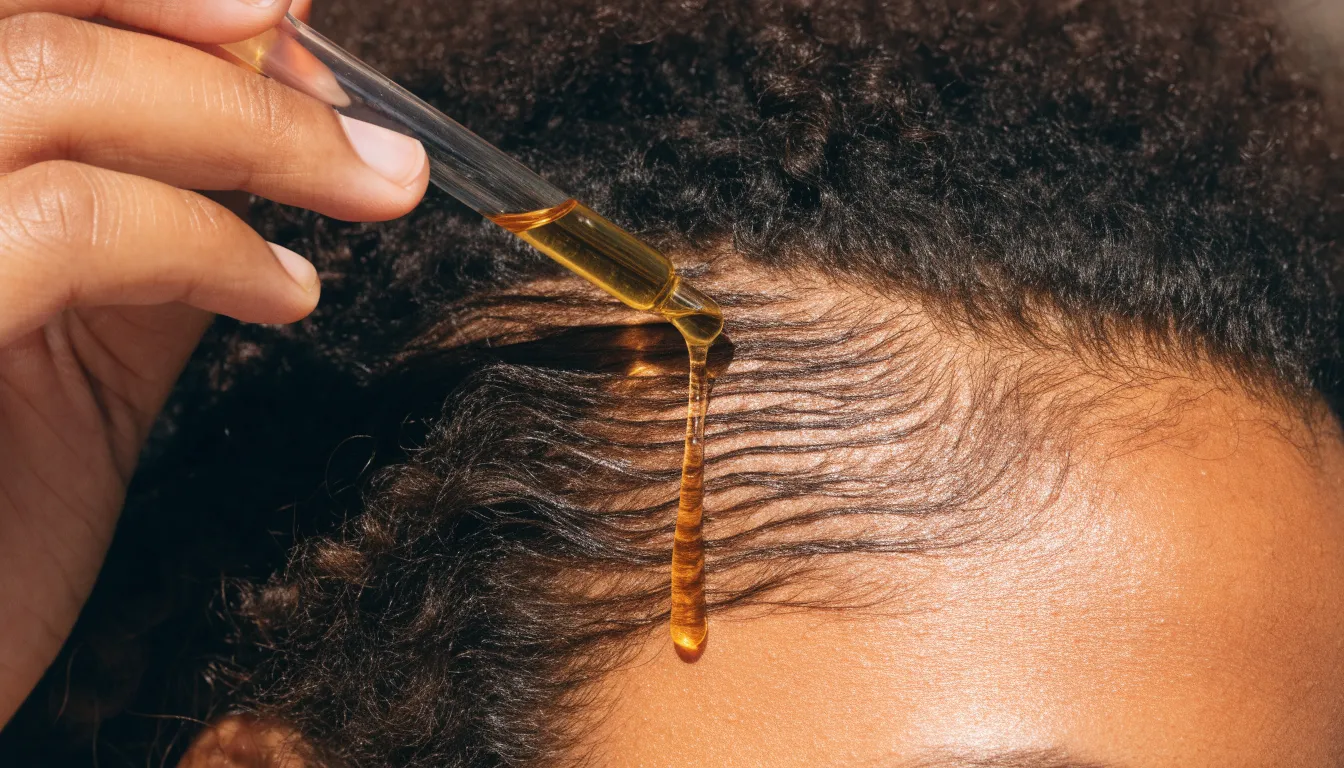
Castor oil also acts as a humectant, drawing moisture into each hair strand. This makes the hair look plumper and less likely to break, adding to the overall appearance of thick, healthy hair.
Olive Oil Therapy
Olive oil is a great treatment for coarse, curly hair, giving it deep, heavy moisture. Extra virgin olive oil is especially good because it’s very emollient, and its rich fatty acids—especially oleic acid—help it soak into the hair shaft. It delivers hydration where it’s needed most.
Once in the hair, olive oil coats each strand with a protective barrier that locks in moisture. For high-porosity hair, which often has raised cuticles, this helps smooth the outer layer, reduces frizz, and protects hair from damage.
With regular use, olive oil softens the hair over time, making dry, stiff curls more manageable and bouncy. It also helps with detangling and prevents breakage. You can use it as a pre-shampoo treatment or leave it on dry ends for lasting softness and healthy-looking curls.
Avocado Oil Goodness
Avocado oil is especially effective for repairing hair damaged by heat styling and chemical treatments thanks to its high levels of monounsaturated fats and oleic acid. These compounds closely resemble the natural lipids in hair, so the oil interacts well with the hair’s structure.
Unlike lighter oils that only coat the surface, avocado oil penetrates deep into the hair shaft, reaching the cortex at the center of each strand. Once inside, it replenishes moisture and lipids lost to heat damage, smoothing rough cuticles and restoring elasticity to brittle, dry hair.
The same deep conditioning action helps relieve chemical dryness from coloring or perming. Oleic acid and monounsaturated fats strengthen the hair from within, reduce breakage, and improve resilience. With regular use, avocado oil restores softness, luster, and lasting vitality to even the most damaged hair.
Rosehip Seed Healing
Rosehip seed oil is especially helpful for an itchy, flaky scalp. It contains anti-inflammatory fatty acids like linoleic and alpha-linolenic acid, along with vitamins A and C. These work together to calm irritated skin, reduce redness, and ease discomfort by targeting the root causes of inflammation, not just covering up symptoms. This helps stop the urge to scratch and creates a more comfortable scalp environment.
The oil’s vitamins add extra benefits. Vitamin A supports healthy cell turnover, helping dead skin cells shed properly so flakes don’t build up or clog hair follicles. Vitamin C acts as an antioxidant, supporting skin repair and collagen production, which keeps the scalp strong, elastic, and better protected against environmental damage.
Together, these ingredients make rosehip seed oil a restorative treatment for sensitive scalps. It helps balance natural oil production, preventing both dryness and excess oiliness that can lead to flaking. With regular use, it strengthens the scalp’s natural barrier, making it more resistant to irritants and inflammation—leading to a calm, flake-free scalp and healthier hair growth from the roots.
Grapeseed Versus Jojoba
For fine hair, both grapeseed and jojoba oils are great choices because they are light and non-greasy. They condition without weighing hair down, but they work in slightly different ways, so the right pick depends on your hair’s needs.
Grapeseed oil is very light and absorbs quickly thanks to its high linoleic acid content. It won’t clog hair follicles, helps keep the scalp healthy, and adds moisture and shine without leaving heavy buildup. It’s best for fine hair that gets oily quickly and just needs a light conditioning effect.
Jojoba oil is different because it acts like the scalp’s natural sebum. It helps balance oil production, so it can calm an oily scalp while still hydrating dry hair. It also forms a thin protective layer that adds shine and flexibility without feeling greasy. Choose jojoba if your main concern is scalp balance and protection; choose grapeseed if you want a quick, weightless moisturizer.
Mixing with Essential Oils
To make a safe DIY hair serum, always dilute essential oils in a carrier oil. Essential oils are very strong, so they should never go directly on your skin or scalp. A good rule is a 2% dilution: add about 10 to 12 drops of essential oil for every 1 ounce (30 ml) of carrier oil. Use a nourishing base like jojoba or argan oil in a clean dark glass dropper bottle.
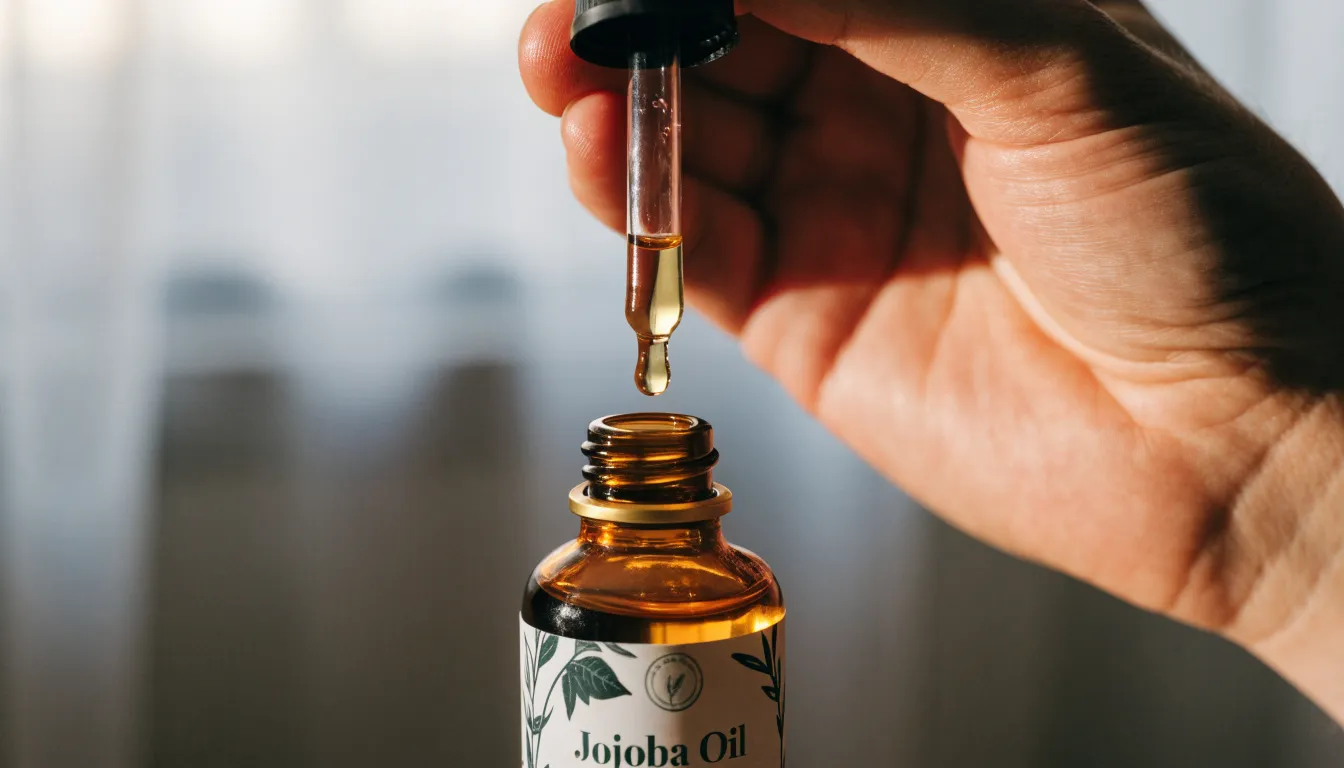
Different essential oils serve different hair needs. Rosemary oil helps stimulate circulation and supports hair growth. Lavender oil soothes an irritated or itchy scalp. Peppermint oil gives a refreshing, invigorating feeling that wakes up the scalp and supports healthy hair follicles. You can mix them, such as 5 drops of rosemary with 5 drops of lavender, keeping the total drops within the safe ratio.
For a more complete blend, you can also combine carrier oils, like castor oil for strength and argan oil for softness. After adding everything, shake gently. Massage a small amount into your scalp with your fingertips once or twice a week. This simple routine lets you create a personalized treatment that targets your hair’s unique needs using the natural power of plants.
Scalp Massages Explained
To get the full benefits of a carrier oil, gently warm a small amount, like jojoba or argan, by placing the bottle in warm water. Lukewarm oil spreads more easily and penetrates the hair shaft and scalp better, without being hot enough to cause discomfort.
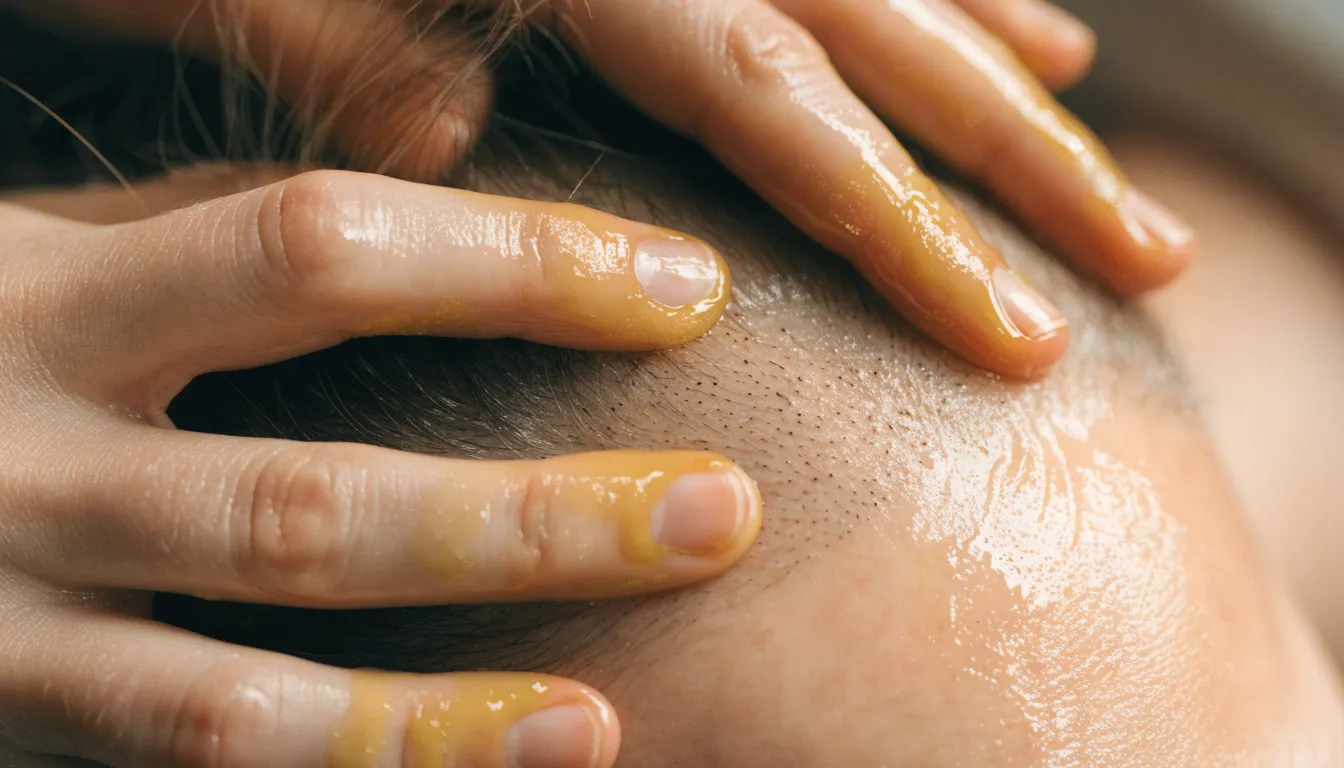
Once warm, put a little oil in your palm and use your fingertips to apply it directly to your scalp, spreading it evenly rather than focusing on the hair strands. This helps the nourishing properties reach the hair follicles, where they can best support hair health and growth.
Then massage your scalp for several minutes using the pads of your fingertips in small, circular motions, covering the whole scalp from hairline to neck and behind the ears. This boosts blood circulation, brings oxygen and nutrients to the follicles, and the warmth helps open pores for deeper absorption. Leave the oil on for at least 30 minutes, or overnight, before shampooing for best results.
Warm Oil Treatments
Warm oil treatments are a simple weekly ritual that deeply conditions hair. They help carrier oils like jojoba, argan, or coconut absorb more effectively into the hair shaft, turning dry or dull strands softer, shinier, and healthier than regular conditioners can.
To start, warm your chosen oil gently by placing it in a heatproof bowl set inside a larger bowl of warm—not boiling—water. Never microwave it, since that creates hot spots and can damage the oil. Once it feels comfortably warm, apply it evenly from roots to ends, covering every strand without soaking your hair. Put on a shower cap to hold in warmth and moisture.
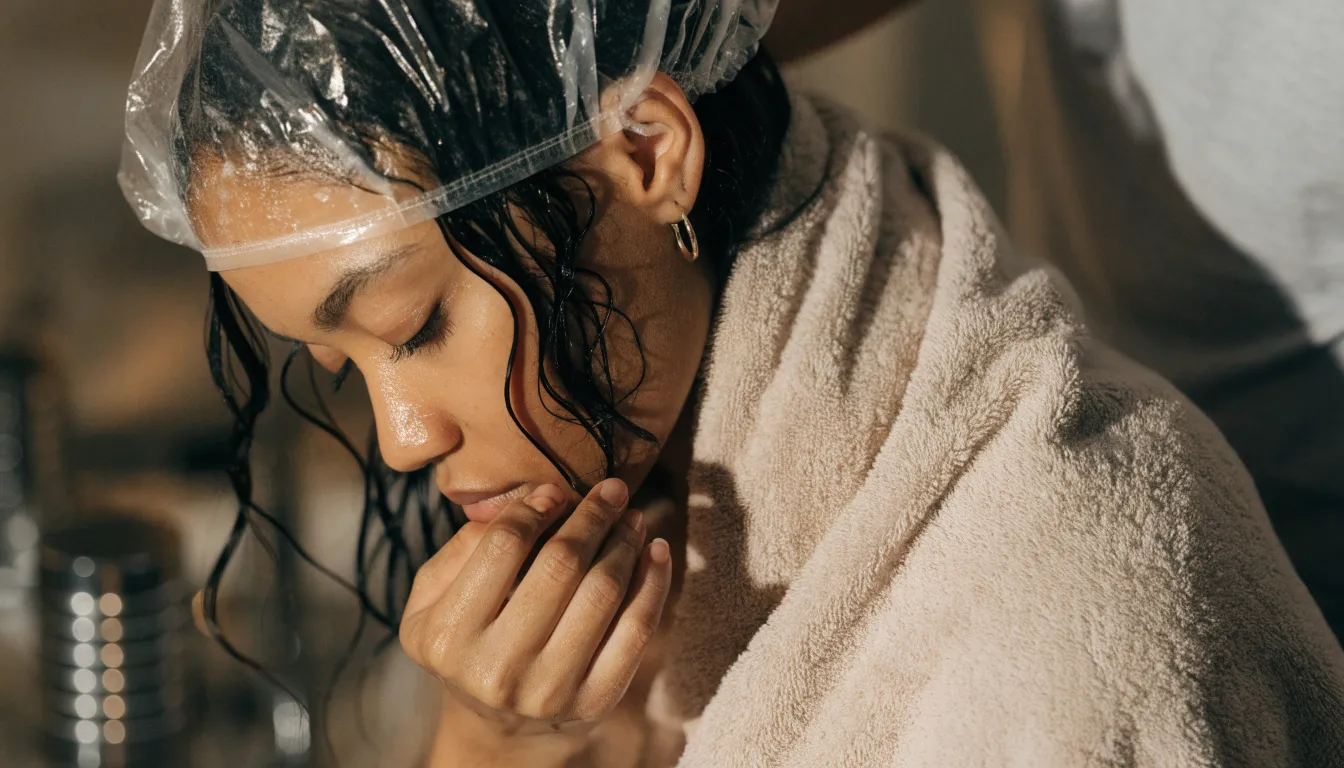
For better penetration, add gentle heat with a warm towel or a low-heat hooded dryer for 15–20 minutes. This warmth opens the hair cuticle so the oil’s fatty acids and vitamins can deeply nourish and repair. Let hair cool, then shampoo thoroughly. With weekly use, hair becomes soft, strong, and deeply moisturized.
Leave In Application
Using a light carrier oil as a leave-in treatment is a simple way to control frizz and add moisture without weighing hair down or losing natural bounce. The main idea is to use only a very small amount of oil on specific parts of the hair. Frizzy hair often needs extra moisture and a smoother cuticle, and a light carrier oil helps seal everything in.
Start with just one or two drops. Rub them between your palms to warm the oil and spread it evenly, then gently smooth your hands over the ends of your hair. You can do this on slightly damp hair right after a shower, or on completely dry hair. On damp hair, the oil seals in water as it evaporates, giving longer-lasting hydration. On dry hair, it works right away to fight frizz and add shine.
Focus on the mid-lengths and ends, which are usually the driest and most likely to frizz. Avoid the roots so your hair doesn’t look greasy or flat. The goal is a light layer of protection and hydration that keeps hair soft, smooth, and full of movement. With regular use of these tiny amounts, hair becomes noticeably softer, less frizzy, and healthy-looking—without any heavy or oily feel.
Frequently Asked Questions
How do carrier oils benefit my hair?
Carrier oils replenish lost moisture, seal the hair cuticle, and create a protective barrier to prevent dryness and reduce frizz. Their fatty acids also penetrate the hair shaft, strengthening it from within and helping to repair brittle strands and reduce split ends.
Which carrier oil is best for an itchy, flaky scalp?
Rosehip seed oil is especially helpful for an itchy, flaky scalp due to its anti-inflammatory fatty acids and vitamins A and C. These ingredients calm irritated skin, reduce redness, and ease discomfort by supporting healthy cell turnover and balancing natural oil production.
Can I use carrier oils to help hair grow thicker?
Yes, castor oil is known for helping hair grow thicker, especially around thinning edges, by boosting blood flow to follicles with ricinoleic acid. Jojoba oil also supports healthy hair growth by balancing scalp oils and unclogging follicles, allowing nutrients to reach the hair root.
How should I dilute essential oils with carrier oils for hair?
To dilute essential oils for hair, use a 2% dilution: add about 10 to 12 drops of essential oil for every 1 ounce (30 ml) of carrier oil. Essential oils are very strong and should never be applied directly to your skin or scalp without dilution.
What is the best way to do a warm oil treatment at home?
For a warm oil treatment, gently warm your chosen oil by placing its container in a bowl of warm water, avoiding the microwave. Apply the comfortably warm oil evenly from roots to ends, cover with a shower cap, and apply gentle heat with a warm towel or hooded dryer for 15-20 minutes. After letting it cool, shampoo thoroughly.
Which carrier oil is good for coarse, curly hair?
Olive oil is a great treatment for coarse, curly hair, providing deep, heavy moisture. Its rich fatty acids, especially oleic acid, help it soak into the hair shaft, coat each strand with a protective barrier, and lock in moisture. This softens hair over time, reduces frizz, and makes curls more manageable.