
Essential oils, highly concentrated plant extracts, must always be diluted with a carrier oil (like jojoba or almond) before topical application to prevent irritation or burns. Always perform a patch test on a small skin area, avoid phototoxic citrus oils before sun exposure, and use appropriate dilution ratios (1-2% for body, 0.5-1% for face) for safe and effective use.
Table of Contents
- Understanding Essential Oils
- The Importance of Carrier Oils
- Choosing the Best Carrier Oil
- Mastering Safe Dilution Ratios
- Performing a Skin Patch Test
- Beware of Phototoxicity
- Top Essential Oils for Your Face
- Calming Skin Irritation
- Nourishing Aging Skin
- Best Methods of Application
- Spot Treatments Versus All Over Application
- Essential Oils to Exercise Caution With
- Simple Homemade Skin Blends
- Building Your Safety Routine
Understanding Essential Oils
Essential oils are highly concentrated extracts taken from specific plant parts like flowers, leaves, bark, roots, and fruit rinds. Most are made through steam distillation, where steam releases the plant’s aromatic compounds, and the vapor is cooled and separated into pure oil. Citrus oils are often made by cold-pressing the rinds instead. These methods create potent, pure oils without synthetic additives or carrier oils.
How these oils work on skin comes down to chemistry and skin structure. The skin’s outer layer, the stratum corneum, is a protective barrier full of fats. Essential oil compounds—such as terpenes, esters, aldehydes, and phenols—are lipophilic, meaning they mix well with fats. This allows the compounds to dissolve into the skin’s lipid barrier instead of just sitting on top.
Because these molecules are small and lipid-soluble, they can slip between skin cells and penetrate through the epidermis into deeper skin layers, where they can have local effects. A small amount may even enter the bloodstream. This shows how potent essential oils are, and why proper dilution is essential for safe topical use.
The Importance of Carrier Oils
Essential oils are extremely concentrated plant extracts, made from large amounts of plant material, so they are far stronger than the plants themselves. Applying them directly to the skin is like applying a strong chemical, and this can easily overwhelm the skin’s natural defenses.
Because of this strength, using pure essential oils on skin often causes irritation like redness, itching, and burning. In some people, this can lead to contact dermatitis or even chemical burns, since the Because of this strength, using pure essential oils on skin often causes irritation like redness, itching, and burning. In some people, this can lead to contact dermatitis or even chemical burns, since the undiluted oils rapidly enter the skin and cause a strong reaction.
Carrier oils—such as jojoba, almond, or fractionated coconut oil—are used to safely dilute essential oils. They reduce the concentration while keeping the beneficial effects, and they also slow down evaporation, helping the essential oils absorb steadily into the skin. This makes the oils safer and more effective, while lowering the risk of irritation.
Choosing the Best Carrier Oil
Choosing the right carrier oil is key to using essential oils on skin safely. Carrier oils dilute the concentrated essential oils, lowering their strength so they can be applied gently without irritation. They also bring their own skin benefits, and matching the oil to your skin type helps get the best results. A useful guide is the comedogenic rating, which shows how likely an oil is to clog pores on a scale from 0 (non-comedogenic) to 5 (highly comedogenic).
Jojoba oil works well for oily or acne-prone skin because it acts like the skin’s natural sebum and helps balance oil production. It has a moderate-low comedogenic rating of 2, so it hydrates without feeling greasy. Rosehip oil has a very low rating of 1, making it safe for most skin types, including sensitive skin. It is rich in vitamins and fatty acids that support skin repair, fade dark spots, and soften fine lines, which is especially helpful for dry or mature skin.
Argan oil has a comedogenic rating of 0, meaning it won’t clog pores and suits nearly everyone. Its antioxidants and fatty acids provide deep moisture and nourishment, making it a good fit for dry, normal, and even oily skin that needs balanced hydration. Considering these factors helps you choose a carrier oil that supports both the essential oils and your skin’s needs.
Mastering Safe Dilution Ratios
Properly diluting essential oils is a key step for using them on your skin. These oils are very concentrated, so you always need a carrier oil to apply them safely. Dilution helps prevent skin irritation and other bad reactions while still giving you the benefits. For everyday use on the body, a safe amount is usually a 1% to 2% dilution. That means 1 drop of essential oil per teaspoon of carrier oil for 1%, or 2 drops per teaspoon for 2%. For larger amounts, use about 6 drops per fluid ounce for 1%, or 12 drops per fluid ounce for 2%.
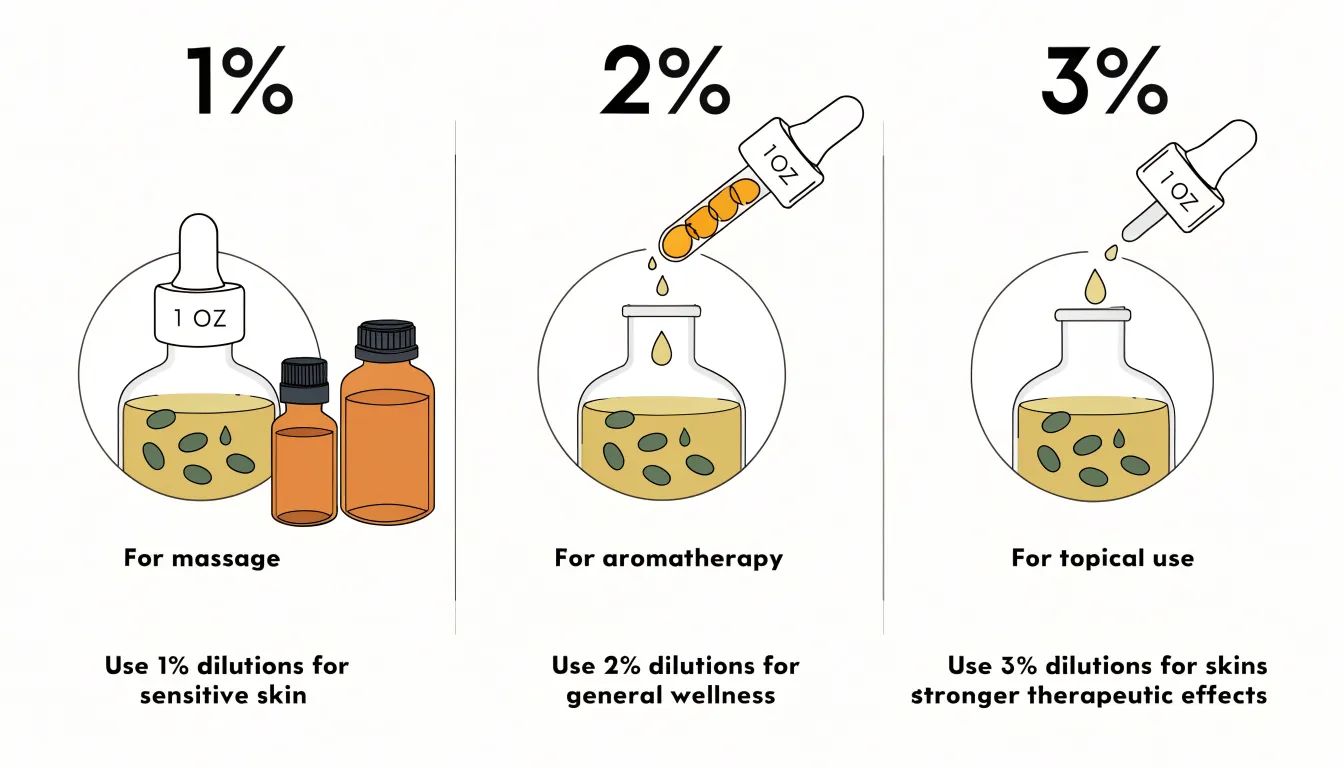
The carrier oil you choose matters too. Good options like jojoba, almond, and argan oil are gentle and nourishing. For the face, your skin is more delicate, so a lower dilution works best. A 0.5% to 1% blend is usually safe for daily facial use. This means about 3 drops of essential oil per fluid ounce of carrier oil for 0.5%, or 6 drops per fluid ounce for 1%.
Always begin with the lowest dilution, especially if you’re new to essential oils or have sensitive skin. Watch how your skin reacts, and do a patch test on a small area before using it on larger parts of your body. When you dilute correctly, essential oils can be both gentle and effective.
Performing a Skin Patch Test
Performing a skin patch test is a vital first step before using any new essential oil blend on your skin. It helps you spot possible irritation or allergic reactions early, so you can avoid bigger problems later. To start, gather your properly diluted oil mixture, a cotton swab, and optionally a small bandage. Never test undiluted essential oils, as they can irritate skin right away.
Choose a small, hidden spot like your inner forearm, behind your ear, or upper thigh. These areas are sensitive and give a good idea of how your skin will react. Use the cotton swab to apply a tiny amount of the diluted oil—just about the size of a dime—and let it dry. If needed, cover the spot with a breathable bandage to keep it in place.
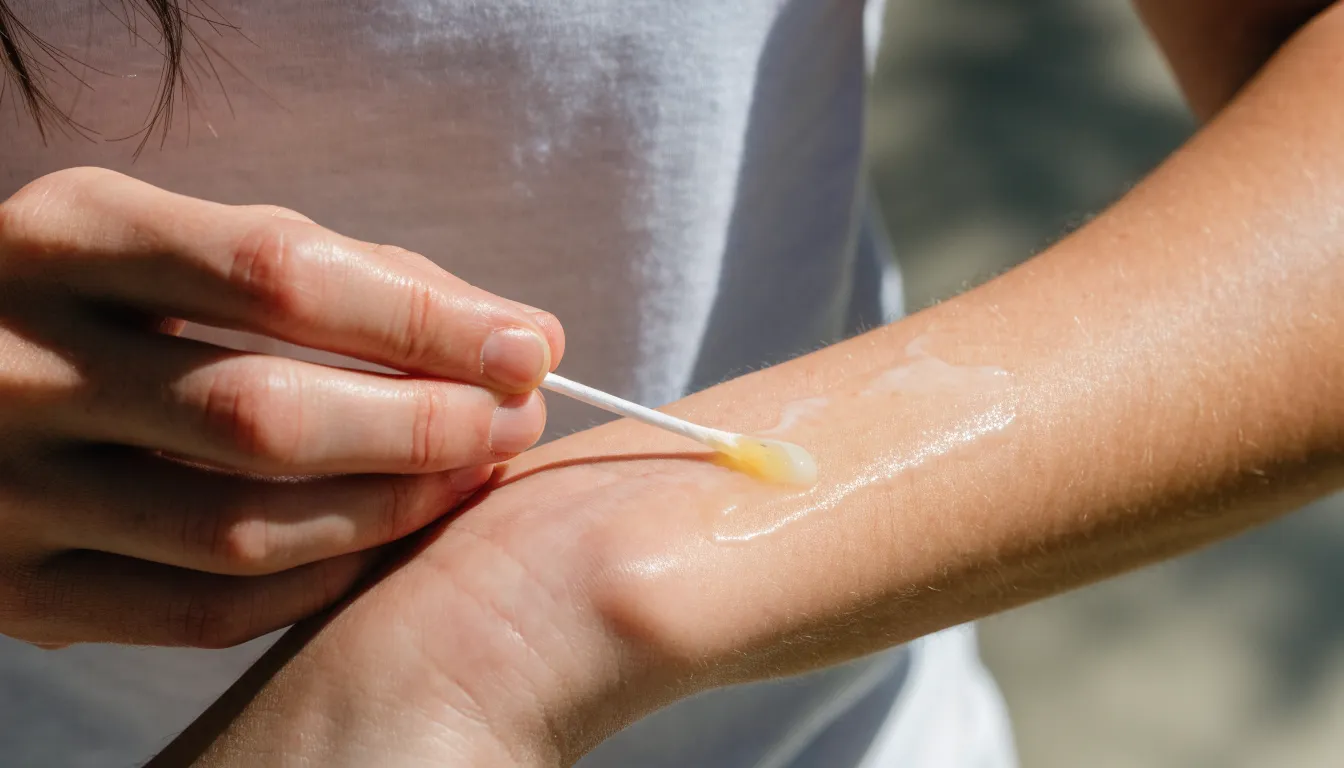
Watch the area for 24 to 48 hours without washing it. Check for redness, itching, swelling, rash, or discomfort. If no reaction appears, the oil is likely safe to use on larger areas. But if any irritation happens, wash the spot with mild soap and water right away, and stop using that oil blend. This simple test helps protect your skin and keeps your experience safe.
Beware of Phototoxicity
Cold-pressed citrus oils can be risky on skin because they can cause phototoxicity. Compounds like furocoumarins, especially bergapten, react with UV light from the sun or tanning beds. This reaction damages skin cells and leads to an exaggerated sunburn with blistering, redness, pain, and lasting dark marks. Bergamot, lemon, lime, and grapefruit are especially potent.
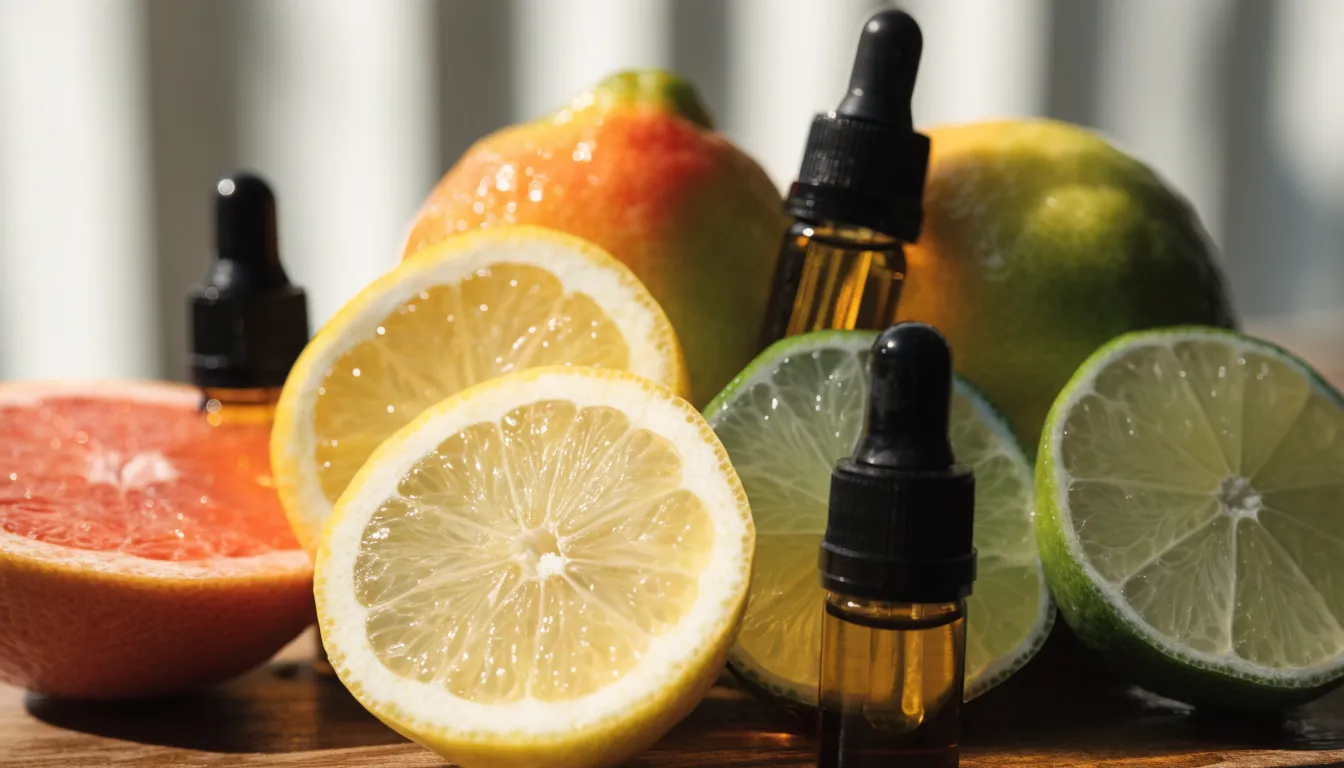
To stay safe, avoid sun exposure for at least 12 to 18 hours after applying these oils. This includes indirect sun, like sitting near a window. Covering the skin with clothing is not always enough, so it is best to avoid sun altogether. If you must use these oils, apply them only to covered areas or at night, and wash them off thoroughly before any daylight.
If you still want the skin benefits of citrus oils without the danger, choose steam-distilled versions. The distillation process removes the phototoxic compounds, so distilled lime oil, for example, is safe in the sun. You can also explore other non-phototoxic essential oils to keep your routine effective and safe.
Top Essential Oils for Your Face
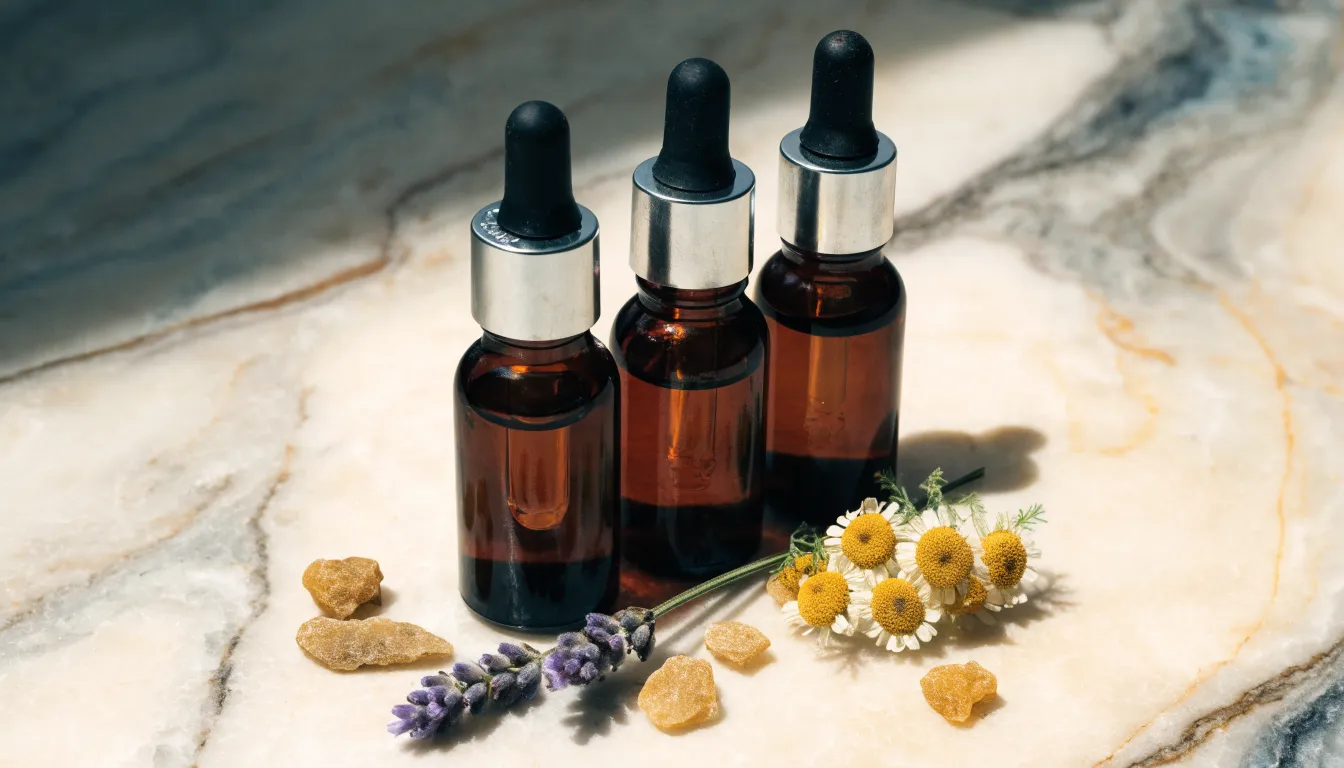
Lavender essential oil is calming and soothing, helping to reduce redness and discomfort on the face. It helps balance skin tone and supports a serene, naturally radiant look. Lavender is mild and versatile, so when properly diluted, it suits many different skin types.
Frankincense essential oil is valued for its rejuvenating effects. It helps support a healthy, youthful appearance by maintaining skin elasticity and reducing the look of imperfections. This leaves skin looking smoother, more refined, and naturally glowing.
Roman chamomile essential oil is especially soothing and has gentle anti-inflammatory properties. It works well for sensitive or reactive skin by calming irritation and promoting a clear, tranquil complexion. When added to your routine properly diluted, these three oils—lavender, frankincense, and chamomile—can help keep skin balanced, healthy, and luminous.
Calming Skin Irritation
Certain botanical oils work naturally to calm skin irritation thanks to their anti-inflammatory properties. They are especially helpful for eczema flare-ups, soothing inflammation that causes redness and itching.
These oils also help reduce general blotchiness and visible redness from environmental stress or sensitivity. By calming surface inflammation, they support a more even, clear-looking complexion.
Their fatty acids and antioxidants also help repair a compromised skin barrier. This restores moisture, defends against irritants, and eases tight, itchy, uncomfortable sensations for lasting comfort.
Nourishing Aging Skin
Aging skin loses elasticity and moisture, but essential oils can help gently support these needs. Helichrysum oil is valued for its regenerative powers. It is rich in antioxidants, which protect skin cells from free-radical damage. This helps reduce oxidative stress and keeps skin firm, youthful, and resilient.
Rose oil is deeply hydrating and helps rebuild the skin’s natural moisture barrier. A strong barrier prevents water loss, keeping skin supple and plump. This visibly softens fine lines and wrinkles. Rose oil also calms sensitive or irritated mature skin, leaving it smoother, more even, and naturally glowing.
Both oils work together to improve elasticity by nourishing the skin and shielding it from environmental stress. With regular use, skin feels more toned and looks smoother. Adding these antioxidant-rich oils to a daily routine offers a simple, complete way to fight visible aging, support long-term skin health, and maintain a radiant, youthful look.
Best Methods of Application
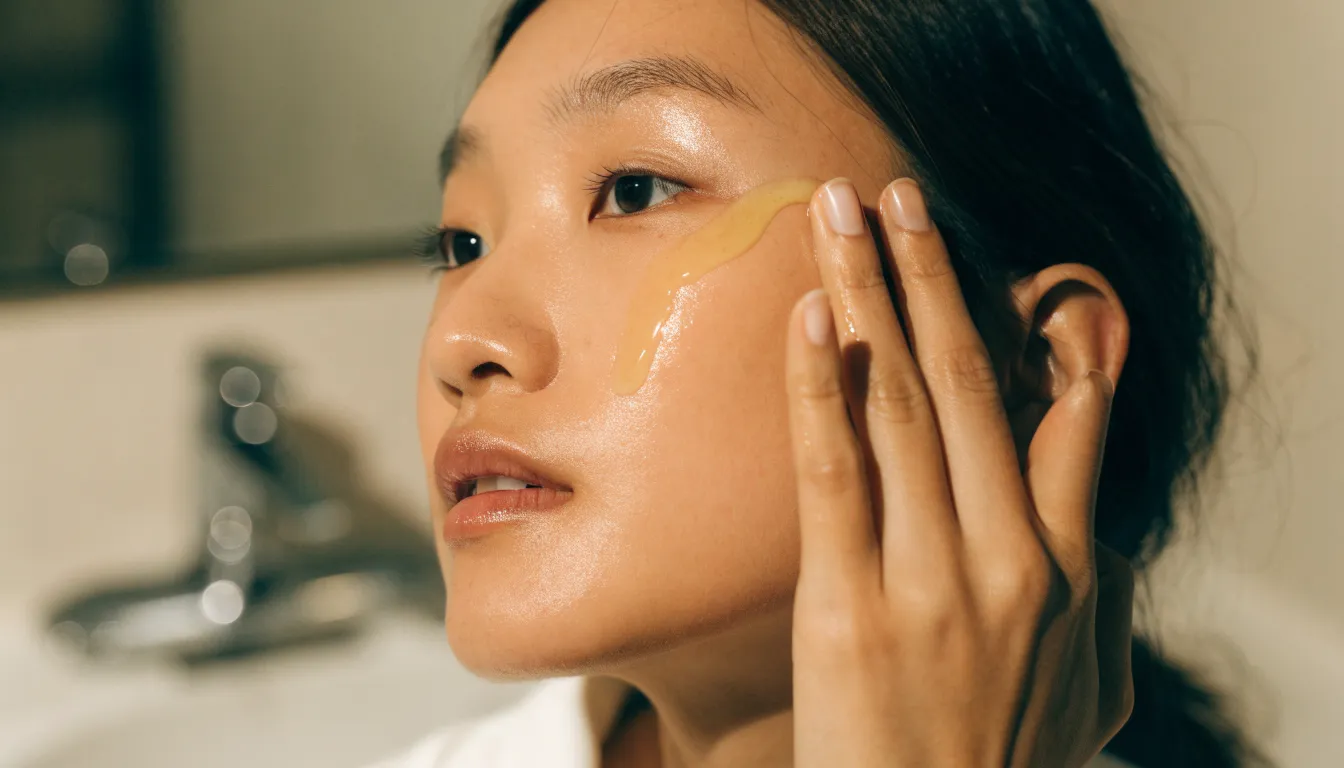
Applying essential oils to your skin safely means using gentle methods that help absorption while protecting skin. For the face, a light facial massage works well. After diluting the oil with a carrier oil, place a small amount on your fingertips and stroke upward and outward, from the center of your face toward your hairline and jawline. Keep the pressure very light—more of a glide than a rub—so you improve circulation and let the oil sink in without pulling at delicate skin.
For larger areas of the body, the body pressing method is best. Put a diluted oil blend in your palm, warm it by rubbing your hands together, then gently press your palms onto the skin. Hold for a few seconds so the warmth and light pressure help with absorption, then lift and move to the next spot. This pressing and patting technique avoids dragging and is especially good for sensitive skin or areas prone to stretch marks.
Rollerball applicators are another easy option. They deliver a thin, even layer of oil exactly where you need it, like pulse points, temples, or specific muscles. Just glide the rollerball gently across the skin—the ball spreads the oil evenly without extra rubbing. This method is great for targeted use, keeps you from using too much oil, and prevents unnecessary pulling. Overall, these techniques focus on gentle contact, helping the oils work well while keeping your skin healthy.
Spot Treatments Versus All Over Application
Choosing the right application method is key to using essential oils safely and effectively. Spot treatments work best for specific problems like a single blemish, a small irritated area, or a dry patch. In these cases, you can use a slightly higher concentration of essential oil, but it must always be diluted in a carrier oil such as jojoba or argan oil before applying directly to the affected area. This targets the oil’s benefits exactly where they’re needed without impacting healthy skin, and a patch test should always be done first.
For broader benefits, all-over application is better for larger surfaces like the whole face or body. This method helps with general hydration, evening out skin tone, or soothing widespread discomfort. When applying this way, use a much lower dilution—just a few drops of essential oil mixed into a generous amount of carrier oil, lotion, or body butter. This keeps the concentration gentle enough for large areas while still supporting overall skin health.
No matter which method you choose, proper dilution and a patch test are always essential. These steps keep the oil effective and prevent irritation, making your use of essential oils both safe and beneficial.
Essential Oils to Exercise Caution With
When adding essential oils to your skincare routine, remember that some are much more likely to irritate the skin than others. Cinnamon bark, clove bud, and lemongrass are especially risky. Their natural chemical makeup can be helpful in some ways, but it often causes stinging, redness, or discomfort on delicate skin, even for people who don’t usually have reactions.
This irritation is linked to a process called sensitization. After the first exposure, your immune system may learn to see the oil as a threat. So, even if a tiny amount seems fine at first, using it again—or using too much—can trigger a sudden allergic reaction. The result might be itching, burning, redness, or hives every time you use it afterward.
Because these oils are so strong, they need much lower dilution than gentler options. If you already have sensitive skin or a skin condition, the safest choice may be to avoid them altogether. No matter what, always do a patch test on a small area before applying a new blend to your body, and watch the area closely when testing potent oils like these to prevent unpleasant reactions.
Simple Homemade Skin Blends
Creating simple homemade skin blends is an easy way to use essential oils every day. The key is to mix them with carrier oils like jojoba, sweet almond, or fractionated coconut oil. Carrier oils make the strong essential oils safe for skin, and they also add their own vitamins and fatty acids to hydrate and protect.
For a daily glow, make a simple facial serum using a brightening oil like frankincense or geranium mixed into jojoba oil. Massage it onto clean skin in the morning to help balance and revitalize your complexion. For nighttime repair, blend lavender or helichrysum with rosehip oil and apply before bed to support the skin’s natural renewal, boost hydration, and even out skin tone over time.
For full-body hydration, mix a soothing oil like lavender or roman chamomile into sweet almond or fractionated coconut oil. Apply after a shower to lock in moisture and leave your skin smooth all over. Always do a patch test on a small area before using any new blend widely.
Building Your Safety Routine
A consistent safety routine is key to using essential oils for healthy, glowing skin. Always dilute essential oils with a carrier oil, since they are highly concentrated and can irritate the skin. Regular patch testing is also important—even if you’ve used an oil before, your skin’s sensitivities can change, so retest new batches or blends. These steps are ongoing habits that protect your skin over time.
Proper storage is another essential part of oil safety. Keep oils in dark glass bottles with tightly sealed caps, and store them in a cool, dry place away from sunlight and extreme temperatures. Heat and light cause oils to oxidize, which can make them less effective and more irritating. Storing them correctly extends their shelf life and keeps their beneficial qualities intact.
Building long-term habits—dilution, patch testing, and careful storage—creates a safe, sustainable way to use essential oils in your skincare routine. These practices help maintain your skin’s natural balance, prevent adverse reactions, and support a radiant complexion over time. Paying attention to how your skin responds and adjusting your routine as needed supports lasting skin health.
Frequently Asked Questions
Why is it important to dilute essential oils with a carrier oil before applying them to the skin?
Essential oils are highly concentrated plant extracts, much stronger than the plants themselves. Applying them directly can cause irritation like redness, itching, burning, contact dermatitis, or even chemical burns. Carrier oils reduce the concentration, making them safer and more effective while lowering the risk of irritation.
How do I perform a skin patch test for essential oils?
Apply a tiny amount of your properly diluted essential oil blend to a small, hidden spot on your skin, such as the inner forearm. Observe the area for 24 to 48 hours for any signs of redness, itching, swelling, or discomfort. If no reaction occurs, the oil is likely safe to use on larger areas.
What are the recommended dilution ratios for essential oils for body and face?
For everyday use on the body, a safe dilution is typically 1% to 2% (1-2 drops of essential oil per teaspoon of carrier oil). For the more delicate skin on the face, a lower 0.5% to 1% blend is usually best (3-6 drops of essential oil per fluid ounce of carrier oil). Always start with the lowest dilution, especially for new users or sensitive skin.
Which essential oils should I be careful with due to phototoxicity?
Cold-pressed citrus oils, including bergamot, lemon, lime, and grapefruit, can cause phototoxicity when exposed to UV light. Avoid sun exposure for 12-18 hours after applying these oils. Alternatively, choose steam-distilled versions, as the distillation process removes the phototoxic compounds.
Are there certain essential oils that are known to cause skin irritation easily?
Yes, cinnamon bark, clove bud, and lemongrass are notably strong and much more likely to irritate the skin, even at low dilutions. These oils can cause stinging, redness, or discomfort and may lead to sensitization, triggering allergic reactions upon repeated use. If you have sensitive skin, it may be safest to avoid them.
What are some good essential oils for general facial skincare?
Lavender essential oil is calming and helps reduce redness, supporting a balanced skin tone. Frankincense essential oil is valued for its rejuvenating effects, helping to maintain skin elasticity and reduce the look of imperfections. Roman chamomile essential oil is particularly soothing for sensitive or reactive skin.