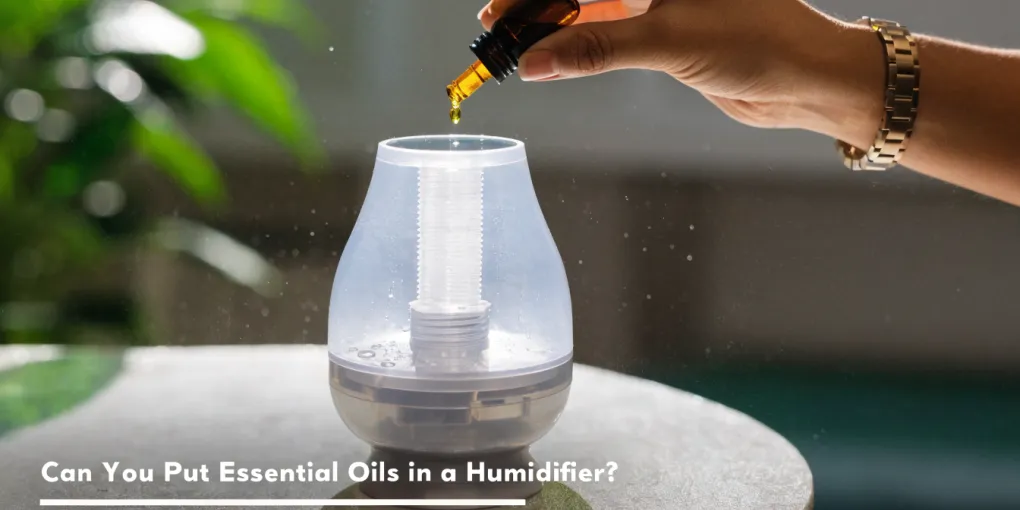
Adding essential oils directly to a standard humidifier’s water tank is generally not recommended as it can corrode plastic components, damage the ultrasonic membrane, and void the warranty. These oils don’t dissolve, causing machine failure and potentially releasing undiluted oil particles that irritate lungs. Use humidifiers with a dedicated aroma pad or a separate diffuser for safe essential oil dispersion.
Table of Contents
- The Core Question
- Device Anatomy Breakdown
- Ultrasonic Versus Evaporative Units
- Plastic Tank Damage
- Diffusers Versus Humidifiers
- Inhalation Safety Basics
- Built In Aroma Pads
- Diffuser Humidifier Combos
- Mold And Residue Prevention
- Top Essential Oils
- Scents To Avoid
- Pet Friendly Guidelines
- Baby Room Safety
- Spotting System Damage
- Simple DIY Workarounds
The Core Question
Essential oils are powerful, oil-based concentrates, not water-soluble like plain water. When added to a humidifier’s water tank, they don’t dissolve cleanly. Instead, they can break down plastic parts, rubber seals, and especially the ultrasonic membrane inside many humidifiers. Over time, this causes corrosion, cracking, and device failure—often ruining the machine and voiding the warranty.
Humidifiers are built to spray a fine mist of pure water, not oils. When essential oils are added, the device may send out larger, uneven droplets instead of a smooth mist. Breathing in these undiluted oil particles can irritate the lungs and throat, causing coughing, sneezing, wheezing, or shortness of breath.
People with asthma, allergies, or bronchitis are especially at risk. Children and pets are also more vulnerable because their smaller, more sensitive airways can react badly to improperly dispersed essential oils, which is why essential-oil safety rules are crucial.
Device Anatomy Breakdown
Standard humidifiers work by releasing moisture from a water basin, which is made of plastics designed to handle water only. Ultrasonic models use a small ceramic disc called a transducer that vibrates at high speed to turn pure water into a cool mist. Warm mist models use a heating element to boil water into steam. Both systems are built to run on pure water.
When essential oils are added, problems start. The concentrated oils are corrosive to the plastics in the basin, causing clouding, cracking, and breakdown over time. The oils also leave behind a sticky, thick residue inside the device.
That residue harms the key parts. In ultrasonic humidifiers, it coats the transducer and blocks it from making mist, so output drops. In warm mist models, it coats the heating element, which can overheat, lose efficiency, or get permanently damaged. Since the internal parts are not made for oil-based liquids, the humidifier may underperform or stop working entirely.
Ultrasonic Versus Evaporative Units
Understanding how your humidifier works is key to using essential oils safely, since different types handle oils very differently.
Ultrasonic humidifiers use a small, fast-vibrating ceramic diaphragm to create a fine, cool mist from the water. When you add essential oils, those same vibrations break the oils into tiny particles and quickly release them into the air with the mist. This gives a clean, fast way to spread the scent without needing a filter.
Evaporative humidifiers work by pulling water up through a wicking filter, then blowing air over it to naturally evaporate the moisture. Oils don’t evaporate well here—instead, they cling to the wick, leaving a sticky buildup that clogs its pores. Over time, this reduces performance, encourages bacterial growth, and can damage the unit, so evaporative models aren’t a good choice for essential oils.
Plastic Tank Damage
Adding undiluted essential oils to a standard humidifier’s water tank is a major risk to the machine. The tanks are usually made of durable plastics like ABS or polycarbonate, but these materials are not designed to handle the strong chemicals in pure essential oils. These oils contain potent compounds like terpenes and aldehydes that are much more aggressive than plain water.
When the oils sit against the plastic for a long time, a chemical reaction occurs. The solvents in the oils slowly weaken and break down the plastic at a molecular level, causing tiny, invisible cracks to form on the inside of the tank. Over time, these micro-cracks grow deeper and wider as the tank holds water under normal stress.
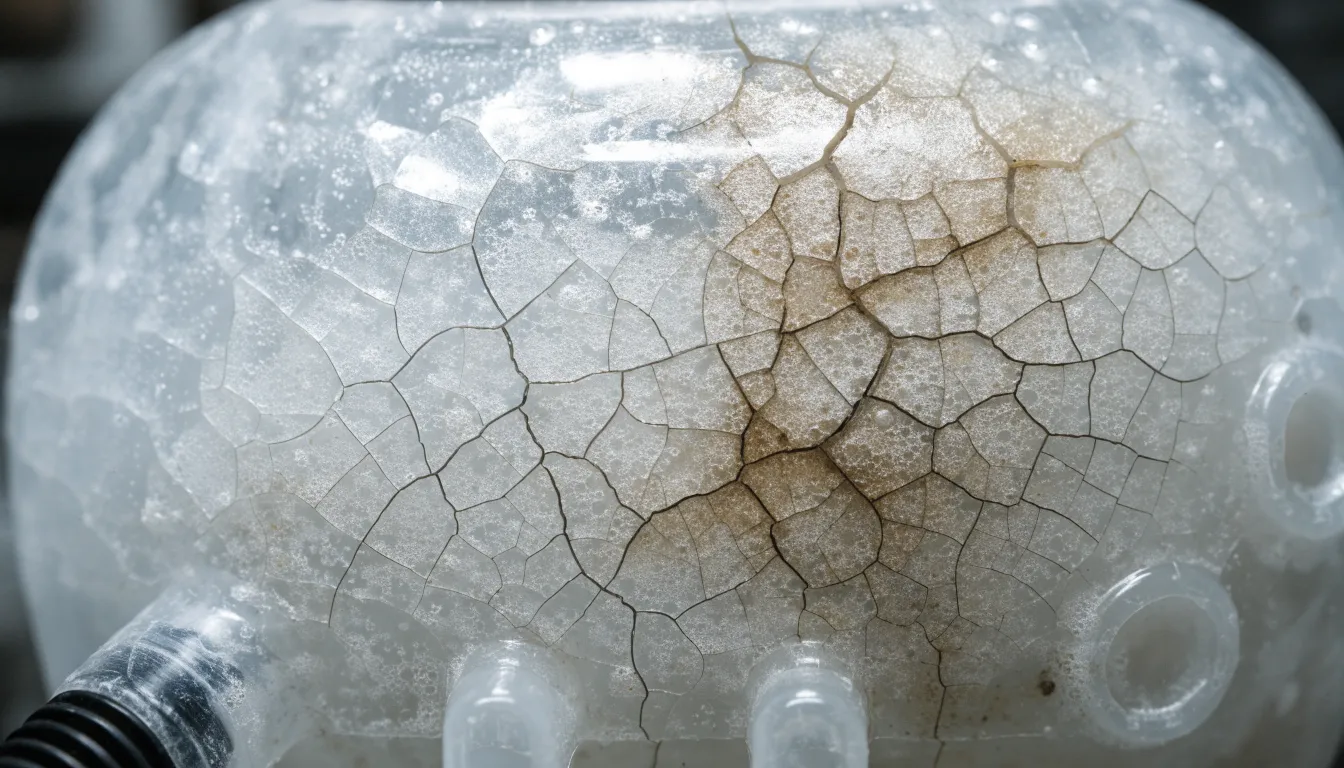
Eventually, these cracks destroy the tank’s strength, causing visible leaks that spill water near electrical parts, creating a hazard. This damage happens gradually, but it is permanent and cannot be reversed, so standard plastic humidifiers simply cannot handle potent essential oils.
Diffusers Versus Humidifiers
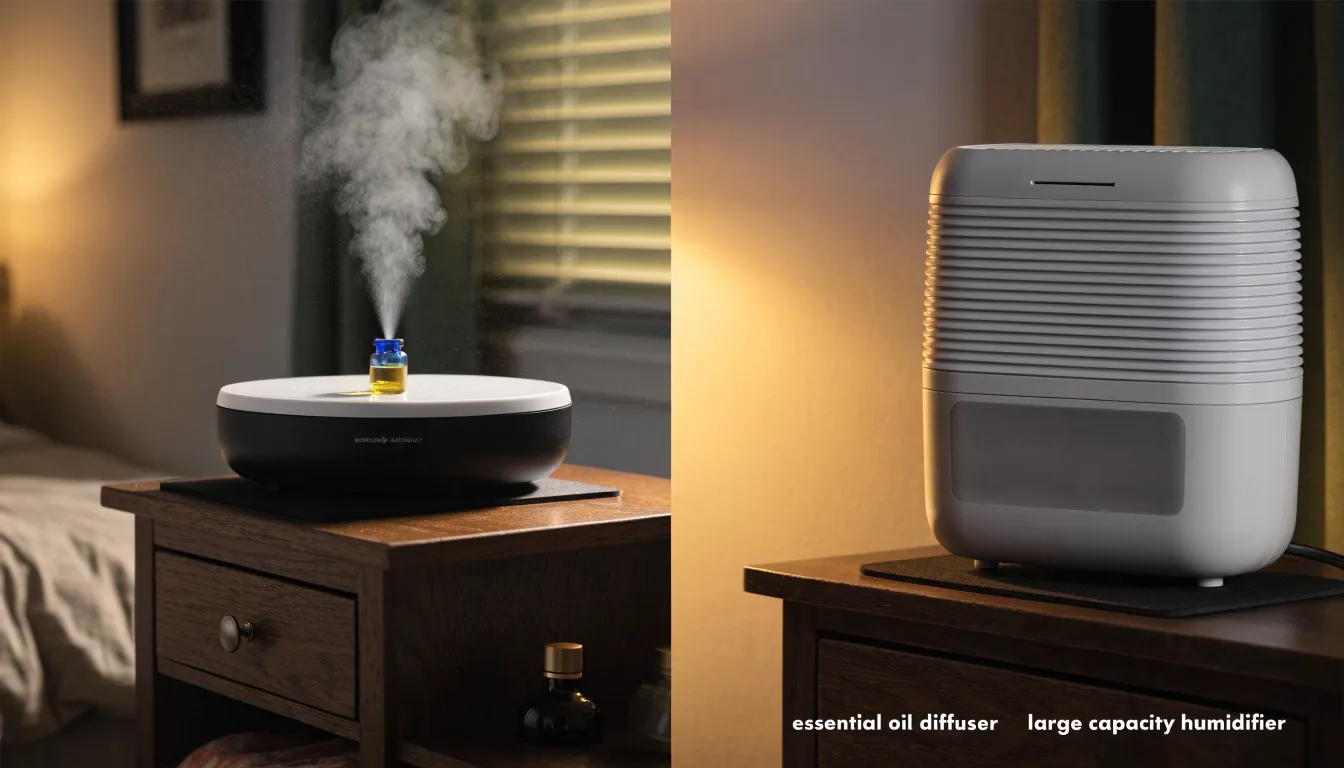
Essential oil diffusers and humidifiers do very different jobs. A diffuser is designed to create a fine mist that carries tiny particles of essential oil into the air. Most use ultrasonic vibrations to break up the oil and water into a light vapor, which spreads the aroma evenly across a room. The mist output is small on purpose—just enough to make the scent noticeable without adding much moisture to the air.
Humidifiers, by contrast, are built to release large amounts of water vapor to fix dry indoor air. They come in several types: ultrasonic models that make a cool mist, evaporative models that blow air through a wet wick, and warm mist models that boil water into steam. No matter the style, their main job is to raise the humidity level in a room or whole house, often releasing enough moisture to be measured in gallons per day.
The choice comes down to what you want the device to do. A diffuser is meant for aromatherapy and adding pleasant essential oil scents to a room, not for changing humidity. A humidifier is an environmental tool for relieving dry skin, irritated airways, and static electricity. So pick a diffuser if your goal is essential oil fragrance, and pick a humidifier if your goal is a healthier moisture balance in the air.
Inhalation Safety Basics
When essential oils are diffused or atomized by a humidifier, they break into tiny airborne droplets that can be inhaled deep into the lungs. These particles travel down the airways to the bronchi and the delicate air sacs called alveoli. Because essential oils contain many complex chemical compounds, they interact with the body’s natural lung defenses in ways that other airborne particles do not.
In very small, properly diluted amounts, breathing in certain essential oils may provide mild aromatic benefits without causing problems for most people. But the key is keeping the concentration low in the surrounding air. If too much oil is in the air, it can overwhelm the lungs’ protective barriers. The same compounds that may be helpful on the skin or taken internally under guidance can irritate the delicate mucous membranes inside the lungs when inhaled directly, leading to inflammation and discomfort.
The risk of lung irritation grows with longer exposure to concentrated vapors or with stronger, more potent oils. Symptoms can include coughing, throat irritation, shortness of breath, or worsening of conditions like asthma and allergies. Even healthy people can feel respiratory stress from constantly high levels of airborne oil. For safety, always keep rooms well ventilated when diffusing, follow dilution guidelines, and avoid directly breathing in concentrated clouds of essential oil.
Built In Aroma Pads
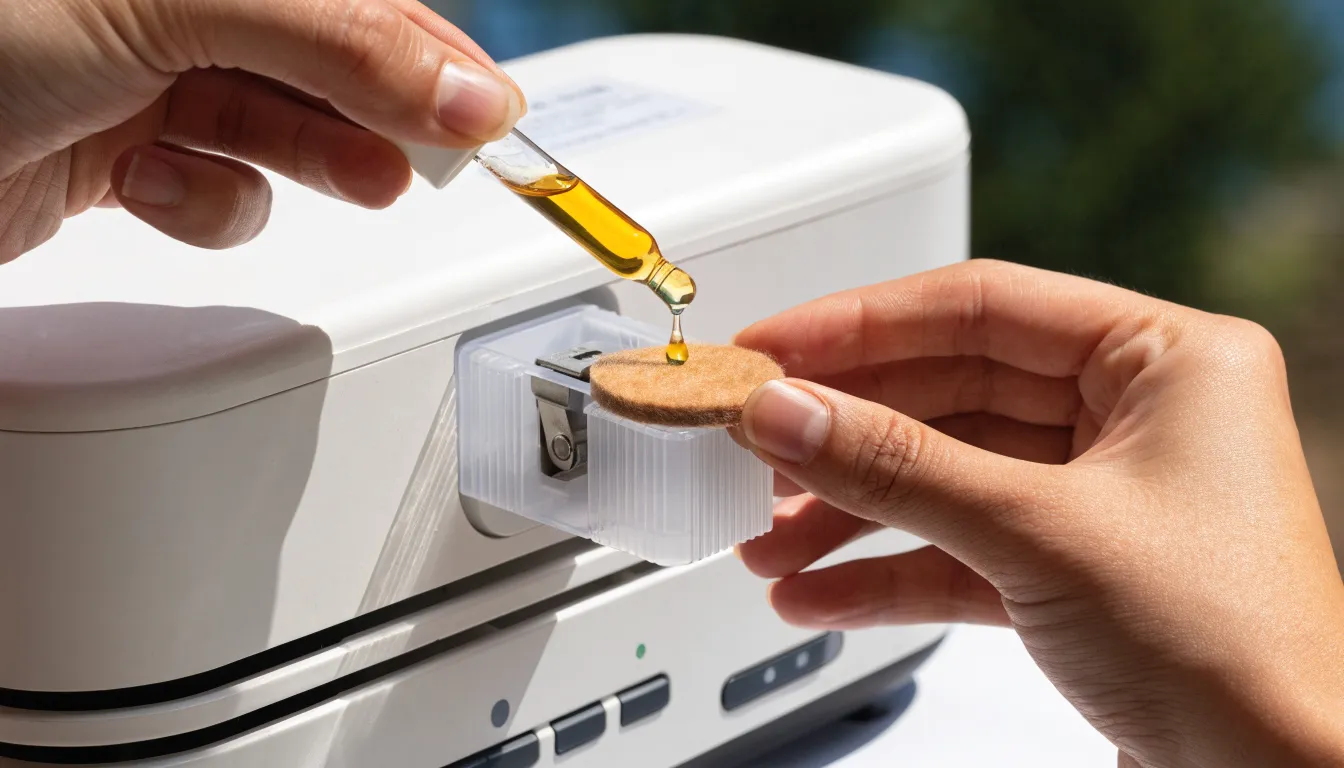
Many modern humidifiers include built-in aroma pads or designated oil trays, which offer a safe way to disperse essential oils. These compartments are specifically engineered to keep the oils completely separate from the main water reservoir, protecting both the device’s lifespan and its humidifying function. To use them, simply locate the small removable tray or slot on the exterior casing, which holds a small felt or sponge pad.
To use the feature, apply a few drops of your chosen essential oil directly onto the dry pad, starting with two to three drops and adding more if you want a stronger scent. After reinserting the pad, the humidifier pulls air over the oil-infused pad, picking up the aroma and distributing it into the room with the mist. This separation is vital because concentrated oils can be corrosive to certain plastics and rubber, so keeping them away from the water and internal parts prevents material damage over time.
Regular upkeep of the aroma pad is also necessary. Some pads are washable and reusable, while others are designed for disposable replacement, so always check your user manual for specific cleaning schedules and oil recommendations. Following these simple steps allows you to enjoy the benefits of aromatherapy alongside your humidifier without compromising its performance or longevity.
Diffuser Humidifier Combos
When choosing a diffuser humidifier combo, check the materials first. Essential oils can damage certain plastics over time and may release harmful chemicals. Look for models made with oil-safe plastics like BPA-free polypropylene, or glass and ceramic parts where the oil touches. This keeps the device safe and helps your scents stay pure.
Next, look at how the oil is diffused. Some machines mix oil into the humidifying process, while others have a separate path. A dedicated oil tray or compartment is usually better because it keeps oil out of the water-only parts. This prevents clogs and damage to the ultrasonic plate, so both humidifying and scent diffusion can work properly without problems.
Finally, consider the tank size. A bigger water tank gives you longer humidification without frequent refills, which is useful overnight or in dry rooms. Also check the oil reservoir size—it should last about as long as a typical aromatherapy session. With a large water tank and a matching oil section, you can enjoy hours of comfortable moisture and scent without constant refilling.
Mold And Residue Prevention
Keeping a humidifier clean is especially important when you use essential oils. The mist can leave behind oily residue that may lead to mold, mildew, and bacteria. Regular cleaning keeps the device safe and working well.
White vinegar is great for this job. Mix equal parts vinegar and water in the tank and let it sit for 30 to 60 minutes. This helps break down oil and mineral buildup and makes it harder for germs to grow.
After soaking, empty the tank and scrub with mild dish soap and a soft brush or cloth. Focus on small areas where residue hides. Rinse everything well until no soap or vinegar smell remains. Doing this weekly or every other week helps keep your humidifier releasing clean, pure mist.
Top Essential Oils
Lavender essential oil is a top choice for creating a calm, welcoming home. Its soothing scent helps relax the mind, while its subtle floral notes add a gentle, clean freshness to any room without being overpowering.
Eucalyptus oil offers a crisp, invigorating aroma that helps clear the air and make spaces feel revitalized. It works especially well in living rooms or home offices where a clean, stimulating scent is desired.
Other oils also have useful functions: tea tree brings purifying qualities, and citrus oils like lemon or grapefruit add bright, uplifting notes for a fresh, vibrant atmosphere. Always choose high-quality, pure oils for the best results and a safe, pleasant experience.
Scents To Avoid
Certain essential oils are too heavy, resinous, or caustic for humidifier use. Examples include cinnamon, clove, cedarwood, and sandalwood. Their chemical makeup makes them difficult to disperse safely into the air.
When diffused, these oils can irritate the respiratory system. They may cause throat burning, coughing, or breathing discomfort, especially for people with sensitive airways or existing breathing conditions.
They can also harm the humidifier itself. Their thick, sticky texture leaves residue on the ultrasonic plate, filters, and nozzle. Over time, this buildup reduces mist output, causes clogs, and makes cleaning harder. To protect both your health and your device, avoid these oils.
Pet Friendly Guidelines
When using essential oils in a humidifier, pet safety is the biggest concern. Cats and dogs are much more sensitive to oils than humans. Cats especially lack a liver enzyme needed to break down certain oil compounds, so those substances can build up in their bodies and become toxic, even just from breathing in the mist. Dogs can process oils better than cats, but they can still have harmful reactions if oils touch their skin or are swallowed.

Many common oils are dangerous for pets, including tea tree, wintergreen, peppermint, citrus oils, pine, eucalyptus, and cinnamon. Exposure can cause symptoms like tiredness, vomiting, diarrhea, and in worse cases, liver damage, breathing trouble, or nervous system problems. If a pet’s behavior, breathing, or appetite changes after oil use, it’s important to contact a veterinarian right away.
To keep pets safe, use a humidifier with essential oils only in a well-ventilated area that pets cannot enter. Open a window or use a fan to help clear the air quickly. Always store oil bottles and diffusers out of reach, and check with a veterinarian before introducing any essential oil into your home, especially if a pet has existing health issues.
Baby Room Safety
A cool-mist humidifier is often recommended for a baby’s room. It adds gentle moisture to the air, which can help ease congestion and dry coughs. Unlike warm-mist versions, it has no burn risk, making it safer around curious little hands. For the best results, use only distilled water to avoid mineral buildup and keep the mist clean.
Strong aromatics like most essential oils should not be added to a nursery humidifier. Babies have developing airways that are much more sensitive than adults’. Even natural oils can irritate their lungs and cause coughing, wheezing, or breathing trouble. Some oils are simply too strong for an infant’s small lungs.
Babies also have thin, delicate skin that absorbs particles more easily, so airborne oils can lead to rashes or allergic reactions. Since infants can’t say when something bothers them, it’s safest to avoid all additives. Keep the humidifier filled with pure, clean water and let the air stay unadulterated—that’s the healthiest choice for a baby’s room.
Spotting System Damage
Keep an eye on cloudy plastic parts, especially the water tank. That haze isn’t just a cosmetic issue—it means essential oil residue that doesn’t dissolve in water is sticking to the plastic and gradually breaking it down.
Also watch for plastic warping. Many humidifier plastics aren’t made to handle essential oils, so long exposure can soften, bend, or weaken them. The tank may stop fitting correctly, the casing can look uneven, and seals might leak. At the same time, a weaker or less consistent mist flow often means oil residue is clogging the ultrasonic plate, nozzle, or air pathways, making it harder for the humidifier to produce vapor.
Finally, listen for new noises like grinding, rattling, sputtering, or louder whirring. Essential oils can gum up fans and motors, add friction, and interfere with the ultrasonic vibrations. These sounds are usually a warning that the internal parts are struggling and may soon fail.
Simple DIY Workarounds
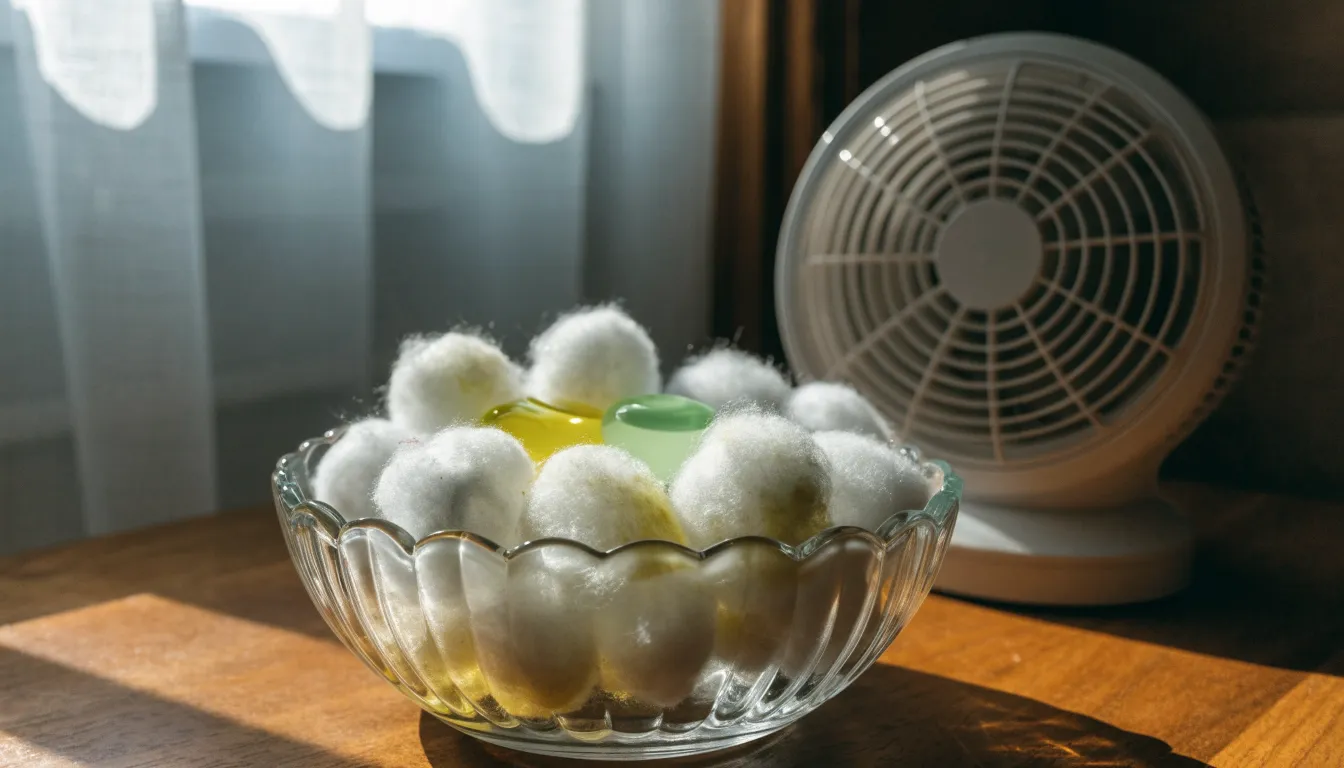
There are simple, safe ways to enjoy essential oil scents without adding oils to your humidifier. One easy method is using cotton balls: put a few drops of oil on a cotton ball and place it where air moves, like near the humidifier’s vent, on a windowsill, or in a decorative bowl. As the oil evaporates, the airflow carries a gentle, steady fragrance into the room.
Another option is passive room diffusers, which need no electricity or water. Reed diffusers work by drawing oil up porous reeds and releasing scent into the air, while unglazed terracotta or ceramic ornaments can absorb and slowly emit the oil. These provide continuous, subtle aroma without any risk to your humidifier or concerns about particles in the air.
For a quick scent boost, put a few drops on a tissue and set it near a fan, or add essential oils to a bowl of unscented dried flowers or wood chips. These simple DIY methods let you enjoy fragrant rooms while protecting your humidifier and keeping your indoor air healthier.
Frequently Asked Questions
Why shouldn’t I put essential oils directly into my standard humidifier?
Standard humidifiers are built to spray pure water, not oil-based concentrates. Essential oils do not dissolve cleanly and can corrode plastic parts, rubber seals, and ultrasonic membranes, leading to device failure and potentially voiding the warranty. This can also cause the device to send out uneven oil droplets, which can irritate the lungs.
What are the health risks of using essential oils directly in a humidifier?
Breathing in undiluted oil particles can irritate the lungs and throat, potentially causing coughing, sneezing, wheezing, or shortness of breath. People with asthma, allergies, or bronchitis are especially at risk, as are children and pets due to their more sensitive airways.
Is there a safe way to use essential oils with a humidifier?
Yes, many modern humidifiers include built-in aroma pads or designated oil trays. These compartments are specifically engineered to keep the oils completely separate from the main water reservoir and internal parts, allowing for safe scent dispersion without damaging the device.
What is the main difference between an essential oil diffuser and a humidifier?
A diffuser is designed to create a fine mist that carries tiny particles of essential oil into the air for aromatherapy, with a small mist output. Humidifiers, by contrast, are built to release large amounts of water vapor to raise the humidity level in a room, often measured in gallons per day, to combat dry air.
Are essential oils safe for pets when used with a humidifier?
Pets, especially cats, are much more sensitive to essential oils than humans and lack the liver enzyme needed to break down certain oil compounds, which can lead to toxicity. Many common oils are dangerous for pets, so use a humidifier with essential oils only in a well-ventilated area that pets cannot enter, and always consult a veterinarian.
How should I clean my humidifier if I use essential oils with it?
Regular cleaning is important to prevent oily residue, mold, mildew, and bacteria. Mix equal parts white vinegar and water in the tank and let it sit for 30 to 60 minutes, then empty, scrub with mild dish soap, and rinse everything well until no soap or vinegar smell remains.