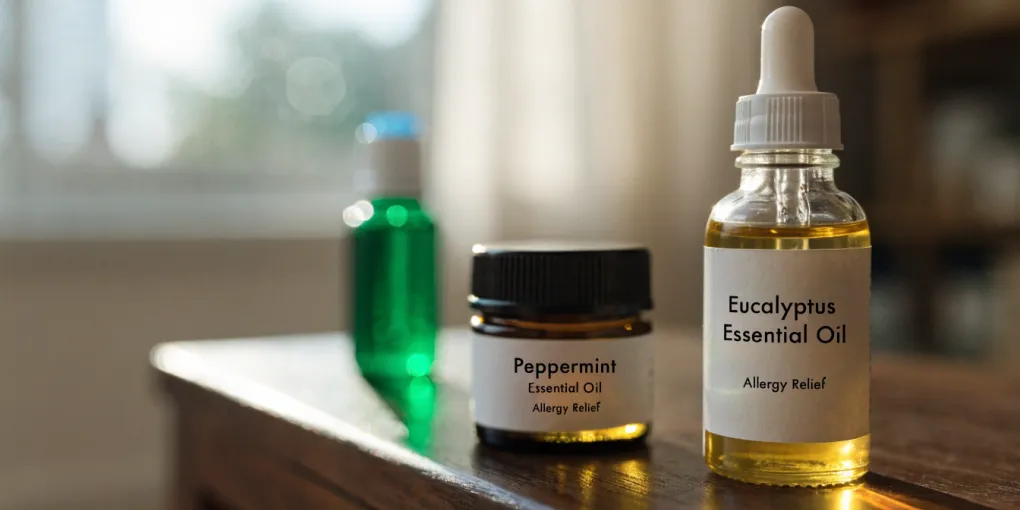
Essential oils can alleviate allergy symptoms by calming the immune system, reducing inflammation, and stabilizing mast cells to control histamine release. Lavender oil lessens swelling and itching, peppermint clears congestion, and eucalyptus thins mucus. Tea tree oil purifies air by fighting mold, while lemon oil cleanses and supports lymphatic drainage, offering comprehensive relief.
Table of Contents
- Natural Allergy Relief
- Lavender Oil Basics
- Peppermint Oil Power
- Eucalyptus Essential Oil
- Tea Tree Oil Benefits
- Lemon Oil Uses
- Roman Chamomile Magic
- Frankincense Oil Advantages
- Custom Blending Guide
- Diffuser Recipes for Spring
- Topical Application Methods
- Carrier Oil Selection
- Steam Inhalation Techniques
- DIY Sinus Roller Blends
- Essential Oil Safety Rules
Natural Allergy Relief
Certain essential oils can help calm the immune system when it overreacts to harmless things like pollen or pet dander. They work by stabilizing mast cells, the immune cells that release histamine. By doing this, they help lower the sudden flood of histamine that causes sneezing, itching, runny nose, and swelling during an allergic reaction.
Beyond controlling histamine, essential oils also have natural anti-inflammatory effects. This helps soothe the general inflammation that comes with allergies and brings the body’s immune response down from its over-alert state. In this way, they ease symptoms while also calming the underlying reaction.
Some oils go even further by helping balance immune cell activity, so the body stops treating everyday things as threats. This combined approach—reducing histamine, lowering inflammation, and steadying immune responses—can make allergic reactions less intense and less frequent over time.
Lavender Oil Basics
Lavender oil is well known for its calming, soothing effects, and these also help ease the discomfort of allergies. Its active components work to reduce the body’s inflammatory response, which is a major part of allergic distress. By helping to tone down the immune system’s overreaction, lavender oil can lessen symptoms like swelling, redness, and itching, supporting a more balanced immune response without strong suppressants.
Lavender oil also helps control mucus production in the respiratory tract. Allergies often cause too many mucus-producing cells to form, leading to thick mucus that blocks airways and causes congestion, coughing, and breathing trouble. Lavender oil helps normalize these cellular processes, preventing excess mucus buildup and keeping the respiratory passages clearer, which reduces irritation and supports easier breathing.
Additionally, lavender oil has antispasmodic properties that benefit the airways. During allergic reactions, muscles around the bronchial tubes can tighten and cause bronchospasms, leading to wheezing, shortness of breath, and chest tightness. Lavender oil helps relax these muscles, allowing the airways to widen and making breathing more comfortable. By reducing inflammation, managing mucus, and easing bronchial spasms, lavender oil serves as a helpful natural aid for respiratory relief during allergy flare-ups.
Peppermint Oil Power
Peppermint oil can help relieve congested sinuses and make breathing easier, which is a common problem for people with allergies. The key is menthol, the main active ingredient in the oil. When you inhale menthol vapors, it interacts with nerve endings in the nasal passages known as TRPM8 receptors, often called “cold receptors.” This triggers a cooling sensation that quickly makes the airways feel more open, providing fast relief from stuffiness.

By stimulating these cold receptors, menthol helps override the feeling of blockage, so the nose feels less clogged. Additionally, menthol has properties that help reduce inflammation and swelling in the nasal lining. For allergy sufferers, this means less swollen tissue narrowing the airways, allowing air to flow more smoothly.
Together, the cooling effect and the reduction of nasal swelling lead to more comfortable, unrestricted breathing. This makes peppermint oil a valuable aid during allergy-related congestion.
Eucalyptus Essential Oil
Eucalyptus essential oil is especially helpful for stubborn mucus and chest tightness, especially during allergies or breathing issues. Its main active compound, 1,8-cineole, gives the oil its strong, fresh scent and is responsible for most of its respiratory benefits.
This compound works as a powerful expectorant, meaning it helps the body clear out mucus and phlegm from the airways. When inhaled or applied to the chest, it thins and breaks down thick mucus, making it less sticky and easier for coughing and tiny airway hairs to remove.
In addition, 1,8-cineole helps open up constricted airways by clearing away mucus buildup. This reduces chest tightness and allows more air to flow through the bronchial tubes, making breathing deeper, easier, and more comfortable overall.
Tea Tree Oil Benefits
Tea Tree Oil comes from the Australian native Melaleuca alternifolia plant and is known for its strong purifying qualities. Its main benefits are antimicrobial and antifungal, which make it useful for managing environmental triggers that can worsen allergies. By helping to create a cleaner indoor space, it can reduce airborne irritants that cause discomfort.
One key function is its ability to fight mold spores, which often grow in damp, enclosed areas and can trigger respiratory allergies. The antifungal compounds in Tea Tree Oil help inhibit mold growth and lower the number of spores in the air. It also supports a less hospitable environment for dust mites, another common indoor allergen, even though it does not directly kill them.
Tea Tree Oil also helps calm the body’s allergic response. Its anti-inflammatory properties can soothe irritated tissues in the nasal passages, sinuses, or skin. By reducing environmental aggressors like mold and easing inflammation, Tea Tree Oil offers a well-rounded approach to a more comfortable, allergy-friendly home—whether used in a diffuser or in natural cleaning products.
Lemon Oil Uses
Lemon essential oil can help with allergies in two main ways: by cleaning the air around you and by supporting your body’s own defenses. Its fresh, energizing scent comes from natural compounds called citrus terpenes. When you diffuse lemon oil, these terpenes are released into the air, where they interact with airborne particles and help break down and neutralize unpleasant odors. Instead of just covering up smells, they work to freshen the air, which can reduce dust and other indoor allergens that might irritate you.
This natural air-cleansing effect helps limit the airborne triggers that can worsen allergic reactions, making it easier to breathe in your home. Lemon oil also supports the immune system by encouraging lymphatic drainage. The lymphatic system filters waste, toxins, and excess fluid from your tissues. By applying diluted lemon oil to the skin with a gentle massage, you can help stimulate the flow of lymphatic fluid, allowing the body to remove built-up toxins more efficiently.
With a lighter toxic load, the immune system can work better and respond more effectively to allergens. This means lemon oil not only freshens your surroundings but also helps strengthen your internal defenses, promoting a cleaner environment inside and out.
Roman Chamomile Magic
Roman Chamomile essential oil provides special relief during allergy season by addressing both physical discomfort and emotional strain. Its gentle but effective nature makes it a helpful tool for common seasonal allergy issues.
A key component, chamazulene, gives the oil strong anti-inflammatory benefits. It works to calm irritated tissues, which is especially useful for puffy, itchy, and red eyes. By soothing the sensitive skin around the eyes, it helps reduce swelling and discomfort in a gentle way, bringing relief to tired and overstimulated eyes.
Roman Chamomile also has calming properties that help with the stress often caused by allergy flare-ups. Stress can make allergic reactions worse through natural body responses, but this oil encourages relaxation and lowers that stress burden. By promoting a calmer emotional state, it can reduce the severity and frequency of symptoms, making allergy season easier to manage overall.
Frankincense Oil Advantages
Frankincense oil is especially helpful for lowering body inflammation and supporting lung health. This comes mainly from boswellic acids, natural compounds found in the resin. They work by blocking inflammatory leukotrienes, molecules that can trigger many inflammatory reactions, so the oil helps calm overall inflammation and brings natural comfort and balance.
This anti-inflammatory effect also helps the respiratory system. Lung tissues are easily irritated and inflamed, but boswellic acids help protect them. Frankincense oil soothes chronic respiratory irritation and supports better lung function, keeping airways clear and making breathing easier.
By soothing and protecting inflamed tissues, frankincense oil is a useful natural option for anyone wanting to support their body’s inflammatory response and respiratory resilience.
Custom Blending Guide
Essential oils are grouped by their aromatic notes, which describe how they smell and how quickly they evaporate. Top notes are light and uplifting, middle notes add body and balance, and base notes are rich and grounding, helping the whole blend last longer. To make a custom allergy blend, start by identifying your main symptoms, such as congestion, skin irritation, or respiratory discomfort, then choose oils that target those issues.
For respiratory support, for example, you might use eucalyptus to open airways, lavender to calm, and frankincense for grounding and anti-inflammatory action. Try to include at least one oil from each note category. In a clean glass dropper bottle, build your blend from the base up: add 1–2 drops of base oil, then 2–4 drops of middle note oil, and finally 3–5 drops of top note oil, swirling gently to combine.
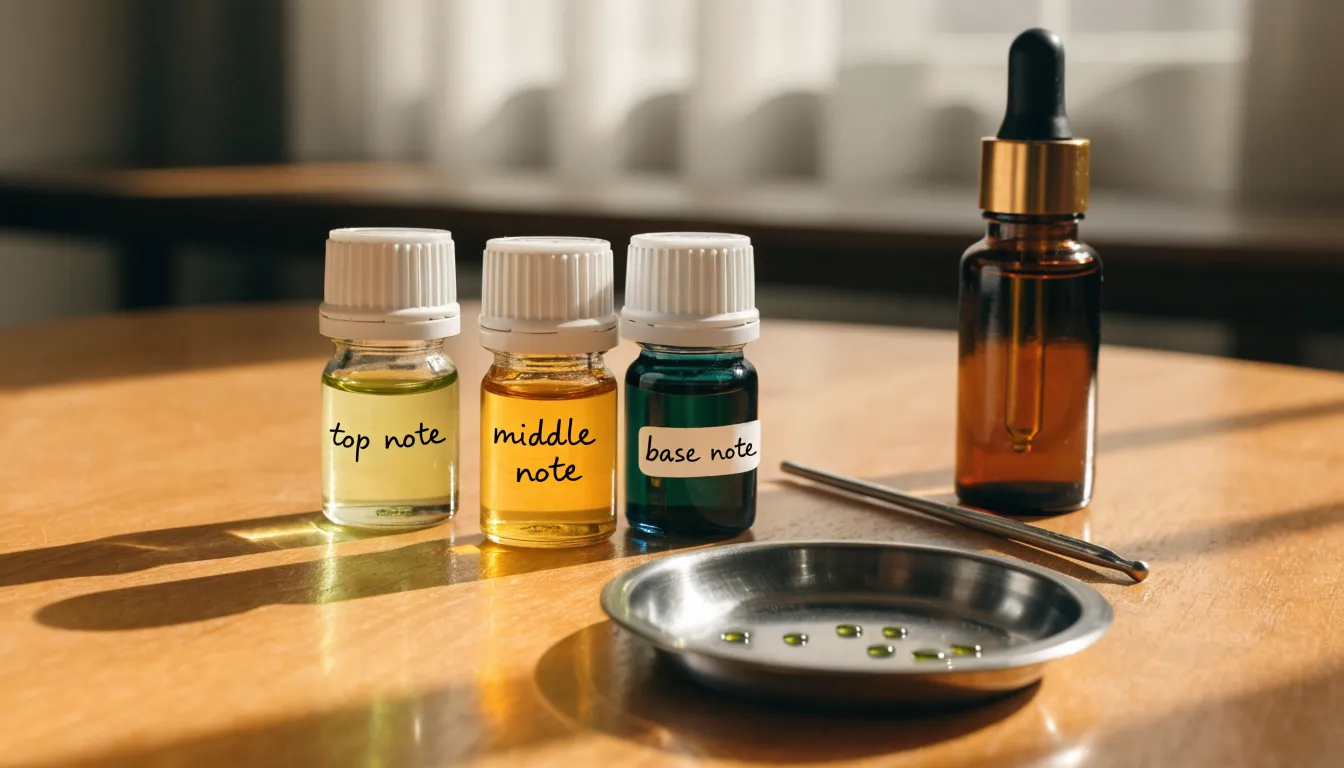
Before applying to skin, always dilute the blend with a carrier oil such as jojoba or fractionated coconut oil—a common ratio is 2–3 drops of essential oil blend per teaspoon of carrier. Test a small amount on your skin first, then adjust the ratio until the formula works well for your symptoms and smells pleasant to you. This step-by-step process lets you create a personalized daily allergy relief blend.
Diffuser Recipes for Spring
Spring brings pollen indoors, so diffuser blends with essential oils can help purify your air, reduce lingering irritants, and keep your home smelling fresh. Lemon oil cleanses and uplifts, lavender calms and supports well-being, peppermint invigorates and encourages clear breathing, and eucalyptus is known for its powerful purifying qualities.
A few simple blends work well: for a Spring Fresh Air mix, use three drops of lemon, two drops of lavender, and one drop of peppermint to create an uplifting, clarifying atmosphere. For a stronger Pollen Purifier, combine two drops of eucalyptus with two drops of lemon to intensely cleanse the air. For everyday freshness, a Clear Home blend of two drops of lavender and two drops of lemon helps maintain a clean, pleasant scent throughout the day.
Using these ratios in your diffuser regularly helps cycle fresh, clean scents through your home, making it easier to manage seasonal allergens settling indoors. With consistent use, these aromatic blends can transform your living space into a more comfortable, inviting haven during allergy season.
Topical Application Methods
Topical application is a direct way for essential oils to support the body, especially for allergy concerns, but it’s important to understand how to use essential oils on skin safely. This approach combines ongoing aromatic inhalation with skin absorption. Always dilute the oil with a carrier oil like jojoba, almond, or fractionated coconut oil to prevent irritation and improve absorption. A common guideline for adults is a 2–3% dilution, or about 2–3 drops of essential oil per teaspoon of carrier oil.
Once diluted, apply a small amount to the upper chest, focusing on the sternum and collarbone. Gently massage in slow, circular motions. This placement allows the oil’s aromatic compounds to evaporate slowly and rise into your nasal passages and respiratory system with each breath, giving a lasting inhalation effect that can help clear airways and ease respiratory discomfort.

Next, apply the diluted oil to the sides of the neck, where lymphatic pulse points are located—especially behind the ears and along the neck’s sides. These areas have many capillaries and lymphatic vessels, so massaging the oil here supports quick absorption into the bloodstream and lymphatic system. This helps the oils reach the whole body for broader support, while the gentle massage encourages healthy lymphatic flow. Using both chest and neck together creates a complete, sustained therapeutic effect.
Carrier Oil Selection
Choosing the right carrier oil is key for making essential oil blends safe, especially for sensitive skin. Carrier oils dilute strong essential oils to prevent irritation and help them absorb into the skin. Jojoba oil is a great option because it closely matches the skin’s natural sebum, so it absorbs well without feeling greasy. It’s ideal for sensitive or acne-prone skin, lasts a long time, and delivers essential oils deep into the skin for whole-body benefits.
Fractionated coconut oil is another good choice. It’s light, non-greasy, odorless, and colorless, and it stays liquid at room temperature, making it easy to use. Because it contains medium-chain triglycerides, it’s absorbed quickly by the skin. This helps essential oils penetrate efficiently and boosts their effectiveness without clogging pores or irritating the skin.
Sweet almond oil is gentle and nourishing, with vitamins E, A, and D, plus oleic and linoleic acids. It provides soothing moisture and is mild enough for most skin types, including very sensitive skin. Its medium thickness allows for smooth application and slower absorption, which means the essential oils keep working over a longer period. Considering these carrier oil traits helps ensure your essential oil use is both safe and effective.
Steam Inhalation Techniques
Steam inhalation is a fast and effective way to relieve blocked nasal passages and sinus congestion. By combining hot water vapor with essential oils like eucalyptus, peppermint, or tea tree—which are known for their decongestant and anti-inflammatory effects—you can loosen thick mucus and clear your airways within minutes.
To do this safely, place freshly boiled water in a large heatproof bowl and let it cool slightly to avoid scalding. Add just two to five drops of your chosen essential oil, then position your face about eight to twelve inches above the bowl. Drape a towel over your head to trap the steam, and breathe slowly through your nose for five to ten minutes.

The warm, moist air enriched with the oils’ active compounds helps to thin mucus, reduce sinus inflammation, and open up blocked airways for quick relief. You can repeat this process two to three times a day during flare-ups, but stop if you feel dizzy or a burning sensation. Always handle the hot water with care, as essential oils are very potent and should be used responsibly. This method gives direct, targeted relief for acute sinus pressure.
DIY Sinus Roller Blends
Making your own sinus roller blends is a simple, convenient way to tackle allergy symptoms anywhere. A small 10ml glass rollerbottle fits easily in a purse or pocket and lets you apply the blend smoothly without mess. You’ll use a lightweight carrier oil like fractionated coconut oil, then add essential oils chosen for their helpful effects: eucalyptus to support clear breathing, peppermint to feel invigorating and decongesting, lavender to calm and comfort, and lemon to refresh and purify.

A basic recipe for a 10ml bottle starts with 10 to 12 total drops of essential oils. Try 4 drops of eucalyptus, 3 drops of peppermint, 3 drops of lavender, and optionally 2 drops of lemon. Drop the oils into the clean empty bottle, then fill the rest of the bottle with your carrier oil, leaving a little space at the top.
To finish, press the rollerball insert into the bottle until it clicks, screw on the cap tightly, and shake gently so everything is well mixed. Label the bottle with the ingredients and date. To use, roll it onto your temples, forehead, bridge of the nose, behind the ears, or chest for soothing aromatic support. Always do a patch test on a small area of skin first to make sure it works well for you.
Essential Oil Safety Rules
When using essential oils, especially for allergies, safety comes first. Always do a patch test before applying a new oil to your skin. Mix a highly diluted drop into a small area like your inner forearm, then wait 24 to 48 hours to check for redness, itching, or discomfort. This helps you see if your skin is sensitive or allergic to that oil.
Essential oils are very strong and should almost always be diluted in a carrier oil like jojoba, almond, or fractionated coconut oil. For adults, a safe general dilution is 1–2%, which means about 6–12 drops of essential oil per ounce of carrier oil. Children, pregnant women, and people with sensitive skin should use even less, around 0.5% or lower. Using undiluted oils can irritate the skin and cause long-term sensitivity.
Some oils, especially citrus ones like bergamot, lemon, lime, orange, and grapefruit, can cause severe skin reactions when exposed to sunlight. These phototoxic oils can lead to burns, rashes, or discoloration if you go in the sun or use a tanning bed within 12 to 18 hours after applying them. To stay safe, use them at night or on skin covered by clothing. People with asthma or breathing issues should also be cautious with strong oils like eucalyptus, peppermint, or tea tree, as inhaling them can trigger breathing problems. Use oils in well-ventilated spaces, avoid direct inhalation, and talk to a healthcare professional if you have a respiratory condition.
Frequently Asked Questions
How do essential oils help with allergy symptoms?
Essential oils can help calm the immune system by stabilizing mast cells, which reduces the sudden release of histamine that causes common allergy symptoms like sneezing and itching. They also possess natural anti-inflammatory effects and can help balance immune cell activity to make allergic reactions less intense and frequent.
What benefits does lavender essential oil offer for allergy relief?
Lavender oil helps reduce the body’s inflammatory response, which can lessen symptoms such as swelling, redness, and itching associated with allergies. It also aids in controlling excess mucus production and has antispasmodic properties that relax bronchial muscles, supporting clearer and easier breathing.
How should I apply essential oils topically for allergy concerns?
Always dilute essential oils with a carrier oil, such as jojoba or fractionated coconut oil, using a common guideline for adults of 2–3 drops of essential oil per teaspoon of carrier oil. Apply the diluted blend to your upper chest, focusing on the sternum and collarbone, and to the sides of your neck where lymphatic pulse points are located, massaging gently.
Are there important safety precautions for using essential oils for allergies?
Always perform a patch test before applying a new oil to your skin, and dilute essential oils in a carrier oil to prevent irritation. People with asthma or breathing issues should be cautious with strong oils like eucalyptus, peppermint, or tea tree, as inhaling them can trigger breathing problems.
Can essential oils help with sinus congestion through steam inhalation?
Yes, steam inhalation with essential oils like eucalyptus, peppermint, or tea tree can quickly relieve blocked nasal passages and sinus congestion by thinning thick mucus and reducing inflammation. When performing this technique, ensure freshly boiled water has cooled slightly to avoid scalding, and stop if you feel dizzy or a burning sensation.
Which essential oil can help purify the air from allergy triggers like mold?
Tea Tree Oil, known for its strong purifying qualities, can help manage environmental triggers like mold spores with its antifungal compounds, inhibiting their growth and reducing airborne irritants. It also supports a less hospitable environment for dust mites and has anti-inflammatory properties to soothe irritated tissues.