Essential oils combat dandruff by targeting its root causes: fungal overgrowth, inflammation, and microbial imbalance. Oils like tea tree, lavender, and peppermint contain compounds that inhibit Malassezia yeast, soothe irritation, and provide broad antimicrobial support. Diluted with carrier oils such as jojoba or coconut, they help balance scalp oils, reduce flaking, and promote a healthier, more comfortable scalp environment.
Table of Contents
- Understanding Flaky Scalps
- Nature Versus Flakes
- Tea Tree Magic
- Soothing Lavender Goodness
- Refreshing Peppermint Power
- Woody Cedarwood Relief
- Clarifying Rosemary Boost
- Citrus Bergamot Shield
- Purifying Eucalyptus Treatment
- Carrier Oil Basics
- Jojoba Oil Synergy
- Coconut Oil Blends
- DIY Scalp Massage Oil
- Clarifying Shampoo Additions
- Overnight Scalp Masks
Understanding Flaky Scalps
Dandruff causes white flakes and often an itchy scalp. A common cause is Malassezia, a yeast that naturally lives on everyone’s scalp and feeds on skin oils. When it grows too much, skin cells renew faster than usual and shed in clumps, making visible flakes.
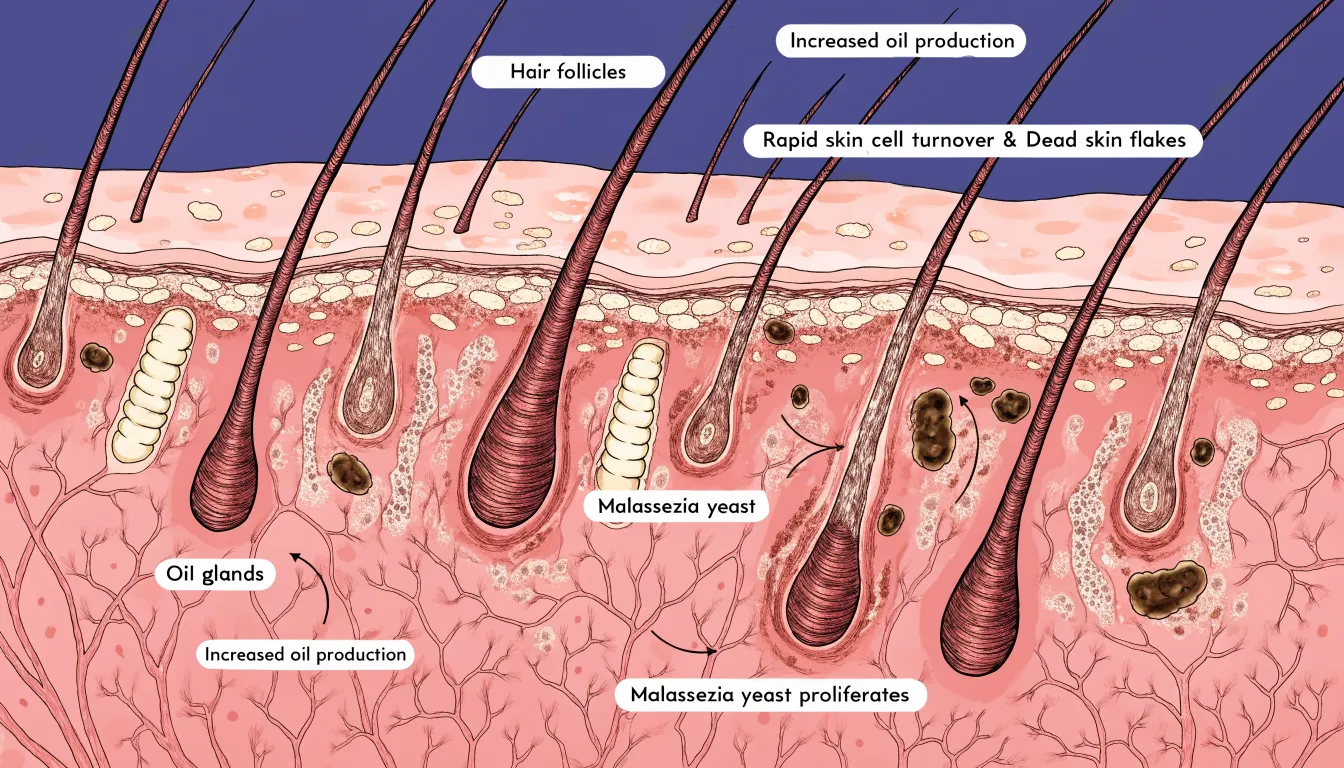
Too much oil can make things worse. The scalp’s oil glands normally keep skin and hair moisturized, but excess oil gives the yeast more food. This can make flakes larger and stickier, so dandruff may look oily. Dry skin can also cause flaking, but those flakes are usually smaller, drier, and whiter, and are more about a lack of moisture than yeast.
Contact dermatitis from hair products can also cause dandruff-like symptoms. The scalp may react to an irritant or allergen in shampoos, conditioners, dyes, or styling products, leading to redness, itching, and scaling. In that case, the key is to find and stop using the product that’s causing the reaction.
Nature Versus Flakes
Essential oils tackle dandruff naturally by going after its root causes, starting with fungus. Dandruff is often tied to an overgrowth of Malassezia globosa, a yeast that lives on the scalp. Many essential oils contain compounds that stop this yeast from multiplying. Tea tree oil, for example, has terpinen-4-ol, which breaks down fungal cell membranes. This lowers yeast levels and eases flaking and itching, helping restore a healthier scalp environment.
Beyond fighting fungus, essential oils also calm inflammation. An irritated scalp can feel red, itchy, and sore. Compounds like eugenol in clove oil and alpha-bisabolol in chamomile soothe inflamed skin and tone down the immune response that drives discomfort. This gives quick relief while supporting the scalp’s natural healing.
Essential oils also provide broad antimicrobial support. Other bacteria and microbes can add to scalp imbalance and worsen irritation. By keeping these germs in check, essential oils help prevent secondary infections and maintain a balanced scalp microbiome. Together, their antifungal, anti-inflammatory, and antimicrobial actions work synergistically to restore the scalp’s natural equilibrium, reducing flakes and promoting a healthier, more comfortable scalp.
Tea Tree Magic
Tea tree oil is a powerful natural remedy for stubborn dandruff flakes. Its main strength comes from a compound called terpinen-4-ol, which has strong antifungal properties. This active ingredient targets the microbes that cause scalp irritation and flaking.
Research shows that tea tree oil can effectively fight Malassezia, a yeast that commonly causes dandruff. When this yeast overgrows, it leads to itching, flaking, and discomfort. Terpinen-4-ol works by breaking down the yeast’s cell membranes, stopping its growth, and helping restore a healthier scalp balance.
For safe use, always dilute tea tree oil before applying it to the scalp. Mix 5 to 10 drops with about one ounce (30 ml) of a carrier oil, such as jojoba, coconut, or almond oil. Massage the mixture into the scalp, leave it on for at least 30 minutes or overnight, then shampoo. Regular use can noticeably reduce flakes and scalp discomfort.
Soothing Lavender Goodness
Lavender essential oil is a natural way to calm an itchy, irritated scalp. It works especially well to soothe intense itching, which is a common problem with dandruff. That constant urge to scratch can be distracting and uncomfortable, but lavender helps settle aggravated nerve endings, providing gentle yet effective relief and allowing the scalp to relax.
Lavender oil also has strong anti-inflammatory properties. Scalp inflammation often makes dandruff worse, causing redness, flakiness, and tenderness. By reducing this inflammation, lavender helps create a healthier scalp and lessens the irritation that leads to these symptoms, supporting better overall scalp health and fewer visible signs of distress.
Frequent scratching can also cause tiny micro-scratches on the delicate scalp, which may be painful and let bacteria in. Lavender’s beneficial compounds help these small wounds heal naturally, promoting skin recovery and helping the scalp maintain its protective barrier. Adding lavender to a scalp care routine offers a well-rounded way to manage dandruff by addressing itching, inflammation, and minor skin damage for a healthier, soothed scalp.
Refreshing Peppermint Power
Peppermint oil is a strong option for scalp health and dandruff, mainly because of its refreshing and soothing properties. Its key active compound, menthol, creates a cool feeling on the scalp that quickly calms irritation. This cooling effect also helps numb the itchiness linked to dandruff, offering fast relief and reducing the urge to scratch, which gives the scalp a chance to heal without further damage.
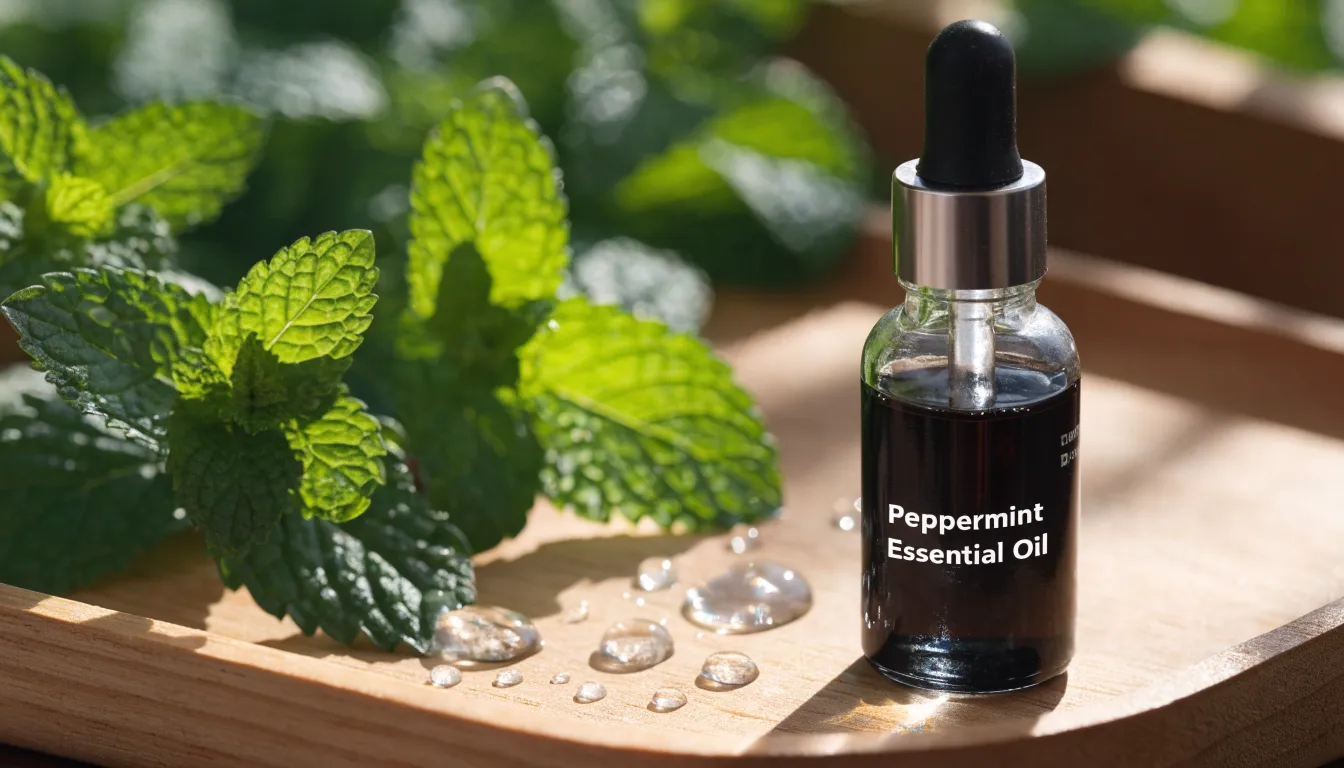
Beyond just soothing the surface, menthol in peppermint oil helps boost microcirculation when massaged into the scalp. Better blood flow means more oxygen and nutrients reach the hair follicles. This is important because weak or inflamed follicles often don’t get enough nourishment, which can affect hair strength and growth. By improving circulation, peppermint oil helps support and strengthen the follicles, creating a healthier base for hair.
With better nutrient delivery, the scalp becomes more balanced and resilient overall. A well-nourished scalp is less likely to develop dandruff-related issues like dryness, excess oil, or microbial imbalance. So peppermint oil works in two helpful ways: it quickly eases itching while also improving blood flow beneath the skin. Together, these effects support a healthier scalp and help reduce the discomfort of dandruff.
Woody Cedarwood Relief
Cedarwood essential oil’s woody scent comes with a big benefit for the scalp: it helps fight dandruff. Its main mechanism is its astringent nature, which means it gently tightens and tones skin tissues. On the scalp, this allows it to control the oil glands, keeping them from pumping out too much natural oil (sebum) and creating a greasy, unhealthy environment.
That extra oil is perfect food for common scalp fungi like Malassezia, which are naturally present but grow rapidly when fed this surplus. This overgrowth causes the itchiness, irritation, and flaking we know as dandruff. Cedarwood oil steps in by regulating these overactive oil glands, bringing sebum production back into balance and reducing the greasy buildup that allows the fungus to thrive.
With less oil available, the fungi lose their primary food source and stop multiplying out of control. This reduces the inflammation and discomfort they cause, leading to fewer visible white flakes and less scalp itch. Instead of just hiding the symptoms, cedarwood oil provides relief by directly addressing the root problem—balancing scalp oils through its natural, regulating action.
Clarifying Rosemary Boost
Rosemary oil gives the scalp a clarifying boost, using its natural stimulating qualities to tackle dandruff problems. It works by energizing the skin cells on the scalp, which helps create a healthier environment overall—a key step in managing persistent flaking.
Its main advantage is clearing away unwanted product buildup. Hair sprays, conditioners, and natural oils can pile up over time, clogging hair follicles and allowing irritants that cause dandruff to thrive. Rosemary oil gently breaks down this stubborn residue, allowing the scalp to breathe and keeping follicles clear so they can properly absorb essential nutrients.
The oil also boosts blood circulation, ensuring the scalp gets a steady supply of oxygen and nutrients. A clear, well-nourished scalp is less prone to dryness and irritation that create flakes. Using it regularly helps reduce current flakes and prevents future flare-ups by supporting both follicle health and cellular vitality.
Citrus Bergamot Shield
Bergamot essential oil helps protect the scalp by acting as a natural barrier against irritation and dandruff. Its power comes from natural compounds like linalool and limonene, which have strong antimicrobial properties that target the root causes of scalp problems.
When used properly and diluted, bergamot oil cleanses the scalp by removing impurities and helping to restore its natural balance. This makes the scalp less welcoming to harmful microbes, especially the bacteria that can cause irritation, itchiness, and flaking.
Linalool and limonene work by penetrating the scalp and neutralizing bacterial growth that leads to discomfort. This not only clears up existing issues but also helps prevent them from coming back. In this way, bergamot supports the scalp’s natural defenses, reducing dandruff and promoting a healthier, more comfortable scalp.
Purifying Eucalyptus Treatment
Eucalyptus oil helps clear clogged pores on the scalp. It breaks down dead skin, excess oil, and product buildup that can block hair follicles. This lets the scalp breathe, which helps prevent dandruff and supports healthier hair growth.
It also soothes scalp tension. A tight, irritated scalp can feel uncomfortable, and eucalyptus provides a cooling, refreshing effect. This helps relax the scalp, reducing discomfort and supporting a healthier scalp environment.
In addition, eucalyptus offers antimicrobial protection. Its natural compounds fight fungi and bacteria that can cause scalp infections or worsen dandruff. By making the scalp less hospitable to microbes, it helps reduce flaking and keeps the scalp cleaner and healthier.
Carrier Oil Basics
Essential oils are highly concentrated plant extracts with powerful compounds. Applying them directly to the skin, especially the delicate scalp, can cause irritation, redness, burning, or even chemical burns.
Carrier oils are key to using essential oils safely. They dilute these strong substances to a safe and effective level, so the beneficial properties can reach the scalp without causing harm.
Carrier oils also help spread the essential oil evenly across the scalp. This supports consistent absorption and prevents too much concentrated oil from building up in one area.
Jojoba Oil Synergy
Jojoba oil is unique among botanical oils because its structure closely mimics the natural wax esters found in human scalp sebum. Because of this similarity, the scalp recognizes it as its own natural lubricant, allowing it to blend seamlessly with the skin’s existing oil balance. This helps maintain a healthy moisture barrier.
By signaling to the sebaceous glands that enough oil is already present, jojoba oil helps regulate the scalp’s natural oil production. This balancing effect reduces both excessive greasiness and uncomfortable dryness, which are common causes of flaking. It delivers moisture without leaving a heavy or greasy residue, supporting optimal hydration.
Jojoba oil is also non-comedogenic, meaning it does not clog hair follicles. Instead, it lets follicles breathe and function normally, promoting healthy hair growth from a clean, nourished foundation. By working with the scalp’s natural processes, jojoba oil helps create a balanced, comfortable scalp environment and supports overall scalp health.
Coconut Oil Blends
Coconut oil is especially good for dandruff caused by a very dry, flaky scalp. It works mainly because it deeply hydrates. The oil contains medium-chain fatty acids, especially lauric acid, which has a small molecule size. This lets it penetrate the hair shaft and scalp skin easily, so moisture reaches the deeper areas that need it instead of just sitting on the surface.
By absorbing into the scalp, coconut oil replaces lost moisture and fights the dryness that leads to flaking. With regular use, it helps restore the scalp’s natural barrier, making it less sensitive to irritation and better able to handle environmental stress. This steady hydration also calms tightness and soothes the scalp.
For people with severe dryness and visible flakes, using coconut oil blends in a hair care routine can bring real relief. The oil nourishes skin cells from within, reduces flakes, and keeps moisture balanced. Over time, this creates a healthier scalp environment where dryness-induced dandruff is less likely to thrive.
DIY Scalp Massage Oil
Making your own anti-dandruff scalp oil lets you target flakes and irritation with a personalized blend. The key active ingredients are essential oils: tea tree oil fights fungus, lavender oil soothes an irritated scalp, and rosemary oil supports a healthy scalp environment. These are mixed into a nourishing carrier oil like jojoba, which closely matches the scalp’s natural oils, or fractionated coconut or sweet almond oil for extra moisture.
A simple recipe is to combine about 5 to 7 drops of total essential oil with one tablespoon of carrier oil. For example, mix 3 drops of tea tree oil, 2 drops of lavender oil, and 1 drop of rosemary oil into jojoba oil. Store it in a small amber glass bottle, or mix it in a bowl for immediate use. Apply a few drops directly to your scalp along parted sections of dry or slightly damp hair, focusing on dry or flaky areas.
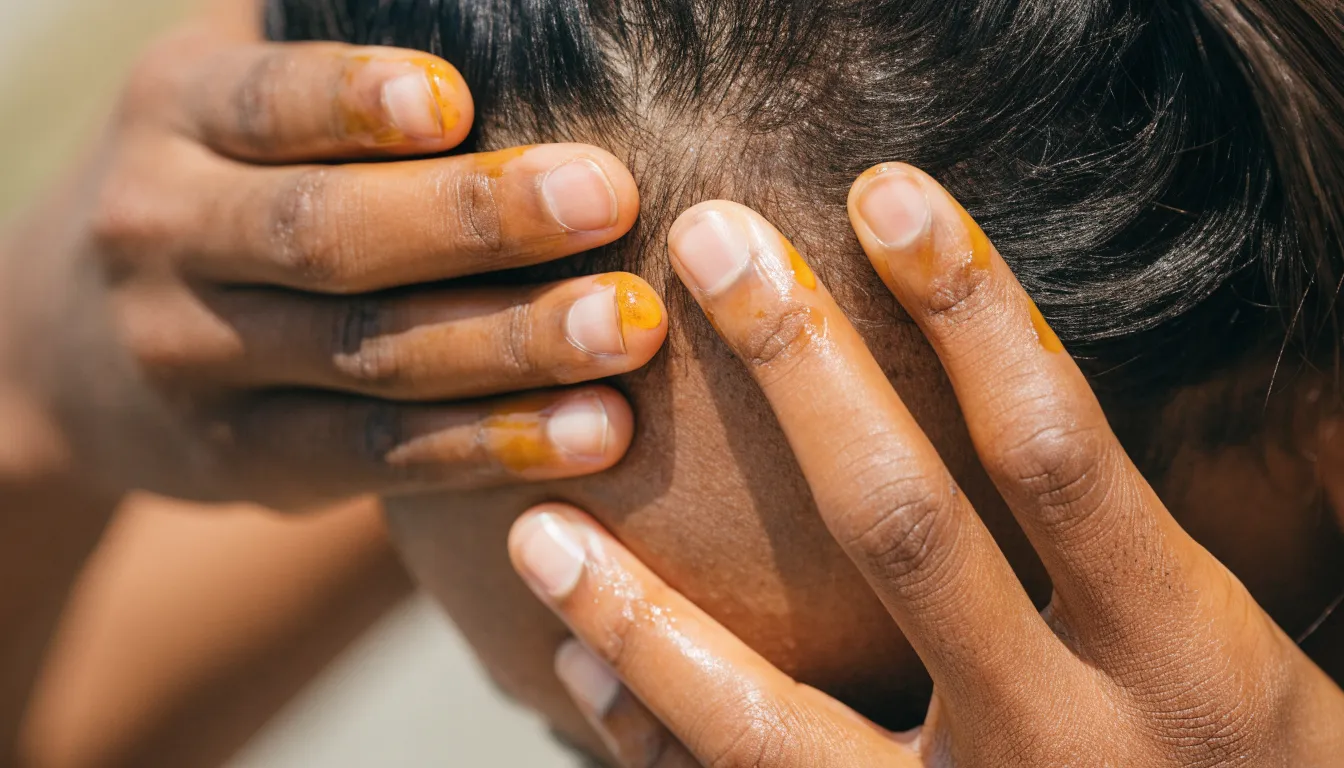
After applying, use your fingertips to massage the oil into your scalp with small, circular motions, starting at the hairline and covering the whole head. Use light to medium pressure for 5 to 10 minutes to boost circulation and help the oils absorb. Leave the oil on for at least 30 minutes or overnight, then shampoo gently. Using this blend two to three times a week can improve scalp health and reduce dandruff over time.
Clarifying Shampoo Additions
To fight dandruff, you can add essential oils directly to your shampoo for an instant anti-dandruff boost. Choose oils with antifungal and soothing properties, such as tea tree, peppermint, or rosemary, and always dilute them properly. Before regular use, do a patch test on your inner arm to make sure your skin doesn’t react badly.
There are two easy ways to use the oils. For a ready-to-go mix, add about 1–2 drops of essential oil per ounce of shampoo—so 8–16 drops for a standard 8-ounce bottle. Gently tilt the bottle to mix, avoiding vigorous shaking. For more control, add 1–2 drops directly to the shampoo in your palm, swirl gently with your finger, and use it right away. This keeps the dilution fresh and lets you adjust based on how your scalp responds.
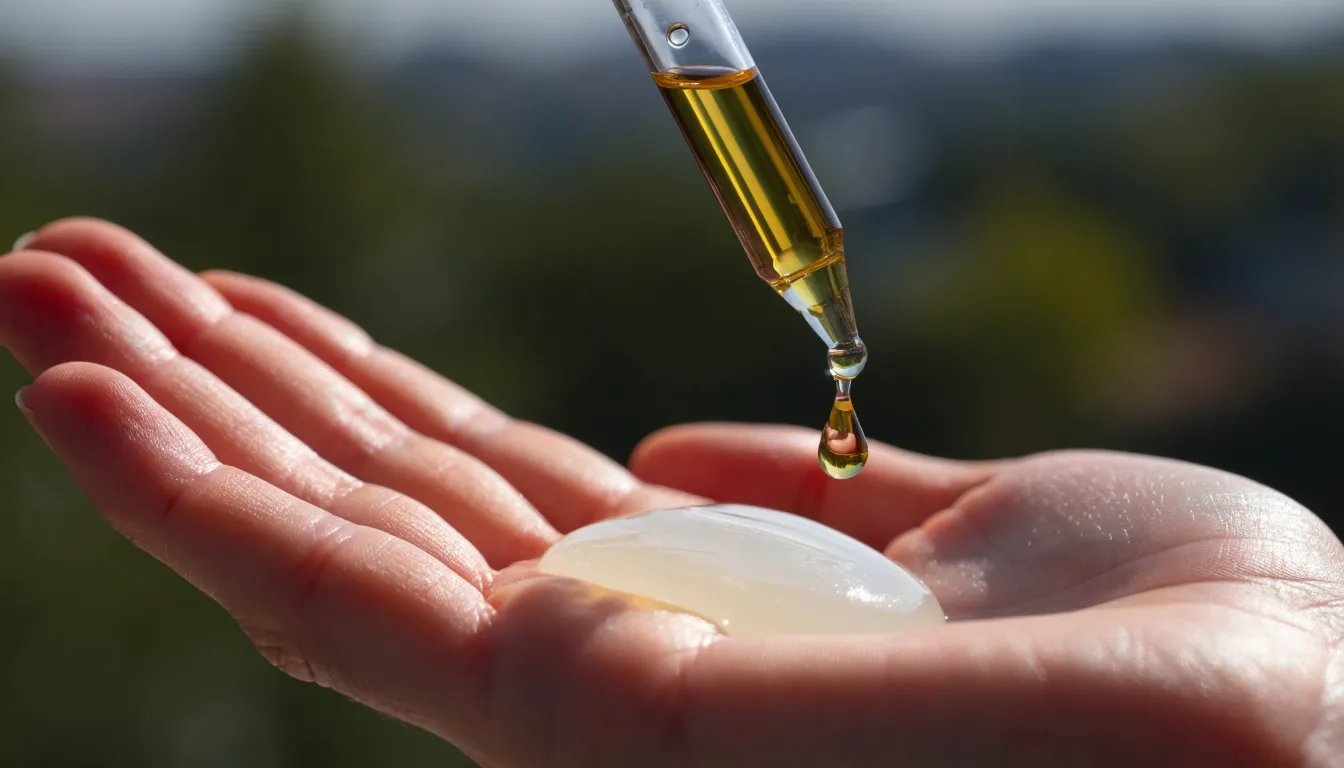
When washing, massage the shampoo-oil blend well into your scalp and let it sit for a minute or two so the oils can work before rinsing. Use this routine a few times a week for the best results in reducing flakes and itching. Always choose high-quality, batch-tested essential oils for both safety and effectiveness.
Overnight Scalp Masks
Overnight scalp masks are a powerful way to treat stubborn dandruff. By leaving oils on the scalp for hours, the beneficial compounds in essential oils like tea tree or rosemary can penetrate deeply, helping to loosen flakes and calm irritation while you sleep.
To use them, mix a few drops of your chosen essential oil into a carrier oil such as jojoba or coconut oil, then massage the blend directly into the scalp, focusing on flaky areas. Cover your head with a shower cap to keep the oils from rubbing off, so they can keep working on the scalp all night.
In the morning, rinse thoroughly. Apply shampoo to the dry, oiled scalp first to break down the oils, then rinse well, and shampoo again if needed. A cool-water final rinse adds shine. Done regularly, this treatment reduces dryness and creates a healthier scalp environment, keeping flakes under control.
Frequently Asked Questions
What causes dandruff and why does my scalp get flaky?
Dandruff often stems from an overgrowth of Malassezia yeast on the scalp, which feeds on skin oils and causes skin cells to shed rapidly. Excess oil can make flakes larger and stickier, while dry skin can also lead to smaller, drier flakes due to a lack of moisture. Contact dermatitis from hair products is another potential cause, leading to redness and scaling.
How do essential oils help combat dandruff?
Essential oils fight dandruff by targeting Malassezia globosa yeast, which is often a root cause of flaking. They also contain compounds that calm scalp inflammation and provide broad antimicrobial support, helping to restore a healthy scalp environment.
What’s the best way to safely use tea tree oil for dandruff?
For safe use, always dilute tea tree oil with a carrier oil before applying it to your scalp. Mix 5 to 10 drops with about one ounce (30 ml) of carrier oil, such as jojoba or coconut oil, then massage it in. Leave the mixture on for at least 30 minutes or overnight, and then shampoo.
Why is it important to dilute essential oils with carrier oils for scalp application?
Essential oils are highly concentrated, and applying them directly to the scalp can cause irritation, redness, or even chemical burns. Carrier oils dilute these strong substances to a safe and effective level, allowing the beneficial properties to be absorbed without harm. They also help spread the essential oil evenly across the scalp, preventing concentration in one area.
Which essential oil can help control an oily scalp that contributes to dandruff?
Cedarwood essential oil helps control an oily scalp due to its astringent nature, which gently tightens and tones skin tissues. This allows it to regulate oil glands, reducing excess sebum production that often feeds common scalp fungi and worsens dandruff. With less oil, fungi lose their food source, leading to fewer flakes and less itch.
Can I add essential oils to my shampoo to help with dandruff?
Yes, you can add 1–2 drops of essential oil per ounce of shampoo, or directly to the shampoo in your palm, for an anti-dandruff boost. Always perform a patch test on your inner arm first to ensure no adverse reaction. Massage the shampoo-oil blend well into your scalp, let it sit for a minute or two, then rinse thoroughly.