
Essential oils are concentrated plant extracts, commonly obtained through steam distillation, that capture a botanical’s natural essence and therapeutic qualities. What essential oils actually are. When diluted and applied, they interact with the nervous system to promote relaxation, manage stress, lift mood, soothe skin, relieve muscle tension, and improve sleep by influencing neurotransmitters and emotional responses for overall well-being.
Table of Contents
- Essential Oil Essentials
- Essential Oils A to B
- Essential Oils C to D
- Essential Oils E to F
- Essential Oils G to H
- Essential Oils I to L
- Essential Oils M to N
- Essential Oils O to P
- Essential Oils R to S
- Essential Oils T to Z
- Soothing Stress and Anxiety
- Supporting Skin and Hair
- Muscle and Tension Relief
- Improving Sleep Quality
Essential Oil Essentials
Essential oils are highly concentrated plant extracts that capture the natural essence and therapeutic qualities of botanicals. They are often obtained through steam distillation, a process where steam passes through plant material, breaking open tiny glands that hold aromatic compounds. The steam carries these compounds into a condenser, where they cool back into liquid form. Because oil and water don’t mix, the essential oil naturally separates from the water, leaving a potent, concentrated oil.
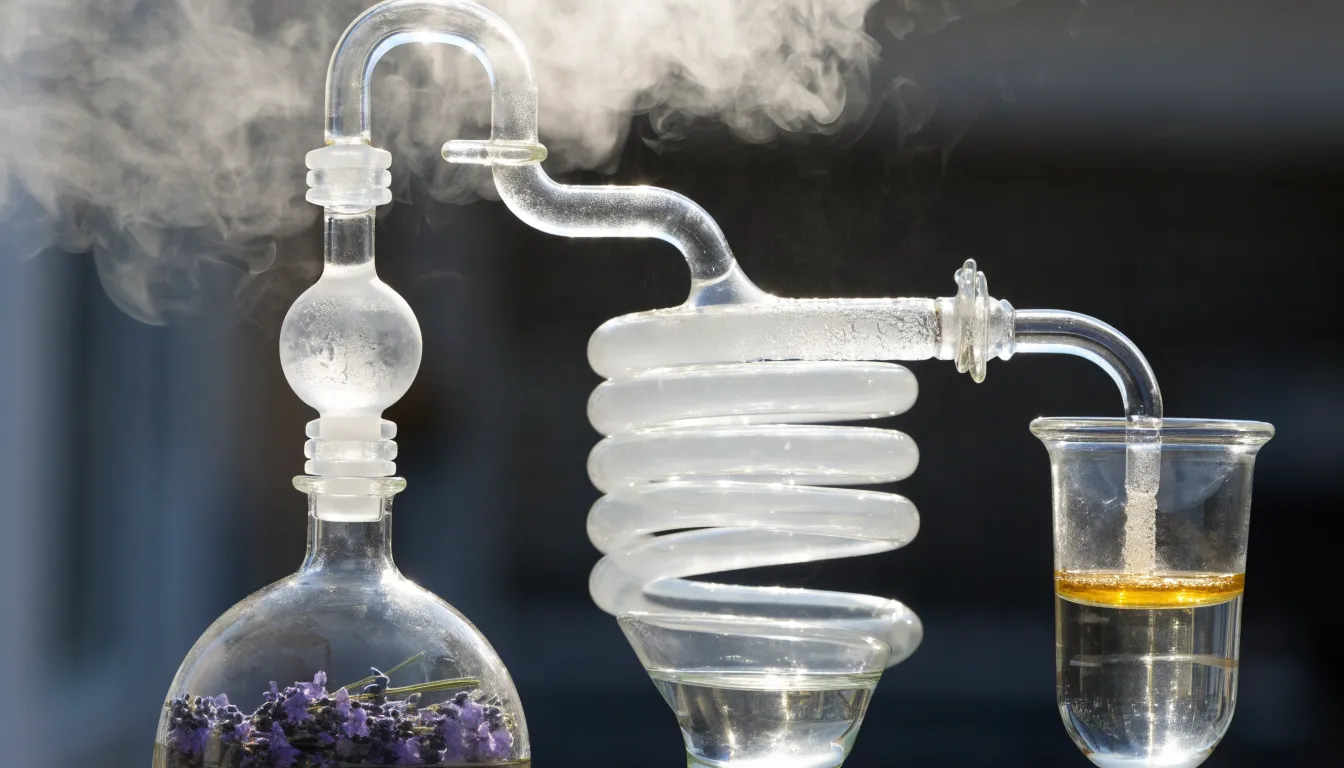
Because of their strength, essential oils should be diluted before applying to the skin. Carrier oils like jojoba, sweet almond, or fractionated coconut oil help reduce the risk of irritation and improve absorption. For adults, a common guideline is a 1% to 3% dilution, which equals about 6 to 18 drops of essential oil per ounce of carrier oil, depending on the oil and its intended use. This keeps the oil both safe and effective.
Once in the body, essential oils mainly interact with the nervous system. When inhaled, aromatic molecules travel from the nose to the olfactory bulb and then to the limbic system, the brain area tied to emotions, memory, and motivation. When applied to the skin, the compounds enter the bloodstream and reach different parts of the body. Through these pathways, essential oils can affect neurotransmitters, help manage stress responses, and encourage calmness or energy. This is why they are commonly used to promote relaxation, support emotional balance, and lift mood as a natural way to support well-being.
Essential Oils A to B
Bergamot essential oil is used mainly to lift mood and ease everyday stress. Its fresh, citrusy, slightly floral scent helps create feelings of joy and calm. When diffused, it soothes the mind and encourages a more positive outlook, making it a great choice for emotional balance and relaxation.
Basil essential oil helps sharpen focus and improve mental clarity. Its warm, herbaceous scent can cut through mental fatigue and clear the mind, which is helpful during studying, work, or any task that needs attention. It supports alertness and reduces mental sluggishness, making it useful for boosting cognitive performance.
Tea tree essential oil is known for its strong skin benefits, especially its antimicrobial action. It helps cleanse and purify the skin by clearing pores, calming minor irritation, and promoting a clearer, healthier complexion. Adding it to a skincare routine supports overall skin hygiene and clarity.
Essential Oils C to D
Cedarwood oil has a grounding and comforting scent, and its main function is to promote calm and support sleep. It helps ease the body into rest, calms the mind, and creates a peaceful atmosphere, which is useful for keeping a consistent sleep schedule.
Roman chamomile is known for its gentle, anti-inflammatory effects, making it perfect for sensitive skin. It soothes irritation, redness, and minor discomfort when diluted and applied. Its mild nature makes it safe for children and reactive skin, and adding it to lotions turns regular skincare into a comforting routine.
Clary sage is valued for easing hormonal discomfort. It supports the body during menstrual cycles and menopause, helping with cramps, mood swings, and hot flashes. Whether diffused or applied with a carrier oil to the abdomen, it brings balance to the body and helps promote emotional steadiness during these times.
Essential Oils E to F
Eucalyptus oil has a strong, camphor-like scent and is best known for clearing congestion. It supports respiratory health by opening up the airways and making breathing easier. When diffused or applied to the chest and throat, it can bring comfort during seasonal issues and also help freshen the air.
Frankincense essential oil is prized for its skin-rejuvenating benefits. It supports the health and renewal of skin cells, helping to reduce fine lines and wrinkles, even out skin tone, and promote a youthful, radiant appearance. It works gently over time to keep skin firm, supple, and elastic.
Fennel oil has a sweet, anise-like aroma and is mainly used to support digestive comfort. It soothes the gastrointestinal system, helping to relieve occasional bloating, gas, and indigestion. When diluted and massaged on the abdomen or diffused, it encourages calm, balanced digestion.
Essential Oils G to H
Geranium essential oil helps balance the skin’s natural oil production, known as sebum. When sebum levels are uneven, skin can become too oily and prone to breakouts, or too dry and irritated. Geranium gently regulates this process, promoting a clearer, more balanced complexion and supporting healthy skin in many skincare routines.
Grapefruit essential oil has a bright, citrusy scent that boosts energy and refreshes the mind. It can invigorate the senses and create a lively atmosphere when diffused, and when applied to the skin in diluted form, it promotes a feeling of alertness and vitality. This makes it a good natural choice for adding energy and motivation to a daily routine.
Helichrysum essential oil, also called “immortelle,” is known for its powerful ability to support skin repair. It helps reduce the appearance of scars, stretch marks, and other skin imperfections by encouraging the skin’s natural healing processes. Its restorative properties make it especially useful in advanced skincare products meant to help damaged or delicate skin recover, leaving it smoother, more even, and healthier-looking.
Essential Oils I to L
Jasmine essential oil lifts your mood with its sweet, floral scent, bringing joy and optimism. It is also a natural aphrodisiac that can increase feelings of closeness and connection. Used in a diffuser or diluted on the skin, it gently awakens the senses and encourages a calm yet positive outlook.
Lavender essential oil is well known for its ability to reduce anxiety and promote relaxation. Its soothing aroma helps calm the mind and support restful sleep. Diffusing it before bed, adding it to a bath, or applying it to pulse points can ease tension and lower everyday stress.
Lemon essential oil is refreshing and energizing. Its bright citrus scent clears mental fog and boosts focus, while also purifying the air and cleaning surfaces. Inhaling lemon oil lifts your mood and adds vibrant energy, making it a great choice to start the day.
Essential Oils M to N
Sweet marjoram essential oil is known for its muscle-relaxing effects. It helps ease tired muscles after physical activity and supports a sense of physical release. Its comforting warmth makes it a great choice for massage blends, helping to reduce everyday stiffness and restore ease of movement.
Myrrh essential oil is valued for its deeply hydrating skin benefits. It helps maintain the skin’s moisture barrier, supporting a supple, smooth, and elastic complexion. Because of its emollient properties, it is especially useful for dry skin that needs extra moisture to feel balanced and comfortable.
Neroli essential oil, made from bitter orange blossoms, is excellent for calming acute nervous tension and emotional strain. Its floral, uplifting aroma helps reduce feelings of overwhelm and supports tranquility during stress or anxiety. It can be diffused or applied to pulse points to encourage peace, emotional stability, and resilience throughout the day.
Essential Oils O to P
Sweet orange essential oil is known for lifting mood and boosting energy. Its bright, citrusy scent helps create a cheerful, positive atmosphere, making it great for diffusing when you want a fresh and uplifting feel. It can also be used in natural cleaning products to leave a clean, pleasant scent.
Patchouli essential oil has a rich, earthy, and musky aroma that helps calm emotions and create a sense of grounding and balance. It is also good for the skin, supporting healthy regeneration and soothing dry or irritated areas when diluted. Adding it to skincare routines can help promote smoother, healthier-looking skin.
Peppermint essential oil is valued for its strong, invigorating effects, thanks to its high menthol content. It provides quick cooling relief when applied to sore areas and is often used to ease tension headaches. Its sharp, fresh scent can also reduce fatigue, sharpen focus, and boost natural energy, making it helpful for mental clarity and alertness.
Essential Oils R to S
Rose essential oil is prized for delicate skin, offering anti-aging benefits that reduce fine lines and wrinkles for a youthful glow. It deeply hydrates and soothes mature or sensitive skin, easing redness and irritation. Its luxurious floral scent also promotes emotional calm, making it a holistic addition to self-care routines.
Rosemary essential oil boosts cognitive function and mental alertness. Its herbaceous aroma enhances memory and concentration, so diffusing it or inhaling directly helps clarify the mind during study or demanding tasks. It naturally sustains mental acuity and keeps the mind active and focused throughout the day.
Spearmint essential oil is a gentler mint that refreshes and uplifts without being overpowering. Its sweet, herbaceous scent eases digestive discomfort like stomach upset, indigestion, or nausea. It also refreshes the mind, lifts mood, reduces fatigue, and brings clarity and calm focus—ideal for a mild mental pick-me-up and safe for frequent use.
Essential Oils T to Z
Ylang ylang essential oil is valued for its strong emotional support and its ability to help slow a racing heart. Its sweet, floral scent encourages peace and relaxation, making it helpful for easing stress and anxiety. It promotes a calm, balanced state of mind and body, fostering a deep sense of tranquility and emotional ease.
Vetiver essential oil has deep grounding properties that are especially helpful for restlessness. Its earthy, smoky aroma brings stability and reassurance, helping to settle a scattered or overactive mind. It supports mental focus and emotional centering, reducing nervousness and overstimulation while encouraging a lasting sense of inner calm.
Wintergreen essential oil is known for its natural methyl salicylate content, similar to aspirin, which makes it powerful for relieving sore joints. Applied to the skin, it soothes discomfort from physical activity or stiffness. Its refreshing, minty scent adds a feeling of invigoration while supporting muscular comfort and easier movement.
Soothing Stress and Anxiety
Essential oils can help with daily stress and anxiety in a natural way. Oils rich in linalool, a calming compound found in plants like lavender, are especially useful because they help soothe the nervous system and ease the body’s stress response.
Diffusing these oils is a simple way to create a calm space. When lavender, bergamot, or clary sage is dispersed into the air, the scent is inhaled and quickly affects the brain’s emotional center. Blending oils for different times of day can work well, such as using more lavender during tense moments or before sleep.
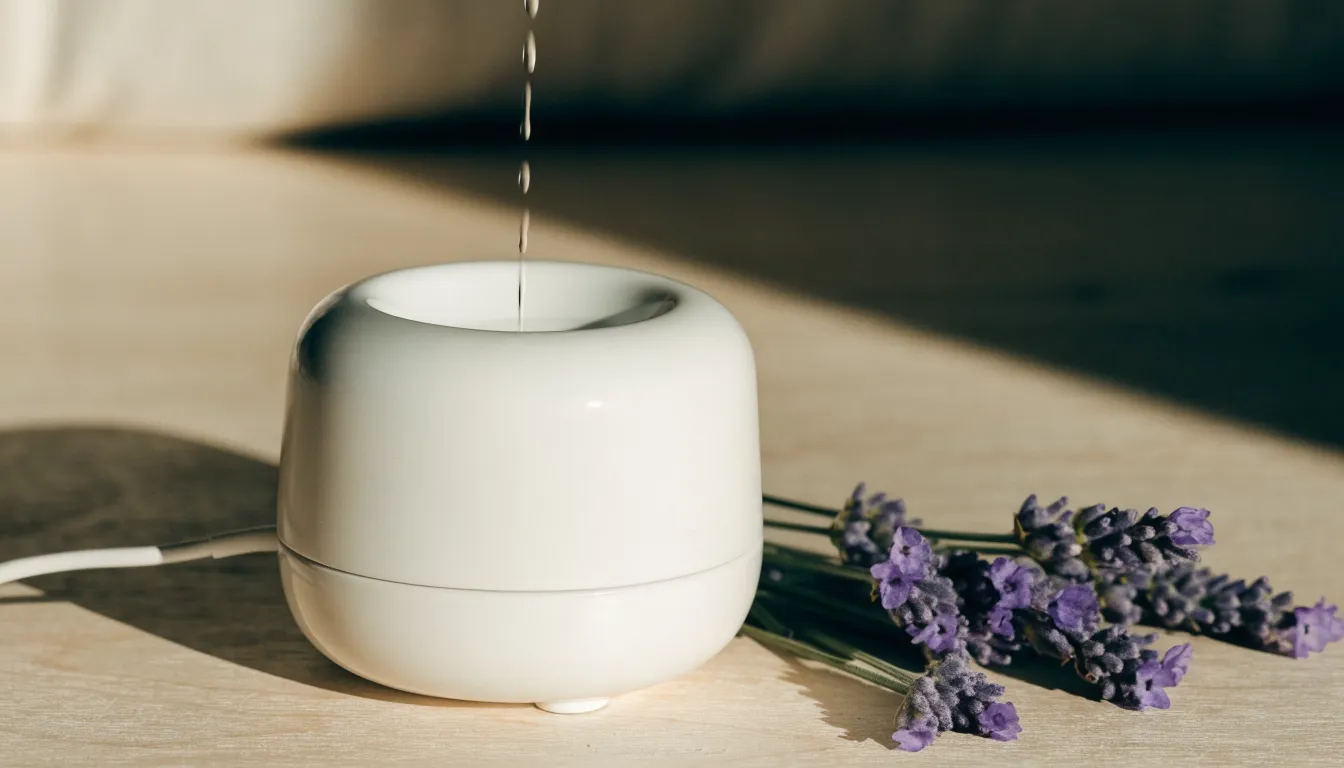
Topical use is another direct method. Diluted with a carrier oil like jojoba or almond, these oils can be massaged into pulse points, temples, or the neck. The skin absorbs them quickly, offering fast relief from stress. Regular use may help lower cortisol levels and support a more balanced, relaxed mood overall.
Supporting Skin and Hair
Clean botanical formulas offer a gentle yet powerful way to care for skin and hair, using simple DIY recipes that combine pure, non-comedogenic carrier oils with targeted botanicals. Carrier oils like jojoba, argan, and sweet almond provide essential fatty acids and vitamins without clogging pores, making them suitable for all skin types, including acne-prone and sensitive complexions.
For skin concerns, tea tree oil can be diluted in a carrier oil and used as a spot treatment to help clarify blemishes, while lavender oil soothes redness and discomfort. Together with a carrier, these essential oils support clear, balanced skin without the irritation often caused by harsh chemical products.

For hair health, peppermint and rosemary oils are excellent for boosting scalp circulation and promoting healthy growth. A few drops blended with coconut or castor oil can be massaged into the scalp to stimulate follicles, reduce dryness and flakiness, and condition the scalp. To enhance natural glow, geranium or frankincense oils can be added to facial serums or moisturizers to tone skin, improve elasticity, and create a luminous sheen—all without synthetic additives, parabens, or artificial fragrances.
Muscle and Tension Relief
After hard exercise, muscles often feel sore and tired and need targeted help to recover. Cooling essential oil blends offer a natural way to ease this discomfort and speed up recovery. These blends work best as convenient rollerball recipes that let you apply them directly to tense spots, using a mix of oils to soothe overworked muscles and restore comfort.

Peppermint oil is the star for its invigorating, cooling feeling, which distracts from pain while boosting blood flow to the area. Wintergreen oil adds strong pain-relieving power, providing a warmth-then-relief effect with methyl salicylate, a compound like aspirin, to fight deep aches and stiffness. Eucalyptus oil contributes a fresh scent along with anti-inflammatory benefits, improving circulation to clear out metabolic wastes that cause post-workout soreness.
Combining these three oils in a carrier like jojoba or fractionated coconut oil creates a potent recovery blend. The rollerball allows precise application to quads, hamstrings, shoulders, or the lower back. Gently rolling and massaging the mixture encourages localized blood flow, which delivers oxygen and nutrients while flushing out lactic acid and other toxins. This reduces deep muscle soreness and tension, offering a simple yet effective way to support the body’s natural post-exercise healing.
Improving Sleep Quality
A consistent bedtime routine helps improve sleep, and essential oils can make it even more effective. Using a bedside diffuser and a pillow spray together creates a layered sensory signal: the diffuser fills the room with a steady, calming scent, while the pillow spray delivers a more direct, personal aroma. This combined approach helps the body and mind shift into rest mode more smoothly.
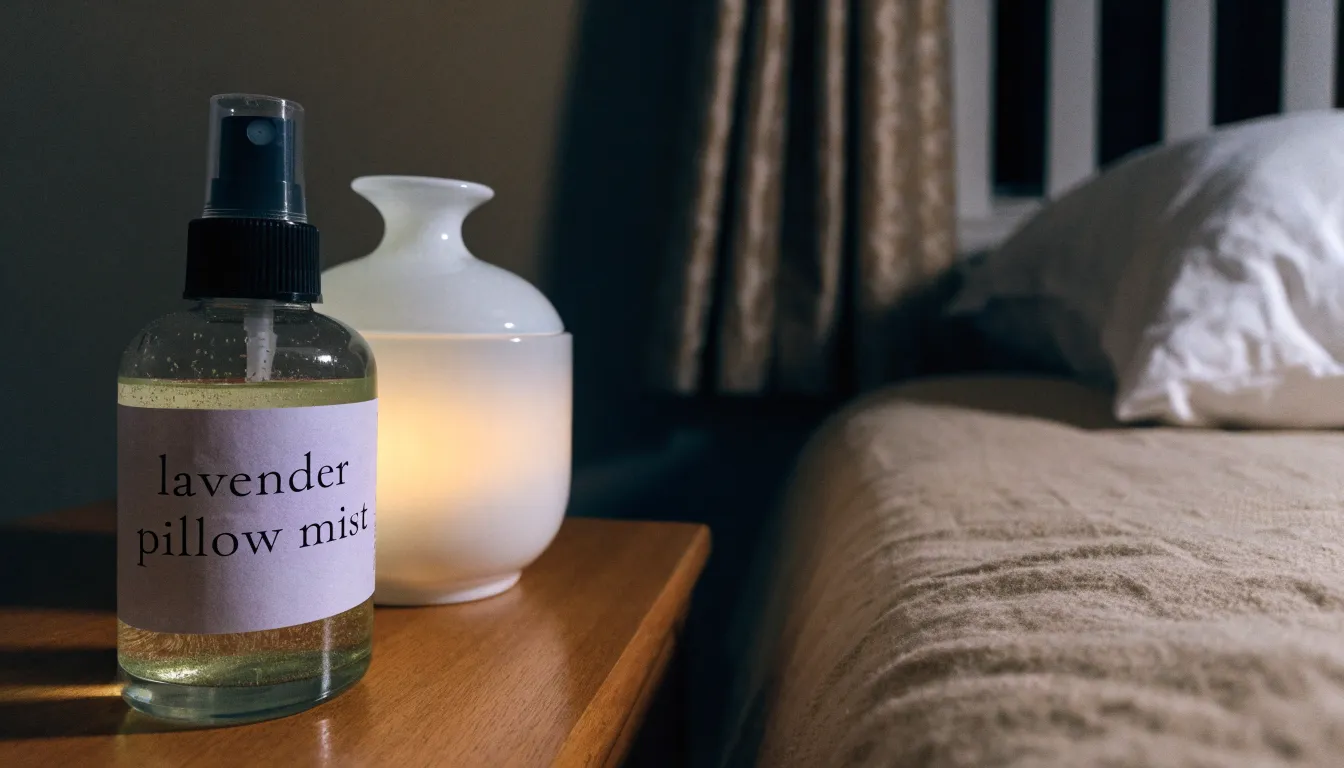
Lavender essential oil is well known for its calming, sedative effects. Its scent works with brain chemicals to lower anxiety and encourage relaxation. Diffused in the bedroom, lavender creates a peaceful atmosphere that eases tension. A lavender pillow spray adds a stronger, more concentrated dose right where you sleep, signaling that it is time to quiet down and prepare for rest.
Cedarwood essential oil has a grounding, woody aroma that works well with lavender. Cedarwood helps calm the nervous system and deepens feelings of peace. Used consistently in both the diffuser and pillow spray, this combination trains the brain to link these scents with sleep. Over time, lavender and cedarwood become strong cues that trigger faster sleep onset and increase slow-wave, or deep, sleep—the most restorative stage. This leads to waking up feeling more refreshed, revitalized, and mentally clear.
Frequently Asked Questions
What are essential oils and how are they extracted?
Essential oils are highly concentrated plant extracts. They are often obtained through steam distillation, a process where steam passes through plant material to extract aromatic compounds. After cooling, the essential oil naturally separates from the water, resulting in a potent, concentrated oil.
How should essential oils be applied to the skin?
Due to their strength, essential oils should always be diluted before applying to the skin. Carrier oils like jojoba, sweet almond, or fractionated coconut oil help reduce irritation and improve absorption. For adults, a common guideline is a 1% to 3% dilution, which equals about 6 to 18 drops of essential oil per ounce of carrier oil.
Which essential oils are good for promoting relaxation and sleep?
Lavender essential oil is well known for its calming, sedative effects that reduce anxiety and support restful sleep. Cedarwood essential oil also promotes calm and helps ease the body into rest with its grounding scent. Bergamot and Clary Sage can also be diffused to soothe the mind and encourage relaxation.
Can essential oils help relieve muscle soreness?
Yes, cooling essential oil blends can help ease muscle discomfort and speed up recovery after physical activity. Peppermint oil provides an invigorating, cooling feeling and boosts blood flow, while wintergreen oil offers strong pain-relieving power. Eucalyptus oil contributes anti-inflammatory benefits, and these can be combined in a carrier oil for targeted application to sore areas.
How do essential oils interact with the body?
Essential oils mainly interact with the nervous system. When inhaled, aromatic molecules travel to the limbic system in the brain, which is tied to emotions, memory, and motivation. When applied to the skin, the compounds enter the bloodstream, reaching different parts of the body to affect neurotransmitters and help manage stress responses.
What essential oils are recommended for supporting skin health?
Tea tree oil helps cleanse and purify the skin by clearing pores and calming minor irritation, while lavender oil soothes redness and discomfort. Frankincense essential oil supports the health and renewal of skin cells, helping to reduce fine lines and wrinkles. Geranium essential oil helps balance the skin’s natural oil production for a clearer complexion.