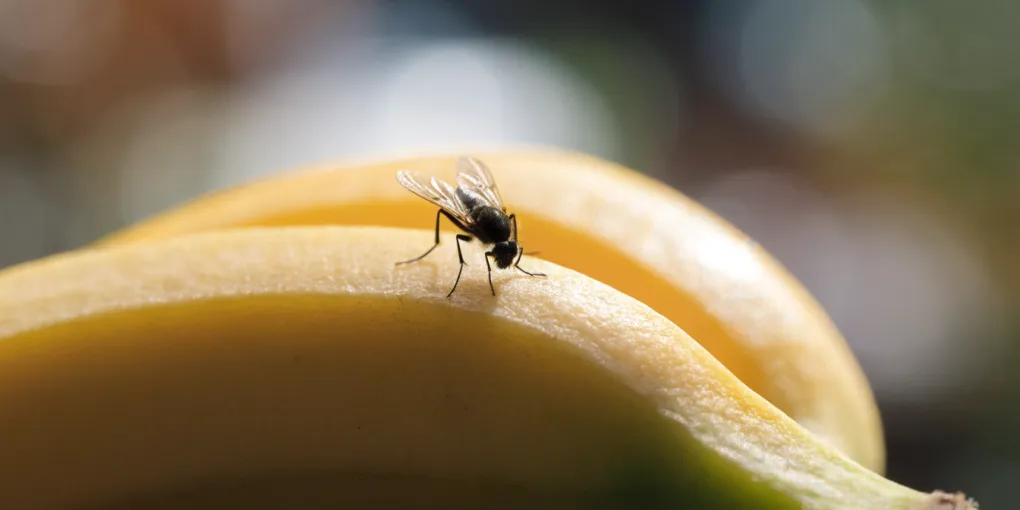
Essential oils repel fruit flies through their volatile organic compounds (VOCs), which create strong aromas that disrupt the flies’ sensitive olfactory systems. This masks food odors and overwhelms their receptors, making it hard for them to find food or breeding sites. Peppermint, lemongrass, eucalyptus, tea tree, lavender, and clove oils are effective natural deterrents.
Table of Contents
- The Fruit Fly Problem
- How Essential Oils Work
- Peppermint Oil Power
- Lemongrass Oil Defense
- Eucalyptus Oil Shield
- Tea Tree Oil Protection
- Lavender Oil Relief
- Clove Oil Intensity
- Sourcing Quality Oils
- DIY Spray Recipes
- Cotton Ball Hacks
- Diffuser Deployment Methods
- Vinegar Trap Enhancements
- Safe Application Rules
- Long Term Maintenance
The Fruit Fly Problem
Fruit flies are drawn into kitchens mainly by fermenting produce. Overripe fruits and vegetables, even a forgotten banana peel or bruised apple, give off a sweet, yeasty smell that tells fruit flies there is food and a place to lay eggs.
They also need moist, organic-rich environments. Kitchen drains, garbage disposals, and damp sponges collect grime and decaying matter full of yeast and bacteria, providing both food and breeding sites.
Their breeding cycle is extremely fast. A single female can lay hundreds of eggs on fermenting produce or in drain film, and the eggs can become adult flies in about a week. So a few flies can quickly turn into a full infestation if not dealt with early.
How Essential Oils Work
Essential oils work against fruit flies mainly because of their volatile organic compounds, or VOCs. These natural chemicals give plants their distinct smells, and in concentrated oil form they release strong scents into the air. That aroma creates an environment fruit flies find confusing and unwelcoming, disrupting the sensitive smell system they depend on to survive.
Fruit flies use highly refined receptors, especially on their antennae, to detect the chemical signals of ripening or fermenting fruit. But the intense blend of plant VOCs from essential oils masks those food odors. The powerful natural fragrances act like a chemical curtain, making it very hard for the flies to pick out the subtle scents that normally attract them.
Beyond simply hiding appealing smells, essential oils actively overwhelm the flies’ olfactory receptors. Their antennae, tuned to specific fermentation cues, become flooded with essential oil molecules and can no longer process food or breeding signals. Unable to navigate in such a chemically charged space, fruit flies leave the area. This combination of masking attractants and disabling their sense of direction makes essential oils a strong, natural repellent.
Peppermint Oil Power
Peppermint oil works well against fruit flies because it contains a lot of menthol. This gives the oil a sharp, strong smell that fruit flies find overwhelming. Their sensitive sense of smell gets disrupted by the intense scent, making it hard for them to find food and causing them to avoid treated areas.
To make a simple spray, mix 10 to 15 drops of pure peppermint essential oil with one cup of water. Adding a teaspoon of vodka or a little unscented dish soap helps the oil mix evenly with the water so the spray works consistently. Pour the mixture into a clean spray bottle.
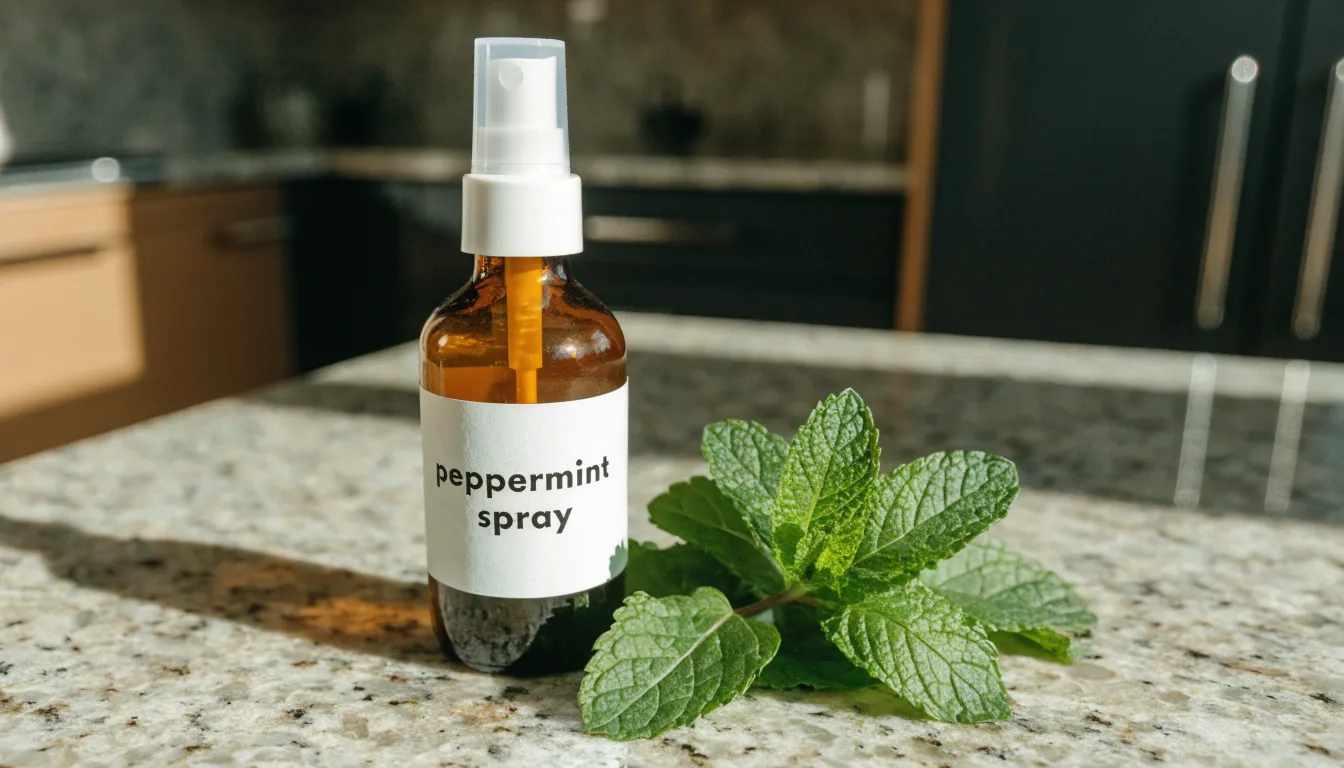
Use the spray regularly on countertops, under sinks, near fruit bowls, and around garbage bins to create an invisible barrier. The menthol scent drives fruit flies away without harsh chemicals. Reapply daily or every other day, especially during fruit fly season, to keep the protection strong.
Lemongrass Oil Defense
Lemongrass oil works as a strong natural defense against fruit flies because of its chemical makeup. It contains high levels of two key compounds: citral and geraniol. These give lemongrass oil its citrus-like smell, and they also interfere with how flying pests navigate.
Fruit flies rely on their sensitive antennae to detect scents from ripening or fermenting fruit. These smells guide them to food and egg-laying spots. When lemongrass oil is in the air, its strong aroma floods their sensory system. The intense citral and geraniol molecules overwhelm the flies’ olfactory receptors, making it hard for them to pick up the more subtle smells of fruit.
This creates a kind of scent “noise” that masks the signals fruit flies depend on. As a result, they become disoriented and lose their ability to follow scent trails to your produce. Their internal navigation is effectively jammed, so they are less likely to find and infest your fruit. This makes lemongrass oil a useful deterrent for keeping these pests away.
Eucalyptus Oil Shield
Eucalyptus oil works against fruit flies because of its active compound, eucalyptol. This molecule gives off a strong, pungent smell that targets flies’ sensitive sensory systems. Fruit flies use their olfactory receptors to find food, mates, and breeding spots, but the concentrated scent of eucalyptol overwhelms those receptors. This disorients the flies and makes the area feel unsafe, creating a natural aromatic shield that discourages them from lingering or reproducing in your kitchen.
Beyond repelling flies, eucalyptus oil also freshens the air with a clean, invigorating scent. Unlike many synthetic repellents that leave harsh chemical odors, eucalyptus oil adds a crisp, natural fragrance to the space. This helps mask smells that might attract fruit flies and makes the cooking area feel more pleasant and hygienic.
So eucalyptus oil offers a dual benefit: it acts as an effective natural barrier against fruit flies, while also purifying the air and making your home feel fresher, cleaner, and more welcoming.
Tea Tree Oil Protection
Tea tree oil, from the Melaleuca alternifolia plant, is known for its clean, refreshing scent. That aroma is more than just pleasant—it helps protect against common pests like fruit flies. The oil’s main active compound, terpinen-4-ol, is responsible for its strong insect-repelling and antimicrobial effects, making it a useful tool for keeping spaces pest-free.
Terpinen-4-ol works by making treated areas unappealing to fruit flies. Its strong smell disrupts their sense of smell, so they avoid landing, feeding, or laying eggs there. Fruit flies depend on scent to find ripe or fermenting food, and tea tree oil masks these attractants, creating an environment they instinctively stay away from.
The oil also helps by reducing microbial growth, which often draws fruit flies to decomposing or fermenting matter. Applying tea tree oil near fruit bowls, compost bins, or garbage areas can lower those microbial attractants while also repelling the flies directly. This dual action offers clean, effective protection without harsh chemicals—just refresh the scent regularly to keep the barrier strong.
Lavender Oil Relief
Lavender oil is a pleasant way to keep fruit flies away. It combines a nice smell with practical pest control. Its floral scent is calming and refreshing for people, making a home feel more inviting. This comes from linalool, a natural compound that gives lavender its signature aroma.
For humans, linalool creates a sense of calm and cleanliness. But for fruit flies, the same scent is disagreeable and confusing. Fruit flies depend on their sense of smell to find food and breeding spots. The strong aroma of lavender disrupts this, making it hard for them to navigate or settle nearby.
This creates an invisible barrier that pushes fruit flies to leave the area. You can enjoy the clean, comforting scent of lavender in your kitchen or dining room while keeping fruit flies away. Because it is natural, lavender oil is a good choice for people who want to avoid chemical insecticides.
Clove Oil Intensity
Clove oil is highly intense, with a strong, spicy smell that comes mainly from its active compound, eugenol. That powerful scent is very disruptive to fruit flies, making treated areas unappealing and acting as a fast deterrent.
Fruit flies are very sensitive to strong aromas, and clove oil’s concentrated vapors quickly overwhelm their senses. This drives them away from food sources and living spaces, giving an immediate repellent effect.
Clove oil also works as a knockdown agent. If fruit flies touch the oil or breathe in its fumes in a closed space, eugenol interferes with their systems, causing confusion, loss of control, and a quick end to their activity. This makes clove oil a fast, effective way to handle stubborn fruit fly problems.
Sourcing Quality Oils
Using pure, unadulterated essential oils is key to actually repelling fruit flies. These oils are made directly from plants through methods like distillation, so they keep the full mix of natural compounds that make them effective. Those active ingredients work on fruit flies’ senses, making the area feel unappealing and driving them away.
To find oils that truly work, check the label for “100% pure essential oil” and the plant’s botanical name, such as Lavandula angustifolia for lavender. Trustworthy brands often list the country of origin and may share third-party test results, like GC/MS reports, to confirm purity. Dark glass bottles, usually amber, also help protect the oil from light damage.
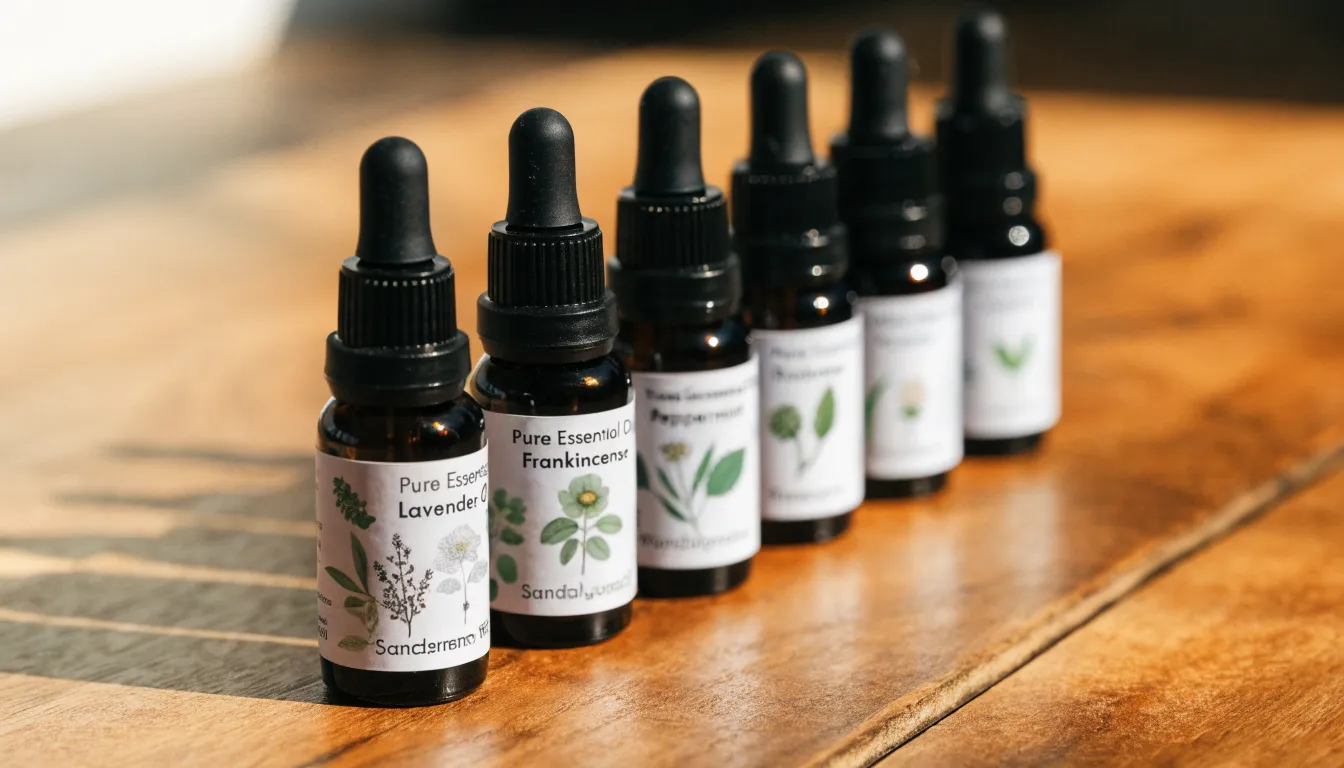
Avoid synthetic fragrance oils—they only smell like the real thing. While they may be pleasant for aromatherapy, they lack the complex active compounds found in genuine essential oils, so they won’t interfere with fruit flies or give you the pest-control results you’re after.
DIY Spray Recipes
Essential oils like peppermint, lemongrass, eucalyptus, and tea tree are the key ingredients in homemade fruit fly sprays. They naturally repel pests while leaving a fresh scent, so you can protect your kitchen without harsh chemicals. To make a spray, you just need a clean glass bottle, your chosen oil, and a liquid base like distilled water, witch hazel, or rubbing alcohol, similar to the process for making essential oil room sprays.
For a water-based spray, add 15–20 drops of essential oil to a 4-ounce bottle, plus about a teaspoon of unscented liquid castile soap. The soap helps the oil mix evenly with water instead of floating on top. Fill the rest with distilled water, then shake well before every use. If you use witch hazel or 70% rubbing alcohol instead, those liquids naturally blend with the oils, so you can skip the soap and just shake the bottle.
Use the spray daily on counters, stovetops, sinks, and trash can lids to keep fruit flies away. Regular misting makes your kitchen less inviting to pests while keeping surfaces clean and pleasant. Store the spray in a cool, dark place so the oils stay effective longer.
Cotton Ball Hacks
One simple way to fight fruit flies is to put essential oils on cotton balls and place them exactly where the pests gather. Choose a repellent oil like peppermint, lemongrass, or geranium, and put a few drops on a cotton ball until it is soaked but not dripping. This creates a strong scent that fruit flies dislike.

Place the cotton balls in likely hotspots, such as inside garbage bins, compost pails, or pantry shelves near produce. They also work well under kitchen sinks, near fruit bowls, or in storage areas where fruit and vegetables are kept. The cotton ball slowly releases the oil into the air, creating an invisible barrier that keeps flies from landing, feeding, or laying eggs.
For best results, refresh the cotton balls every few days or whenever the smell fades. This keeps the repellent effect strong and gives ongoing protection against fruit flies in the most important areas of your home.
Diffuser Deployment Methods
Ultrasonic diffusers are a highly effective way to spread pest-fighting essential oils throughout large, open spaces like kitchens and dining areas. They use high-frequency vibrations to turn water and essential oil into a fine, cool mist, which carries insect-repelling vapors into the air. Unlike methods that release scent in short bursts, these diffusers work continuously, keeping a steady level of repellent in the room.
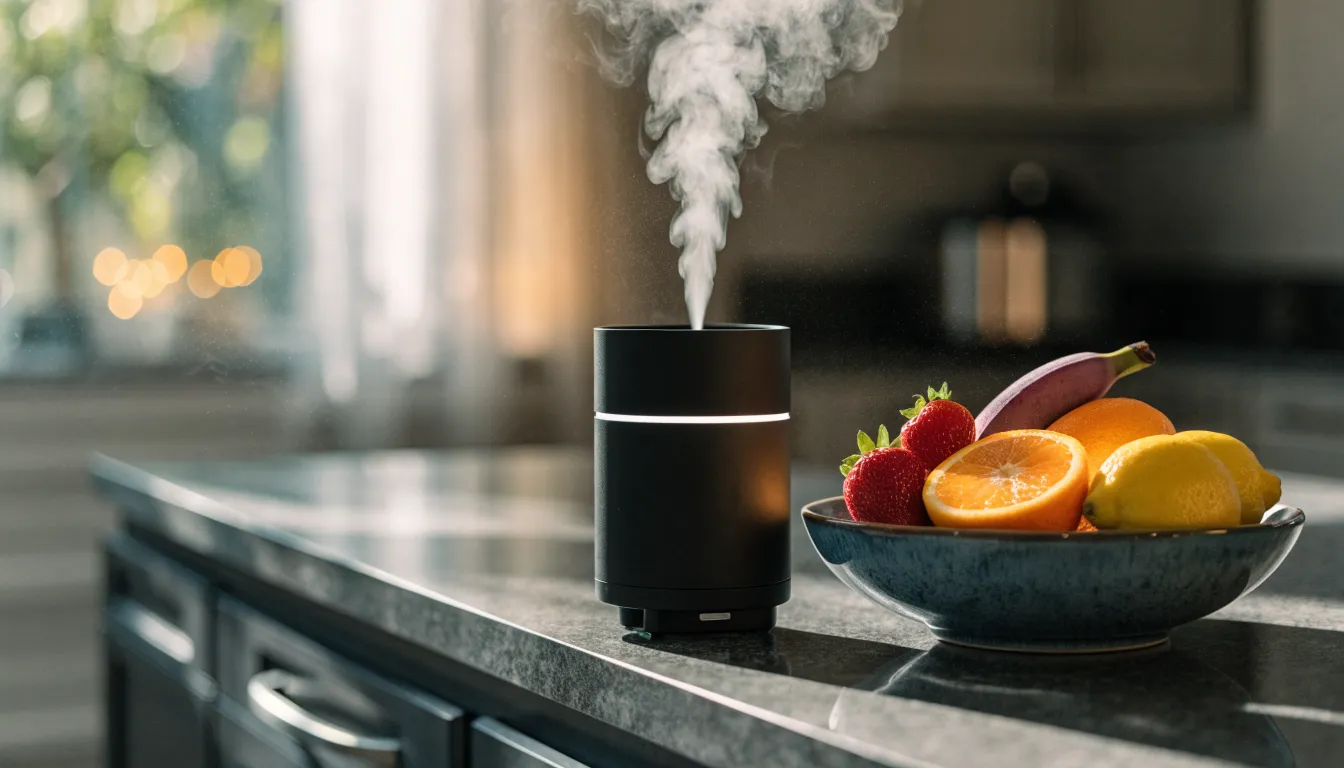
This constant release is especially useful in areas where fruit flies gather, such as near fruit bowls, sinks, or compost bins. The even distribution prevents untreated spots, so the whole space stays less inviting to pests. By keeping a consistent concentration of essential oil compounds in the air, the environment discourages fruit flies from landing, feeding, or breeding.
This passive, ongoing approach works well for busy households because it doesn’t need frequent reapplying or manual effort. Most ultrasonic diffusers run quietly, making them suitable for living and dining spaces without disrupting the atmosphere. They offer a simple, set-and-forget way to keep fruit flies away over long periods.
Vinegar Trap Enhancements
Adding essential oils can make the classic fruit fly trap much more effective. The usual trap uses apple cider vinegar to attract flies with its fermentation scent, while dish soap breaks the surface tension so the flies drown. By adding certain essential oils, this basic trap becomes even stronger.
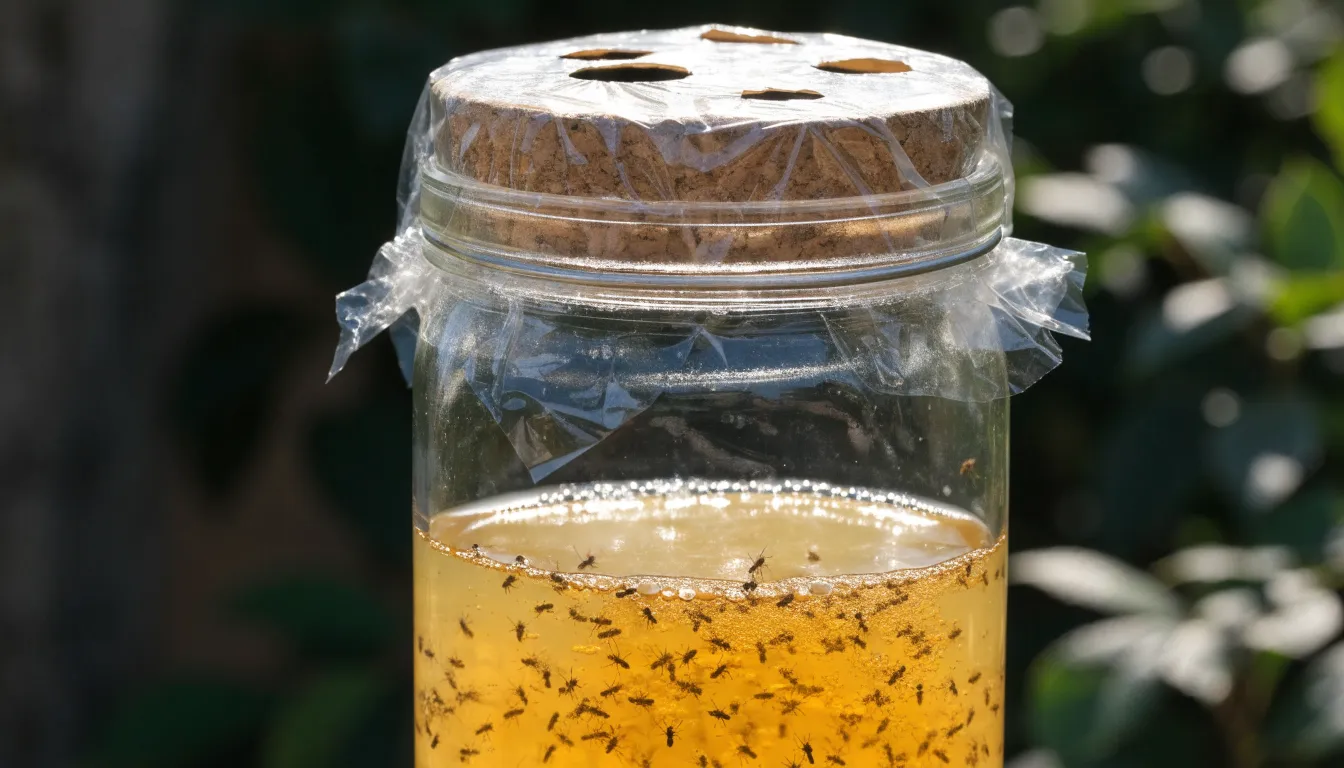
Oils like peppermint, lemongrass, clove, and tea tree have strong smells that fruit flies find very appealing. Just a few drops in the vinegar and soap mixture greatly boosts the trap’s pulling power. These oils send out a wider, more concentrated scent plume, which helps attract flies from a larger area than vinegar alone.
Together, the vinegar and oils create a layered lure that draws in even distant or stubborn fruit flies. This simple upgrade turns a decent homemade remedy into a highly effective trapping system. The essential oils don’t just cover up odors—they actively add attraction, making the trap almost impossible for fruit flies to resist.
Safe Application Rules
Using essential oils to tackle fruit flies means using them safely indoors. When diffusing around pets, remember that animals—especially cats—process oils differently and can be harmed even by airborne particles, so consult our guide on essential oil safety for pets. Always diffuse in well-ventilated areas, keep the diffuser away from pet resting or eating spots, and make sure pets can leave the room easily. Watch for signs of discomfort like tiredness, breathing changes, or excessive grooming.
Children are also more sensitive to essential oils because their bodies are smaller and still developing. Keep diffusing light and intermittent, and avoid running diffusers for long periods in rooms where kids are present. Never put undiluted essential oils directly on a child’s skin. Good airflow is key for everyone, so open windows or use an exhaust fan to keep oil particles from building up in the air.
For adults, topical use requires proper dilution with a carrier oil like jojoba or almond oil. Applying oils straight to the skin can cause irritation, sensitization, or chemical burns. Always do a patch test on a small area first. Following these steps lets you use essential oils for fruit fly control while keeping the whole household safe.
Long Term Maintenance
To keep fruit flies away all year, you need steady habits built on cleaning. Wipe down counters after use so no crumbs or spills remain, and scrub drains with hot, soapy water to clear out organic gunk. Empty trash often, using lidded bins to trap odors. This removes their food and breeding spots, which gives essential oils like peppermint or lemongrass a clean surface to act as a strong deterrent.
Blocking their food sources is also key. Store ripe produce in the fridge, or keep items like bananas in sealed containers or under mesh covers, and throw out overripe fruit right away. When you place essential oil sprays near your fruit bowl or on windowsills, they create a powerful scent barrier that stops flies from even landing on those tempting spots.
The main job of essential oils is to repel over time, but their scent fades quickly as the active compounds evaporate. So, you must reapply them every few days to keep the protection strong. Refresh cotton balls soaked in oil, spray the same areas again on windowsills, or top up your diffuser. By combining clean habits, sealed storage, and a strict oil-reapplication schedule, you build a permanent no-fly zone for fruit flies in your home.
Frequently Asked Questions
How do essential oils work to get rid of fruit flies?
Essential oils work against fruit flies because of their volatile organic compounds (VOCs), which release strong scents that fruit flies find confusing and unwelcoming. These intense natural fragrances mask the food odors that attract fruit flies and overwhelm their sensitive olfactory receptors, disrupting their ability to navigate and locate food or breeding sites. Unable to process these signals, fruit flies leave the treated area.
What essential oils are effective against fruit flies?
Several essential oils are noted for their effectiveness against fruit flies, including peppermint, lemongrass, eucalyptus, tea tree, lavender, and clove oil. Each of these oils contains specific active compounds like menthol, citral, eucalyptol, terpinen-4-ol, or eugenol that disrupt the flies’ sense of smell and repel them.
How can I make a homemade essential oil spray for fruit flies?
To make a homemade spray, mix 15–20 drops of your chosen essential oil with one cup of water and add a teaspoon of vodka or unscented dish soap to help the oil blend evenly. Pour this mixture into a clean spray bottle. If using witch hazel or 70% rubbing alcohol as a base, you can skip the soap as these liquids naturally blend with the oils.
Is it safe to use essential oils for fruit flies around pets or children?
Yes, but with caution. When diffusing around pets, especially cats, ensure the area is well-ventilated, the diffuser is away from their resting spots, and they can easily leave the room, watching for signs of discomfort. For children, keep diffusing light and intermittent, avoid running diffusers for long periods in their presence, and never apply undiluted essential oils directly to their skin. Good airflow is crucial for everyone’s safety.
How often should I reapply essential oils for continuous fruit fly protection?
Since the scent of essential oils fades quickly as their active compounds evaporate, you must reapply them every few days to maintain strong protection. This means refreshing cotton balls soaked in oil, respraying treated areas, or topping up your diffuser regularly. Consistent reapplication ensures the repellent effect remains strong against fruit flies.
Can essential oils enhance the effectiveness of fruit fly traps?
Yes, adding essential oils can significantly enhance classic fruit fly traps. A few drops of oils like peppermint, lemongrass, clove, or tea tree can be added to the apple cider vinegar and dish soap mixture. These essential oils boost the trap’s pulling power by sending out a wider, more concentrated scent plume, attracting fruit flies from a larger area.