
Essential oils like ginger, peppermint, and lavender can quickly alleviate nausea and motion sickness by influencing the brain’s limbic system and vagus nerve. Inhaling or topically applying diluted oils helps relax digestive muscles, reduce inflammation, and calm the nervous system, providing rapid relief from stomach discomfort and anxiety associated with queasiness.
Table of Contents
- Settling Your Stomach
- Peppermint Oil Power
- Ginger Essential Oil
- Soothing Lavender Drops
- Lemon and Citrus Zest
- Spearmint Gentle Relief
- Cardamom Plant Magic
- Chamomile Comfort Scent
- Inhalation Techniques Simplified
- Topically Applying Oils
- DIY Travel Aromatherapy Rollers
- In the Car or Boat
- Essential Oil Safety Basics
- Kid Friendly Aromatherapy
Settling Your Stomach
When you inhale an essential oil, its scent molecules travel through your nasal passages and reach olfactory receptors in the nose. These receptors turn the chemical signals into electrical impulses, which pass through the olfactory bulb and then into the brain’s limbic system—the area tied to emotion, memory, and motivation. The signals also reach the hypothalamus, the brain’s control center for the autonomic nervous system, which manages functions like digestion, heart rate, and breathing. This direct pathway is why smelling an essential oil can affect your stomach so quickly.
Calming oils like ginger or peppermint help shift the nervous system away from a stressed “fight or flight” state and into a relaxed “rest and digest” mode. This change tells the body to settle down: the smooth muscles of the digestive tract relax, stomach acidity decreases, and gastrointestinal movement improves. As a result, spasms and the churning sensation of nausea are eased.
The vagus nerve, which connects the brain and the gut, also plays a key role. Olfactory signals can influence vagal tone, helping soothe the stomach and soften signals of discomfort. Because of this direct neural connection, essential oils can quickly calm a rolling stomach and bring fast relief from nausea and motion sickness.
Peppermint Oil Power
Peppermint oil is especially helpful for sudden stomach upset and nausea. Its high menthol content is what makes it so effective. When the stomach and digestive muscles tense up or spasm, menthol helps relax them directly. This eases the involuntary contractions that can make you feel worse and reduces the urge to vomit.
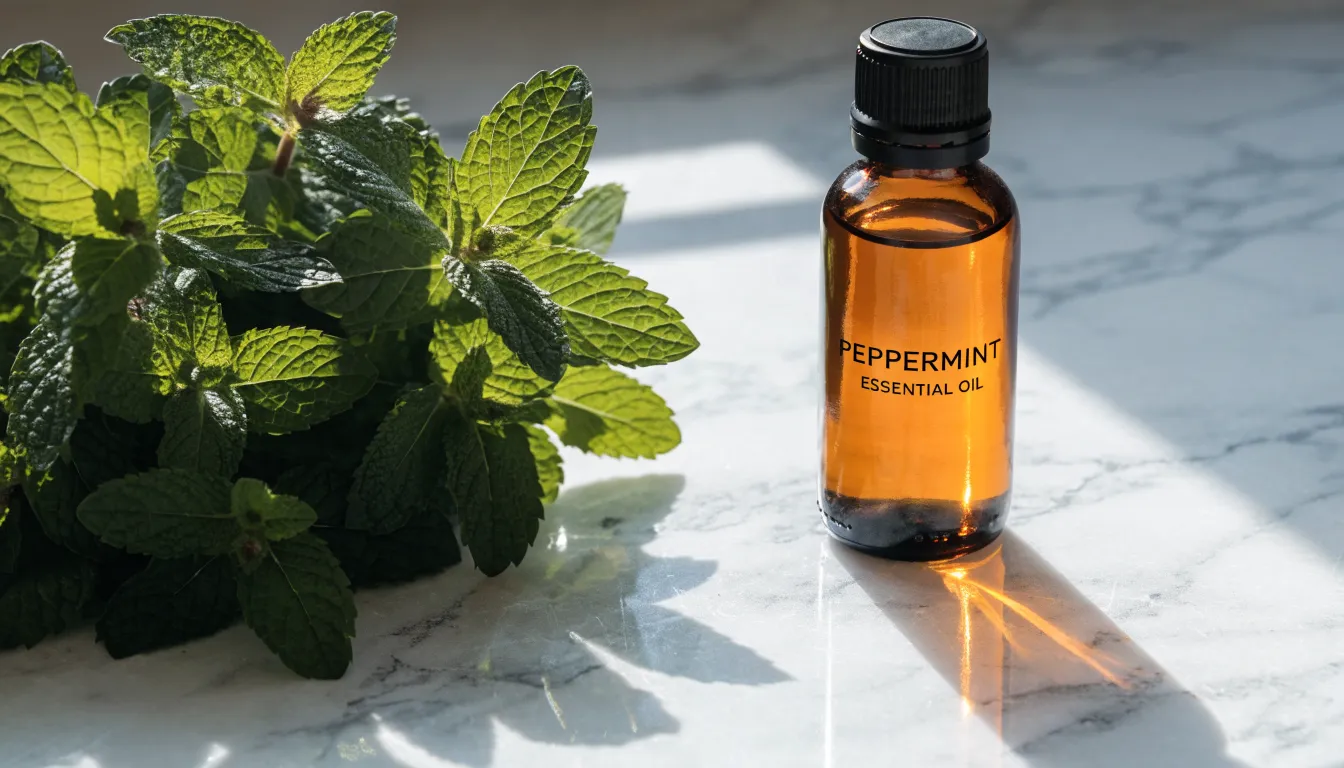
Peppermint oil also creates a strong cooling sensation when inhaled or applied to the skin. That cool feeling helps counter the heat and overall discomfort that often come with severe queasiness. It soothes the senses and can almost numb the overwhelming feelings of sickness.
Together, these effects—relaxing the gut and cooling the senses—Together, these effects—relaxing the gut and cooling the senses—make peppermint oil a fast and reliable option for acute nausea. Whether inhaled from the bottle or diffused into the air, it works quickly to calm stomach turmoil and restore a sense of stability.
Ginger Essential Oil
Ginger essential oil is a long-used natural remedy, especially valued across cultures for easing digestive discomfort. Its ability to help with motion sickness is backed by growing scientific research, not just tradition. The key to its effectiveness lies in active compounds called gingerols, which give ginger its distinct aroma and flavor—and also influence the body’s motion-sickness response.

In the gut, gingerols work by blocking certain serotonin receptors. Serotonin is a neurotransmitter involved in the brain-gut connection, and during motion it can be released in excess, sending signals that trigger nausea, dizziness, and vomiting. By inhibiting these receptors, gingerols interrupt this chain of events before it leads to full motion sickness symptoms.
This targeted action in the gut makes ginger essential oil a direct and effective aid for travel-related discomfort. It helps prevent the overstimulation that causes vertigo and the urge to vomit, offering a reliable natural option for people prone to motion-induced nausea.
Soothing Lavender Drops
Lavender oil is known for its strong calming effect, making it especially helpful for travel anxiety and the nervous nausea that often comes with it. Its main active component, linalool, is a natural alcohol that works with the central nervous system to steady mood-related brain chemicals. Acting as a mild sedative, it helps the body shift away from anxious overdrive and toward a calmer, more balanced state.
When travel triggers stress, the body may respond with a faster heartbeat, shallow breathing, and an upset stomach. Breathing in lavender oil allows the linalool to enter through the nose and travel directly to the brain’s limbic system, the area that controls emotions. This fast route helps quiet mental agitation and eases the physical discomfort caused by stress.
Using lavender oil regularly or before a trip can create a more peaceful internal state, reducing the nervous energy that often leads to nausea. This makes travel smoother, more comfortable, and far less distressing.
Lemon and Citrus Zest
Lemon and other citrus zests offer a bright, refreshing way to ease morning sickness. Their clean scent, largely from compounds like limonene, helps neutralize the strong odors that often trigger or worsen nausea. For many pregnant people, certain smells become overwhelming, but inhaling citrus can actively push back against those intrusive scents and replace them with something lighter and more agreeable—not just covering up the odor, but genuinely clearing the air.
Beyond fighting bad smells, citrus zest invigorates the senses. Nausea often brings a dull, sluggish feeling, and the sharp, uplifting aroma of lemon provides a gentle wake-up call. This sensory reset helps break the cycle of queasiness, encourages deeper, more comfortable breathing, and offers a welcome distraction from internal discomfort.
For expectant mothers looking for gentle, natural relief, lemon or other citrus zests are a safe and comforting option. Simply inhaling the bright scent can bring quick relief, helping restore a sense of balance and well-being during a challenging time.
Spearmint Gentle Relief
Spearmint essential oil is a gentle option for soothing stomach upset, offering a sweeter, milder alternative to peppermint. Because it contains less menthol, it creates a less intense sensation, making it a great choice for sensitive individuals and a child-safe method for easing common digestive discomfort. Even with its gentle nature, proper dilution is still very important.
For mild indigestion, a diluted application massaged onto the abdomen can help calm the digestive tract and relieve feelings of fullness or unease after eating. For travel queasiness, inhaling its sweet, herbaceous scent from the bottle or a car diffuser can settle a churning stomach and reduce the discomfort of motion sickness.
The aroma is uplifting and refreshing, which adds to a sense of well-being during trips. Overall, spearmint provides calming digestive support without the intensity of stronger mints, making it a versatile and comfortable option for those with delicate systems.
Cardamom Plant Magic
Cardamom essential oil is especially helpful for deep digestive discomfort, like nausea and motion sickness. Its warm, spicy scent comes from natural compounds that calm and rebalance the gut. That comforting aroma is a sign of its power to soothe an uneasy stomach and help the body feel grounded again.
One key way it works is by reducing inflammation in the digestive tract. When the gut is irritated from travel, stress, or other triggers, inflammation can cause nausea, bloating, and unease. Cardamom oil helps quiet that internal irritation, making the digestive tract feel more settled and comfortable, so the gut can work more smoothly.
It also helps restore proper muscle function in the digestive system. During nausea or motion disturbance, gut muscles can spasm or slow down, causing cramping and churning. Cardamom oil helps regulate these contractions, encouraging a natural, steady rhythm. By easing both inflammation and muscle issues, it offers broad support for an upset stomach, helping the body return to a state of calm and ease.
Chamomile Comfort Scent
Roman chamomile essential oil is especially helpful for relaxing muscle tension during long car rides. Its natural antispasmodic properties calm involuntary muscle contractions, particularly in the abdominal area, which can become tight from prolonged sitting and travel stress. Diffusing a few drops in the car or inhaling from a personal inhaler can ease stomach cramping and that clenched feeling linked to anxiety or digestive upset, making the body more comfortable during extended time on the road.
Beyond soothing the abdomen, Roman chamomile helps promote overall tranquility. Its calming aroma encourages deeper rest and more comfortable naps for passengers, so they arrive more refreshed. Drivers can also use it during breaks to relax both body and mind before continuing the journey.
Adding Roman chamomile to a travel kit turns a tense, stressful trip into a smoother, more peaceful experience. Its simple use—through diffusion or inhalation—supports relaxation and calm, helping travelers feel at ease throughout the ride.
Inhalation Techniques Simplified
Managing nausea and motion sickness while traveling is easier with personal inhalation methods that work discreetly. Pocket-sized aromatherapy inhalers are a simple option: they are small tubes containing a cotton wick. Add about 5–15 drops of an oil like peppermint or ginger, then inhale through one nostril at a time. This gives you an immediate, focused dose of aroma without creating a scent that bothers people nearby.

Another easy method is using essential oil on a tissue. Carry a small bottle of oil and a clean tissue, and when you feel queasy, put one or two drops on the tissue. Cup it over your nose and mouth and breathe in slowly. This is very subtle, and you can control how strong the scent is.
For a steadier effect without affecting the whole space, portable USB diffusers work well. These tiny devices plug into a power bank or USB outlet, use a little water and a few drops of oil, and send a gentle mist in your direction. This creates a small personal cloud of aroma that helps settle nausea while staying mostly unnoticed by other passengers. Each method offers a practical, private way to use essential oils for comfort during travel.
Topically Applying Oils
When using essential oils on the skin for nausea or motion sickness, always dilute them first. Applying undiluted oils directly can irritate the skin and cause redness, itching, or discomfort. Mix the oil with a carrier oil such as fractionated coconut, jojoba, sweet almond, or olive oil. These help spread the essential oil evenly and safely.
For adults, a safe general dilution is 1–2%, which means about 6–12 drops of essential oil per ounce (30 ml) of carrier oil. If your skin is sensitive, use a lower amount. It is also wise to Before using a new blend on a larger area, do a patch test.
Once diluted, apply the oil gently to your abdomen with clean hands. Use a slow, clockwise rubbing motion, following the natural path of the digestive system. This helps stimulate digestion and ease fullness or queasiness. Keep the massage gentle and comforting, and repeat consistently so the oils can be absorbed and provide ongoing relief without irritating the skin.
DIY Travel Aromatherapy Rollers
Crafting your own aromatherapy rollers is an easy way to get personalized motion sickness relief. Use a clean 10ml roller bottle and aim for a 2-3% dilution—that means 6 to 9 drops of essential oil total. Fill the bottle about two-thirds full with a carrier oil like fractionated coconut, jojoba, or sweet almond oil, then add your drops, top off with more carrier oil, and shake gently to mix.
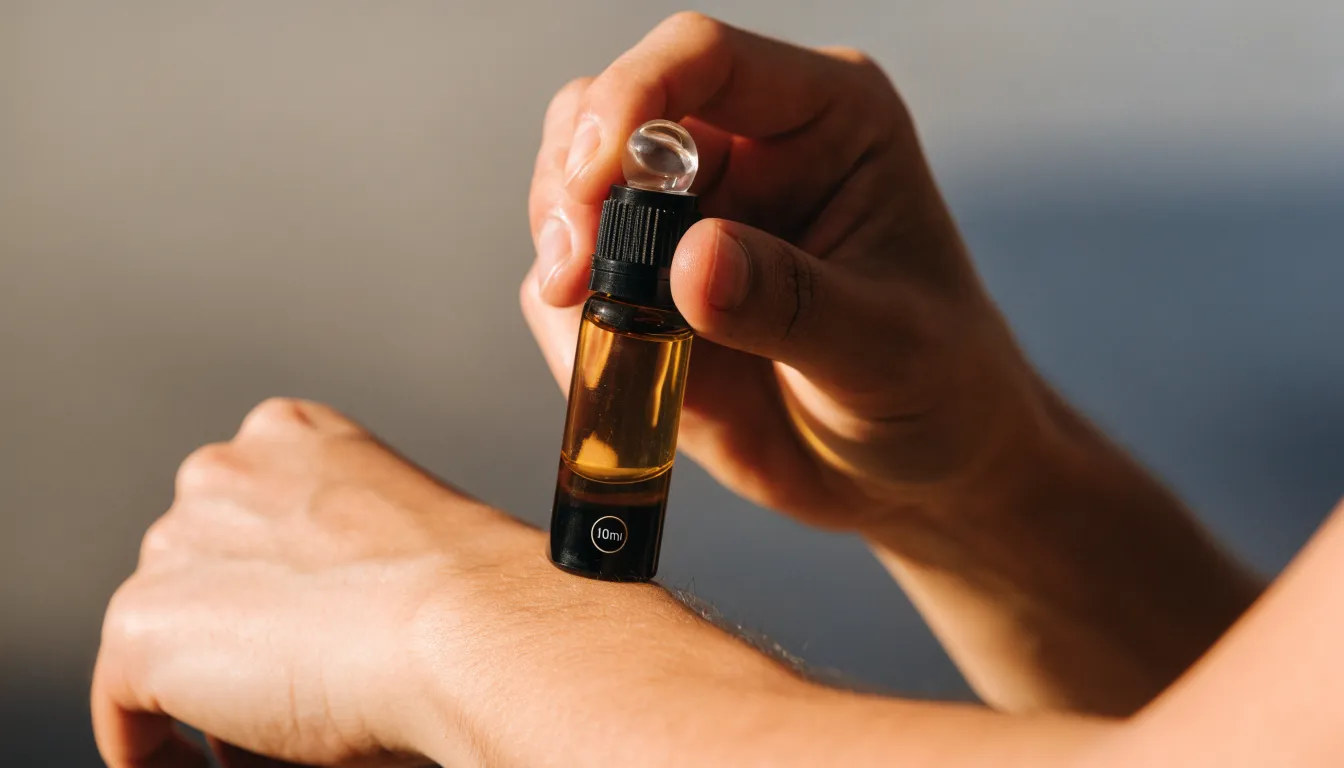
For a stomach-calming blend, try the Ginger-Peppermint Roller: add 4 drops of Ginger and 3 drops of Peppermint, then fill the rest with fractionated coconut oil. Ginger helps settle nausea, while Peppermint clears the head and feels invigorating. Another soothing option is the Lemon-Lavender Comfort Roller: combine 5 drops of Lemon and 4 drops of Lavender, then top with jojoba or sweet almond oil. Lemon lifts your mood and eases queasiness, while Lavender calms stress and anxiety that often come with nausea.
To use, apply a small amount to your wrists, temples, or abdomen whenever discomfort strikes. You can reapply every 20–30 minutes as needed. Always do a small patch test first to check for sensitivities. These portable rollers are a simple, natural way to keep motion sickness under control on the go.
In the Car or Boat
-
To prevent motion sickness before it starts, use essential oils about 15 to 30 minutes before traveling. Peppermint and ginger are especially helpful because they settle the stomach and calm the digestive system. This gives the oils time to enter your body through your skin or breathing, helping your brain and stomach stay balanced during motion.
-
For a simple inhalation method, put one or two drops on a cotton ball or personal inhaler and breathe in slowly and deeply. This quickly steadies your mood and quiets an upset stomach. You can also use a car diffuser to keep a gentle, calming scent in the air throughout the trip.

- For topical use, mix your essential oil with a carrier oil, such as fractionated coconut oil, and massage it onto your abdomen, temples, or pulse points. These areas help the oil absorb and create a sense of internal balance. Taking these steps ahead of time keeps your body steady and makes the whole journey much more comfortable.
Essential Oil Safety Basics
When using essential oils topically, always dilute them first. Essential oils are very concentrated plant extracts, so applying them directly to the skin is usually unsafe. Carrier oils—made from the fatty parts of plants like seeds, nuts, or kernels—help dilute the oil and allow for safer absorption. Good options include fractionated coconut oil, jojoba oil, sweet almond oil, and grapeseed oil. Your choice can depend on your skin type and preference, but the main goal is safe delivery. A good starting point for adults is 1–2 drops of essential oil per teaspoon of carrier oil.
Before using a new blend on a larger area, do a patch test. Mix a small amount of your diluted blend and place a tiny drop on an inconspicuous spot, like your inner forearm or behind your ear. Then wait a full 24 hours to see how your skin reacts.
During those 24 hours, watch for any signs of irritation such as redness, itching, swelling, burning, or a rash. Even mild discomfort means the blend may not be right for your skin. If irritation appears, wash the area with soap and water right away, and stop using that blend. Waiting the full day before broader use helps protect your skin and keeps your safety the priority.
Kid Friendly Aromatherapy
For young children with nausea or motion sickness, aromatherapy must be gentle and carefully chosen. Ginger essential oil is a well-known choice for calming an upset stomach and easing nausea. Lemon and mandarin oils are also gentle options, with bright, cheerful scents that help settle the stomach. Lavender is useful too, since its calming effects can reduce the anxiety that often makes motion sickness worse.
Dilution is very important for kids. Use much less oil than you would for an adult—generally a 0.5% to 1% mix for children over two. That means only one or two drops of essential oil in a full tablespoon of a carrier oil, such as fractionated coconut oil or sweet almond oil. For younger kids or sensitive skin, try an even weaker 0.25% dilution. Always do a small patch test first to check for any skin reaction.
Safe breathing methods can help without putting oil directly on the skin. An ultrasonic diffuser works well in a car or bedroom, but keep the room airy and only diffuse for 15–30 minutes. Another easy option is placing a drop of diluted oil on a cotton ball or tissue for the child to sniff as needed. Children’s personal inhaler sticks can also give quick, gentle relief without constant diffusing. This careful approach lets kids enjoy the benefits of aromatherapy while keeping their delicate systems protected.
Frequently Asked Questions
How do essential oils help with nausea?
When inhaled, essential oil scent molecules reach the brain’s limbic system and vagus nerve, which are tied to digestion. This helps shift the nervous system into a relaxed “rest and digest” mode, relaxing digestive muscles and easing the churning sensation of nausea.
Is peppermint oil good for nausea?
Yes, peppermint oil is especially helpful for sudden stomach upset and nausea. Its high menthol content relaxes digestive muscles and reduces the urge to vomit, while also creating a strong cooling sensation that counters overall discomfort.
How does ginger essential oil help with motion sickness?
Ginger essential oil’s active compounds, gingerols, work by blocking certain serotonin receptors in the gut. This interrupts the chain of events that triggers nausea, dizziness, and vomiting during motion, making it a direct aid for travel-related discomfort.
Are there any safety tips for using essential oils on my skin?
Always dilute essential oils with a carrier oil like fractionated coconut or jojoba oil before applying them topically, as they are very concentrated plant extracts. It is also wise to do a patch test on a small area of skin and wait 24 hours to check for any signs of irritation, such as redness or itching.
Can lavender oil help if my nausea is from anxiety?
Yes, lavender oil is known for its strong calming effect, making it especially helpful for travel anxiety and nervous nausea. Its main active component, linalool, works with the central nervous system to quiet mental agitation and ease the physical discomfort caused by stress.
Is it safe to use essential oils for children’s motion sickness?
Yes, but aromatherapy for children must be gentle and carefully chosen, with dilution being very important. For children over two, use a 0.5% to 1% mix (one to two drops of essential oil in a full tablespoon of carrier oil), and always perform a small patch test first to check for any skin reaction.