
Essential oils, concentrated plant extracts, aid scar healing through various compounds. Antioxidants protect skin cells, fatty acids build the skin barrier and improve elasticity, and terpenes boost cell turnover to replace damaged cells. Frankincense softens mature scars, lavender reduces fresh wound inflammation, and helichrysum promotes cell regeneration, collectively improving scar appearance and skin health.
Table of Contents
- Understanding Scar Formation
- The Power Of Natural Plant Extracts
- Frankincense Essential Oil
- Lavender Oil Essentials
- Tea Tree Oil Benefits
- Rosehip Seed Carrier Oil
- Helichrysum Oil Secrets
- Cedarwood And Patchouli Oils
- Lemon Essential Oil Caution
- Geranium Oil Magic
- Dilution Fundamentals
- Spot Testing Your Oils
- Daily Skin Care Routine
- Overnight Nourishment Strategies
Understanding Scar Formation
When skin is injured, the body goes through a healing process in stages. The first stage is inflammation: blood clots stop the bleeding, and immune cells clean up debris and fight infection. This prepares the wound for repair. For essential oils, this is where soothing, anti-inflammatory oils may help calm redness and support a healthy healing response.
The second stage is proliferation. Fibroblasts create new collagen, and new blood vessels form to bring oxygen and nutrients to the wound. This builds soft, pink granulation tissue that fills the injury. Essential oils that support skin renewal and circulation may be most useful here, helping the new tissue develop properly.
The final stage is remodeling. The new collagen, initially disorganized Type III, is slowly replaced by stronger, more organized Type I collagen over months or even years. This shapes the scar’s texture and appearance. If collagen is overproduced, hypertrophic scars can form—raised but still within the wound edges—or keloids, which grow beyond the wound and are often linked to genetics. Essential oils can’t change genetics, but they may support balanced collagen and help improve the scar’s final appearance over time.
The Power Of Natural Plant Extracts
Essential oils help scars heal because they are concentrated plant extracts packed with beneficial compounds. Their antioxidants protect skin cells from environmental stress and free radical damage. By neutralizing these harmful molecules, they create a healthier environment in the skin, allowing natural repair processes to work properly and keeping newly formed cells safe.
Many essential oils also contain fatty acids, which are key building blocks of the skin’s natural barrier. These fats nourish the skin, improve its elasticity and suppleness, and support the structural rebuilding of skin layers. This is especially helpful during scar tissue remodeling, when the skin needs extra support to repair itself.
Another important part of essential oils is their active terpenes. These small molecules can penetrate deep into the skin and interact with cellular pathways, directly boosting cell turnover. This helps replace damaged or old skin cells with fresh, healthy ones, which fades scars and creates smoother skin. Together, antioxidants, fatty acids, and terpenes give essential oils a complete, natural approach to skin repair and regeneration.
Frankincense Essential Oil
Frankincense essential oil is especially helpful for improving older, established scars, particularly ones that have become hard, raised, and less flexible over time. Its effectiveness comes from natural compounds called boswellic acids, which work directly with the skin’s scar-remodeling processes. These compounds help soften mature scar tissue by addressing the buildup of dense, inflexible collagen, encouraging a more organized and pliable structure. As a result, the scar feels less tight and moves more naturally with the surrounding healthy skin.
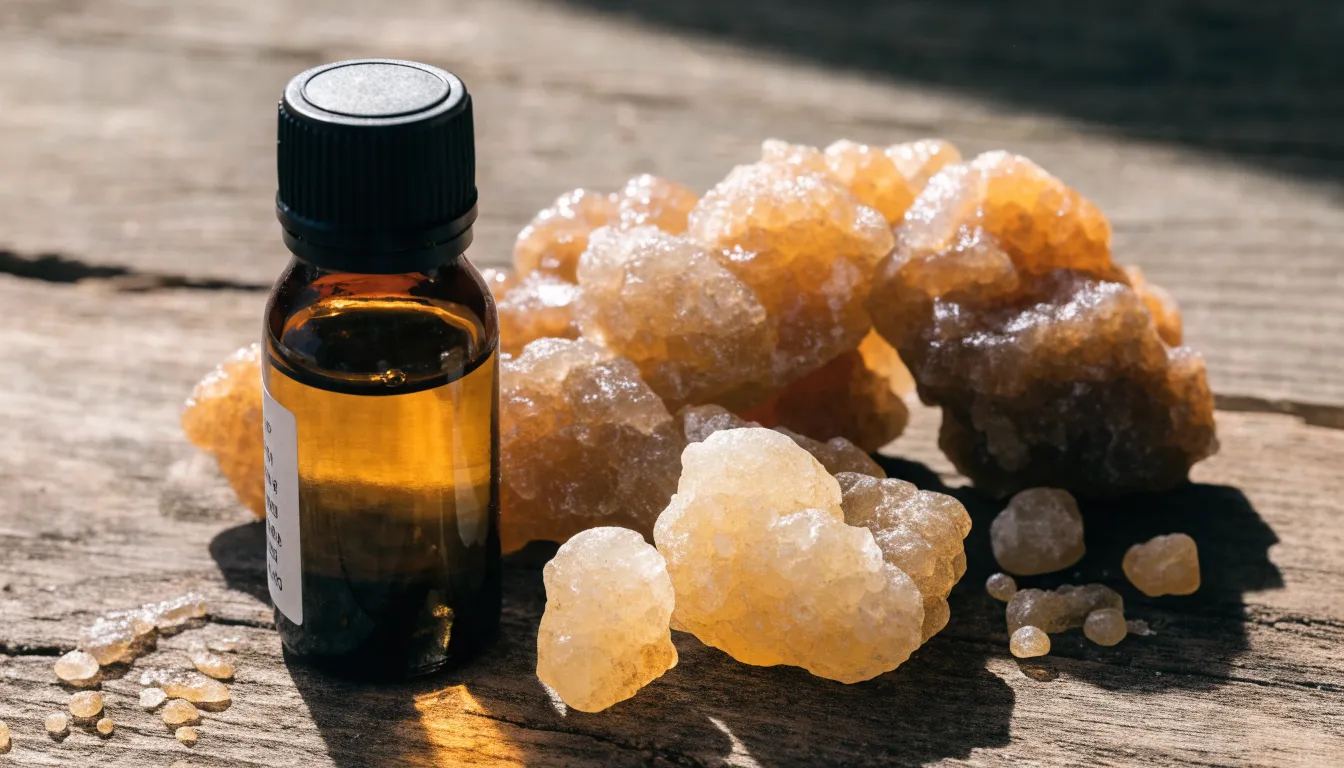
In addition to softening, frankincense supports the skin’s regenerative abilities. It stimulates the growth of fresh, healthy skin cells, which is key to repairing damaged tissue. This increased cell turnover helps replace abnormal or damaged cells within the scar with newer, stronger ones, leading to a more even and revitalized skin surface. By boosting the skin’s natural repair mechanisms, frankincense creates the right conditions for deeper healing and recovery.
Together, these actions visibly reduce the prominence of mature, raised scars. With regular use, frankincense can help flatten hypertrophic and keloid scars, allowing them to recede and blend more smoothly with the surrounding skin. This natural remodeling process results in a softer, smoother texture and a clearer overall appearance for long-standing marks.
Lavender Oil Essentials
Lavender oil is a standout natural remedy for fresh wounds, mainly because it helps stop dark marks from forming later. Right after an injury, its natural antimicrobial action is key. Applying it to a clean wound keeps harmful microorganisms away and lowers the risk of infection, which helps the wound heal cleanly and avoid complications that could make scarring worse.
Lavender oil also supports the skin’s own repair process. It encourages cell turnover and healthy wound closure, helping the skin regenerate more effectively. At the same time, it calms inflammation, reducing the swelling and redness that naturally follow an injury. By easing this response, lavender oil creates a gentler healing environment and helps prevent excess tissue damage.
Because it soothes inflammation, lavender oil also helps prevent post-inflammatory hyperpigmentation—the dark patches that often remain after a wound heals. Less inflammation means less chance of the skin producing too much melanin in the affected area. The result is a more even skin tone and less visible marks as the wound heals, leaving the skin looking clearer and healthier.
Tea Tree Oil Benefits
Tea tree oil comes from the leaves of the Australian Melaleuca alternifolia plant. Its key active component, terpinen-4-ol, is what gives the oil its power. This compound works mainly as a strong antibacterial agent. It targets and neutralizes bacteria like Propionibacterium acnes, which are a major cause of acne. These bacteria grow inside clogged pores, causing inflammation and breakouts. By lowering the number of bacteria on the skin and inside pores, tea tree oil helps keep blemish-prone skin clean and makes it harder for new pimples to form.
Tea tree oil also has strong anti-inflammatory properties that help calm active breakouts. When applied to inflamed skin, it reduces redness, swelling, and irritation. This soothing effect matters because prolonged inflammation can damage skin tissue and lead to deep, pitted scars. By controlling both bacteria and inflammation, tea tree oil supports the skin’s natural healing process.
Regular use of tea tree oil can reduce the severity and duration of breakouts. This lowers the chance of permanent damage to collagen and elastin, which is what causes atrophic or pitted scars. Adding tea tree oil to a daily skincare routine is a proactive way to promote clearer skin and help prevent difficult acne scars from developing.
Rosehip Seed Carrier Oil
Rosehip Seed Carrier Oil is highly effective for tackling stubborn discoloration and deeply hydrating damaged skin. Its rich content of essential fatty acids, such as omega-3 and omega-6, supports healthy skin cell membranes and strengthens the skin’s natural moisture barrier. This helps prevent moisture loss, keeping skin supple and elastic while promoting an ideal environment for healing and repair.
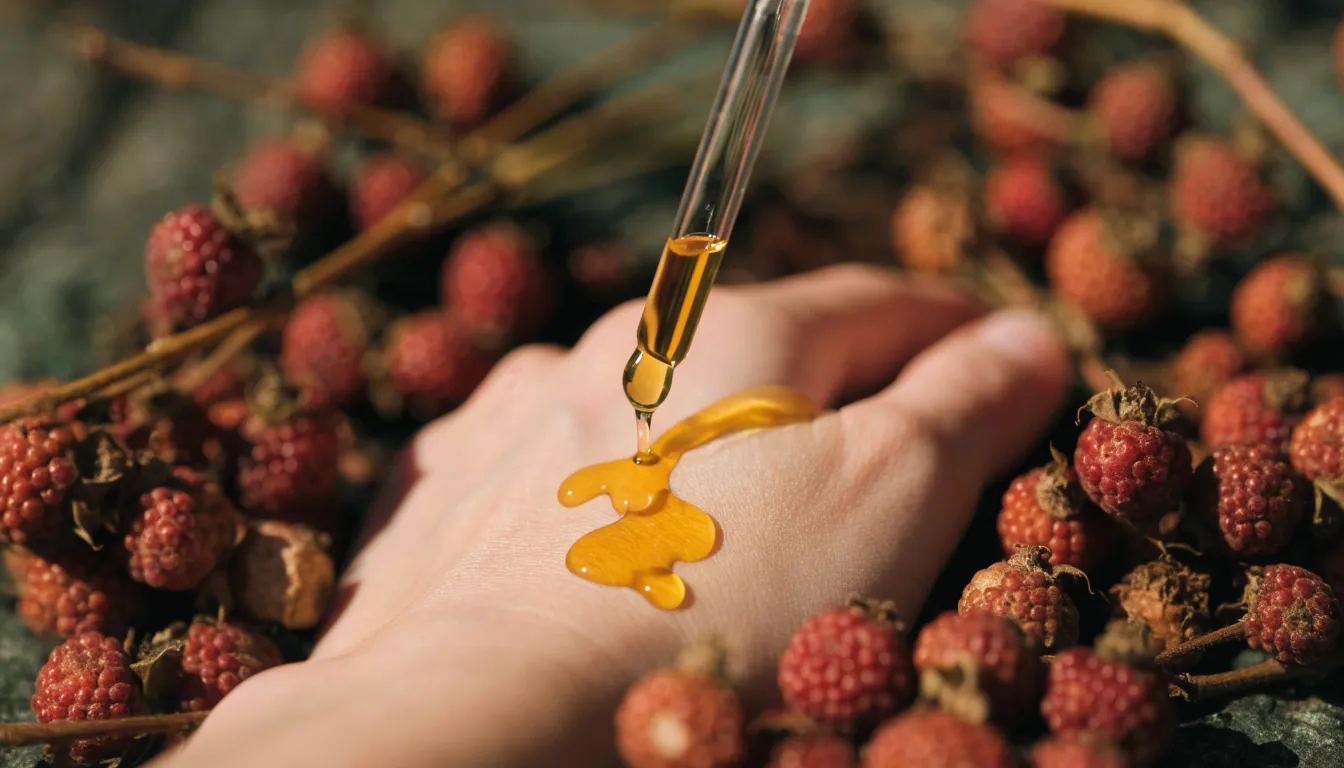
The oil also contains trans-retinoic acid, a natural form of Vitamin A that boosts cellular regeneration and speeds up skin turnover. By encouraging the removal of old, damaged cells and the growth of fresh ones, it helps fade dark marks and hyperpigmentation, gradually evening out skin tone.
Together, the deep hydration from fatty acids and the regenerative power of trans-retinoic acid make Rosehip Seed Carrier Oil a standout choice for reducing persistent dark spots and enhancing the skin’s overall radiance and uniformity.
Helichrysum Oil Secrets
Helichrysum oil, also called Immortelle, helps skin heal and renew itself. Its power comes from special compounds called diketones, which encourage the body to make fresh, healthy skin cells and repair damaged tissue. This makes it especially helpful for reducing scars by supporting the skin’s natural regeneration from within.
The oil also calms irritated skin and lessens swelling, which helps stop scars from forming or getting worse. By lowering inflammation, it improves blood flow in the skin. Better circulation brings more oxygen and nutrients to the injured area and clears away waste, which speeds up cell turnover and keeps skin strong and healthy.
Together, these actions improve skin elasticity by helping collagen and elastin fibers rebuild more smoothly. Scar tissue becomes softer and less stiff, and the scar’s texture blends better with the surrounding skin. With regular use, Helichrysum oil can help scars look less noticeable and leave skin smoother, more even-toned, and healthier overall.
Cedarwood And Patchouli Oils
Cedarwood and patchouli essential oils are especially helpful for improving the look of scars, particularly by reducing redness and calming raised tissue. Both oils are rich in sesquiterpenes, natural compounds known for their strong anti-inflammatory effects. When applied to the skin, these compounds soothe irritated, flushed areas and help tone down the redness that makes scars stand out, resulting in a more even skin tone.
These same sesquiterpenes also work on the structure of scar tissue. They help soften thick, raised scars, making the hardened tissue more supple and flatter over time with regular use. This means the oils both reduce the bright red or purple coloring often seen in newer scars and help refine the scar’s texture so it blends more smoothly with the surrounding skin.
With consistent application, cedarwood and patchouli oils support the skin’s natural healing and renewal processes. Together, these actions lead to a calmer, smoother, and less noticeable scar overall.
Lemon Essential Oil Caution
Lemon essential oil can help fade dark spots and hyperpigmentation left by scars. Its main active compound, limonene, has brightening properties that even out skin tone by gently lightening darkened areas.
However, the oil is photosensitive. If you go in the sun after applying it, you risk severe sunburn or worsening pigmentation.
To use it safely, always dilute it heavily in a carrier oil like jojoba or almond oil, using no more than 0.5% to 1% on the face. Apply it only at night, and avoid sun and tanning beds for at least 12 to 18 hours afterward. Also wear high-SPF sunscreen and protective clothing if you go outside, and do a patch test first. Following these precautions lets you benefit from lemon oil’s brightening effects while avoiding sun damage.
Geranium Oil Magic
Geranium oil helps improve scars by working on the skin in several ways. Its astringent nature regulates the skin’s natural oil (sebum). This balance prevents clogged pores and creates a clearer, more even texture around the scar tissue.
Beyond that, these astringent properties tighten sagging skin. This is great for older scars or areas with loose skin. By firming the skin, the scar’s surface becomes smoother and less prominent, as the skin pulls closer together to improve its overall shape.
Finally, geranium oil boosts natural collagen production. Collagen gives skin its structure and stretch, and it is vital for rebuilding healthy tissue after a scar. This new collagen helps fill in depressed scars and smooth out raised ones. Together, these actions—balancing oil, tightening tissue, and boosting collagen—make geranium oil a strong ally for fading scars and rejuvenating the skin overall.
Dilution Fundamentals
Essential oils must always be diluted before use on the skin, especially for scar treatment. Applying them undiluted can cause irritation, sensitization, or even burns. A carrier oil spreads the concentrated oil safely and gently, helping the skin benefit without being harmed.
Safe dilution depends on the right ratio. For general use, a 1–2% dilution is best. That means 1 drop of essential oil per 5 milliliters (about a teaspoon) of carrier oil for 1%, and 2 drops for 2%. In 30 milliliters (one ounce), use 6 drops for 1% or 12 drops for 2%. For sensitive skin, children, or older adults, a lower 0.5% dilution is safer. Stronger 3–5% dilutions are only for specific problem areas and should be used with professional guidance and caution.
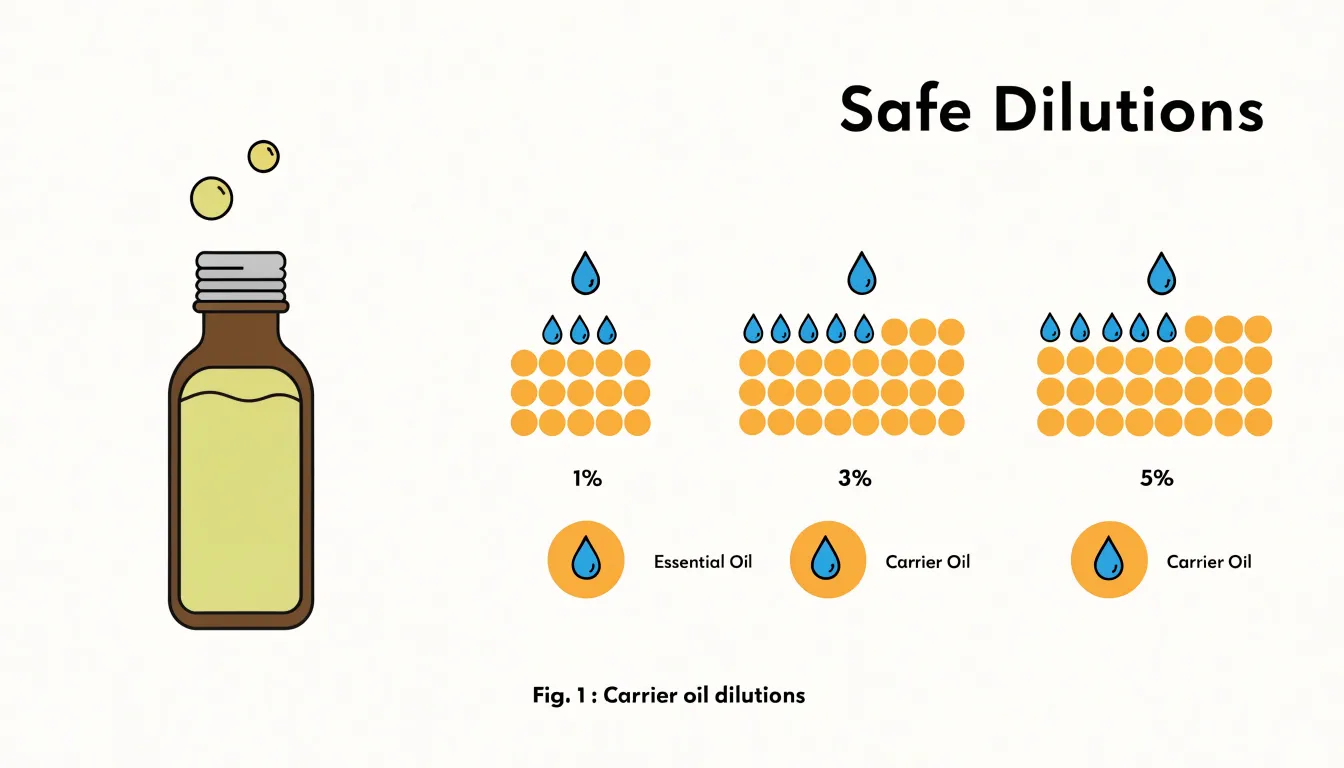
The carrier oil also matters. Many nourishing oils add their own skin benefits. Jojoba oil closely matches the skin’s natural oils, absorbs easily, and won’t clog pores. Argan oil is rich in vitamin E and fatty acids, helping skin stay elastic and repair itself. Rosehip seed oil supports regeneration, and sweet almond oil is a gentle, moisturizing choice. Combined with essential oils, these carriers protect the skin while supporting scar healing.
Spot Testing Your Oils
Spot testing essential oils before broader use is a vital safety step. It helps prevent allergic reactions or skin sensitivities by confirming your skin tolerates the blend. This is especially important when treating delicate areas like scars, as it greatly lowers the risk of irritation.
To perform a patch test, gather your essential oil, a carrier oil such as jojoba or almond, a cotton swab, and a timer. Always dilute the essential oil in carrier oil—applying it undiluted raises the chance of irritation. A typical ratio is 2–3 drops of essential oil per teaspoon of carrier oil, adjusted for the oil and your sensitivity. Choose a clean, dry spot on the inside of your forearm, then apply a small amount of the diluted blend with the swab and let it absorb.
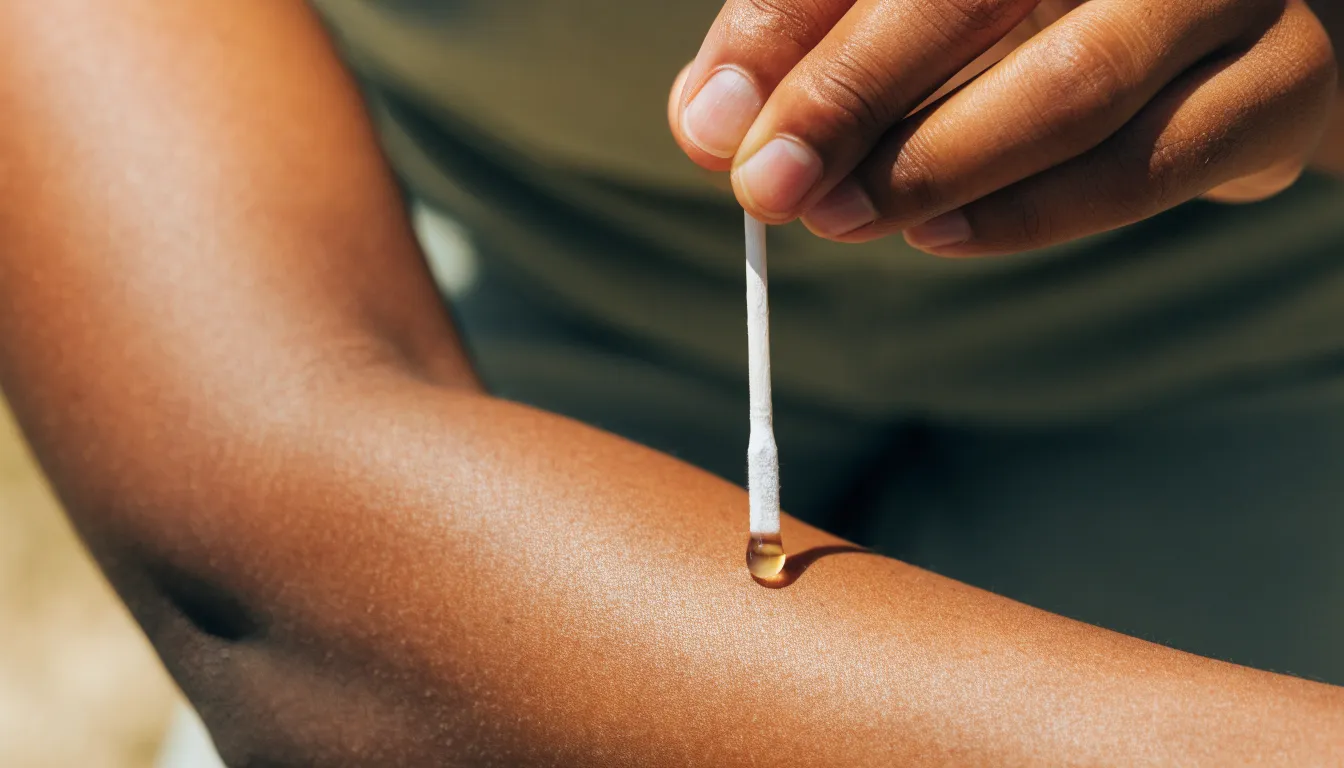
Watch the test area for 24 to 48 hours. Check regularly for redness, itching, swelling, stinging, burning, or any unusual discomfort. If no reaction appears, the blend is likely safe for wider use. If irritation develops, wash the area with mild soap and water right away and stop using that oil blend. Your skin’s health always comes first when using essential oils on scars.
Daily Skin Care Routine
After cleansing and toning each morning, apply a few drops of a properly diluted, lightweight essential oil blend. Gently pat it onto your face and neck so it spreads evenly and settles into the skin. This creates a nourishing base layer, delivering antioxidants and plant compounds that help support skin resilience.
Allow the oil to fully absorb for a minute or two before moving on. This prevents your next products from pilling or shifting. Then apply your broad-spectrum sunscreen. The light oil sits comfortably underneath and adds extra defense, since many essential oils help skin handle daily stressors like pollution and UV exposure.
Finish with makeup as usual. Your cosmetics will glide on smoothly over the prepared skin for a radiant look. This simple layering lets your skin benefit from the restorative properties of essential oils while keeping sun protection and makeup wear strong all day.
Overnight Nourishment Strategies
Nighttime is a key opportunity for the body’s natural repair processes, making it ideal for supporting deep scar healing. Evening essential oil blends use richer, nutrient-dense carrier oils like rosehip, argan, and jojoba. These oils are packed with essential fatty acids, antioxidants, and vitamins A, C, and E, which deeply hydrate and supply building blocks for skin regeneration. Their richness helps deliver active ingredients steadily throughout sleep.
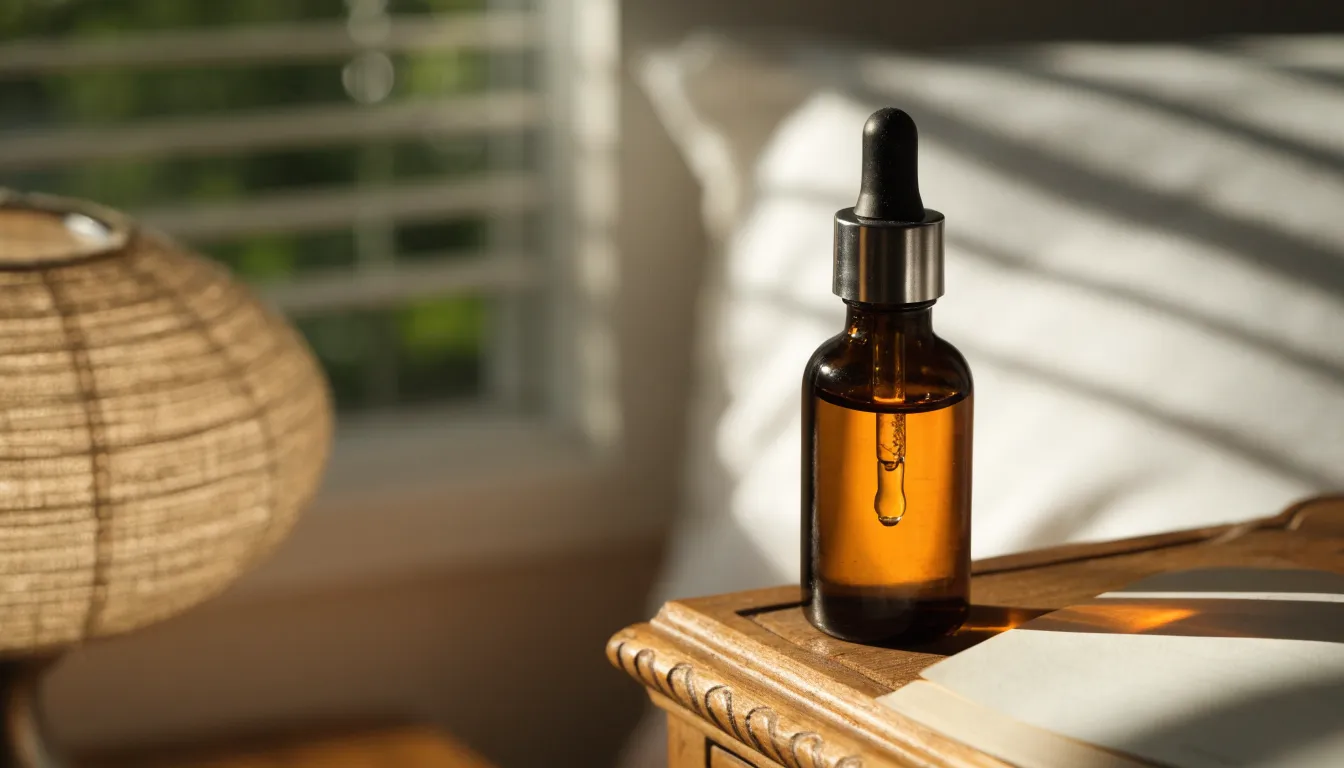
Into these bases, specific essential oils are blended to strengthen their effects on scar tissue. Frankincense supports healthy cell regeneration and helps reduce discoloration. Helichrysum has strong regenerative and anti-inflammatory properties, helping break down old scar tissue while encouraging new, healthy tissue growth. Lavender adds soothing qualities that promote relaxation for better sleep and support the skin’s recovery
This concentrated delivery of oils during the body’s peak repair time helps optimize the cellular environment. It nourishes fibroblasts, helping them produce healthier collagen and elastin. Over time, this improves scar remodeling and leaves skin smoother, more supple. This overnight strategy is designed to maximize the body’s natural ability to heal and renew.
Frequently Asked Questions
How do essential oils help in scar healing?
Essential oils aid scar healing through their concentrated plant compounds, which include antioxidants, fatty acids, and active terpenes. Antioxidants protect skin cells, fatty acids nourish and improve elasticity, and terpenes boost cell turnover to replace damaged cells. Together, these components support natural skin repair and regeneration.
Which essential oil can help with older, raised scars?
Frankincense essential oil is particularly effective for older, established scars that are hard, raised, and less flexible. Its boswellic acids help soften mature scar tissue and encourage a more pliable structure. Regular use can help flatten hypertrophic and keloid scars, making them blend more smoothly with surrounding skin.
What essential oil is recommended for fresh wounds to prevent scarring?
Lavender oil is recommended for fresh wounds because it helps prevent dark marks from forming later. Its antimicrobial action keeps harmful microorganisms away, lowering infection risk, while it also calms inflammation and supports healthy cell turnover. This soothing effect helps prevent post-inflammatory hyperpigmentation, leading to clearer skin as the wound heals.
Are there any safety precautions for using lemon essential oil on scars?
Yes, lemon essential oil is photosensitive, meaning it makes skin much more sensitive to UV light, risking severe sunburn or worsening pigmentation. To use it safely, always dilute it heavily in a carrier oil (0.5%-1%), apply only at night, and avoid sun exposure for 12-18 hours afterward. Always wear high-SPF sunscreen and protective clothing when outdoors, and perform a patch test first.
Why is it important to dilute essential oils for skin application?
Essential oils must always be diluted before topical application because using them undiluted can cause irritation, sensitization, or even burns. Dilution with a carrier oil spreads the concentrated oil safely, allowing the skin to benefit without harm. This is a vital step, especially when treating delicate areas like scars.
When is the best time to apply essential oils to support scar healing?
Essential oils can be applied both morning and night to support scar healing. In the morning, a lightweight, diluted blend creates a nourishing base layer to support skin resilience. Nighttime is ideal for deeper healing, as richer blends with specific oils can maximize the body’s natural repair processes during sleep.