
Essential oils neutralize smoke odor by chemically binding with and altering odor-causing smoke particles, effectively breaking them down rather than just masking the smell. Lemon, orange, tea tree, eucalyptus, peppermint, and lavender oils are particularly effective, utilizing compounds like limonene and eucalyptol to eliminate ingrained smoke from porous materials and the air when diffused or applied in DIY cleaning solutions, making them some of the 8 best essential oils for home freshening.
Table of Contents
- Smoke Odor Mechanics
- Plant Power Basics
- Citrus Oil Magic
- Tea Tree Defense
- Eucalyptus Air Clearer
- Peppermint Energy Boost
- Lavender Soothing Power
- Rosemary and Thyme Blends
- Diffuser Setup Guide
- DIY Fabric Sprays
- Baking Soda Boost
- Furniture Refreshing Hacks
- Car Odor Removal
- Common Cleanup Mistakes
- Air Circulation Tricks
Smoke Odor Mechanics
Smoke odor is persistent because smoke isn’t just a smell—it’s a mix of gases, vapors, and tiny solid particles. Burning creates sticky, dark, highly aromatic byproducts called tar and resin, which are especially hard to remove. These particles are very light and travel easily through the air, so an essential-oil treatment has to target the actual particles rather than just covering up the scent.
When these sticky particles land, they cling tightly to surfaces. Porous materials—upholstery, curtains, clothing, carpet fibers, drywall, and unfinished wood—are the worst because they have tiny pores and crevices. Tar and resin work their way into those hidden spaces, so they don’t stay on the surface. To be useful, essential oils need to be able to penetrate the same deep spaces where smoke particles lodge.
Because the particles remain embedded, they keep releasing the burnt odor over time. That’s why smoke smell can last for months or years, even after the source is gone, and why airing out or wiping surfaces doesn’t work. An essential oil that really helps with smoke odor has to work below the surface—not just mask the smell in the room.
Plant Power Basics
Essential oils fight smoke odor by changing the air on a chemical level, clarifying what essential oils actually are and how they function beyond simple fragrance. Smoke is a mix of volatile compounds that create a bad smell. Essential oils release their own volatile plant compounds—like terpenes, esters, aldehydes, and phenols—that act as active, odor-fighting agents.
When diffused, tiny essential oil molecules spread through the air and meet smoke molecules. A key way they work is by binding directly with the odor-causing smoke particles. For example, certain aldehydes in essential oils react with nitrogen- or sulfur-based compounds in smoke, changing their structure and neutralizing them.
This binding changes the smoke molecule so it no longer fits the smell receptors in your nose, which removes the odor. In some cases, the oils also help break smoke molecules into simpler, non-smelling parts. Through these chemical changes, essential oils actively alter the pollutants themselves, leaving the air genuinely cleaner and fresher.
Citrus Oil Magic
Lemon essential oil and orange essential oils are highly effective at fighting stubborn smoke odors, especially the lingering residue from tobacco and wood smoke. Their power comes mainly from a natural compound called limonene, which is found in high amounts in these citrus oils. Limonene is a type of monoterpene, an organic compound known for strong solvent properties and a fresh, energizing scent.
When diffused into the air or added to cleaning solutions, limonene actively targets the airborne particles and surface residues that cause smoke smells. Rather than simply masking the odor, it helps break down the volatile organic compounds in the smoke residue. The molecular structure of limonene lets it bind to these odor-causing agents, neutralizing them and helping them dissipate. This chemical action makes citrus oils true odor eliminators, not just pleasant fragrances.
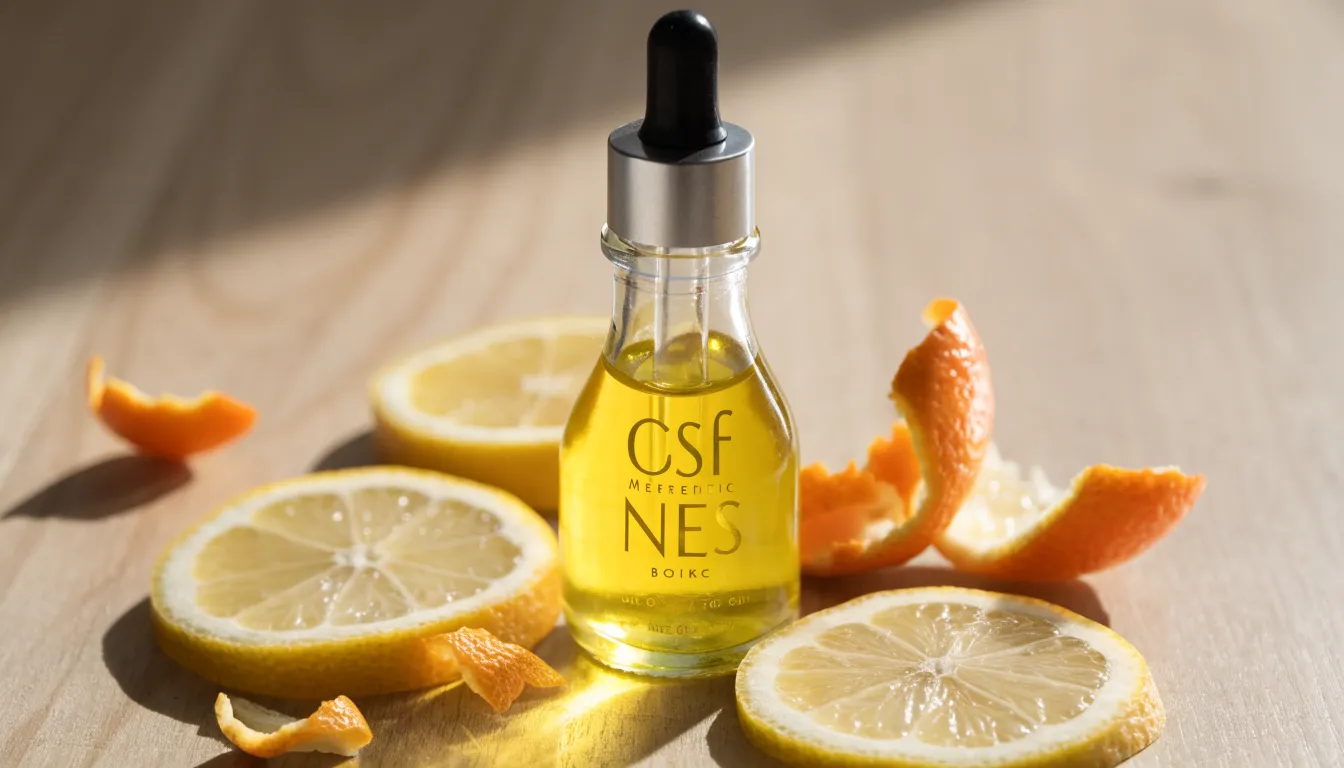
For dense tobacco smoke that soaks into fabrics and furniture, or the sharp smell of wood smoke from a fireplace, lemon and orange oils offer a powerful solution. They transform the environment by replacing the heavy, stale smoke scent with a crisp, clean, and uplifting fragrance that signals real freshness.
Tea Tree Defense
Tea tree oil offers a powerful natural way to fight stubborn cigarette smoke odors. Its strength comes from two key actions: strong antimicrobial power and excellent deodorizing ability. Smoke odor is mostly caused by nicotine and other chemicals that sink into surfaces and resist normal cleaning. Tea tree oil helps by limiting bacteria and other microbes that can make the smell worse, while its clean, camphor-like scent adds a fresh layer to the air and surfaces.
Beyond fighting germs, tea tree oil works as a natural deodorizer. It does not just mask bad smells—it helps break down and neutralize the molecules that cause them. This is especially useful for trapped nicotine and tar, which stick tightly to porous materials. By helping to break those odor bonds, tea tree oil works toward real odor removal instead of a temporary cover-up.
This makes it ideal for soft furnishings like curtains, carpets, and upholstery, which easily soak up smoke and hold onto it. A diluted tea tree oil solution lightly misted onto fabrics lets the oil reach deep into the fibers and target trapped odor molecules. This helps refresh the materials and leaves them smelling cleaner, while also helping to get rid of lingering cigarette smoke for good.
Eucalyptus Air Clearer
Eucalyptus essential oil is especially effective for refreshing indoor spaces that carry a lingering smoke or ash smell. Its strong, camphor-like scent doesn’t just add fragrance—it actively works to break through heavy, stale air. This power comes mainly from eucalyptol, a natural compound known for clearing thick, stagnant odors, making eucalyptus a useful tool against stubborn smoke smells.
When diffused into a smoky room, eucalyptus doesn’t just mask the odor. Its compounds interact with airborne scent particles and help neutralize them, replacing the heavy, suffocating feel of ash with a crisp, clean atmosphere. Since smoke odors cling to surfaces and fabrics, eucalyptus offers an active way to refresh and purify the space by directly tackling the lingering residue.
Inhaling eucalyptus vapors also supports easier breathing. As the air becomes clearer and the ash smell fades, eucalyptol works to open up respiratory pathways. This dual benefit—cleaning the air while helping people breathe more comfortably—makes eucalyptus a well-rounded solution for restoring a fresh, revitalized indoor environment after smoke exposure.
Peppermint Energy Boost
Peppermint essential oil is a strong choice for getting rid of burnt or smoky smells in a home. Because it contains a lot of menthol, it has a sharp, cool, and powerful scent. This smell does not just cover up bad odors—it actively pushes them out and takes over, creating quick relief in rooms affected by smoke or burnt food.
The crisp, clean aroma of peppermint cuts through heavy, harsh smoke particles, making them much less noticeable. Instead of a lingering smoky haze, the room fills with a fresh, minty scent. Beyond just masking odors, peppermint also energizes the space. Its cool, sharp smell wakes up the senses and makes a stale room feel airy, clean, and more comfortable to be in.
You can use just a few drops in a diffuser or make a diluted spray to move the bright fragrance around the room. This helps cover offensive smells right away while also adding a cool, renewed freshness to the air.
Lavender Soothing Power
Lavender essential oil is especially effective at softening the harsh, lingering smell of smoke in living spaces. Its calming properties go beyond stress relief, helping to transform stuffy, odorous rooms. Rather than simply masking smoke, lavender’s floral scent actively works with the difficult undertones left behind.
It adds a layer of freshness and light sweetness that blends with burnt notes, shifting the atmosphere toward something cleaner and more peaceful. This makes it particularly useful in bedrooms and lounges, where it can replace sharp, acrid smoke smells with a soothing, welcoming fragrance.
The result is a greater sense of serenity and comfort. Lavender’s natural essence helps create a relaxed, refreshed environment where people can easily unwind, making rooms feel clean, calm, and genuinely inviting.
Rosemary and Thyme Blends
Rosemary and thyme essential oils are strong herbal options for fighting stubborn smoke smells, especially deep odors from wildfires or heavy fireplace use. They contain active compounds called thymol and carvacrol, which work on a chemical level rather than just covering up the smell.
These compounds interact directly with smoke particles stuck to surfaces, fabrics, and the air. When diffused or applied properly, they help break down and neutralize odor-causing molecules instead of masking them. That makes them effective at removing lingering smoky residues. At the same time, their fresh, herbal scent stands out against the heavy, acrid smell of smoke.
Using a diffuser spreads the active compounds through a room, allowing them to reach porous materials where smoke odors settle. For smaller problem areas, a diluted spray can be applied directly to specific surfaces. This combination of breaking down odor molecules and adding a clean, herbaceous fragrance makes rosemary and thyme blends a practical solution for truly clearing out deep fire smells and refreshing the space.
Diffuser Setup Guide
To neutralize smoke odor effectively, start with the right essential oil-to-water ratio for your diffuser size. For a 100ml ultrasonic diffuser, use about 3–5 drops of essential oil; for larger 200ml or 300ml units, increase to 6–10 drops. Always use clean, filtered water to keep mist production strong and protect the diffuser. Begin with fewer drops and add more only if you need a stronger scent—too many drops can reduce efficiency.
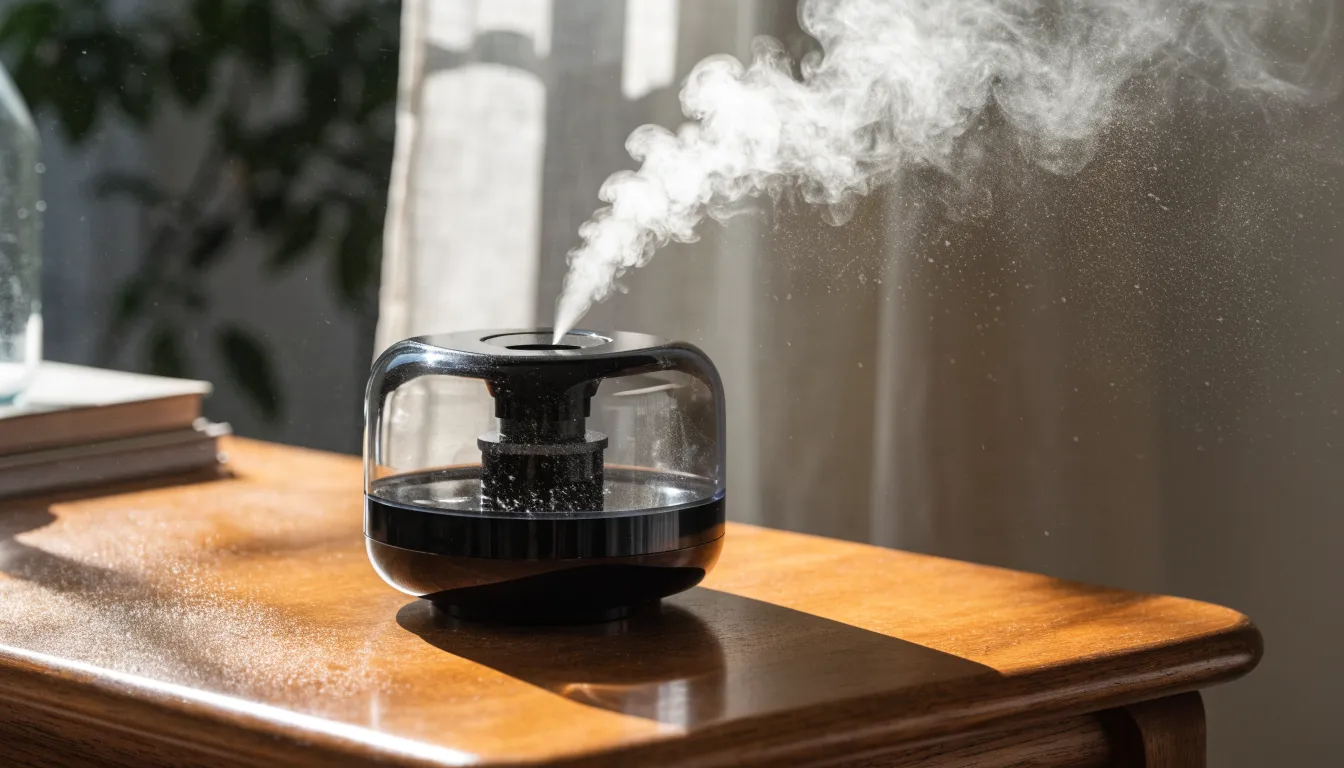
Placement is also key for spreading the odor-fighting mist. Put the diffuser on an elevated surface like a table or shelf, and position it centrally or near the source of the smoke smell. Avoid placing it under or beside air conditioning vents or heating ducts, which can blow the mist away too quickly. In large open areas, use multiple diffusers in different spots for full coverage.
Run times matter too. Many diffusers have intermittent settings, such as 30 minutes on and 30 minutes off, which keep odor treatment steady without overwhelming the room. For stubborn smoke odors, run the diffuser continuously for 1–2 hours first, then switch to intermittent cycles. Avoid running it for hours on end, like 8 hours straight, since shorter, regular cycles throughout the day are more effective at continuously releasing oils to break down lingering smoke particles.
DIY Fabric Sprays
DIY fabric sprays give you a simple, effective way to fight smoke odor in soft furnishings. The main ingredients are witch hazel, distilled water, and essential oils. Witch hazel helps carry and spread the oils evenly while also helping to neutralize odors. Distilled water is best because it won’t leave mineral marks on fabric and lasts longer without bacteria growth. The essential oils are the real odor fighters, adding purifying and fresh scents to the mix.
A basic recipe uses about one part witch hazel to three parts distilled water in a clean spray bottle, much like how to make an essential oil room spray. For every 8 ounces of liquid, add 20–30 drops of essential oil. Good choices include lemon, tea tree, eucalyptus, or a citrus blend. Lemon and citrus oils help cut smoke smell with their fresh, clean aroma, while tea tree and eucalyptus add purifying effects. Shake the bottle gently so everything is well combined.
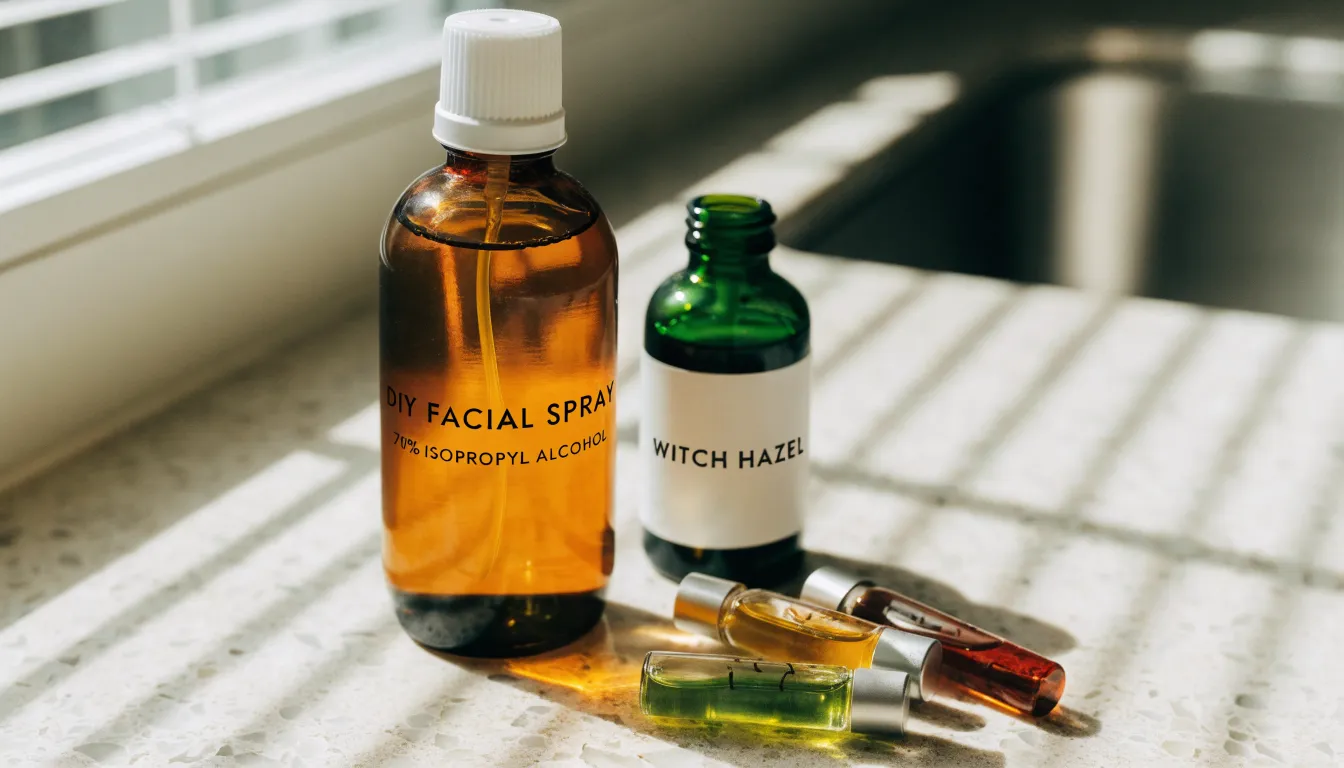
Use the spray on curtains, throw pillows, rugs, and upholstery. Hold the bottle about six to eight inches from the fabric and mist lightly without soaking it. Always test a small hidden area first to check for discoloration. Used regularly, this spray helps keep rooms smelling fresher and makes a useful part of your smoke odor cleanup routine.
Baking Soda Boost
Baking soda is a great natural deodorizer that absorbs tough smells like smoke. When you mix it with essential oils, it becomes even more powerful for refreshing smoky carpets. The oils add cleansing and aromatic benefits, while the baking soda helps pull smoke odors out of the carpet fibers. Good oil choices include lemon, eucalyptus, tea tree, lavender, or peppermint.
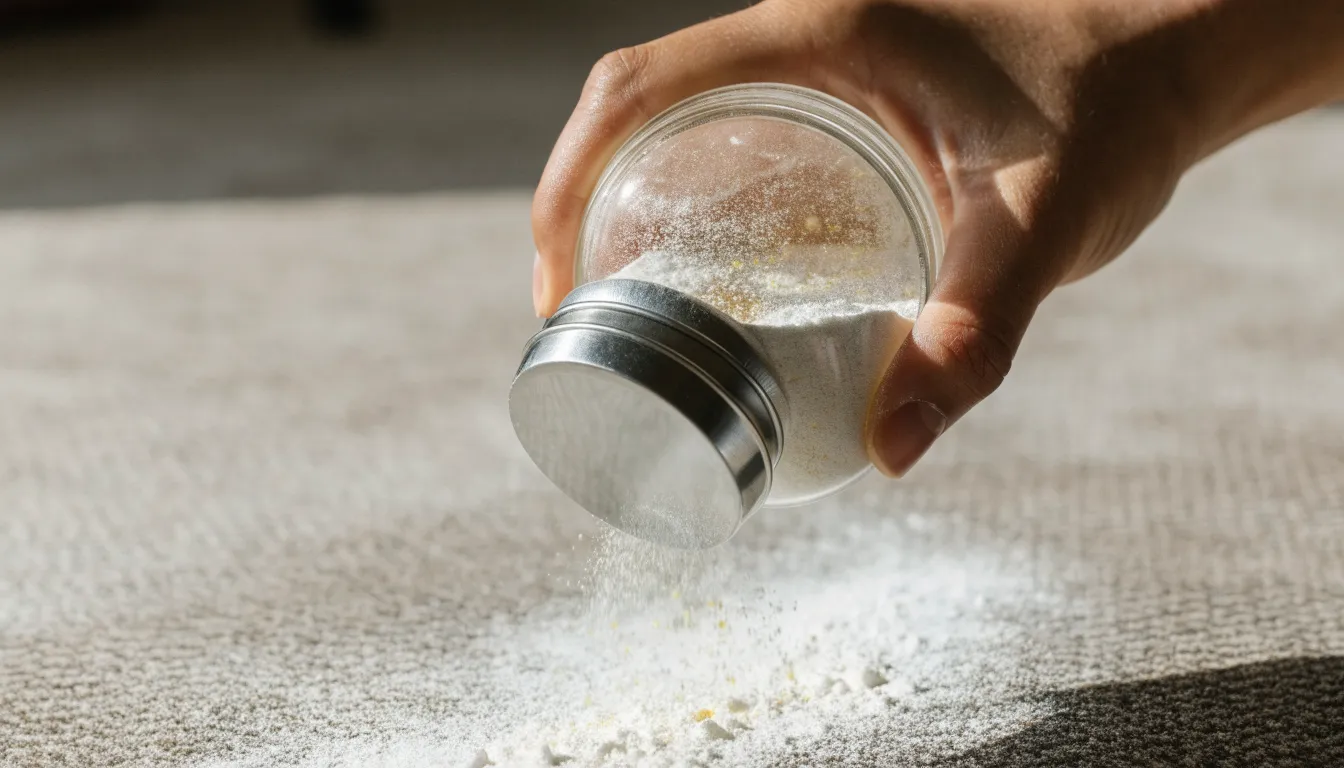
To make the powder, combine 1 to 2 cups of baking soda with 10 to 20 drops of your chosen essential oil. Adjust the number of drops based on how strong you want the scent. Mix well with a spoon or whisk, or shake in a sealed jar, until the oil is evenly spread. Let the mixture sit for at least 30 minutes, or a few hours, so the baking soda can fully absorb the oils.
Sprinkle the infused powder evenly over the dry carpet using a sieve or shaker bottle. Leave it for at least 30 minutes, or overnight for heavy smoke smells. Then vacuum thoroughly, going over the area multiple times in different directions. This helps remove the baking soda and trapped odors, leaving your carpet smelling clean and fresh. Using this method regularly helps keep your home smelling pleasant.
Furniture Refreshing Hacks
Smoke smell gets deep into furniture fibers, so removing it takes a mix of essential oils and deeper cleaning. Lemon oil helps cut grease and freshen fabric. Tea tree oil naturally fights odors. Eucalyptus adds a clean, crisp scent, and lavender helps mask lingering smoke with a calming smell.
Make a spray by mixing 10–15 drops of your chosen oil with one cup of distilled water. Add a tablespoon of white vinegar or a little rubbing alcohol to help the oil spread and dry. Put it in a fine-mist bottle, lightly spray the furniture until damp, and press a clean cloth into the fabric. Leave it for 15–30 minutes so the oils can work on the odor.
After that, sprinkle baking soda over the treated areas and let it sit for several hours or overnight to soak up smells. Vacuum it up with an upholstery attachment, and scrub stubborn spots gently with a soft brush if needed. Repeat the process for strong, old smoke smells until the furniture is refreshed.
Car Odor Removal
Cigarette smoke lingers in a car because the space is small and materials soak up the smell. To treat the air itself, use a diffuser made for cars with citrus, eucalyptus, or tea tree oils. Run it regularly, especially when parked with windows slightly open, so the oil vapor can spread through the cabin and keep neutralizing smoke odors in the air.

The air vents are a hidden source of smoke smell because the HVAC system keeps recirculating it. Make a spray with water and a few drops of lemon or peppermint oil. Turn the fan to medium, then lightly mist the mixture into the outside air intake near the windshield and also into the dashboard vents. Remember to replace the cabin air filter often, since a dirty filter keeps releasing old odor.
Fabric seats, carpets, and headliners trap tobacco residue deeply. Create a fabric spray with distilled water, a little witch hazel or rubbing alcohol, and stronger oils like lavender, frankincense, or clove. Lightly mist all fabric surfaces without soaking them, then let everything dry completely with windows open or in the sun. Repeat as needed so the oils can sink into the fibers and fade the smoke smell.
Common Cleanup Mistakes
Conventional air fresheners are a common mistake. They often trap moisture, which can lead to mold and mildew, adding musty smells to the smoke odor. They also just mask the smoke with stronger artificial scents instead of removing the tiny smoke particles, so the odor comes back once the fragrance fades.
Another mistake is using cheap synthetic oils instead of real essential oils, failing to understand the difference between essential oils and fragrance oils. Synthetic versions lack the natural compounds that genuinely neutralize odors. They simply add more artificial fragrance, which can clash with smoke and create an even worse smell. These chemicals may also irritate people with allergies or sensitive lungs.
The biggest error is skipping a thorough cleanup of soot and smoke residue. Smoke particles cling to walls, furniture, carpets, and fabrics, and the smell keeps returning until they are physically removed. Once all surfaces are properly cleaned, real essential oils can finally do their job and leave a fresh, lasting scent.
Air Circulation Tricks
Cross-ventilation is the basic way to clear smoke-filled indoor air. Opening windows on opposite sides creates a natural airflow: warm, smoky air rises and exits through one opening while cooler, fresher air enters through another. This helps flush out stale air and smoke particles. Opening internal doors creates a clear path, so the air can move through multiple rooms.
Adding box fans makes this process much stronger. A fan placed in a window facing outward pulls smoky air out of the room, while another open window on the opposite side lets fresh air in. You can also set a fan to push fresh air into the space, which helps push the odorous air out. Either way, the air exchange happens faster than relying on natural airflow alone.
With these circulation tricks, essential oils work best when placed strategically. Put diffusers or oil-infused cotton balls near fresh air intake points or directly in the path of the moving air. As fresh air flows through, it picks up the aroma molecules, and those molecules mix with smoke particles, helping to neutralize the odor while the airflow carries everything outside. This way, the oils aren’t just covering up the smell—they’re actively helping remove it alongside good air circulation.
Frequently Asked Questions
Why is smoke smell so hard to get rid of?
Smoke odor is persistent because it’s a mix of gases, vapors, and tiny, sticky solid particles like tar and resin. These particles cling tightly to porous surfaces such as upholstery and drywall, embedding themselves deep within materials. They continue to release the burnt odor over time, which is why airing out or wiping surfaces often isn’t enough.
How do essential oils actually neutralize smoke odor?
Essential oils fight smoke odor by releasing their own volatile plant compounds, such as terpenes and aldehydes, into the air. These molecules bind directly with odor-causing smoke particles, changing their structure and neutralizing them. This chemical action prevents smoke molecules from fitting smell receptors in your nose, leaving the air genuinely cleaner.
Which essential oils are recommended for stubborn smoke odors in soft furnishings?
Lemon and orange essential oils are highly effective for stubborn tobacco and wood smoke, as their limonene helps break down volatile organic compounds. Tea tree oil offers strong antimicrobial and deodorizing power, neutralizing nicotine and tar trapped in fabrics. Lavender can also soften harsh smoke smells with its soothing floral scent.
What is the best way to use a diffuser to remove smoke smell?
For a 100ml diffuser, use 3-5 drops of essential oil with clean, filtered water, placing it centrally or near the smoke source. For stubborn odors, run the diffuser continuously for 1-2 hours initially, then switch to shorter, regular intermittent cycles. Avoid placing it near air conditioning vents or heating ducts, which can blow the mist away too quickly.
How do I make a DIY essential oil spray for smoky fabrics?
Combine one part witch hazel with three parts distilled water in a spray bottle. For every 8 ounces of liquid, add 20-30 drops of essential oil like lemon, tea tree, or eucalyptus. Shake gently, then lightly mist fabrics from six to eight inches away, always testing a small hidden area first for discoloration.
What common mistakes should be avoided when trying to eliminate smoke odors?
Avoid using conventional air fresheners, which only mask odors and can promote mold, and cheap synthetic oils, which lack true odor-neutralizing compounds and can cause irritation. The biggest mistake is skipping a thorough physical cleanup of soot and smoke residue, as the smell will keep returning until particles are physically removed.