
Essential oils like lavender, Roman chamomile, and frankincense can soothe sunburn by reducing inflammation, pain, and promoting skin repair when properly diluted with carrier oils such as jojoba or rosehip. Always patch test and avoid undiluted application, phototoxic citrus oils, or high concentrations of strong oils like tea tree and peppermint on damaged skin.
Table of Contents
- Understanding Sunburned Skin
- Essential Oil Basics
- Lavender Oil Benefits
- Roman Chamomile Relief
- Frankincense Oil Power
- Tea Tree Oil Caution
- Peppermint Oil Truths
- Citrus Oil Warnings
- Carrier Oil Selection
- Safe Dilution Ratios
- Cooling Spray Recipes
- Aloe Vera Blends
- The Patch Test Step
- Application Techniques Methods
Understanding Sunburned Skin
When UV exposure exceeds the skin’s defenses, UVA and UVB rays penetrate the skin. UVB directly damages DNA in skin cells, causing mutations and programmed cell death. UVA goes deeper and creates free radicals that damage lipids, proteins, and DNA, which speeds up skin aging and increases cancer risk.
The body treats this damage as a threat and triggers inflammation. Damaged cells and immune cells release histamine and other chemical signals that widen blood vessels and make them leakier. This sends extra blood and immune cells to the area, causing sunburn’s redness and heat.
Inflammation is meant to clear damaged cells and begin repair, but severe sunburn can overwhelm that process. The ongoing stress and widespread need for repair delay natural healing, so recovery takes longer and the damage is more than just surface discomfort.
Essential Oil Basics
Essential oils are highly concentrated extracts made by distilling or pressing plant parts like leaves, flowers, bark, and roots. They contain volatile aromatic compounds, the natural chemicals that give plants their scent and healing properties. Because they are so concentrated, a single drop can equal many cups of herbal tea or pounds of plant material.
That potency demands careful handling. Essential oils are not like gentle hydrosols or watered-down herbal infusions. Applying them directly and undiluted bypasses the natural safeguards found in the whole plant. This is especially risky on sunburned skin, which is already inflamed, raw, and more permeable than healthy skin. Undiluted oils can easily overwhelm damaged tissue and trigger a severe inflammatory reaction.
This reaction is called contact dermatitis, and it may cause intense redness, itching, swelling, and sometimes blistering, making the sunburn worse rather than better. To use essential oils safely, they should always be To use essential oils safely, they should always be diluted in a carrier oil, such as jojoba or almond oil. This simple step helps prevent harm while still allowing the oils’ beneficial properties to be absorbed.
Lavender Oil Benefits
Lavender oil is a top choice for sunburn relief because it calms heat and reduces redness. This comes mainly from two natural compounds it contains: linalool and linalyl acetate. Together, these work within the skin to provide soothing support and encourage healing.
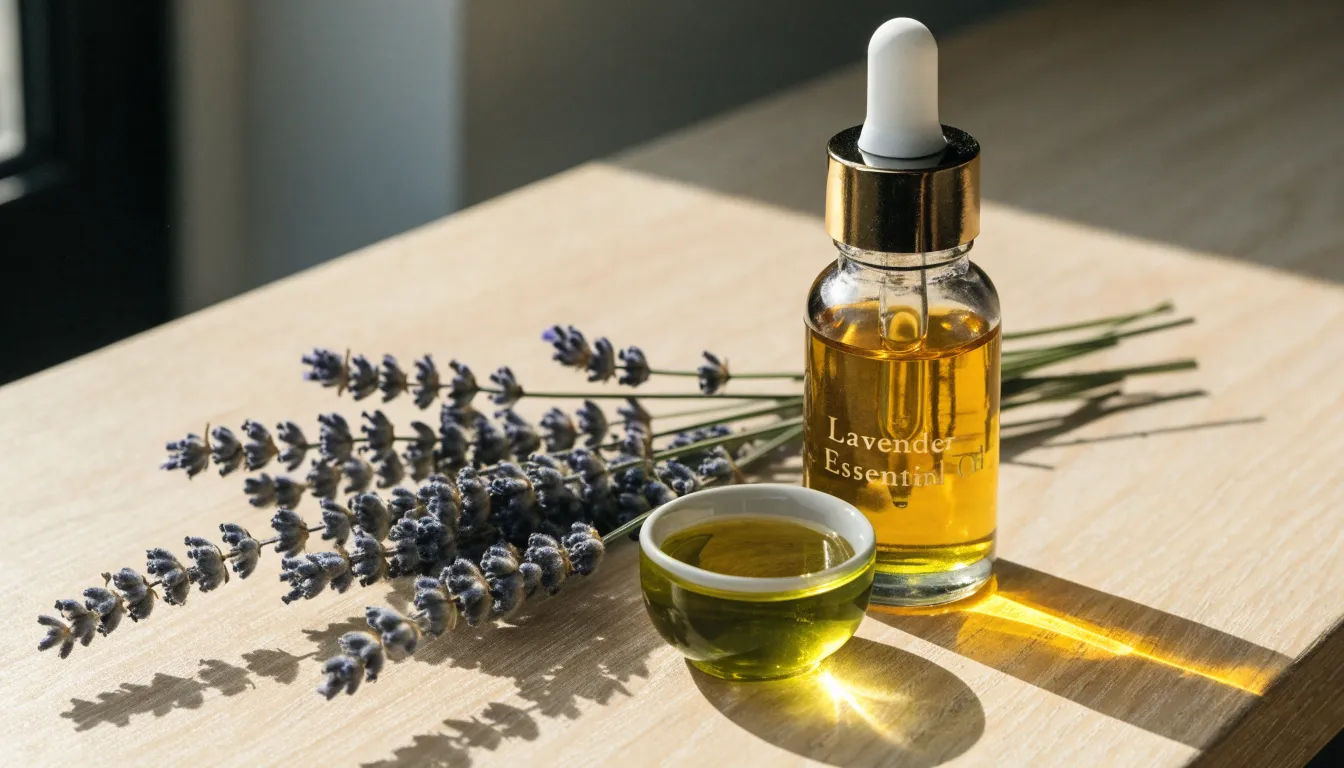
When applied to the skin, these compounds help lower inflammation. Since sunburn is an inflammatory reaction to UV rays, lavender oil helps quiet the overactive immune signals that cause swelling and redness. It also eases pain by offering a gentle numbing effect, which makes sensitive, sunburned skin less reactive to touch.
Lavender oil also speeds up recovery of the outer skin layer. Linalool and linalyl acetate support cell regeneration, helping repair damage and restore the skin’s protective barrier. This means the skin heals faster, reducing discomfort and helping it return to a healthy state sooner after sun exposure.
Roman Chamomile Relief
Roman Chamomile essential oil is a deeply soothing choice for sunburned skin. It works especially well to calm irritation and ease the sensitivity that comes with sun-damaged skin, making it a reliable option for relief.
Its healing power comes from natural anti-inflammatory compounds: bisabolol and chamazulene. Bisabolol helps reduce redness and discomfort with a gentle touch, while chamazulene gives the oil its deep blue color and works to lessen swelling and inflammation. Together, they help quiet the stinging and distress signals of sunburned skin, bringing faster comfort.
Because Roman Chamomile is so gentle, it suits skin that is already irritated and highly reactive. It offers a calming, serene effect that helps restore a sense of balance and well-being to sun-stressed skin.
Frankincense Oil Power
Frankincense oil strongly supports the skin’s natural repair process after sun exposure. Its benefits come from a rich blend of boswellic acids and key terpenes. These compounds work together to create a healthy environment for recovery. Boswellic acids are especially helpful for encouraging cellular regeneration, which is important when sun damage has harmed skin cells. By promoting new, healthy cell growth, the oil helps replace damaged cells and supports smoother, more even skin as healing continues.
In addition to renewing cells, the terpenes in frankincense oil help restore the skin barrier. This barrier acts as a protective shield, and sunburn weakens it, leaving skin vulnerable to moisture loss and irritation. Frankincense helps strengthen this barrier, locking in moisture and protecting the skin while it heals.
A stronger skin barrier also helps prevent one of the most uncomfortable after-effects of sunburn: flaking. When the barrier is healthy and cells regenerate effectively, heavy peeling is much less likely. Frankincense oil works with the body’s natural processes, offering gentle yet effective support for a smoother, more comfortable recovery from sun damage.
Tea Tree Oil Caution
Tea Tree Oil can help sunburned skin, especially if there are blisters or broken areas. Its natural antimicrobial properties help prevent infections, which is important when the skin is damaged. This keeps the affected area clean and supports the skin’s own healing process.
That said, tea tree oil is strong and can irritate sunburned skin if used undiluted or in high amounts. Applying it too directly may cause stinging, redness, and extra discomfort, which can make the sunburn worse instead of better.
To use it safely, keep the concentration very low. Mix just one or two drops into a generous amount of a soothing carrier like aloe vera gel, jojoba oil, or fractionated coconut oil. Test it on a small patch of unaffected skin first. This way, you get the oil’s protective benefits without adding harshness to fragile, sun-damaged skin.
Peppermint Oil Truths
Peppermint oil is often chosen for its invigorating scent and the immediate, refreshing coolness it brings when applied to the skin. This cooling effect comes from menthol, a key compound in the oil, which interacts with temperature-sensing receptors in the skin to create a feeling of coolness without actually lowering skin temperature. For a mild sunburn, this perceived coolness can offer temporary relief from heat and stinging, providing a brief, awakening sensation that distracts from the burn’s discomfort.
However, caution is essential when using peppermint oil on sunburn. As a highly concentrated oil, it has potent properties that can irritate the skin, especially if applied undiluted or to already damaged skin. On severe sunburns, blisters, or open wounds, the skin’s protective barrier is weakened, making it very vulnerable. In such cases, peppermint oil can worsen inflammation, increase redness, and cause stinging, burning, or even allergic reactions.
The very menthol that creates the cooling effect can become a strong irritant on compromised skin. Therefore, while the immediate cooling sensation is appealing, the risk of adverse reactions on damaged or severely burned skin clearly outweighs any possible benefit. For serious burns, gentle and safe remedies should always come first, and essential oils on sensitive skin should be used with extreme care.
Citrus Oil Warnings
Certain citrus essential oils, such as lemon and bergamot, contain natural compounds called furanocoumarins. These chemicals act as powerful photosensitizers: when applied to the skin, they make it far more reactive to ultraviolet light from the sun.
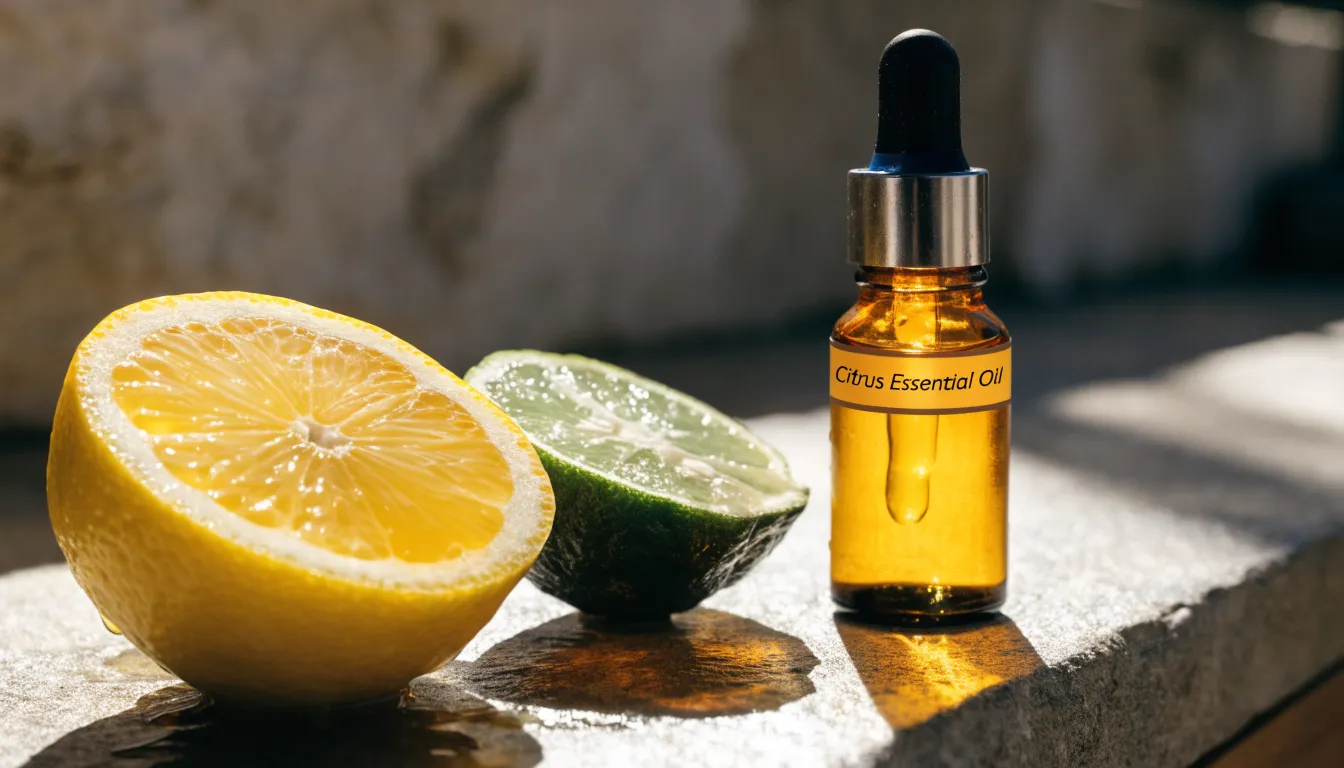
This reaction, known as phototoxicity, triggers a chemical response in skin cells that intensifies sun damage. Instead of soothing a sunburn, these oils can cause a much worse burn than normal sun exposure, leading to severe and prolonged inflammation.
In serious cases, this can result in deep, painful chemical blistering that takes a long time to heal. For this reason, citrus oils should be avoided on skin whenever there is any chance of sun exposure—even diluted forms carry the risk, and the potential harm outweighs any benefit.
Carrier Oil Selection
Choosing the right carrier oil for sunburned skin is just as important as the essential oils themselves. Carrier oils dilute potent essential oils for safe use, while also offering their own healing benefits. The best choices help restore the skin’s damaged moisture barrier and lock in hydration, calming irritation and supporting the skin’s natural repair process from the surface inward.
Jojoba oil is an excellent option because it closely resembles the skin’s natural sebum. It absorbs easily without clogging pores, providing light, breathable hydration. By mimicking the skin’s natural oils, jojoba helps strengthen the barrier and prevent moisture loss, while its antioxidants support recovery without leaving a greasy residue. Rosehip oil is another great choice, rich in omega-3 and omega-6 fatty acids plus vitamins A and C. These nutrients promote skin regeneration, reduce redness, and help restore a smooth, even tone to sun-stressed skin.
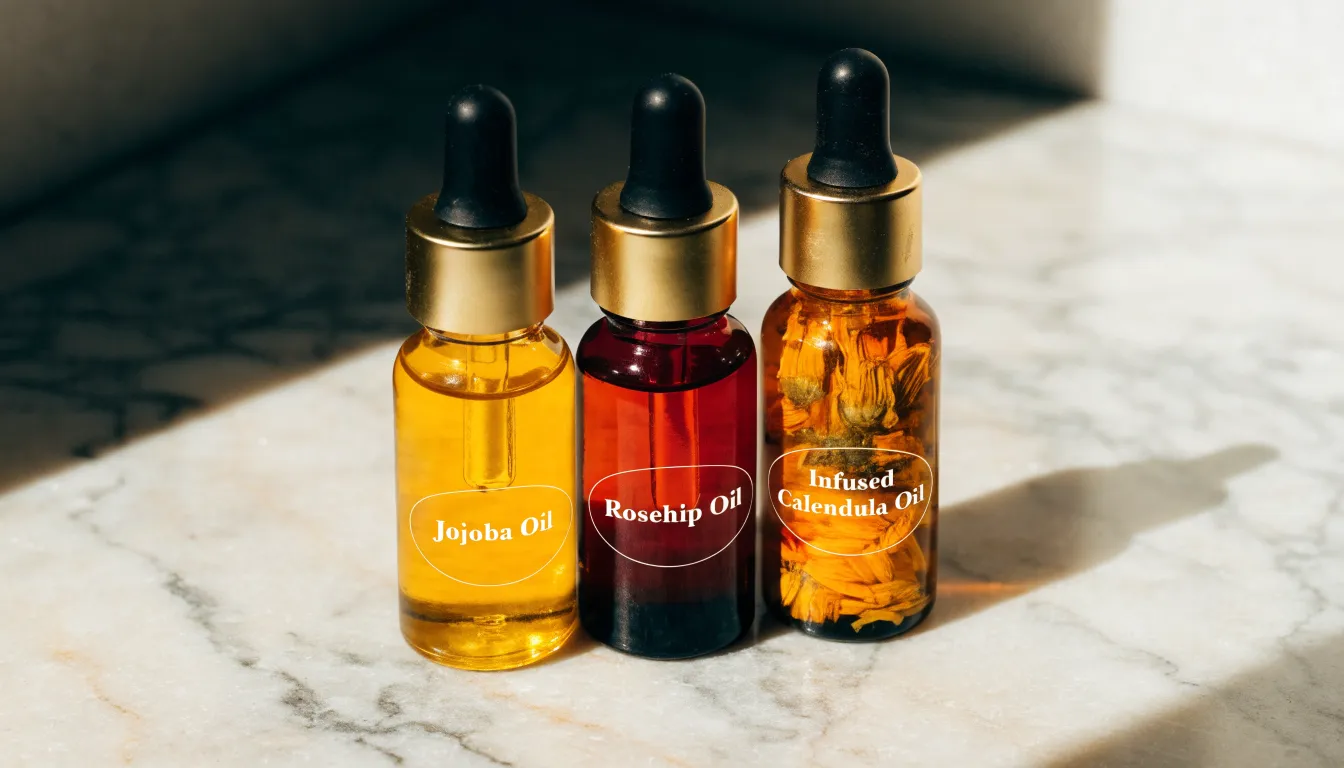
Calendula oil is known for its soothing and anti-inflammatory properties. It brings immediate comfort to sunburned skin, calming irritation and easing discomfort. It also encourages the skin’s own repair mechanisms, making it very helpful for damaged skin. Together, jojoba, rosehip, and calendula oils offer gentle, restorative care that helps sun-affected skin heal and return to a healthy, comfortable state.
Safe Dilution Ratios
Sunburned skin is already inflamed and very sensitive, so precise dilution of essential oils is crucial. Very low concentrations let the beneficial, soothing properties of the oils work without adding further irritation. For sensitive or heat-stressed skin, a dilution of 0.5% to 1% is generally recommended to protect the skin and avoid adverse reactions.
For a 0.5% dilution, add 3 drops of essential oil to 1 ounce (about 30 ml) of a carrier oil like jojoba, almond, or fractionated coconut oil. If using a smaller amount, such as 1 tablespoon (about 15 ml), use 1–2 drops. For a gentle 1% dilution, use 6 drops per ounce of carrier oil, or 3 drops per tablespoon. These ratios provide a mild, therapeutic effect suited to skin already stressed by sun exposure.
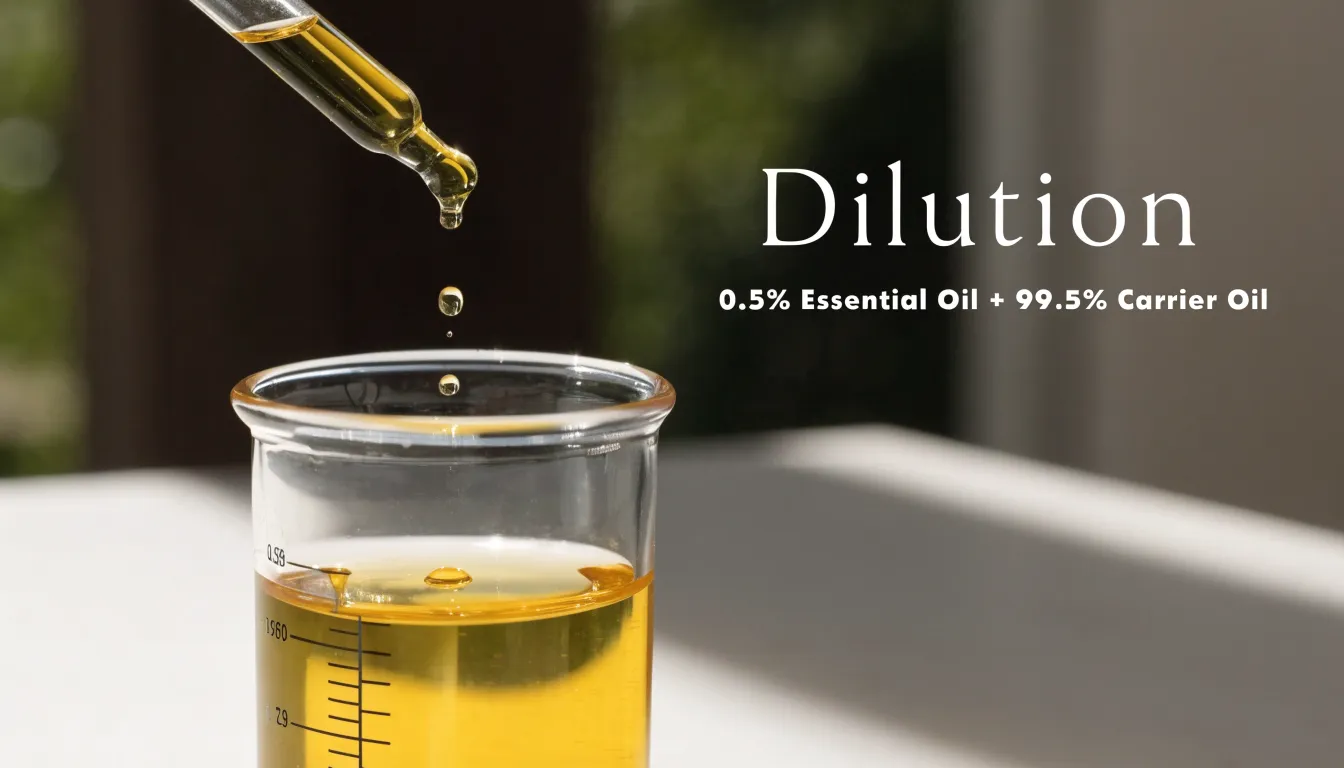
Choose a carrier oil that is gentle and non-comedogenic to support the essential oils’ soothing action. Before applying the blend to sunburned areas, do a small patch test on unaffected skin. This helps confirm that the mixture is gentle enough for you, even at these low dilution rates, and lets you check for individual sensitivities.
Cooling Spray Recipes
Cooling spray mists are a gentle, no-touch way to soothe sunburned skin. Because you don’t have to rub them in, they’re ideal for tender areas. The base is a therapeutic hydrosol, such as lavender hydrosol for calming, peppermint hydrosol for natural cooling, or rose hydrosol for extra hydration and a pleasant scent.
Into that hydrosol, you add a very small amount of essential oil for stronger soothing effects. Lavender essential oil helps ease skin discomfort, while a drop of peppermint essential oil boosts the cooling sensation. Roman chamomile essential oil is also valued for its calming influence on irritated skin. For sunburned skin, keep the dilution low—around 0.5% to 1%—so you don’t cause more irritation.
For safety, always mix the essential oils with a solubilizer before adding them to the hydrosol, since oil and water don’t naturally mix. A simple recipe: fill a 100ml spray bottle with about 95–99ml of hydrosol, stir about 10 drops of essential oil into 2ml of solubilizer, then combine everything and shake well. Shake gently before each use, store the spray in a cool, dark place, and Before using any essential oil blend on sunburned skin, always do a patch test first.
Aloe Vera Blends
Pure aloe vera gel is an ideal base for a sunburn blend because its water and polysaccharides sink into the skin, providing deep hydration. This helps replace lost moisture and supports the skin’s natural barrier, which is often weakened after too much sun.
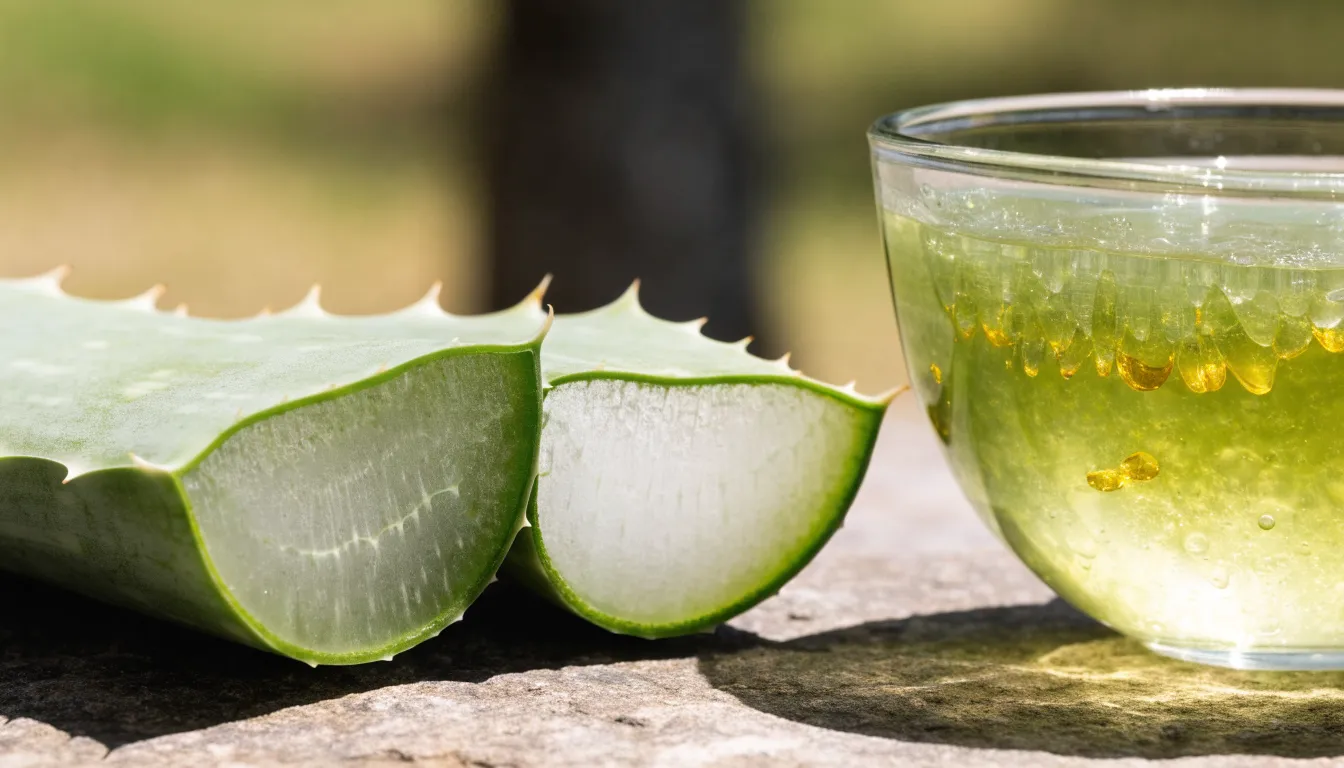
Adding gentle essential oils like lavender, chamomile, or frankincense brings strong anti-inflammatory benefits directly to the burn. Their calming compounds help reduce redness, swelling, and heat by soothing the skin’s overreaction to UV damage. Applied in a blend, these oils deliver focused relief right where it’s needed.
The two work together: aloe vera carries the oils evenly and helps them absorb, while the oils boost aloe’s restorative effects. This teamwork gives the skin both intense moisture and active calming, making the healing process more comfortable and faster for sunburned skin.
The Patch Test Step
Before using any essential oil blend on sunburned skin, always do a patch test first. This checks for allergies or sensitivities before applying the oil to a larger area. Dilute the essential oil with a carrier oil like jojoba or almond oil, using the recommended ratio, then apply a tiny amount to a small, uninjured patch of skin, such as the inner forearm or behind the ear.
Leave the test area undisturbed for 24 to 48 hours. During this time, watch for any signs of irritation, including redness, itching, swelling, rash, or other discomfort. If no reaction appears, the blend is likely safe to use on a broader area of sunburned skin.
If any irritation does show up, wash the area with soap and water right away and stop using that blend. Taking this careful step helps prevent more widespread skin problems and makes using essential oils for sunburn relief safer and more comfortable.
Application Techniques Methods
Sunburned skin needs very gentle care. Any rubbing or friction can make the irritation worse and damage the skin further. When using essential oil blends, the goal is to apply them without pressure. Two good methods are soft dabbing and fine misting. Both help deliver the oils to the skin while protecting the damaged surface.
Soft dabbing works by pressing the oil gently onto the skin. Wash your hands first, then put a little diluted blend on your fingertips, a cotton pad, or a soft cloth. Lightly press it onto the sunburned area without swiping or dragging. This transfers the oil to the skin and lets it absorb naturally. It also lowers the risk of tearing fragile skin or making the burn more inflamed.
Fine misting is another option, especially for large or very sore areas. It avoids touching the skin altogether. Mix the essential oil blend with a carrier liquid like distilled water, aloe vera juice, or a hydrosol such as lavender or rose water. Pour it into a fine-mist spray bottle, hold it a few inches away, and gently mist the skin. The light droplets cool the burn and deliver the oils evenly, with no friction. Both methods keep sunburned skin calm and help it heal.
Frequently Asked Questions
What causes sunburn and its common symptoms?
Sunburn occurs when UV rays damage skin cells, which the body then treats as a threat, triggering inflammation. This process involves damaged cells and immune signals widening blood vessels and making them leakier. This causes the redness and heat characteristic of sunburn.
Is it safe to apply essential oils directly to sunburned skin?
No, essential oils should never be applied directly and undiluted to sunburned skin. Sunburned skin is already inflamed, raw, and more permeable, making it highly susceptible to severe inflammatory reactions like contact dermatitis from undiluted oils. Always dilute essential oils in a carrier oil for safe use on sun-damaged skin.
Which essential oils are recommended for soothing sunburn?
Lavender oil is a top choice for its ability to calm heat and reduce redness, while Roman Chamomile oil deeply soothes irritation and sensitivity. Frankincense oil supports the skin’s natural repair process and cellular regeneration. Tea Tree Oil can also be beneficial for preventing infections in blistered or broken skin, but it requires very low dilution.
How should I dilute essential oils for use on sunburn?
For sunburned skin, a very low dilution of 0.5% to 1% is generally recommended to avoid further irritation. This translates to 3 drops of essential oil per ounce of carrier oil for a 0.5% dilution, or 6 drops per ounce for a 1% dilution. Always perform a small patch test on unaffected skin before applying the blend more widely.
Are there any essential oils I should avoid using on sunburn or before sun exposure?
Yes, citrus essential oils like lemon and bergamot should be avoided on skin if there’s any chance of sun exposure, as they contain furanocoumarins that cause severe phototoxic reactions. Peppermint oil should also be used with extreme caution or avoided on severe sunburns, blisters, or open wounds, as its potent properties can worsen inflammation and cause irritation.
Why is a patch test important when using essential oils for sunburn?
A patch test is crucial before applying any essential oil blend to sunburned skin to check for allergies or sensitivities. You should apply a tiny amount of the diluted oil to an uninjured area, like your forearm, and observe for 24 to 48 hours for any signs of irritation. This helps prevent widespread skin problems and ensures safer use.