If your cat was just exposed and is drooling heavily, wobbly, trembling, or breathing with an open mouth, call your vet or an emergency clinic now. You can also call the ASPCA Animal Poison Control Center at (888) 426-4435 or the Pet Poison Helpline at (855) 764-7661. Both are available 24/7, and a consultation fee may apply. Jump to what to do right now ↓
Cats are more sensitive to essential oils than dogs or people. The most dangerous oils for cats are tea tree, pennyroyal, wintergreen, sweet birch, and phenol-rich oils like clove, oregano, thyme, and pine. Citrus, peppermint, cinnamon, eucalyptus, camphor, and ylang ylang should also be avoided. Cats can be poisoned by licking oil off their fur, walking through spills, getting oil on their skin, or breathing concentrated vapor.
Table of Contents
- Essential Oils Toxic to Cats: Quick List
- What to Do If Your Cat Was Exposed
- Signs of Essential Oil Poisoning in Cats
- Why Cats Are So Sensitive
- The Most Dangerous Oils, One by One
- Is Lavender Safe for Cats?
- Diffusers and Cats
- Never Put Essential Oils on Your Cat
- Hidden Sources Around the Home
- Cat-Friendly Ways to Freshen Your Home
- Frequently Asked Questions
Essential Oils Toxic to Cats: Quick List
| Essential oil | Main toxic compound | Main risks for cats |
|---|---|---|
| Tea tree (melaleuca) | Terpinen-4-ol and other terpenes | Tremors, wobbliness, weakness, low body temperature, liver damage |
| Pennyroyal | Pulegone | Liver failure, bleeding, seizures |
| Wintergreen | Methyl salicylate | Aspirin-type poisoning: stomach ulcers, acid-base imbalance, kidney and liver damage |
| Sweet birch | Methyl salicylate | Same as wintergreen |
| Clove | Eugenol (a phenol) | Mouth burns, drooling, liver damage |
| Oregano and thyme | Carvacrol and thymol (phenols) | Mouth and skin burns, liver damage |
| Pine | Phenols and terpenes | Skin burns; liver and kidney damage if swallowed |
| Citrus (lemon, orange, grapefruit, lime, bergamot) | d-Limonene, linalool | Drooling, wobbliness, low body temperature, skin irritation |
| Peppermint | Menthol | Airway irritation, drooling, vomiting |
| Cinnamon | Cinnamaldehyde | Mouth burns and ulcers, vomiting, possible liver stress |
| Eucalyptus | 1,8-cineole (eucalyptol) | Drooling, vomiting, weakness, breathing irritation |
| Camphor | Camphor | Vomiting, tremors, seizures |
| Ylang ylang | Various terpenes | Drooling, vomiting, weakness, trouble walking |
This isn’t a complete list. Because of how cats process these compounds, the safest approach is to treat every concentrated essential oil as potentially harmful to them.
What to Do If Your Cat Was Exposed
- Get your cat away from the source. Move them to fresh air and turn off any diffuser.
- Don’t make your cat vomit unless a vet or poison control tells you to. Essential oils can be inhaled into the lungs during vomiting.
- Remove oil from the fur or skin. Gently wash the area with a mild liquid dish soap and lukewarm water, then rinse well. Water alone won’t remove oil. Wrap your cat in a towel afterward so they don’t get chilled, and so they can’t groom the area.
- Call for help right away. Contact your vet, an emergency clinic, the ASPCA Animal Poison Control Center at (888) 426-4435, or the Pet Poison Helpline at (855) 764-7661.
- Have this information ready: the oil or product name (bring the bottle), how much your cat may have been exposed to, how (licked, on the fur or skin, or inhaled), when it happened, your cat’s weight, and any symptoms.
Don’t wait for symptoms, and don’t try home remedies. Cats tend to hide illness, and some effects, like liver damage, may not show for one to three days.
Signs of Essential Oil Poisoning in Cats
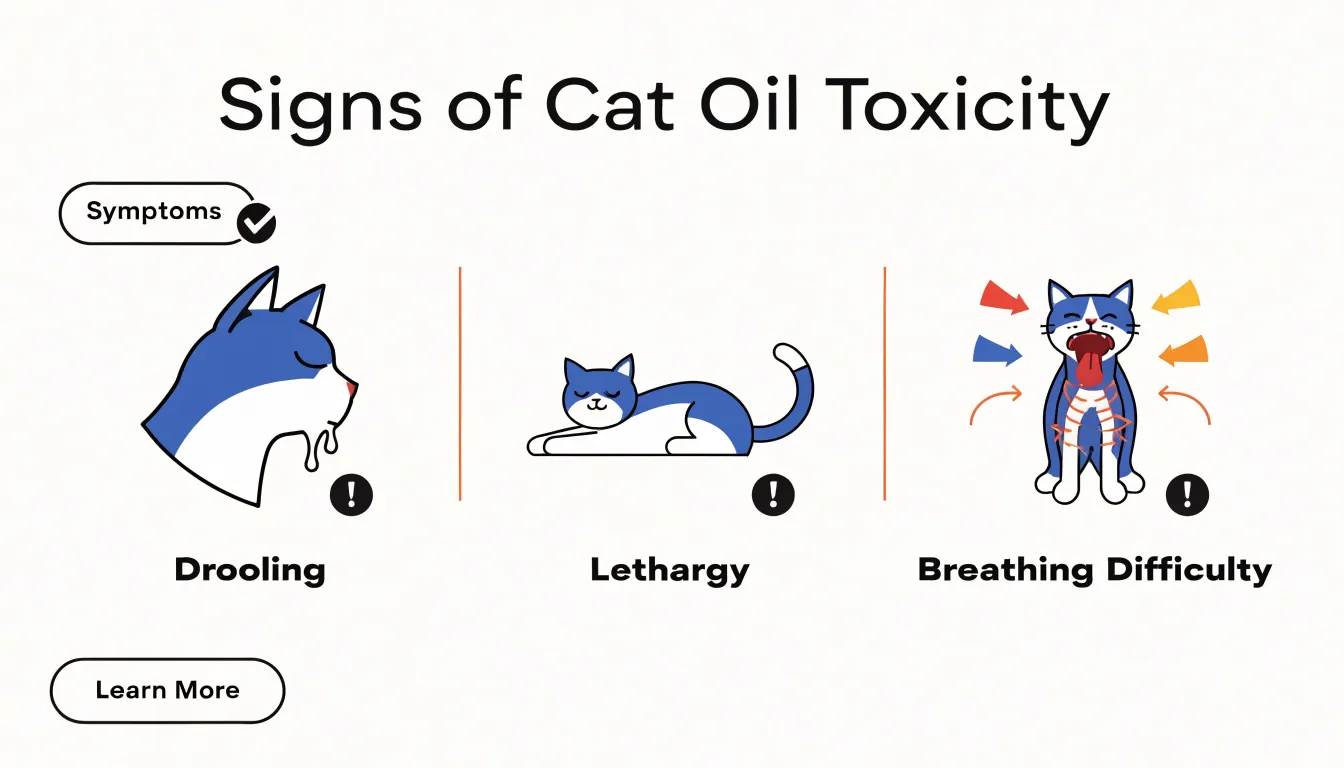
Common early signs:
- An oily scent on their fur, skin, breath, or vomit
- Heavy drooling, pawing at the mouth, or redness in the mouth
- Vomiting or diarrhea
- Hiding, lethargy, or weakness
- Red, irritated skin or paws
Serious signs (get emergency care):
- Wobbly, unsteady, or “drunken” walking (ataxia)
- Muscle tremors or twitching
- Seizures
- Coughing, wheezing, rapid breathing, or open-mouth breathing (cats normally don’t breathe through their mouths)
- Low body temperature (cold ears and paws, shivering)
- Collapse
Delayed signs of liver damage, which can appear 24–72 hours after exposure, include not eating, vomiting, lethargy, and yellowing of the gums, skin, or whites of the eyes (jaundice).
Why Cats Are So Sensitive
Cats aren’t just small dogs when it comes to toxins. Their livers handle certain chemicals differently, as we cover in our guide to essential oil safety for pets.

One of the liver’s main ways to clear foreign compounds is glucuronidation. Enzymes called glucuronyl transferases attach a molecule to a compound so it dissolves in water and can be excreted in urine or bile. Cats are deficient in specific forms of these enzymes. They have the pathway, but some key parts work poorly. This is the same reason aspirin and acetaminophen (Tylenol) are so dangerous for cats.
This hits phenols hardest. Phenols are found in clove, oregano, thyme, cinnamon bark, and pine oils. Cats also clear many other essential oil compounds (like terpenes and salicylates) slowly. The result is that compounds stay in the body longer and build up to harmful levels after exposures a person wouldn’t notice.
On top of that:
- Cats groom constantly, so any oil on their fur gets swallowed.
- Cats are small, so a few drops is a big dose.
- Cats have sensitive airways, and cats with asthma react even more strongly to strong scents and vapor.
- Cats hide illness, so problems can go unnoticed until they’re serious.
The Most Dangerous Oils, One by One
Tea Tree Oil
Tea tree oil, from Melaleuca alternifolia, is popular in human products (see its benefits and uses for people). For cats, it’s one of the most commonly reported causes of essential oil poisoning, often after an owner applies it to treat fleas or skin problems. Even small amounts on the skin can cause drooling, wobbliness, tremors, weakness, and a dangerous drop in body temperature. Severe cases can lead to liver damage. Treat any tea tree exposure in a cat as an emergency.
Pennyroyal Oil
Pennyroyal contains pulegone, which damages the liver. It’s sometimes sold as a “natural flea repellent,” but it’s one of the most toxic essential oils for any animal. It can cause vomiting, bleeding problems, seizures, and liver failure.
Wintergreen and Sweet Birch
These oils are mostly methyl salicylate, an aspirin-like compound. Cats clear salicylates very slowly, which is why even ordinary aspirin is dangerous for them. A few drops or a bit on the skin can cause vomiting, stomach ulcers and bleeding, a dangerous acid-base imbalance in the blood (metabolic acidosis), and kidney and liver damage. Muscle rubs and liniments can contain methyl salicylate too.
Clove, Oregano, and Thyme
These oils are rich in phenols: eugenol in clove, and carvacrol and thymol in oregano and thyme. Phenols are the type of compound cats are least able to clear. On contact, these oils can burn the mouth, tongue, and skin, causing drooling, pain, and sores that make eating hard. If swallowed, they can damage the liver. Watch for lethargy, vomiting, loss of appetite, and jaundice.
Pine Oil
Pine oil and pine-based cleaners contain phenols and terpenes. On skin and paws, pine oil can cause redness, pain, and chemical burns. If swallowed, including from grooming after walking across a freshly cleaned floor, it can cause vomiting, wobbliness, and liver and kidney damage. Keep cats off floors cleaned with pine oil products until they’re fully rinsed and dry, or use a pet-safe cleaner.
Citrus Oils
Lemon, orange, grapefruit, lime, and bergamot oils contain d-limonene and linalool. Reported effects in cats include heavy drooling, wobbliness, trembling, weakness, low body temperature, and skin irritation. Citrus oils are common in natural home freshening blends and “natural” cleaners, so check labels.
Peppermint
Menthol in peppermint oil irritates a cat’s airways and stomach. You might see sneezing, coughing, wheezing, drooling, and vomiting. If a sick cat vomits, there’s a risk of inhaling some vomit, which can cause aspiration pneumonia. That’s one more reason not to make a cat vomit at home. Peppermint is also a common ingredient in “natural” pest sprays.
Cinnamon
Cinnamon oil contains cinnamaldehyde, a strong irritant. A cat that licks spilled oil or oil on its fur can develop painful mouth ulcers, drooling, and vomiting, making eating and drinking difficult. Large swallowed amounts may also stress the liver.
Eucalyptus
Eucalyptus oil contains 1,8-cineole. Inhaled vapor can irritate a cat’s airways and cause coughing or wheezing, especially in cats with asthma. Swallowing it, for example by grooming it off fur, can cause drooling, vomiting, diarrhea, and weakness.
Camphor
Camphor appears in some oil blends, vapor rubs, and “cooling” balms. If swallowed, it can cause vomiting followed by tremors and seizures.
Ylang Ylang
Ylang ylang is often used in relaxation blends, but pet poison control lists it as toxic to cats. Signs include drooling, vomiting, lethargy, and wobbly walking.
Is Lavender Safe for Cats?
Not entirely. Lavender is often called “pet-safe,” but pet poison control lists the lavender plant as toxic to cats. Its main compounds, linalool and linalyl acetate, can cause vomiting, drooling, and lethargy. Concentrated lavender oil is a bigger risk than the plant. Don’t apply it to your cat or diffuse it in rooms your cat uses.
Diffusers and Cats
Ultrasonic diffusers turn oil into a fine mist, and reed diffusers evaporate oil from a bottle through reeds. Both put oil into the air your cat breathes, and some of it settles on fur and surfaces your cat will lick.
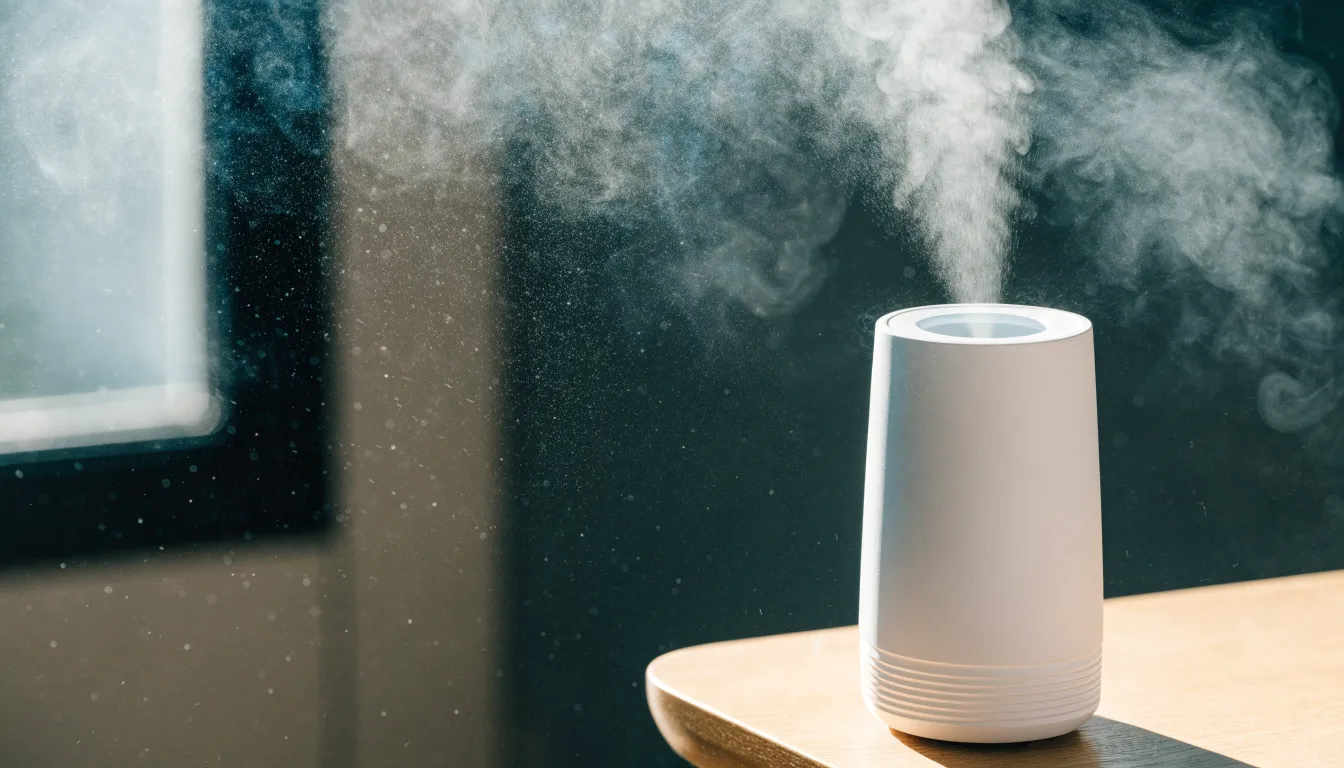
There’s also a spill risk. Cats jump on shelves and knock things over, and a tipped reed diffuser can soak a cat’s fur in concentrated oil. That’s an emergency.
Our recommendation: don’t diffuse essential oils in any space your cat can reach, and never diffuse oils from the list above. If you still want to diffuse:

- Use a room your cat can’t enter, with the door closed.
- Ventilate well with an open window or an exhaust fan.
- Keep sessions short (15–20 minutes, ideally with a timer), then air out the room before your cat goes back in.
- Skip it entirely if your cat has asthma or other breathing problems, liver or kidney disease, or is a kitten or senior.
- Stop and call your vet if your cat sneezes, coughs, wheezes, drools, or breathes with an open mouth.
Read more about choosing diffusers for small spaces, but keep in mind that no diffuser makes a toxic oil safe.
Never Put Essential Oils on Your Cat
Applying essential oils to a cat’s fur or skin, even diluted, is one of the most common ways cats get poisoned. The oil gets absorbed through the skin, and then the cat grooms and swallows what’s left. Concentrated oils can also burn the skin, mouth, and tongue. Many people know which essential oils you should never use undiluted on themselves, but for cats, the rule is simpler: don’t put essential oils on them at all.
For fleas, skin problems, or anxiety, ask your vet. Vet-approved products are tested for cats, and many dog flea products are toxic to cats too.
Hidden Sources Around the Home
Essential oils turn up in more places than the bottle on your shelf:
- Liquid potpourri. This is a well-known cause of cat poisoning. Besides oils, it often contains detergents that can burn a cat’s mouth and paws.
- Cleaning products, especially pine oil and “natural” citrus cleaners.
- Muscle rubs, vapor rubs, and balms containing wintergreen, camphor, or eucalyptus.
- “Natural” flea and bug sprays containing tea tree, pennyroyal, peppermint, or citrus.
- Scented candles, wax melts, and plug-in air fresheners.
- Your own skin. Wash your hands after using oils or lotions before you pet your cat.
Store all oils in a closed cabinet with caps tightly closed, and clean up spills right away while your cat is in another room.
Cat-Friendly Ways to Freshen Your Home
- Fresh air. Opening windows on opposite sides of the home creates cross-ventilation, and a fan helps move stale air out.
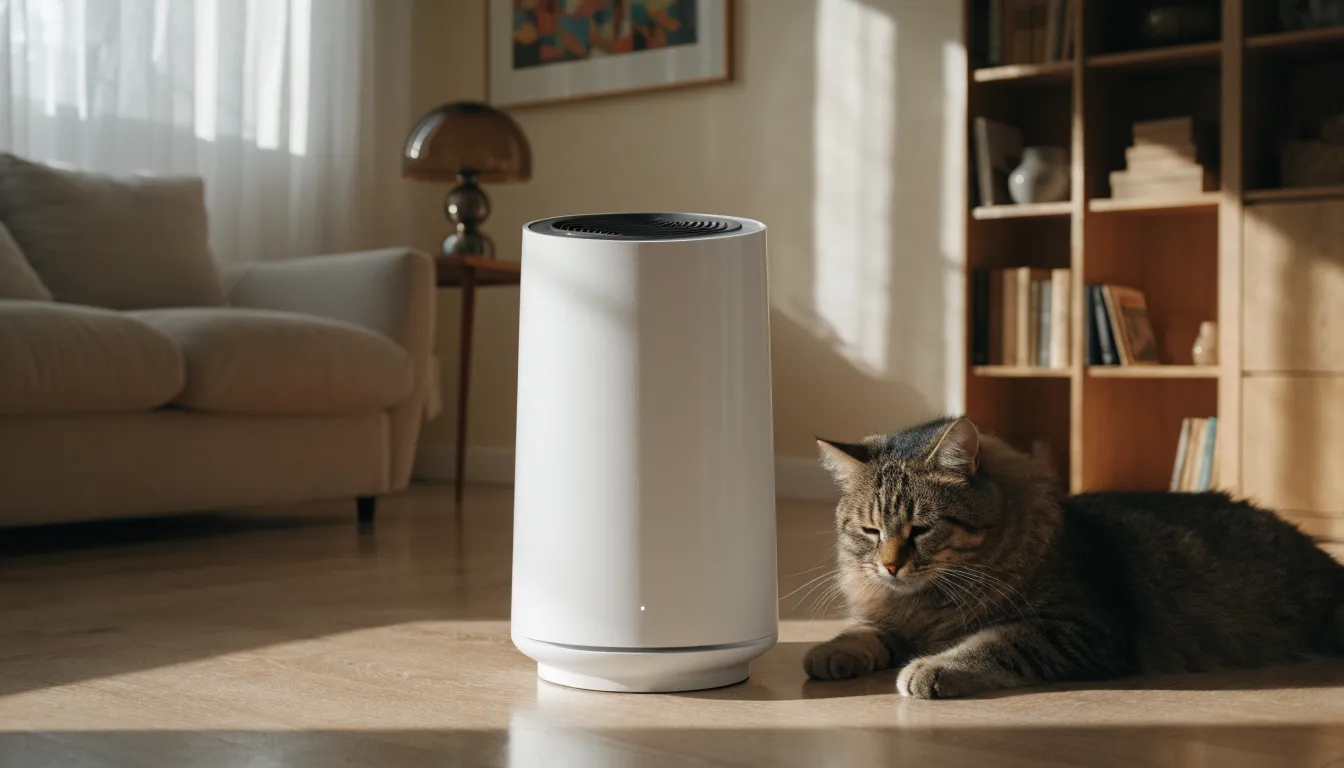
- An air purifier. A model with a true HEPA filter and an activated carbon filter captures dander and absorbs litter box and cooking odors. Avoid “ionizer” or ozone-producing models, which can irritate airways.
- Clean the source. Scoop litter daily, wash bedding regularly, and use enzyme cleaners for accidents.
- Hydrosols, with your vet’s OK. Hydrosols are the much milder aromatic waters left over from distilling plants. If your vet approves, a light mist into the air (not onto your cat) can add a subtle scent.
Frequently Asked Questions
What essential oils are toxic to cats?
The most dangerous are tea tree, pennyroyal, wintergreen, sweet birch, and phenol-rich oils like clove, oregano, thyme, and pine. Citrus (including bergamot), peppermint, cinnamon, eucalyptus, camphor, and ylang ylang are also toxic. Because of how cats process these compounds, it’s safest to treat all concentrated essential oils as risky.
Why are cats more sensitive to essential oils than dogs?
Cats are deficient in specific liver enzymes used for glucuronidation, a key way the body clears foreign compounds. This makes it hard for them to process phenols and slows the clearing of many other essential oil compounds. They also groom constantly and are small, so they swallow a large dose relative to their size.
Is it safe to diffuse essential oils around cats?
It’s best not to diffuse essential oils in any space your cat can reach, and never diffuse the oils on the toxic list. If you do diffuse, use a closed room your cat can’t enter, ventilate well, keep sessions short, and air out the room afterward. Skip diffusing entirely if your cat has asthma or other breathing problems.
Is lavender oil safe for cats?
No. Lavender is often marketed as pet-safe, but pet poison control lists the plant as toxic to cats, and concentrated oil is a bigger risk. It can cause vomiting, drooling, and lethargy.
What should I do if my cat got essential oil on their fur?
Wash the area with a mild dish soap and lukewarm water, rinse well, and dry your cat in a towel so they don’t groom more oil off or get chilled. Don’t make them vomit. Call your vet, the ASPCA Animal Poison Control Center (888-426-4435), or the Pet Poison Helpline (855-764-7661) right away.
How long does it take for signs of essential oil poisoning to show in cats?
Drooling, pawing at the mouth, and vomiting can start within minutes. Wobbliness and tremors often appear within a few hours. Signs of liver damage may take one to three days, so call for help even if your cat seems fine.
Is tea tree oil safe for cats?
No. Tea tree oil is one of the most commonly reported causes of essential oil poisoning in cats, often after it’s applied to treat fleas or skin issues. Even small amounts can cause tremors, wobbliness, and low body temperature.