
To make your closet smell good with essential oils, use methods like DIY sachets, wooden hangers, cotton balls, or closet sprays. Choose oils such as lemon for freshness, lavender for a calming scent, cedarwood for pest deterrence, or tea tree for antimicrobial benefits, reapplying regularly to maintain a pleasant aroma.
Table of Contents
- Closet Odor Sources
- Essential Oil Basics
- Top Fragrance Choices
- Lavender and Bergamot
- Cedarwood and Tea Tree
- Citrus Oil Blends
- DIY Sachet Bags
- Wooden Clothes Hangers
- Cotton Ball Tricks
- Essential Oil Closet Sprays
- Wool Dryer Balls
- Shoe Deodorizing Methods
- Seasonal Clothing Storage
- Safe Oil Application
- Long Term Wardrobe Care
Closet Odor Sources
Poor ventilation and trapped moisture are major causes of closet odors. Since closets are closed spaces, stale smells get trapped and build up over time. Moisture from humidity or slightly damp clothes can also create musty mildew. Essential oils with antimicrobial and deodorizing properties—like tea tree or eucalyptus—help fight mildew and add a fresh, clean scent that cuts through the stuffiness.
Dirty footwear is another big contributor. Shoes bring in dirt, dust, and foot odor, and storing them in a closed closet traps those smells. Essential oils such as lemon or tea tree work well for freshening shoes and neutralizing pungent odors before they spread through the space.
Unwashed laundry, even if only lightly worn, adds absorbed body, food, smoke, and outdoor smells. Keeping these clothes near clean ones lets the odors soak into the whole closet. Essential oil sachets or sprays with lavender or lemon help absorb and mask these lingering smells, leaving the closet air fresher and preventing odor buildup.
Essential Oil Basics
Essential oils are concentrated, plant-derived aromatic extracts that offer a natural way to freshen your closet. Unlike artificial air fresheners and aerosol sprays, they capture a plant’s true essence without relying on synthetic chemicals. Choosing them means you are focusing on a more conscious, nature-based option for scenting your space.
For your health, essential oils introduce far fewer synthetic compounds into the air you breathe, aligning with essential oil safety rules everyone should follow. Many conventional fresheners contain volatile organic compounds, phthalates, and other artificial fragrances that can irritate the respiratory system, trigger headaches, or cause allergic reactions. Because essential oils come directly from plants and are typically free of harsh lab-made ingredients, they tend to be gentler and better tolerated, offering a cleaner, more natural aroma that supports overall wellbeing.
For the environment, essential oils are also a more sustainable choice. They are biodegradable, so they break down naturally without leaving chemical residues behind. In contrast, synthetic sprays often depend on petroleum-based ingredients and propellants, which adds to their carbon footprint and waste. Since essential oils are sourced from renewable plants, they allow you to scent your home with less ecological impact while still enjoying fresh, authentic fragrances—benefiting both your personal space and the planet.
Top Fragrance Choices
Choosing the right essential oils is key to refreshing your closet and clothes, as the main goal is to remove stubborn odors and give fabrics a clean, lasting scent. Citrus oils like lemon, grapefruit, and sweet orange work especially well for this. They cut through greasy residues and stale smells by breaking down odor molecules, leaving a crisp, bright freshness that feels clean without being too overpowering.
Herbal and minty oils offer a different kind of clean, almost medicinal freshness. Peppermint, eucalyptus, and tea tree are strong at clearing the air and fighting tough odors, with scents that penetrate deeply and linger nicely to suggest a deep clean. For a longer-lasting effect, woodsy oils such as cedarwood, sandalwood, and vetiver add an earthy, comforting base that anchors lighter notes. Cedarwood, in particular, keeps pests away and adheres well to fabrics, providing sustained freshness and a sense of depth.
Finally, subtle floral oils like lavender or geranium can add a pleasant finishing layer. Lavender is calming, fresh, and blends beautifully with other oils to enhance the overall clean impression. By combining these different types of oils strategically, you can tackle odors at their source and keep your closet smelling wonderful consistently.
Lavender and Bergamot
Lavender works as a calming base for your closet. Its gentle floral scent is soothing and comforting, helping to ease tension and quiet the mind. This makes it perfect for creating a relaxing wardrobe atmosphere, and its presence can improve your mood as you pick out your clothes each day.
Bergamot adds a bright, uplifting citrus note with soft floral undertones. It helps reduce stress and anxiety while bringing a refreshing, cheerful energy. Bergamot provides a light invigorating boost that awakens your senses without feeling overpowering.
Together, lavender and bergamot create a balanced aroma that is both grounding and uplifting. Opening your closet becomes a peaceful ritual rather than a rushed decision. The combined scent calms your mind and eases the pressure of choosing an outfit, helping you start the day feeling serene and positive.
Cedarwood and Tea Tree
Cedarwood oil is a natural and effective way to keep closet pests like moths and silverfish away. Its strong, earthy scent signals a bad environment to these insects, pushing them out, while also working to clear stale, musty odors. This purifying action refreshes the air, leaving behind a clean, woody fragrance that keeps your wardrobe smelling fresh.
Tea tree oil brings powerful antimicrobial and antifungal benefits to the closet. It stops mold and mildew from growing, which are usually the main culprits behind damp, musty smells. Instead of just hiding the odor, tea tree oil targets the source to create a truly hygienic environment.
Used together, these oils form a complete protection system. Cedarwood actively deters bugs and adds a pleasant scent, while tea tree keeps the area free from mold and microorganisms. This natural, non-toxic pairing safeguards your clothes and tackles moisture and insect issues, simply by putting a few drops on cotton balls or diffusers.
Citrus Oil Blends
Citrus oil blends create an invigorating closet atmosphere by combining bright, energizing scents that boost your mood and morning routine. Lemon oil adds a crisp, clean aroma that purifies the air and awakens the senses, promoting clarity and readiness. Sweet orange oil brings warmth and cheerfulness, helping to ease stress and create a sense of well-being. Grapefruit oil contributes a tart, refreshing tang that invigorates and uplifts, cutting through stale odors for a clean, vibrant feel.
Together, these three oils form a synergistic fragrance that is both complex and refreshing. The blend turns your closet into a sanctuary of clean, energetic air, so your clothes feel as fresh and vibrant as you do. Simply opening the closet and picking an outfit becomes a small, pleasant ritual.
The result is a natural, cheerful start to your day. Instead of feeling like a chore, getting dressed feels like a gentle, energizing moment, setting a positive tone for the rest of your morning.
DIY Sachet Bags
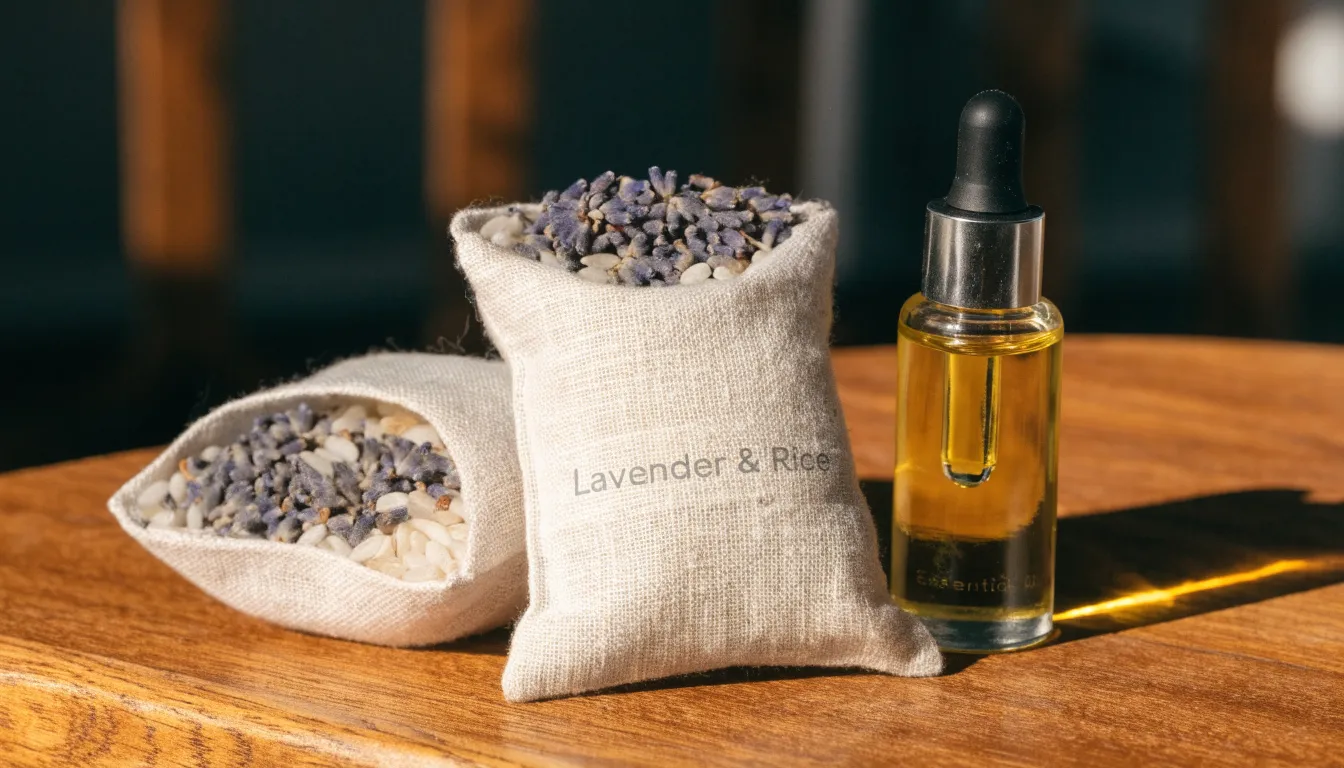
Making your own sachet bags is an easy way to add pleasant scents to your closet. You just make small fabric pouches filled with dried herbs, uncooked rice, and essential oils. The rice soaks up the oil and releases the smell slowly, so your closet stays fresh for a long time.
To start, gather small squares of breathable fabric like cotton or linen. Pick dried herbs such as lavender for relaxation, rosemary for a clean herbal scent, or citrus peels for a bright aroma. Then choose your favorite essential oil—this is what gives the sachet its main scent.
Mix about half a cup of rice with a few tablespoons of herbs, then add ten to fifteen drops of essential oil. Stir well. Put a few spoonfuls into each fabric square, gather the edges, and tie with twine or ribbon. Place the sachets in your closet, drawers, or on hangers, and enjoy the gentle, lasting fragrance.
Wooden Clothes Hangers
Wooden hangers work well for scent because natural wood is porous. It soaks up essential oil drops and slowly releases the aroma over time. To get this effect, use unvarnished hangers made of cedar, beech, or birch, since they have no finish blocking the oil and often have a mild natural scent that pairs nicely with many oils.
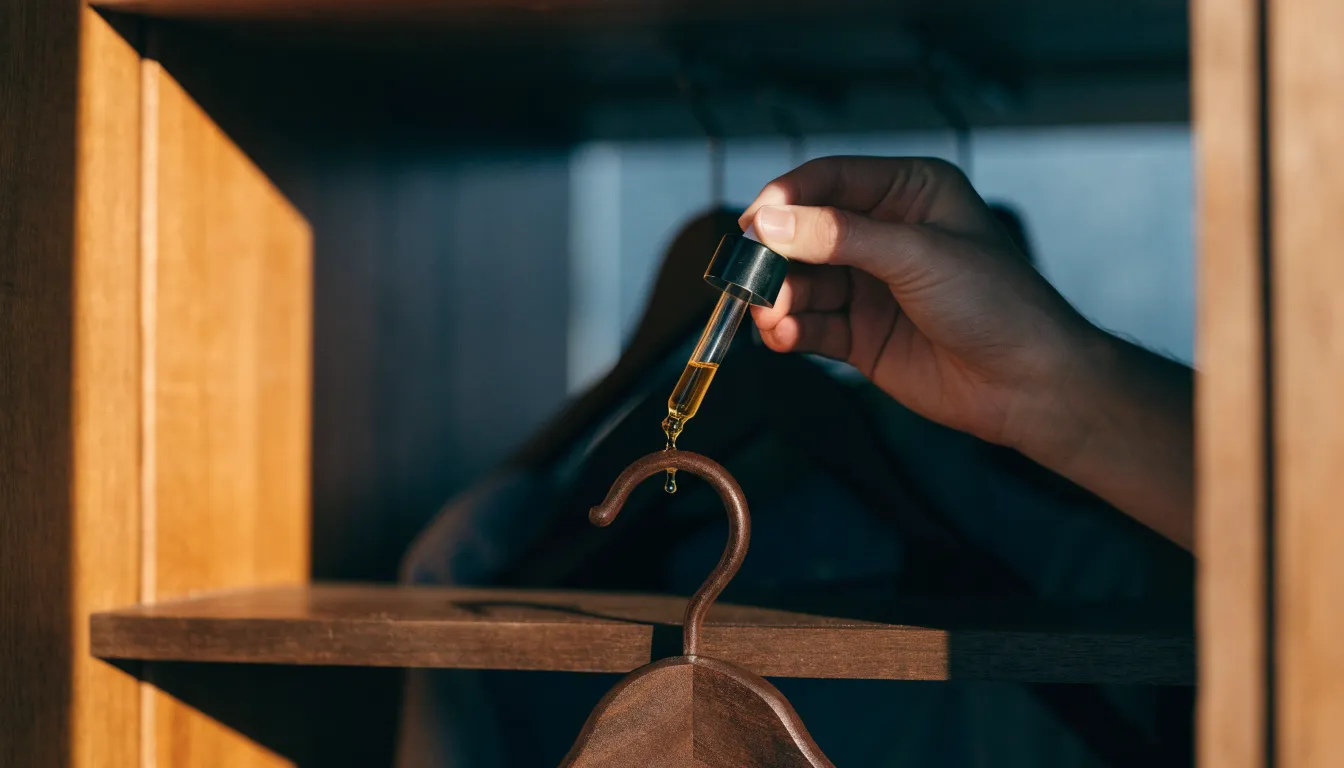
Pick oils like lavender, cedarwood, wild orange, or your own custom blend. Put three to five drops directly on the wood, but choose spots that won’t stay pressed against your clothes for a long time, such as near the hook or at the outer ends. Let the oil absorb into the wood for a few hours before hanging any garments, so it sinks into the fibers and doesn’t transfer onto your clothing.
After a few weeks, the scent will fade. Just add a few more drops to refresh it. This method gives a gentle, constant fragrance without the strong burst of sprays or artificial air fresheners. It keeps your closet smelling naturally pleasant and makes getting dressed a calmer, more enjoyable experience.
Cotton Ball Tricks
The cotton ball trick is a simple, low-cost way to freshen your closet with essential oils. Just put a few drops of oil onto cotton balls—enough to saturate them, but not so much that they drip—and place them in dark corners or hidden spots. This gives a focused burst of scent exactly where stale air tends to gather, with no diffuser or complicated setup required.
For best results, tuck the oil-soaked cotton balls into specific areas. Put one inside each shoe overnight or for a few hours to help neutralize odors and leave a pleasant smell—just remember to take them out before wearing. On shelves, set one in a back corner so the scent can drift upward and over your clothes. In drawers, place one along an edge to gently perfume folded items each time you open them.
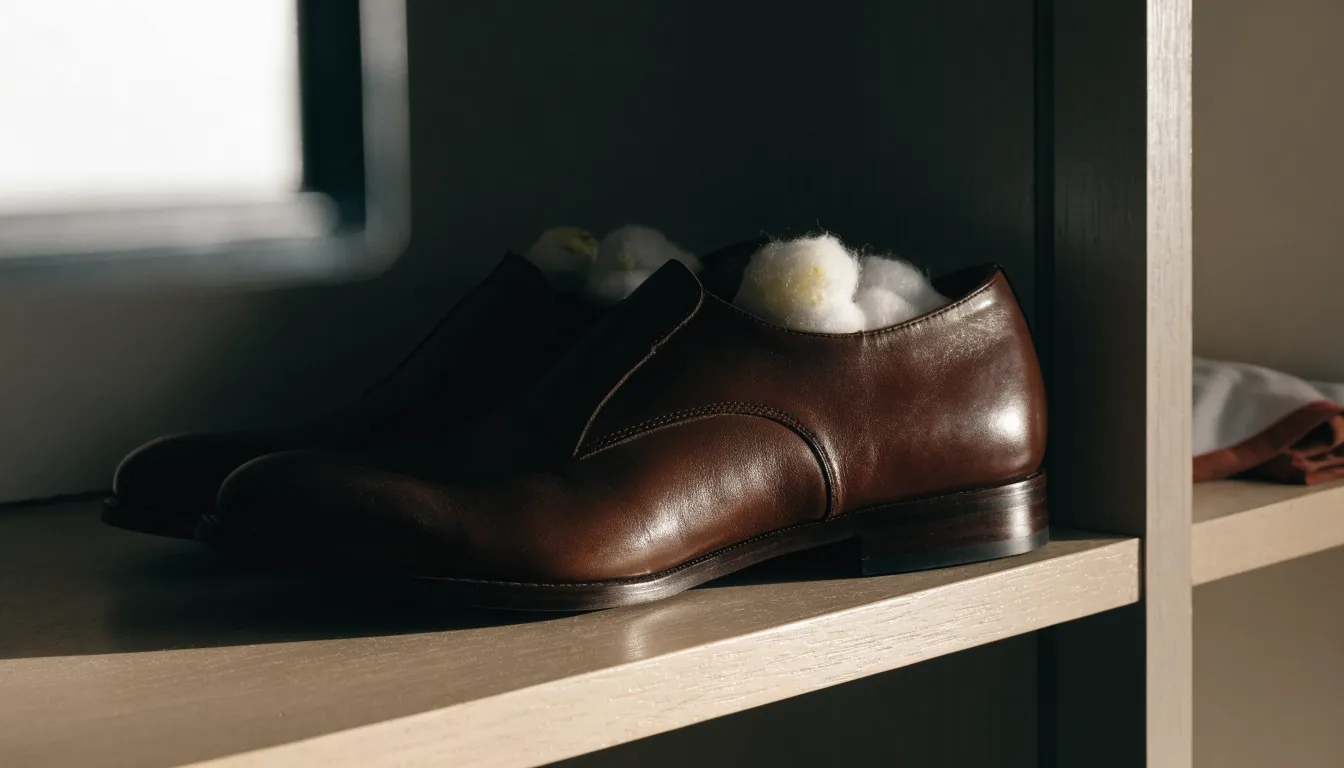
This method works so well because enclosed spaces like closets, shoes, and drawers trap the aroma, helping it last longer. Lavender, cedarwood, lemon, or purifying oil blends are great choices. Refresh or replace the cotton balls every few days, or whenever the scent fades, to keep your whole wardrobe smelling clean and fresh. It’s an easy, customizable, and budget-friendly way to enjoy continuous fragrance.
Essential Oil Closet Sprays
Essential oil closet sprays are a simple, natural way to keep your wardrobe smelling fresh. You can easily make your own fabric refresher with just a few common ingredients and your favorite essential oils. Using a daily misting bottle instead of artificial air fresheners adds pleasant, natural aromas to your clothes and closet space.
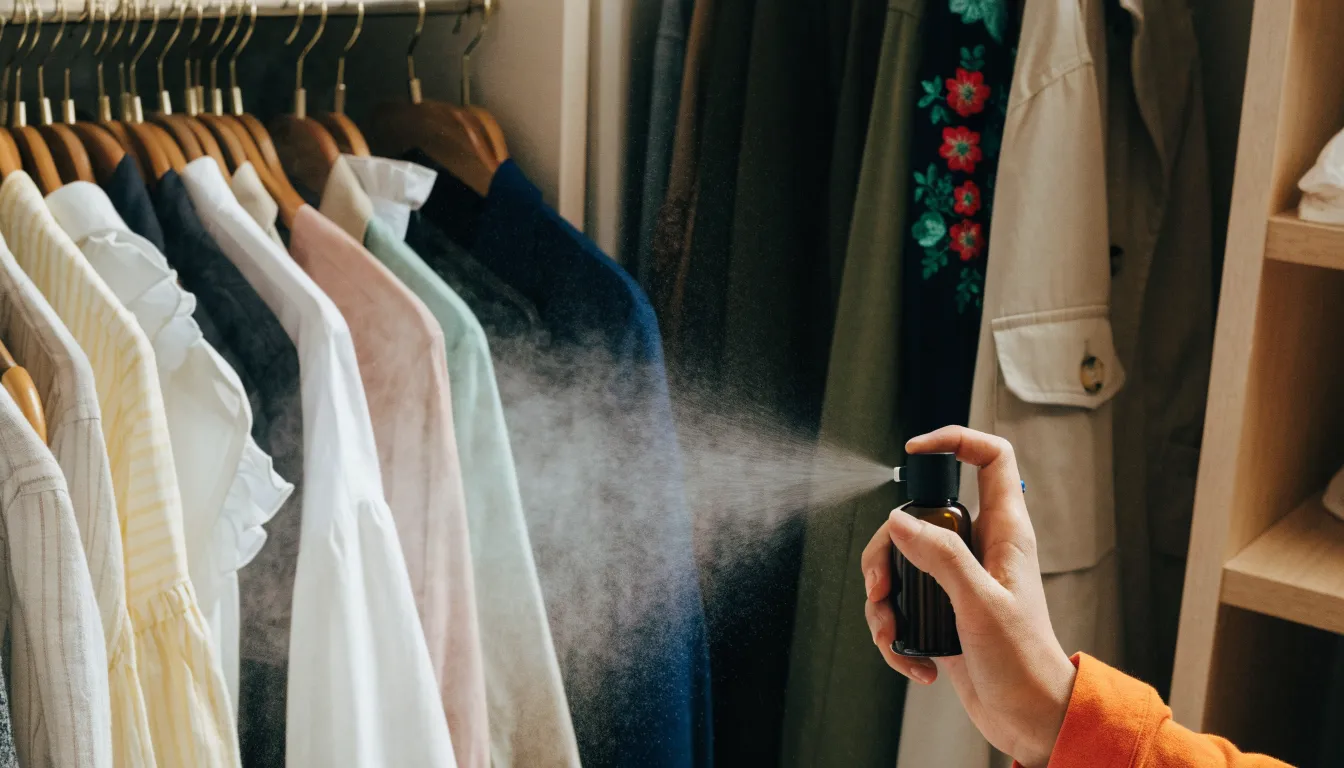
These sprays are fully customizable, letting you choose scents that fit your personal taste. They are quick to prepare, and the gentle mist leaves only a light, subtle fragrance—no residue or dampness. The scent is consistent but not overpowering, making your closet a more enjoyable place.
With regular use, an essential oil spray becomes a simple ritual that keeps your stored items smelling great. It’s a proactive way to prevent stale odors, so your clothes are always fresh, ready to wear, and smell their best—all without harsh chemicals.
Wool Dryer Balls
Wool dryer balls are an easy way to make your stored clothes smell great. They naturally absorb essential oils and then slowly release the scent onto your fabrics. During the last part of the drying cycle, the warmth and movement help the oils spread evenly, so your clothes, linens, and other textiles pick up a fresh, lasting fragrance.
To use them, just put a few drops of your favorite essential oil onto two or three wool balls. The wool soaks up the oil like a sponge. Then, add the balls to the dryer with your clean laundry for the final 10 to 15 minutes. As the balls tumble around, the scent transfers deeply into the fabric fibers.
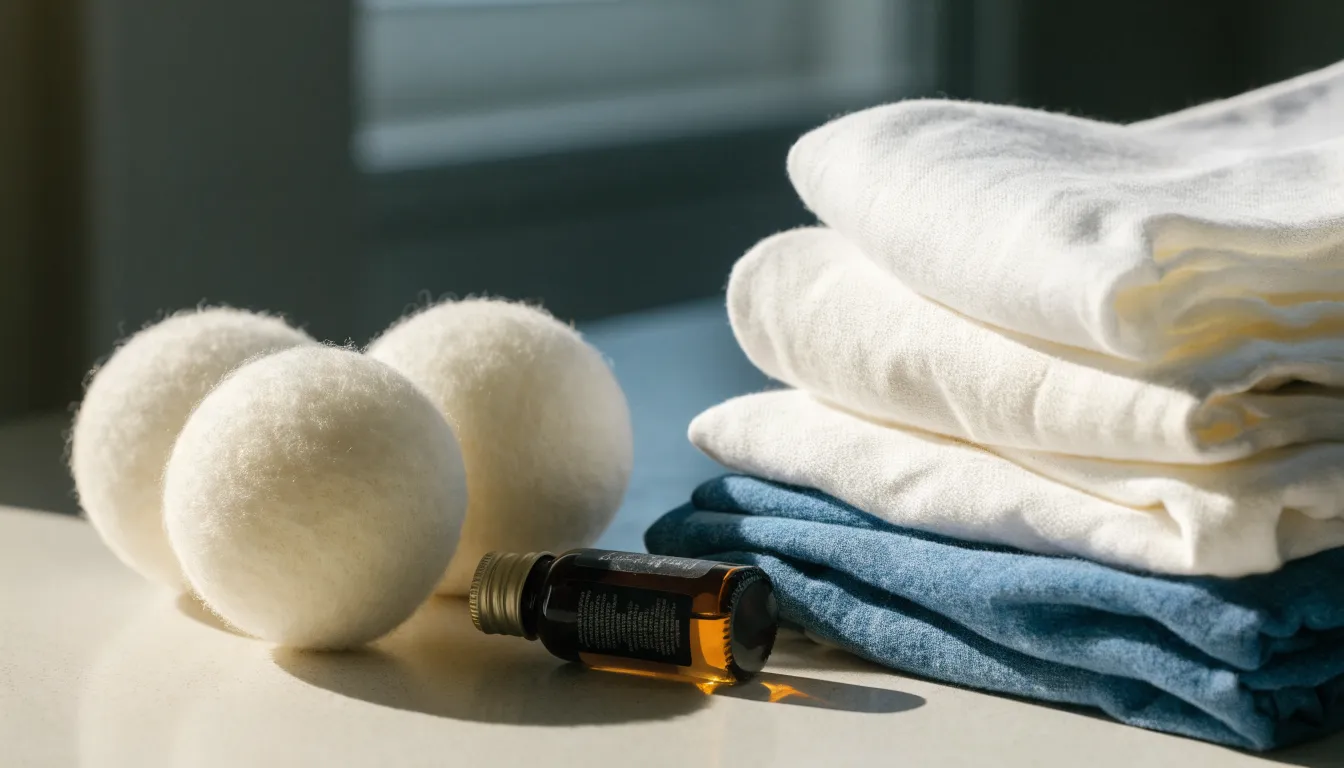
This gives a much stronger and longer-lasting smell than a quick fabric spray. Once the clothes go into your closet, they keep the space smelling fresh and inviting. It works especially well for seasonal clothes or spare bedding stored for a long time. Try lavender, cedarwood, or lemon for a clean, pleasant closet scent.
Shoe Deodorizing Methods
Keeping shoes fresh is key to a good-smelling closet, since shoes often trap sweat and bacteria and create bad odors. Essential oils are a natural way to fight this problem.
A simple trick is to make deodorizing inserts. Fill small fabric sachets or old socks with baking soda, then add a few drops of antimicrobial essential oils. Good choices are tea tree oil for its strong antibacterial power, eucalyptus for a clean scent and germ-fighting effect, peppermint for a refreshing smell and mild antiseptic quality, or lavender and lemon for pleasant, purifying benefits. Mixing two or three oils works even better.
Place the inserts inside shoes overnight or when not wearing them. The baking soda absorbs moisture and neutralizes odors, while the essential oils release a fresh scent and help stop odor-causing bacteria. Refresh the baking soda and oils regularly to keep both your shoes and closet smelling clean.
Seasonal Clothing Storage
Storing off-season clothes properly stops them from getting musty. Plastic bins keep out dust and bugs, but they can also trap stale air around fabrics. A simple fix is to use scented felt pads and breathable garment bags, which will give your stored items a fresh, long-lasting aroma.
First, make sure your clothes are thoroughly clean and dry. Then, take small felt pads and put a few drops of essential oil on them. Lavender gives a calm, clean scent, cedarwood offers a natural, woodsy smell that also keeps moths away, and lemon or orange add a bright, refreshing touch. Let the oils fully soak into the pads.
Next, put your folded clothes into breathable garment bags, usually made of cotton or non-woven fabric, which let air flow while protecting them from the plastic. Place these bags in the bin and tuck the scented pads between layers of clothing or in the corners. This lets the oil smell spread gently through everything, so your clothes will come out smelling clean and delightful when the season returns.
Safe Oil Application
Essential oils can make your closet smell fresh, but you must be careful with delicate fabrics like silk, wool, and cashmere. These materials easily absorb liquids, so direct contact with concentrated essential oils can cause stubborn oil spots that are hard to remove and may stain or change the fabric’s texture and color over time. Even one drop can leave a lasting mark, so it’s best to avoid putting oils directly on clothing.
Instead, let the scent spread through the air using safe carriers. Try ceramic diffusers, porous wooden blocks, or cotton balls placed inside small, breathable sachets. Put these near your clothes—on shelves, in drawers, or hanging in the closet—but keep them at a safe distance so they never touch the fabric directly.
Add a few drops of your chosen essential oil to these materials. They will absorb the oil and slowly release its fragrance into the closet. This way, you get a natural, pleasant scent while protecting your silks, wools, and cashmere from stains and damage.
Long Term Wardrobe Care
Keeping a regular maintenance schedule is the best way to enjoy a great-smelling closet all year. You need to refresh your essential oil applications so they stay strong and effective over time. For example, sachets filled with natural fibers or botanicals gradually lose their scent, so simply add a few more drops of your chosen oil directly onto the sachet material every few weeks to bring the fragrance back to life.
Essential oil linen sprays also need regular reapplication to keep clothes and closet interiors fresh. Depending on the blend and how often you use the closet, spritzing once a week or every two weeks works well, especially in areas that trap odors like shoe shelves or laundry hampers. For wooden hangers or cedar blocks infused with oil, lightly sand them first to open up the wood’s pores, then apply fresh drops of oil so they absorb better and release a stronger, longer-lasting scent.
To make this easy, set a calendar reminder or pick one specific day each month for these quick refreshing tasks. This simple routine ensures your essential oils continually perfume your closet, helping keep your garments and storage space clean and pleasant all year round. It takes just a small amount of time, but it makes a big difference in preserving the freshness and ambiance of your wardrobe.
Frequently Asked Questions
What causes common closet odors?
Poor ventilation and trapped moisture are primary causes, leading to stale smells and musty mildew. Dirty footwear and unwashed laundry also contribute significantly by trapping and spreading various unpleasant scents.
Why should I choose essential oils over artificial air fresheners for my closet?
Essential oils are natural, plant-derived extracts that introduce fewer synthetic compounds into the air compared to artificial fresheners. They are typically gentler on the respiratory system, offering a cleaner aroma, and are a more sustainable, biodegradable choice for scenting your space.
Which essential oils are best for refreshing a closet?
Citrus oils like lemon or grapefruit effectively cut through stale smells, while herbal options such as peppermint or eucalyptus clear the air and fight tough odors. Woodsy oils like cedarwood add a lasting, earthy base and deter pests, while lavender provides a calming, fresh floral layer.
How can essential oils help prevent mold and pests in my closet?
Cedarwood oil naturally deters closet pests like moths and silverfish with its strong, earthy scent. Tea tree oil offers powerful antimicrobial and antifungal benefits, stopping mold and mildew from growing to create a truly hygienic environment.
What are some easy ways to use essential oils to make my closet smell good?
You can make DIY sachet bags filled with dried herbs, rice, and essential oils, or add drops directly to unvarnished wooden hangers. Oil-soaked cotton balls placed in hidden spots, essential oil closet sprays, and wool dryer balls also offer simple ways to infuse continuous fragrance.
Can essential oils stain my clothes if applied directly?
Yes, direct contact with concentrated essential oils can cause stubborn oil spots on delicate fabrics like silk, wool, and cashmere, potentially staining or changing their texture and color. It’s best to use safe carriers like ceramic diffusers, porous wooden blocks, or cotton balls placed at a distance from clothing.