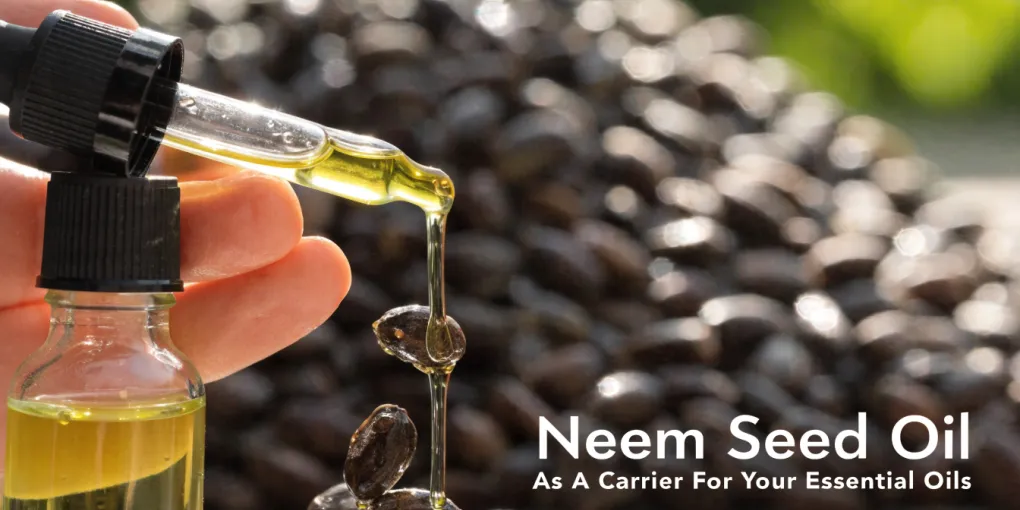
Neem oil, extracted from Indian neem tree seeds, is a potent, golden-brown carrier oil for essential oils, thanks to its nourishing fatty acids and bioactive compounds. It dilutes concentrated essential oils for safe application, enhances their skin-soothing benefits, extends their activity on the skin, and improves absorption for greater therapeutic effect.
Table of Contents
- What Is Neem Oil
- Why Carrier Oils Matter
- The Earthy Aroma Challenge
- Essential Fatty Acids Inside
- Soothing Dry Skin Conditions
- Fighting Stubborn Blemishes
- Scalp Care Essentials
- Anti Aging Benefits
- Natural Bug Repellent Blends
- Safe Dilution Ratios
- Storage And Shelf Life
- Sourcing High Quality Neem
- Mixing Techniques At Home
- Everyday Application Tips
What Is Neem Oil
Neem oil comes from the seeds of the Indian neem tree. It is cold-pressed to keep its natural healing compounds intact, resulting in a rich, golden-brown oil with a strong, earthy scent. Because it is so pure and naturally potent, it serves as a reliable and trusted base for blending essential oils.
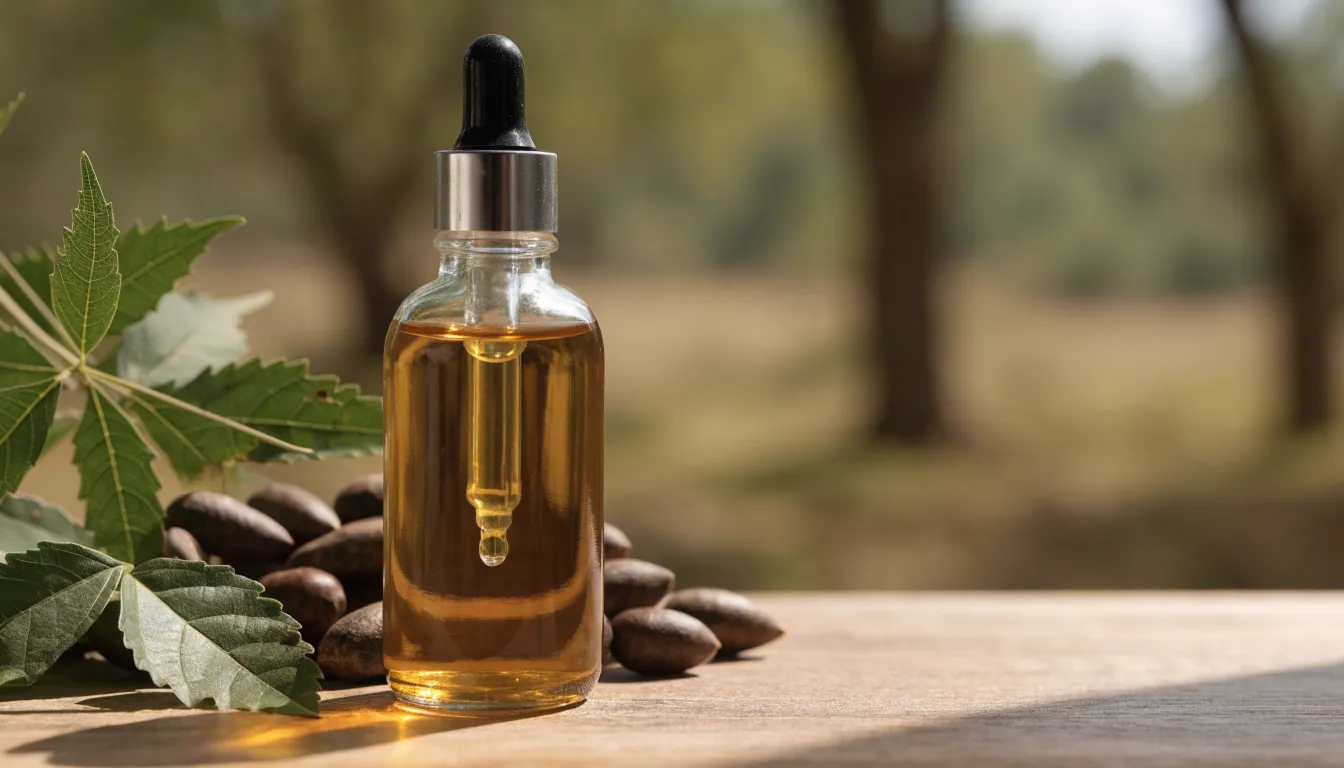
For over 5,000 years, Ayurvedic medicine has relied on neem oil as a “village pharmacy” for supporting healthy skin, soothing minor irritations, and promoting overall well-being. When used as a carrier, it doesn’t just dilute your essential oils—it adds its own beneficial skin-soothing properties to the mix, making your blends work even better.
Chemically, neem oil is packed with nourishing fatty acids like oleic and linoleic acid, along with potent bioactive compounds. These fatty acids deeply moisturize and soften the skin, making neem oil an exceptional base that safely dilutes strong essential oils while actively enhancing their effectiveness and delivering deep hydration.
Why Carrier Oils Matter
Carrier oils are essential for using essential oils safely. Because essential oils are highly concentrated, applying them directly to the skin can cause irritation, redness, or long-term sensitivity. Neem seed oil works as a quality carrier by diluting the essential oil to a gentle strength, while still letting its beneficial properties work. This lowers the risk of skin reactions and makes application more comfortable and therapeutic.
Neem oil also improves how well essential oils perform. Its thick, viscous texture creates a protective layer on the skin that slows down evaporation. Since essential oils are volatile and evaporate quickly in the air, blending them with neem keeps them on the skin longer. This extended contact time gives the essential oil molecules more opportunity to interact with the skin, allowing their active components to be released gradually.
Additionally, neem oil helps the skin absorb essential oils more deeply. Its emollient structure carries the essential oil compounds through the skin’s outer layers into the underlying tissues, where they can have a stronger effect. By combining slower evaporation with deeper absorption, neem seed oil maximizes the therapeutic benefit of the essential oils while keeping the skin comfortable and safe.
The Earthy Aroma Challenge
Neem seed oil has a very strong, earthy, nutty, sometimes garlic-like smell. This aroma can easily overpower other scents in a blend, so the key to using it well is pairing it with essential oils that hide or balance that strong smell. This lets you get neem’s benefits without its natural perfume taking over.
Bright citrus oils, like lemon, sweet orange, grapefruit, or bergamot, are excellent for cutting through the earthiness. Their fresh, sweet notes make the overall scent more pleasing, so you may want to use a higher amount of citrus than usual. Floral oils are also great for masking: lavender calms the sharpness, geranium adds a rosy, herb-like touch, and ylang-ylang brings a rich, sweet scent that covers the neem well.
Herbaceous oils add a different dimension to neem’s natural earthiness. Strong options like rosemary, peppermint, or even tea tree can stand up to it effectively, especially for medicinal or purifying blends. The best approach is careful testing—start with small amounts of these oils and adjust the ratio until you get a harmonious, pleasant smell that still lets neem work its magic.
Essential Fatty Acids Inside
Neem seed oil is packed with essential fatty acids that help nourish and repair skin. These healthy lipids are the building blocks of a strong skin barrier, keeping it intact and working properly. The main fatty acids—oleic, stearic, and linoleic—each support skin health in their own way.
Oleic acid deeply moisturizes by sinking into the skin and locking in hydration. When neem is used as a carrier oil, it also helps skin absorb other beneficial ingredients, like essential oils. This fatty acid keeps skin soft, supple, and elastic, preventing dryness and flakiness.
Stearic acid acts as a protective shield. It strengthens the skin’s natural lipid layer, reinforcing the barrier so moisture stays in and irritants stay out. Meanwhile, linoleic acid—an omega-6 that the body can’t make on its own—is vital for repairing a weakened barrier. It builds ceramides that help skin hold water, reducing moisture loss. Together, these fatty acids keep skin hydrated, resilient, and well-protected.
Soothing Dry Skin Conditions
Dry skin issues like eczema, psoriasis, and flaking can be very uncomfortable, but neem seed oil acts as a powerful hydrator. Its rich fatty acids sink deep into the skin to repair the natural moisture barrier and lock in hydration. This intense moisture helps ease tight, itchy feelings by restoring suppleness and comfort to damaged, cracked patches.
Lavender essential oil works differently but just as effectively, mainly through its key component, linalool. This natural compound has strong anti-inflammatory properties that calm irritated skin, visibly reducing redness and swelling during eczema or psoriasis flare-ups. It is also excellent for soothing the persistent itch and general discomfort that come with severely dry or flaking skin.
Together, these two oils form a comprehensive treatment. Neem rebuilds and fortifies the skin’s protective moisture layer, while lavender directly tackles the inflammatory response causing redness and irritation. This combined, integrated relief brings lasting comfort and noticeably improves the overall health and appearance of compromised skin.
Fighting Stubborn Blemishes
Neem seed oil and tea tree oil work together as a powerful natural remedy for persistent blemishes. Neem oil contains special nimbin compounds that soothe irritation and fight acne-causing bacteria, while tea tree oil is known for its strong antimicrobial power against skin pathogens. When blended, these two oils combine their strengths to penetrate pores, reduce swelling, and kill the microbes behind stubborn breakouts, giving you a stronger effect than using either alone.
To make a spot treatment, use a small, clean amber glass dropper bottle. Mix one teaspoon of pure, cold-pressed neem oil with three to five drops of 100% pure tea tree oil, then gently swirl the bottle to combine them. Before using it on your face, always do a patch test on a small, hidden area of skin to make sure you have no adverse reaction.
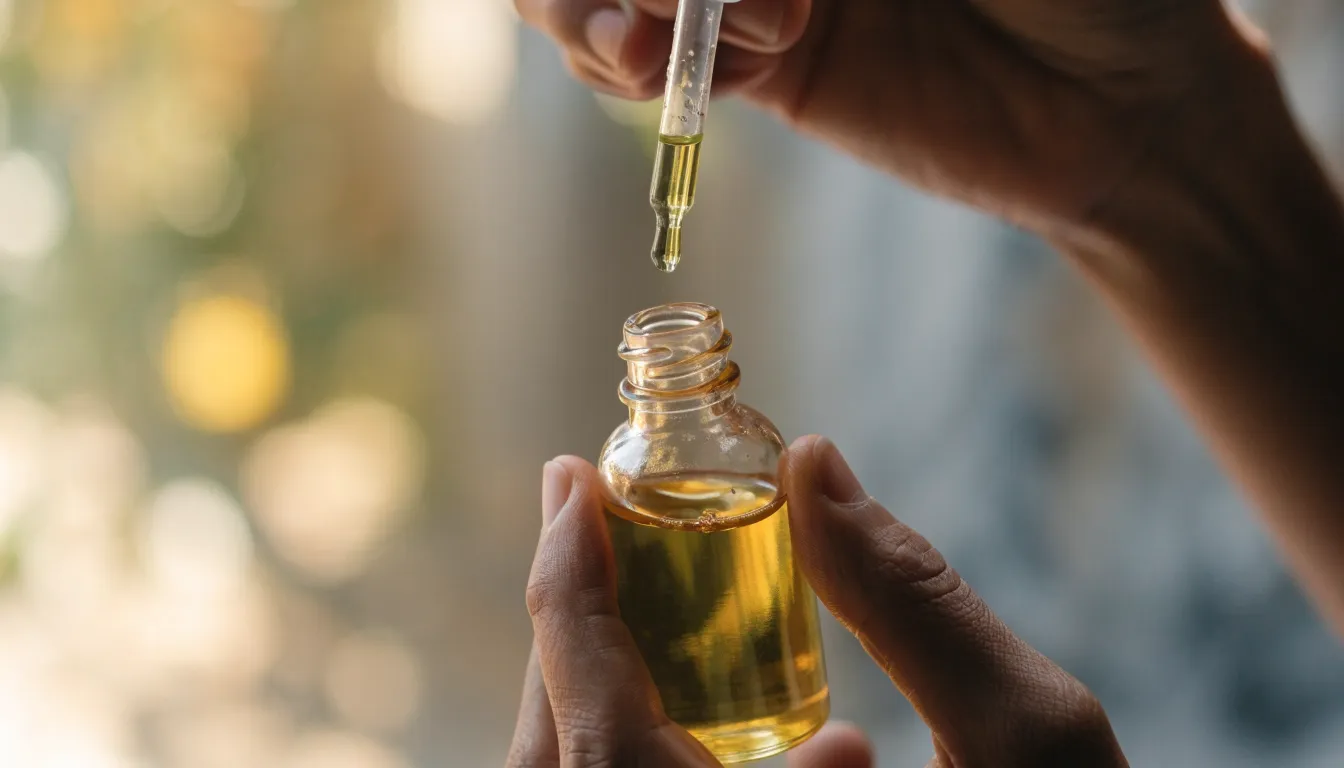
Once the blend is safe for you, apply a very tiny drop directly onto the blemish using a clean cotton swab or your fingertip. Use it once or twice a day, ideally after cleansing and before moisturizing, letting the oil fully absorb into the skin. Stay consistent with this routine, as the combined antimicrobial power works steadily to clear the blemish and calm the area over time.
Scalp Care Essentials
Neem seed oil is a great base for scalp care, helping support hair growth and control flakes. When used as a carrier with essential oils like rosemary or peppermint, it becomes a powerful treatment. Neem works to break down buildup on the scalp, gently dissolving excess oil, dead skin, and impurities that can clog hair follicles and slow healthy growth. This leaves the scalp clean and ready to absorb nutrients for stronger hair.
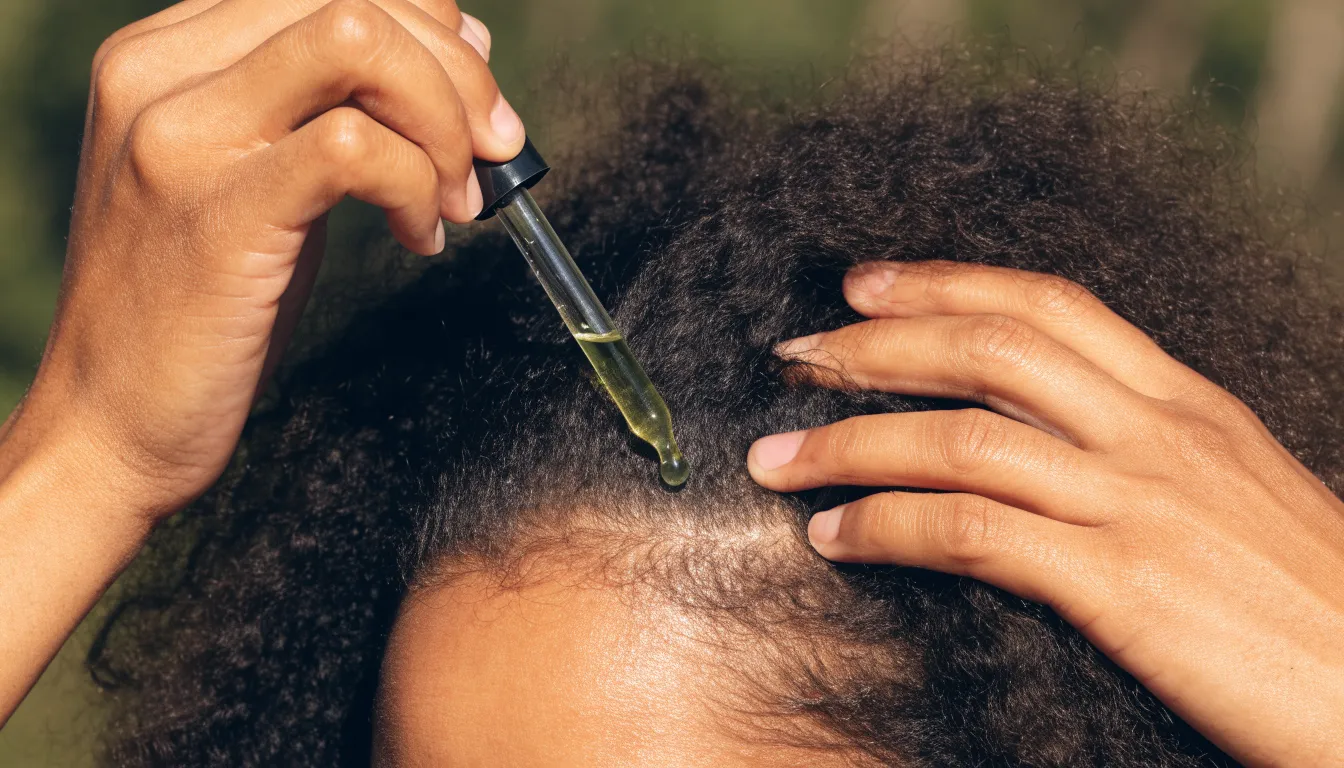
Neem also has natural antifungal properties that target the fungi behind dandruff. It helps balance the scalp’s natural microbes, reducing itching, irritation, and flakiness. Instead of just covering up dandruff, it addresses the root cause and gives longer-lasting comfort and relief.
Paired with rosemary or peppermint, neem boosts follicle stimulation. Rosemary improves scalp circulation, bringing more oxygen and nutrients to hair roots for stronger growth. Peppermint adds a tingling sensation from increased blood flow, waking up dormant follicles and supporting a healthy growth cycle. Together, they help new hair grow, strengthen existing strands, and keep the scalp clear and comfortable.
Anti Aging Benefits
Rosehip seed oil is rich in vitamins A and C, which are key for fighting fine lines. Vitamin A helps speed up skin cell turnover for a smoother, more even complexion, while vitamin C provides antioxidant protection and supports collagen production, improving skin’s firmness and elasticity.
When paired with neem oil, these anti-aging effects are boosted. Neem oil contains its own antioxidants, fatty acids, and triterpenes that work with rosehip oil to neutralize free radicals—a major cause of premature wrinkles. Neem also supports the skin’s natural repair processes and helps maintain healthy cell function.
The strongest benefit of this blend is its effect on collagen, the protein that keeps skin firm and elastic. Aging lowers collagen, leading to sagging and wrinkles. The vitamin A in rosehip oil encourages new collagen, while both oils nourish and protect the skin, helping it repair and regenerate. Regular use can smooth existing lines, improve skin texture, and leave skin looking more resilient and youthful.
Natural Bug Repellent Blends
Neem seed oil works as both a carrier and a repellent. It naturally contains azadirachtin, a compound with insecticidal and insect-repelling properties, making it a strong base for any bug repellent blend. Its thick consistency also slows evaporation, so the essential oils mixed into it stay active and effective for a longer time outdoors.
Citronella oil adds a strong, lemony scent that bugs dislike and helps mask the smells that attract them. Peppermint oil brings a sharp, refreshing aroma that also deters many pests. Together, these oils work with the neem base to create a more powerful, long-lasting, and all-natural repellent.
This blend can be used as an outdoor spray for picnic areas, camping gear, or patios, or as a body oil for direct skin protection. It offers a gentle but effective barrier against bites during hiking, gardening, or other outdoor activities, all without relying on chemical repellents.
Safe Dilution Ratios
Getting the right dilution of essential oils in neem carrier oil is essential for both safety and effectiveness. The aim is to maximize the healing benefits while avoiding skin irritation. Following specific percentages and drop counts helps you achieve this balance across different uses.
For facial care, keep it gentle with a 0.5% to 1% dilution. This means adding 1 to 2 drops of essential oil per 10 ml of neem oil, which is perfect for daily serums or moisturizers, letting your skin adjust slowly. For broader body use, such as lotions or massage oils, a 2% to 3% dilution works best—that’s 4 to 6 drops per 10 ml (or 12 to 18 drops in a 30 ml bottle). This level effectively tackles general skin issues, supports muscle comfort, and works well for aromatherapy without overwhelming your skin.
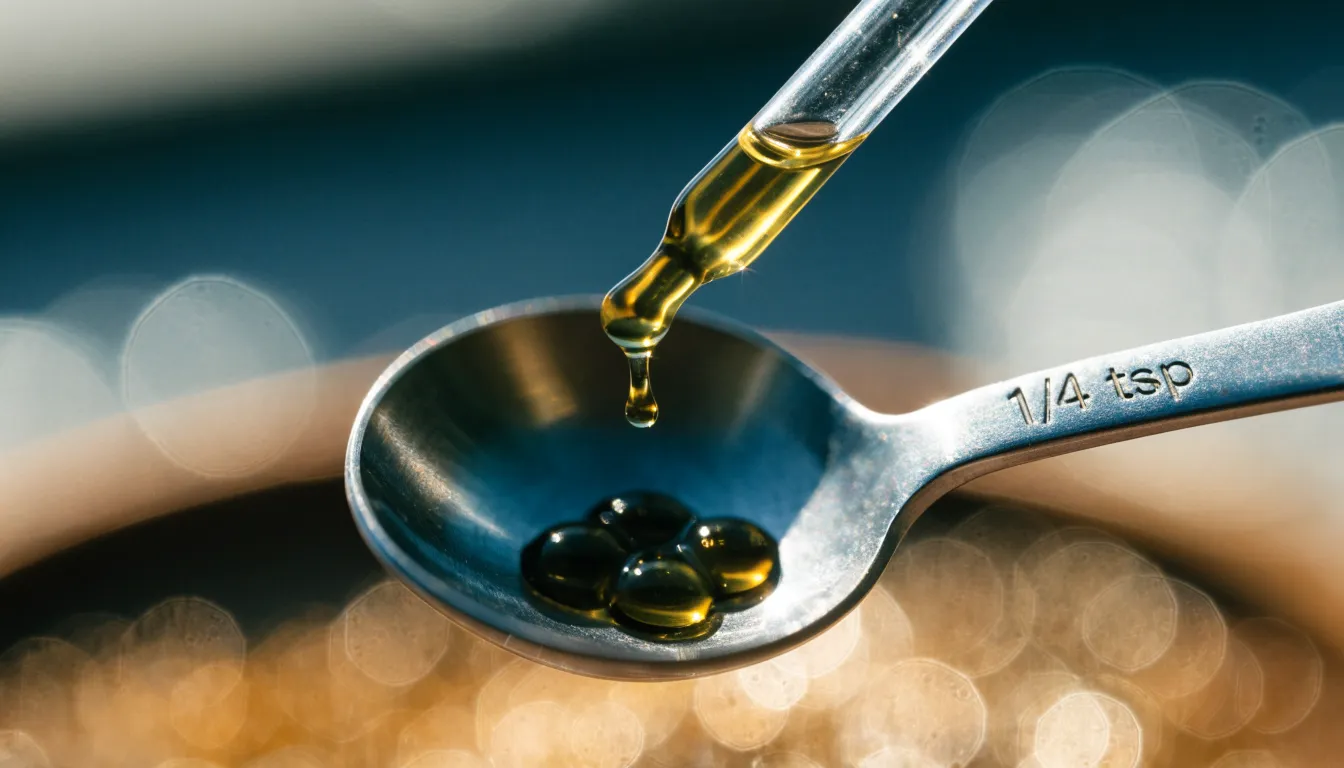
For intensive spot treatments on things like blemishes or bites, a stronger 5% to 10% dilution (10 to 20 drops per 10 ml) can be used, but only on very small, localized areas and for short durations. Regardless of the concentration, always perform a patch test on a small patch of skin 24 hours ahead of time to ensure no adverse reaction. Most importantly, listen to your body and adjust the concentration based on your own sensitivity.
Storage And Shelf Life
Proper storage keeps your custom neem and essential oil blends effective and safe. The main goal is to protect these delicate oils from environmental damage. A key step is putting finished blends into dark amber glass bottles—the deep color blocks ultraviolet (UV) light, which can trigger chemical changes that weaken potency and alter aroma.
Heat is another major threat, so keep blends away from radiators, stoves, and warm rooms. High temperatures speed up lipid oxidation, where oxygen reacts with fatty acids in neem oil and causes rancidity. Rancid oil smells unpleasant, loses its beneficial properties, and may irritate skin.
To extend shelf life, store blends in a cool, dark place like a kitchen cupboard, pantry shelf, or bathroom cabinet. By using dark glass and avoiding light and heat, you prevent oxidation and preserve the therapeutic qualities, fresh scent, and overall effectiveness of your oil blends for much longer.
Sourcing High Quality Neem
When choosing neem seed oil as a carrier for your essential oils, quality is key. The best options will have the labels “organic,” “unrefined,” and “cold-pressed,” since these terms mean the oil still holds the highest levels of its beneficial active compounds.
Cold-pressed neem oil is made by pressing the seeds at low temperatures, which protects delicate fatty acids, antioxidants, and the important compound azadirachtin. High-heat methods can destroy these therapeutic properties and make the oil less effective. An unrefined oil, meanwhile, has not been treated with chemicals, deodorized, or bleached—so it keeps its full natural composition, including trace nutrients and the aroma that support its benefits.
Choosing organic neem oil also ensures the seeds were grown without synthetic pesticides or chemical fertilizers, keeping those unwanted residues out of your blends. Together, organic, unrefined, and cold-pressed neem oil give you the most potent, pure carrier oil for your essential oil blends—making them safer and more effective for topical use.
Mixing Techniques At Home
To blend neem seed oil with essential oils at home, start by gathering neem oil, a lighter carrier oil like jojoba or almond oil, your essential oils, clean droppers or spoons, and a dark glass bottle. Since neem oil can thicken in cooler temperatures, warm its container in a bowl of warm water until it flows easily—never use a microwave or direct heat, which can damage its beneficial properties. Accurate measuring is key, so have all tools ready before you begin.
First, pour your lighter carrier oils into the blending bottle. Then measure the warmed neem oil and add it to the same bottle. Secure the cap and gently roll the bottle between your palms or invert it slowly to start blending the carrier oils together.
Next, add your essential oils drop by drop, following your chosen dilution ratio. Cap the bottle again and continue rolling or inverting it for a minute or two until everything is fully combined with no layers or streaks. Store the finished blend in a cool, dark place to preserve its quality and extend its shelf life.
Everyday Application Tips
Before using neem seed oil blends daily, always patch test first. Apply a small amount of the diluted blend to a hidden area, like behind your ear or on your inner forearm. Wait 24 to 48 hours to check for redness, itching, or irritation. If no reaction appears, your skin is ready for broader use.
For evening care, neem oil blends work especially well. After cleansing and toning, place a few drops of the diluted mix in your palm, warm it by rubbing your hands together, and gently press it onto your face, neck, and chest using upward strokes. This lets the nourishing compounds absorb overnight, supporting skin regeneration and repair while you sleep.

In the morning, use a much lighter amount, especially if you plan to wear makeup. You can mix a tiny bit with a light moisturizer to create a protective, nourishing layer without heaviness. Be gentle and avoid aggressive rubbing; let the oil absorb naturally. With consistent, careful use, your skin can gradually adjust and benefit from neem’s unique properties, leading to a healthier complexion over time.
Frequently Asked Questions
What is neem oil and where does it come from?
Neem oil comes from the seeds of the Indian neem tree and is cold-pressed to keep its natural healing compounds intact. It is a rich, golden-brown oil with a strong, earthy scent, serving as a reliable base for blending essential oils.
Why should I use a carrier oil like neem with essential oils?
Carrier oils are essential for safely using essential oils because their high concentration can cause skin irritation when applied directly. Neem oil dilutes essential oils to a gentle strength, lowering the risk of reactions while enhancing their effectiveness and allowing deeper absorption into the skin.
How can I make my neem oil blend smell better?
Neem oil has a strong, earthy scent that can be masked by pairing it with essential oils like bright citrus (lemon, sweet orange), floral notes (lavender, geranium), or strong herbaceous oils (rosemary, peppermint). Careful testing and adjusting ratios, potentially using more of the masking oil, will help achieve a more pleasant aroma.
What are the best ways to store neem oil blends to keep them fresh?
To keep neem oil blends effective and safe, store them in dark amber glass bottles to block UV light, which can degrade potency. Crucially, keep them away from heat sources like radiators or warm rooms, as high temperatures can cause rancidity and lead to an unpleasant smell and loss of beneficial properties.
What dilution ratio should I use when mixing essential oils with neem for facial application?
For facial care, it’s recommended to use a gentle 0.5% to 1% dilution, which means adding 1 to 2 drops of essential oil per 10 ml of neem oil. Always perform a patch test on a small, hidden area of skin 24 hours ahead of time to ensure no adverse reaction before broader use.
Can neem oil help with dry skin conditions like eczema or psoriasis?
Yes, neem seed oil can help soothe dry skin conditions by deeply repairing the natural moisture barrier with its rich fatty acids and locking in hydration. When combined with lavender essential oil, neem also helps ease tight, itchy feelings and reduce redness and swelling associated with flare-ups.