
Essential oils like tea tree, lavender, and frankincense offer natural acne solutions due to their antimicrobial, anti-inflammatory, and skin-renewing properties. They combat acne-causing bacteria, reduce redness and swelling, and help fade scars. Always dilute essential oils with a non-comedogenic carrier oil like jojoba or rosehip before applying to prevent irritation and maximize benefits for clearer, healthier skin.
Table of Contents
Clear Skin Basics
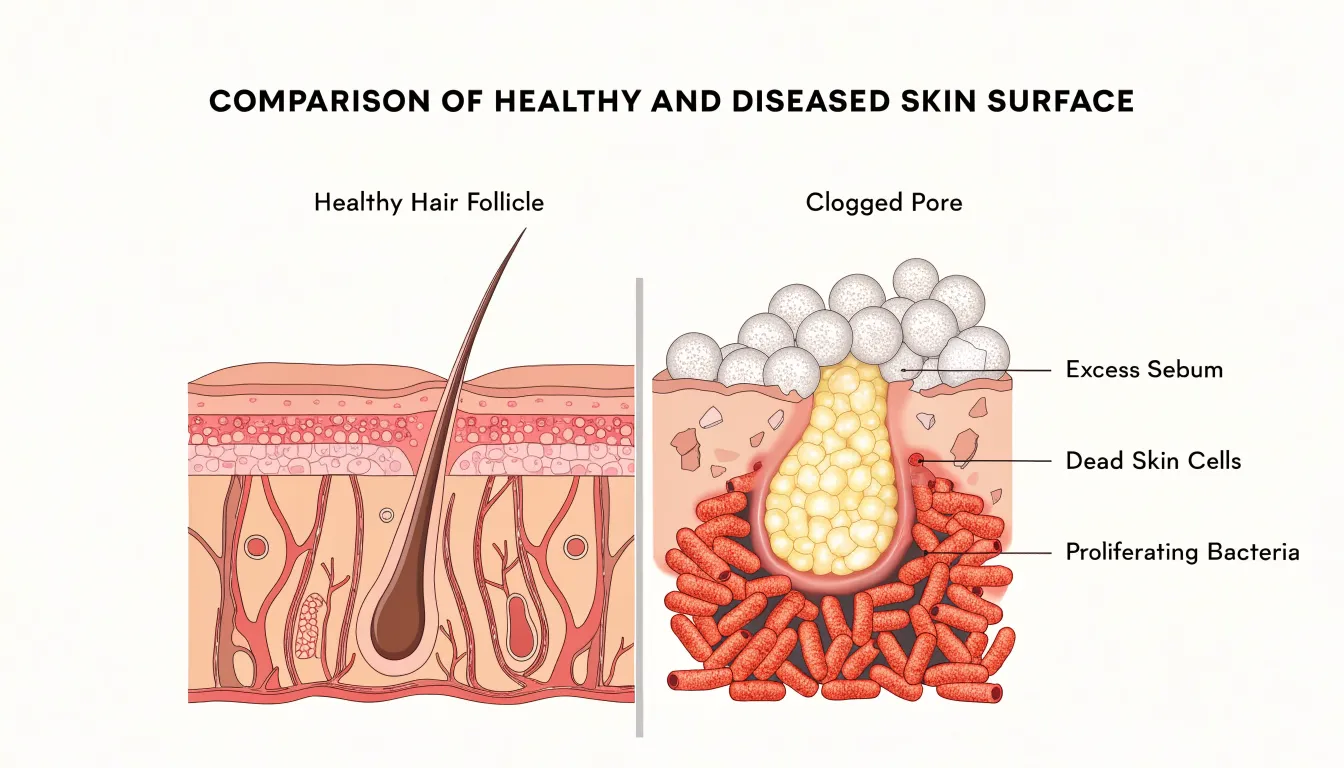
Acne starts deep inside pores, where sebaceous glands produce sebum—an oil whose essential functions include lubricating the skin and keeping it healthy and supple. But when these glands become overactive and make too much sebum, the excess oil leaves skin greasy and sets the stage for acne.
At the same time, dead skin cells that normally shed without notice can fail to flake away properly. They mix with the extra sebum and form a sticky plug inside the pore, blocking the follicle. In this clogged, oxygen-poor environment, P. acnes bacteria—usually harmless skin residents—multiply quickly.
The growing bacteria and blocked pore trigger the body’s immune response, causing inflammation. This makes the surrounding skin red, swollen, and tender. Depending on how deep and severe the blockage is, it can appear as blackheads, whiteheads, papules, pustules, cysts, or nodules. Understanding this chain reaction is key to treating acne effectively.
Plant Power
Essential oils fight stubborn acne because they contain highly concentrated plant compounds called phytochemicals. These natural substances help protect plants, and when applied to skin, they target acne in several ways.
First, many essential oils are strongly antimicrobial. Compounds like terpenes, phenols, and aldehydes break down the cell membranes of acne-causing bacteria, especially Propionibacterium acnes. This reduces bacteria on the skin, helping to clear existing blemishes and prevent new ones.
Second, they calm inflammation. Certain components in essential oils help tone down the skin’s inflammatory response, reducing redness, swelling, and pain from active breakouts. They also help regulate sebum production, so the skin produces less excess oil, which means fewer clogged pores and fewer blackheads, whiteheads, and pustules. Together, these actions—killing bacteria, soothing irritation, and balancing oil—make essential oils a well-rounded botanical option for managing persistent acne.
Tea Tree Oil
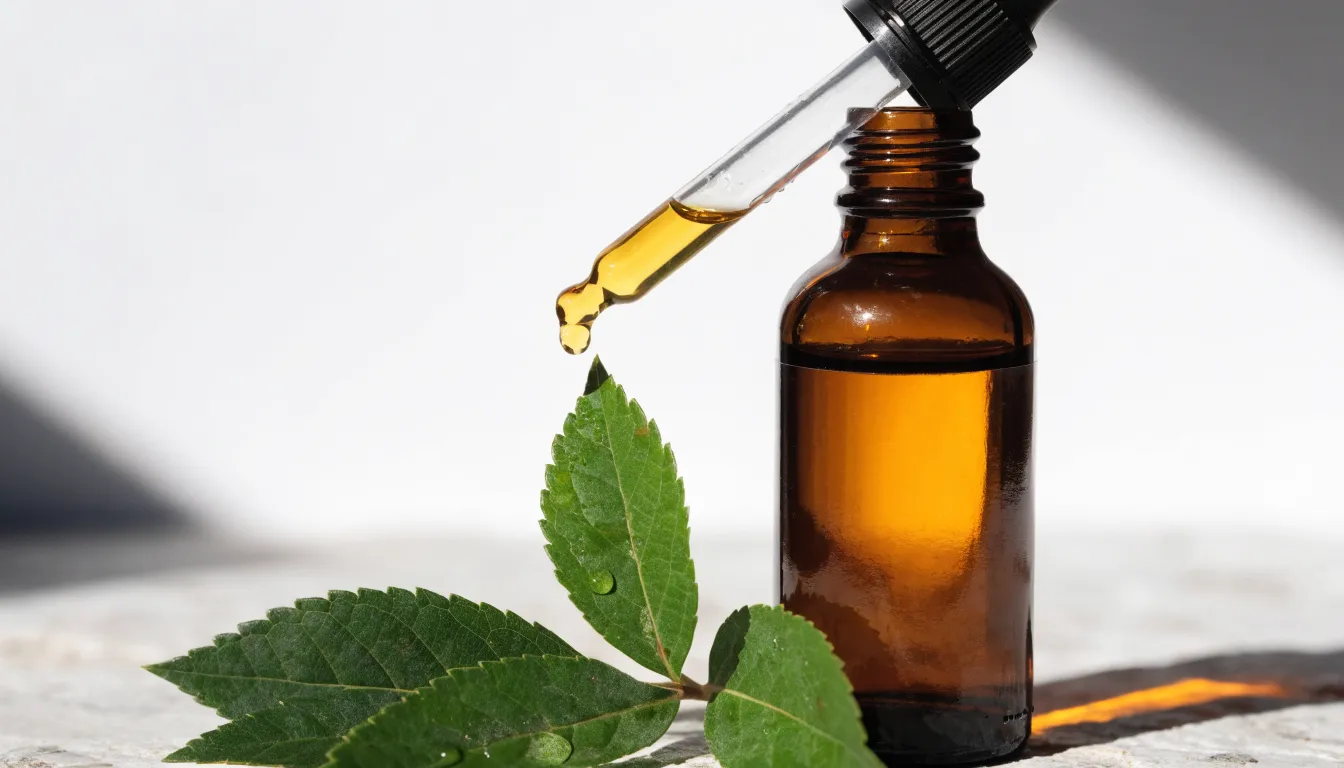
Tea tree oil is a leading spot treatment for individual pimples and is considered a top standard for this purpose. Clinical studies show that a diluted application can clearly reduce both the number and severity of acne breakouts. Its effectiveness comes from its main active ingredient, terpinen-4-ol.
Terpinen-4-ol acts as a powerful antiseptic with strong antimicrobial properties. It targets the root of the problem by penetrating the bacterial cell wall, breaking it apart, and neutralizing acne-causing bacteria, particularly Propionibacterium acnes, which thrives in clogged pores and triggers inflammation.
Research shows that tea tree oil works just as well as benzoyl peroxide, a common conventional treatment, at similar concentrations. However, it offers a natural alternative without the harsher side effects of synthetic chemicals. By both fighting bacteria and reducing inflammation, tea tree oil is a dependable, research-backed tool for anyone needing a reliable spot treatment.
Lavender Oil
Lavender oil is a gentle but effective option for acne, especially for calming redness and soothing inflamed breakouts. Its main strength comes from two key compounds: linalool and linalyl acetate. These natural ingredients have strong anti-inflammatory properties. When applied to the skin, they help reduce the swelling and redness that come with active blemishes, leaving irritated skin feeling calmer and more balanced.
This anti-inflammatory effect also helps with more serious types of acne, like painful cystic breakouts. These deep, tender lumps can cause significant discomfort. By lowering inflammation, lavender oil helps ease pain and throbbing, offering mild relief without being harsh on the skin.
In addition, lavender oil supports the skin’s natural healing process. By creating a less inflamed environment, it allows the skin to recover more efficiently. This can lead to faster healing of breakouts, quicker restoration of the skin’s surface, and a clearer, healthier complexion overall.
Frankincense Oil
Frankincense oil is especially helpful for skin recovery after acne. Its main benefit is fading scars and supporting the skin’s natural renewal process.
This power comes from active compounds called boswellic acids. These acids help stimulate cellular turnover, which is the skin’s way of shedding old, damaged cells and replacing them with fresh, healthy ones.
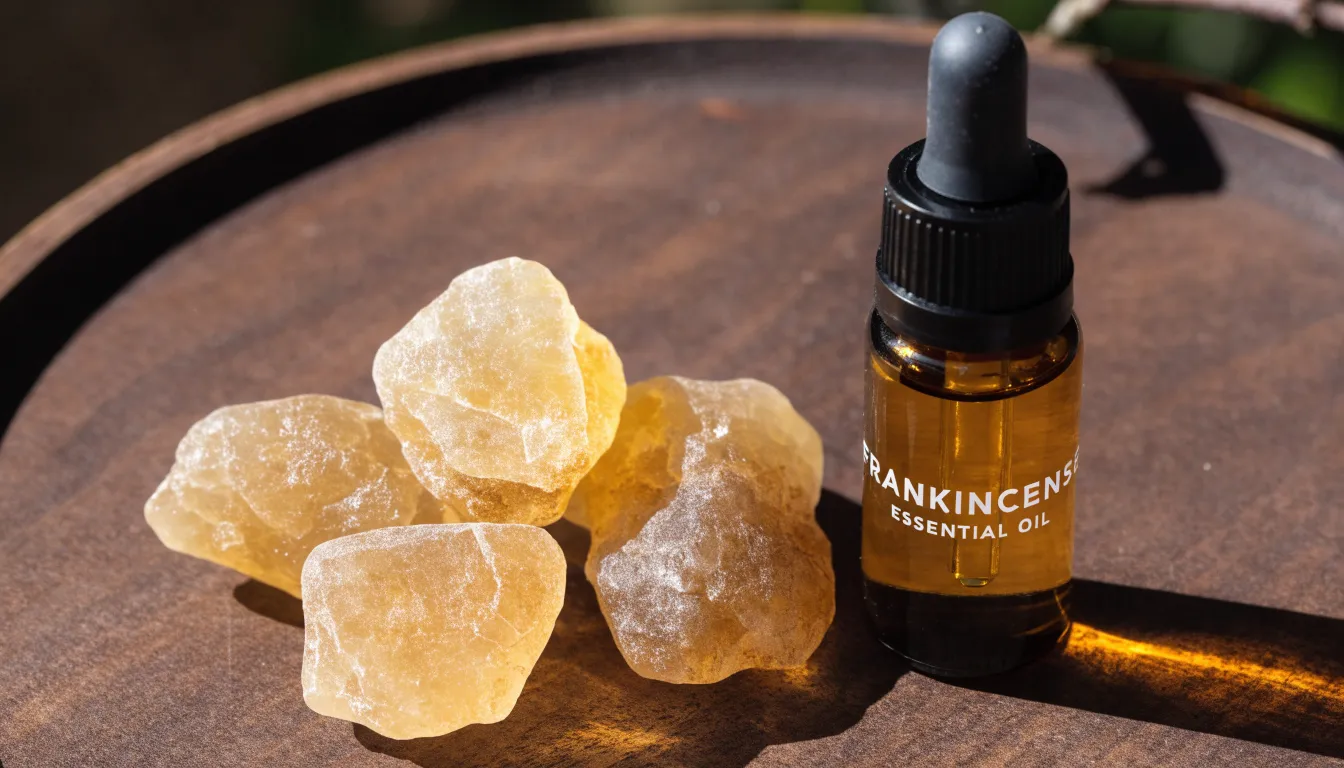
Because of this faster renewal, scarred tissue is gradually replaced with new skin cells. Over time, this leads to a smoother, more even skin texture and less visible acne scars.
Rosemary Oil
Rosemary oil is a valuable addition to an acne-fighting skincare routine, mainly because it works as a natural astringent. Its primary function is to help regulate the skin’s production of sebum, the natural oil that many acne-prone individuals produce in excess. By moderating this oil output, rosemary oil brings the skin’s processes into better balance, directly tackling a root cause of breakouts before they start.
By reducing overall oiliness, rosemary oil creates an environment where pores are much less likely to become congested. Excess sebum is a main ingredient in the mix that fills and blocks pores, so keeping oil production in check prevents this blockage. This helps stop pores from getting clogged with a combination of oil, dead skin cells, and dirt, which is essential for keeping the skin clear.
The benefit of maintaining clear, unclogged pores is the prevention of blackheads and other blemishes. Blackheads form when a blocked pore stays open to the air, causing the trapped sebum to oxidize and darken. Using rosemary oil regularly supports consistently clear pores, reducing the chances of these common spots forming and helping to maintain a smoother, clearer complexion through its gentle yet effective action.
Clary Sage Oil
Clary Sage Oil works especially well for acne linked to hormonal changes and stress. Its main active component, linalyl acetate, helps calm and regulate the skin. When hormone levels fluctuate, the skin can produce too much sebum, which leads to oily, clogged pores and breakouts. Linalyl acetate helps balance this oil production by gently supporting the body’s natural ability to regulate itself, rather than just masking the symptoms.
Stress can also trigger acne by raising cortisol, which signals the oil glands to produce more oil. The soothing properties of linalyl acetate help reduce the impact of stress on the body. By promoting calmness, Clary Sage Oil can help prevent the chain reaction that leads to stress-related pimples.
Overall, Clary Sage Oil helps create a more stable, less reactive complexion. It targets the deeper causes of hormonal and stress-related acne through its natural balancing and calming effects, making it a useful addition to a skincare routine.
Oregano Oil
Oregano oil is a powerful option for treating severe acne because of its strong natural properties. Its main active compound, carvacrol, is a phenol with broad antibacterial effects. This makes it especially effective at targeting the bacteria that cause stubborn, inflamed breakouts, helping to stop bacterial growth and reduce inflammation at the source. For tough or severe acne, this potency can be a major advantage.
However, oregano oil is so strong that it must be used with great care. Applying it undiluted can cause serious skin irritation or even chemical burns. Because of this, it always needs to be mixed with a carrier oil, such as jojoba, argan, or coconut oil, at a very low concentration.
For the face, a dilution of about 0.5% to 1% is usually suggested—meaning only one or two drops of oregano oil per teaspoon of carrier oil. It’s also wise to do a small patch test on a hidden area of skin first to check for reactions. Following these safety steps allows you to use oregano oil’s strong antibacterial benefits effectively while protecting your skin.
Lemon Oil
Lemon essential oil is often used to help brighten the skin and create a more even complexion. It targets areas of discoloration and hyperpigmentation, which are common after acne breakouts.
The citric acid in lemon oil works as a natural alpha hydroxy acid (AHA). It gently exfoliates the top layer of skin, helping to remove old cells that contain excess melanin — the pigment behind dark spots. With regular use, this can fade post-acne marks and reveal fresher, more evenly toned skin. Lemon oil also contains antioxidants like limonene and vitamin C, which protect skin from free radical damage and support healing, helping to prevent new dark spots from forming.
However, lemon essential oil is phototoxic. It contains psoralens that can cause severe burns, blistering, redness, or worsened pigmentation if skin is exposed to sunlight after use. To stay safe, use it only at night, avoid direct sun for at least 12 to 18 hours after applying, and always dilute it with a carrier oil. A patch test is also recommended before applying it to larger areas.
Peppermint Oil
Peppermint oil is especially helpful for acne that is inflamed and painful. Its main component, menthol, triggers a cooling sensation when applied to the skin. This natural coolness quickly soothes the burning, stinging, and discomfort that often come with active breakouts.
Peppermint oil also helps reduce swelling. Many types of acne involve inflammation, which causes redness and puffiness around pimples. The compounds in peppermint oil calm this inflammatory response, helping to minimize swelling and make the skin look and feel better.
By cooling irritation and calming swelling at the same time, peppermint oil supports a more comfortable healing process. It eases the discomfort of painful acne while also helping the skin settle down, making it a useful natural option for managing active breakouts.
Dilution Fundamentals
Essential oils are highly concentrated plant extracts with strong properties, so putting them directly on the skin is usually too harsh—especially for acne-prone skin. Undiluted use can cause irritation, redness, burning, and even make breakouts worse. Diluting them in a carrier oil reduces their strength while still allowing their beneficial compounds to work on the skin.
The carrier oil you choose matters, because some oils can clog pores and cause more acne. For acne-prone skin, non-comedogenic oils are best—meaning they won’t block pores. Rosehip oil is a great example: it’s rich in vitamins and fatty acids, helps improve skin texture, reduces the look of scars, and supports skin repair without feeling heavy or greasy.
Squalane is another excellent option. Plant-derived squalane is very lightweight, mimics the skin’s natural sebum, and gives deep hydration without clogging pores. It soothes and balances the skin, making it an ideal base for strong essential oils. Diluting essential oils this way delivers their benefits gently, lowering the risk of irritation and helping support clearer, healthier skin.
Jojoba Oil Synergy
Jojoba oil is special because it is very similar to the skin’s own natural oil, or sebum. Unlike most plant oils, which are triglycerides, jojoba oil is a liquid wax ester—just like human sebum. Because of this, the skin recognizes it as familiar and friendly, which makes it highly effective for acne-prone skin.
When applied, jojoba oil’s wax esters signal the sebaceous glands that the skin already has enough oil. As a result, the glands slow down their natural oil production. This helps balance oil levels and prevents the excess oil that can clog pores and feed acne-causing bacteria.
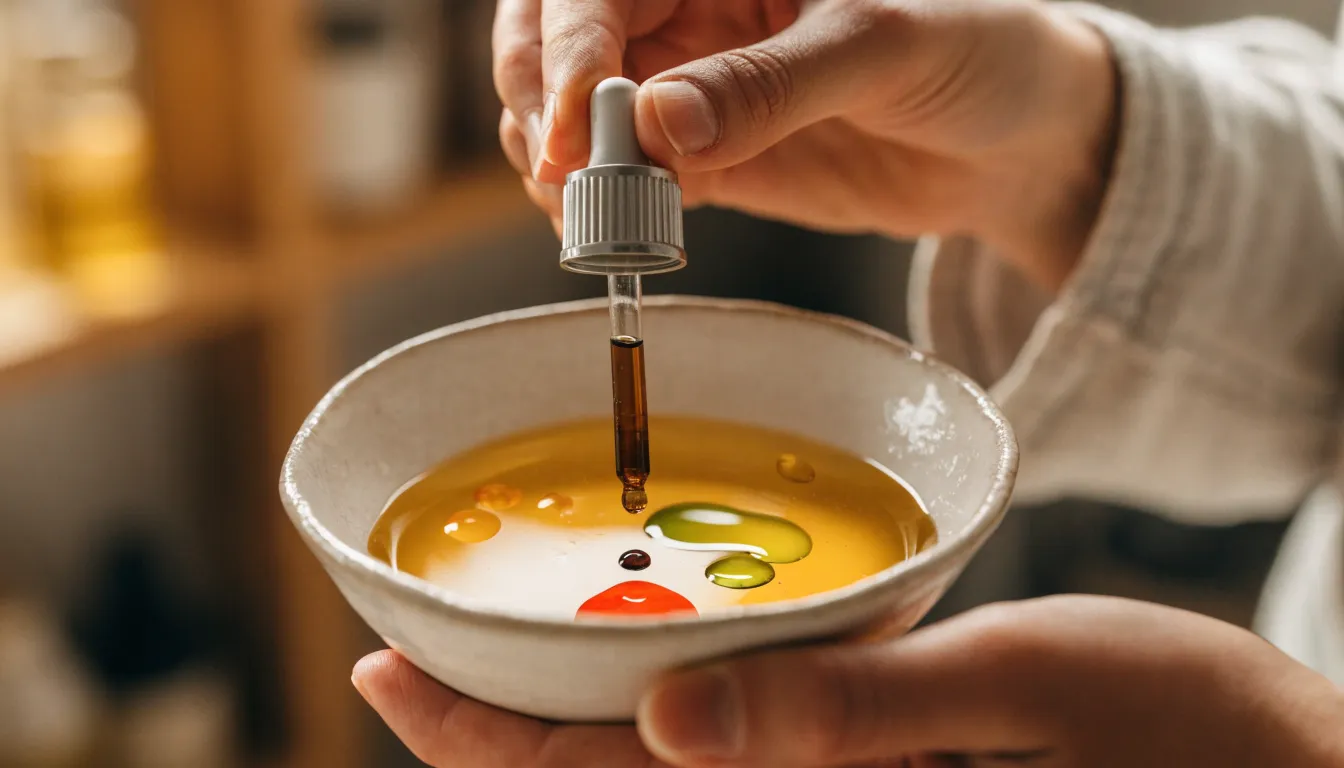
Jojoba oil also works as an excellent carrier for more potent essential oils. Because it can penetrate deeply into the pores, it helps deliver helpful essential oils, such as tea tree or lavender, directly to the areas where they are needed most—inside pores where bacteria and inflammation start. This makes jojoba oil a valuable part of any essential oil routine for treating acne.
Safe Application Methods
First, always patch test before using an essential oil on your face. Mix a tiny amount of the diluted oil and apply it to a small, non-acne-prone area like your inner forearm or behind the ear. Watch the spot for 24 to 48 hours for any redness, itching, burning, or discomfort. If no reaction appears, the oil is likely safe for broader use.
Second, proper dilution is essential because essential oils are very strong. Always mix them with a carrier oil like jojoba, sweet almond, or fractionated coconut oil. For the face, use a 1–2% dilution, which means 1 to 2 drops of essential oil per teaspoon of carrier oil. Never apply undiluted essential oils directly to your skin, as they can cause chemical burns, redness, or increased sensitivity.
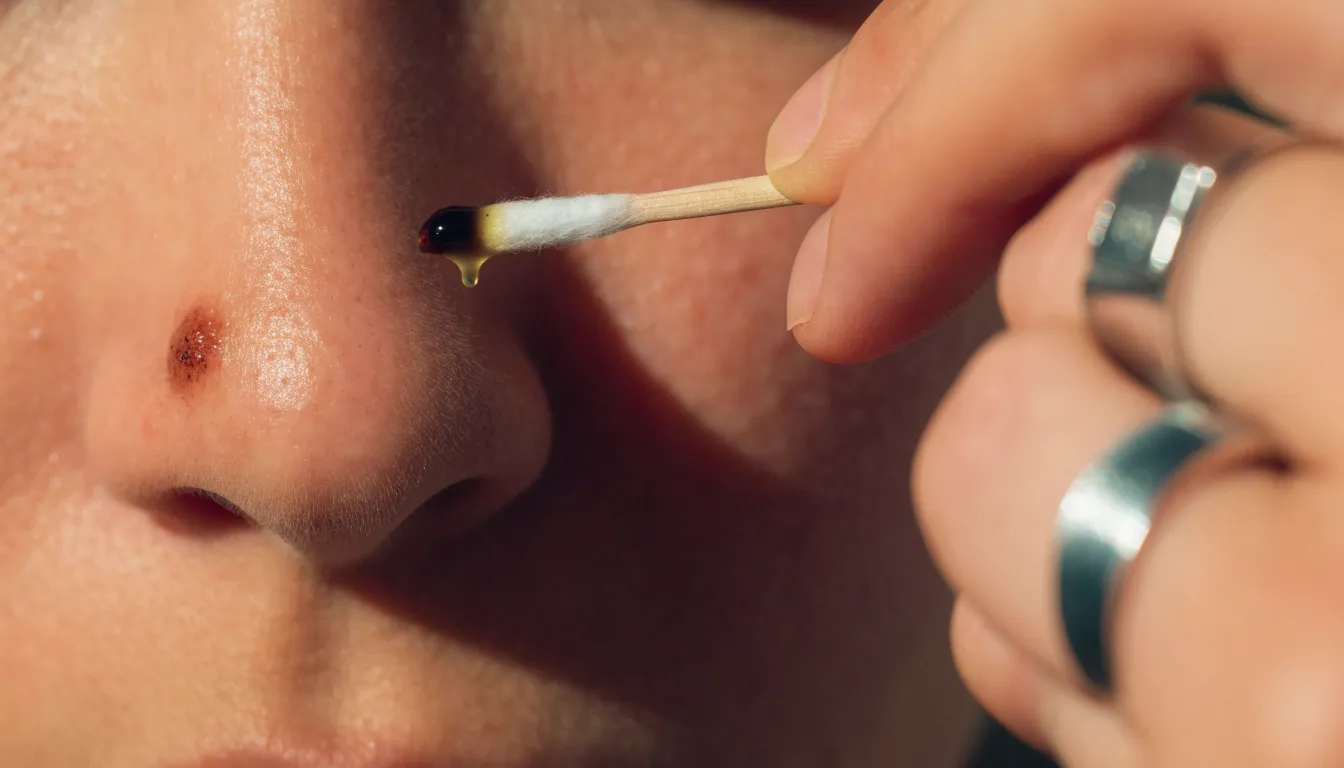
Third, apply the diluted oil precisely. Use a clean cotton swab or fingertip to put a small amount directly on blemishes or small affected areas only. Avoid spreading it over healthy skin, and be extra careful near your eyes, nostrils, and mouth. These targeted application methods help the oil work on acne while keeping your skin safe from irritation.
Daily Skincare Routine
To use essential oils for acne, always dilute them in a carrier oil or moisturizer—never apply them directly to skin. Start with a patch test to check for reactions, and be consistent, since results come from regular use over time.
In the morning, cleanse with a gentle, acne-friendly face wash, then apply toner to balance your skin. After that, mix a few drops of your diluted essential oil blend—like tea tree oil in jojoba—into your moisturizer, or apply the blend to your face before moisturizing. Let each layer absorb before adding the next.
In the evening, focus on repair. Thoroughly cleanse, and consider a double cleanse to remove makeup and grime. After toner, mix your diluted oils into your night moisturizer, use them as a serum layer, or apply them as a spot treatment. Properly diluted oils target acne gently and support healthier skin overnight.
Frequently Asked Questions
How do essential oils help clear up acne?
Essential oils fight acne using concentrated plant compounds called phytochemicals. They work by being strongly antimicrobial against acne-causing bacteria like Propionibacterium acnes, calming inflammation to reduce redness and swelling, and helping to regulate sebum production. These combined actions help clear existing blemishes and prevent new ones.
Which essential oil can help fade acne scars?
Frankincense oil is especially helpful for fading acne scars and supporting skin renewal. Its active compounds, boswellic acids, stimulate cellular turnover, gradually replacing scarred tissue with new skin cells for a smoother, more even texture.
Do I need to dilute essential oils before applying them to my skin for acne?
Yes, essential oils must always be diluted with a carrier oil because they are highly concentrated and can cause irritation or chemical burns if applied undiluted. For the face, a 1–2% dilution is recommended, which means 1 to 2 drops of essential oil per teaspoon of carrier oil. Always perform a patch test first to check for reactions.
What essential oil helps regulate oily skin and prevent clogged pores?
Rosemary oil works as a natural astringent to help regulate the skin’s production of sebum, which is often in excess for acne-prone individuals. By moderating oil output, it reduces overall oiliness and creates an environment where pores are much less likely to become congested. This action helps prevent blackheads and other blemishes from forming.
Is it safe to use oregano oil for severe acne?
Oregano oil is a powerful option for severe acne due to its strong antibacterial properties, but it must be used with great care. Applying it undiluted can cause serious skin irritation or chemical burns, so it must always be mixed with a carrier oil at a very low concentration, typically 0.5% to 1% for the face. Always do a patch test first to check for reactions.
How can I add essential oils to my daily skincare routine for acne?
Always dilute essential oils in a carrier oil or moisturizer and perform a patch test before use. In the morning, you can mix a few drops of your diluted blend into your moisturizer after cleansing and toning. For the evening, blend them into your night moisturizer, use them as a serum layer after cleansing and toning, or apply them as a spot treatment.