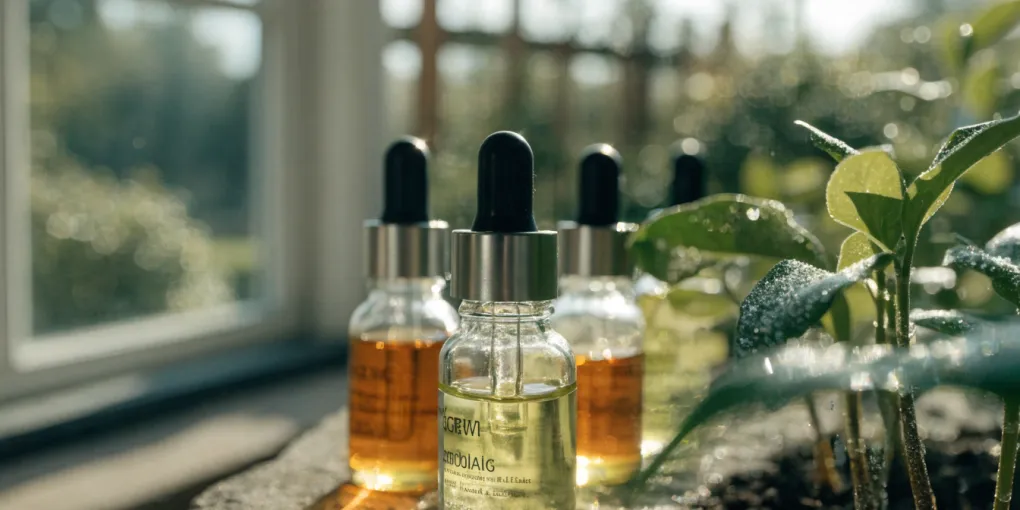
Essential oils protect gardens by confusing pests with strong scents, repelling insects, disrupting growth cycles, and combating fungal diseases. Peppermint, neem, and tea tree oils offer defense against specific pests and fungi, while lavender attracts pollinators, citrus repels mammals, and clove oil acts as a natural weed killer when properly diluted and applied.
Table of Contents
- Natural Garden Defense
- Peppermint Oil Power
- Neem Oil Essentials
- Tea Tree Spray
- Lavender Oil Magic
- Citrus Oil Shields
- Rosemary Oil Boost
- Eucalyptus Oil Barrier
- Safe Dilution Ratios
- Foliar Spraying Basics
- Soil Drench Techniques
- Vegetable Patch Care
- Flower Bed Preservation
- Fruit Tree Protection
- Organic Weed Control
Natural Garden Defense
Essential oils protect gardens mainly by confusing pests with strong scents. Their natural compounds, like terpenes and phenolics, act as repellents. They don’t necessarily harm insects directly; instead, they block the smells that attract pests to plants. This makes it hard for insects to find food or places to lay eggs, so they stay away.
Some oils go further and disrupt insect growth. Certain compounds mimic or interfere with insect hormones, which can stop larvae from becoming adults or make adults unable to reproduce. Over time, this reduces pest numbers and helps prevent future outbreaks.
Essential oils also fight fungal diseases. Their antimicrobial compounds damage fungal cell walls and membranes, causing cells to leak and die. Others block important enzymes the fungi need to grow and spread. This helps keep common plant diseases in check and supports healthier, stronger garden plants.
Peppermint Oil Power
Peppermint oil is a natural way to protect vegetable gardens from many insect pests. It works mainly because it is rich in menthol, which gives it a strong, sharp smell. People may find the scent pleasant, but many pests find it overwhelming and confusing. When sprayed on plants, it creates an invisible barrier that makes it hard for pests to land, feed, or lay eggs.
This spray is especially useful against aphids, beetles, and caterpillars. Aphids struggle to find plants because the scent confuses them. Beetles find the menthol irritating and stay away. Caterpillars are also driven off, and the smell disrupts their eating habits. As a result, your vegetables are much less likely to be damaged by these common garden pests.
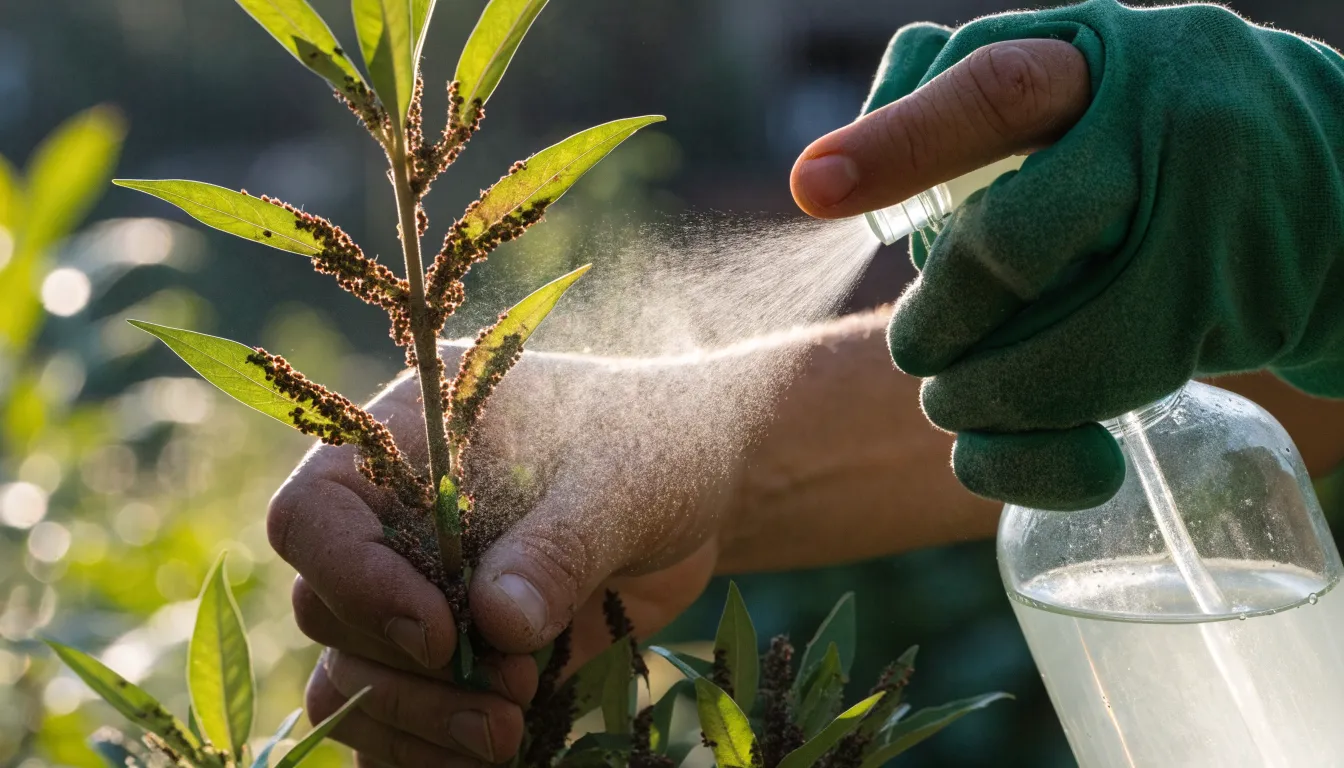
Since peppermint oil is natural, it offers an effective repellent without using harsh synthetic chemicals. You can apply it as a diluted spray directly on plants, and it breaks down naturally without leaving harmful residue. This makes it safe to use on edible crops throughout the growing season, helping you enjoy a healthy, pest-free harvest.
Neem Oil Essentials
Cold-pressed neem oil is a natural, safe way to manage common garden pests. Made from neem tree seeds, it works against soft-bodied insects like aphids, mealybugs, and whiteflies without harsh chemicals. Gardeners value it because it protects plants while keeping the environment safer.
First, neem oil works by physically smothering pests. When sprayed on plants, it forms a thin oily layer over small insects. This film blocks their breathing pores, so pests like aphids and whiteflies cannot breathe and soon die. This fast action helps plants recover quickly from active infestations, especially young pests that cannot move away easily.
Second, neem oil contains natural compounds, mainly azadirachtin, that disrupt insect growth. When pests eat or absorb it, it messes with their hormones and prevents them from molting properly. As a result, they become deformed, stop feeding, and cannot reproduce. This breaks the pest life cycle, giving long-term control and stopping future generations. Together, these two actions make cold-pressed neem oil a reliable, complete solution for a healthy garden.
Tea Tree Spray
Tea tree oil is a natural antifungal remedy for garden plants. It helps stop common fungal problems like powdery mildew, black spot, and rust, making it a useful organic option for keeping leaves healthy and protecting your garden.
When used as a spray, tea tree oil damages the cell structure of fungi, which stops them from growing and spreading on leaves and stems. To make the spray, mix 10 to 15 drops of pure tea tree oil with one gallon of water, plus a teaspoon of mild liquid or horticultural soap to help the oil blend in. Spray the whole plant, including the undersides of leaves and any infected stems.
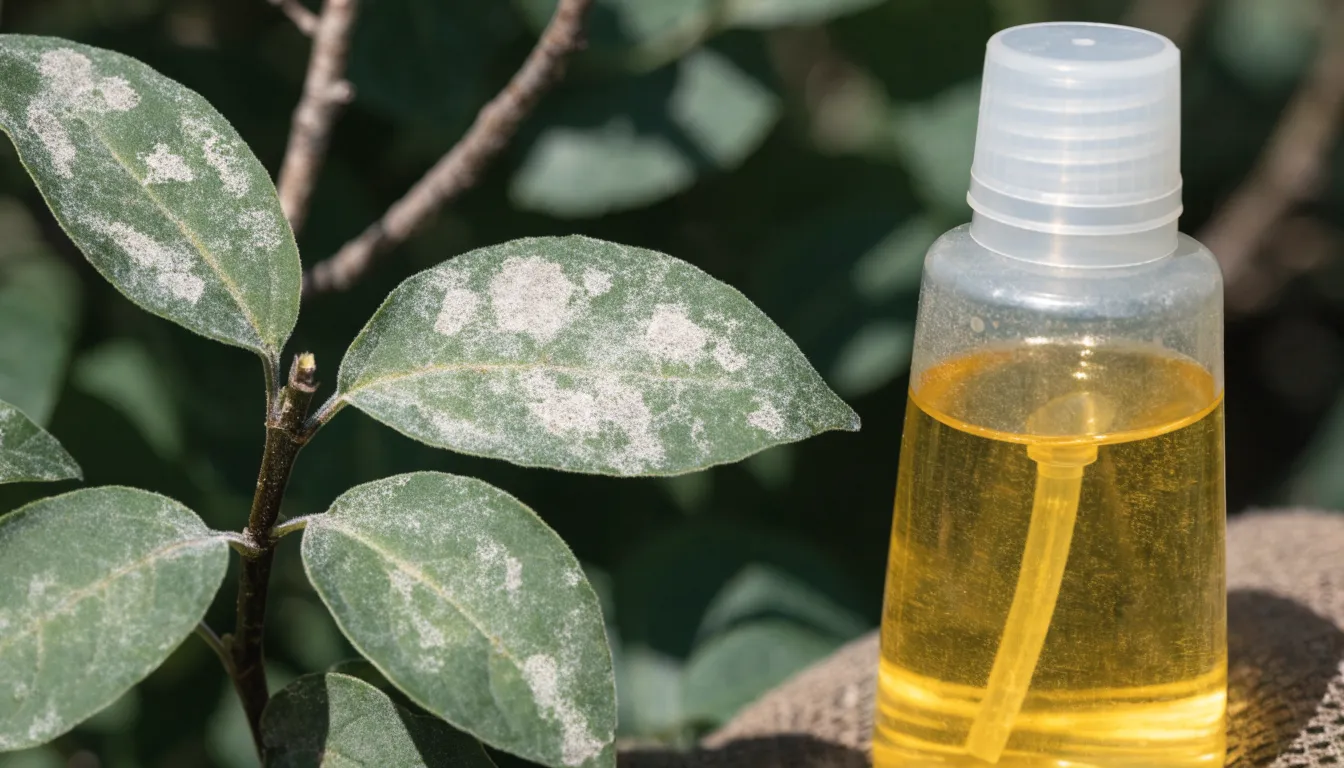
It’s best to apply in the early morning or late evening to avoid sunburn on tender foliage. Repeat about once a week, or whenever you see signs of fungus, to keep diseases under control and support strong, healthy plant growth.
Lavender Oil Magic
Lavender oil helps your garden by attracting helpful pollinators. Its soothing scent draws in bees and butterflies, which are essential for fruit and flower production. With more of these visitors, your plants become healthier and more productive, creating a lively and fertile garden space.
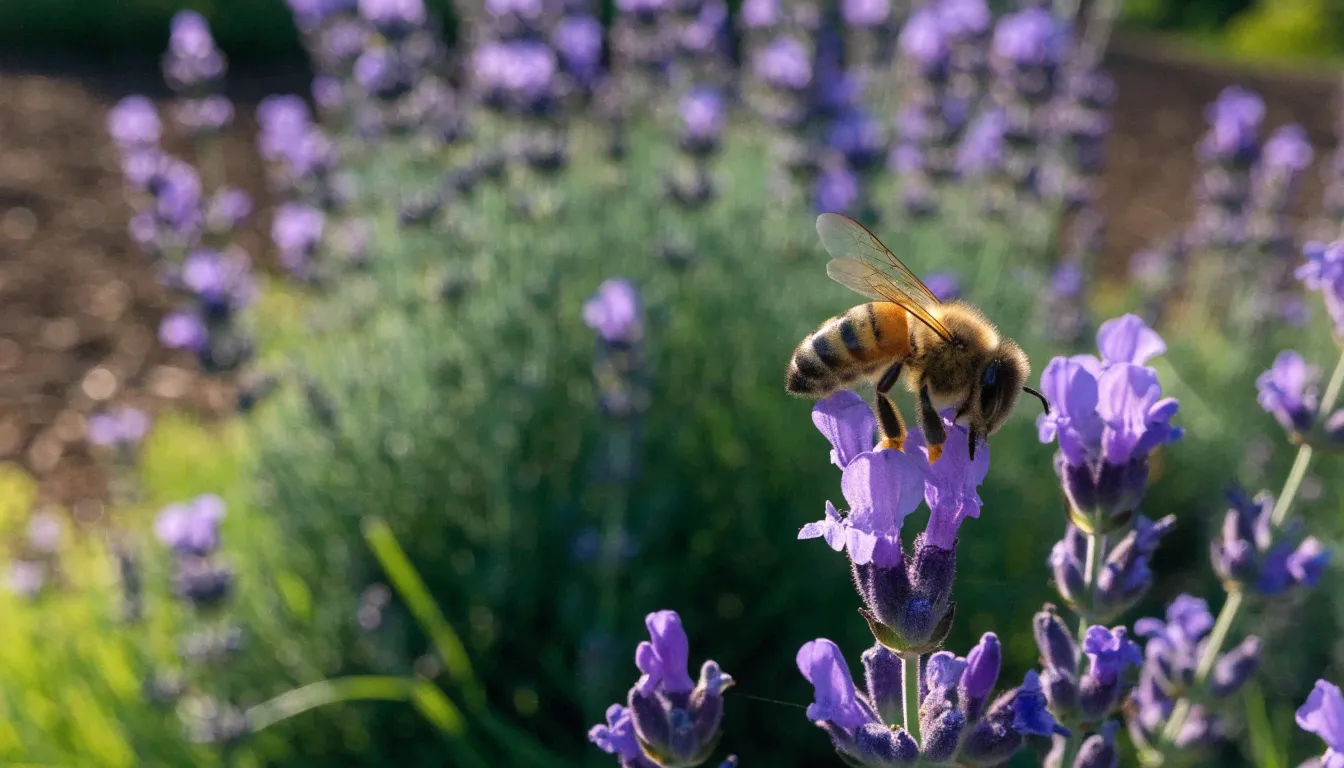
At the same time, lavender oil gently discourages many common pests. Its aroma is unappealing to destructive insects, so they look for food elsewhere, while beneficial species stay safe. This keeps your garden balanced and helps your plants grow without constant damage from infestation.
To use it, mix a few drops of lavender oil with water and lightly mist the base of your plants or non-edible leaves. This spreads the scent just enough to attract and repel naturally. As a result, your garden thrives with less effort, supported by lavender’s natural magic.
Citrus Oil Shields
Citrus oil is a highly effective, natural way to keep common mammals like stray cats, squirrels, and rodents out of gardens. Its main active ingredient is limonene, a natural compound found in citrus peels. When applied, the oil creates a strong scent barrier that animals find unpleasant and confusing—not harmful, but enough to make them want to move elsewhere.
For cats, the intense citrus smell disrupts their keen sense of smell, which they use for marking territory and finding digging spots, so they avoid using garden beds as litter boxes. Squirrels and rodents are also very sensitive to strong odors; the citrus scent masks the smell of bulbs, fruits, and vegetables, making it hard for them to locate food and unappealing to dig or nest.
To use it, spray diluted citrus oil on soil, around plant beds, or on animal pathways. Reapply after rain or every few weeks to keep the scent barrier strong. This natural method safely encourages pests to leave without harmful chemicals or traps, protecting both your plants and the soil.
Rosemary Oil Boost
Rosemary essential oil gives garden plants a helpful boost, especially in defending against common pests like spider mites. Its natural compounds work to repel and suppress these tiny pests. When applied in a properly diluted form, the oil disrupts the mites’ life cycle, makes the plant less inviting for them, and interferes with their breathing and movement on contact, helping to lower their numbers on affected leaves.
Beyond treating an active infestation, rosemary oil also strengthens the plant’s own natural defenses. It helps build a tougher leaf cuticle—the waxy outer layer that protects leaves. A strong cuticle acts as a physical barrier against pests, water loss, and disease. This makes it harder for spider mites and other sap-sucking insects to pierce the leaves and feed.
By supporting this protective layer, rosemary oil helps the whole plant stay more vigorous. It allows the plant to better handle pest pressure and recover faster from minor damage. With regular, properly diluted applications, rosemary oil can be a simple preventive step in garden care, supporting healthier, stronger plants that are better able to defend themselves on their own.
Eucalyptus Oil Barrier
Eucalyptus oil is a natural and effective way to keep pests like slugs, snails, and chewing insects out of your garden. Its strong smell and active ingredients make these pests highly uncomfortable, so they leave your plants alone and search for food elsewhere. Unlike harsh chemicals, this organic method disrupts the pests’ senses and creates an uninviting space, protecting your plants from destructive feeding.
To make this barrier, prepare a simple spray by mixing 10-15 drops of pure eucalyptus oil with one cup of water. Because oil and water don’t mix naturally, add a teaspoon of mild liquid soap or dish soap to help blend them together. Shake the mixture well before every use to keep the oil suspended, which ensures the spray works evenly and delivers the oil’s full repelling power.
Apply the spray around the perimeter of your garden beds or directly onto the soil at the base of vulnerable plants, creating a clear boundary. You can also lightly mist sturdy leaves, but always do a patch test first to avoid any damage. The strong scent confuses pests, making the area unappealing for feeding. Reapply the spray regularly, especially after rain or heavy watering, since the scent fades over time. This steady approach builds a lasting, natural defense, keeping your garden healthy and pest-free.
Safe Dilution Ratios
Essential oils are strong plant extracts that don’t mix with water on their own. If used directly or mixed poorly, they can harm plants, spread unevenly, or lose effectiveness. Understanding why dilution matters is key.
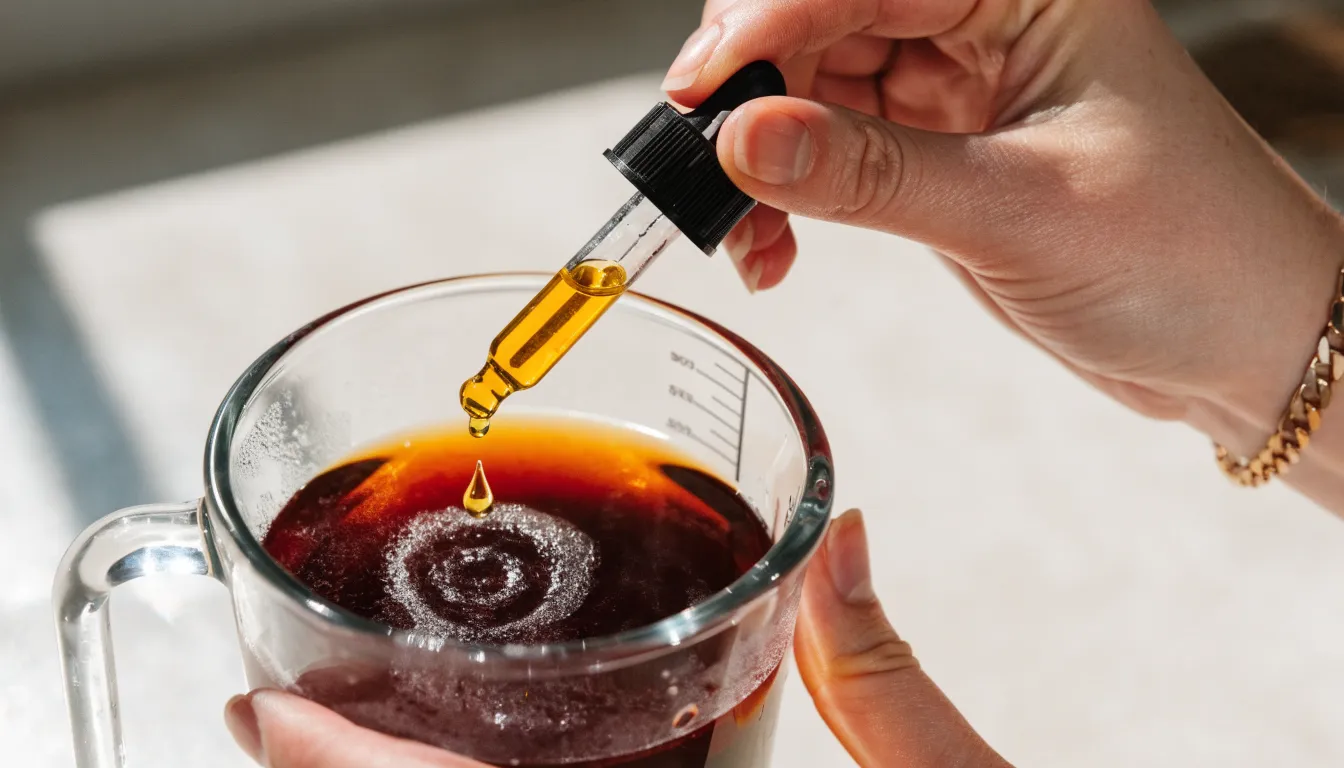
For a basic garden spray, use a dilution of about 1% to 2%. That means roughly 5 to 10 drops of essential oil per ounce of water. Start with the lower amount and watch how your plants react before making it stronger.
To make the spray, first mix the essential oil into a small amount of liquid castile soap—about 1 teaspoon of soap for every 5 to 10 drops of oil. Stir gently until the oil is fully blended into the soap, then slowly add the water to your spray bottle, keeping your chosen dilution ratio. Cap the bottle tightly and shake well for at least 30 seconds so the oil stays evenly dispersed. Shake again now and then while spraying, and always test the mixture on a small part of a plant first to make sure it causes no harm.
Foliar Spraying Basics
To apply essential oil sprays safely, treat plants in the early morning or late evening. This lets the blend stay on the leaves without the harsh midday sun. Cooler times slow down evaporation and stop water droplets from acting like tiny magnifying glasses, which can scorch the leaves. Overcast days can also work if there is good airflow to help the leaves dry.
Use a sprayer that makes a fine, even mist, and aim for light, full coverage on both sides of the leaves—especially the undersides, where pests often hide. Avoid spraying to the point of runoff; a thin coating is enough. Before spraying the whole plant, test the blend on a few small leaves and wait 24 to 48 hours to check for any discoloration or wilting.
Temperature matters. Spray only when it is between 60 and 75°F (15–24°C). Do not spray above 80°F (27°C) or below 50°F (10°C), because heat can burn the leaves and cold can stress the plant. Always use proper dilution and an emulsifier so the essential oils mix fully with water before spraying.
Soil Drench Techniques
Soil drench techniques are a targeted way to protect plant roots from fungal growth and soil-borne diseases. By applying a diluted solution directly to the soil around the plant’s base, the active ingredients reach the root zone, where they work to suppress or eliminate harmful organisms like root rot fungi.
Many plant problems—such as wilting, stunted growth, and discoloration—start with damaged roots. When certain essential oils are properly diluted, they bring natural antimicrobial power to the soil. These compounds can disrupt the cell walls of pathogenic fungi, neutralizing them right where the damage begins.
Careful dilution is key to making an effective drench. The goal is to create a hostile environment for harmful fungi without destroying beneficial soil microbes, which help with nutrient cycling, soil aeration, and natural protection. When applied correctly, the drench reaches the root surfaces, stops fungal spores and hyphae, and supports stronger roots, healthier foliage, and more resilient plants overall.
Vegetable Patch Care
Neem oil is especially useful against hornworms on tomatoes and peppers. It makes the plants taste bad to these pests and disrupts their growth by interfering with molting. This slows the hornworm population over time while staying safe for beneficial insects when used properly.
For aphids, a light coating of horticultural or neem oil works by smothering them. The oil blocks their breathing holes and makes the plant less inviting for new aphids to settle. To get good results, check plants regularly and spray the undersides of leaves where aphids tend to hide.
For blight, essential oils can’t cure the disease, but tea tree or oregano oil can help prevent it. These oils have antifungal properties and create a protective layer on plant surfaces, stopping fungal spores from starting. To use them safely, dilute the oils with water and a little mild soap, and apply in the early morning or late evening to avoid leaf burn.
Flower Bed Preservation
To protect flower beds from fungal disease, especially black spot on roses, essential oil sprays help by disrupting the fungus’s life cycle. This prevents the dark spots from forming on leaves and keeps the plant healthier, especially when sprayed regularly during humid or rainy weather.
For perennials, essential oils also work as a natural repellent against Japanese beetles. When properly diluted and applied, the strong aromatic compounds make plants unappealing to these pests, so the beetles move elsewhere and stop damaging leaves and blooms.
By using a proactive spray schedule—treating roses before or during high-risk conditions and applying deterrents as beetles appear—gardeners can create a simple defense system. This helps roses bloom fully and keeps perennials strong and beautiful all season.
Fruit Tree Protection
Protect fruit trees from aphid outbreaks with a proactive, seasonal essential oil routine. Before buds break, spray a diluted neem oil solution on the dormant branches and trunk to target overwintering eggs and early nymphs. Neem works as an antifeedant and growth disruptor, so thorough coverage of bark crevices helps keep the first aphid population from building up.
Once buds open and new leaves appear, switch to repellent oils like peppermint, spearmint, or citrus. These help deter aphids from settling on tender new growth. Apply them as a fine mist, focusing on the undersides of leaves and the tips of shoots. During flowering, be cautious around pollinators—spray in the late evening or early morning, or treat only the affected branches instead of the whole tree.
After fruit begins to set, keep up regular monitoring and spraying. Lavender and rosemary oils are good repellent choices at this stage; keep them highly diluted so they don’t leave residues that affect fruit taste or safety. Watch for curled leaves or sticky honeydew, and make targeted applications as soon as you notice aphid activity.
Organic Weed Control
Concentrated clove oil is a natural weed killer. Its main active compound, eugenol, gives the oil its smell and its herbicidal power. When sprayed directly onto weeds, eugenol works as a contact herbicide, breaking down the plant’s cell walls and causing the cells to leak. This quickly makes the weed dehydrate, wilt, and turn brown—often within hours.
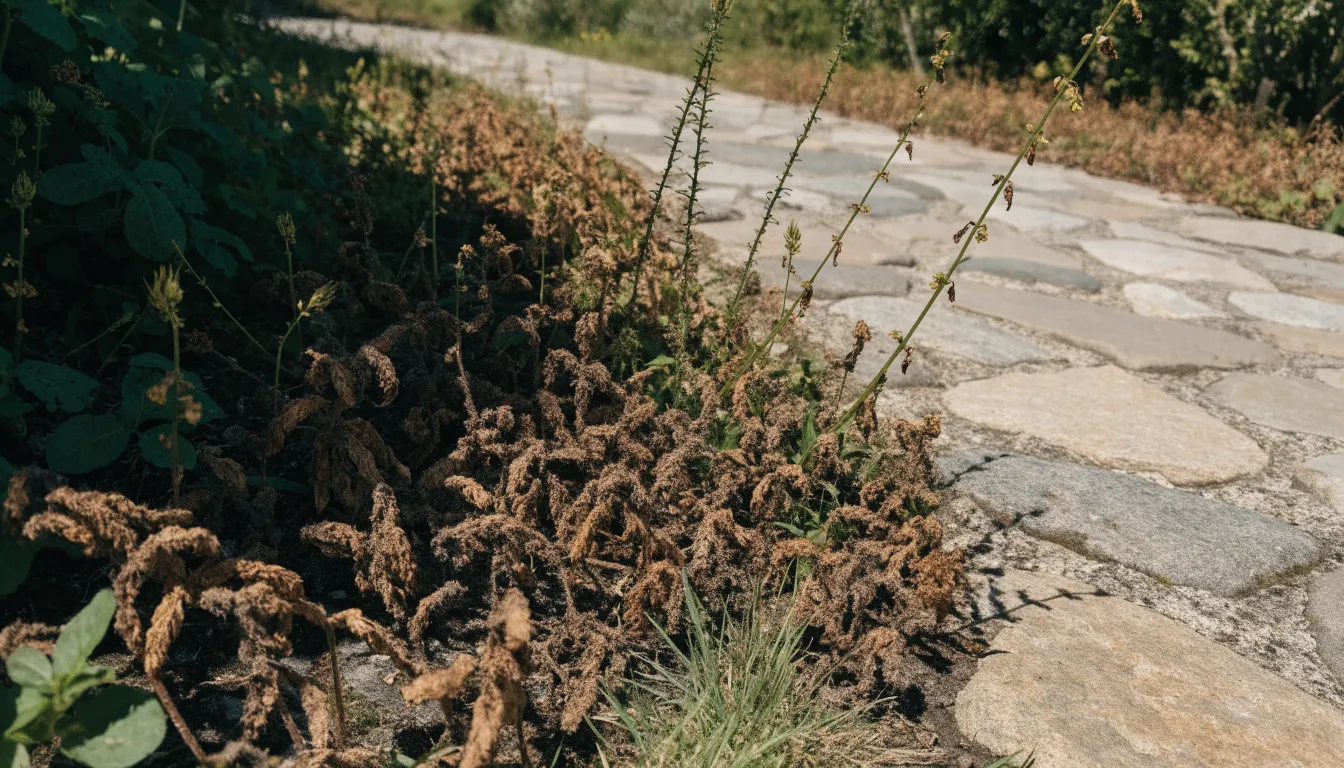
Because it only affects the parts of the plant it touches, clove oil is not absorbed and moved through the plant’s system. This makes it ideal for targeted spot treatments. For best results, apply it generously to the weed’s foliage, avoiding nearby desirable plants.
Since it comes from a natural source, clove oil offers an organic-friendly alternative to synthetic chemical weed killers. It works well for keeping garden beds and pathways clear without harsh chemicals.
Frequently Asked Questions
How do essential oils help protect plants in the garden?
Essential oils protect gardens by confusing pests with strong scents, acting as repellents, and disrupting insect growth cycles. They also fight fungal diseases by damaging fungal cell walls and blocking enzymes needed for growth.
What pests can peppermint oil deter in a vegetable garden?
Peppermint oil is especially useful against aphids, beetles, and caterpillars in vegetable gardens. Its strong menthol scent confuses these pests, making it difficult for them to find plants, feed, or lay eggs.
What’s the right way to dilute essential oils for garden sprays?
For a basic garden spray, use a 1% to 2% dilution, which means about 5 to 10 drops of essential oil per ounce of water. Always mix the essential oil with about 1 teaspoon of liquid castile soap first to help it emulsify and spread evenly, then slowly add water and shake well.
When is the best time of day to spray essential oils on my plants?
It is best to apply essential oil sprays in the early morning or late evening. This allows the blend to stay on the leaves without the harsh midday sun, preventing leaf scorch, and should be done when temperatures are between 60 and 75°F (15–24°C).
Can tea tree oil help with plant fungal diseases?
Yes, tea tree oil is a natural antifungal remedy for common garden problems like powdery mildew, black spot, and rust. When sprayed, it damages the cell structure of fungi, stopping their growth and spread on leaves and stems.
Is it safe to use essential oils on fruit trees during flowering?
During flowering, be cautious around pollinators when using essential oils on fruit trees. Spray in the late evening or early morning, or treat only affected branches instead of the whole tree to protect beneficial insects.