
Essential oils like peppermint, citrus, tea tree, and lavender deter spiders by overwhelming their sensitive chemoreceptors, disrupting their ability to navigate and sense prey. These plant-derived compounds, when diffused or sprayed, create an unpleasant environment that spiders avoid, offering a natural and safer alternative to chemical pesticides for home pest control.
Table of Contents
- Natural Spider Defense
- Understanding Eight Legged Critters
- Peppermint Oil Power
- Citrus Oil Freshness
- Tea Tree Oil Defense
- Lavender Essential Oil
- Eucalyptus Oil Spray
- Cinnamon and Clove Oils
- Cedarwood Essential Oil
- DIY Spider Spray Recipes
- Carrier Oil Essentials
- Strategic Spray Locations
- Cotton Ball Trick
- Diffuser Placement Strategies
- Reapplication Frequency Rules
Natural Spider Defense
Switching to natural spider defense with essential oils is a safer choice for your home and family. Unlike conventional chemical sprays, which contain ingredients meant to kill pests and can be risky when used indoors, Unlike conventional chemical sprays, which contain ingredients meant to kill pests and can be risky when used indoors, essential oils offer a gentler way to keep spiders away. Children and pets are especially vulnerable to harsh chemicals, which can cause breathing problems, skin irritation, or more serious health issues. Essential oils, made from plants, help deter spiders effectively without those high-level dangers, making your home a safer place for everyone.
Another benefit is that essential oils don’t leave behind harmful chemical residues. Traditional insecticides can coat surfaces, furniture, and even linger in the air, meaning your family is exposed to them long after spraying. Essential oils work differently—they either evaporate cleanly or break down naturally, leaving only a fresh, pleasant scent behind. This means you can keep spiders out without compromising the air quality or the surfaces in your home.
In short, essential oils give you a cleaner, healthier way to manage spiders. They reduce health risks, avoid long-lasting chemical buildup, and still work as an effective deterrent. By choosing essential oils, you create a safer living space without the ongoing exposure to harsh pesticides.
Understanding Eight Legged Critters
Spiders rely on their eight legs to sense the world. Tiny hairs called setae, along with chemoreceptors and mechanoreceptors, cover their legs. Chemoreceptors let them taste and smell by picking up chemical signals, which helps them find prey, spot mates, and detect danger. Mechanoreceptors pick up vibrations, helping them sense movement and stay oriented.

When strong essential oil scents enter a spider’s environment, they overwhelm this delicate system. The intense chemical compounds flood the spider’s chemoreceptors, making it hard for the spider to pick up the subtle signals it normally depends on. The botanical smells create constant sensory interference, masking the natural cues that guide hunting and navigation.
This leaves the spider confused and disoriented. It can no longer accurately sense its surroundings, find food, or move safely. Because its main way of perceiving the world is disrupted, the spider will avoid these areas and seek out cleaner, less chemically saturated spaces.
Peppermint Oil Power
Peppermint oil’s main pest-fighting power comes from its high concentration of menthol. Spiders rely heavily on their sense of smell, using sensitive receptors on their bodies to navigate, find food, and detect danger. When they encounter the strong, sharp scent of menthol, it overwhelms their senses and acts as a powerful irritant, making them want to leave the area immediately.
Because the menthol smell is so intense and penetrating, it creates an environment spiders find hostile and unsafe. When applied around entry points, corners, or hiding spots, the lingering scent works as a continuous barrier, warning spiders to stay away and discouraging them from building webs or settling in.
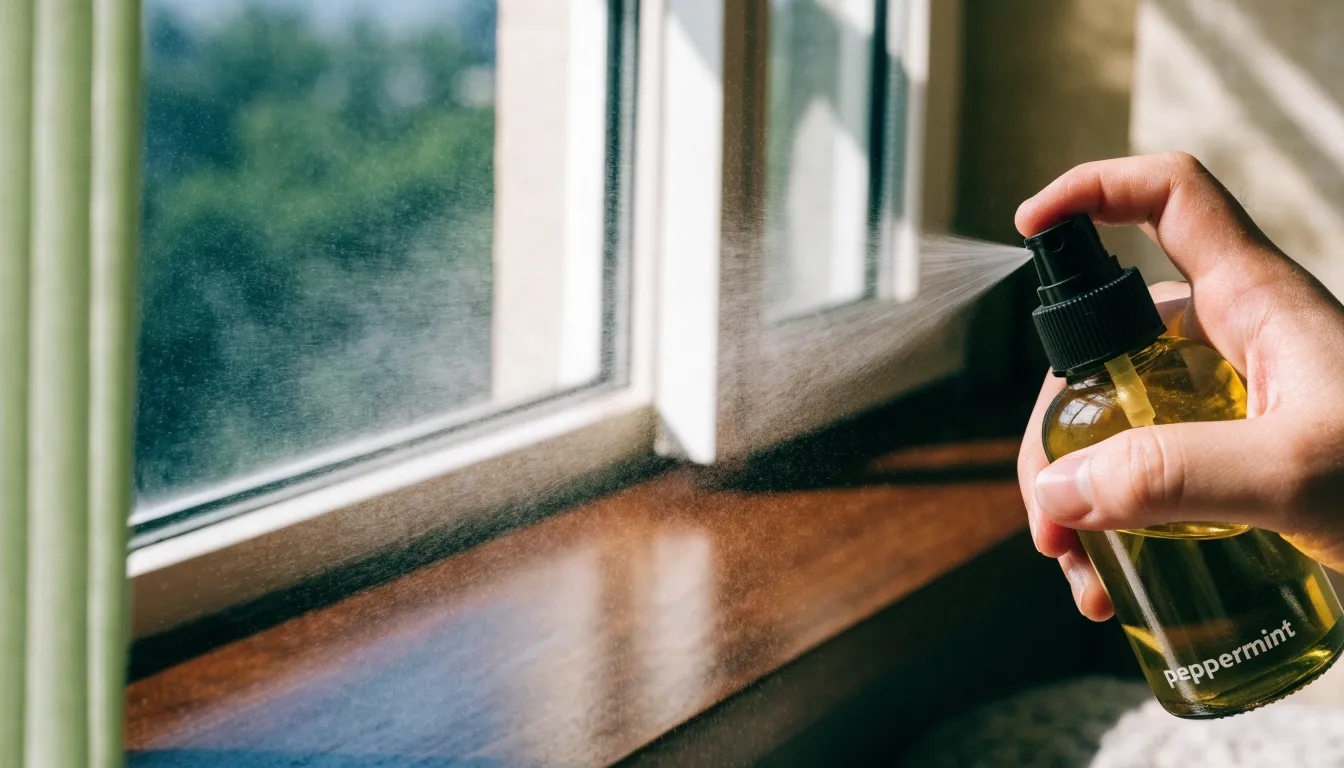
For people, the experience is completely different. Peppermint oil smells crisp, clean, and refreshing. Spraying or diffusing it in your home not only repels spiders naturally, but also freshens the air and improves the atmosphere. Its combination of non-toxic pest control and pleasant scent makes it an ideal way to keep your living space welcoming to you, while keeping spiders out.
Citrus Oil Freshness
Citrus oils from lemon and orange peels give off a fresh, natural scent that helps keep spiders away. The key ingredient is limonene, the compound behind their tangy smell. Limonene confuses and disrupts a spider’s senses, making treated areas feel unpleasant and unwelcoming, so spiders choose to leave instead of staying.
Using lemon or orange essential oil creates an invisible aromatic barrier around your home. Spiders avoid crossing these bright, clean-smelling zones, especially near entry points like windowsills, doorways, and wall cracks. Applying the oil in these spots stops spiders from getting inside or setting up webs and nests.
To keep the barrier working, you need to reapply the oil regularly. With consistent use, the fresh citrus freshness makes your living space feel inhospitable to spiders, keeping them from settling in and making your home more comfortable and spider-free.
Tea Tree Oil Defense
Tea tree oil, made from the leaves of the Melaleuca alternifolia plant, is a natural way to keep spiders away. Its strong smell bothers spiders, and it also has powerful antimicrobial properties that fight off bacteria, fungi, and mold. This is useful because those are the exact things that attract spiders to certain areas of a home.
Spiders like to hide in damp, dark, untouched places like basement corners and behind bulky furniture. These spots often have moisture and mildew, which attract the small bugs that spiders eat. By cleaning these areas with tea tree oil, you get rid of the mold and the bugs. With fewer insects to hunt, spiders will naturally decide those spots aren’t worth living in.
The oil’s intense scent also works directly against spiders by overwhelming their sense of smell, which they use to navigate and find shelter. To use it, just mix a little tea tree oil with water in a spray bottle and apply it to cracks, baseboards, and other shadowy corners. Reapplying it regularly keeps this protective barrier strong, making those dark, quiet spaces too unwelcoming for spiders, all without needing harsh chemicals.
Lavender Essential Oil
Lavender essential oil is known for calming people, but it also helps keep spiders away. Its main active compound, linalool, gives the oil its floral scent. When diffused or applied to the skin, it can reduce stress, promote relaxation, and improve sleep. The scent works with the brain’s olfactory receptors to create a peaceful, well-rested feeling.
The same linalool acts as a strong deterrent for spiders. Spiders use highly sensitive chemoreceptors to sense their surroundings, find prey, and avoid danger. The concentrated aroma of lavender is overwhelming and unpleasant to them. What smells soothing to humans becomes an irritating chemical signal that spiders avoid, making them leave the area.
To use lavender for spider control, apply the oil around entry points, windows, or dark corners. A simple spray made with diluted oil, or cotton balls soaked in the oil, can create an invisible barrier. This lets homeowners enjoy a calm, relaxing space while making it uninviting for spiders—all thanks to the dual action of linalool.
Eucalyptus Oil Spray
Eucalyptus oil spray is a versatile home solution that handles two things at once: keeping spiders away and improving indoor air. Its strong smell and high eucalyptol content are what make it work as a spider repellent.
Spraying it around window sills, door frames, and small cracks creates a natural barrier. The scent tells spiders the area isn’t welcome for them, so they go elsewhere and your home stays free of eight-legged visitors.
Beyond repelling spiders, a fine mist of eucalyptus oil refreshes and purifies the air. It clears lingering odors and adds a clean, fresh feeling. The vapor can also support easier breathing, helping create a more comfortable and open atmosphere in your home.
Cinnamon and Clove Oils
Cinnamon and clove essential oils are strong natural repellents for spiders and many crawling insects. Their power comes from two key compounds: eugenol in clove oil and cinnamaldehyde in cinnamon oil. These chemicals irritate pests’ sensory receptors and nervous systems, making treated areas feel dangerous and causing spiders and insects to stay away.
The warm, spicy scent that people often enjoy is exactly what repels spiders. Because spiders have very sensitive chemoreceptors, they detect these oils as a warning signal and avoid the area. This makes cinnamon and clove oils useful for creating natural barriers around windows, doorways, and other entry points in a home.
These oils are especially helpful in autumn, when cooler weather drives spiders and bugs indoors. Using cinnamon and clove oils during this time helps keep pests from settling inside. The scent is pleasant for humans but unwelcoming to creepy crawlies, offering a natural, spicy defense against their seasonal move indoors.
Cedarwood Essential Oil
Cedarwood essential oil can create a natural barrier around wooden surfaces in and around your home. Its earthy, rich scent comes from terpenes and mimics natural forest odors that many spiders and other arachnids instinctively avoid. This makes it a good choice for protecting wooden furniture, baseboards, and outdoor porch decking from spider infestations.
The oil contains chemical compounds like cedrol and thujopsene, which are especially unappealing to spiders. When these compounds are in the air near a wooden surface, they create an environment that spiders find unwelcoming or even threatening. This doesn’t necessarily get rid of spiders already present, but it strongly discourages new spiders from settling in, building webs, or taking shelter there.
Applying diluted cedarwood essential oil to these wooden areas helps disrupt the sensory signals spiders rely on. Regular reapplication keeps this protective barrier active, making your wooden items and outdoor spaces less attractive to spiders. This offers a more comfortable, spider-free home without needing harsh chemical treatments.
DIY Spider Spray Recipes
Making your own spider repellent spray is a natural, simple way to keep spiders away without harsh chemicals. You just need water, a spray bottle, and essential oils like peppermint, lavender, or tea tree—these are the ingredients that do the actual deterring. A single drop of liquid dish soap is also important because it acts as an emulsifier, helping the oil and water mix instead of separating.
Fill the bottle with about 7 ounces of water, then add 15 to 20 drops of your chosen essential oils. Mixing oils can make the spray stronger—for example, 10 drops of peppermint plus 10 drops of tea tree. Add just one tiny drop of dish soap; too much may leave residue. Secure the cap and shake hard for at least 30 seconds so the oils spread evenly, and give it another quick shake before every use.
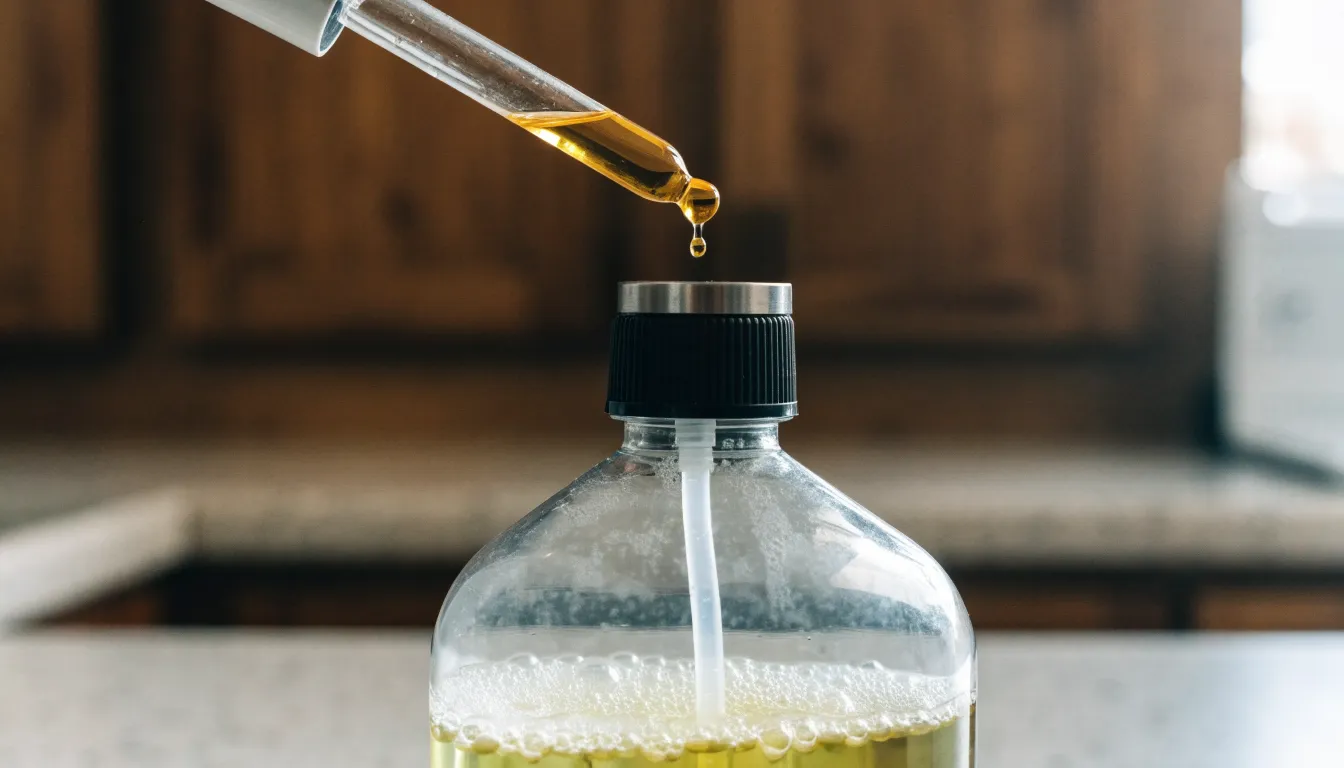
Use the spray on spider entry points and hiding spots like window sills, door frames, baseboards, and dark corners. Reapply regularly to keep the scent strong and the deterrent effect active. Before spraying widely, test it on a small, hidden area to make sure it won’t stain or damage the surface.
Carrier Oil Essentials
Carrier oils are essential for making spider repellents safe at home, especially around kids and pets. They dilute concentrated essential oils, preventing skin irritation and lowering the strength to a safe level. Good choices are gentle, non-comedogenic oils with little to no scent, like fractionated coconut oil, jojoba oil, and sweet almond oil. Unrefined, cold-pressed versions are best for purity.
Dilution is key for safety. For general household use, a very low dilution of 0.5% to 1% is recommended—about 3 to 6 drops of essential oil per ounce (30ml) of carrier oil. This keeps the repellent effective without overwhelming senses or causing skin issues, especially for children and pets. Cats are especially sensitive to essential oils due to their unique metabolism, so extra caution is needed.
Apply diluted mixtures only to areas out of reach, like window sills, door frames, or corners where spiders gather—not on pet beds or play areas. Store all oils and mixtures securely, and watch for any signs of discomfort in children or pets, such as redness, excessive grooming, behavior changes, or breathing trouble. If any reaction occurs, stop use and consult a doctor or veterinarian. Careful carrier oil selection and precise dilution keep everyone safe while still repelling spiders.
Strategic Spray Locations
To get the most out of essential oils, spray them where spiders actually go. Focus on baseboards, which spiders use as pathways along walls. Applying your oil blend there creates a barrier they won’t want to cross, stopping them from moving easily through your home.
Next, treat windowsills, since these are common entry points from outside. Spiders can slip through cracks or open windows, so spraying these areas discourages them from coming in. This is especially important during warm months when windows are often left open.
Finally, spray dark corners and hidden spots, like corners of rooms, behind furniture, in closets, and under sinks. Spiders prefer these quiet places to build webs and hide. Applying essential oils there makes these areas less inviting, pushing spiders to find shelter elsewhere.
Cotton Ball Trick
The cotton ball trick is a simple way to make long-lasting spider repellents. You just put 5 to 10 drops of essential oil on a cotton ball. Peppermint, tea tree, and citrus oils work well because spiders dislike their strong scents.
Once the cotton balls are soaked, place them in hidden spots where spiders hide or enter. Good places include closet corners, under cabinets, behind furniture, along baseboards, and inside cracks. The cotton slowly releases the oil, creating a steady scent barrier that keeps spiders away.
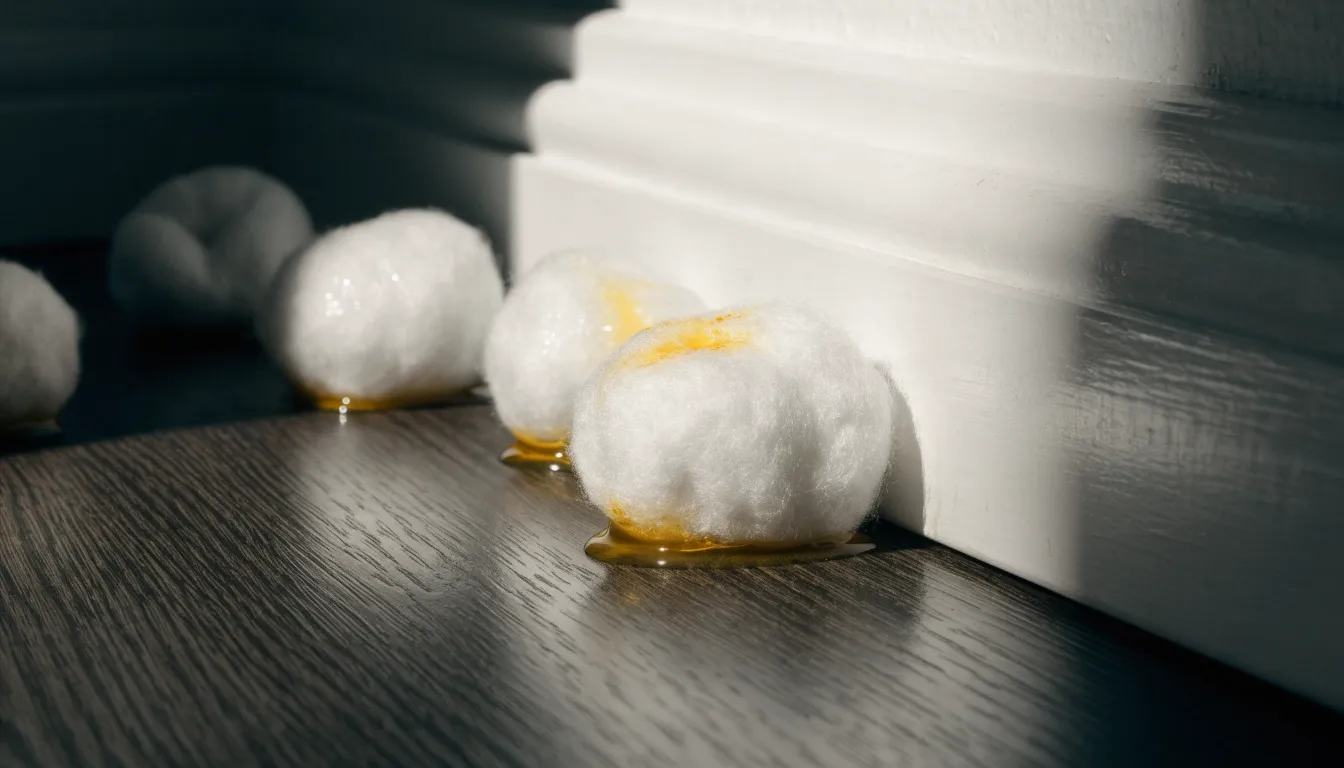
This method is low-maintenance and discreet, with no messy sprays or visible traps. To keep it working, add fresh oil every few weeks or whenever the smell fades. This gives your home steady, non-toxic protection that spiders will avoid.
Diffuser Placement Strategies
Effective diffuser placement uses essential oils to create a continuous scent barrier that discourages spiders from entering or staying in large spaces. In living rooms, place diffusers near windows, doors, and other openings where spiders might get in. Use two or three diffusers in bigger rooms to cover separate zones and hidden corners. Set them on stable surfaces at mid-height, like end tables or shelves, so the mist spreads freely instead of being soaked up by furniture or blocked by large objects. The goal is to saturate the air with the deterrent aroma, forming an invisible shield across the room.
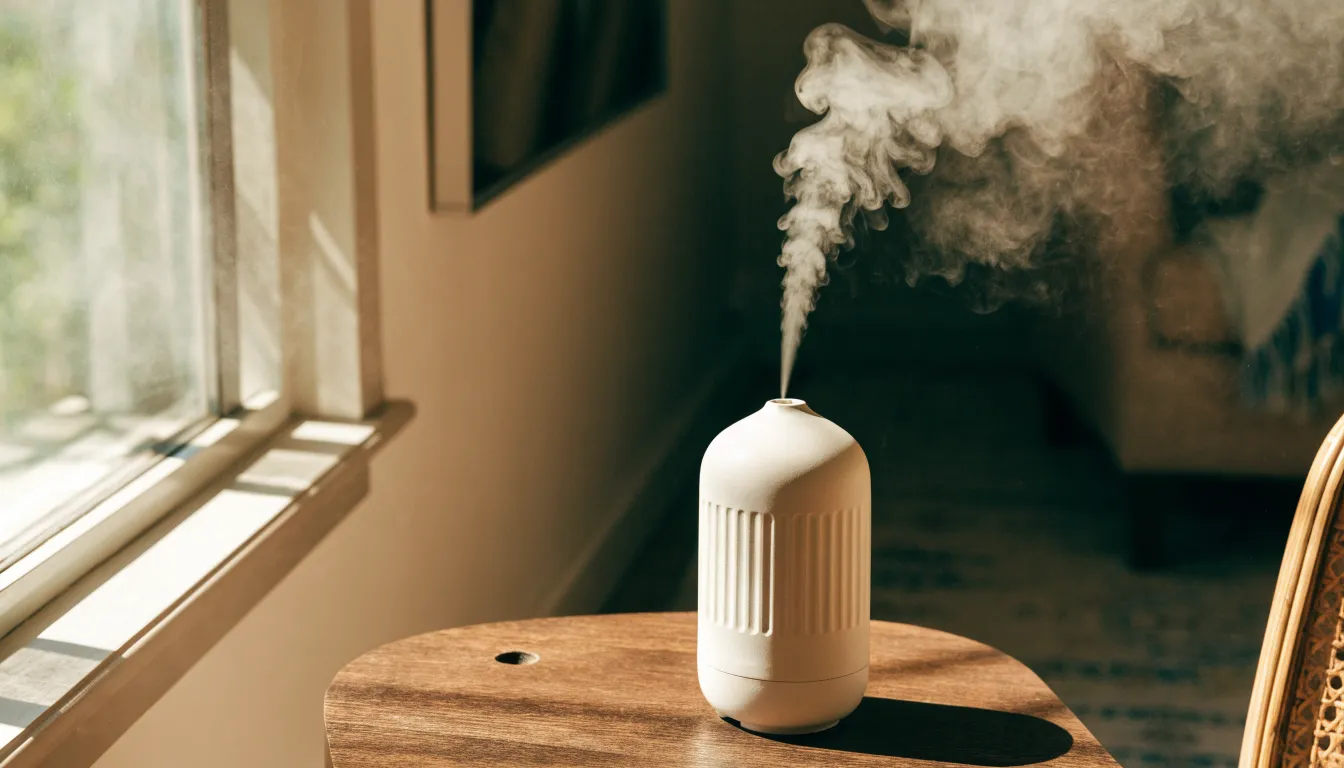
Basements need a different approach because they are often damp, dark, and naturally attractive to spiders. Place diffusers along the perimeter, especially in corners near foundation walls and around areas with stored boxes, shelves, or utility equipment, since those spots offer many hiding places. With less airflow than living rooms, multiple diffuser points are even more important. Keep them running continuously or on timed cycles so the scent stays active day and night, and refill the essential oil regularly to keep the repellent effect strong.
When diffusers are placed well and operated consistently, the essential oils create an environment that spiders find unappealing. The steady presence of the scent throughout the room sends a clear signal that the area is not suitable for them. As a result, spiders are encouraged to move elsewhere and find a more welcoming habitat away from your home.
Reapplication Frequency Rules
To build a strong spider barrier, apply the essential oil spray daily for the first three to five days. After this, adjust your schedule based on your home’s conditions. The main things that affect how long the oil lasts are air movement and moisture.
Airflow makes scents fade quickly. In breezy spots like open windows, doorways, or near fans, you’ll need to reapply every two to three days. In still places like closets, basements, or pantries, the oil lasts much longer, so once a week or even every ten days is fine. Humidity also matters—high humidity makes lighter oils break down faster in water-based sprays, so reapply every three to four days. In drier air, you can stretch it to five to seven days.
The type of oil matters most. Lighter oils like peppermint, lemon, or spearmint evaporate fast (two to four days) and need frequent sprays. Heavier oils like cedarwood, tea tree, or eucalyptus release slowly and last five to seven days or longer, especially on cotton balls. A good rule: reapply sprays every three to four days in busy areas and weekly in still ones. For cotton balls, refresh them weekly, or every five days for light oils—just check that you can still smell them to confirm they’re active.
Frequently Asked Questions
Why should I use essential oils instead of chemical sprays for spiders?
Essential oils offer a safer choice for spider defense compared to conventional chemical sprays, which can contain ingredients risky for family, children, and pets. They deter spiders effectively without high-level dangers or leaving behind harmful chemical residues. This creates a cleaner, healthier way to manage spiders in your home.
How do essential oils actually repel spiders?
Essential oils repel spiders by overwhelming their delicate sensory system, particularly the chemoreceptors they use to taste and smell. The intense chemical compounds flood these receptors, creating constant sensory interference that makes it hard for spiders to sense their surroundings or find food. This leaves the spider confused and disoriented, prompting it to avoid the treated areas.
How does tea tree oil help keep spiders away?
Tea tree oil’s strong smell directly bothers spiders, overwhelming their sense of smell which they rely on for navigation and shelter. Additionally, its powerful antimicrobial properties fight off bacteria, fungi, and mold, which are things that attract the small bugs spiders eat. By cleaning with tea tree oil, you reduce these attractions and the spiders’ food source.
How can I make my own essential oil spider repellent spray?
To make a DIY spider repellent spray, fill a spray bottle with about 7 ounces of water, then add 15 to 20 drops of your chosen essential oils like peppermint or tea tree. Add just one tiny drop of liquid dish soap to act as an emulsifier, helping the oil and water mix. Shake the bottle hard for at least 30 seconds before the first use and again before every subsequent use.
Are essential oils safe to use around pets and children, and what precautions should I take?
For general household use around children and pets, essential oils must be diluted with carrier oils like fractionated coconut or jojoba oil, typically at a very low 0.5% to 1% ratio. Cats are especially sensitive due to their unique metabolism, so apply diluted mixtures only to areas out of their reach, like window sills. Always watch for any signs of discomfort in children or pets, such as redness, excessive grooming, or breathing trouble, and stop use immediately, consulting a doctor or veterinarian if a reaction occurs.
How often should I reapply essential oils to keep spiders away?
To build a strong spider barrier, apply the essential oil spray daily for the first three to five days, then adjust based on your home’s conditions. In breezy areas or with lighter oils like peppermint, reapply every two to four days. For still places or heavier oils like cedarwood, cotton balls can last five to seven days or longer; simply refresh them when the scent fades.